
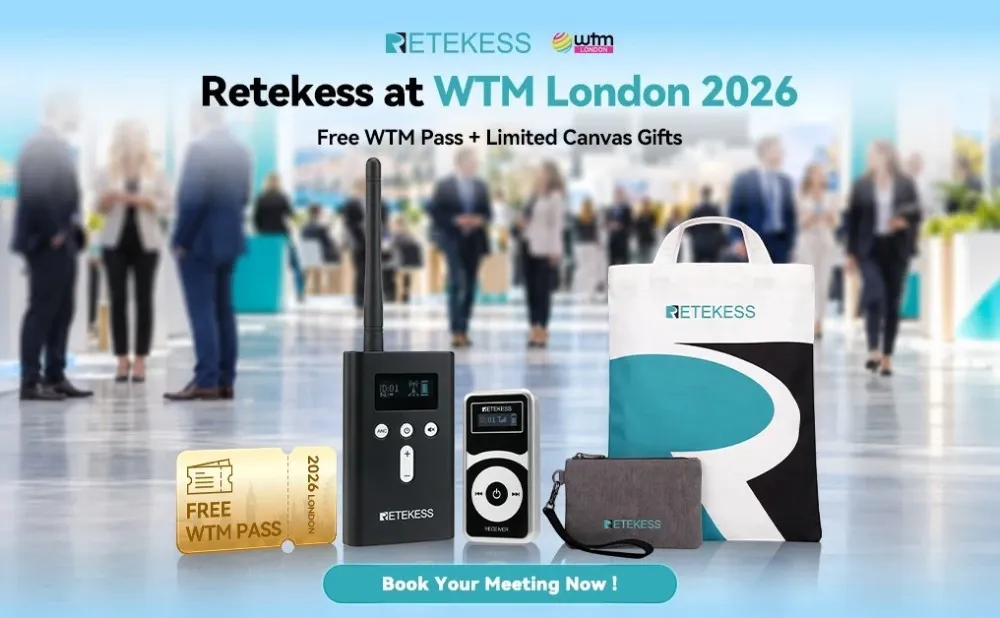
Meet Retekess at WTM London 2026: Making Tourism Communication More Effortless
- Retekess
- Oct 23, 2026
Planning to attend WTM London 2026? Join Retekess at Booth S18-202 (ExCeL London, Nov 3–5) to explore professional wireless audio solutions for tours, museums, and corporate events. Contact us early to claim one of 55 complimentary tickets, request personalized pre-show support, and access exclusive on-site benefits and product trial opportunities.

White Truffle Season in Italy: A Guide to Alba Food Tours
- Retekess
- Oct 23, 2026
If you are wondering when is white truffle season in Italy, what to eat in Alba, or how to plan an Alba food tour, this guide covers the essentials. From exploring the famous white truffle market to joining a truffle hunting experience in Italy, you will discover how to make the most of this distinctive food travel destination.

The Complete Equipment Guide for Audio-Guided Walking Tours
- Retekess
- Oct 23, 2026
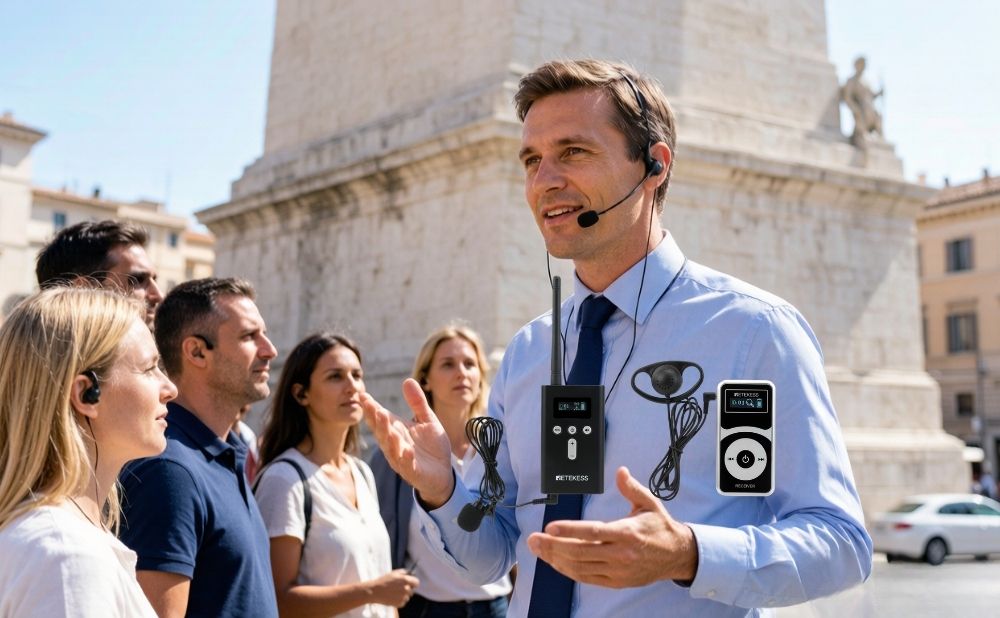
Whether you're an individual traveler exploring a city on foot or an operator leading a live moving group, using the right audio gear is critical. This comprehensive guide covers everything from open-ear safety and battery backup for solo listeners to complete wireless tour guide system configurations for group leaders.

Tour Guide System vs Megaphone vs Portable PA: Which One Fits a Walking Tour?
- Retekess
- Oct 22, 2026
A megaphone makes you louder, but does it make you clearer? In busy historic streets and quiet heritage sites, loudness often leads to noise complaints rather than better listening. Discover the core differences between broadcast devices and wireless tour guide systems, and learn which tool truly fits your tour.
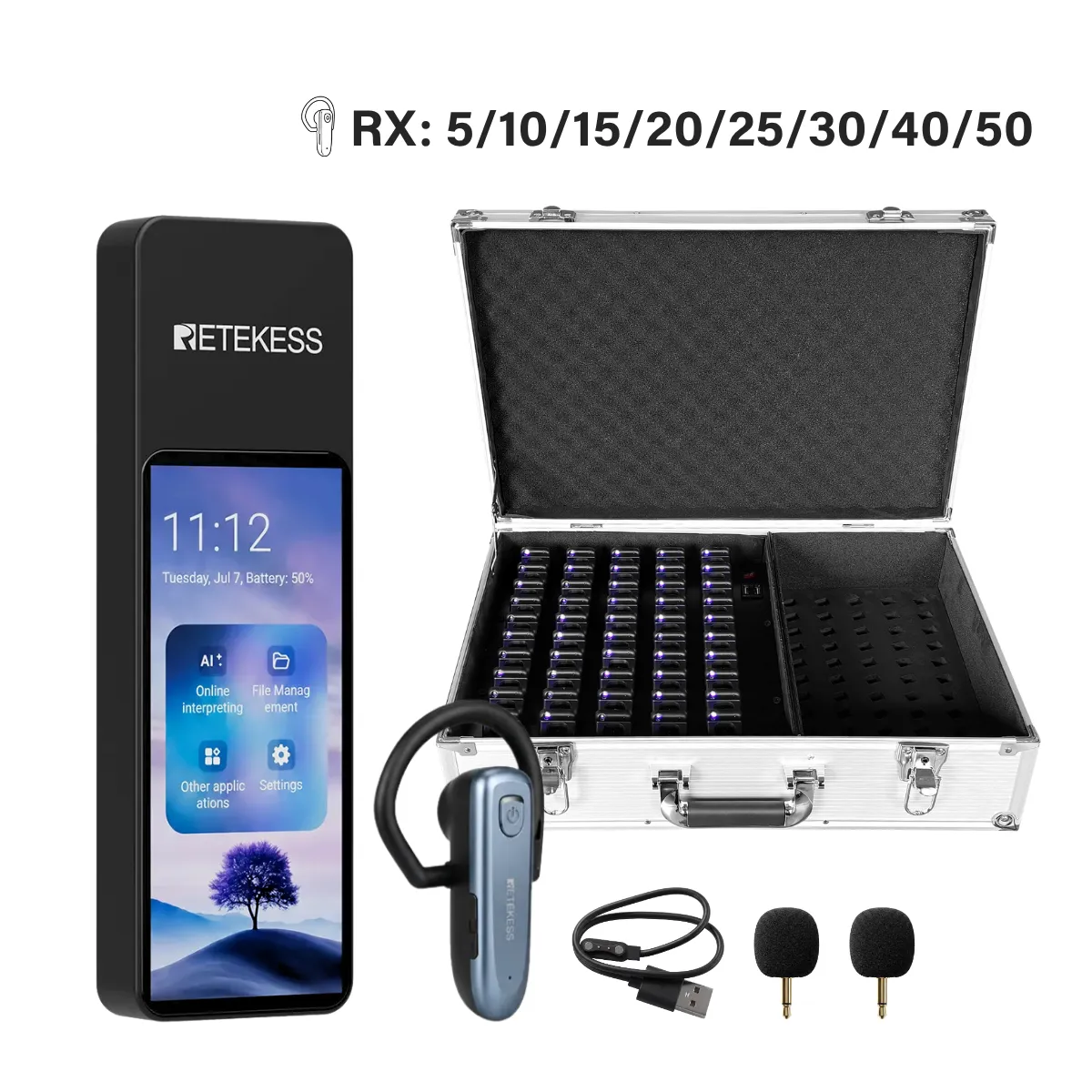



![[18th Anniversary] 18 Years of Echoing Excellence: Making Communication Easier, Connecting Trust Beyond Borders](https://res.retekess.com/z_file/20260716/retekess-brand-story-making-communication-easier_20260716151044_7682.jpg)
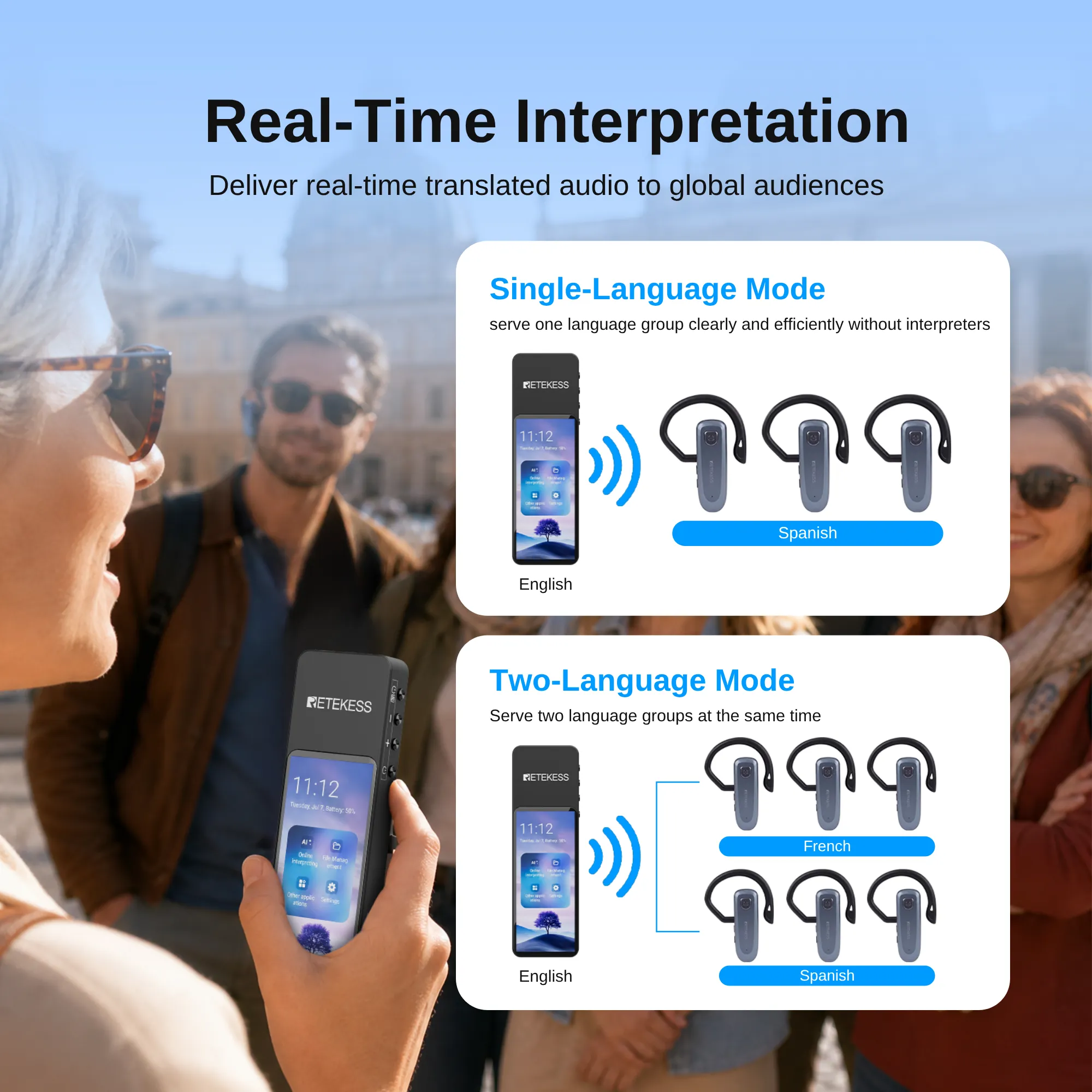
![[18 Years in Wireless Communication] Silent Disco Systems Anniversary Celebration: Top-Selling Headphones & Event Mechanics Revealed!](https://res.retekess.com/z_file/20260713/18-years-in-wireless-communication-silent-disco-systems-anniversary-celebration_20260713175011_5749.webp)
![[Anniversary Carnival] Ding-dong! 18th Anniversary Mega Sale on Guest Paging & Calling Systems: Full Reveal of 12+ Products & Promo Rules!](https://res.retekess.com/z_file/20260713/18th-anniversary-mega-sale-on-guest-paging-calling-systems_20260713175257_0295.webp)
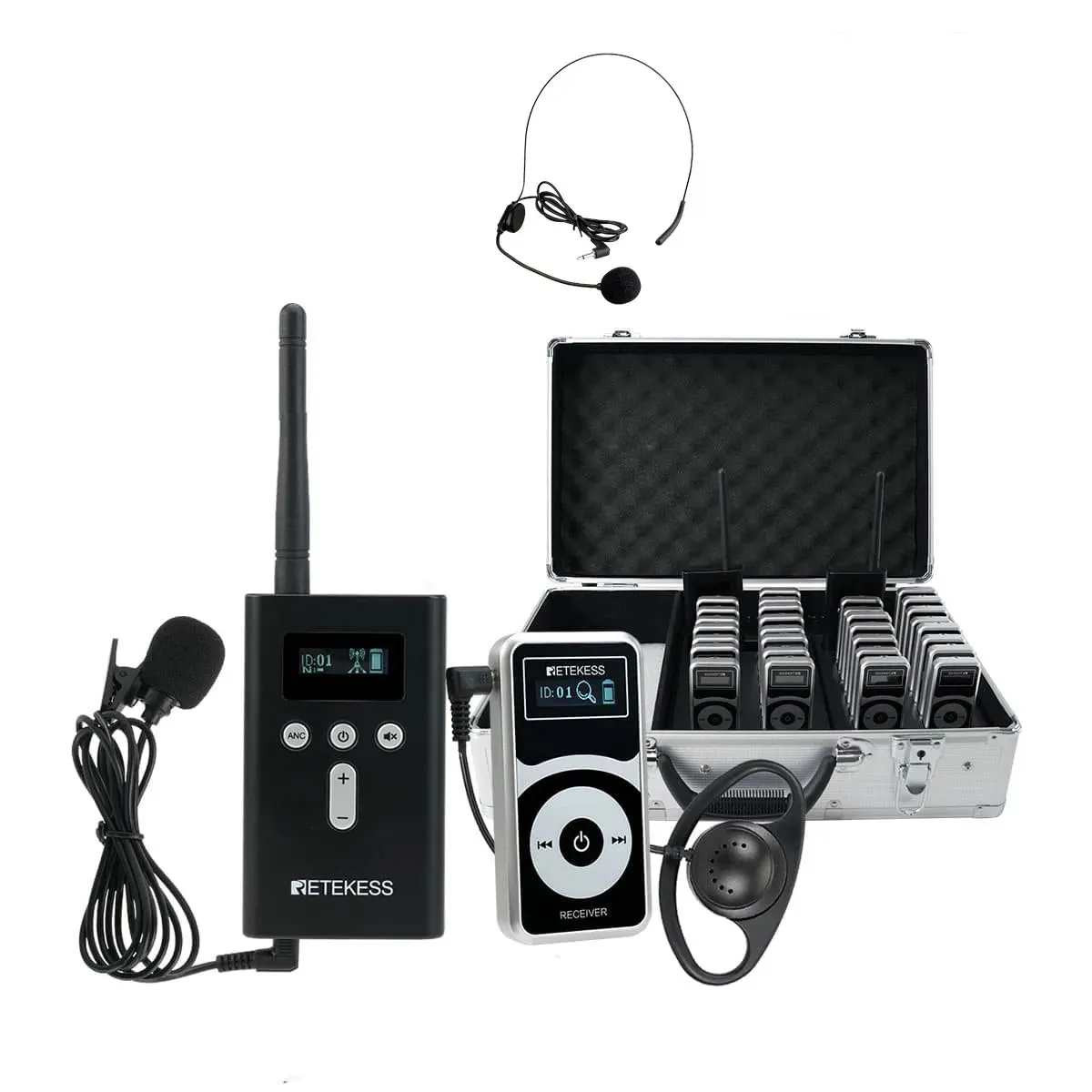
![[Retekess 18th Anniversary Teaser] Tour Guide System Exclusive Perks: Sneak Peek at Event Dates & Mechanics!](https://res.retekess.com/z_file/20260713/retekess-18th-anniversary-tour-guide-system-exclusive-perks--2-_20260713180135_6435.webp)
Follow Us
Pay With


 Google
 Amazon