
Table of Contents

European tour guide reveals: 10 common travel pitfalls tourists must avoid – see here for the correct approach
- Retekess
- Feb 11, 2026
European Guides Reveal: 10 Travel Traps Tourists Always Fall Into — Here’s How to Avoid Them
Expert-Approved Travel Tips That Will Turn You Into a Smart Traveler
According to data from the UN World Tourism Organization, Europe — the world’s most popular travel destination — welcomed 793 million visitors in 2025. Yet whether they’re strolling down the Champs-Élysées in Paris, snapping selfies at the Colosseum in Rome, or cruising the canals of Amsterdam, tourists continue to make the same all-too-common travel mistakes.
Frontline guides see these missteps daily. Here, two seasoned professionals share the most frequent pitfalls travelers encounter in Europe — along with simple, budget-friendly fixes to help you travel smoother, smarter, and more like a local.
Guides’ Top Recommended Travel Essentials for Europe
● Anti-Theft Must-Have: Security Waist Pouch
“Pickpockets in Barcelona, Rome, and Prague specifically target tourists. Backpacks and side pockets are the most vulnerable,” warns Marco Rossi, a Florence-based guide. An anti-theft waist pouch sits close to the body and often features combination locks and slash-proof fabric. “Stashing your passport, credit cards, and other valuables inside is ten times safer than using a backpack.” Wear it at all times in crowded spots like the Colosseum or Sagrada Familia — and avoid staring at your phone while walking, which is an open invitation for thieves.
● Packing Efficiency: Compression Packing Cubes Set
“90% of travelers overpack. Elevators in European hotels are often tiny, and wrestling a giant suitcase into one is a nightmare,” says Rui Silva, a Lisbon-based guide. Compression packing cubes can cut your clothing volume in half. “Sort outfits by scenario — city walking, hiking, evenings out — so you’re not digging through your whole suitcase to find one shirt.” Pro tip: Laundry services in Europe are affordable and widespread. Pack just 5–7 days’ worth of clothes and leave room for souvenirs.
● All-Day Comfort: Comfortable Low-Cut Shoes
“The cobblestone streets in Europe’s old towns are like high heel killers. I’ve seen countless tourists twist ankles or end up with bloody blisters,” says Sophie Laurent, a veteran Parisian guide. Europeans may dress sharply, but comfort is king when you’re logging 20,000 steps a day. Opt for supportive low-cut shoes and breathable socks to keep your feet happy from morning to night.
● Breaking Language Barriers: Translator Device
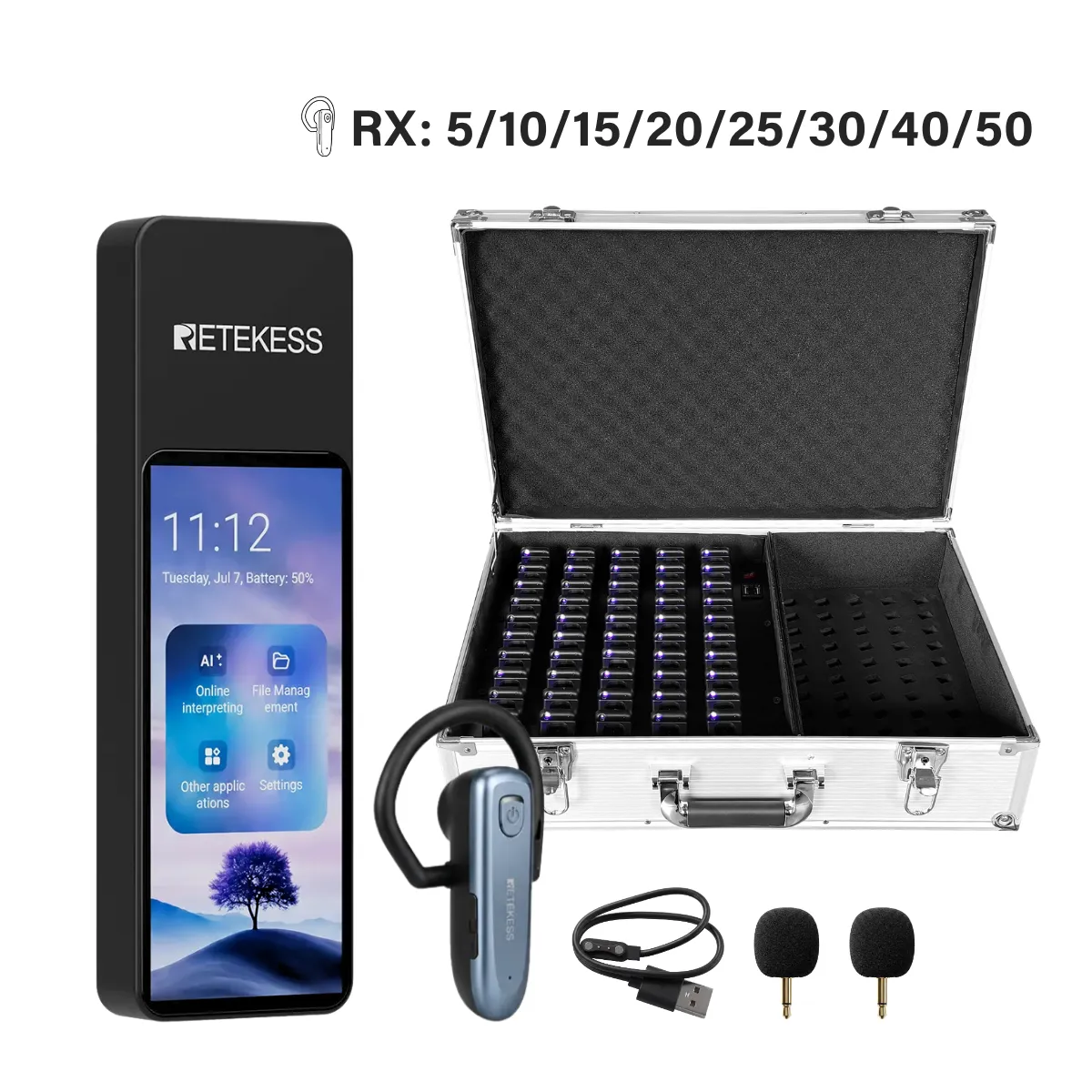
“A lot of visitors assume everyone speaks English. But in southern Spain, small Italian villages, and parts of France, locals default to their native language,” explains Mark Weber, a Berlin-based guide. A pocket-sized translator device can be a lifesaver. Even better: learn a few polite phrases — “hello,” “thank you,” “excuse me” — in the local language. It goes a long way.
● Emergency Essential: Travelon First Aid Kit
“Minor cuts, motion sickness, and allergic reactions happen all the time on the road. And European pharmacies aren’t always nearby — plus some meds require a prescription,” notes Elena Kostas, an Athens-based guide. This compact kit packs 18 essentials, including iodine wipes, bandages, motion sickness tablets, and antihistamines. “It’s tiny enough for a daypack and ideal for families traveling with kids or seniors.” Also: bring English instructions for any prescription meds to avoid customs hassles.
● Hydration on the Go: Collapsible Water Bottle
“Free public drinking fountains are rare in European cities, but restaurants will refill your bottle for free,” says Vienna-based guide Anna Bauer. A collapsible bottle weighs about 50 grams and folds flat into your pocket. “Bring it to coffee shops — some places even knock €0.50 off your espresso.” Note: Tap water is safe to drink in most of Europe, but in parts of Italy it’s high in minerals. If you have a sensitive stomach, stick to bottled.
● Skip the Line: Omio E-Ticketing App (Free Download)
“Too many travelers show up at major museums only to find tickets sold out — especially for blockbusters like the Louvre or Uffizi, which need to be booked 3 to 7 days ahead in high season,” says Thomas Becker, a Munich-based guide. Omio lets you book museum entry, rail passes, and guided tours all in one place. “E-tickets live in your phone. No printing, no ticket booth queues.” Insider tip: Some museums offer free admission to EU citizens. Non-EU travelers should check for student or discount tickets in advance to save.
Extra Insider Tips to Stay Ahead
● Public Transport
European subways don’t have security checks — so don’t flash your phone or wallet on the platform. When boarding trains, always validate your ticket before the ride; fines for “forgetting” can hit €100.
● Restaurant Etiquette
In Spain and Italy, dinner rarely starts before 8:00 p.m. Arrive earlier and you may only be offered overpriced “tourist menus.” When you’re ready to pay, you have to ask — servers won’t bring the check unprompted. Say “La cuenta” in Spain, “Il conto” in Italy.
● Tipping Culture
Tipping isn’t expected for taxi drivers or hotel housekeeping the way it is in restaurants. If service truly stands out, leave a euro or two in coins. No need to overthink it.
● Shopping Tax Refunds
Spend over a certain amount (usually €50–100) at a single store and you may qualify for a VAT refund. Hang onto your receipts and tax refund forms, and handle the paperwork after airport security.
Leave a Reply




![[18th Anniversary] 18 Years of Echoing Excellence: Making Communication Easier, Connecting Trust Beyond Borders](https://res.retekess.com/z_file/20260716/retekess-brand-story-making-communication-easier_20260716151044_7682.jpg)
![[18 Years in Wireless Communication] Silent Disco Systems Anniversary Celebration: Top-Selling Headphones & Event Mechanics Revealed!](https://res.retekess.com/z_file/20260713/18-years-in-wireless-communication-silent-disco-systems-anniversary-celebration_20260713175011_5749.webp)
![[Anniversary Carnival] Ding-dong! 18th Anniversary Mega Sale on Guest Paging & Calling Systems: Full Reveal of 12+ Products & Promo Rules!](https://res.retekess.com/z_file/20260713/18th-anniversary-mega-sale-on-guest-paging-calling-systems_20260713175257_0295.webp)
![[Retekess 18th Anniversary Teaser] Tour Guide System Exclusive Perks: Sneak Peek at Event Dates & Mechanics!](https://res.retekess.com/z_file/20260713/retekess-18th-anniversary-tour-guide-system-exclusive-perks--2-_20260713180135_6435.webp)
Follow Us
Pay With


 Google
 Amazon
Comments (0)