
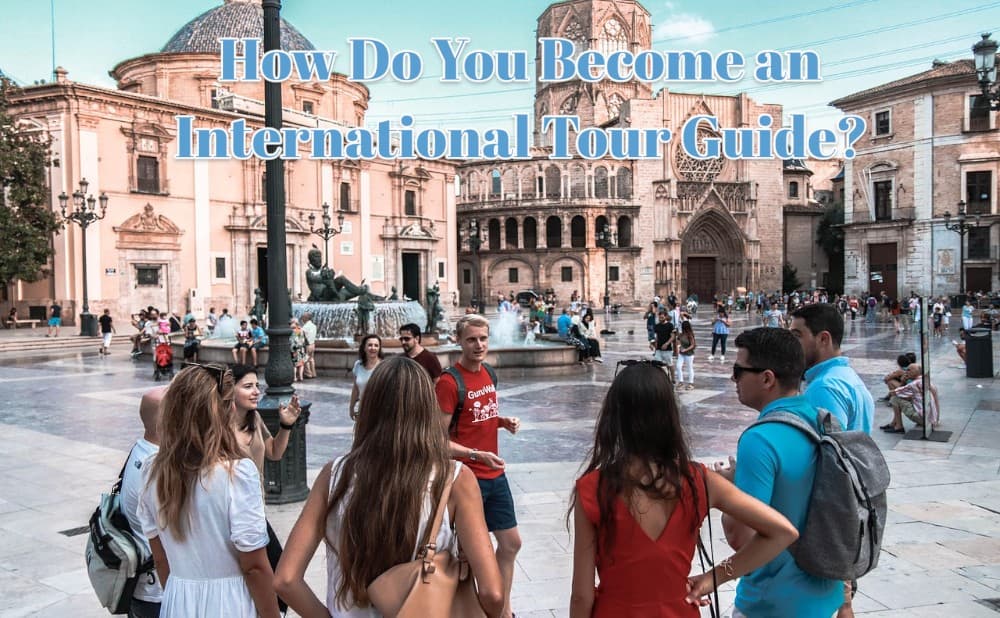
Do you dream of turning your love for travel, culture, and connection into a career that lets you explore the world while sharing its wonders with others? Becoming an international tour guide is more than just a job—it’s a lifestyle that blends adventure, storytelling, and cultural immersion.
No two paths to this career are the same, but every successful international guide builds their journey on passion, core skills, and global know-how. Whether you want to work for a top global tour company or launch your own independent tour business abroad, we’re breaking down the key steps, skills, and insider tips to turn your travel dreams into a thriving international guiding career.
Start with Passion (It’s Your Greatest Asset)
The most successful international tour guides all share one core trait: genuine passion for the places, cultures, or experiences they share.
This passion is what sets international tour guides apart: it translates into authentic storytelling, and travelers can feel the difference between a guide reciting facts and one who truly loves sharing a place. Ask yourself: What excites you about travel? Is it culinary exploration, outdoor adventure, art and history, or wine and culture? Your passion will be the backbone of your tours, whether you’re leading a food crawl in Colombia, a wine tasting in Italy, or an adventure tour in Costa Rica.
Master the Core Skills for International Success
International tour guiding demands a unique set of skills that go beyond knowing historical facts or local hotspots. You’re not just a guide—you’re a host, a problem-solver, a leader, and a cultural bridge for travelers from diverse backgrounds. These are the non-negotiable skills to develop:
-
Multilingual communication: Fluency in at least two languages (English is a global staple) is essential for guiding international groups. Many global tour companies prioritize guides who speak Spanish, French, Mandarin, or Korean—languages that connect with major international travel markets. Even basic proficiency in a local language of the countries you want to work in will build trust with both travelers and local partners.
-
Customer service & empathy: You’ll work with travelers of all ages, personalities, and cultural norms—some may be jet-lagged, some may have special requests, and some may face travel hiccups. Patience, flexibility, and the ability to stay calm under pressure are key. Tara Tiedemann of Costa Rica’s Viva Adventures swears by putting clients first: “If you provide a great level of service and act as your client’s best advocate, you’ll see a great return.”
-
Organization & logistics: International tours mean managing itineraries, transport, border controls, accommodation, and unexpected delays—whether you’re a tour guide for short excursions or a tour director overseeing multi-day international trips. You need to keep track of details while keeping the tour fun and seamless.
-
Safety & emergency management: From first aid certification to knowing how to handle travel emergencies (e.g., a lost passport, a medical issue, or a transportation breakdown), safety is non-negotiable. Specialized tours (like whitewater rafting or rainforest hikes) may require additional safety training, too.
-
Cultural competence: To guide internationally, you need to understand and respect the cultural norms of the countries you work in—and teach your travelers to do the same. This means knowing local customs, etiquette, and history, and being able to answer questions with nuance and respect.
Get Professional Training & Certifications
While some countries don’t require formal certification to work as a tour guide, professional training is a game-changer for international opportunities. It not only builds your skills but also gives you credibility with global tour companies, independent clients, and local tourism authorities.
The World Federation of Tourist Guide Associations (WFTGA) is the gold standard for international tour guide training, with courses accredited to the CEN Standard EN15565:2008—the global minimum for professional tourist guide qualification. WFTGA offers a range of training options for international guides, including:
-
Hands On Tourist Guide Training (HOT): A practical introduction for new guides (and a refresher for experienced ones) with on-site training—critical for learning the art of in-person storytelling and group management.
-
Site Guide Training: Specialized training for guiding at iconic international locations, from UNESCO World Heritage Sites to national parks and archaeological sites.
-
Train the Trainer (TtT): For those who want to advance their career and train other guides globally.
-
Continuous Professional Development (CPD): Online webinars and sessions to stay updated on global tourism trends and skills.
WFTGA also has an International Training Centre in Cyprus and offers in-house training for tour companies worldwide, with partial scholarships available for applicants from developing countries. Other reputable programs include the International Tour Management Institute (ITMI), which focuses on the logistics of international tour directing—ideal if you want to oversee multi-day, cross-border trips.
Even if you’re building your own independent tour business, formal training will help you craft better itineraries, understand global tourism best practices, and avoid common pitfalls.
Navigate Global Licensing & Legal Requirements
One of the most practical steps to becoming an international tour guide is researching the legal and licensing rules for the countries you want to work in. Requirements vary wildly across the globe: some places (like most of Canada) have no licensing rules at all, while others (like Montreal, Quebec, or many European cities) require a government-issued guide permit. Some countries also restrict tour guiding to local or national citizens, while others welcome international guides with the right credentials.
As a general rule, it’s easier to get hired or launch a business in a country where you have residency or a work visa—this is why many independent tour guides (like Lisa Condie, who moved to Florence to run Tuscany tours) apply for elective residence visas or work permits in their chosen country. For those working for global tour companies, the company will often assist with work visa and licensing requirements for international assignments.
To avoid legal missteps:
-
Reach out to the national tourist guide association of the country you want to work in—they can outline licensing, permit, and visa rules.
-
Connect with local tour guides and operators (via social media or professional associations like WFTGA) for on-the-ground insights.
-
If building your own business, consult a local business advisor to understand tax, registration, and insurance requirements (critical for operating legally abroad).
Gain Experience—Start Local, Then Go Global
There’s no substitute for hands-on experience when it comes to international tour guiding. Even if your goal is to lead tours across Europe, Asia, or South America, start by building your portfolio close to home—whether that’s your hometown or a country you already live in.
-
Shadow experienced guides: Intern or shadow international tour guides to learn the ropes of group management, itinerary building, and storytelling for global audiences.
-
Start small: Lead short tours (e.g., a food walk, a city tour, or a day trip) for local or international travelers. Nick Manning started by leading small tours in Greece, and Amanda Courtney began by showing friends around Piedmont’s wineries before launching her full wine tour business.
-
Work for a global tour company: Large multinational tour companies are a great way to gain international experience—they handle licensing, visas, and logistics, and let you guide groups across multiple countries. Many of these companies hire tour directors and guides for international itineraries, from European river cruises to South American adventure tours.
-
Volunteer: Volunteer as a tour guide for cultural organizations or nonprofits (e.g., museum tours, heritage site tours) to build your presentation skills and portfolio—this is especially helpful if you’re new to the industry.
Every tour you lead, whether small or large, will teach you how to read a group, adapt to unexpected changes, and craft experiences that travelers remember—skills that translate directly to international guiding.
Choose Your Path: Work for a Company or Build Your Own Independent Business
As an international tour guide, you have two main career paths—working for a global tour company or launching your own independent tour business—and both have incredible perks. The choice comes down to your lifestyle goals: do you want the stability of a company role, or the freedom of being your own boss?
Working for a Global Tour Company
Large international tour companies (think Contiki, G Adventures, or Trafalgar) offer consistent work, international assignments, and built-in clients. They handle all the logistics—licensing, marketing, payments, and itineraries—so you can focus on guiding and connecting with travelers. This path is ideal if you want to guide across multiple countries without the stress of running a business, and many companies offer opportunities for promotion (e.g., from local guide to international tour director).
Building Your Own Independent Tour Business
For those who crave freedom and creativity, building an independent international tour business is the ultimate dream. Guides like Amanda Courtney (Italy wine tours), Nicole Furnace and Jeremy Hand (Colombia food tours), and Eliot Greenspan (Costa Rica custom trips) all turned their passions into businesses that let them set their own hours, craft unique itineraries, and live in the countries they love.
The keys to building a successful independent international tour business are:
-
Niche down: Focus on what you love (e.g., wine, food, adventure, solo female travel) to stand out in the global market. Amanda’s wine tours attract savvy oenophiles, and Lisa’s Tuscany tours cater to American women seeking authentic Italian experiences—this niche focus builds loyal clients.
-
Master online marketing: The internet has made it easier than ever to reach international clients directly. Build a professional website, list your tours on platforms like TripAdvisor and Viator, and use social media (Instagram, Facebook, Pinterest) to share stunning content of the places you guide. Word of mouth is also gold—Tara Tiedemann notes that her best marketing is happy clients who recommend her to friends and family back home.
-
Start small and scale: Begin with small group tours to perfect your itineraries and build a reputation, then expand as you gain more clients. Nicole and Jeremy’s La Mesa Food Tours started in Medellín and now operate in Cartagena and Bogotá, thanks to the universal appeal of their food-focused tours and a small team of staff.
Network & Connect with the Global Tourism Community
Tourism is a people-driven industry, and networking is critical for finding international opportunities—whether you’re looking for a job with a global company or building your own business with local partners (e.g., wineries, restaurants, hotels).
-
Join professional associations: WFTGA is the premier global association for tour guides, with members from every country. It’s a great place to connect with mentors, find job opportunities, and access training resources. Many countries also have their own tourist guide associations that link to international networks.
-
Attend tourism conferences: Events like the World Travel & Tourism Council (WTTC) Global Summit or local tourism fairs let you meet tour company owners, travel agents, and fellow guides from around the world.
-
Connect with local partners: If you’re building your own business abroad, nurture relationships with local winemakers, chefs, hotel owners, and transport providers—they’ll become your most valuable allies for crafting authentic tours.
-
Leverage social media: Platforms like LinkedIn and Instagram let you connect with international travel professionals and showcase your work as a guide. Share photos and stories from your tours, and engage with other tour guides and travel brands.
Embrace the Lifestyle (It’s Not Just a Job)
Becoming an international tour guide isn’t just about making a living—it’s about embracing a lifestyle that prioritizes freedom, adventure, and connection. The guides who thrive in this career are those who love the little moments: a traveler’s joy when they taste their first authentic Italian risotto, a group’s laughter during a Colombian street food crawl, or waking up on a Greek island to lead a tour along the Aegean Sea.
Yes, there are challenges: long days, unexpected travel hiccups, and the work of building a business or navigating global licensing. But as Nick Manning puts it: “Even the worst days on tour were better than sitting in a drab office cubicle working 9-to-5.” For many international tour guides, the rewards far outweigh the hard work: the freedom to live abroad, the chance to learn new cultures, and the joy of helping others fall in love with the world—just as you did.
Final Thoughts
Becoming an international tour guide is a journey that starts with passion and grows with skill, curiosity, and grit. It’s a career where you don’t just visit the world—you know it, and you get to share that knowledge with others. Whether you choose to work for a global tour company or build your own independent business, the key is to take the first step: develop your skills, research your dream destinations, and start sharing the world with others.
The globe is your office, and every tour is a new adventure—what better career could there be?














Comments (0)