
Table of Contents

Breathwork Mastery: Why High-Fidelity Audio is the Silent Partner of Wim Hof and Holotropic Practice
- Retekess
- Mar 20, 2026
- 0 Comments
In the world of modern breathwork, the "voice" of the facilitator is more than just instruction—it is a physiological anchor. Whether you are submerged in an ice bath following the Wim Hof Method or navigating the deep, psychedelic-like states of Holotropic Breathwork, the sonic environment dictates the success of the experience.
As certifications proliferate and more coaches enter the field, the differentiator for a professional practice in 2026 is no longer just the technique; it is the sensory infrastructure that protects the student’s "Concentration Bubble."
1. The Wim Hof Method: Audio as a Lifeline in Extreme Environments
The Wim Hof Method (WHM) is built on three pillars: Breathing, Cold Exposure, and Commitment. From a facilitator's perspective, the "Cold" pillar presents a massive technical challenge.
-
The Problem of Distance and Noise: Imagine leading a group of twenty people into a freezing lake or a series of outdoor ice tubs. The wind is howling, the ice is cracking, and the students are entering a state of high-intensity physical stress (the "Fight or Flight" response).
-
The Solution: In this high-stakes environment, the coach’s voice must be an unwavering constant. A standard megaphone is too harsh; shouting is too aggressive.
-
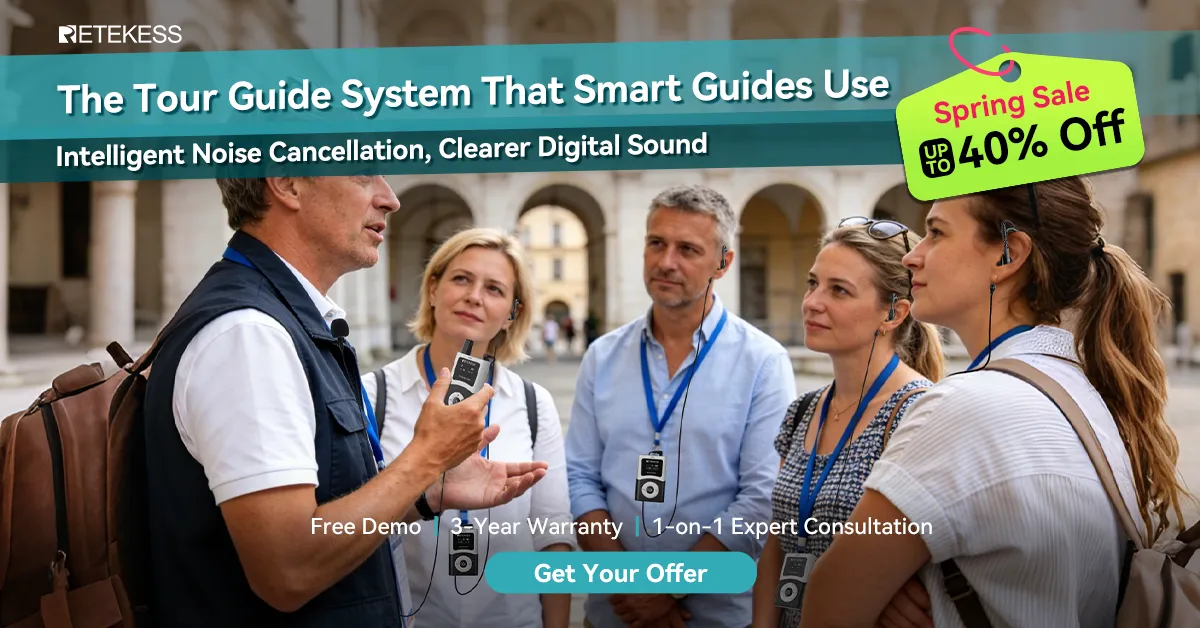
The Tech Edge: Using a weather-resistant wireless microphone system, the coach can maintain a calm, steady rhythmic count directly into the students' ears. This steady "metronome" of the voice is what prevents panic and allows the student to override their survival instinct. In the cold, clarity isn't just a preference—it’s a safety protocol.
2. Holotropic & Integrative Breathwork: The Architecture of Sound
While Wim Hof is about willpower and the "outer" elements, Holotropic Breathwork (developed by Stanislav Grof) and its various integrative cousins are about the "inner" journey. These practices use rapid, deep breathing to access non-ordinary states of consciousness.
-
The Role of Music: In Holotropic sessions, music is not "background noise." It is a carefully curated wave designed to evoke emotional release. It begins with rhythmic drumming, moves to high-intensity dramatic scores, and settles into meditative "heart" music.
-
The "Concentration Bubble" (The 2026 Standard): If the music is played through a muddy room speaker, the emotional impact is diluted by the acoustics of the space—the person coughing next to you, the sound of a door closing, the flat echo of a gymnasium.
-
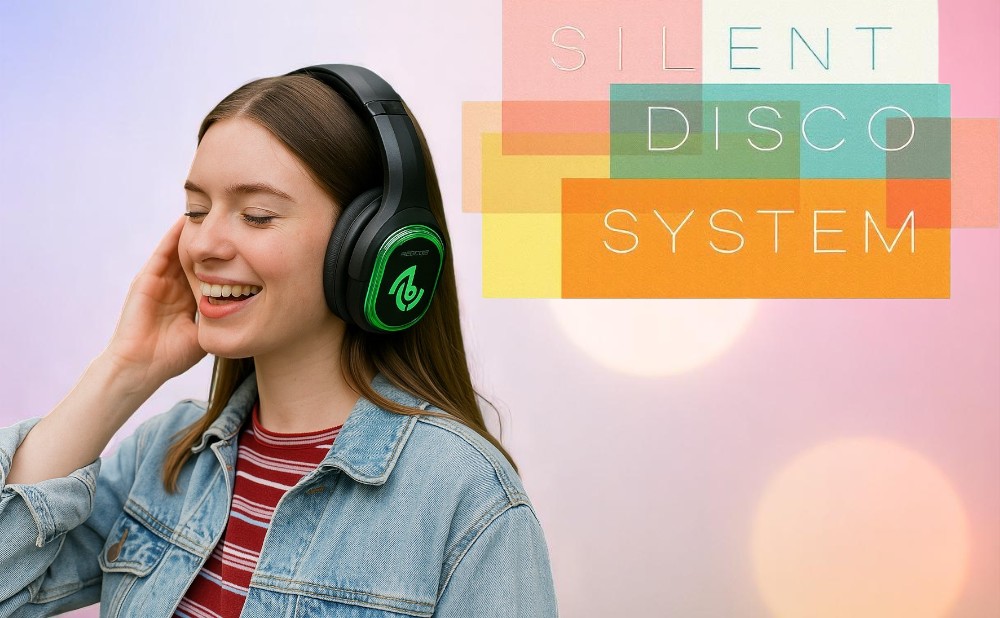
The Tech Edge: High-fidelity wireless headphones create a "Sonic Womb." By delivering both the music and the facilitator's guidance in high definition, the student is completely insulated from external distractions. This immersion allows the brain to transition into Theta and Delta wave states much more fluidly, leading to deeper breakthroughs.
3. The Facilitator’s "Command Center": Professional Gear for Certification
For those seeking professional certification or running "Train-the-Trainer" workshops, the gear you use reflects your authority. When a student pays for a premium breathwork journey, they are paying for a controlled environment.
Essential Gear for the Modern Breathwork Pro:
-
High-Fidelity Transmitters: Look for systems that support wide-frequency response. If the bass of the Holotropic music is thin, the somatic experience will be weak.
-
Anti-Interference Technology: In a "Biohacking" or "Wellness Summit" setting, there are dozens of signals in the air. A professional system must have clear-channel locking to ensure the "Concentration Bubble" never pops.
-
The "Whisper" Capability: Great breathwork is often guided by a soft, breathy vocal style. Your microphone must be sensitive enough to catch the "hiss" of an exhale without clipping or distortion.
4. ROI of Sensory Mastery: Why Students Choose "Immersive" Coaches
The breathwork market is becoming crowded. The coaches who thrive in 2026 are those who offer an "Immersive Journey." When a student realizes they didn't hear a single outside distraction for 90 minutes—that they were totally enveloped in a world created by your voice and your music—they don't just feel relaxed; they feel transformed. They aren't just buying a breathing class; they are buying an escape from the noise of the 21st century.
Conclusion: Breathing in the Future
As we integrate ancient Pranayama techniques with modern science, the "bridge" between the two is technology. High-fidelity audio allows us to take the ancient power of the breath and apply it to the chaotic, noisy environments of the modern world.
For the Wim Hof instructor on a windy mountain or the Holotropic guide in a busy city studio, the message is the same: If they can’t hear the breath, they can’t follow the light.









Comments (0)