
Table of Contents
The Essential Guide to Translation Equipment: Your Key to a World Without Language Barriers
- Retekess
- Dec 5, 2025
- 1 Comments
Ever stood in a foreign market, a menu full of mysteries in your hands, wishing you could just understand? Or sat in an international meeting, the flow of ideas hampered by the need to pause for translation? We’ve all been there. The desire to connect, do business, and explore freely is universal, but language has long been our final frontier. Thankfully, that frontier is rapidly shrinking. Welcome to the era of sophisticated translation equipment, a category of technology that has evolved from clunky sci-fi props to indispensable, pocket-sized powerhouses.
But with terms like portable language translators, AI earbuds, and professional interpretation systems swirling around, it’s easy to feel lost. Are they all the same? This guide is your map. We’ll break down the different types of gear available, explore what makes a system truly professional, and spotlight how solutions like the Retekess Tour Guide System leverage human expertise to create seamless, high-stakes multilingual experiences.
The Translation Toolbox: From Pocket Companions to Professional Power
Not all translation needs are created equal. The right tool depends entirely on your scenario: a solo traveler needs something different than a museum curator. Let's categorize the landscape.
Consumer-Grade Portable Translators
These are the devices revolutionizing personal travel and casual conversation. They are designed for one-to-one or small-group interactions.
-
Handheld Translators: Think of these as dedicated translation smartphones. Models like the Vasco V4 are praised for offering free global data and supporting dozens of languages, making them incredibly reliable for travelers. They excel in voice and photo translation for menus or signs.
-
Translation Earbuds: This is wearable translation tech. Earbuds like the Timekettle W4 allow for more natural, face-to-face conversations by providing near-simultaneous translation directly into your ear, often using advanced sensors to isolate speech in noisy environments. They’re discreet and perfect for dynamic situations like dinners or market haggling.
Professional Interpretation & Guide Systems
This is where we enter the realm of professional translation equipment. These systems are engineered for one-to-many communication, prioritizing reliability, range, and clarity for groups.
-
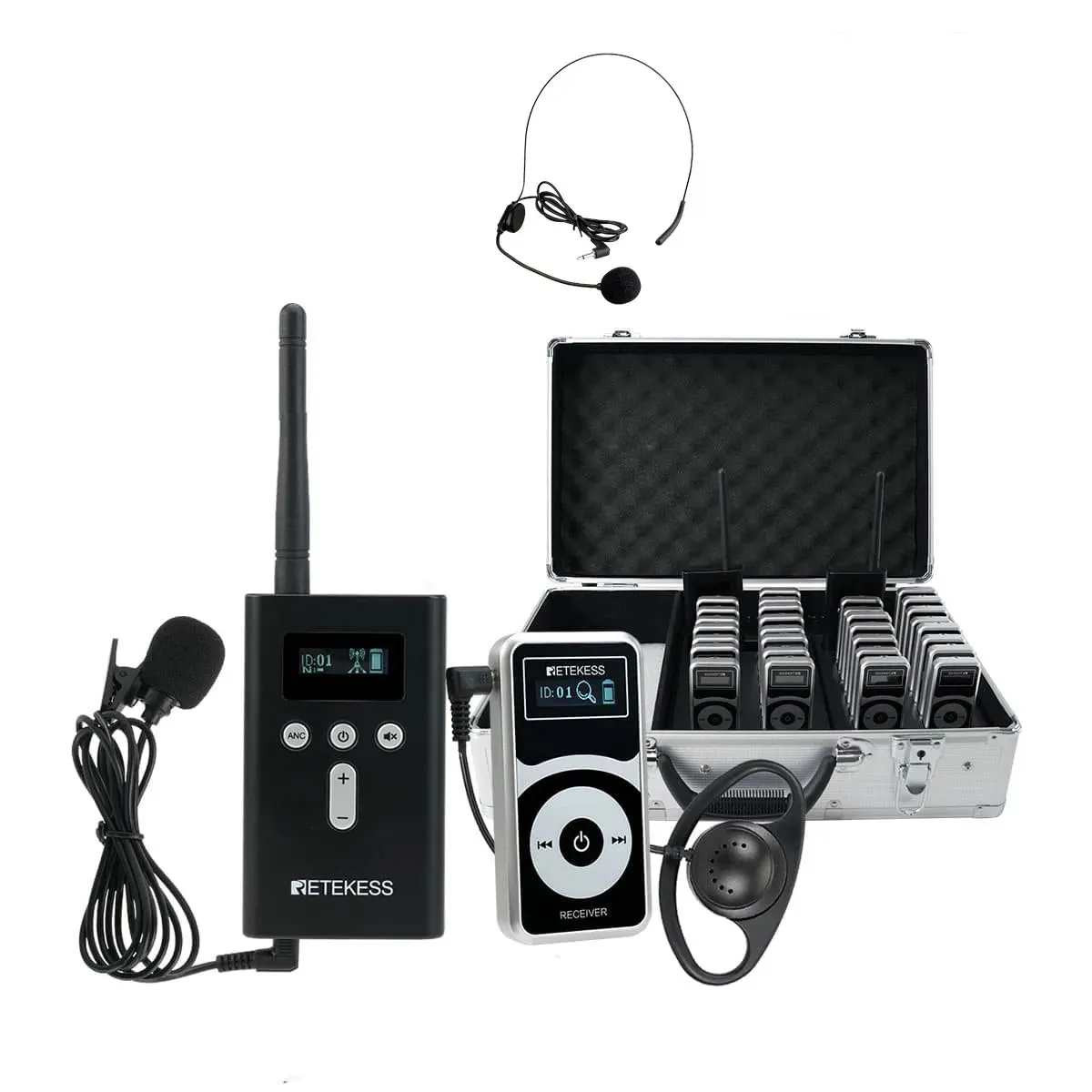
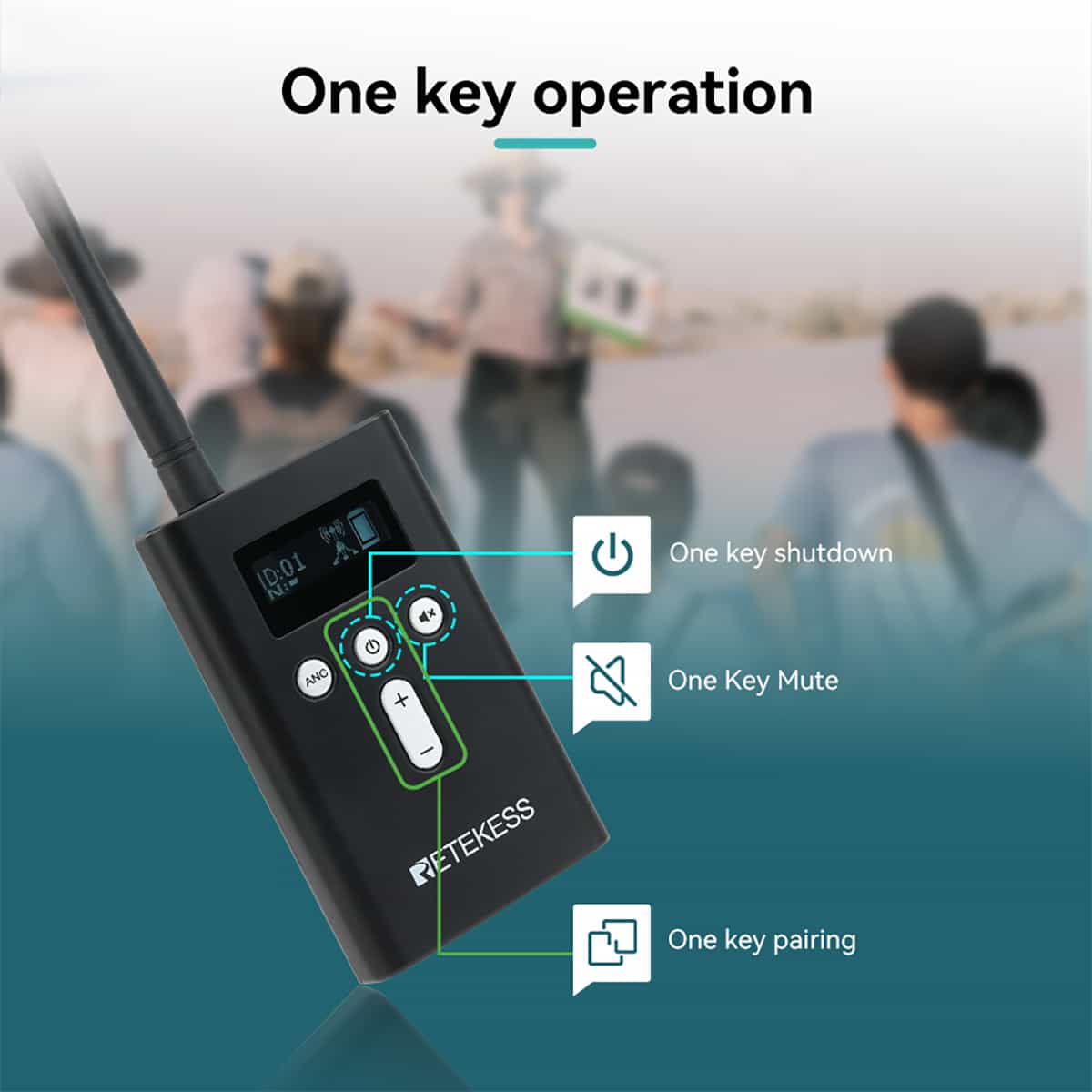
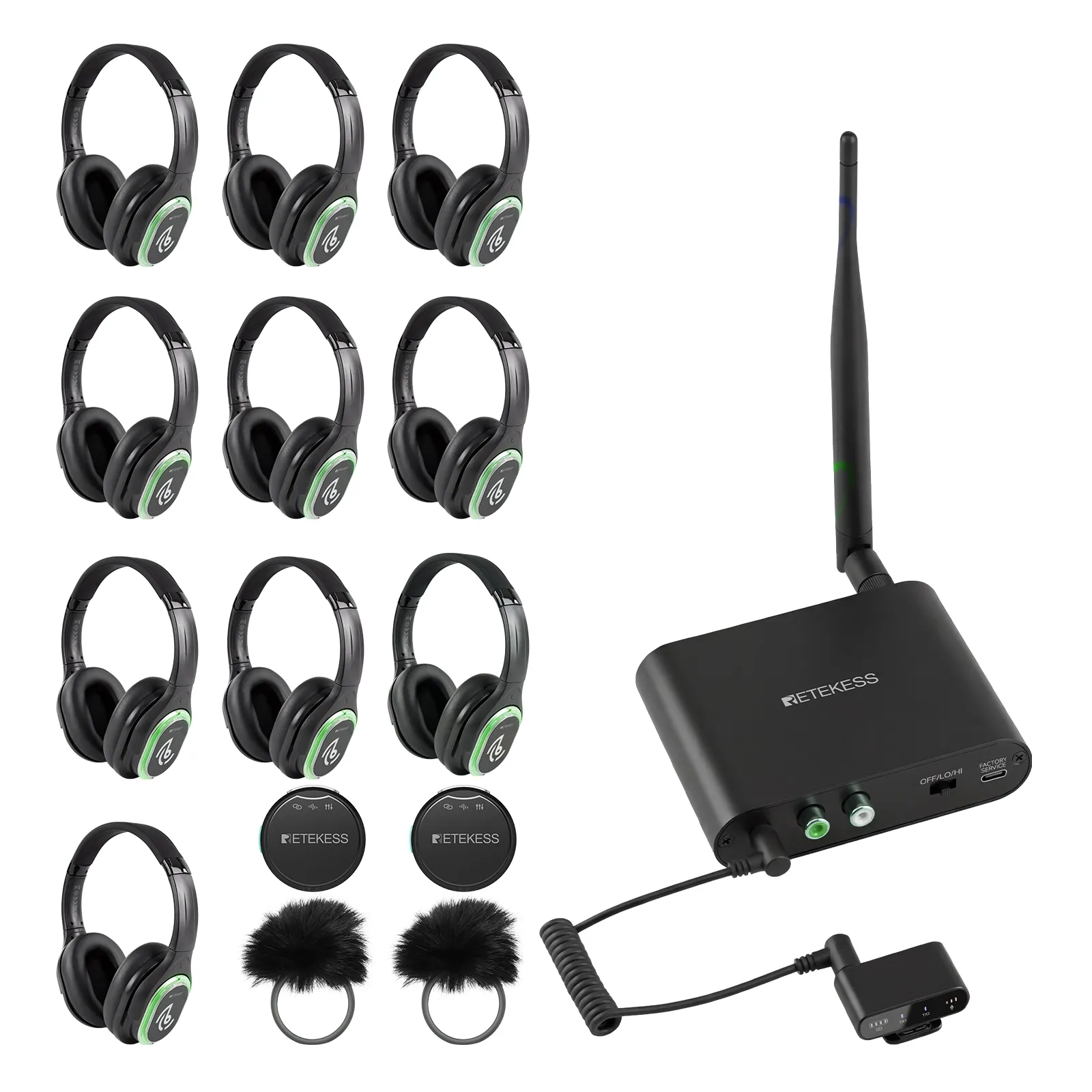
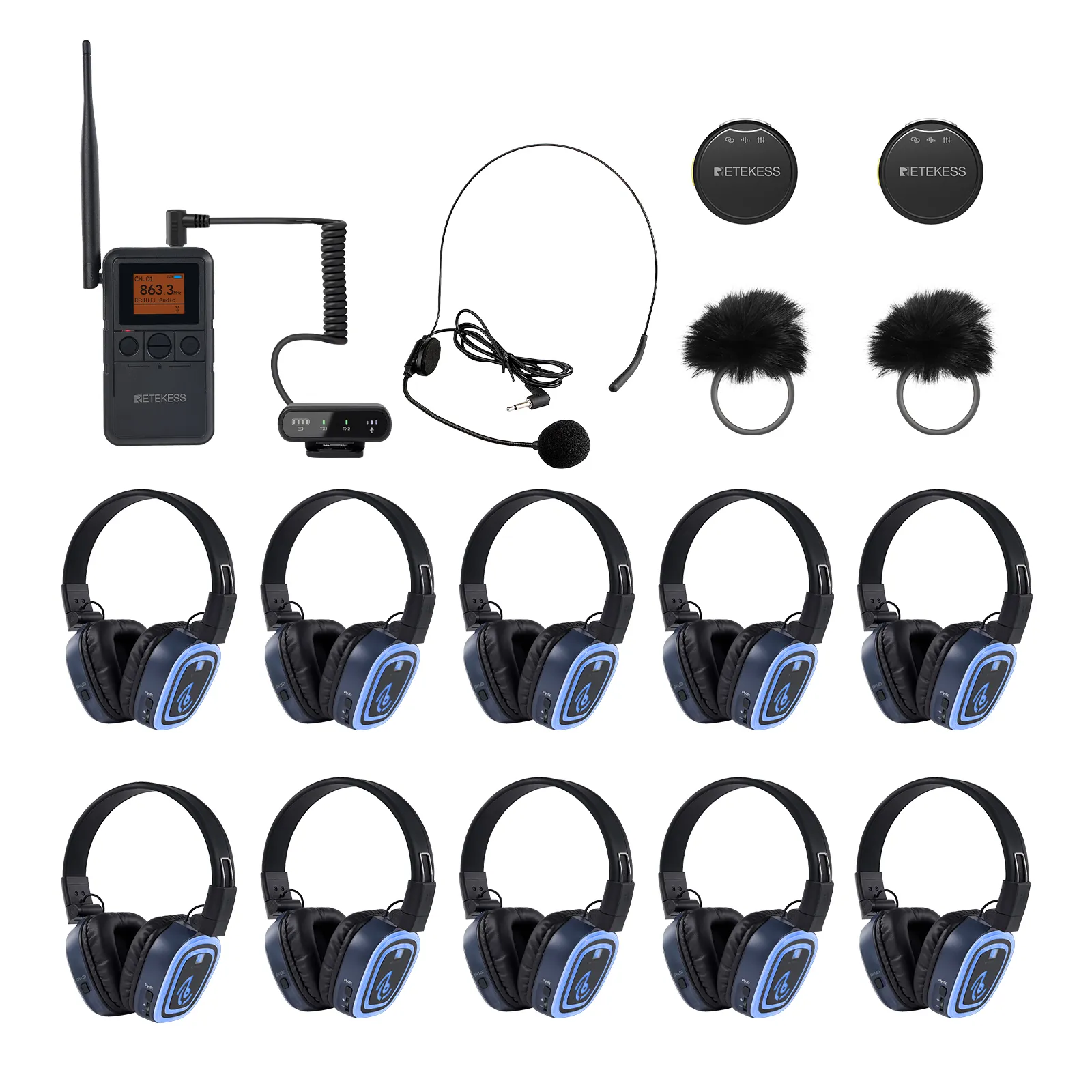
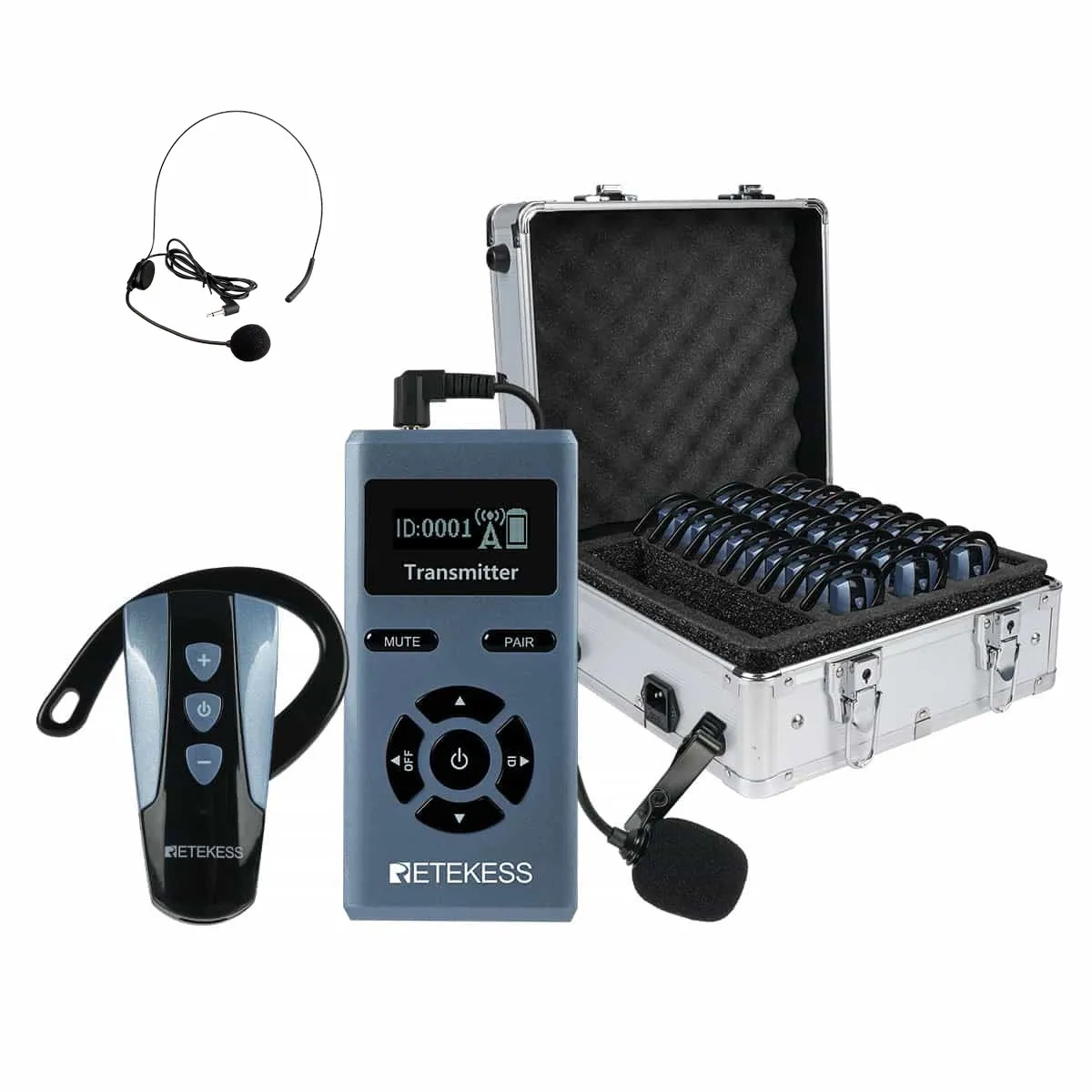
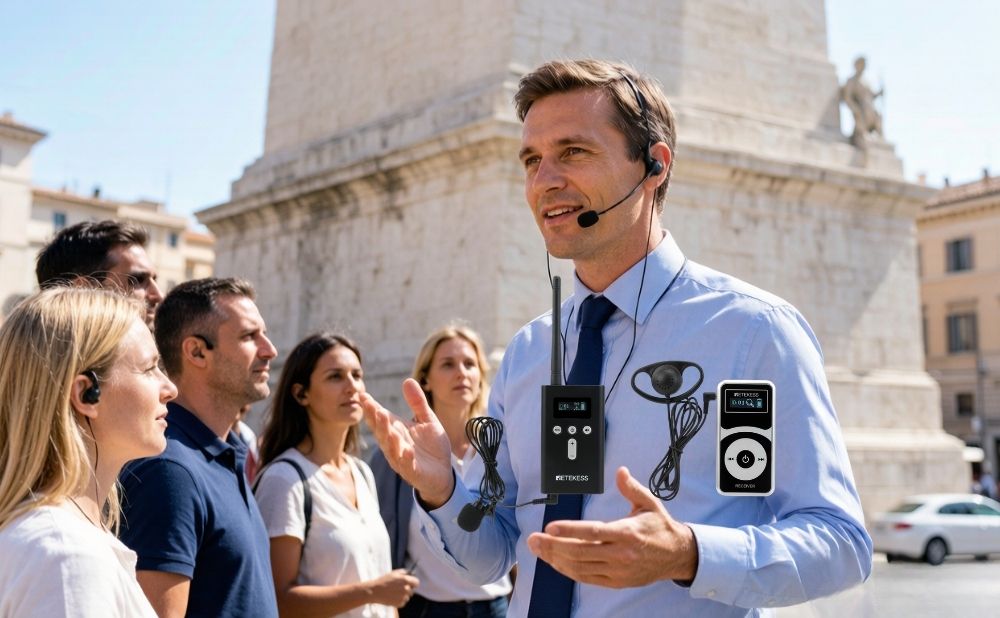
Tour Guide Systems (Retekess): The workhorse of museums, factories, and city tours. A guide speaks into a transmitter, and a group of listeners hears the commentary crystal-clearly through individual receivers. This isn't AI translation—it's flawless audio transmission that allows a live guide to be heard by a large, dispersed group without shouting.
-
Simultaneous Interpretation Systems: The technology behind UN-style conferences. Human interpreters, working in soundproof booths, listen to a live speaker and simultaneously translate into another language. This translation is broadcast via a wireless signal to audience members who select their language channel. These systems are complex, high-fidelity, and designed for formal, large-scale multilingual events.
Choosing Your Champion: Key Specs That Matter
Whether you're buying a pocket translator or a professional system, these metrics separate the good from the great:
-
Accuracy & Language Support: The foundation. Consumer devices now support anywhere from 40 to over 130 languages, with top models using AI to grasp context and idioms. Professional systems are about channel capacity—being able to host multiple language feeds simultaneously.
-
Connectivity: Online vs. Offline: For travelers, offline functionality is non-negotiable for remote areas. For professional systems, stable, long-range wireless transmission (often UHF) with strong anti-interference is critical.
-
Form Factor & Battery Life: A consumer device must last a full day of sightseeing (8+ hours). Professional receivers must be lightweight for all-day comfort, and transmitters need enough power for long tours or events.
-
Audio Quality & Microphones: This is paramount for professional systems. Noise-cancelling lapel mics for the guide and comfortable, clear headphones for the audience ensure everyone hears every word without strain.
A Spotlight on Professional Clarity: The Retekess Tour Guide System
For scenarios demanding reliability and scale, dedicated hardware like the Retekess Tour Guide System exemplifies the professional approach. This isn't an AI trying to replace a person; it's technology empowering a human expert to reach more people, more clearly.
Imagine leading a technical tour through a noisy factory or an art history walk through a bustling museum. The Retekess system is built for this. The guide uses a lightweight transmitter and a lapel microphone, which frees their hands and allows them to speak in a natural, conversational tone—a "whispered" guide style that feels personal even to a large group.
Every guest gets a compact receiver and a single earpiece. This setup is genius: they hear the guide's voice with pristine clarity directly in their ear, while their other ear remains open to ambient sounds for safety and immersion. With support for 99 separate channels, multiple tour groups can operate in the same vicinity without any crosstalk. It's a scalable, robust solution that turns a challenging audio environment into an intimate, educational experience.
The Professional Edge: Combining Human Expertise with Technology
The true power of a system like Retekess’s shines when integrated into a professional workflow, particularly where a tour guide system meets the need for interpreter services. Here’s how it creates a seamless multilingual experience:
-
The Foundation - Clear Audio Transmission: The system’s primary job is to get the guide's or speaker's original audio to every listener without loss or distortion. The Retekess system's adjustable volume and clean signal ensure this baseline.
-
Integrating the Interpreter: Now, add a human interpreter to the mix. The interpreter listens to the guide's feed (from the transmitter) through a receiver. Instead of broadcasting to the group, they translate the speech in real-time.
-
Creating the Multilingual Feed: The interpreter speaks their translation into a second transmitter, set to a different channel. Guests who need the translation simply switch their receiver to that interpreter's channel. The original language feed continues on its own channel for those who understand it.
-
The Result: One guide, one live interpreter, and a whole group of guests who can choose to listen in the language they understand best. It’s a flexible, human-centric solution for museum tours, international delegations, or global conferences where nuance and accuracy are critical. Industry leaders emphasize that the future of guiding lies in technology supporting, not replacing, the human expert.
The Future of Translation Tech: AI, Apps, and Hybrid Models
The horizon is buzzing with innovation. AI is making consumer translators frighteningly good and is beginning to augment professional scenarios. We're seeing the rise of smartphone-based solutions where guests scan a QR code to get real-time translated commentary on their own devices, eliminating the need for hardware distribution.
Furthermore, the concept of the "smart guide" is expanding into AI-powered virtual assistants that can handle trip planning, real-time Q&A, and navigation in multiple languages, all from your phone. The future likely belongs to hybrid models: human guides and interpreters using robust hardware like the Retekess system for core communication, augmented by AI tools for handling individual questions, transcribing talks, or managing logistics.
Finding Your Perfect Voice in a Global Chorus
The world of translation equipment offers a solution for every level of need. For the individual explorer, a powerful portable language translator unlocks spontaneous connection. For the professional creating inclusive, large-scale experiences, a dedicated tour guide system is the indispensable backbone.
The core takeaway? Technology is at its best when it amplifies human connection. Whether it's an AI in your ear helping you order the perfect pasta or a professional audio system ensuring a scholar's lecture is heard clearly by an international audience, the goal is the same: to remove barriers and let ideas, stories, and conversations flow freely.
Ready to translate your world? Start by defining your primary need—personal exploration or professional group communication. Then, seek out the technology, from consumer gadgets to pro-grade systems, that doesn't just translate words, but faithfully transmits meaning, nuance, and human connection.
Leave a Reply
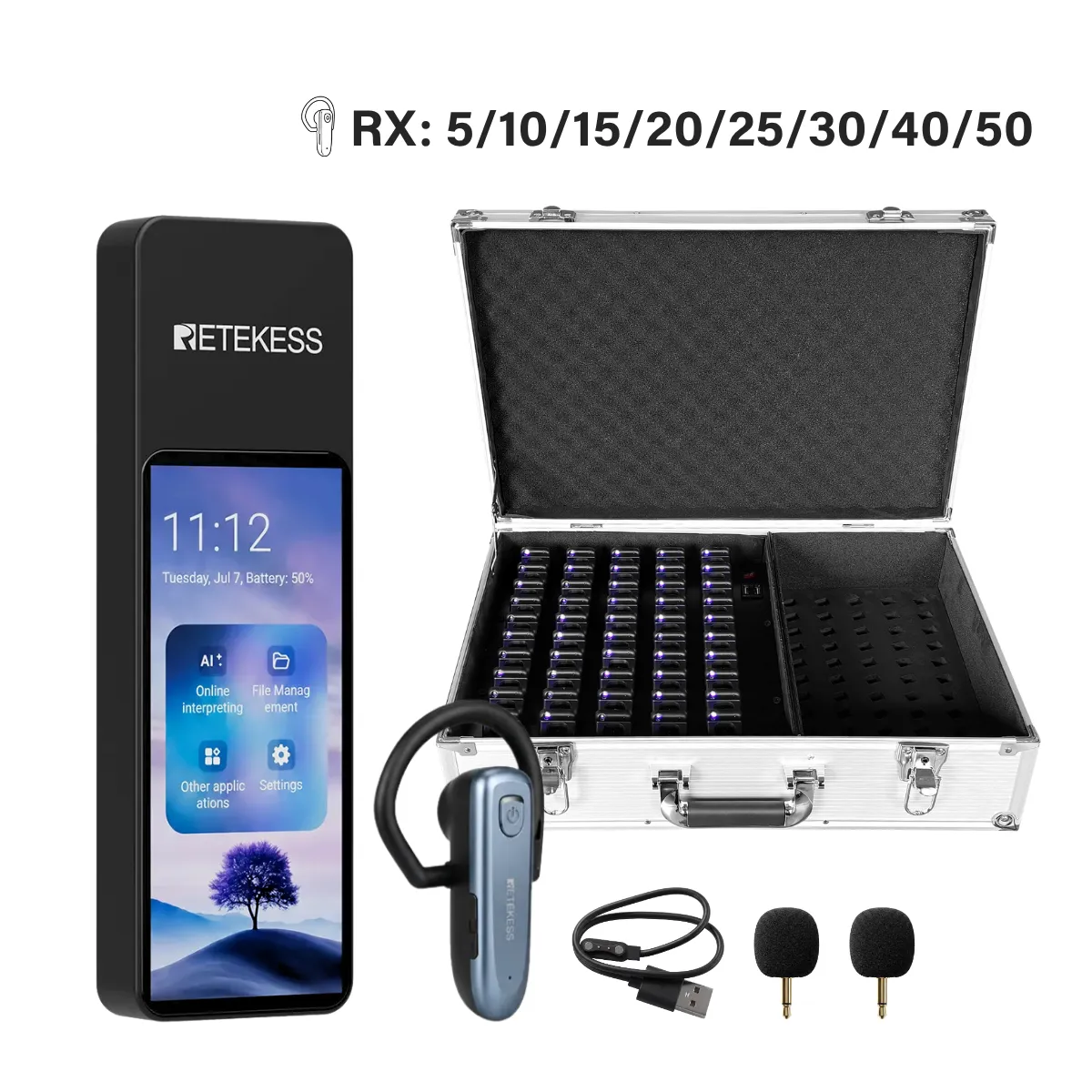
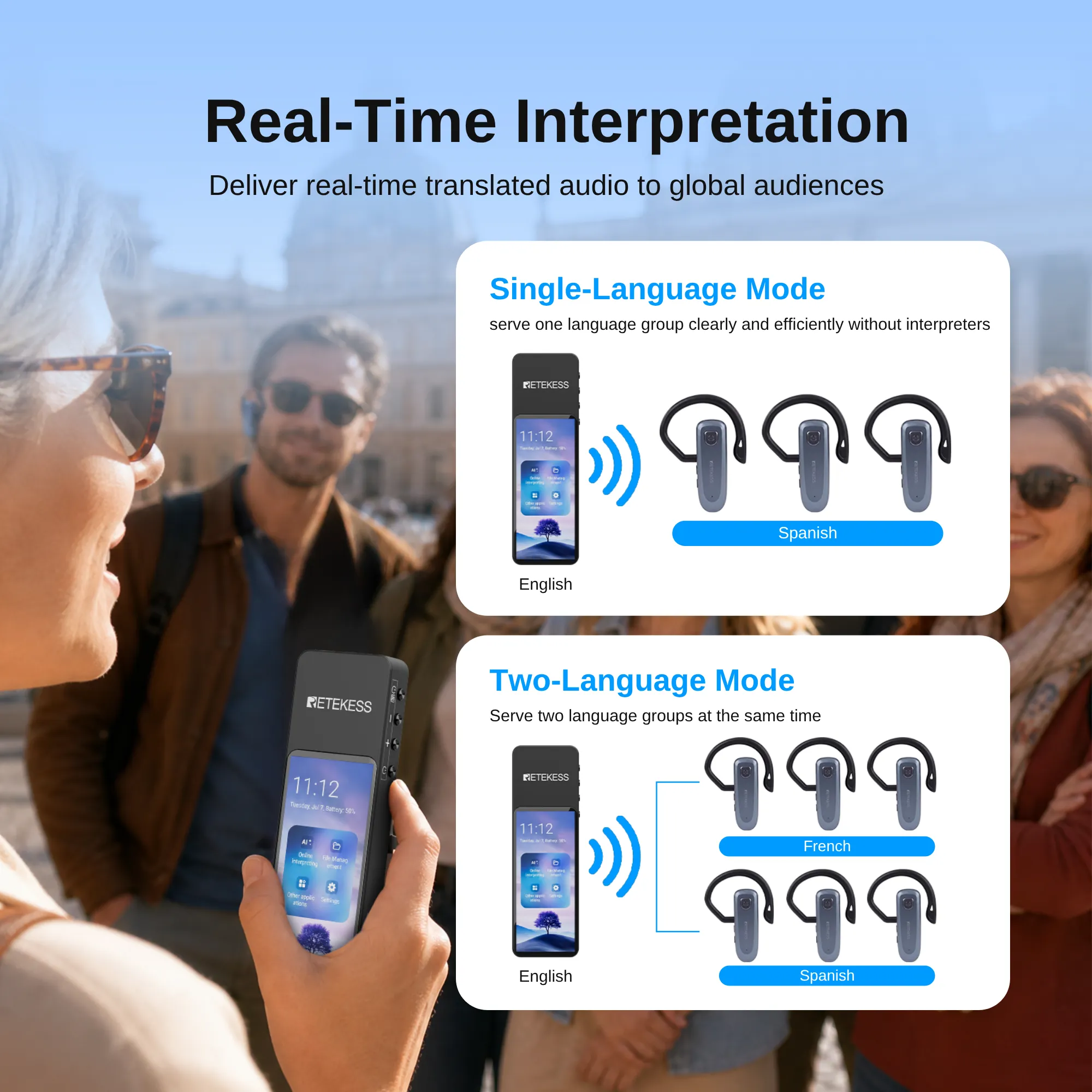
![[18th Anniversary] 18 Years of Echoing Excellence: Making Communication Easier, Connecting Trust Beyond Borders](https://res.retekess.com/z_file/20260716/retekess-brand-story-making-communication-easier_20260716151044_7682.jpg)
![[18 Years in Wireless Communication] Silent Disco Systems Anniversary Celebration: Top-Selling Headphones & Event Mechanics Revealed!](https://res.retekess.com/z_file/20260713/18-years-in-wireless-communication-silent-disco-systems-anniversary-celebration_20260713175011_5749.webp)
![[Anniversary Carnival] Ding-dong! 18th Anniversary Mega Sale on Guest Paging & Calling Systems: Full Reveal of 12+ Products & Promo Rules!](https://res.retekess.com/z_file/20260713/18th-anniversary-mega-sale-on-guest-paging-calling-systems_20260713175257_0295.webp)
![[Retekess 18th Anniversary Teaser] Tour Guide System Exclusive Perks: Sneak Peek at Event Dates & Mechanics!](https://res.retekess.com/z_file/20260713/retekess-18th-anniversary-tour-guide-system-exclusive-perks--2-_20260713180135_6435.webp)
Follow Us
Pay With


 Google
 Amazon
Comments (1)