
Table of Contents
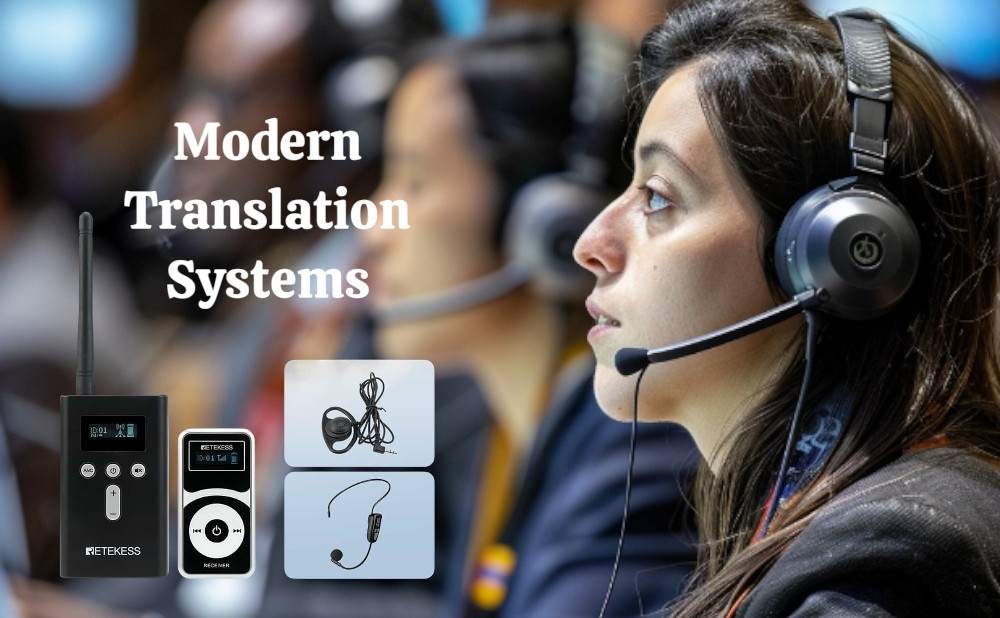
Breaking Language Barriers: The Complete Guide to Modern Translation Systems
- Retekess
- Jun 11, 2026
Introduction: When the World Speaks Different Languages
Picture this: you're sitting in an international conference, listening to a speaker deliver a passionate presentation in a language you don't understand. Instead of feeling lost, you simply put on a headset, adjust the channel, and suddenly every word makes perfect sense. This isn't magic - it's the power of a modern translation system. These incredible technological solutions are quietly revolutionizing how we communicate across language barriers, from global boardrooms to local churches. But what exactly are these systems, and how do they work? More importantly, how can you choose the right one for your needs? Let's explore the fascinating world of simultaneous translation technology and discover how it's bringing people closer together than ever before.
What is a Translation System? Understanding the Basics
At its core, a translation system is a technological solution that enables real-time communication between people speaking different languages. But these systems come in various forms, each designed for specific situations and requirements.
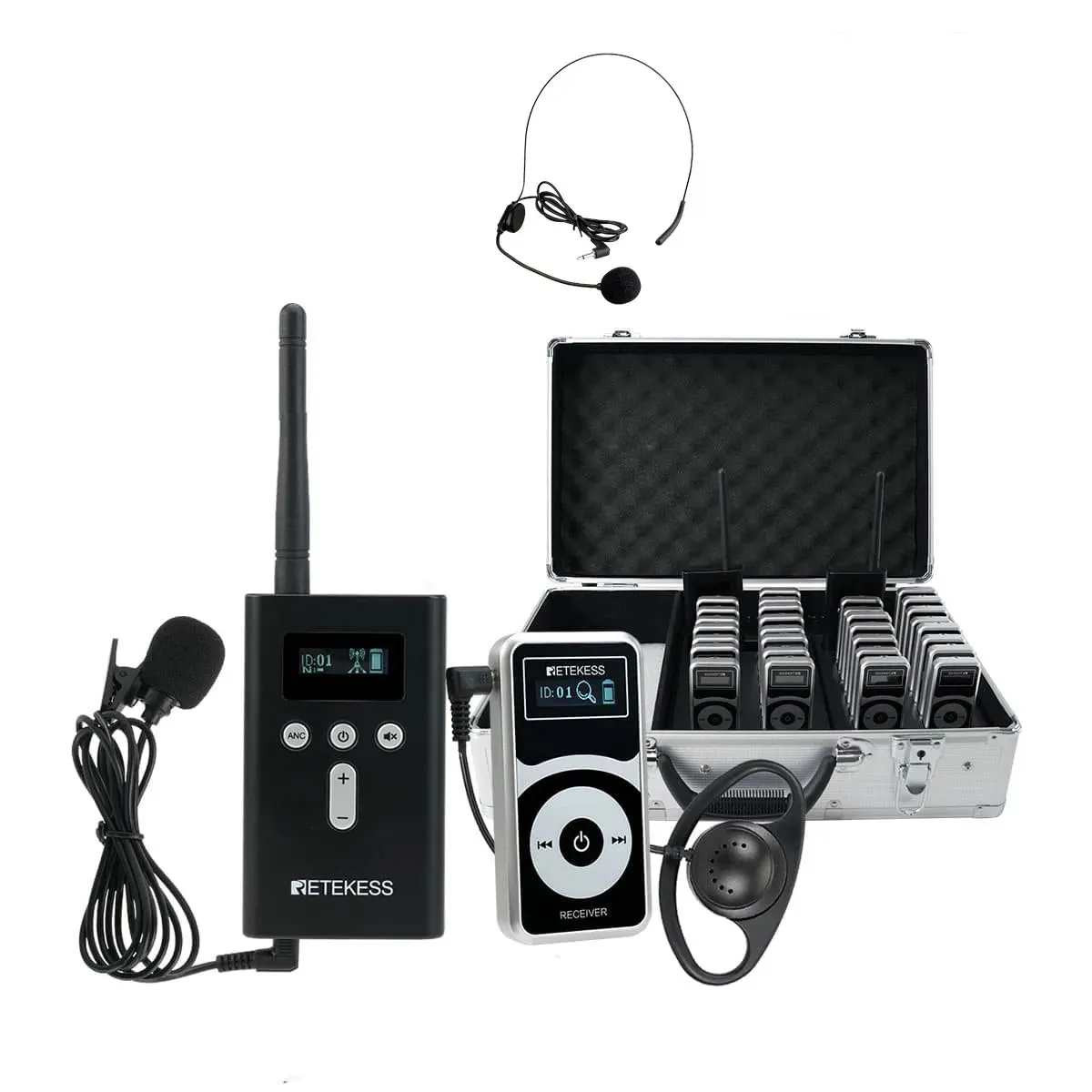
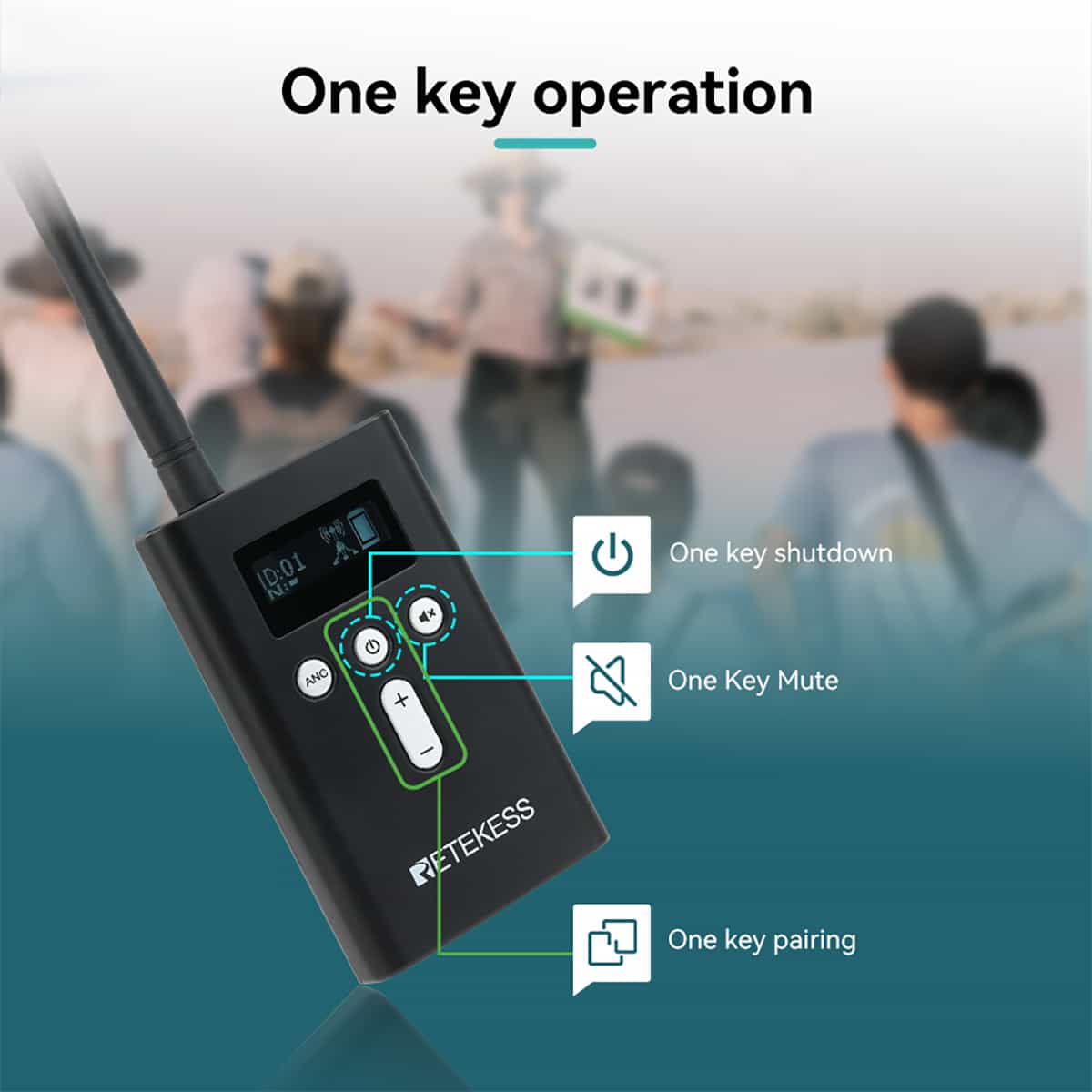
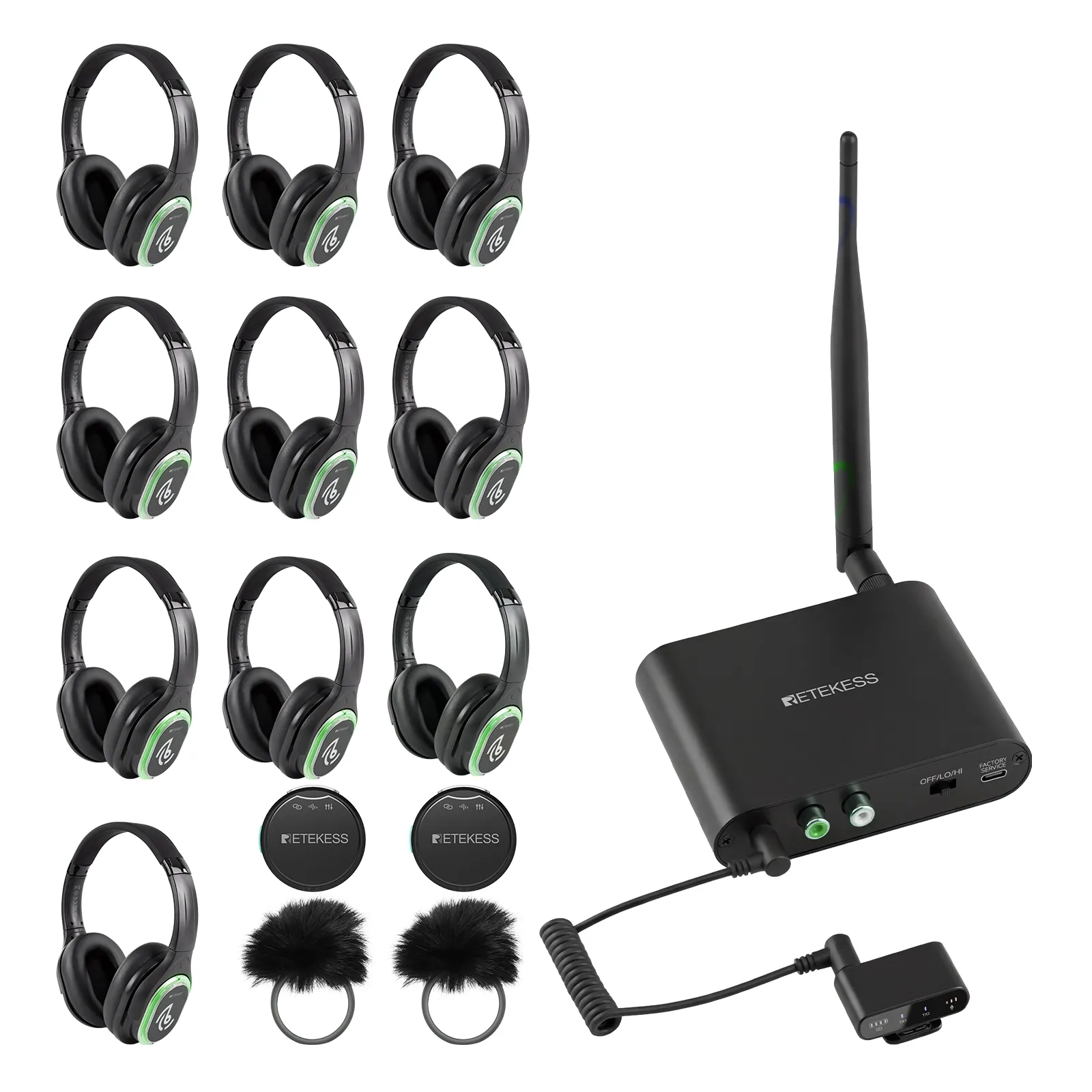
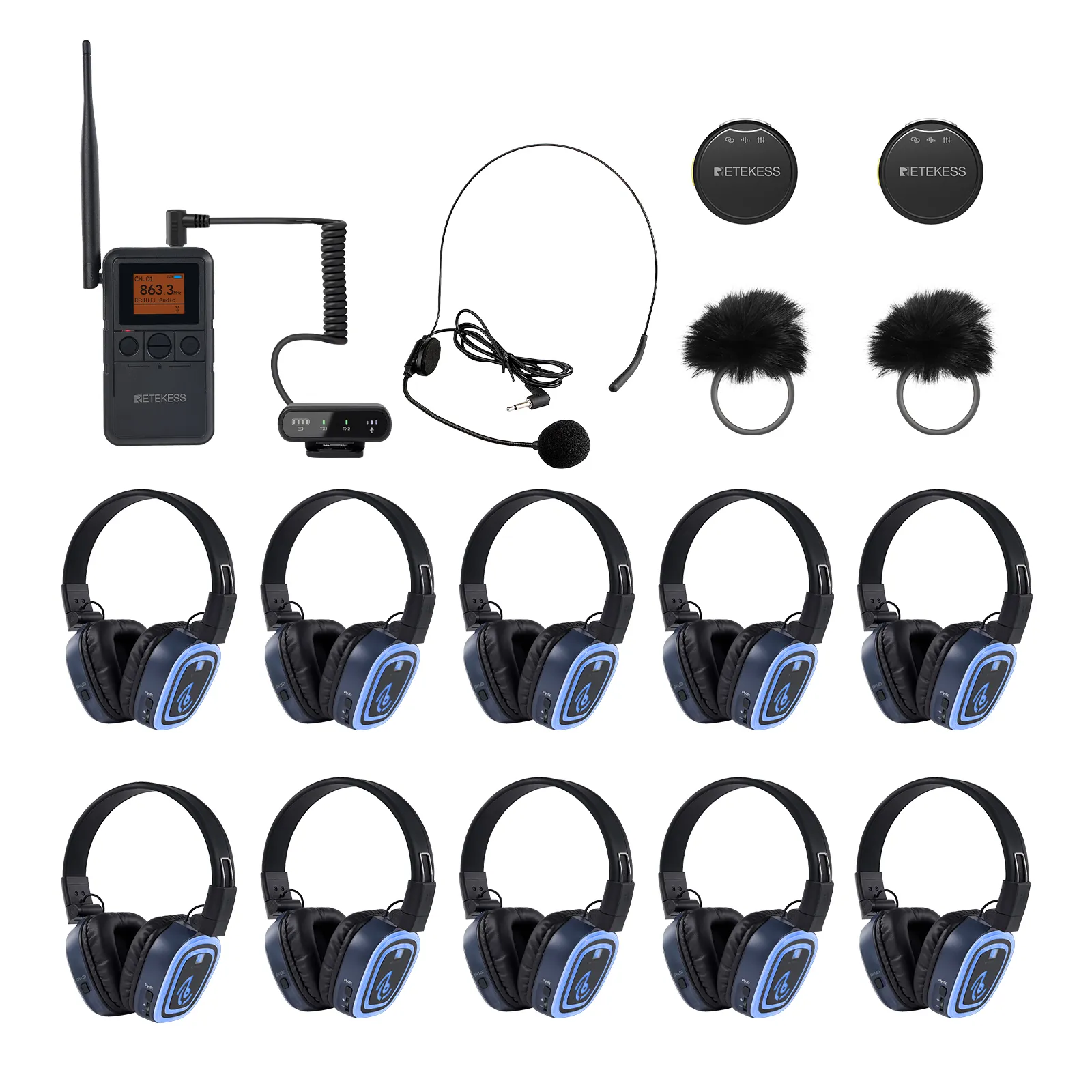
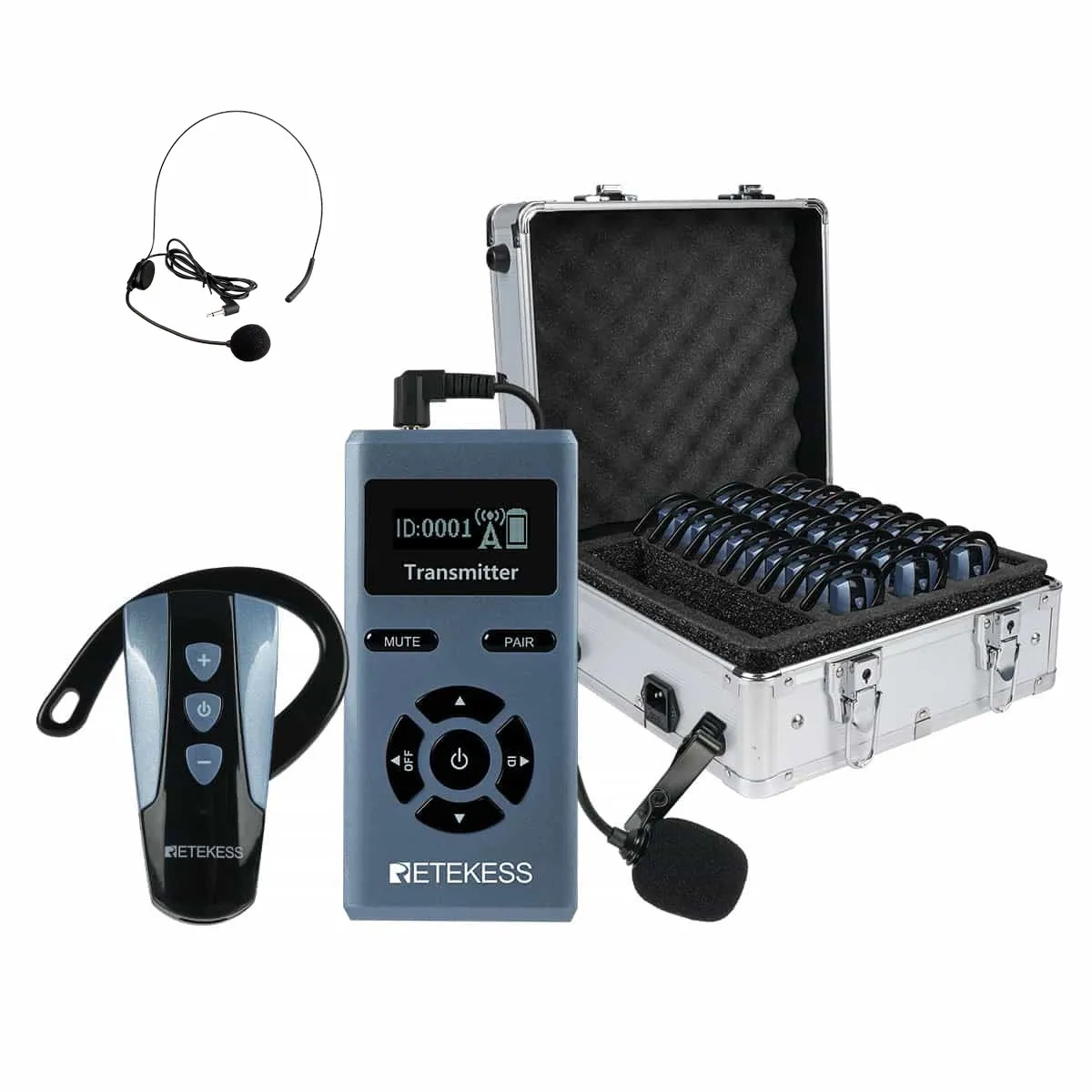
The most sophisticated versions are simultaneous interpretation systems used in professional settings. These systems typically consist of several key components: microphones for the original speaker, a transmitter that broadcasts the audio, interpreter consoles where human translators work their magic, and receivers with headphones for the audience. When we talk about the best simultaneous interpretation equipment, we're referring to systems that deliver crystal-clear audio, reliable connectivity, and intuitive operation.
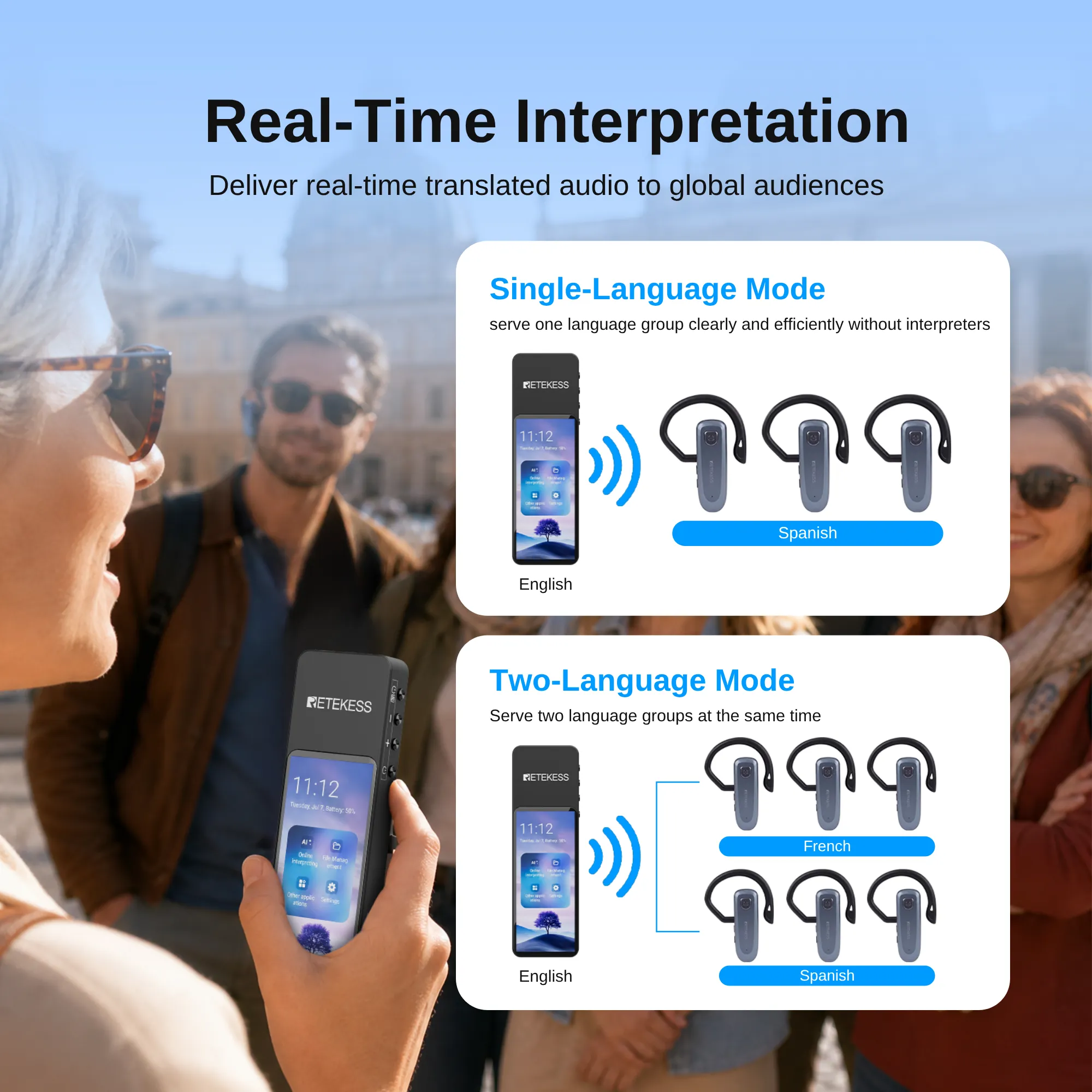
Meanwhile, live translation system technology has evolved to include AI-powered solutions that can provide real-time translation without human interpreters. The beauty of modern systems is their flexibility - they can be as simple as a portable setup for small meetings or as complex as a permanent installation for international organizations.
How Translation Systems Work: The Magic Behind the Scenes
Understanding the mechanics of these systems helps appreciate their value. In a typical simultaneous translation equipment setup, the process follows a precise workflow that ensures seamless communication.
The speaker talks into a microphone, with their speech transmitted to soundproof interpreter booths. Human interpreters listen to the original language and speak the translation into their console, which broadcasts to audience receivers. Listeners select their language channel on wireless receivers, hearing the translation through comfortable headphones. Modern systems like the Retekess translation system maintain perfect synchronization, ensuring the translation follows just seconds behind the original speech.
The technology behind these systems has evolved significantly. While traditional systems use radio frequency (RF) transmission, newer models employ infrared or 2.4GHz digital transmission for superior sound quality and security. The simultaneous translation equipment price often reflects these technological differences, with more advanced systems commanding higher costs but delivering better performance.
Where Translation Systems Make a Difference: Real-World Applications
The applications for modern translation technology are surprisingly diverse. While you might initially think of international conferences, these systems serve crucial roles in many other settings.
In religious organizations, finding the best church translation system can transform how congregations serve diverse communities. Churches using translation equipment for churches can accommodate multiple language groups simultaneously, allowing everyone to participate fully in services and activities. The Retekess translation system is particularly popular in religious settings due to its reliability and ease of use.
Educational institutions increasingly rely on translation technology for international student programs and guest lectures. Corporate environments use these systems for global meetings, training sessions, and investor presentations. Healthcare facilities employ translation technology to improve communication with non-native speaking patients. Even tour operators and government agencies have discovered how modern live translation system solutions can enhance their operations and service delivery.
Choosing the Right System: Key Considerations
Selecting the appropriate translation system requires careful consideration of several factors. The best simultaneous interpretation equipment for your situation depends on your specific needs, budget, and technical requirements.
First, consider your audience size. Systems are typically rated by the number of listeners they can support. A small translation equipment for churches might serve 25-50 people, while large conference systems can accommodate hundreds. The physical environment matters too - large venues may need multiple transmitters to ensure complete coverage, while smaller rooms can function perfectly with a single unit.
Sound quality is non-negotiable. Look for systems that deliver clear, natural audio without static or dropouts. Battery life is crucial for wireless receivers - the best church translation system should last through multiple services without needing recharge. Compatibility with existing audio equipment and ease of use for both operators and audience members are also important considerations when evaluating simultaneous translation equipment price versus features.
Making the Investment: Understanding Costs and Value
The simultaneous translation equipment price varies widely based on system capabilities, quality, and scale. Understanding what you're paying for helps make smart purchasing decisions.
Basic systems for small venues might start around $1,000-$2,000, while professional-grade equipment for large conferences can cost $10,000 or more. The simultaneous translation equipment price typically includes transmitters, receivers, headphones, charging stations, and sometimes interpreter consoles. When evaluating costs, consider both the initial investment and long-term expenses like battery replacement, repairs, and potential system expansion.
Remember that the value extends beyond the price tag. A reliable translation system can save money by reducing the need for sequential translation (which doubles meeting time) and minimizing miscommunication errors. For organizations serving diverse communities, this technology isn't an expense - it's an investment in inclusion and effective communication.
The Future of Translation Technology
The evolution of translation system technology continues at an exciting pace. Several trends are shaping the future of this industry and expanding what's possible in cross-language communication.
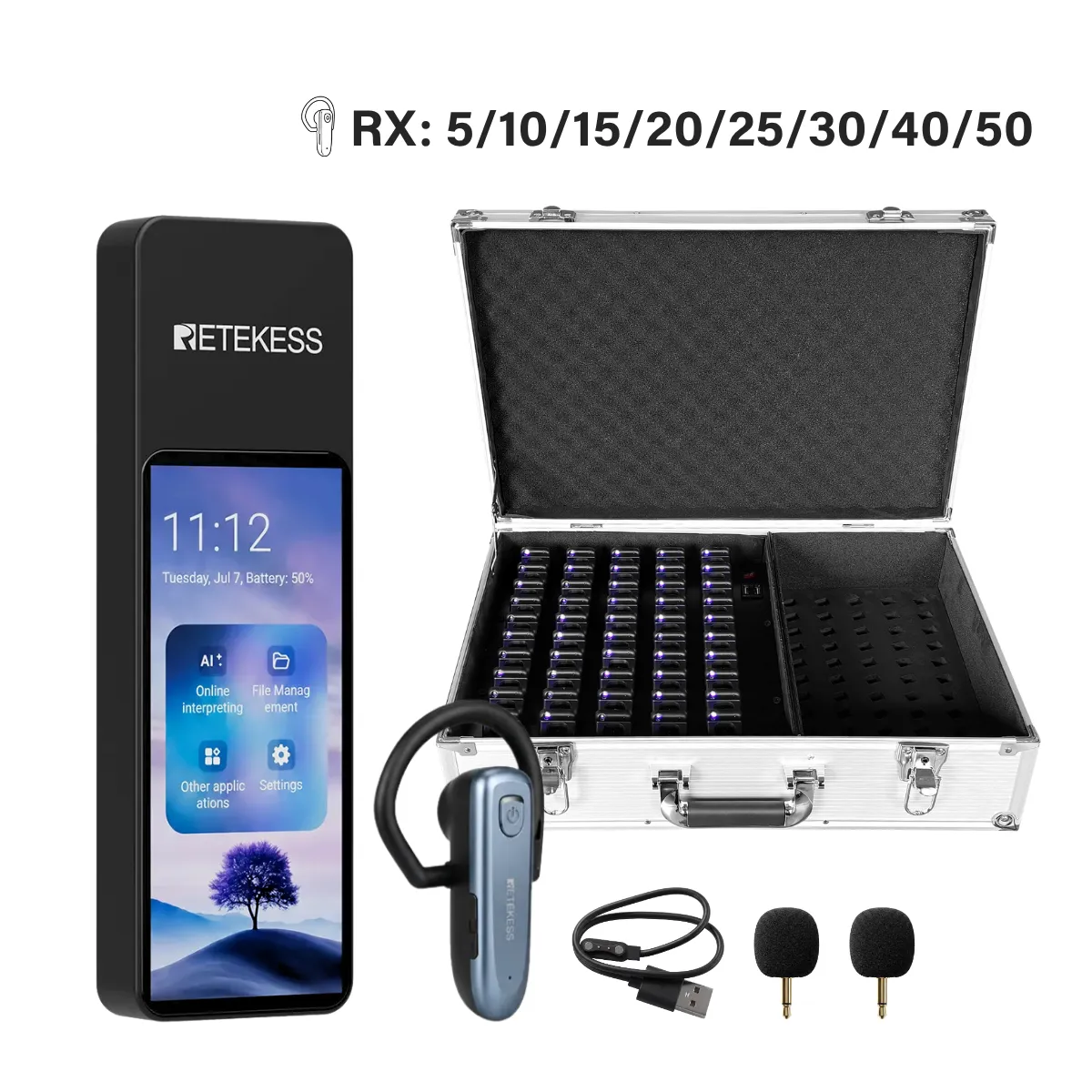
Artificial intelligence is revolutionizing translation through real-time speech recognition and machine translation. Wireless technology is advancing with Bluetooth and Wi-Fi enabled systems offering new flexibility. Integration capabilities are expanding, allowing translation systems to work seamlessly with video conferencing and recording equipment. The user experience is improving through smartphone app integration and more intuitive interfaces. These innovations promise to make quality translation more accessible and affordable for organizations of all sizes.
In addition, Retekess SVN A3 audio conferencing system can provide solutions for your meetings :
| Scenario | Solutions provided |
| Hybrid Office Meetings | With 360° omnidirectional audio pickup, AI speaker tracking, and 4K ultra-wide-angle video capabilities, the RETEKESS SVN A3 ensures that every participant is clearly seen and heard. |
| Corporate Conference Rooms | With support for 8–16 participants, SVN A3 transforms medium-sized conference rooms into intelligent collaboration spaces. The included wireless microphones extend audio coverage up to 10 meters, ensuring everyone can contribute without raising their voice or moving closer to the camera. |
| Training and Educational Environments | AI auto-framing automatically adjusts the camera view to keep presenters and attendees visible throughout the session, while advanced AI noise reduction minimizes distractions from keyboards, air conditioning systems, and surrounding activity. |
| Healthcare and Telemedicine Consultations | SVN A3 delivers crystal-clear audio and high-definition video, helping medical professionals communicate effectively while maintaining patient confidentiality through its physical privacy shutter. |
| Government and Public Sector Meetings | The physical privacy cover provides visible protection when the camera is not in use, helping organizations maintain privacy and security during confidential meetings. |
| Consulting, Legal, and Financial Services | With 4K Ultra HD video, AI speaker tracking, and full-duplex communication, SVN A3 enables smooth, interruption-free conversations that leave a professional impression on clients and partners. |
Conclusion: Finding the Perfect Translation Solution
The right translation system can transform how your organization communicates across language barriers. Whether you need the best church translation system to serve a diverse congregation or professional simultaneous interpretation equipment for international conferences, understanding your options is the first step toward making an informed decision.
Modern technology offers solutions for every need and budget, from traditional hardware systems to innovative AI-powered platforms. The key is matching the system capabilities to your specific requirements - considering factors like audience size, venue characteristics, and technical resources.
Ready to break down language barriers in your organization? Explore our comprehensive range of translation solutions and discover how the right technology can transform your multilingual communications. Contact our experts today for personalized recommendations that fit your needs and budget.
Leave a Reply
![[18th Anniversary] 18 Years of Echoing Excellence: Making Communication Easier, Connecting Trust Beyond Borders](https://res.retekess.com/z_file/20260716/retekess-brand-story-making-communication-easier_20260716151044_7682.jpg)
![[18 Years in Wireless Communication] Silent Disco Systems Anniversary Celebration: Top-Selling Headphones & Event Mechanics Revealed!](https://res.retekess.com/z_file/20260713/18-years-in-wireless-communication-silent-disco-systems-anniversary-celebration_20260713175011_5749.webp)
![[Anniversary Carnival] Ding-dong! 18th Anniversary Mega Sale on Guest Paging & Calling Systems: Full Reveal of 12+ Products & Promo Rules!](https://res.retekess.com/z_file/20260713/18th-anniversary-mega-sale-on-guest-paging-calling-systems_20260713175257_0295.webp)
![[Retekess 18th Anniversary Teaser] Tour Guide System Exclusive Perks: Sneak Peek at Event Dates & Mechanics!](https://res.retekess.com/z_file/20260713/retekess-18th-anniversary-tour-guide-system-exclusive-perks--2-_20260713180135_6435.webp)
Follow Us
Pay With


 Google
 Amazon
Comments (0)