
Table of Contents

Tour Guide Jobs: Salary, Requirements & How to Get Hired in 2026
- Retekess
- Aug 11, 2026
Do you love travel, history, and meeting new people? Are you the person friends always ask to plan the itinerary? A career as a tour guide might be your calling. Tour guide jobs offer the unique opportunity to turn your passion for exploration and storytelling into a paying career — one where no two days are exactly the same.
The tourism industry is growing. The U.S. Bureau of Labor Statistics projects 8% job growth for tour guides between 2022 and 2032, with approximately 4,300 new positions opening annually. Whether you're a recent graduate, a career changer, or a retiree looking for an active, social job, tour guiding offers a path worth exploring. Here's everything you need to know about tour guide jobs in 2026.
Tour Guide Salary: What Can You Earn?
Let's address the question on everyone's mind first — how much do tour guides make? The answer varies significantly based on location, experience, type of guiding, and whether you're employed or self-employed:
| Career Level | Annual Salary | Description |
|---|---|---|
| Entry-Level | $28,000 - $35,000 | Starting out, may include volunteer positions, tip-based free tours |
| Mid-Career | $40,000 - $59,000 | Experienced guides with regular employment and good reviews |
| Senior/Specialized | $59,000 - $79,000+ | Niche expertise, premium private tours, team leadership |
| Independent/Premium | $79,000 - $120,000+ | Top private guides in high-demand destinations with strong reputations |
Additional income often comes from tips (which can be substantial in certain markets), commissions from partner businesses (restaurants, shops, attractions), and profit-sharing arrangements. Independent guides who build strong reputations and cater to premium clientele can earn significantly more than the averages suggest.
Types of Tour Guide Jobs
The tour guiding profession encompasses a remarkably diverse range of job types. Here are the most common:
| Job Type | What You'll Do |
|---|---|
| City Tour Guide | Lead walking, bus, or bike tours through urban areas, sharing history, architecture, and local culture |
| Museum/Docent Guide | Explain exhibits, artifacts, and artworks in museums and galleries to visitors |
| Nature & Adventure Guide | Lead outdoor activities — hiking, wildlife watching, rafting, climbing — with safety instruction |
| Cultural Guide | Showcase local traditions, festivals, food, and cultural practices to visitors |
| Wine/Food Guide | Lead tastings at wineries, breweries, or food tours through markets and restaurants |
| Historical Guide | Specialize in historical sites, battlefields, and heritage locations with deep contextual knowledge |
| Educational Guide | Provide educational tours for school groups — history, science, or cultural education |
| Cruise Shore Excursion Guide | Organize and lead tours for cruise passengers during port stops (typically 8-10 hours) |
| Multi-Language Guide | Guide international visitors in their native language — high demand for Spanish, Mandarin, German, French |
| Private Guide | Provide customized, personalized tours for individuals or small private groups |
| Virtual Guide | Lead online tours via video platforms or VR — a growing segment since 2020 |
Who Hires Tour Guides?
- Tour operators and travel companies
- Travel agencies
- Museums and cultural institutions
- National and state parks
- Cruise lines
- Historical landmarks and heritage sites
- Zoos, aquariums, and botanical gardens
- Adventure and eco-tourism companies
- Walking tour and Segway tour companies
- Bus and trolley tour companies
- Event and conference organizers
- Educational institutions (school programs, study abroad)
How to Become a Tour Guide: Step-by-Step
Step 1: Build Your Knowledge Base
The foundation of tour guiding is expertise. Develop deep knowledge in your chosen area through formal education, self-study, or both. History, art, geography, local culture, and foreign languages are all valuable foundations. Read books, watch documentaries, take online courses, and — most importantly — explore your chosen destination exhaustively.
Education requirements: Most tour guide positions require only a high school diploma. However, certain roles — like museum guide positions — may prefer or require a degree in a relevant field such as history, art history, or archaeology. A tourism or hospitality degree can also be beneficial for career advancement.
Step 2: Get Certified or Licensed
In many cities and countries, tour guides must be licensed. Requirements vary dramatically by location:
- Some cities (like New Orleans, Washington D.C., and Savannah) require official licensing exams
- Some countries (like Italy, France, and Japan) have strict national guide licensing systems
- Other locations have no formal requirements at all
Research your local regulations and complete any necessary training programs, exams, or background checks. Professional certifications from recognized organizations can also boost your credibility.
Step 3: Develop Essential Skills
Beyond knowledge, successful tour guides need a specific skill set:
- Communication & public speaking — Clear, engaging delivery that holds attention
- Storytelling — Transforming facts into compelling narratives
- Interpersonal skills — Reading group dynamics, managing different personalities
- Time management — Keeping tours on schedule without rushing
- Adaptability — Handling weather changes, route closures, and unexpected situations gracefully
- Leadership — Managing group behavior, ensuring safety, making decisions
- Safety awareness — First aid training, emergency procedures, local safety regulations
- Cultural sensitivity — Respecting diverse cultural norms and traditions
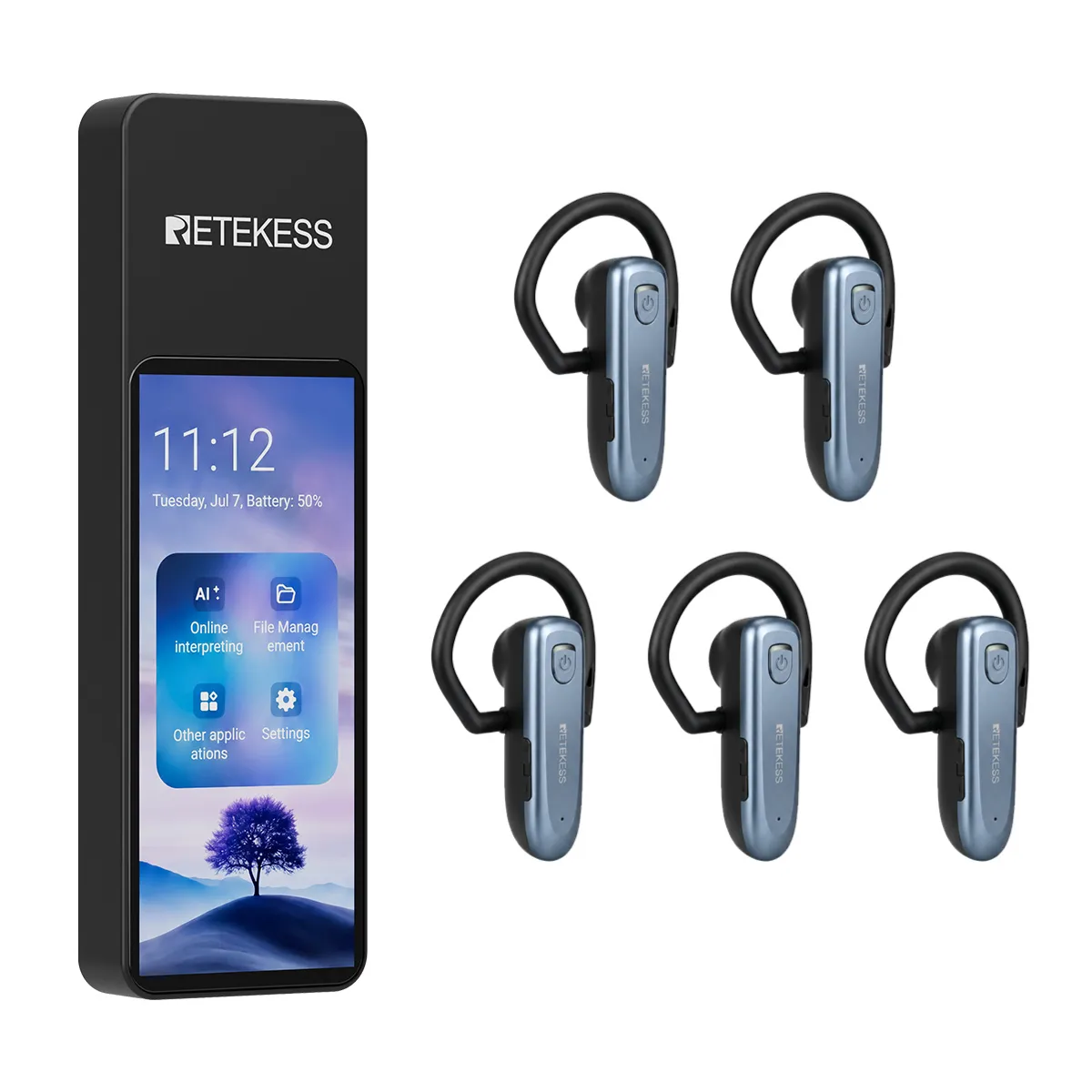
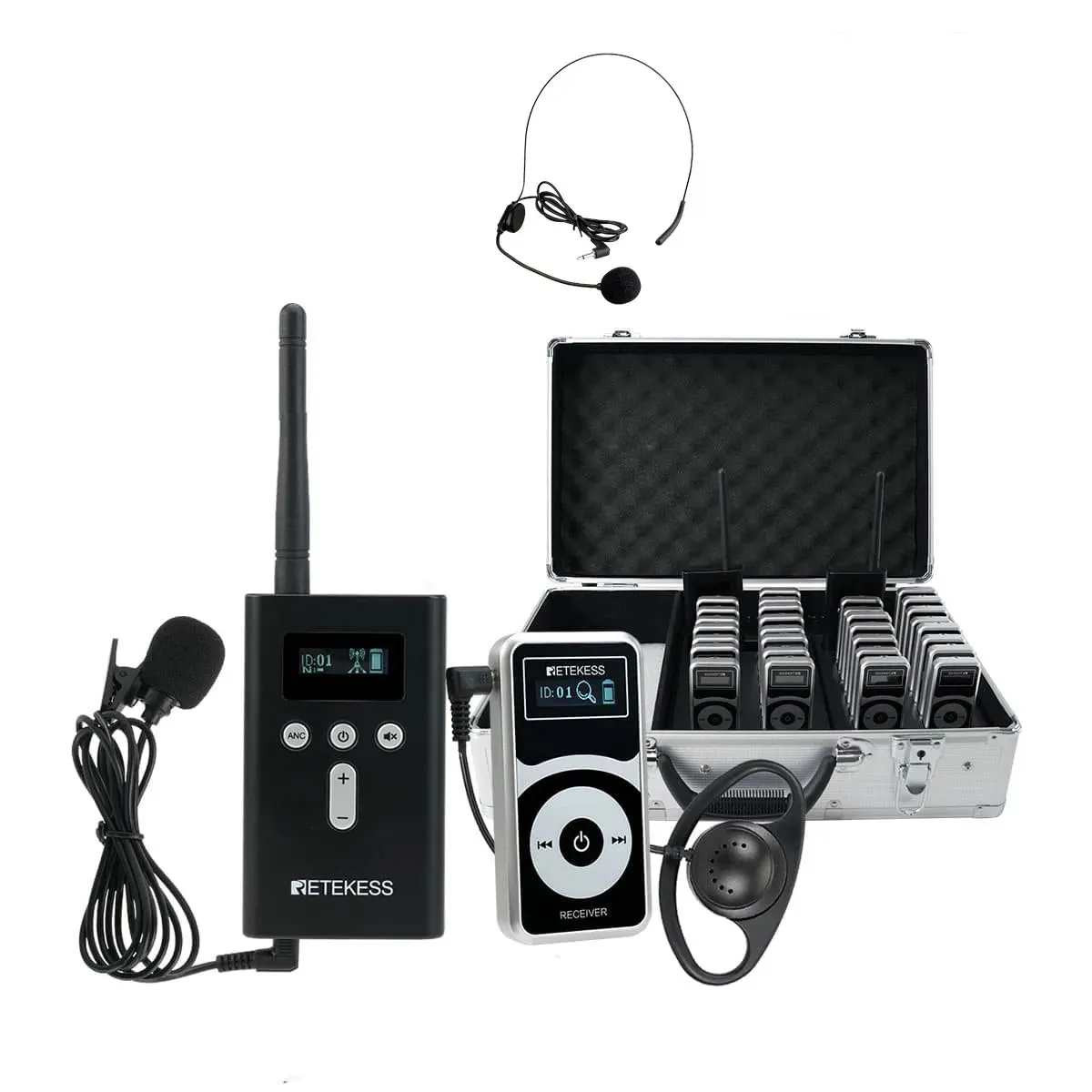
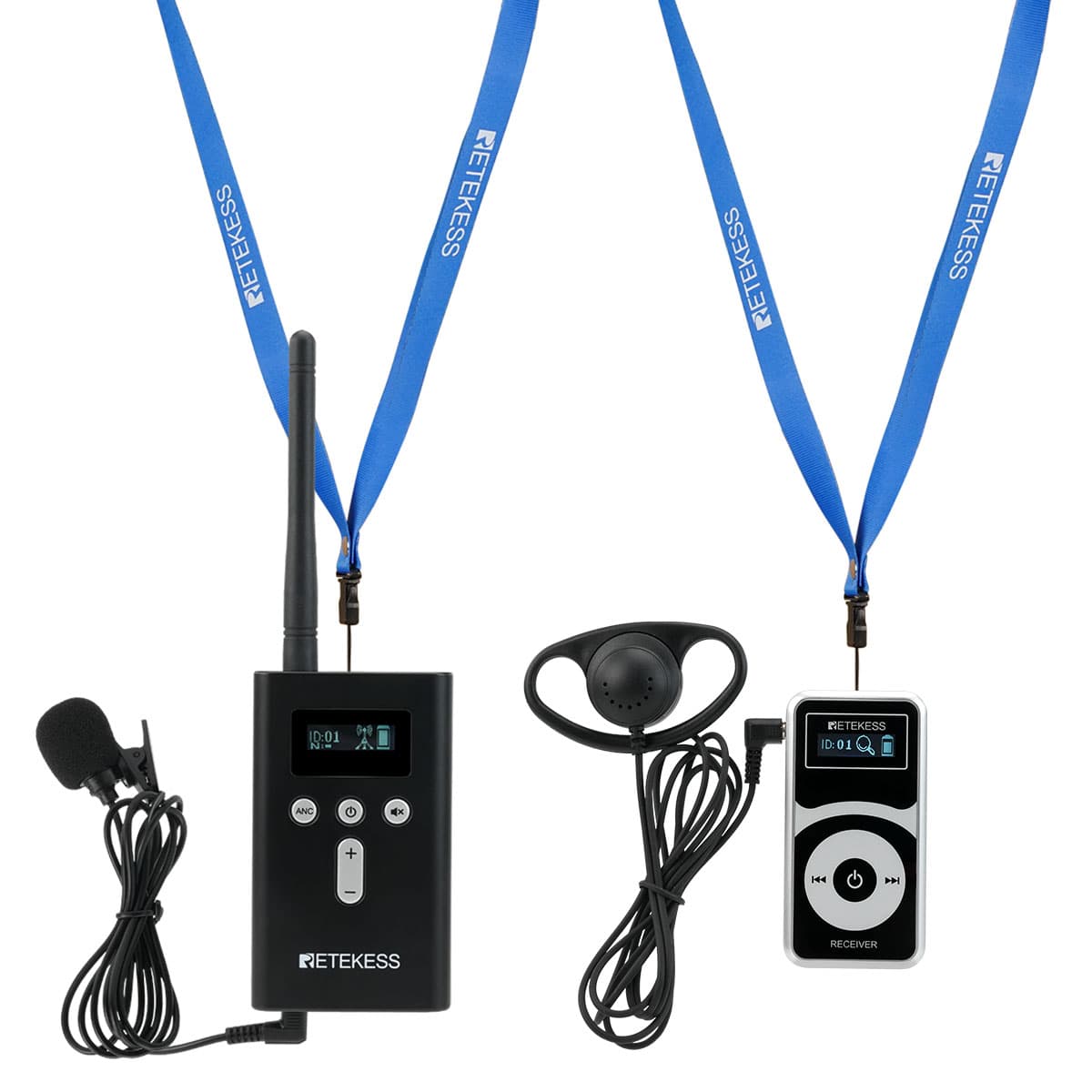
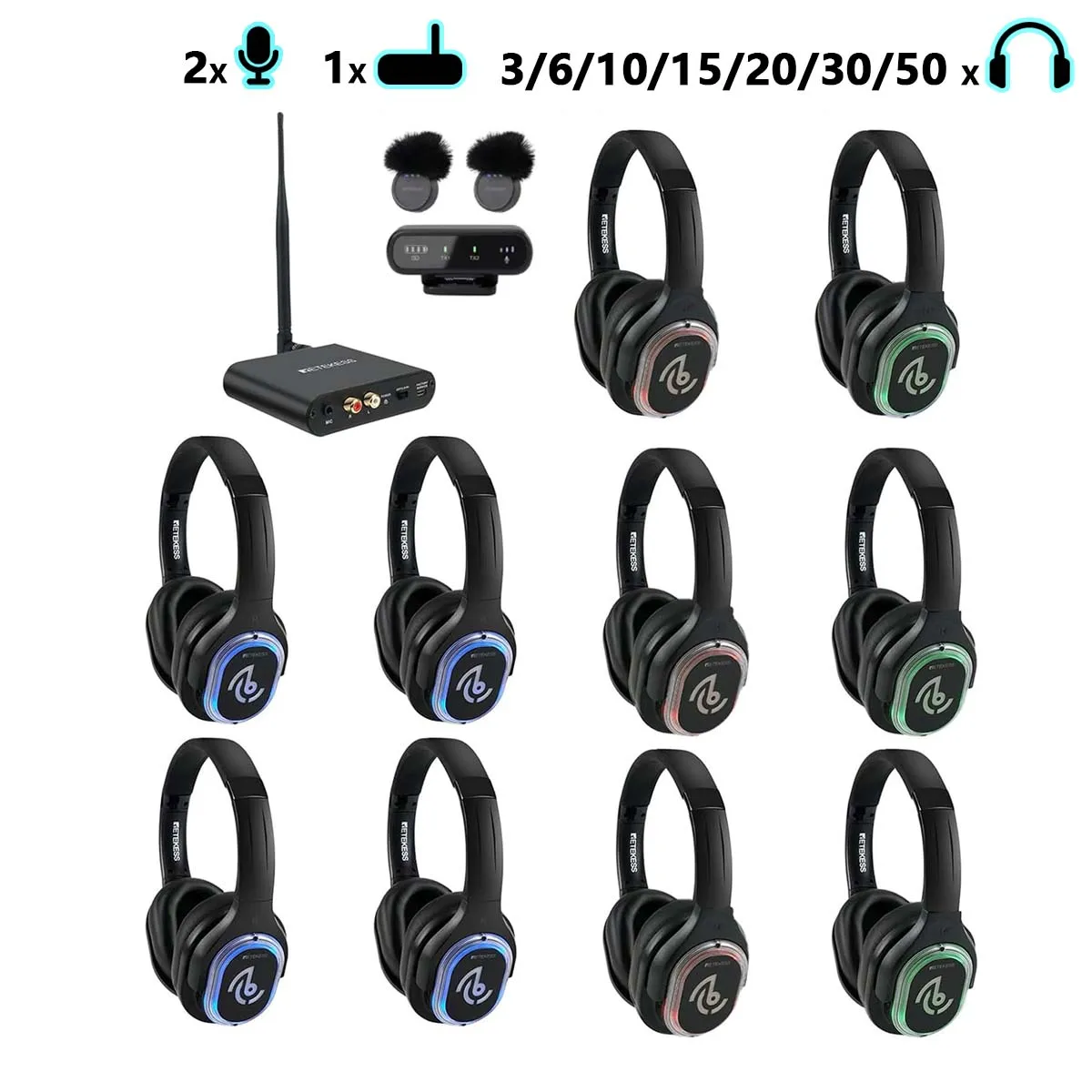
- Technology proficiency — Using audio guide systems, apps, and digital tools
Consider joining a Toastmasters club to improve public speaking, or take an improv class to develop quick thinking and audience engagement skills.
Step 4: Gain Experience
Experience is the most valuable currency in tour guiding. Start building yours through:
- Volunteer guiding at local museums, parks, or historical sites
- Internships with tour companies, where you shadow experienced guides
- Free walking tours — many cities have tip-based tour models where new guides can practice
- Creating your own tours for friends and family to practice your delivery
Every tour you lead builds confidence, sharpens your skills, and generates material for your portfolio. Don't wait until you feel "ready" — start guiding as soon as possible and learn by doing.
Step 5: Build Your Network
The tourism industry runs on relationships. Join professional associations:
- World Federation of Tourist Guide Associations (WFTGA) — International standards and networking
- National Tour Association (NTA) — U.S.-focused resources and connections
- International Tour Management Institute (ITMI) — Training and certification
- Local guide guilds — City-specific organizations with licensing support
Attend industry events, connect with other guides on social media, and build relationships with local tourism boards, hotels, and attractions.
Step 6: Create Your Professional Presence
Build a portfolio that showcases your expertise:
- Create a professional website or blog
- Build social media profiles (Instagram and TripAdvisor are especially important)
- Register on guide platforms like ToursByLocals, Private Guide World, or Withlocals
- Collect testimonials and reviews from every client
- Develop a signature tour or specialty that differentiates you
Step 7: Start Small and Grow
Begin with simple, short tours and gradually expand to more complex itineraries. Word-of-mouth referrals are your most powerful marketing tool — deliver exceptional experiences and let satisfied customers spread the word. As you build your reputation, you can raise your rates, specialize in premium niches, and eventually hire other guides to work under you.
Step 8: Commit to Continuous Growth
The best guides never stop learning. Update your knowledge regularly, seek feedback from clients and peers, and refine your craft. The tourism industry evolves constantly — new attractions open, historical interpretations shift, and traveler expectations change. Staying current is essential for long-term success.
Career Advancement Path
Tour guiding isn't just a job — it can be a career with clear advancement opportunities:
- Entry-Level Guide → Lead basic tours, assist with logistics, learn the ropes
- Full Guide → Lead multiple tour types, provide in-depth commentary, handle logistics independently
- Senior Guide → Handle complex tours, train and supervise junior guides, develop new tour content
- Specialist Guide → Develop niche expertise (history, art, wildlife, culinary, etc.) and charge premium rates
- Tour Manager → Oversee multiple guides and tours, handle operations and logistics at a higher level
- Tour Company Owner/CEO → Set company vision, manage finances, make strategic decisions
The Pros and Cons of Tour Guide Jobs
Advantages
- Turn your passion for travel and culture into a career
- Share your enthusiasm with people from around the world
- Interact with diverse, interesting people every day
- Constantly learn about history, culture, and geography
- Help others create unforgettable memories
- Stay active and outdoors (for many guide types)
- Flexible scheduling, especially for independent guides
- Opportunities to travel and explore new destinations
- Low barrier to entry — no expensive degree required
- Clear path from entry-level to business ownership
Challenges
- Below-average salary compared to other professions
- Seasonal work — busy summers, quiet winters
- Evening and weekend work (when others are off)
- Physical demands — long hours standing and walking
- Repetition — you may deliver the same tour daily
- Limited advancement in traditional employed roles
- Weather exposure — rain, heat, cold are all part of the job
- Risk of burnout from repetitive content and demanding clients
- Income variability, especially for independent guides
- Need to constantly maintain energy and enthusiasm
Work-Life Balance as a Tour Guide
Understanding the work-life balance realities of tour guiding is essential before committing to this career:
- Seasonality: Peak season (summer and holidays) means intense, busy workweeks. Off-season offers more free time but less income — unless you supplement with other work or guide in different hemispheres.
- Working hours: You'll often work when others are off — evenings, weekends, and holidays. This can be great for weekday personal errands but challenging for social life.
- Flexibility: Independent guides have high control over their schedules. Employed guides typically have less flexibility but more stability.
- Physical demands: Long hours standing, walking, and projecting your voice take a toll. Physical fitness and voice care are important.
- Burnout risk: Repeating the same information daily and constantly meeting new people's needs can lead to burnout. Building variety into your work — different tour types, locations, or seasonal roles — helps.
Where to Find Tour Guide Jobs
Ready to start your job search? Here are the best places to look:
- Job boards: Indeed, LinkedIn, Glassdoor — search for "tour guide," "docent," "tour director," "shore excursion staff"
- Tour company websites: Major operators like Viator, GetYourGuide, Context Travel, and local tour companies often post openings
- Museum and park websites: Check career pages of museums, national parks, and heritage sites in your area
- Cruise line career pages: Carnival, Royal Caribbean, Norwegian, and others hire shore excursion staff
- Guide platforms: ToursByLocals, Withlocals, Private Guide World — register as an independent guide
- Local tourism boards: They often know which companies are hiring and can connect you
- Professional associations: WFTGA, NTA, and local guide guilds often have job boards
- Networking: Many tour guide jobs are filled through personal recommendations — attend industry events and connect with working guides
Recommended Learning Resources
- National Tour Association (NTA): Webinars, articles, and publications for tourism professionals
- International Tour Management Institute (ITMI): Online courses covering group dynamics, destination knowledge, and tour management
- World Federation of Tourist Guide Associations (WFTGA): Professional standards, international events, and educational opportunities
- Tourism e-Lab: Online courses in guiding, travel management, and customer service
- University programs: Many universities offer tourism, hospitality, or cultural studies degrees and certificates — some available fully online
- Online communities: TripAdvisor forums, Reddit's r/tourguides, and Facebook groups for tour professionals
Is a Tour Guide Job Right for You?
Becoming a tour guide can help you develop adaptability, communication, and leadership skills — with genuine room for growth from entry-level positions all the way to business ownership. It's a career that rewards passion, curiosity, and a genuine love of people.
However, the average salary is lower than many other professions, and the work can be physically and emotionally demanding. Seasonal income variability and irregular hours are real challenges that need to be planned for.
The best way to decide is to try it. Start with volunteer guiding, shadow a working guide, or lead a free walking tour in your city. If you find yourself energized rather than exhausted after a day of talking, walking, and answering questions — you've found your calling. The world is full of stories waiting to be told, and there's always room for one more good guide to tell them.
As the tourism industry continues to grow and evolve, tour guides who combine deep knowledge with technological savvy and genuine human connection will be in high demand. Whether you're looking for a seasonal adventure, a career change, or a lifelong profession, tour guiding offers a path unlike any other — one where work and wonder go hand in hand.



![[18th Anniversary] 18 Years of Echoing Excellence: Making Communication Easier, Connecting Trust Beyond Borders](https://res.retekess.com/z_file/20260716/retekess-brand-story-making-communication-easier_20260716151044_7682.jpg)
![[18 Years in Wireless Communication] Silent Disco Systems Anniversary Celebration: Top-Selling Headphones & Event Mechanics Revealed!](https://res.retekess.com/z_file/20260713/18-years-in-wireless-communication-silent-disco-systems-anniversary-celebration_20260713175011_5749.webp)
![[Anniversary Carnival] Ding-dong! 18th Anniversary Mega Sale on Guest Paging & Calling Systems: Full Reveal of 12+ Products & Promo Rules!](https://res.retekess.com/z_file/20260713/18th-anniversary-mega-sale-on-guest-paging-calling-systems_20260713175257_0295.webp)
![[Retekess 18th Anniversary Teaser] Tour Guide System Exclusive Perks: Sneak Peek at Event Dates & Mechanics!](https://res.retekess.com/z_file/20260713/retekess-18th-anniversary-tour-guide-system-exclusive-perks--2-_20260713180135_6435.webp)
Follow Us
Pay With


 Google
 Amazon
Comments (0)