
Table of Contents
What Is a Tour Guide? Roles, Types, Skills & Career Guide
- Retekess
- Jul 14, 2026
If you've ever been on a memorable trip, chances are a tour guide made it unforgettable. But what exactly is a tour guide? What do they do, what types exist, and how do you become one? This comprehensive guide answers all these questions and more.
The term "tour guide" might seem self-explanatory, but the profession is far more nuanced and multifaceted than most people realize. Tour guides are storytellers, educators, safety officers, cultural ambassadors, and sometimes even comedians — all rolled into one. Let's break down exactly what a tour guide is and why this profession matters.
What Is a Tour Guide? The Definition
A tour guide is a professional who leads individuals or groups through destinations such as cities, museums, historical sites, natural parks, or cultural attractions, providing information, context, and commentary about the places visited. They are the human bridge between a destination and its visitors — translating history, culture, and local knowledge into engaging, accessible narratives
The word "tour" itself comes from the French "tourner," meaning "to turn" or "to go around." A tour is a journey with a purpose — to explore, learn, and experience. A tour guide is the person who shapes that journey, ensuring visitors not only see a place but truly understand it.
What Does a Tour Guide Do? Roles and Responsibilities
A tour guide's job extends far beyond simply walking and talking. Here are the core responsibilities that define the profession:
1. Educating and Storytelling
At the heart of tour guiding is the sharing of knowledge. Guides must have deep expertise in their subject area — whether that's the history of ancient Rome, the ecology of the Amazon rainforest, or the architecture of Barcelona. But knowledge alone isn't enough. Great guides transform facts into stories that captivate and resonate.
2. Welcoming and Briefing Guests
Guides are often the first point of contact for visitors. They welcome guests, learn names, confirm group numbers, and set the tone for the entire experience. A warm, organized start builds trust and excitement.
3. Ensuring Safety
Safety is paramount. Guides explain emergency procedures, assess risks, and act as first responders when issues arise — from minor blisters to more serious medical situations. They navigate weather changes, route closures, and crowd management.
4. Managing Logistics and Time
Guides coordinate transportation, tickets, reservations, and timing. They must keep groups on schedule while remaining flexible enough to adapt when things don't go as planned. A good guide always has a Plan B.
5. Translation and Cultural Interpretation
Many guides speak multiple languages, acting as cultural bridges between visitors and locals. Even when language isn't a barrier, guides interpret cultural norms, customs, and etiquette that visitors might not understand on their own.
6. Providing Equipment and Materials
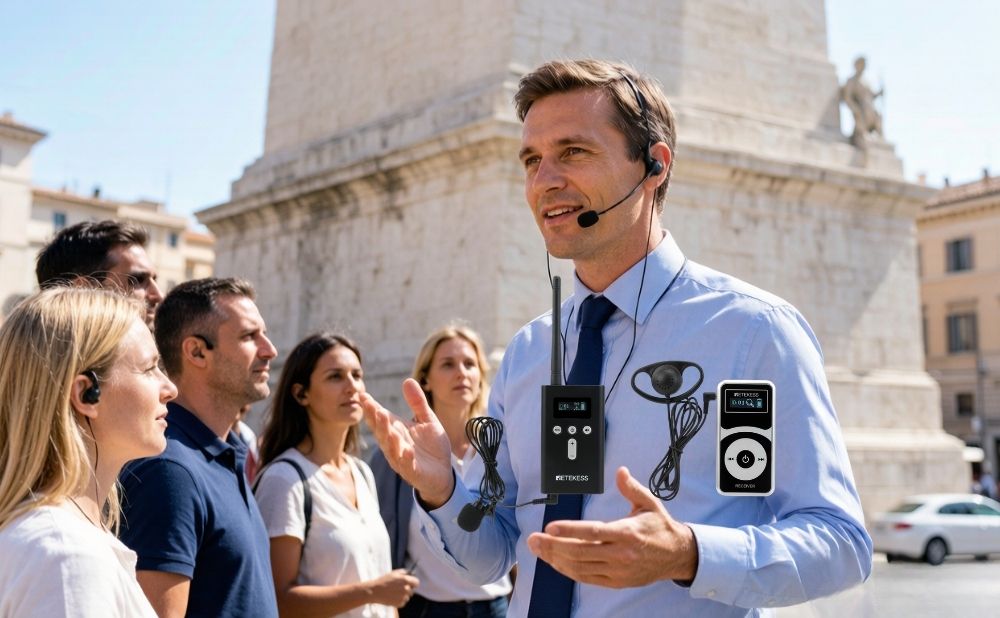
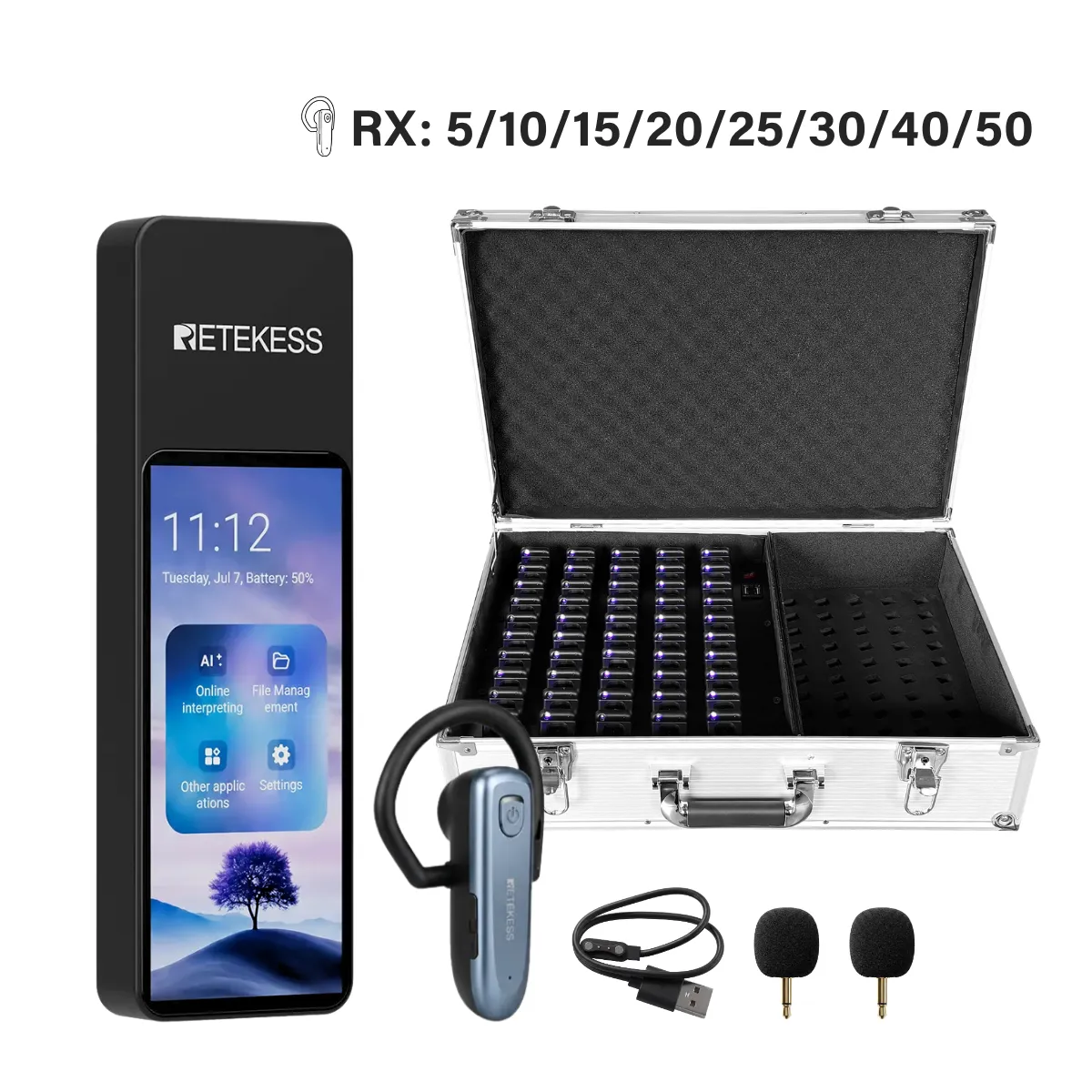
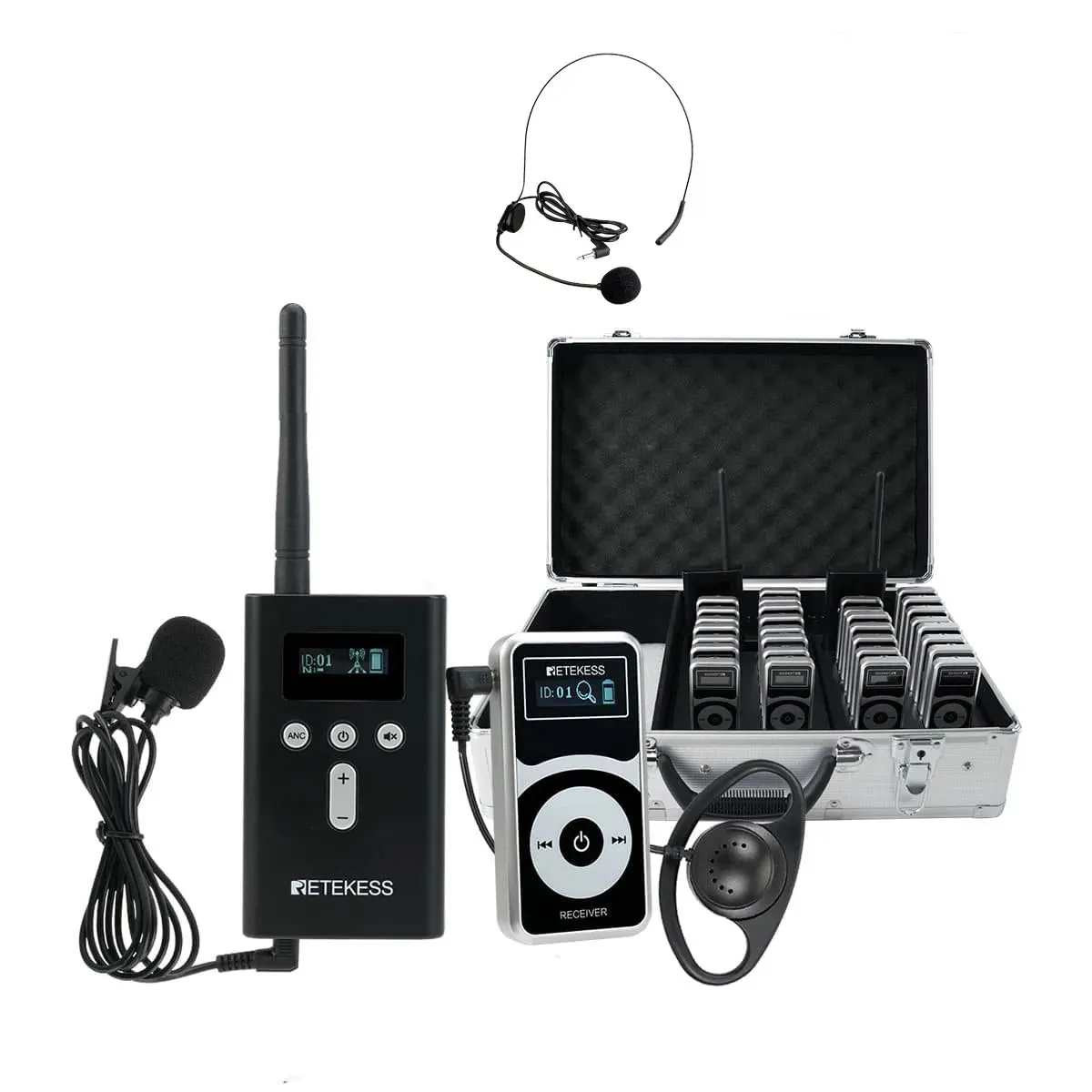
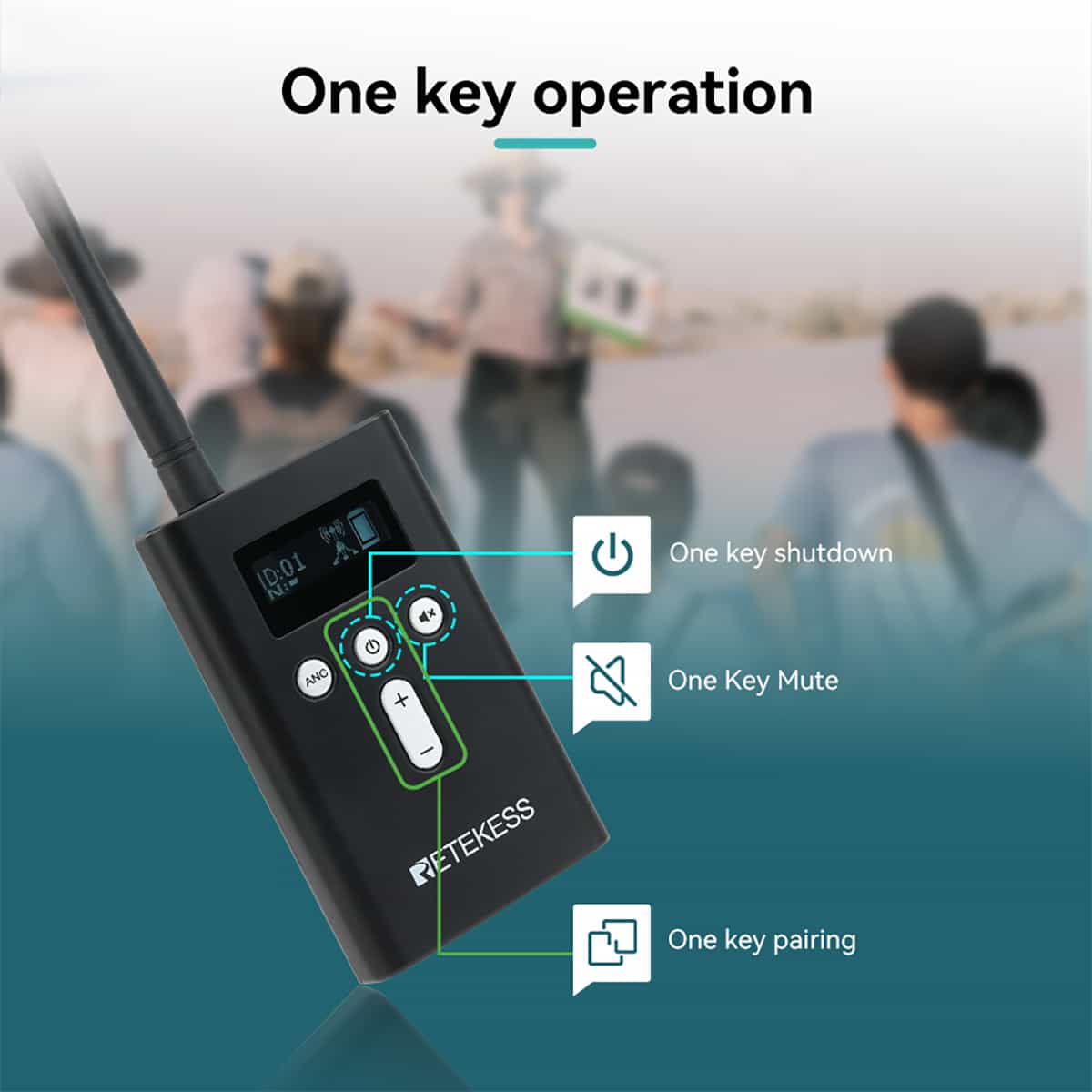
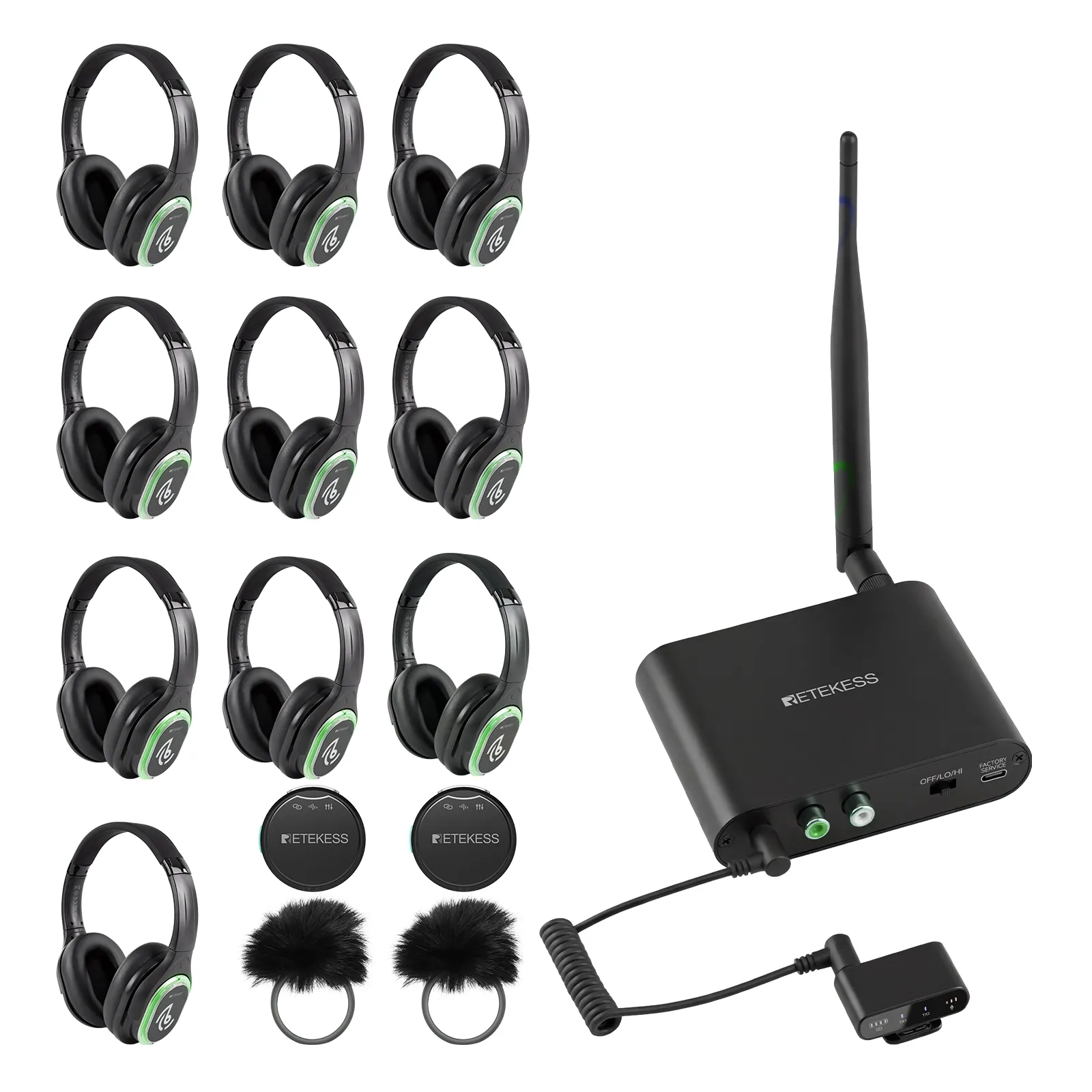
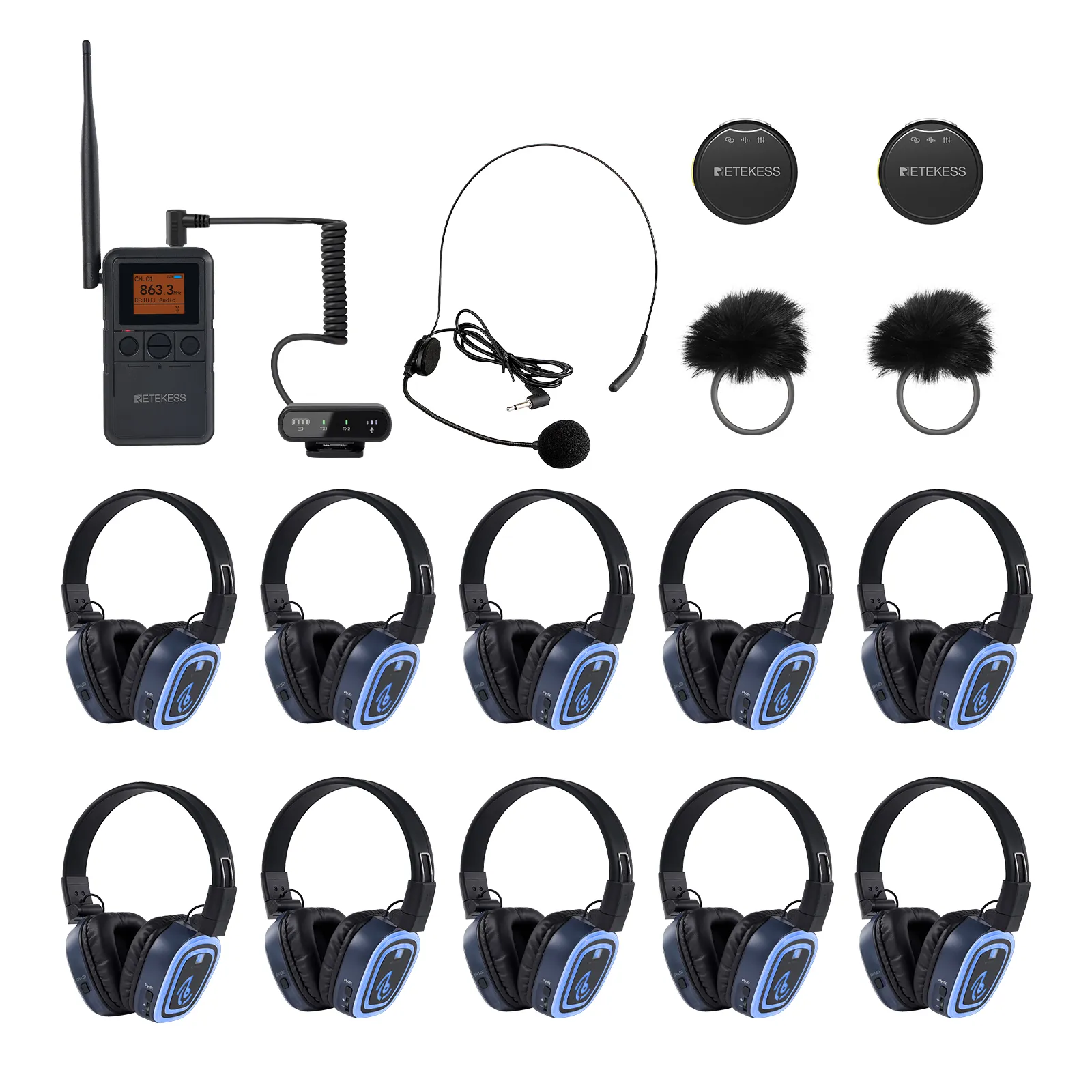
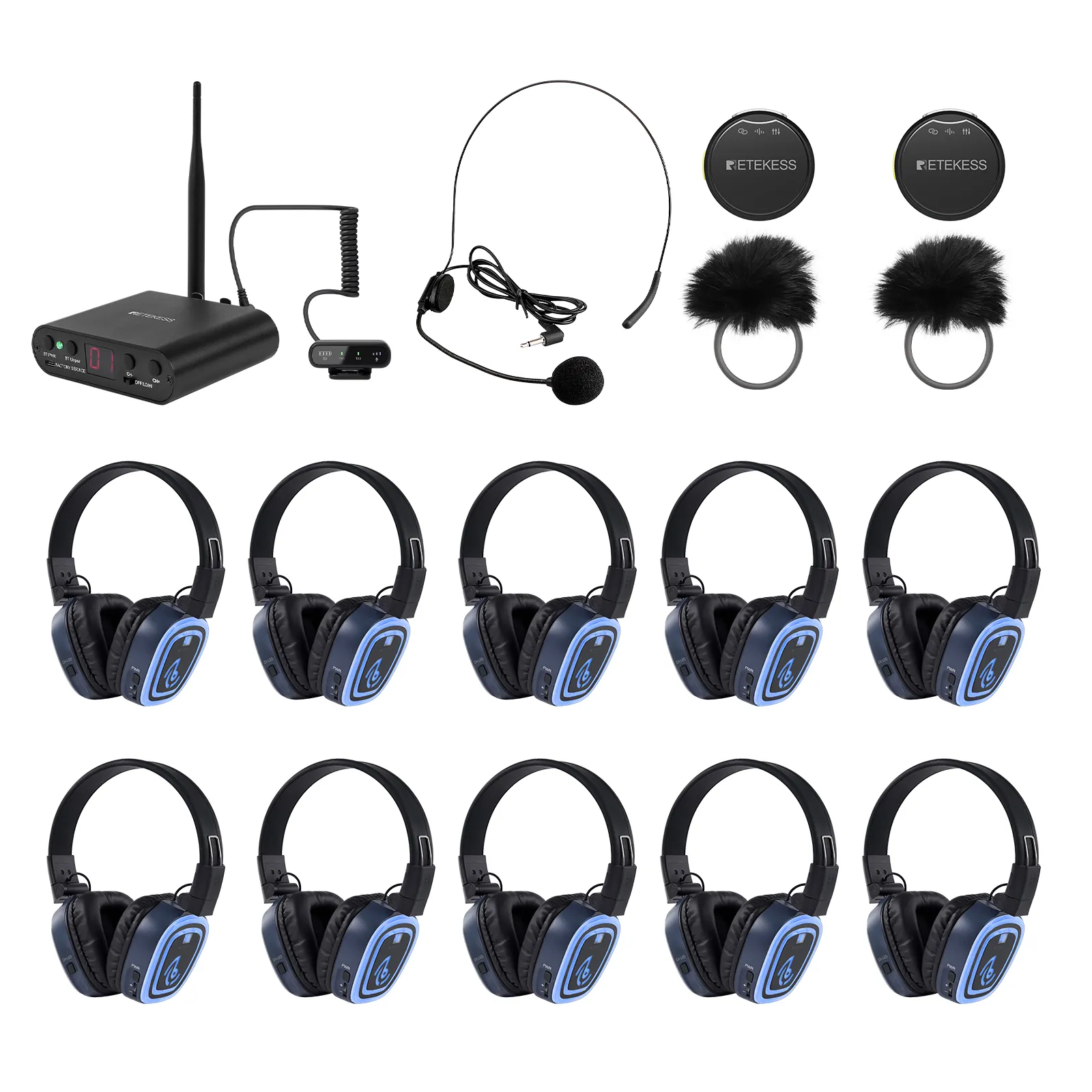
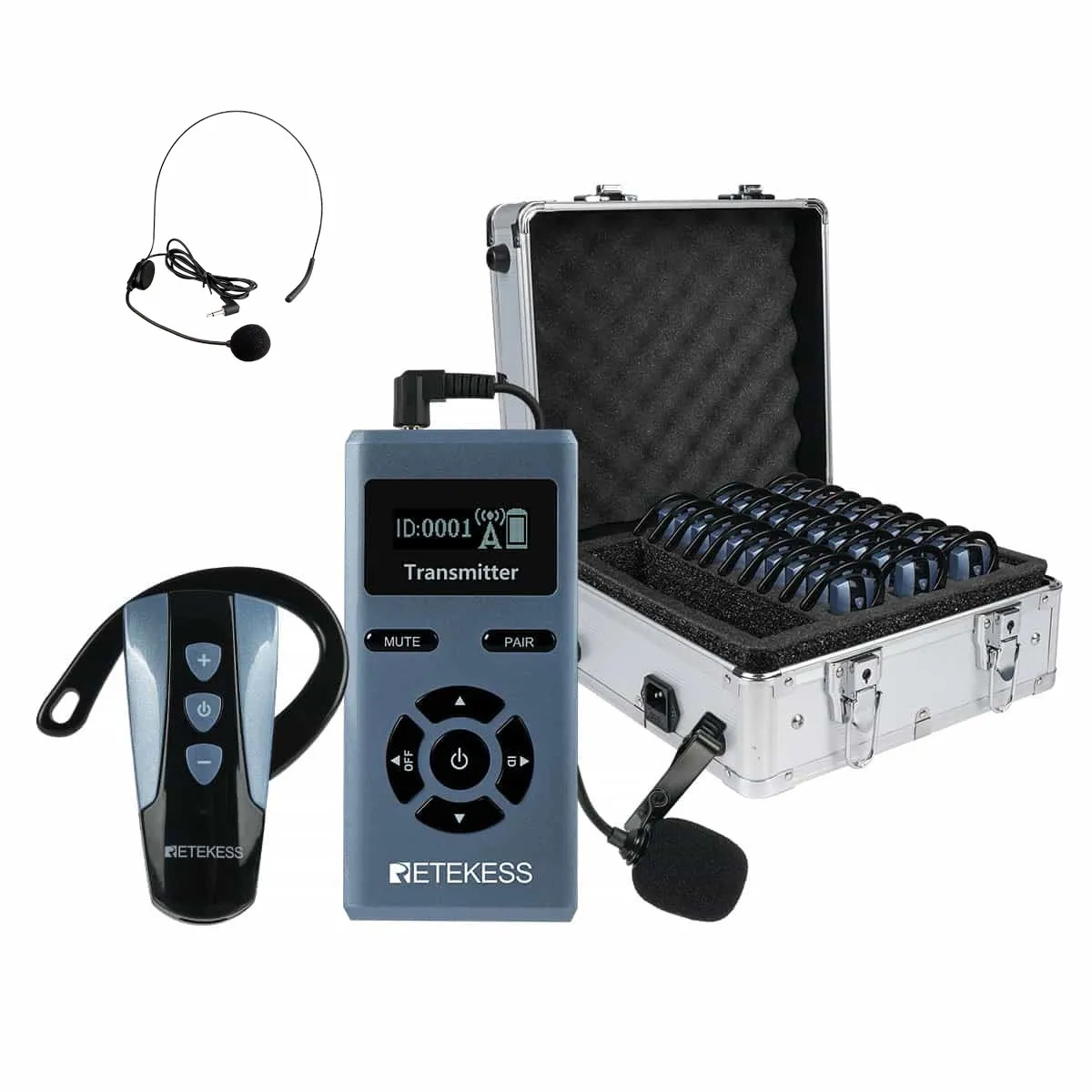
From distributing audio guide devices and maps to providing safety gear for adventure tours, guides manage all necessary equipment. Modern guides increasingly work with wireless tour guide systems, smartphone apps, and AI translation devices.
7. Responding to Guest Needs
Whether it's accommodating dietary restrictions, adjusting pace for slower walkers, or answering unexpected questions, guides must be responsive and adaptable. Exceptional guides anticipate needs before guests voice them.
Types of Tour Guides
The tour guiding profession encompasses a wide range of specializations. The U.S. Bureau of Labor Statistics classifies tour and travel guides under SOC code 39-7010, covering a broad spectrum of roles[3]. Here are the most common types:
| Type | What They Do | Typical Setting |
|---|---|---|
| City Guide | Leads walking, bus, or bike tours through urban areas, sharing history, architecture, and local culture | City centers, historic districts |
| Museum Guide (Docent) | Explains exhibits, artifacts, and artworks in museums and galleries | Museums, galleries, heritage sites |
| Adventure/Activity Guide | Leads outdoor activities like hiking, rafting, climbing, or kayaking with safety instruction | National parks, mountains, rivers |
| Historical Guide | Specializes in historical sites, battlefields, and heritage locations with deep contextual knowledge | Historical landmarks, ruins, battlefields |
| Nature/Eco Guide | Interprets flora, fauna, geology, and ecosystems, promoting conservation | National parks, reserves, wildlife areas |
| Driver Guide | Combines driving and guiding, offering personalized tours in a vehicle | Scenic routes, countryside tours |
| Step-on Guide | Joins tour buses at specific locations to provide specialized local commentary | Tour buses, coach tours |
| Shore Excursion Guide | Guides cruise passengers during port stops, typically 8-10 hour tours | Cruise ports worldwide |
| Cultural Guide | Focuses on local traditions, festivals, food, and cultural practices | Cultural sites, festivals, markets |
| Religious/Pilgrimage Guide | Leads travelers to sacred sites, facilitating spiritual practices and cultural understanding | Temples, churches, pilgrimage routes |
| Free/Independent Guide | Self-employed guides who run their own tours and manage their own business | Any destination |
Essential Skills Every Tour Guide Needs
Being a knowledgeable expert is just the beginning. The BLS identifies key skills for tour guides including service orientation, active listening, and coordination[3]. Successful tour guides combine multiple skill sets:
Communication & Public Speaking
The ability to speak clearly, project your voice, and engage an audience is fundamental. Guides must adapt their communication style to different age groups, cultural backgrounds, and interest levels — sometimes all within the same tour group.
Storytelling
Facts inform, but stories transform. The best guides don't recite Wikipedia entries — they weave narratives that make history come alive. They know when to be dramatic, when to be funny, and when to let a moment speak for itself.
Time Management
Tours run on schedules. Guides must balance the desire to share more information with the reality of limited time. They keep groups moving without rushing, ensuring everyone sees what they came for.
Cultural Sensitivity
Guides work with people from around the world. Understanding and respecting different cultural norms, religious practices, and social expectations is essential for creating inclusive, comfortable experiences.
Problem-Solving & Adaptability
Rainstorms, road closures, lost tourists, language barriers — guides face unexpected challenges daily. The ability to think on your feet and pivot gracefully is what separates good guides from great ones.
Safety & First Aid
Many guide positions require first aid certification. Whether it's treating a minor scrape or managing a more serious emergency, guides must be prepared to act as first responders.
Language Skills
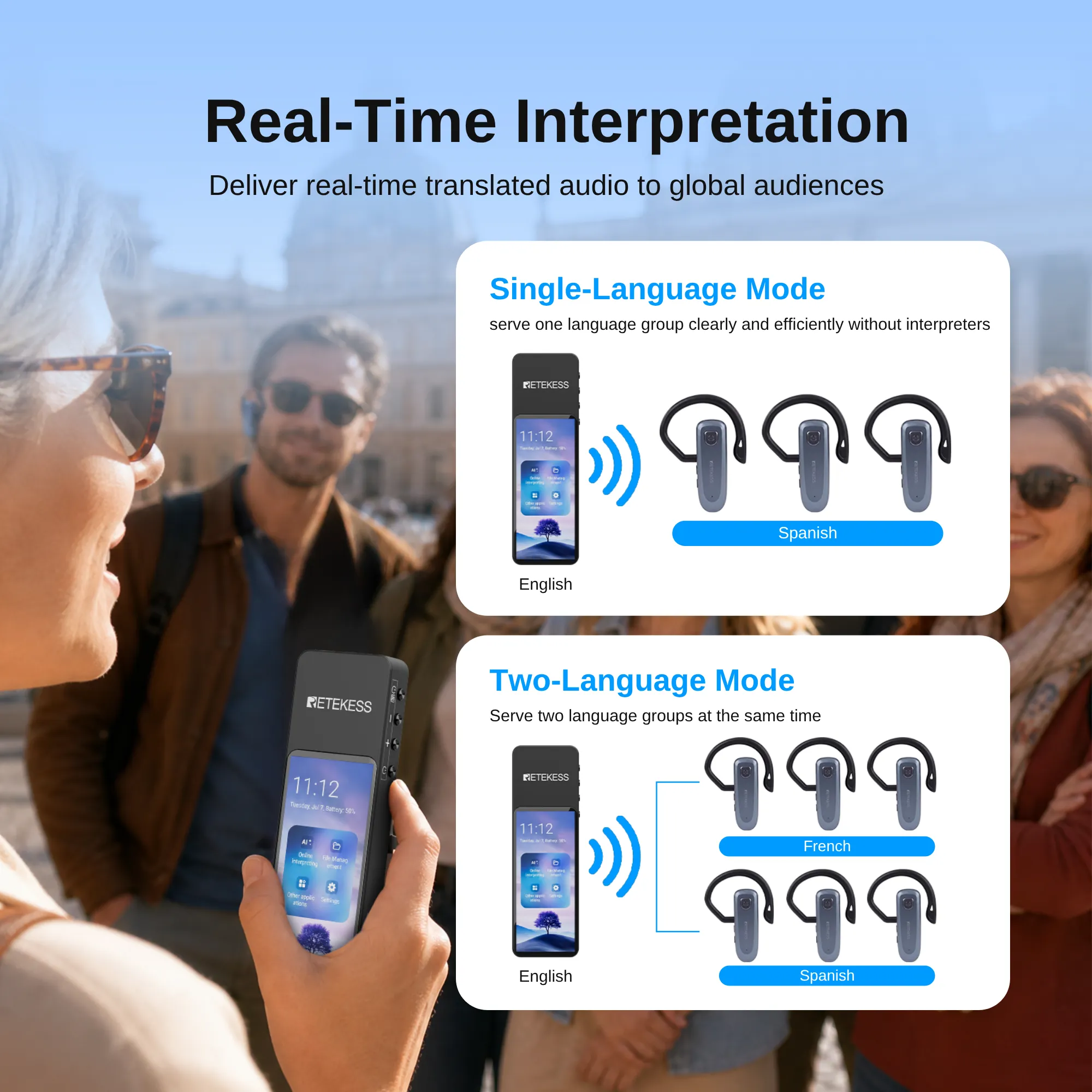
While not always mandatory, multilingual ability is a significant advantage. Modern technology — like AI-powered translation devices and wireless tour guide systems — is making real-time multilingual communication increasingly accessible, but nothing replaces genuine human connection across languages.
Technology Proficiency
Today's guides use wireless audio systems, smartphone apps, GPS-triggered commentary, and even AR-enhanced tours. Comfort with technology is increasingly important in the modern tourism industry.
Tour Guide Salary: What to Expect
Compensation varies widely depending on location, type of guiding, experience, and employment structure. According to the U.S. Bureau of Labor Statistics (BLS OEWS, May 2025), the median annual wage for tour and travel guides is $38,120, with the mean (average) at $43,720. The 10th-to-90th percentile range spans from $28,520 to $60,930, meaning top earners can make 2-3x more than entry-level guides.
| Level | Annual Salary (USD) | Notes |
|---|---|---|
| Entry-level (10th-25th percentile) | $28,520 - $32,910 | Starting out; BLS 10th-25th percentile |
| Mid-career (Median) | $38,120 | BLS median annual wage; experienced guides with regular work and tips |
| Senior/Specialized (75th-90th percentile) | $47,700 - $60,930 | Niche expertise, premium private tours; BLS 75th-90th percentile |
Source: U.S. Bureau of Labor Statistics, Occupational Employment and Wage Statistics (OEWS), May 2025 — SOC 39-7010
Additional income often comes from tips, commissions, and profit-sharing. Tips typically range from 10% to 20% of the tour cost and can significantly boost total earnings. Independent guides who build strong reputations can earn significantly more — Salary.com reports an average of $64,509 for tour guides when tips and benefits are included, while Glassdoor lists averages around $63,107. The BLS projects 8.1% job growth for tour and travel guides between 2023 and 2033 — classified as "faster than average" compared to the 5% national average — with approximately 13,000 annual job openings (including growth and replacement). The current U.S. workforce stands at approximately 53,500 guides.
How to Become a Tour Guide: 8 Steps
1. Build your knowledge base. Develop deep expertise in your chosen area — through formal education, self-study, or both. History, art, geography, and local culture are all valuable foundations.
2. Get certified or licensed. Many cities and countries require official licensing. In the UK, the Institute of Tourist Guiding awards the coveted Blue Badge and Green Badge qualifications, while the British Guild of Tourist Guides is the largest professional association for badge-holding guides. Research your local requirements and complete any necessary training programs or exams.
3. Develop your skills. Practice public speaking, storytelling, and group management. Consider joining a Toastmasters club or taking an improv class.
4. Gain experience. Start with volunteer guiding, internships, or free tours. Every tour you lead builds your confidence and repertoire.
5. Build a network. Join professional associations like the World Federation of Tourist Guide Associations (WFTGA), which represents 36,000+ tourist guides across 87 member associations worldwide, or local guide guilds. Attend industry events.
6. Create your portfolio. Build a website or social media presence. Collect testimonials and reviews from satisfied guests.
7. Start small and grow. Begin with simple tours and gradually expand to more complex itineraries. Word-of-mouth referrals are your most powerful marketing tool.
8. Commit to continuous growth. The best guides never stop learning. Update your knowledge regularly, seek feedback, and refine your craft.
The Future of Tour Guiding
The tour guiding industry is evolving rapidly. AI-powered translation devices and apps can now deliver real-time multilingual communication for travelers, removing language barriers in tourism contexts. Self-guided tour apps use GPS to trigger audio narration as visitors approach points of interest. Virtual reality allows people to experience destinations from their living rooms. The global tourism industry reached 1.4 billion international tourist arrivals in 2024, marking a full recovery from the pandemic — and tour guides remain at the heart of this growing industry.
But none of this replaces the human element. Technology enhances what guides do — it doesn't replace them. The best guides of the future will be those who embrace technology while doubling down on what makes them irreplaceable: personality, spontaneity, emotional intelligence, and the ability to create genuine human connections.
Conclusion
A tour guide is far more than someone who walks ahead of a group and talks. They are educators, entertainers, safety officers, cultural ambassadors, and memory-makers. Whether leading a group through the galleries of the British Museum or hiking the Scottish Highlands, tour guides transform places into experiences and visitors into travelers.
If you're considering a career as a tour guide, know that it offers something few professions can: the chance to share your passion with the world, meet fascinating people every day, and constantly learn and grow. It may not be the highest-paying career, but few jobs offer such rich rewards in experiences, connections, and personal fulfillment.
Leave a Reply




![[18th Anniversary] 18 Years of Echoing Excellence: Making Communication Easier, Connecting Trust Beyond Borders](https://res.retekess.com/z_file/20260716/retekess-brand-story-making-communication-easier_20260716151044_7682.jpg)
![[18 Years in Wireless Communication] Silent Disco Systems Anniversary Celebration: Top-Selling Headphones & Event Mechanics Revealed!](https://res.retekess.com/z_file/20260713/18-years-in-wireless-communication-silent-disco-systems-anniversary-celebration_20260713175011_5749.webp)
![[Anniversary Carnival] Ding-dong! 18th Anniversary Mega Sale on Guest Paging & Calling Systems: Full Reveal of 12+ Products & Promo Rules!](https://res.retekess.com/z_file/20260713/18th-anniversary-mega-sale-on-guest-paging-calling-systems_20260713175257_0295.webp)
![[Retekess 18th Anniversary Teaser] Tour Guide System Exclusive Perks: Sneak Peek at Event Dates & Mechanics!](https://res.retekess.com/z_file/20260713/retekess-18th-anniversary-tour-guide-system-exclusive-perks--2-_20260713180135_6435.webp)
Follow Us
Pay With


 Google
 Amazon
Comments (0)