
Table of Contents
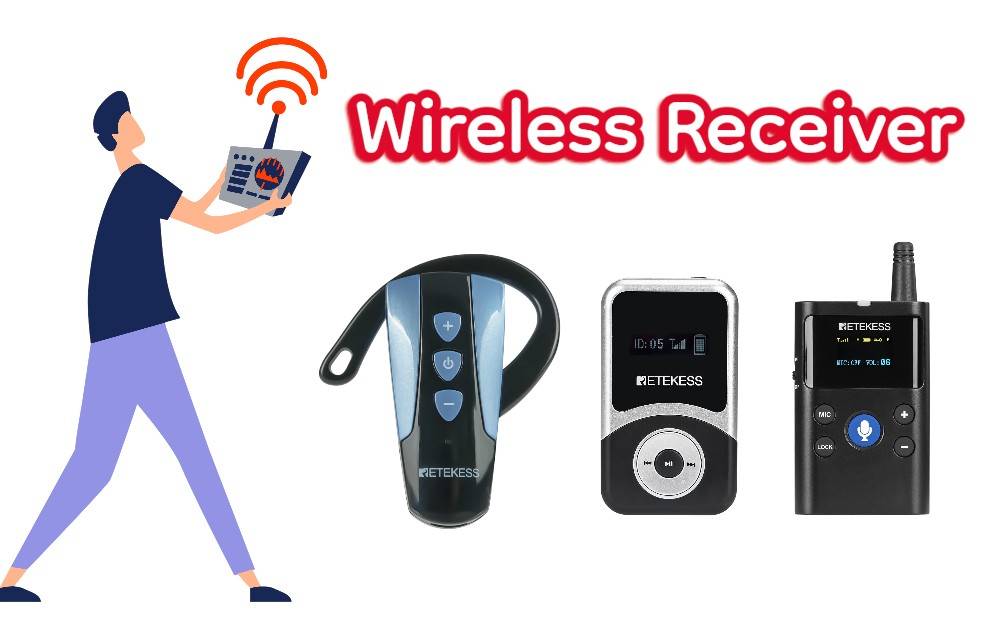
The Unsung Hero of Your Wireless World: Demystifying the Wireless Receiver
- Retekess
- Dec 6, 2025
As an audio communications specialist, I spend my days thinking about how sound travels from one point to another without a tangled mess of cables. While we often marvel at the sleek design of our wireless headphones or the convenience of a Bluetooth speaker, there’s a silent, hardworking component that makes it all possible: the wireless receiver.
Think of it as the translator and gatekeeper of your wireless audio experience. It’s the device that quietly waits, listens to the chaotic airwaves, plucks out the specific signal meant for it, and converts it back into the pristine audio or data you can enjoy.
What Exactly is a Wireless Receiver?
In simplest terms, a wireless receiver is an electronic device designed to capture radio frequency (RF) signals transmitted through the air, decode the information they carry, and convert it into a usable format—be it audio for your speakers, data for your computer, or commands for your gaming console.
The fundamental process involves:
-
Capture: An antenna picks up the RF signals.
-
Selection: A tuner filters out all the unwanted signals, selecting only the specific frequency your transmitter is using.
-
Demodulation: This is the crucial step. The receiver strips away the high-frequency carrier wave to extract the original audio or data signal that was "modulated" onto it by the transmitter.
-
Output: This clean signal is then amplified and sent out through a port (like a 3.5mm jack, RCA, or USB) to your speakers, TV, or other device.
Transmitter vs. Receiver: A Vital Partnership
It’s impossible to talk about a receiver without mentioning its other half: the transmitter.
-
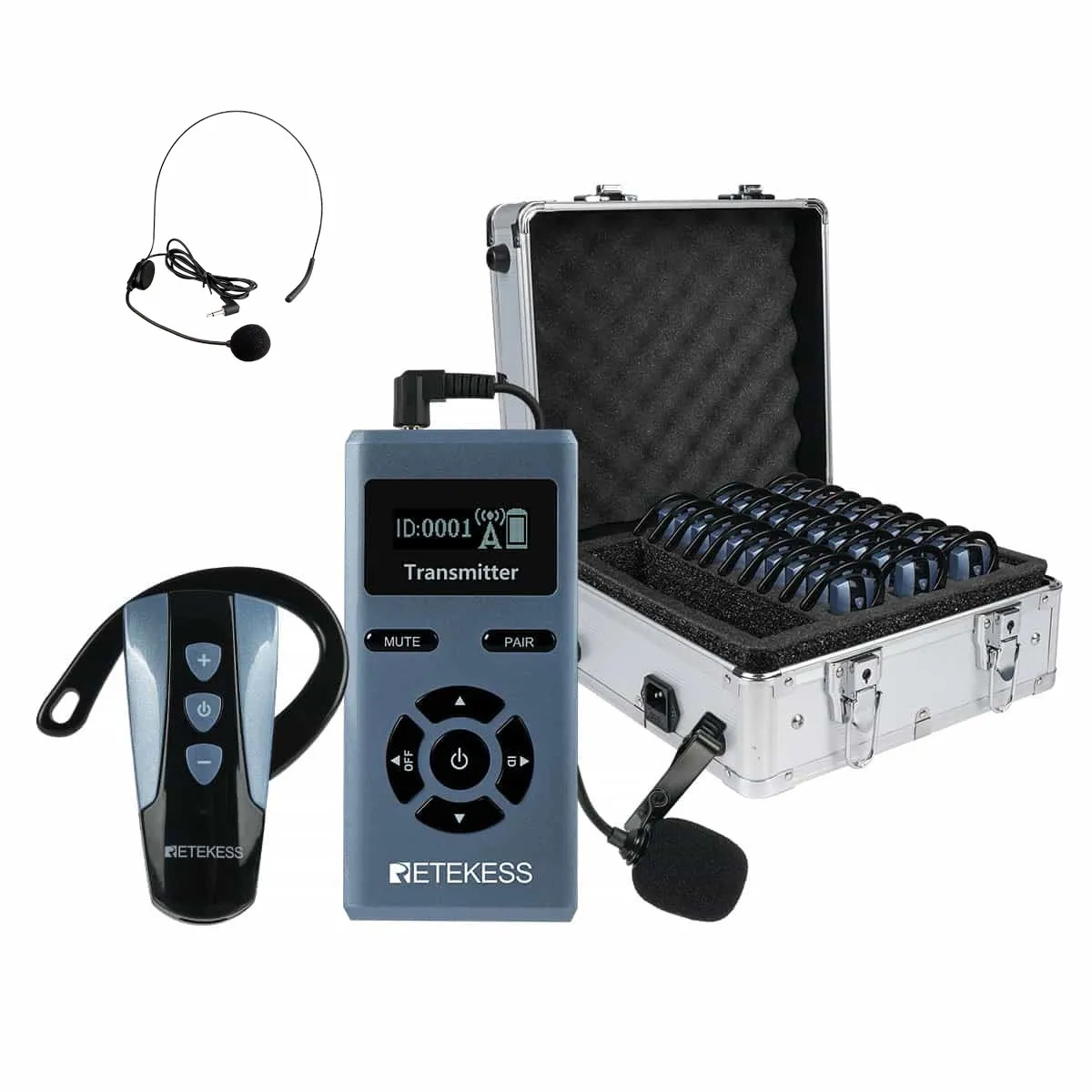
The Transmitter is the talker. It takes your audio source (like your voice from a microphone or music from your phone), encodes it onto a radio wave, and broadcasts it.
-
The Receiver is the listener. It captures that broadcast, decodes it, and delivers it to the output.
You need both for any wireless communication. A common example is a wireless TV headphone set: the transmitter plugs into your TV's audio output, and the receiver is built into the headphones.
Common Types of Wireless Receivers in Everyday Life
You interact with wireless receivers more than you might think:
-
Bluetooth Receivers: The most common type. A small Bluetooth wireless receiver dongle plugged into your car's aux port or your home stereo allows it to receive audio from your phone.
-
RF Audio Receivers: Used in professional wireless microphone systems (like those from Shure or Sennheiser), home theater subwoofers, and high-fidelity wireless speaker kits. They often offer longer range and more stable connections than standard Bluetooth.
-
Wi-Fi Receivers: Devices like Chromecast Audio or modern smart speakers contain sophisticated Wi-Fi receivers to stream high-quality audio over your network.
-
Dedicated Device Receivers: The Xbox Wireless Receiver for Windows allows your PC to connect to Xbox controllers, showcasing how receivers enable peripheral connectivity.
Choosing the Right Wireless Receiver: An Expert's Tips
Whether you're looking for a wireless receiver for PC gaming, to upgrade your home theater, or to add Bluetooth to an old stereo, here’s what to consider:
-
Compatibility & Protocol: Ensure the receiver speaks the same "language" as your transmitter (e.g., Bluetooth 5.0, RF at 2.4GHz or 5.8GHz, a specific brand's proprietary protocol).
-
Connectivity: Check the input on your receiver (USB, 3.5mm aux, RCA) matches the output on your source, and that its output connects to your speakers or amplifier.
-
Range: Consider where you'll use it. A Bluetooth receiver for a desk has a short range (~10m), while an RF system for a home theater might need to work through walls over a greater distance.
-
Latency: For watching videos or gaming, low audio latency (delay) is critical. Look for technologies like Qualcomm aptX Low Latency or dedicated low-latency RF systems.
-
Sound Quality: If fidelity is key, look for receivers supporting high-quality codecs like aptX HD or LDAC for Bluetooth, or lossless transmission for professional RF systems.
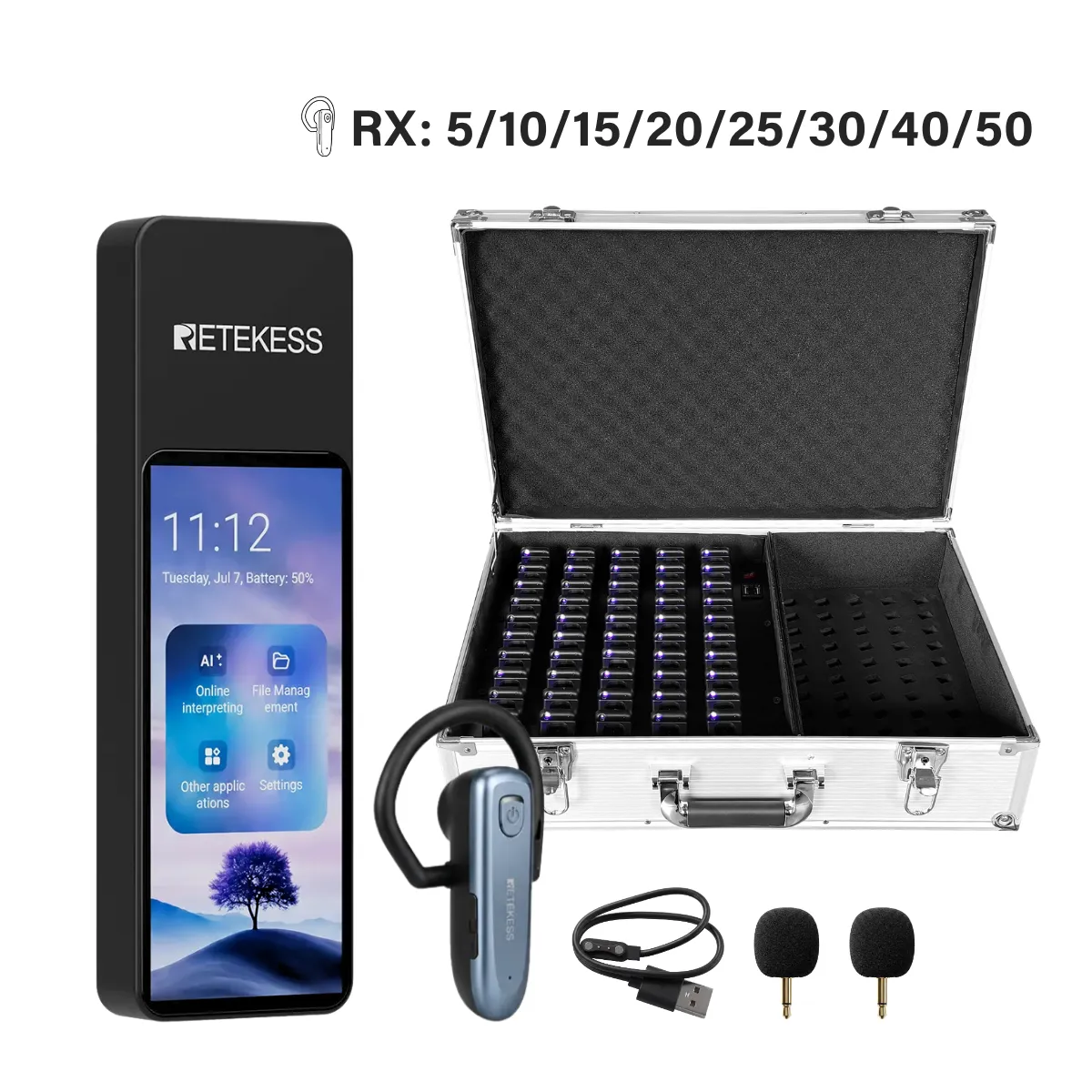
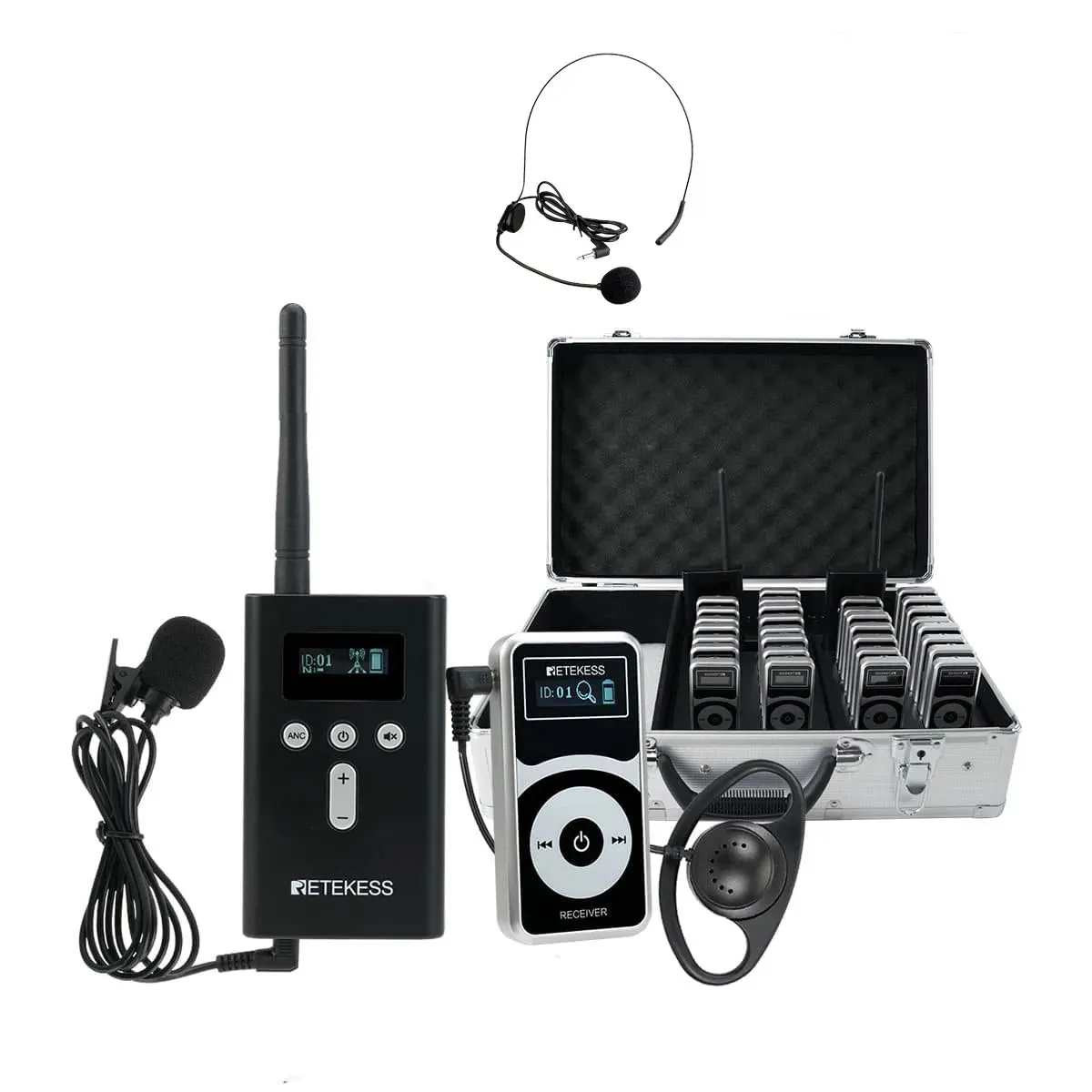
You can find a wide array of options, from simple Bluetooth audio receivers to professional wireless microphone receivers, on major electronics platforms. For a broad selection, you can explore categories like Wireless Receivers on Retekess.com.
The Bottom Line
The wireless receiver is the indispensable anchor of any wireless audio chain. It’s the technology that grants us the freedom to move, declutters our spaces, and delivers sound reliably from point A to point B. By understanding its role and knowing what to look for, you can make informed choices that truly elevate your audio and video experiences, cutting the cord without compromising on quality or reliability.
Expert Tip: Always keep your receiver's firmware updated (if applicable) and place it in an open space, away from large metal objects or other wireless transmitters, to ensure the cleanest possible signal reception.
Leave a Reply





![[18th Anniversary] 18 Years of Echoing Excellence: Making Communication Easier, Connecting Trust Beyond Borders](https://res.retekess.com/z_file/20260716/retekess-brand-story-making-communication-easier_20260716151044_7682.jpg)
![[18 Years in Wireless Communication] Silent Disco Systems Anniversary Celebration: Top-Selling Headphones & Event Mechanics Revealed!](https://res.retekess.com/z_file/20260713/18-years-in-wireless-communication-silent-disco-systems-anniversary-celebration_20260713175011_5749.webp)
![[Anniversary Carnival] Ding-dong! 18th Anniversary Mega Sale on Guest Paging & Calling Systems: Full Reveal of 12+ Products & Promo Rules!](https://res.retekess.com/z_file/20260713/18th-anniversary-mega-sale-on-guest-paging-calling-systems_20260713175257_0295.webp)
![[Retekess 18th Anniversary Teaser] Tour Guide System Exclusive Perks: Sneak Peek at Event Dates & Mechanics!](https://res.retekess.com/z_file/20260713/retekess-18th-anniversary-tour-guide-system-exclusive-perks--2-_20260713180135_6435.webp)

Follow Us
Pay With


 Google
 Amazon
Comments (0)