
FAQs
No, otc hearing aids are designed for mild to moderate hearing loss and are not suitable for minors, being intended for middle-aged and elderly individuals.
Mild (26–40 dB) hearing loss: Difficulty hearing in noisy environments; requires others to speak closer or louder.
Moderate (41–55 dB) hearing loss: Challenges with everyday conversation; necessitates increased volume for television or telephone calls.
Moderately severe (56–70 dB) hearing loss: Only loud speech or shouting is audible.
Severe (≥70 dB) hearing loss: Only very loud sounds, such as vacuum cleaners, are audible.
Over-the-counter hearing aids typically require a 2–6 week adaptation period, as the brain needs time to relearn processing sounds.
Days 1–3: Wear for 1–2 hours daily in quiet environments.
Weeks 1–2: Gradually extend wear to 4–6 hours, testing use in varied settings.
Weeks 3–4: Adjust volume or modes, practising communication in noisy environments.
Weeks 5–6: Establish long-term wearing habits, maintaining regular device cleaning and upkeep.
①Sound appears excessively loud, noisy, or includes previously inaudible noises (e.g., refrigerator hum, footsteps, birdsong): Prolonged absence of high-frequency sounds reduces auditory sensitivity. When amplifiers restore these frequencies, they may initially seem ‘disturbing’.
②One's own voice sounding strange, muffled, or ‘hollow’: The hearing aid amplifies air-conduction sound, which combines with bone-conduction sound. The brain requires readaptation.
③Feeling focused on hearing yet struggling to understand speech in noisy settings: New auditory input refocuses the brain on auditory processing. However, background noise still impacts speech intelligibility even with hearing aids, requiring training and adaptation.
①Replace with suitable ear tips; left and right ears may require different tip sizes.
②First insert the hearing aids, then switch on the device after proper placement.
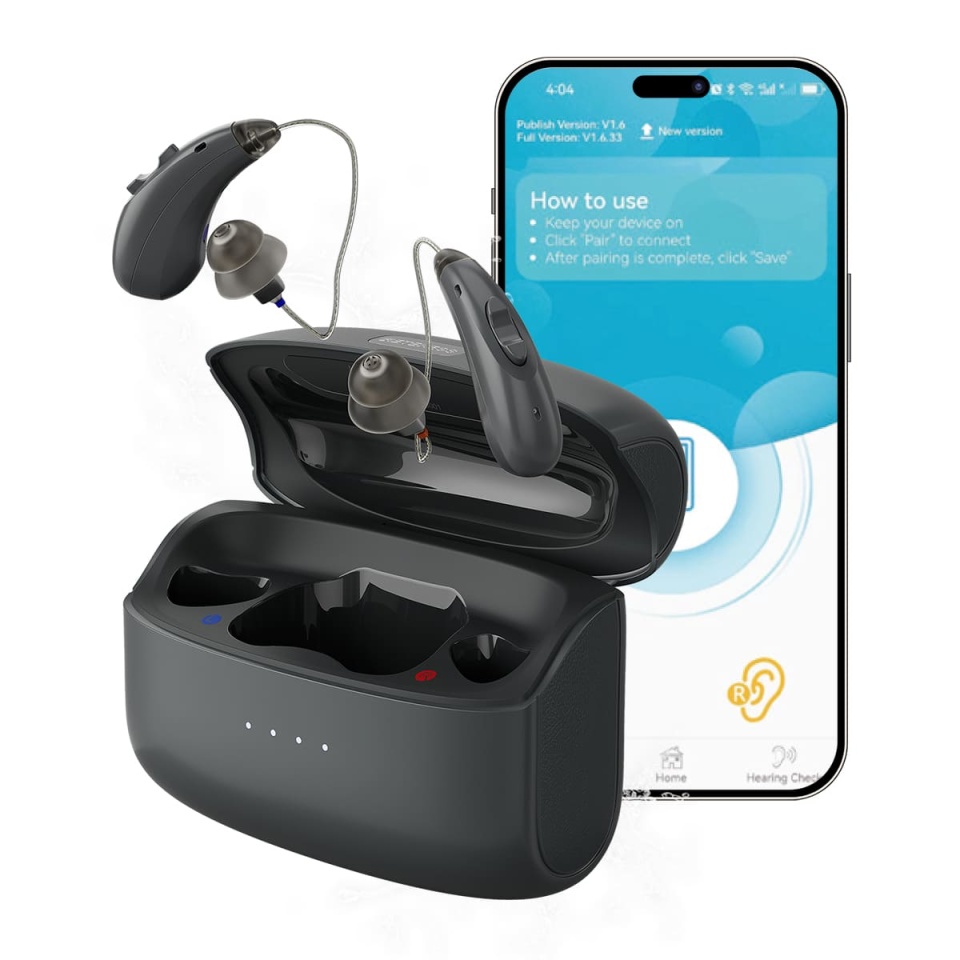
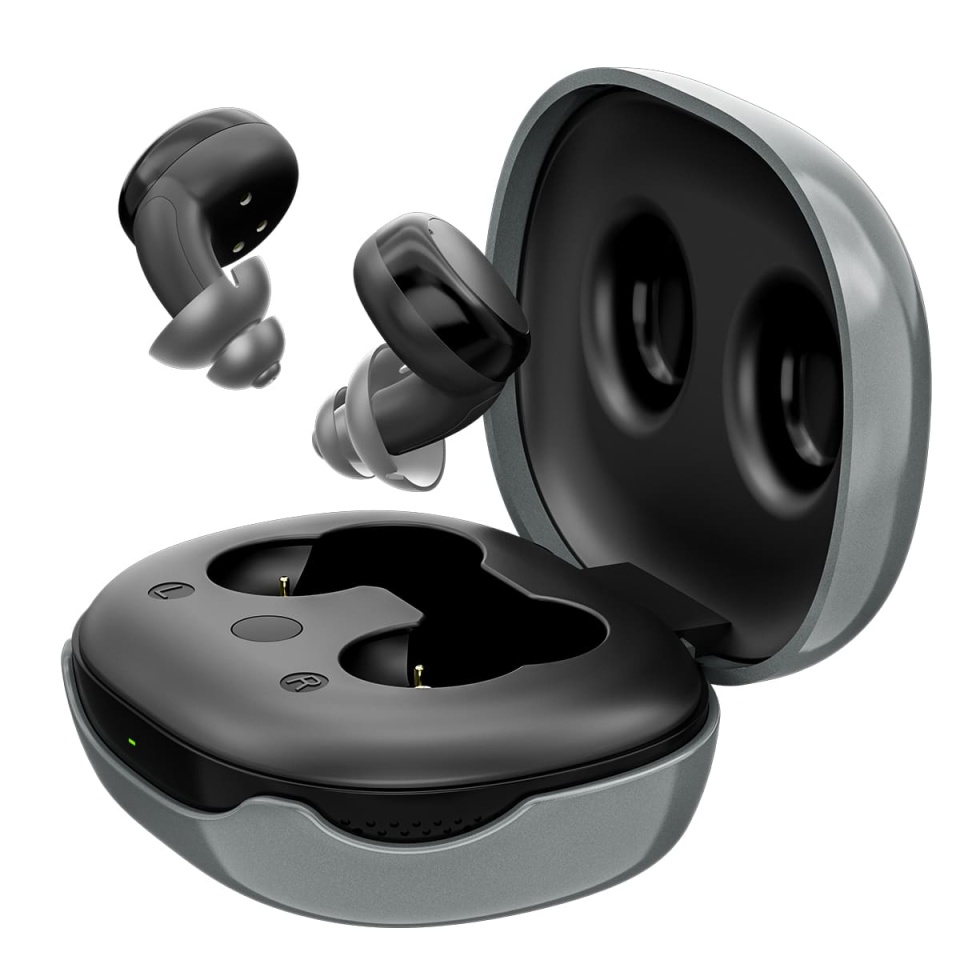
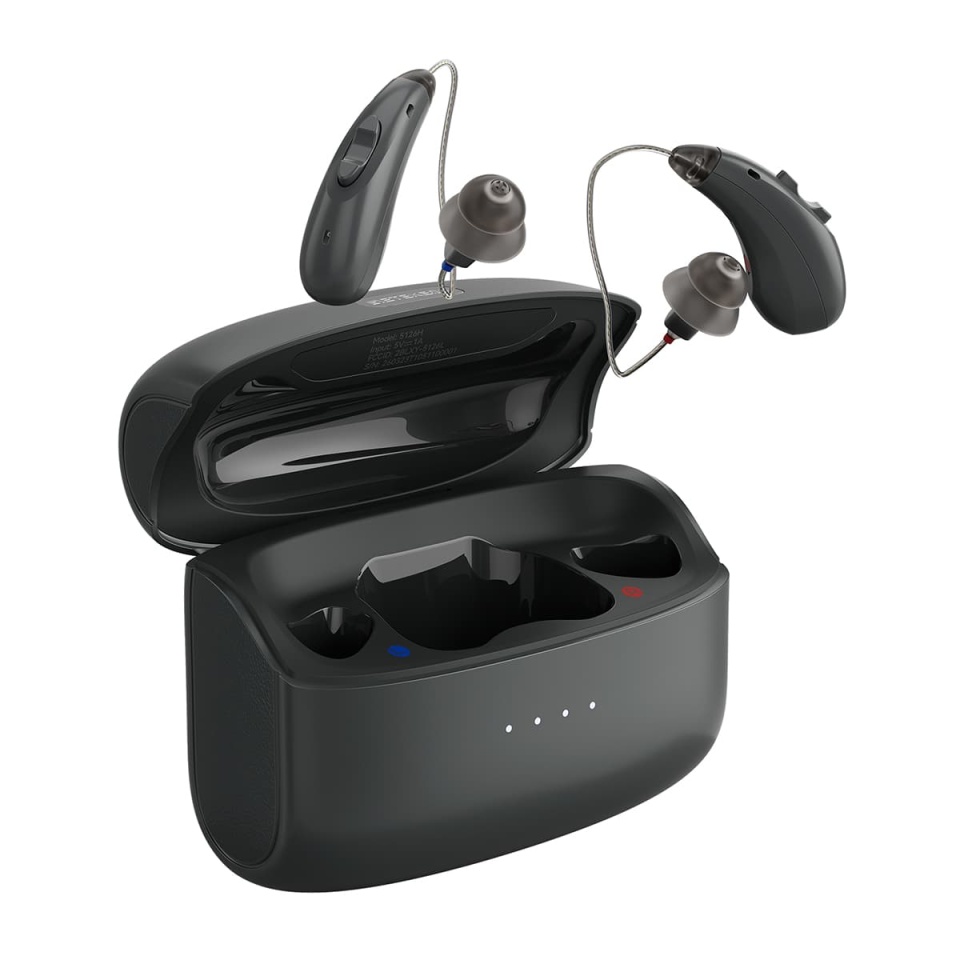
Hearing aids with in-ear infrared sensors switch off automatically when removed. Over-the-counter hearing aids without infrared sensors do not switch off automatically when removed. However, rechargeable hearing aids with charging cases will switch off automatically when placed inside the charging case.

Follow Us
Pay With


 Google
 Amazon