
Table of Contents
10 Common Questions About BTE Hearing Aids: Answering 90% of Your Doubts
- Lewis Calvert
- Apr 17, 2026
Are you feeling overwhelmed by all the technical jargon and conflicting advice when considering a Behind-the-Ear (BTE) hearing aid? The information online is fragmented, and sales pitches can leave you second-guessing your choices.
Instead of staying confused, why not clarify all your key questions in one go? We’ve gathered the top 10 most common and important questions users ask before making a decision and provided clear, objective answers. Spend several minutes reading, and you’ll confidently know whether BTE is the right choice for you and how to make it work at its best.
Q&A
1. What is a BTE hearing aid? Who should use it?
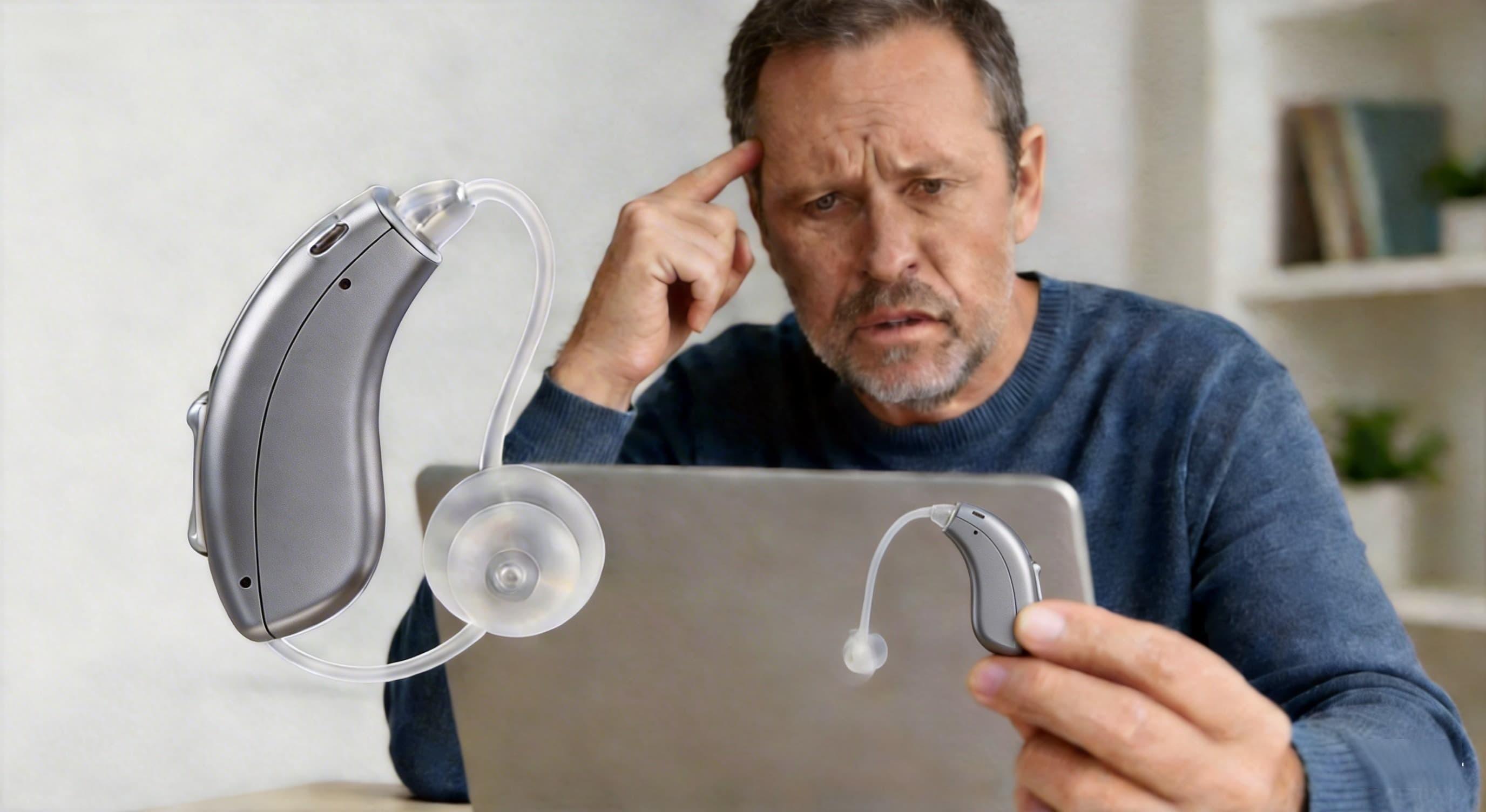
BTE (Behind-The-Ear) hearing aids are a traditional and widely used type of hearing aid. The main device sits behind the ear and connects to an ear dome via a tube or hook. Ideal for:
A wide range of hearing loss, from mild to profound, as they can hold larger speakers and batteries for more power.
Those with narrow ear canals, middle ear issues, or external ear deformities (as they don’t go inside the ear canal).
Children (as ear domes can be replaced to accommodate growing ears).
People seeking higher power, multiple features, or ease of use. Not ideal for: Those who need discreetness or can’t wear ear molds/earpieces due to ear abnormalities.
2. Why does my BTE hearing aid whistle?
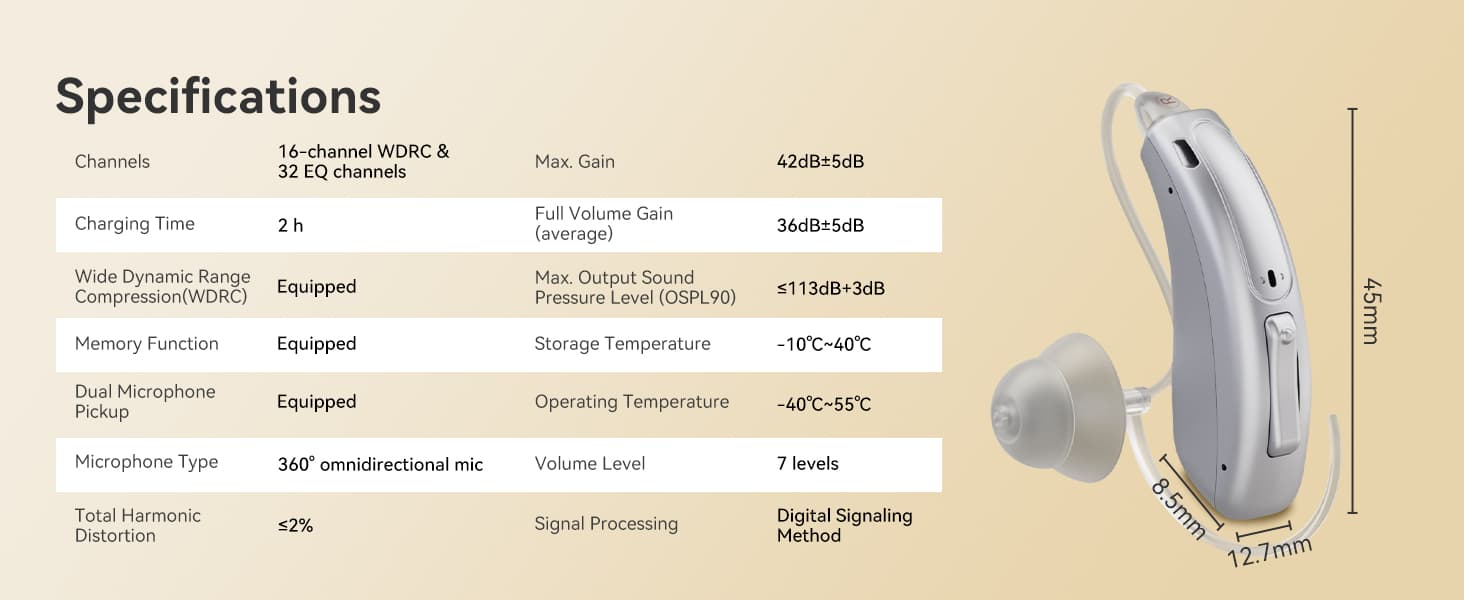
Whistling, or feedback, usually happens when sound leaks, often from an ill-fitting ear dome, cracked tube, or excessive earwax. Too high a gain setting can also trigger it. Solutions include using the right ear dome and making sure the device is worn properly. For example, the Retekess TE202 BTE hearing aid has an 8-second startup, allowing time to adjust and avoid whistling.
3. Why does my BTE hearing aid sound unnatural or too harsh when I first wear it?
This is a normal adjustment phase. People with hearing loss have been unable to hear clear sounds for a long time, so suddenly amplified sound can be overwhelming. Start by lowering the gain and wearing the aid in a quiet setting for 4-6 hours a day. After 1-2 weeks, you’ll adapt. If the harshness persists, it could be due to improper frequency settings and may need recalibration.
4. Does a BTE hearing aid look obvious? Will I feel self-conscious wearing it?
This is a common misconception. Modern BTE hearing aids are sleek and come in various colors to blend with your hair or skin tone. Much like glasses, hearing aids are tools to improve quality of life, and they should be seen positively.
5. What should I do if my BTE hearing aid is too quiet or silent?
Battery issues: Check if the battery is dead.
Blocked ear dome or tube: Clean them to remove earwax or debris.
Volume settings: Make sure the volume isn’t accidentally turned down.
Clogged microphone/speaker: Gently clean with a soft brush.
Hearing changes: If your hearing has worsened, visit an audiologist for a retuning or more powerful device.
6. Why does the sound tube of my BTE hearing aid collect water?
Condensation in the tube, like glasses fogging up, happens when you move from cold to warm environments or sweat during wear. Water can make the sound muffled. To fix it, remove the ear dome and blow air through the tube to clear moisture. Don't worry, modern BTE hearing aids have an waterproof rating, so it performs well even in damp environments like kitchens or workshops, such as Retekess TE202 .
7. What if my BTE hearing aid causes ear pain or itching?
Pain usually happens if the ear dome doesn’t fit properly, while itching may be due to an allergic reaction to the materials. Try switching to a better-fitting ear dome or hypoallergenic accessories. To reduce pressure, take breaks every 2-3 hours.
8. Can I wear a BTE hearing aid with glasses? Will they interfere with each other?
Yes, but adjust the position of the hearing aid to avoid interference. Put on the hearing aid first, then adjust the glasses to prevent the arms from pressing on the hearing aid or bending the tubing. If whistling occurs, it might be because the glasses are affecting the fit of the ear dome—try adjusting the fit or using curved glasses arms.
9. Why does the sound tube of my BTE hearing aid turn yellow over time?
The sound tube, often made of silicone or clear plastic, can yellow and harden due to sweat and sun exposure. Replace the tube every 6 months and clean it regularly to avoid buildup. Also, store the device in a cool, dark place to prevent rapid aging.
10. How should I maintain my BTE hearing aid to extend its lifespan?
Clean the body and ear domes daily with a soft dry cloth.
Avoid dropping or pressing the device, and take it off while exercising or showering.
Every 3-6 months, visit your audiologist for a professional cleaning and check the condition of accessories like the sound tube and ear domes.
Revolutionizing the BTE Experience
As we've discussed, the core concerns with BTE hearing aids have always been the same: avoiding whistling and background noise, achieving clear and natural sound without harshness, and ensuring comfort during long-term use. A good hearing aid should solve these issues and make hearing compensation a seamless experience.
With advancements in audio technology, these common "pain points" now have more precise solutions. This is exactly why Retekess developed the TE202 BTE hearing aid, which is designed to address these needs:
Feedback Prevention: The TE202 includes four sizes of ear domes, ensuring a good fit, and its 8-second startup design gives you time to adjust.
Long-Term Comfort: The ergonomic, anti-slip design and multiple ear dome sizes ensure a comfortable fit, even for extended wear.
High-Quality Sound: With the 5900 digital chip, it offers millisecond-level sound processing, adapting quickly to environments like busy supermarkets or windy streets. Plus, its multi-channel audio technology delivers high-fidelity sound with a distortion rate of ≤2%.
(European version) Tinnitus Masking: It integrates a tinnitus therapy system that releases soothing white noise to mask or alleviate tinnitus symptoms.
Final Thoughts
Hearing aids aren't cold medical devices—they are the keys to bringing back "conversations, laughter, and birdsong" into your life. If you still have questions about wearing or fitting BTE hearing aids, or want to check if they're right for you, feel free to ask. Our professional customer service team is here to help.
Stay tuned for upcoming trials of the Retekess BTE hearing aids—don't let hearing loss keep you from enjoying life.
(Disclaimer: This article is from Lewis Calvert of Big Write Hook.)










 Google
 Amazon
Comments (0)