
Table of Contents
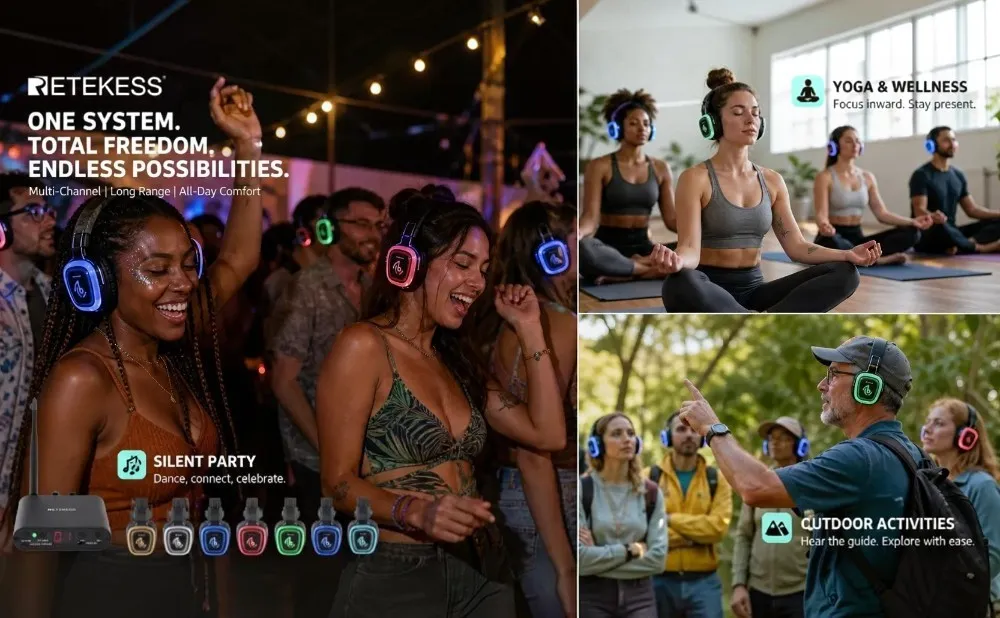
From Silent Parties to Yoga Classes: 5 Creative Ways to Use Wireless Audio Systems
- Retekess
- Aug 21, 2026
Wireless audio systems are no longer used for just one kind of event. What started as a solution for silent parties has grown into something much broader. Today, the same technology is showing up in wellness classes, fitness sessions, guided tours, and multi-purpose event spaces. That shift makes sense. People want more flexibility, more control, and less noise. They want event experiences that fit the setting instead of forcing the setting to fit the sound.
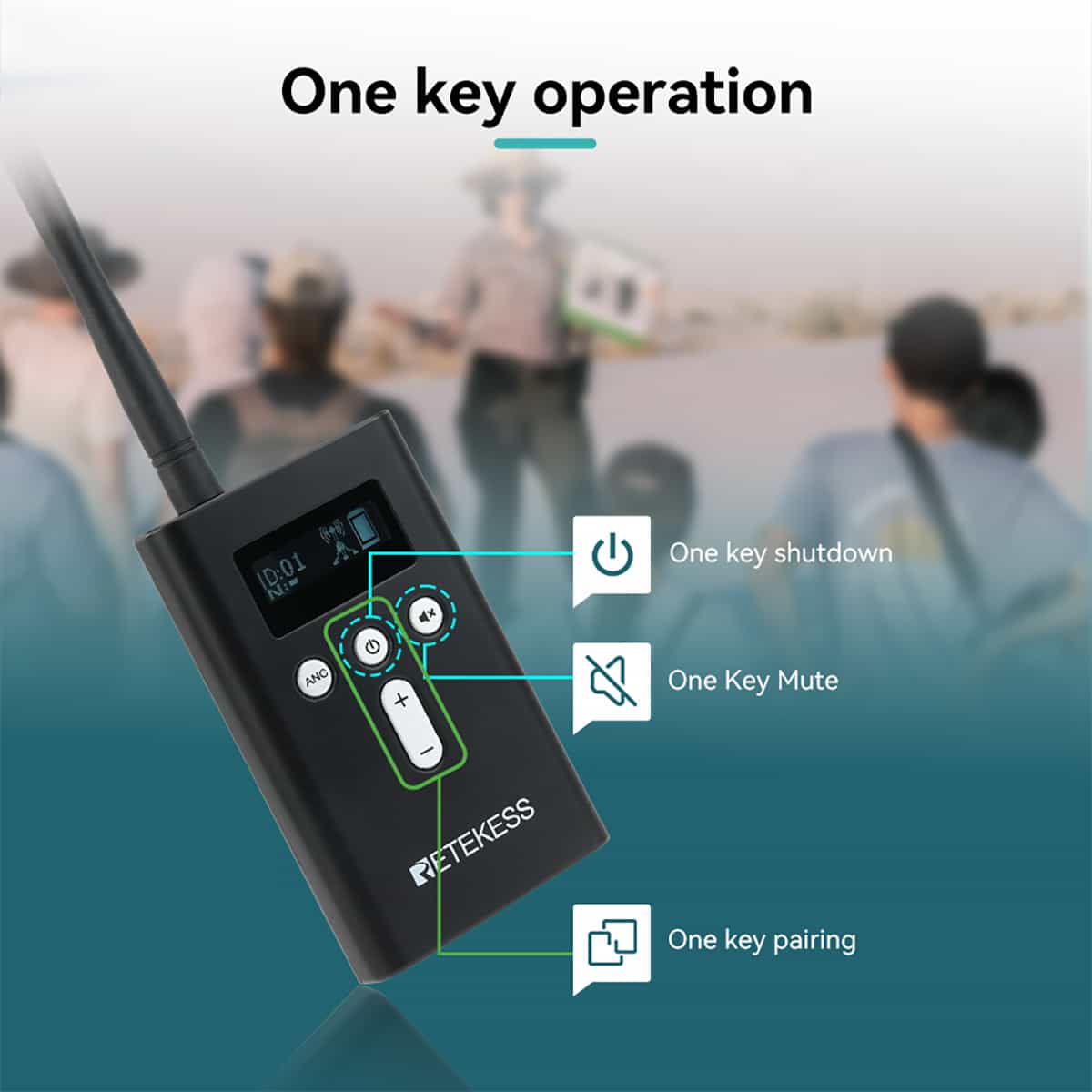
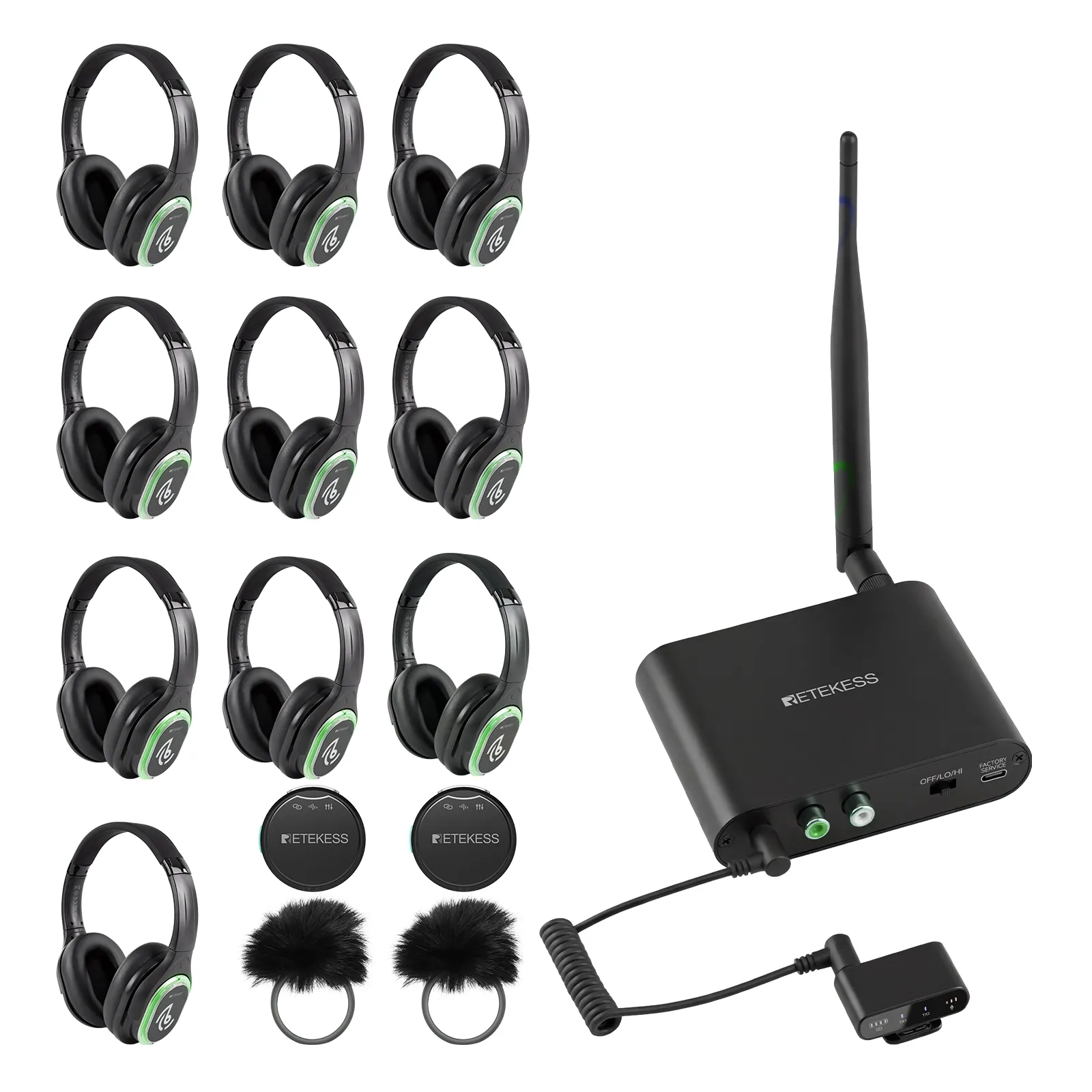
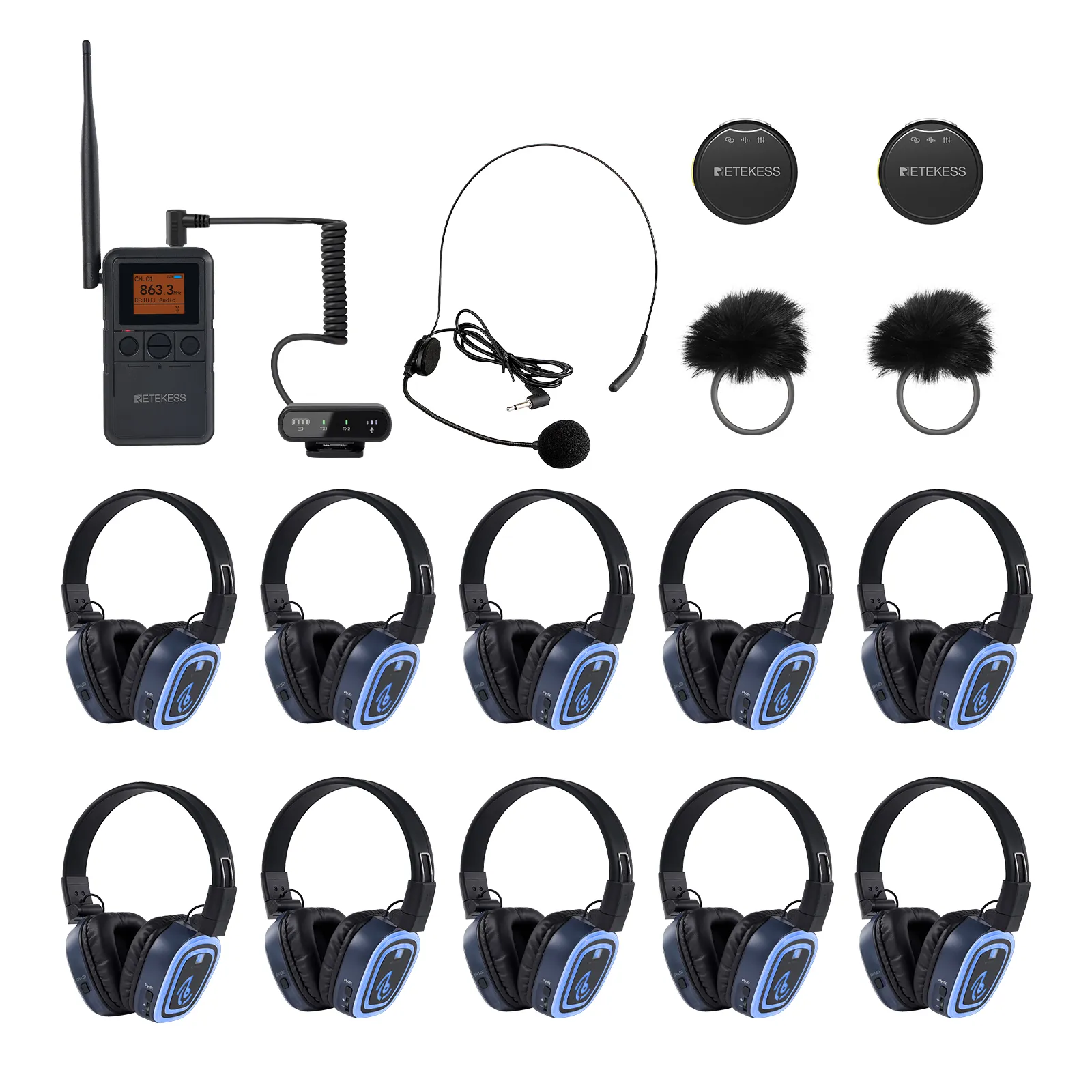
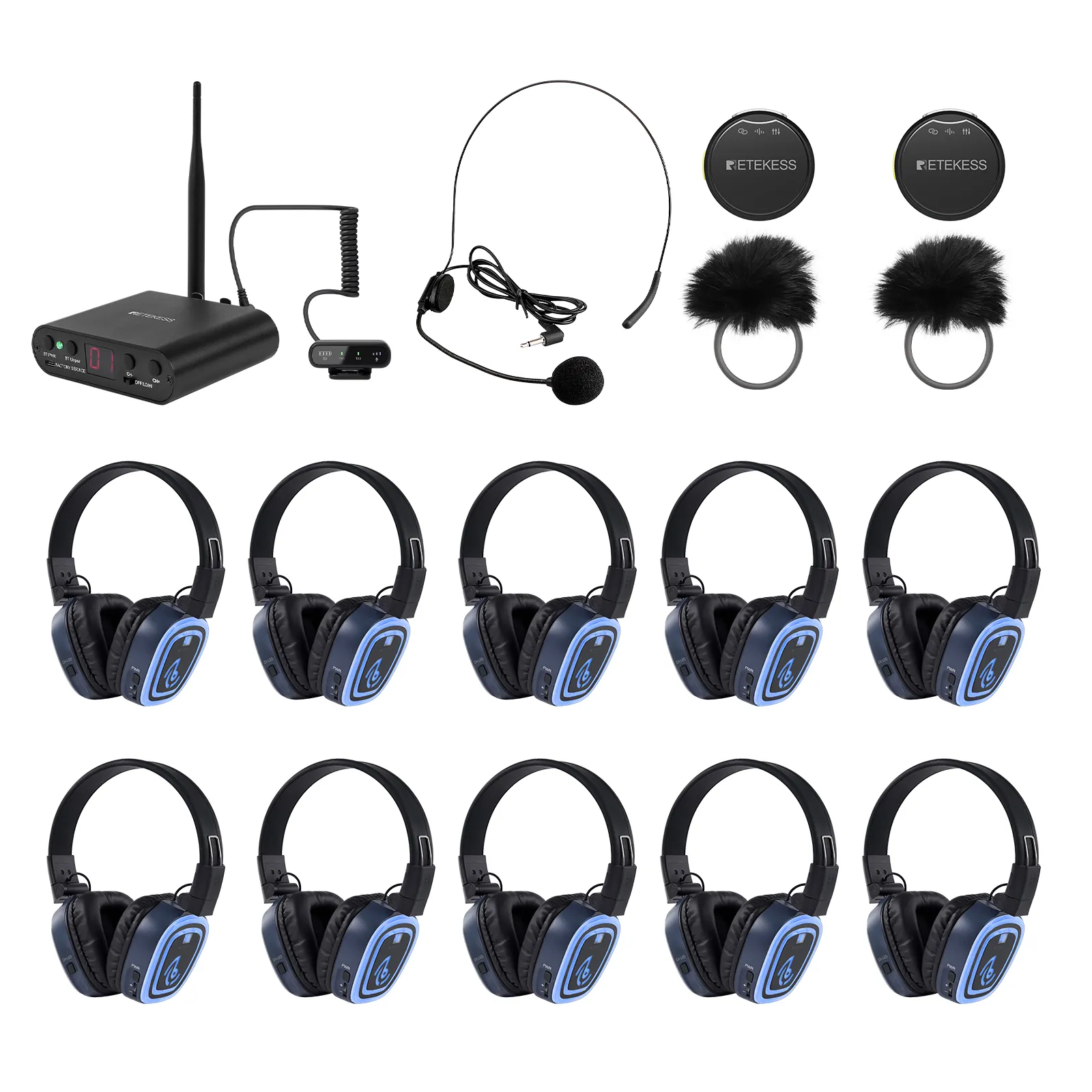
This is where wireless audio systems stand out. They help organizers manage different kinds of experiences without adding noise pressure, heavy equipment, or complicated setups. They also make it easier for people to hear clearly, move freely, and stay engaged. For event planners looking for a more adaptable tool, systems like TA003S offer useful features such as Flexible Wearing and Dual-mode Audio, which make them suitable for more than one use case.
Below are five creative ways wireless audio systems are being used beyond the original silent party idea.
1. Why Wireless Audio Systems Are Expanding Beyond Silent Parties
Silent parties helped show what wireless audio could do. They proved that people could enjoy music, socialize, and move in the same space without needing loudspeakers. That idea opened the door to something bigger.
Now, more organizers are using wireless audio in places where noise control, comfort, and flexibility matter. These include wellness studios, fitness centers, museums, guided tours, retreat spaces, and mixed-use event venues. In each case, the goal is not just better sound. The goal is a better experience.
This expansion makes sense because modern events are changing. People want more personalized experiences. They want the freedom to move, listen, and participate in ways that suit them. A wireless audio system helps make that possible.
2. Silent Parties: Personal Audio Without Noise Limits
Silent parties remain one of the clearest and most familiar uses for wireless audio. They are still popular because they solve a simple problem: how do you create an energetic event without filling the whole venue with sound?
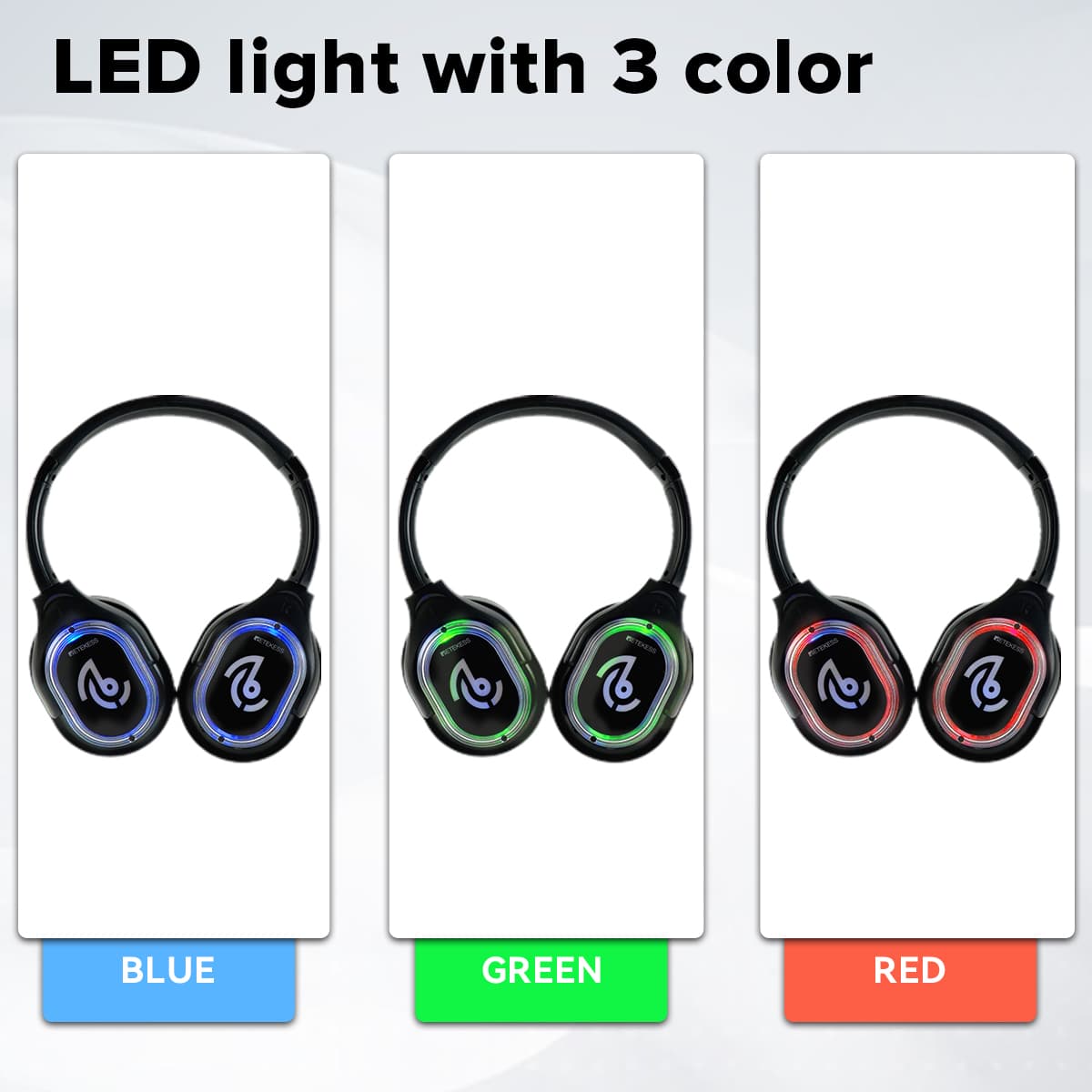
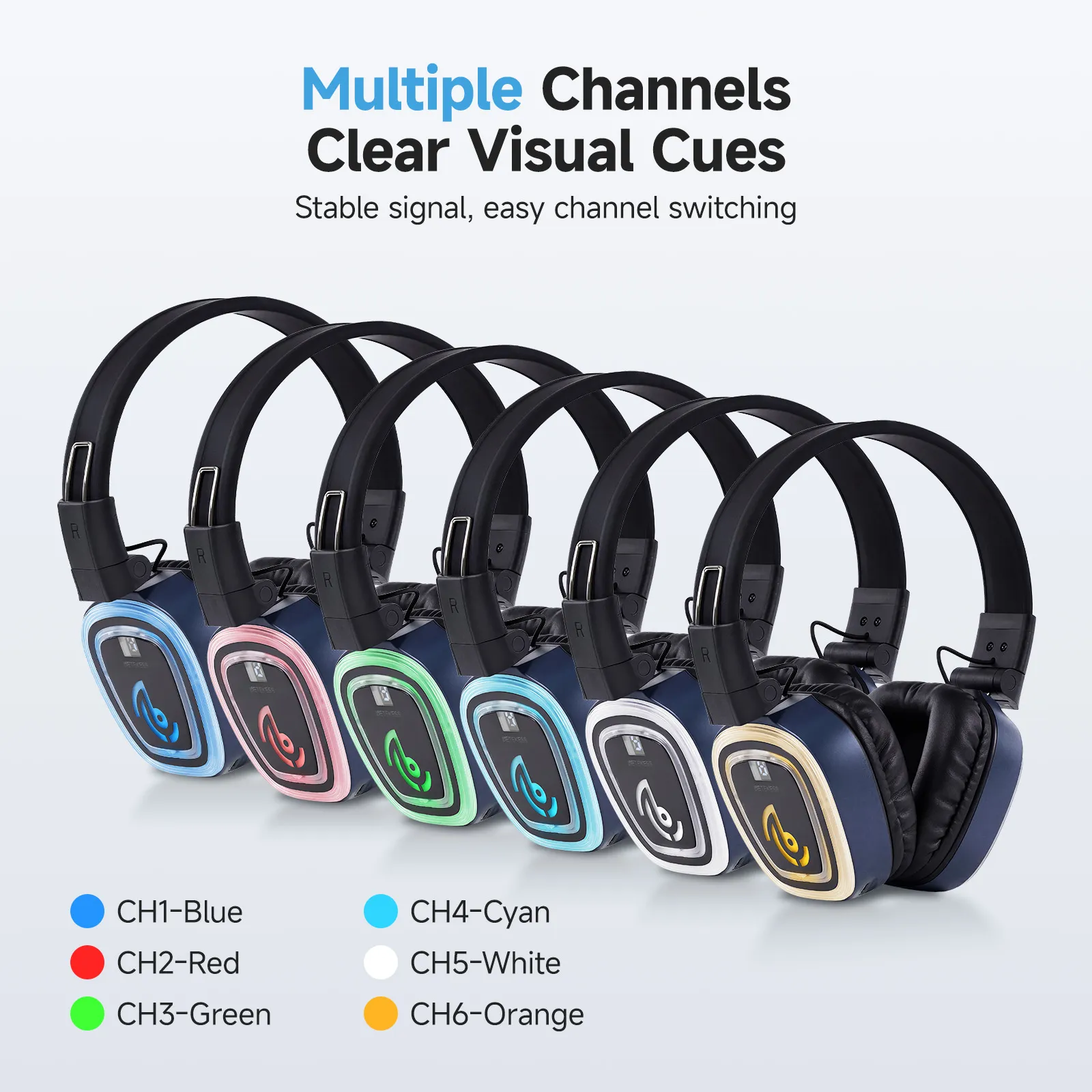
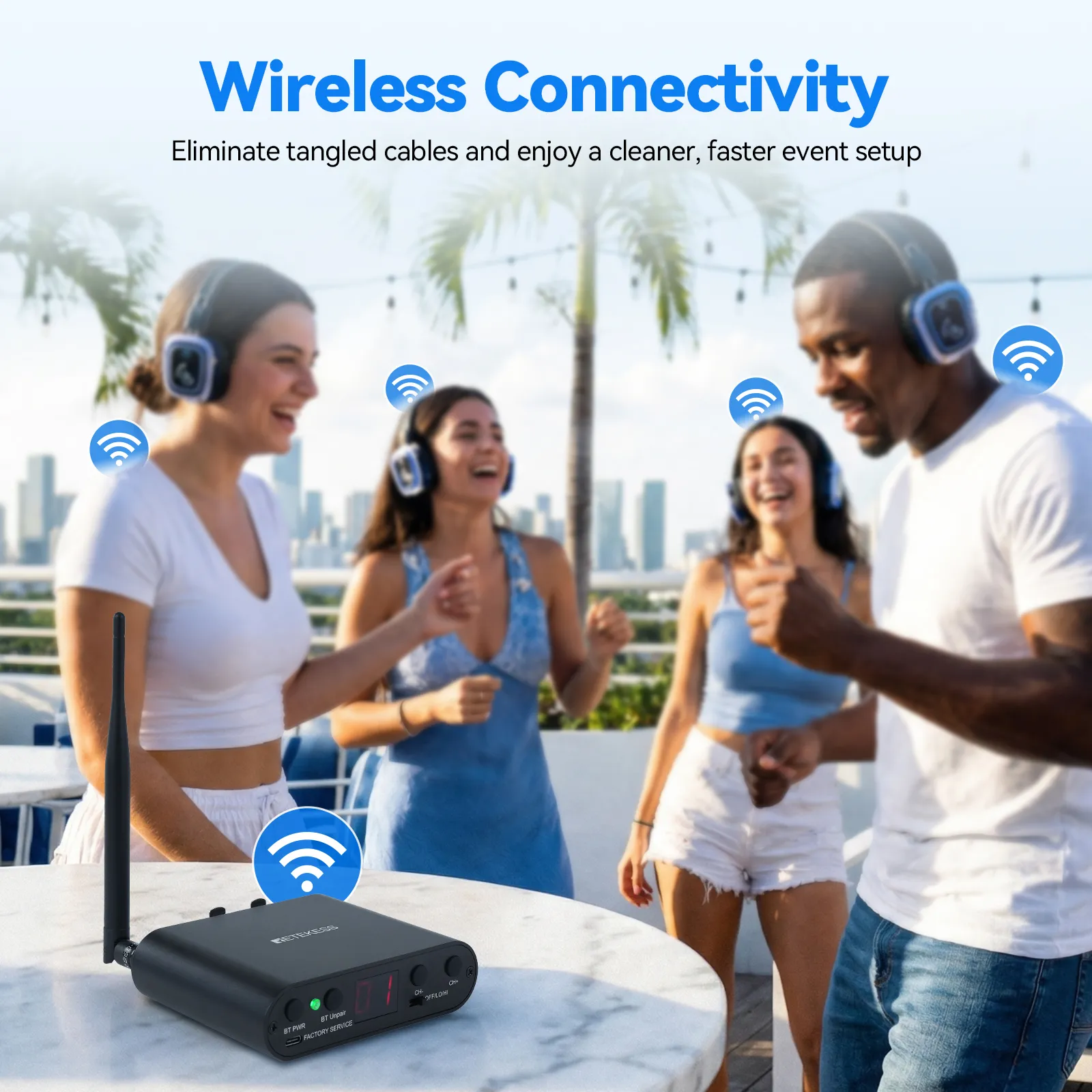
Wireless audio makes that possible. Guests wear headphones and listen to the music directly. The room stays quieter. People can still dance, talk, and enjoy the same space without loudspeaker noise affecting the surroundings.
This format works well for:
- indoor nightlife events
- outdoor social gatherings
- campus parties
- private celebrations
- venue spaces with noise limits
What makes silent parties so effective is the mix of freedom and control. Guests choose how they experience the music, and organizers can host the event in more places. That makes silent parties a strong starting point for understanding the value of wireless audio.
3. Wellness Experiences: Yoga, Meditation, and Mindfulness Sessions
Wireless audio is also a natural fit for wellness activities. In yoga, meditation, and mindfulness sessions, the environment matters just as much as the instruction. The room needs to feel calm, focused, and free from distraction.
Yoga classes
In yoga sessions, instructors need to guide the class clearly while keeping the room quiet. Wireless audio helps them deliver instructions without raising their voice. That supports a smoother flow and helps participants stay focused on movement and breathing.
Meditation sessions
In meditation, even small noises can break concentration. Wireless audio allows the guide’s voice to reach each participant directly without filling the whole room with sound. That makes it easier to create a quiet, controlled setting.
Mindfulness sessions
Mindfulness classes often combine spoken guidance with a calm atmosphere. Wireless audio helps keep that balance. It supports the instructor without disturbing the mood.
This is one of the reasons Flexible Wearing matters. In wellness settings, the device must feel light, comfortable, and easy to wear for longer periods. A system like TA003S fits this kind of use well because it is designed to stay comfortable while still supporting clear audio delivery.
4. Fitness Classes: Keeping Music and Instructions Connected
Fitness classes need energy, rhythm, and clear instruction. That creates a challenge. The music has to stay strong enough to support movement, but the instructor also needs to be heard clearly.
Wireless audio makes that easier.
Indoor cycling
In indoor cycling classes, music drives the pace, but instructors still need to guide the room. Wireless audio can help connect those two needs by keeping the instructions clear and the experience smooth.
Dance and cardio classes
Fast-paced fitness classes often require both music and spoken direction. Wireless audio helps the instructor stay connected to the group without having to shout over the sound.
Small-group training
In smaller classes, wireless audio can support a more controlled environment where the trainer’s voice stays clear while the music remains part of the session.
This is where Dual-mode Audio becomes useful. It supports both microphone input and audio source input. That means instructors can switch between live guidance and music or other audio content in one setup. For fitness spaces, that flexibility makes the system much more practical.
5. Guided Tours and Educational Experiences: Clear Communication in Shared Spaces
Wireless audio is also valuable in tours and educational settings. These environments often have one thing in common: shared space.
Museums, heritage sites, campuses, and visitor attractions all need clear communication without disturbing the surrounding environment. Wireless audio helps solve that problem.
Guided tours
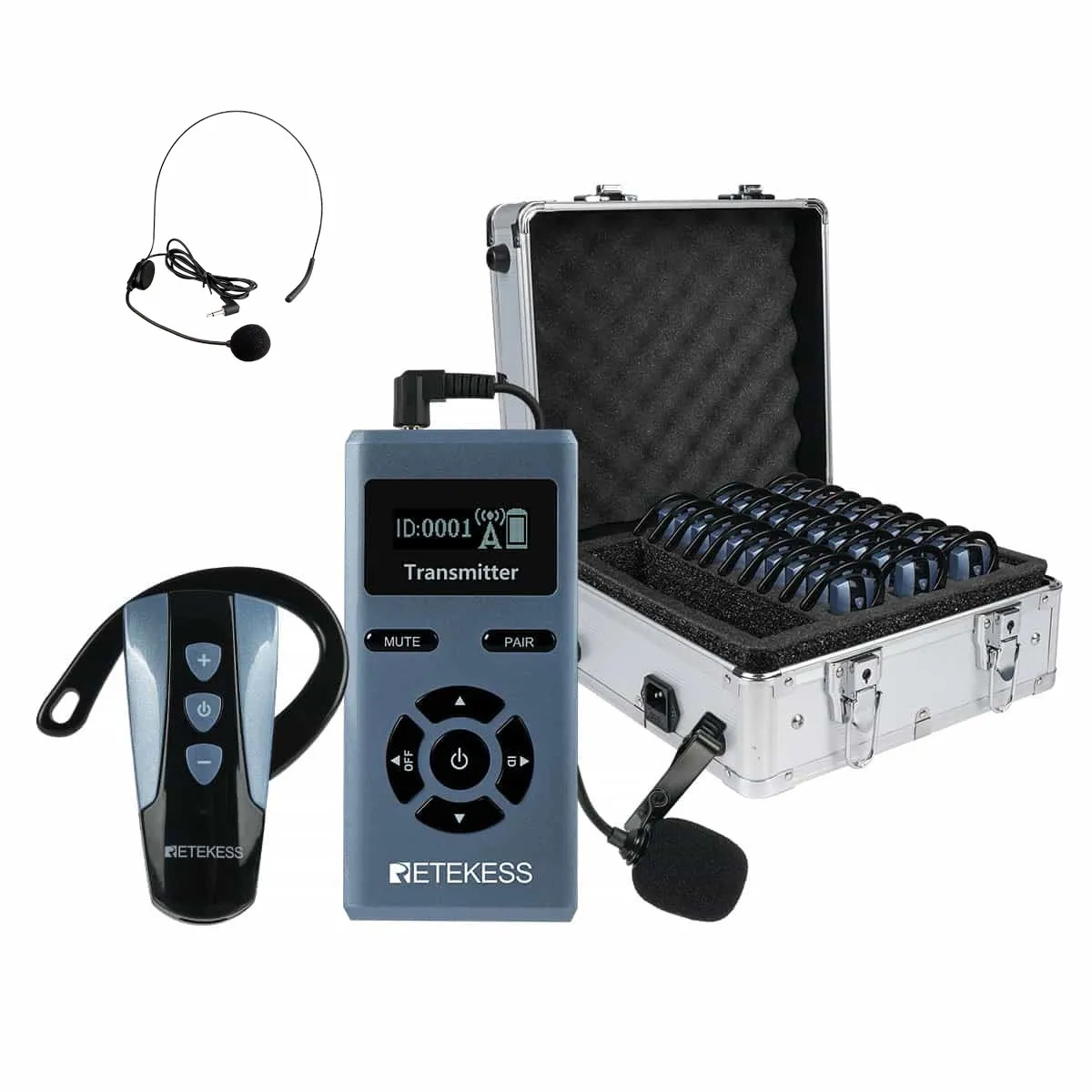
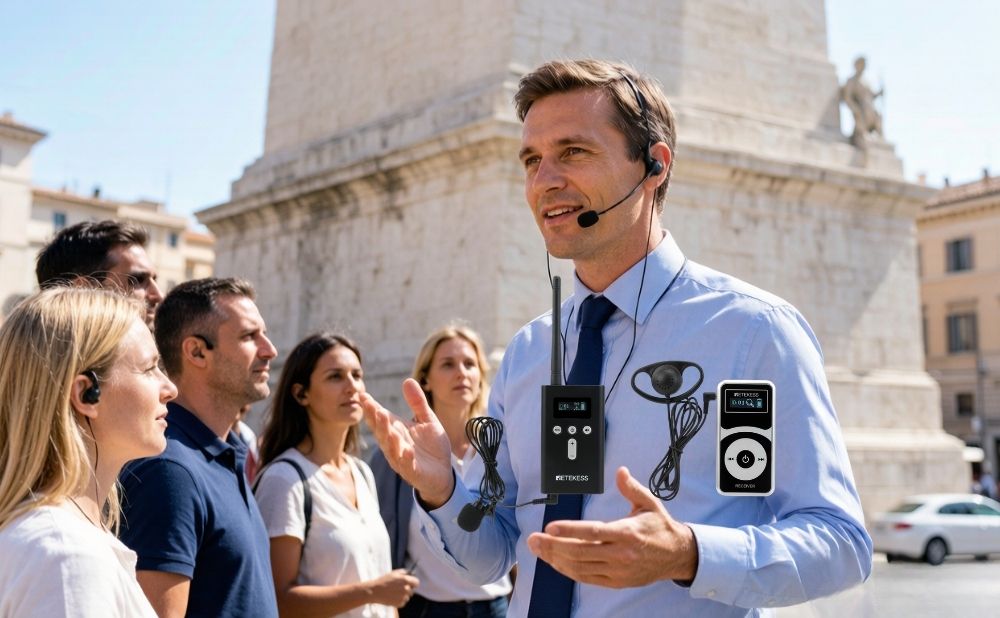
Tour guides can speak at a normal volume while visitors hear clearly through their receivers. That makes the tour easier to follow and reduces noise in the venue.
Museum visits
Museums often need a quiet atmosphere. Wireless audio helps maintain that atmosphere while still giving visitors strong, clear commentary.
Educational experiences
In workshops, campus visits, and learning programs, wireless audio helps instructors or guides speak clearly to groups without forcing everyone to crowd together.
This makes the experience feel more open and less stressful. Visitors can move naturally, listen clearly, and still enjoy the space around them.
6. Multi-Purpose Events: One System for Different Experiences
One of the most interesting things about wireless audio is how easily it can adapt to different types of events. A single system can support more than one format.
That is useful for:
- retreat programs
- wellness events
- interactive workshops
- silent entertainment
- multilingual experiences
- hybrid social and educational events
Instead of buying one system for one use, organizers can use a flexible setup across several event types. That saves time and makes event planning more efficient.
This is another place where TA003S fits well. With Flexible Wearing, it is easier for different guests to use. With Dual-mode Audio, it can support both microphone input and audio source input, which gives event planners more control over how the session runs.
That makes it a good choice for organizers who want one system that can move between entertainment, guidance, and immersive audio experiences.
7. Why Flexible Wireless Audio Systems Fit Modern Experiences
One of the biggest advantages of wireless audio is that it is not limited to one event format. A good system can move from social events to wellness sessions, from guided tours to fitness classes, without needing a full equipment change each time.
That matters for organizers because many venues do not host just one kind of program. A studio may run yoga in the morning, a silent party in the evening, and a guided workshop on the weekend. A museum may offer tours during the day and private events after hours. A campus or retreat center may need to support both structured guidance and more relaxed social or wellness experiences.
In that kind of setting, wireless audio is useful because it reduces setup pressure. The same system can support different groups, different sound needs, and different levels of interaction. That saves time, lowers equipment cost, and makes planning much easier.
It also gives the venue more room to adapt. Instead of buying separate systems for every activity, organizers can use one flexible platform to support more than one experience. That is especially valuable for events that change often or need to serve different audiences in the same space.
Wireless audio works best when it helps the event stay simple. The less time organizers spend changing gear, the more time they can spend focusing on the experience itself. That is one reason wireless audio keeps growing beyond silent parties. It is practical, not just trendy.
Final Takeaway: Wireless Audio Makes Experiences More Flexible
Wireless audio systems are changing the way people organize and enjoy events. They started with silent parties, but they are now being used in wellness, fitness, tours, retreats, and multi-purpose spaces.
The reason is simple: people want more flexibility. They want less noise, more comfort, and a better fit between the event and the space. Flexible Wearing and Dual-mode Audio help make that possible, and systems like TA003S show how one solution can support many different experiences.
From silent parties to yoga classes, wireless audio is proving that the best events are not always the loudest. They are the ones that feel clear, adaptable, and easy to enjoy.
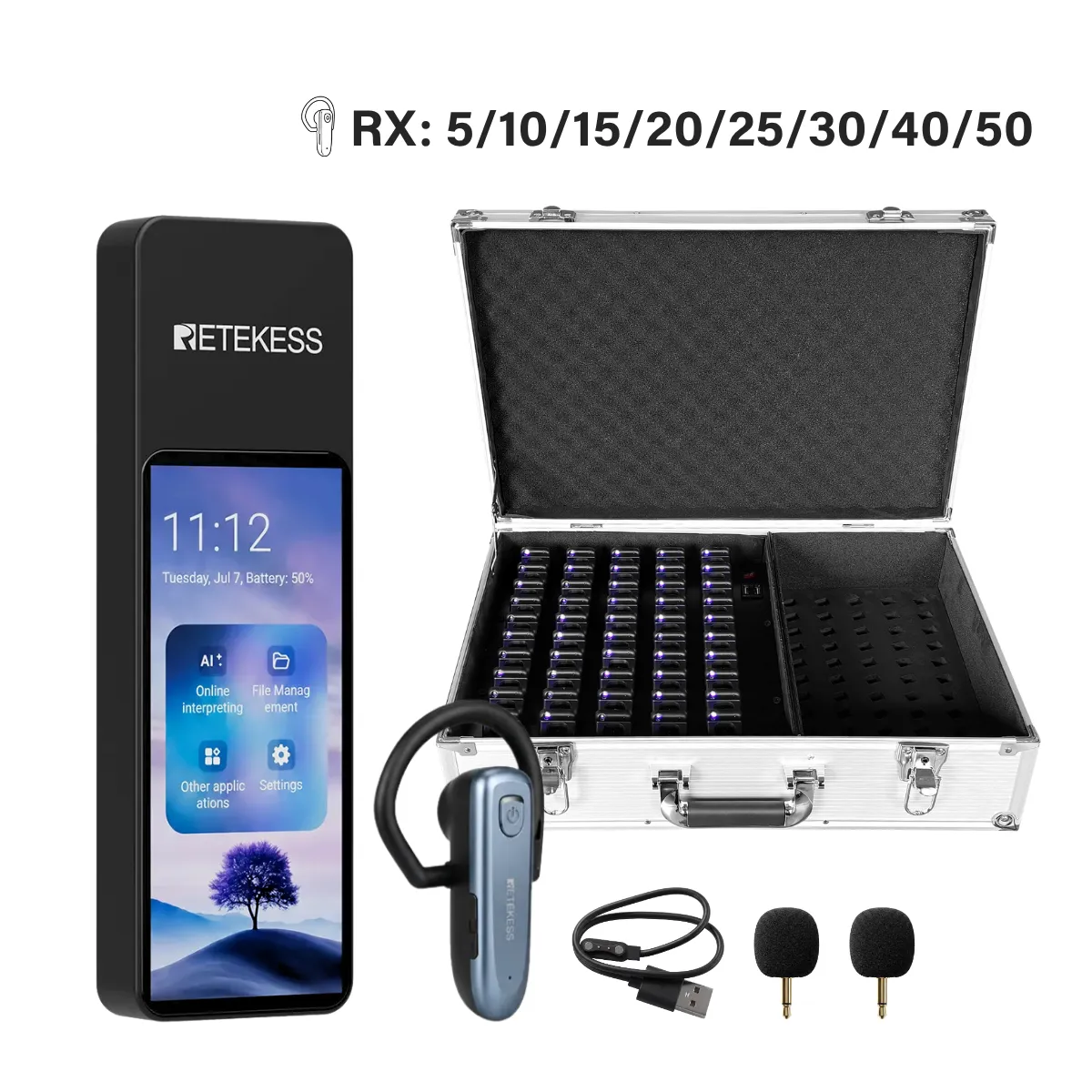
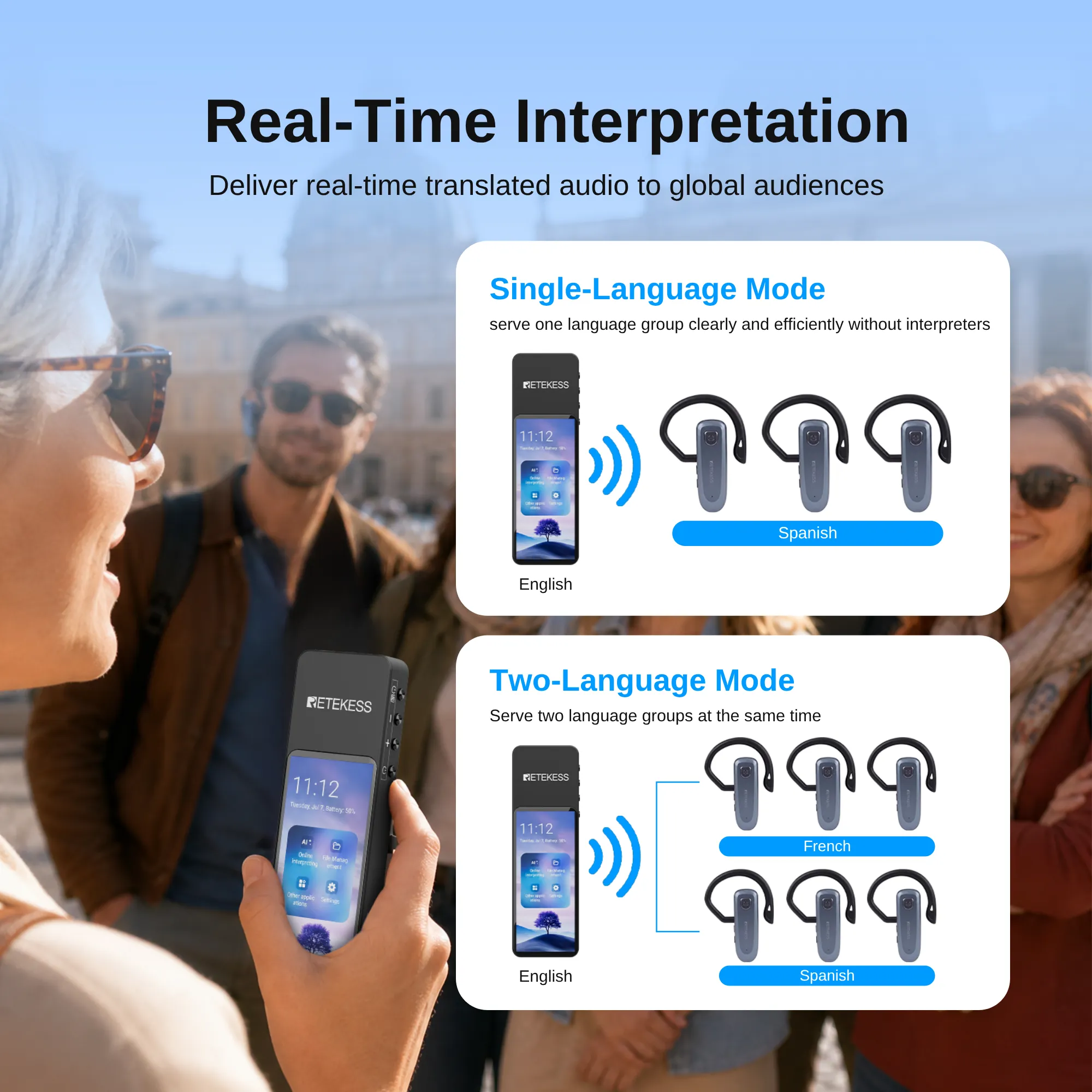
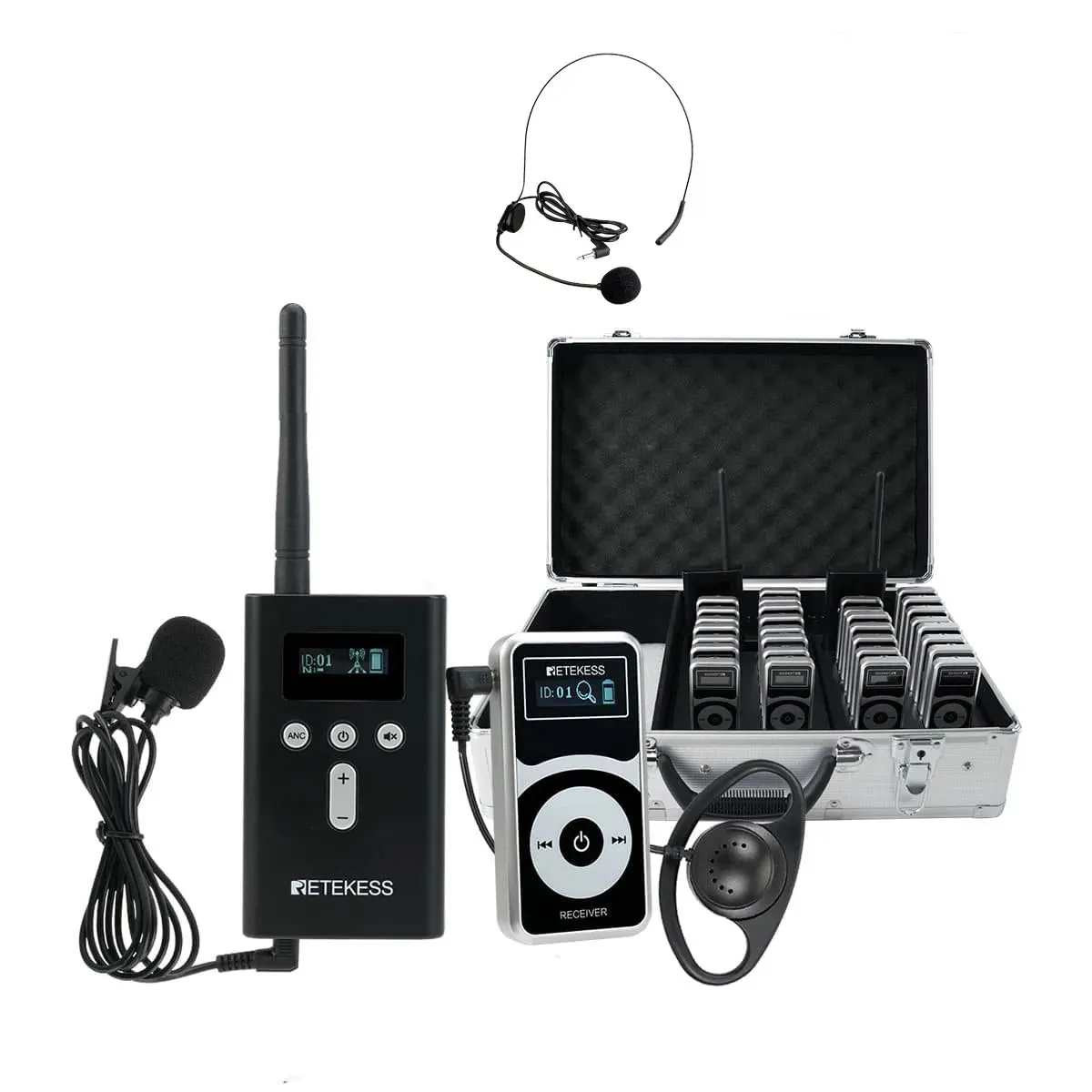

![[18th Anniversary] 18 Years of Echoing Excellence: Making Communication Easier, Connecting Trust Beyond Borders](https://res.retekess.com/z_file/20260716/retekess-brand-story-making-communication-easier_20260716151044_7682.jpg)
![[18 Years in Wireless Communication] Silent Disco Systems Anniversary Celebration: Top-Selling Headphones & Event Mechanics Revealed!](https://res.retekess.com/z_file/20260713/18-years-in-wireless-communication-silent-disco-systems-anniversary-celebration_20260713175011_5749.webp)
![[Anniversary Carnival] Ding-dong! 18th Anniversary Mega Sale on Guest Paging & Calling Systems: Full Reveal of 12+ Products & Promo Rules!](https://res.retekess.com/z_file/20260713/18th-anniversary-mega-sale-on-guest-paging-calling-systems_20260713175257_0295.webp)
![[Retekess 18th Anniversary Teaser] Tour Guide System Exclusive Perks: Sneak Peek at Event Dates & Mechanics!](https://res.retekess.com/z_file/20260713/retekess-18th-anniversary-tour-guide-system-exclusive-perks--2-_20260713180135_6435.webp)
Follow Us
Pay With


 Google
 Amazon
Comments (0)