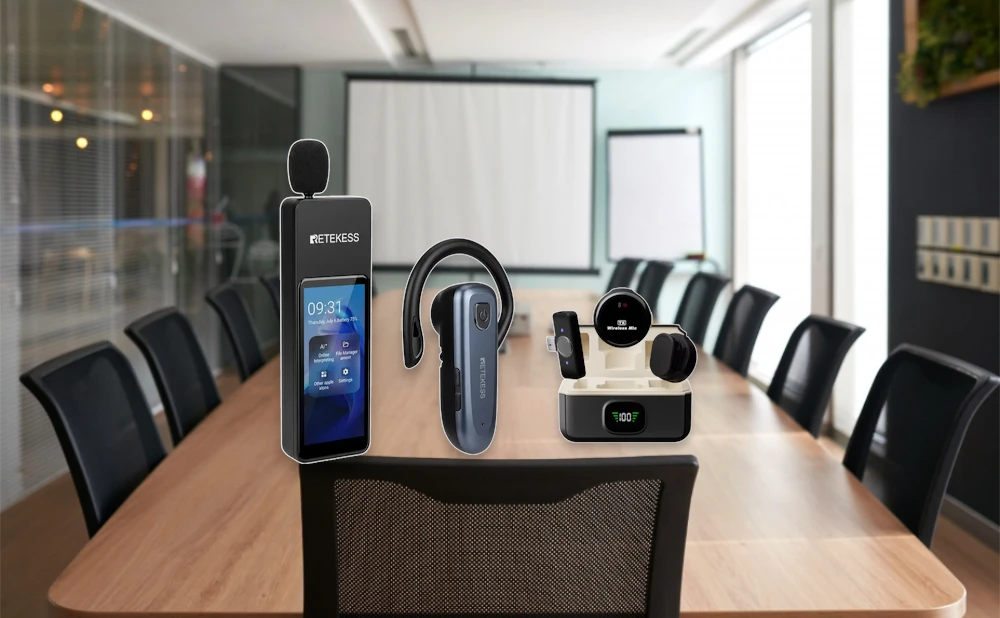
In US, diversity isn't a slogan—it's the daily reality. Monique Guerra knows this well. As a community-focused nonprofit, Monique regularly organizes workshops that must serve participants from Persian, Russian, and Spanish-speaking backgrounds—sometimes all in the same room. When a 30-to-50-person workshop needs three languages running in parallel, the traditional options are limited: hire three interpreters to take turns, or split the audience into three separate groups. The first is expensive. The second fractures the sense of shared community that a workshop is supposed to create.
Monique's requirement was specific: one presenter, three target languages, thirty to fifty participants, all at the same time. That "we want it all" framing exposes a blind spot in many interpretation devices on the market. Plenty of products advertise "multilingual" capability, but in practice they either rely on a smartphone app that leaves participants staring at their screens, or they output only a single target language at a time. When Monique followed up with a pointed question—could two transmitters work simultaneously so the presenter wouldn't have to hold one in each hand?—the real issue surfaced. She wasn't shopping for a "translation gadget." She needed a group communication system that lets a person speak naturally and lets listeners hear naturally.
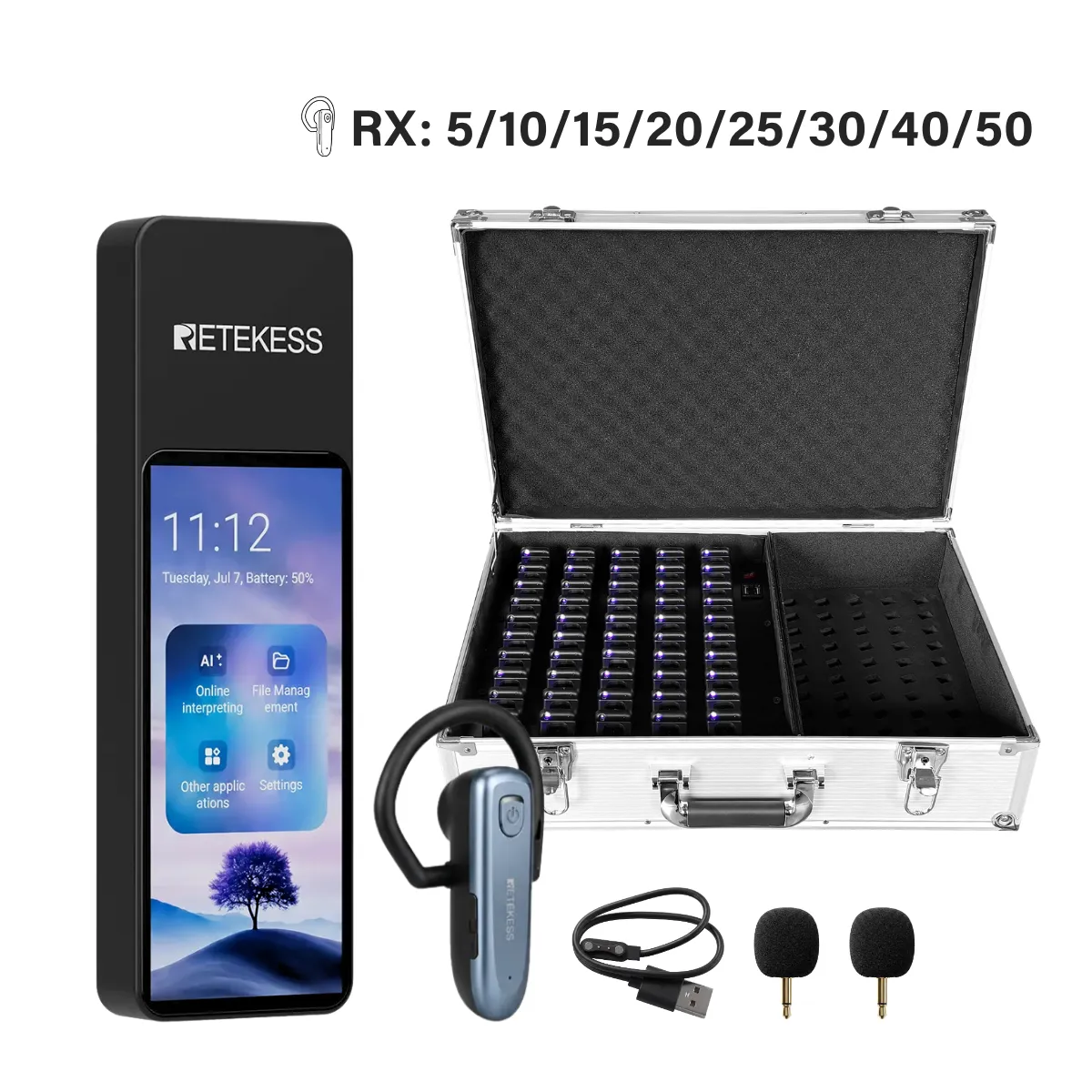
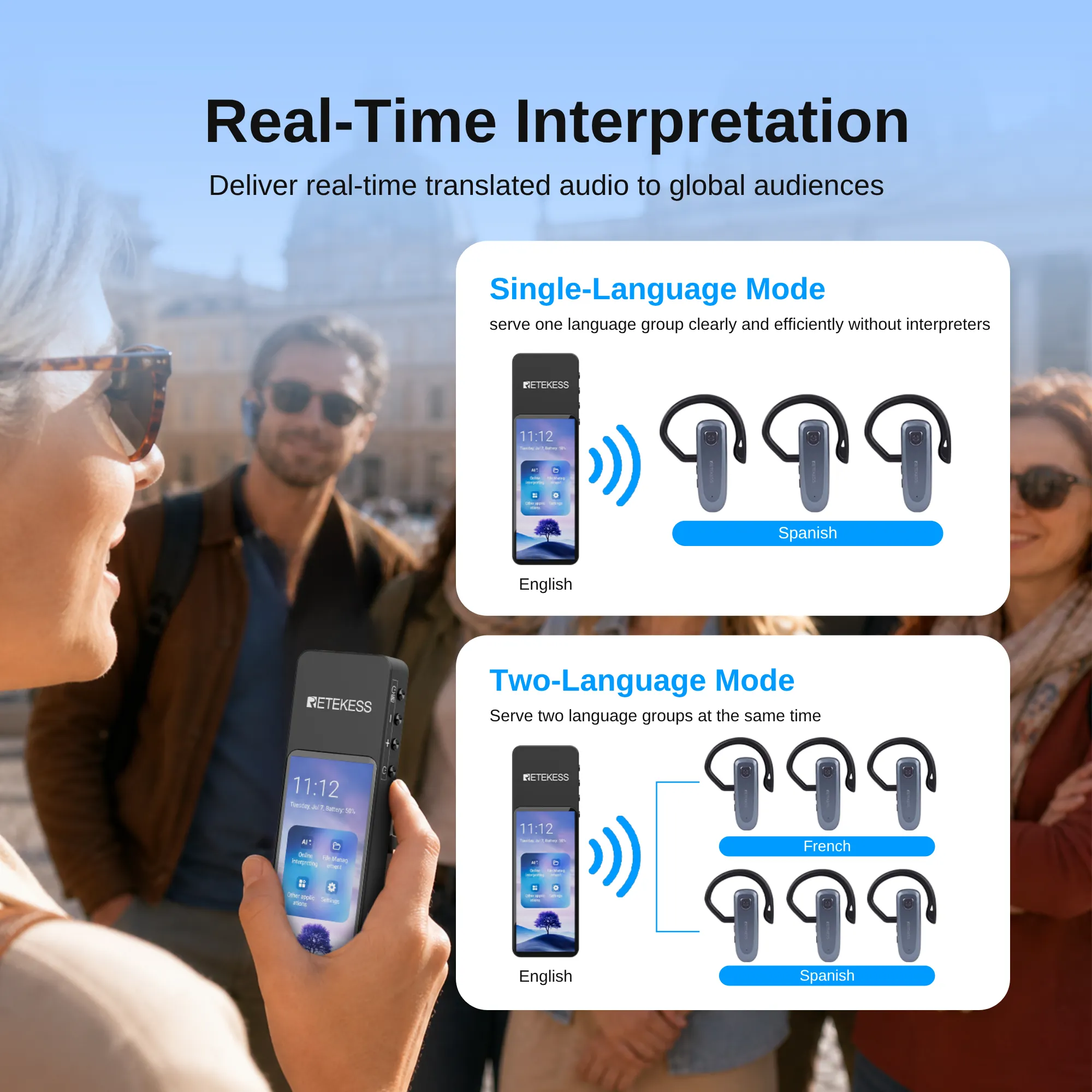
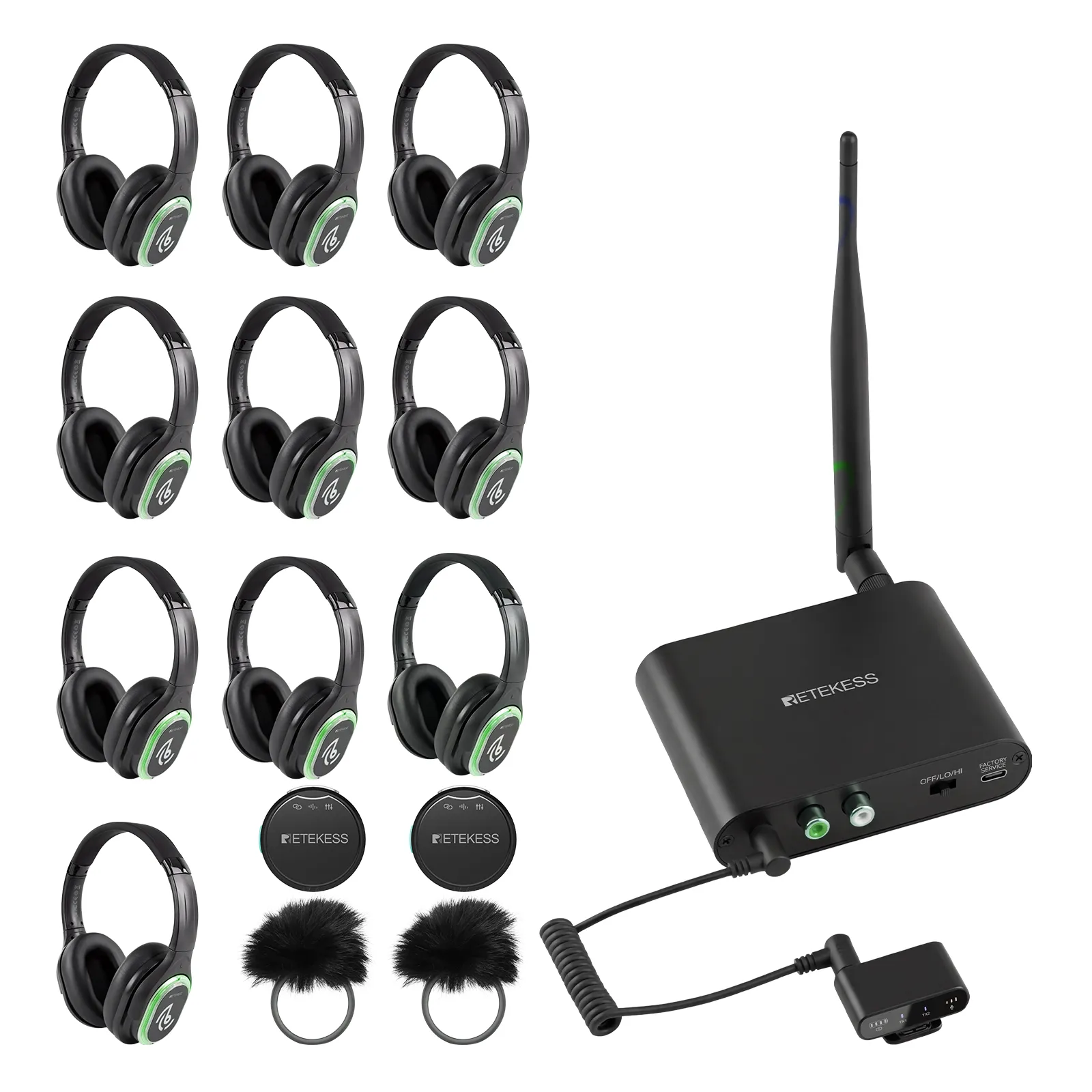
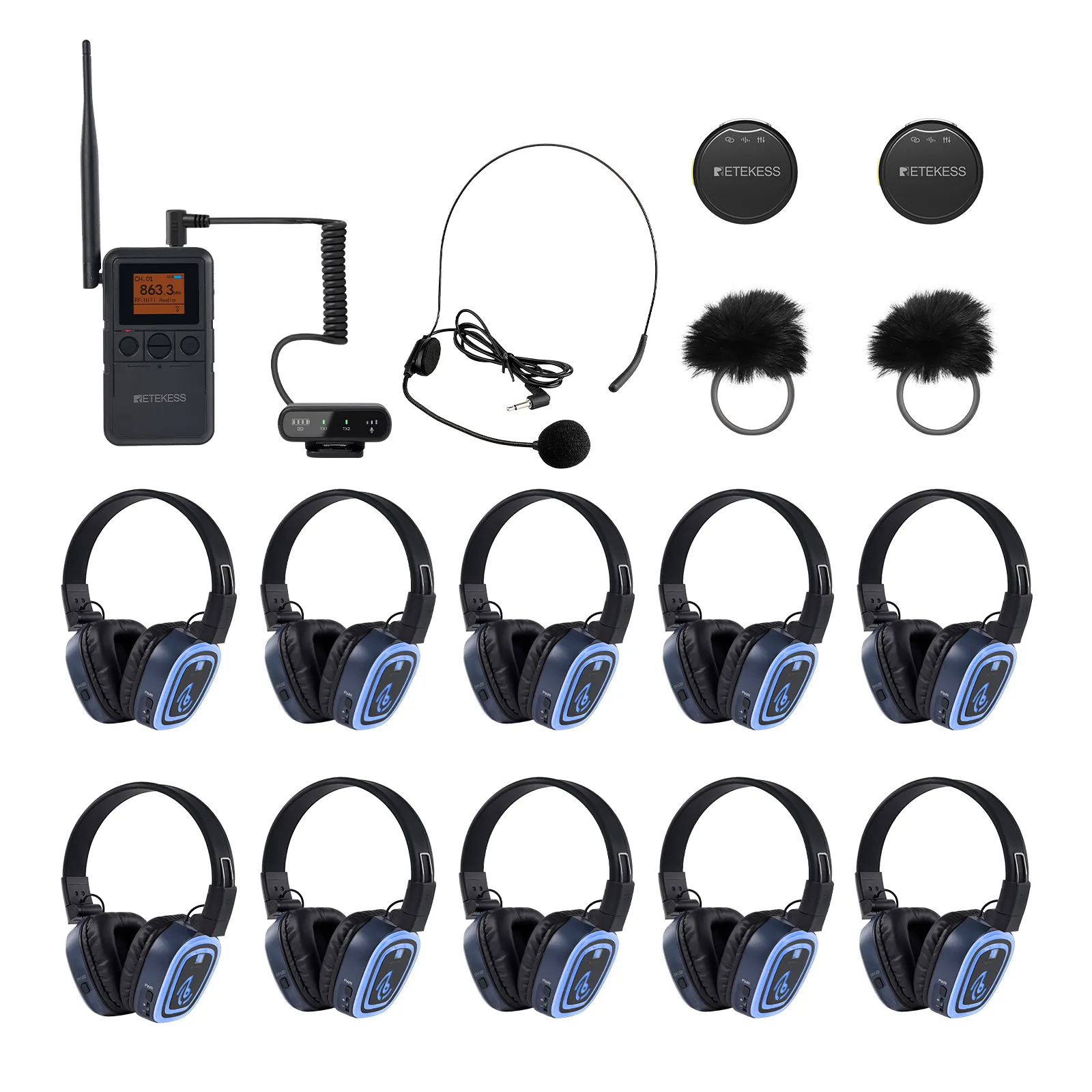
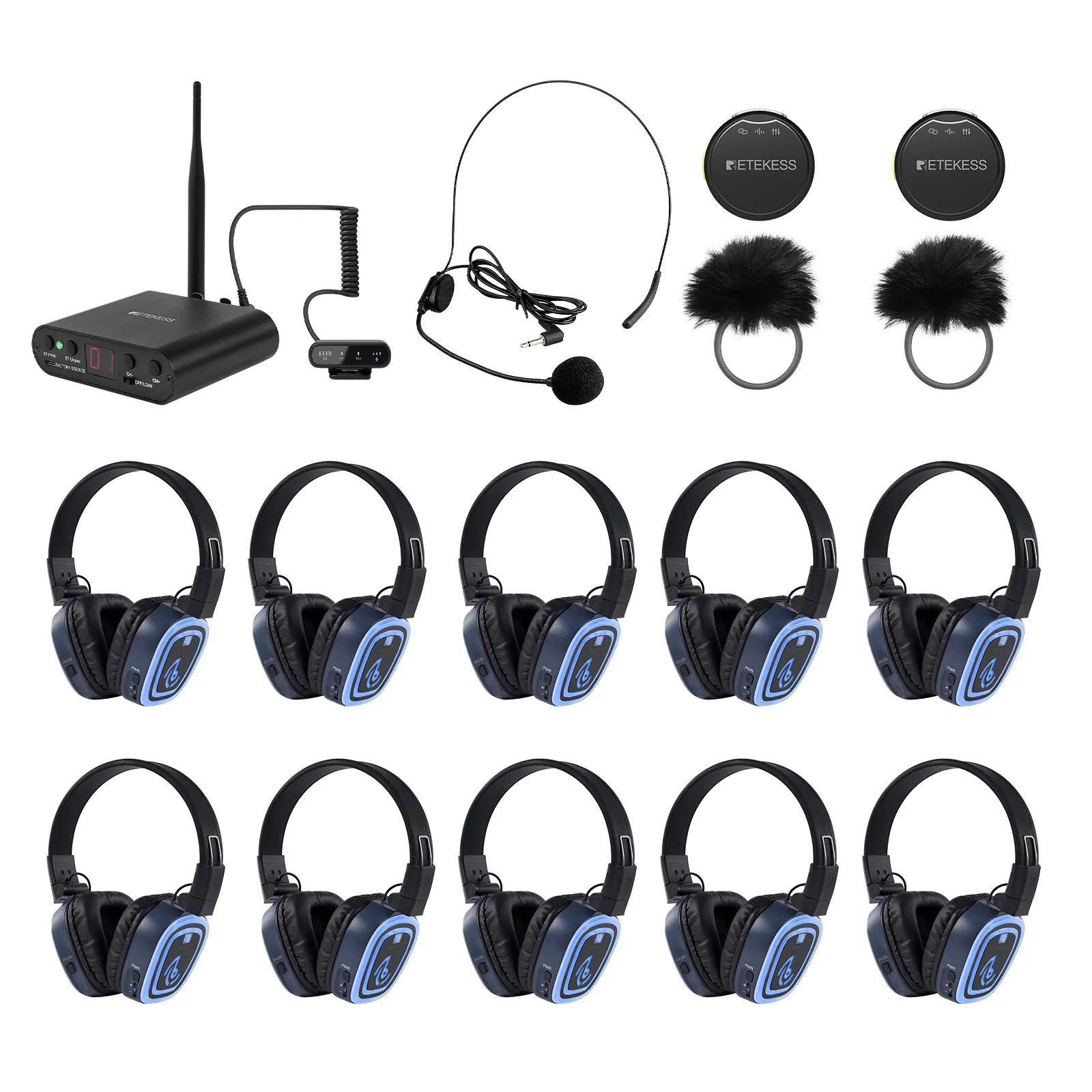
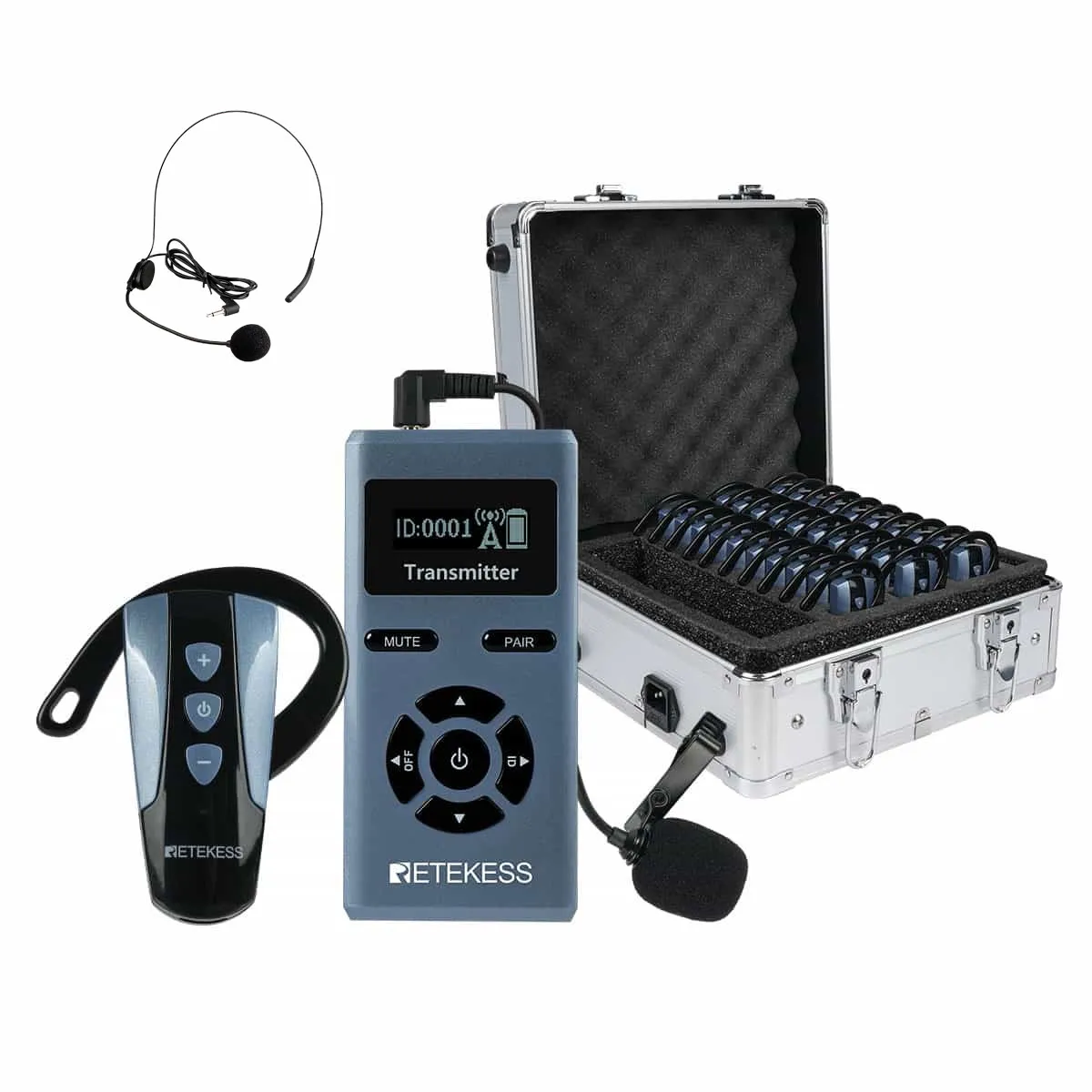
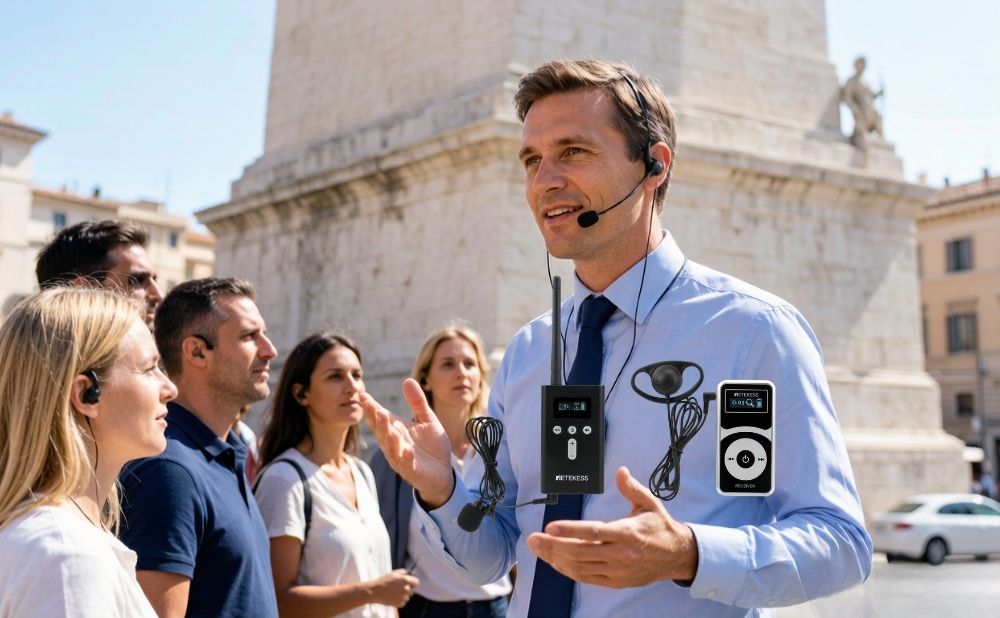
That's where the Retekess TT136 entered the conversation. But more instructive than the product specs is the thinking behind the setup. A single TT136 transmitter can broadcast up to two target languages simultaneously. Faced with a three-language requirement, that might look like it comes up one channel short. But return to Monique's actual scenario: in a workshop, the presenter's speech is the anchor, yet not every minute of every session requires all three languages firing at once. The Persian, Russian, and Spanish groups often skew toward different language combinations depending on the session. The key to the design wasn't forcing one device to "speak three languages." It was using two transmitters to cover three languages with flexible scheduling: the primary transmitter handles the two target languages the presenter uses most often in combination, while a second transmitter switches to the third language as the session requires—or serves as a backup channel. The presenter simply speaks normally; both units can sit on a table or capture audio through a lavalier mic, no hand-holding required.
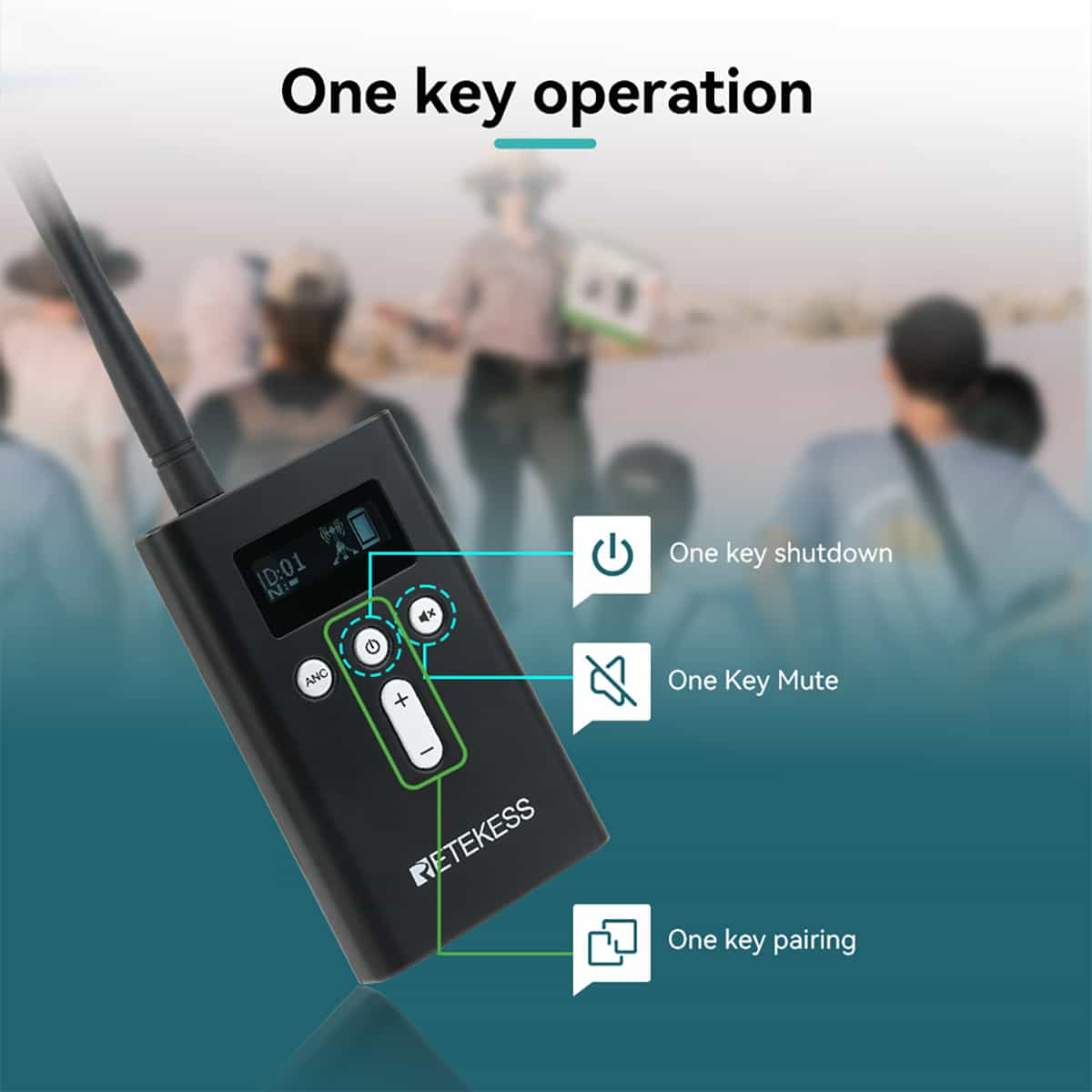
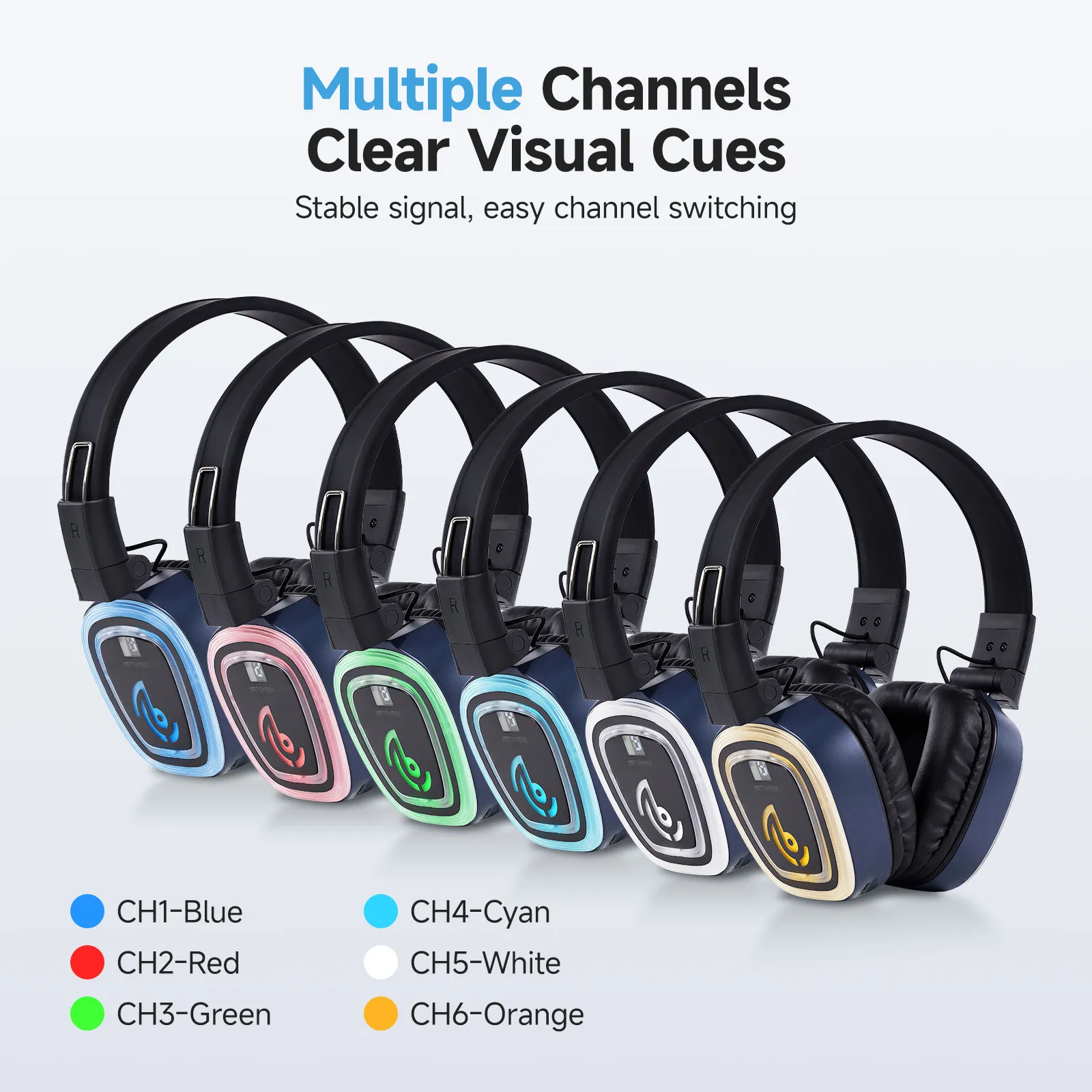
The elegance of this design lies in what it subtracts. The Retekess team didn't try to sell a complex interpretation hub that would need a dedicated operator. Instead, they returned to a detail Monique kept confirming: one presenter, multiple language groups at once. The TT136's ear-hook receivers mean participants don't need to download an app or connect to anything beyond the venue's Wi-Fi. They put the receiver on, pick their language channel, and listen. For an organization like JFS that runs community workshops regularly, device management is a hidden but real burden. The 30-slot or 50-slot charging and storage case solves exactly the awkward ten-minutes-before-the-event scramble of pairing and distributing devices.
There's another design consideration that's easy to overlook but critical: nonprofit workshops rarely happen in professional conference halls. A community center room may not be large, participants may sit in a circle, and the presenter may walk around while speaking. The TT136's transmission range reaches 150 to 200 meters in open environments and remains stable indoors with partitions. That means the presenter isn't "pinned" to a podium, and participants don't have to crowd into a specific zone to hear the translation. That spatial freedom, in turn, lets the workshop feel closer to what it should be: a conversation, not a one-way broadcast.
Of course, every setup has its boundaries. Three languages simultaneously, continuously, without interruption does exceed what a single TT136 can deliver in real time. But the logic Monique ultimately confirmed was clear: she chose a 50-person set as the foundation, plus an additional transmitter, using elasticity in device count to match elasticity in language demand. That's more pragmatic than chasing a "universal machine," and it fits a community service organization's need to balance budget against real-world effectiveness.
If you're weighing options for a multilingual workshop, start with three questions: Is the presenter willing to be tethered to equipment? Are participants willing to download an app just to hear the translation? Does the venue allow for a fixed, complex audio installation? JFS's answer is buried in Monique's line: "I need to get this processed before the end of month." She wasn't looking for a tech showcase. She wanted a translation setup that would be in use next month, operable by colleagues without training. The TT136 may not be the only option, but this case proves one thing: good solution design means letting the technology step behind the scenario—so the presenter just speaks, and the audience just understands.









 Google
 Amazon