
Table of Contents
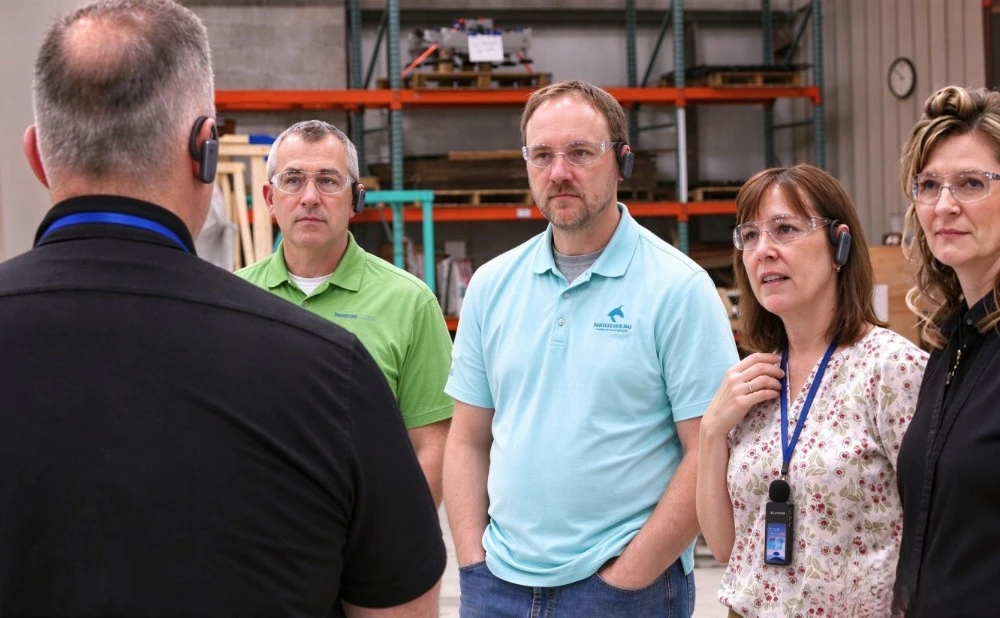
How an AI Interpreter Assistant Optimizes Your Workflow From Terminology Prep to Post-Session Playback
- Retekess
- Sep 28, 2026
Professional interpreters face consistent pressure across every stage of an assignment. You spend hours building term lists before events, navigate unexpected terminology and background noise during sessions, and dedicate even more time to reviewing recordings and organizing notes afterward.
Many teams turn to digital tools to reduce this workload, but fragmented software and poor on-site performance often create more problems than they solve. An AI interpreter assistant bridges this gap by adding intelligent support to each workflow step, and pairing it with purpose-built hardware turns that support into reliable, field-ready performance.
Core Pain Points in End-to-End Interpretation Workflows
Most interpretation workflow struggles fall into four distinct stages. Each stage has unique challenges that drain time and reduce accuracy.
- Terminology preparation: Manual glossary building takes hours, and term inconsistencies across team members lead to delivery errors.
- Live on-site support: Fast speech, regional accents, unexpected domain terms, and background noise make real-time delivery stressful and error-prone.
- Recording playback: Scrubbing through full audio files to find missed segments is slow, and most systems lack term-specific navigation.
- Post-session organization: Transcription, term list updates, and client reporting often take twice as long as the session itself.
An AI interpreter assistant directly addresses each of these pain points by targeting specific inefficiencies at every stage. It does not replace human interpreters, but rather removes repetitive administrative work and provides real-time reference support.
How an AI Interpreter Assistant Transforms Each Workflow Stage
1. Terminology Preparation: Build Accurate Glossaries Faster
Pre-session preparation sets the foundation for interpretation quality, but manual term research eats up valuable work hours. An AI interpreter assistant automates this process by scanning reference documents, industry reports, and event agendas to extract key domain terms.
You can upload existing glossaries and style guides to align outputs with your team’s standards. The tool then generates structured, multi-language term banks that update automatically as you add new materials.
The AI interpreter assistant also cross-references terms across multiple sources to ensure consistency. It flags conflicting definitions so your team can resolve issues before the session starts.
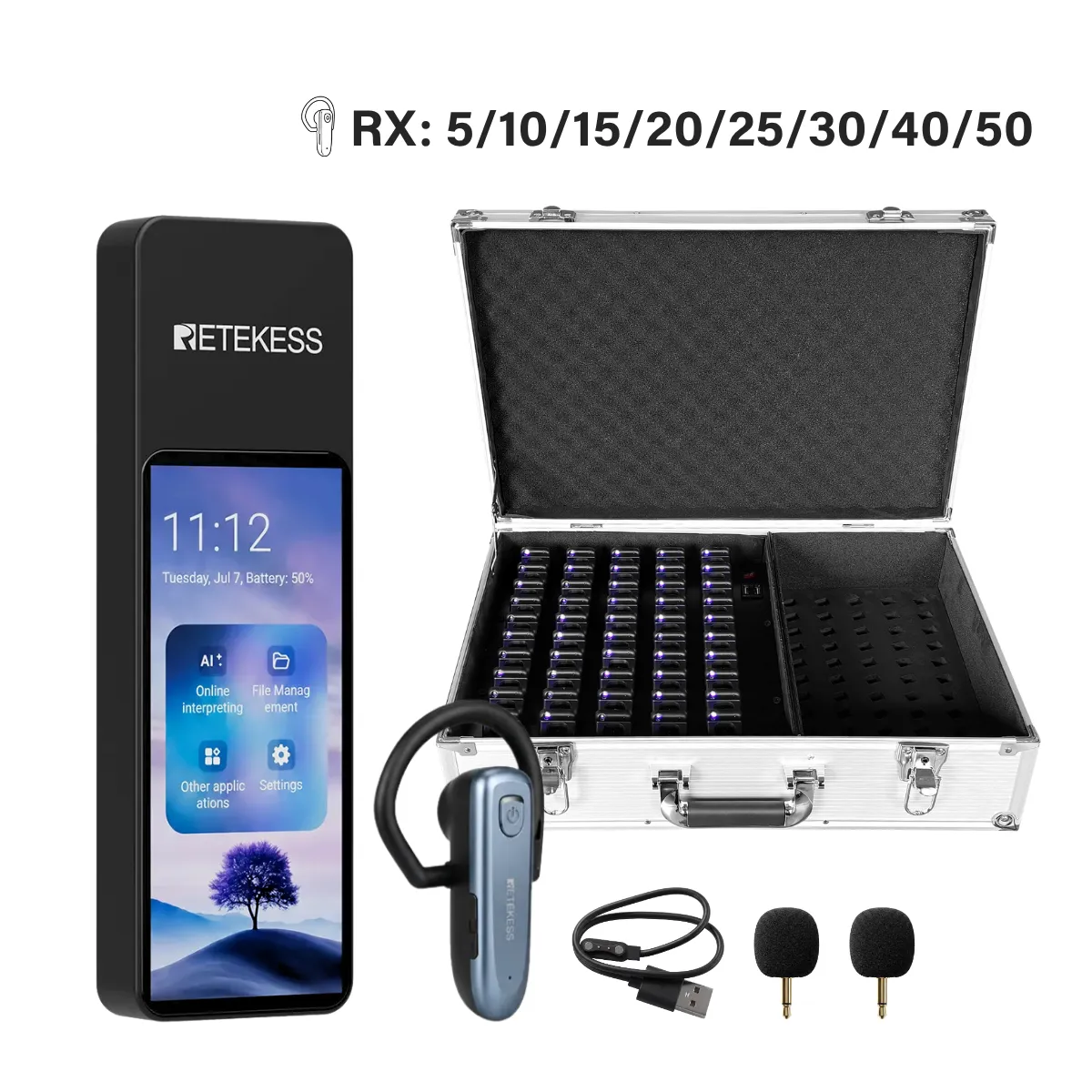
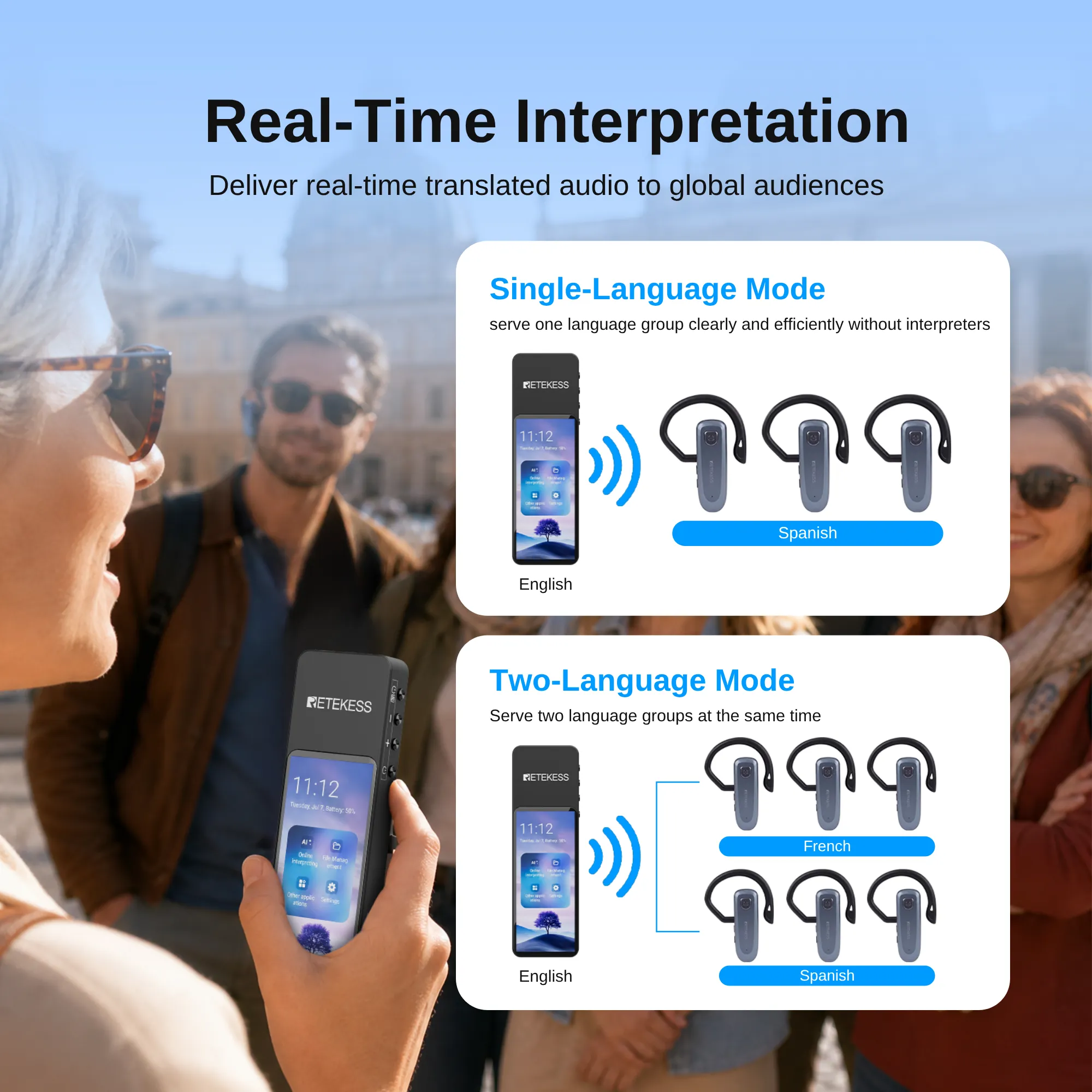
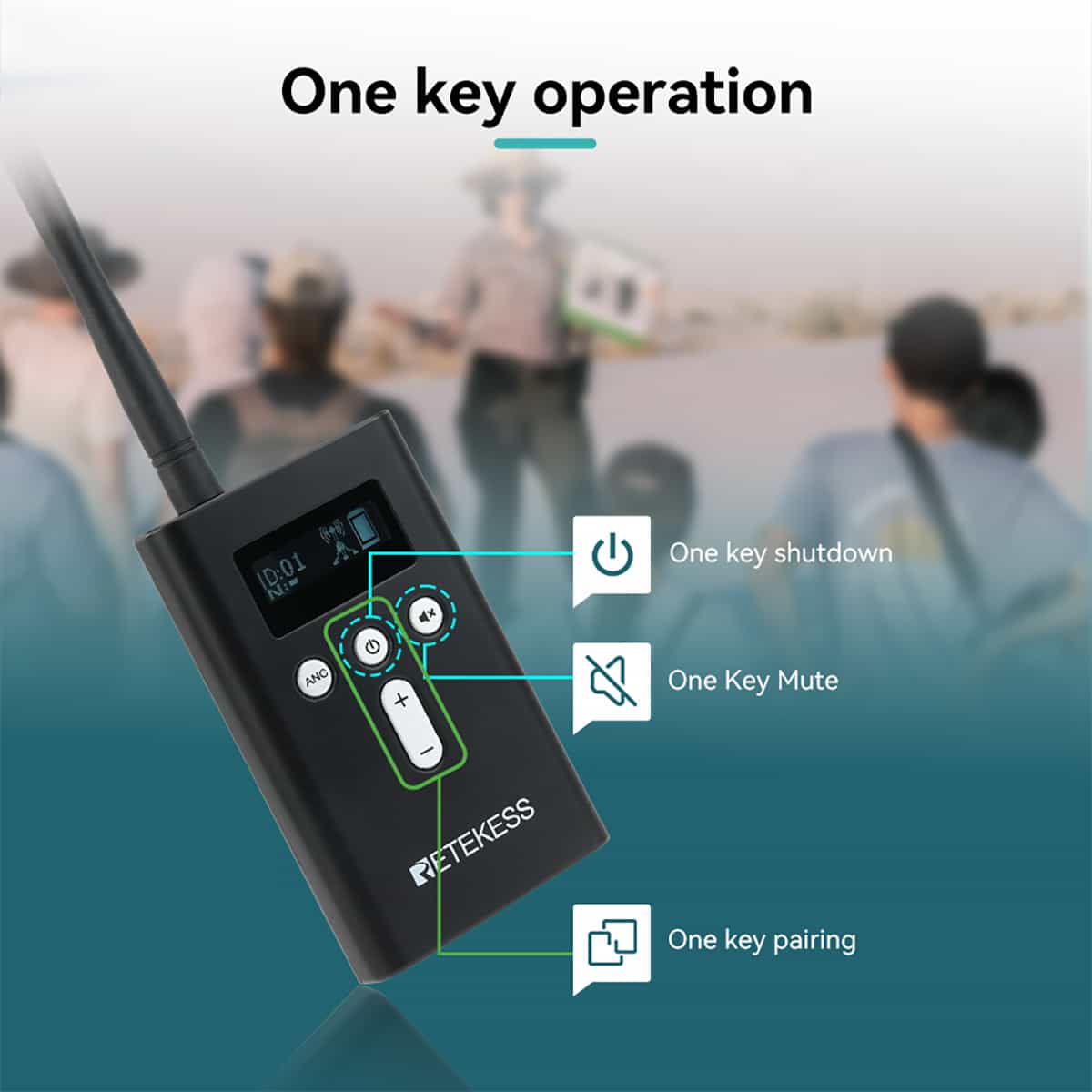
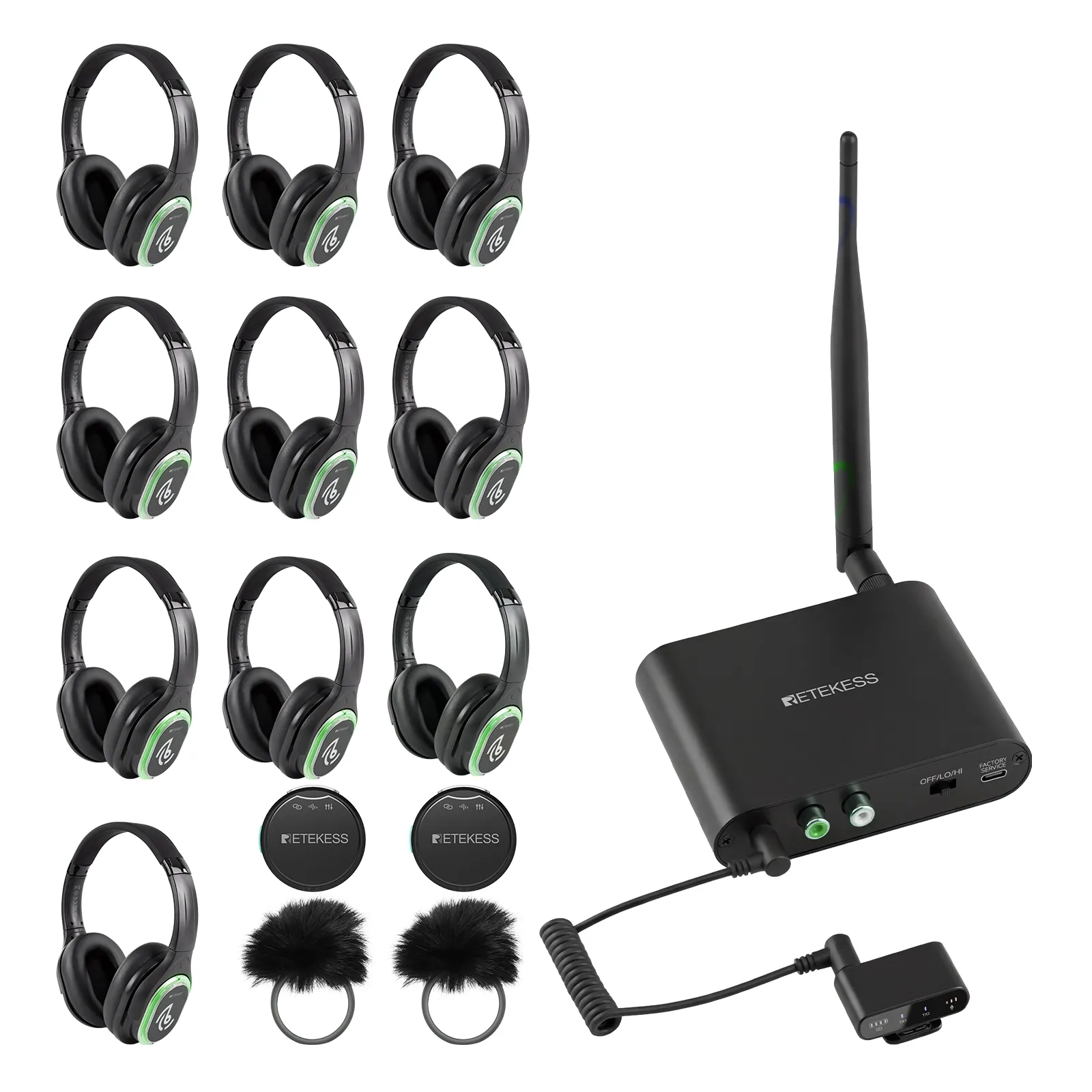
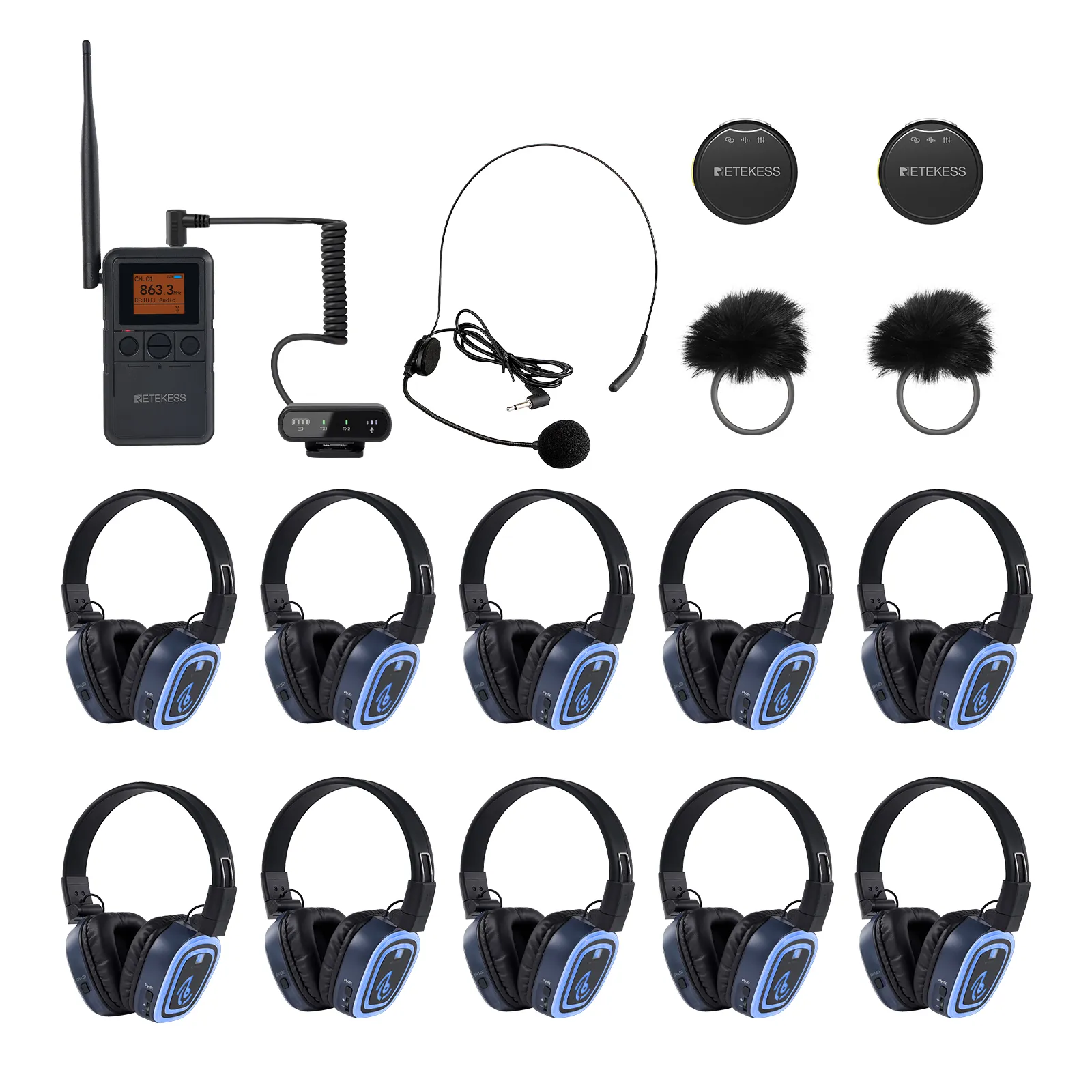
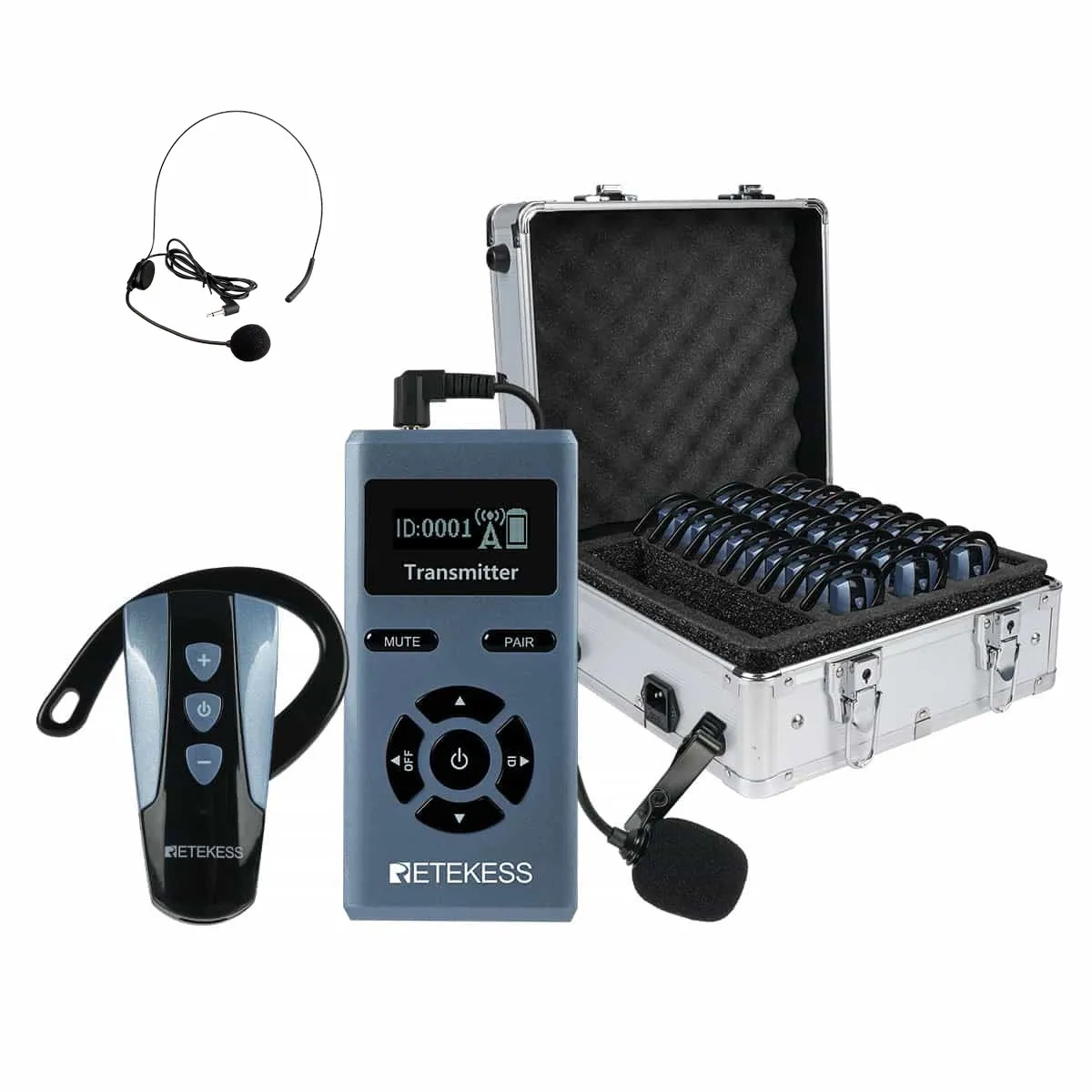
The Retekess TT136 Wireless Real-Time Interpretation Tour Guide System integrates with these AI-built glossaries directly. You can load custom term sets into the device’s interface, so interpreters have instant access to approved terms during live sessions. The system supports up to 10 spoken source languages and translates content into two target languages, so term alignment stays consistent across multilingual groups.
2. Live On-Site Support: Real-Time Reference for Smooth Delivery
Even with thorough preparation, live sessions bring unexpected challenges. Speakers may go off-script, use niche jargon, or speak faster than expected. Background noise from crowds, machinery, or outdoor conditions can also distort audio.
An AI interpreter assistant provides real-time term prompts and context suggestions as you work. It picks up on speaker speech and flags upcoming terms that match your pre-loaded glossary, so you never miss a critical reference.
The AI interpreter assistant adapts to speaker pace and accent over time, so its prompts get more accurate as the session progresses. It also prioritizes high-priority terms based on event context.
The TT136 enhances this support with its simultaneous interpretation broadcast feature. It delivers low-delay, one-to-many translation to listener receivers without extra equipment or staff. For sessions with two language groups, its two-way group translation mode assigns separate channels to each audience group. The current speaker uses the transmitter, and each group listens to their assigned language channel. This setup works seamlessly for guided tours, group Q&As, and bilingual presentations.
Unlike phone-based AI tools, the TT136 uses dedicated audio hardware with noise-canceling microphones. This ensures clear audio capture even in noisy environments, so the AI assistant receives accurate input to generate relevant prompts.
3. Session Recording & Playback: Never Miss a Critical Detail
Even the most experienced interpreters miss small details during fast-paced sessions. You may need to review specific segments to confirm accuracy or fill gaps in your notes.
An AI interpreter assistant works with session recordings to make review faster and more targeted. It transcribes audio in real time and tags key terms with timestamps, so you can jump directly to segments you need instead of listening to full recordings.
The AI interpreter assistant can also flag potential translation errors during playback review, so you can correct them before finalizing deliverables. It highlights segments where terminology does not match your approved glossary.
The TT136 records both original speaker audio and translated output with synchronized timestamps. It stores files locally on the device, so recording works even without internet access. This is especially useful for factory visits, outdoor tours, and remote locations with limited connectivity.
When paired with the AI assistant, you can export these recordings directly for transcription and term tagging. No extra recording devices or file transfers are needed, which reduces post-session administrative work.
4. Post-Session Organization: Cut Documentation Time by Half
Post-session work often takes more time than the interpretation itself. You need to transcribe key content, update glossaries, compile session reports, and share deliverables with clients or internal teams.
An AI interpreter assistant automates most of these tasks. It generates structured transcripts, extracts new terms to add to your glossary, and produces concise session summaries based on tagged content.
The AI interpreter assistant follows your team’s style guidelines when generating summaries, so outputs match your brand voice. You can also customize report templates to fit specific client requirements.
The TT136 exports audio and timestamped data in standard file formats that integrate with common translation management systems. You don’t have to manually reformat files or retype notes. This cuts post-session work time significantly and reduces human error from data entry.
Why Hardware Elevates Your AI Interpreter Assistant Performance
Many teams test AI interpretation tools on smartphones or laptops, but these devices are not designed for field use. They run into battery drain, poor audio quality, and connectivity drops in busy or remote locations.
An AI interpreter assistant relies on clear, consistent audio input to work well, and consumer devices rarely deliver that level of quality in field conditions. Purpose-built hardware solves this gap with features optimized for interpretation work.
Dedicated hardware like the TT136 solves these issues with features built for daily interpretation use:
- Long battery life that lasts full-day events without charging
- Noise-canceling microphones and clear audio output for noisy environments
- Offline functionality for locations with no internet access
- Dedicated channel buttons for quick language switching by listeners
- Durable build that holds up to frequent travel and outdoor use
When you combine this hardware with an AI interpreter assistant, you get a complete end-to-end solution. It works as reliably on a factory floor or outdoor tour as it does in a quiet meeting room.
Conclusion
An AI interpreter assistant adds tangible value to every stage of the interpretation workflow, from pre-session glossary building to post-session reporting. Pairing it with purpose-built wireless interpretation hardware turns that digital support into a practical, reliable tool for daily use.
The Retekess TT136 integrates seamlessly with AI interpretation tools to support your team across all four workflow stages. It reduces administrative burden, improves delivery accuracy, and helps you handle more assignments without adding staff.
When you choose a system that pairs an AI interpreter assistant with dedicated hardware, you invest in long-term workflow efficiency. You free your team to focus on high-value interpretation work instead of repetitive administrative tasks.
If you want to see how this system works for your specific use case, request a live demo or download the full product specification sheet. Our team can also walk you through custom setup options for tour groups, corporate meetings, or factory visit programs.




![[18th Anniversary] 18 Years of Echoing Excellence: Making Communication Easier, Connecting Trust Beyond Borders](https://res.retekess.com/z_file/20260716/retekess-brand-story-making-communication-easier_20260716151044_7682.jpg)
![[18 Years in Wireless Communication] Silent Disco Systems Anniversary Celebration: Top-Selling Headphones & Event Mechanics Revealed!](https://res.retekess.com/z_file/20260713/18-years-in-wireless-communication-silent-disco-systems-anniversary-celebration_20260713175011_5749.webp)
![[Anniversary Carnival] Ding-dong! 18th Anniversary Mega Sale on Guest Paging & Calling Systems: Full Reveal of 12+ Products & Promo Rules!](https://res.retekess.com/z_file/20260713/18th-anniversary-mega-sale-on-guest-paging-calling-systems_20260713175257_0295.webp)
![[Retekess 18th Anniversary Teaser] Tour Guide System Exclusive Perks: Sneak Peek at Event Dates & Mechanics!](https://res.retekess.com/z_file/20260713/retekess-18th-anniversary-tour-guide-system-exclusive-perks--2-_20260713180135_6435.webp)

Follow Us
Pay With


 Google
 Amazon
Comments (0)