
Table of Contents
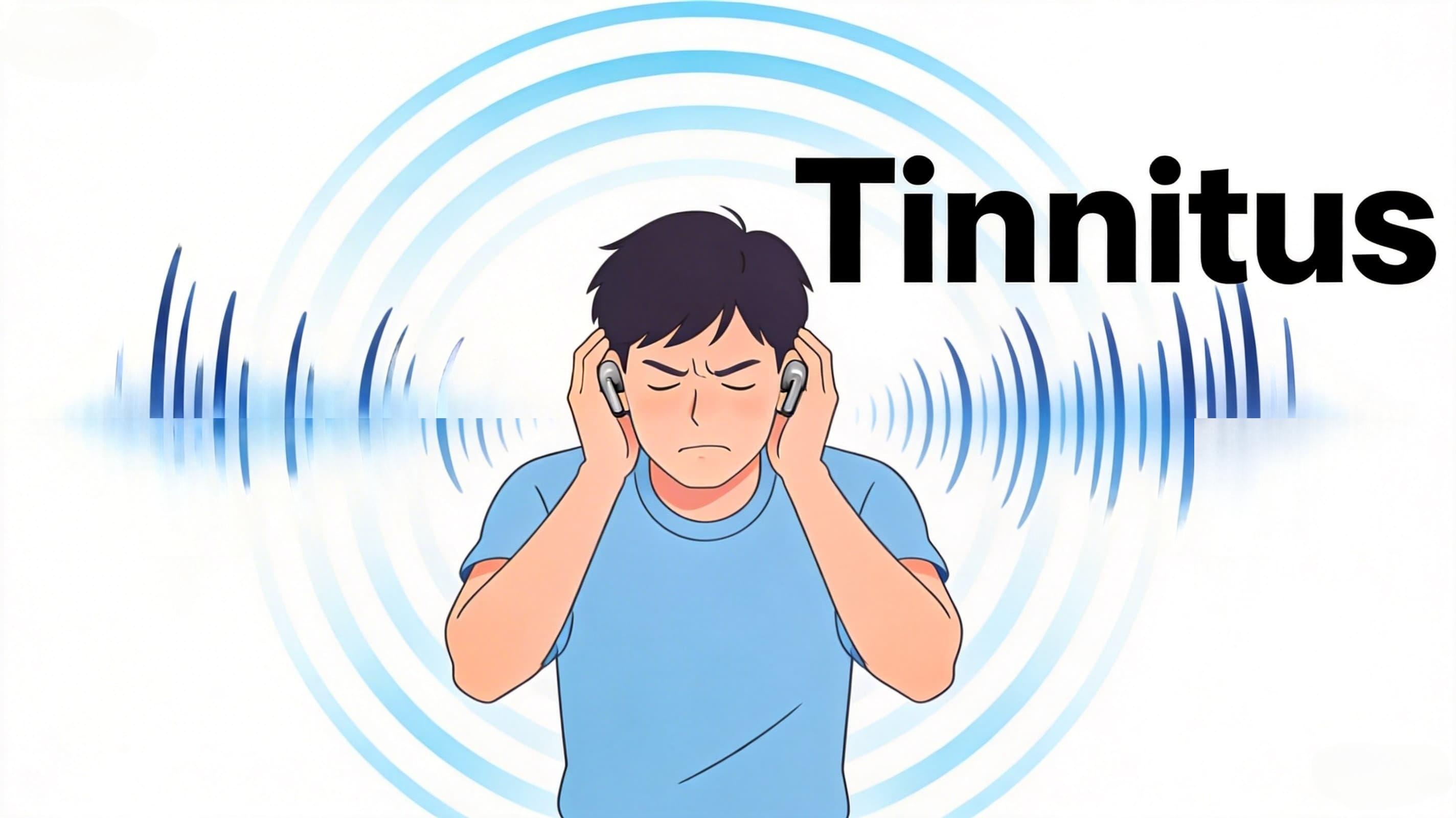
Causes of Tinnitus in First-time Hearing Aid Users
- Judy
- Sep 16, 2026
Many first-time hearing aid users report tinnitus appearing or getting louder after successful fitting. This can happen within hours or after a few days. While it may seem alarming, in most cases this is a temporary auditory adaptation response, not damage.
This article explains why tinnitus occurs after wearing hearing aids from both audiology and neuroscience perspectives — and what users should do.
Is It Normal to Get Tinnitus After Wearing Hearing Aids?
Yes. It is relatively common for first-time hearing aid users, especially those with:
Mild to moderate hearing loss
Long-term untreated hearing loss
High-frequency hearing loss
Older adults
New digital hearing aid users
In many cases, tinnitus improves after the brain adapts to amplified sound.
Audiology Explanation: Why Hearing Aids Can Trigger Tinnitus
1.External sound unmasks internal tinnitus
When hearing loss occurs, the brain receives less sound input.
To compensate, it increases internal neural noise, which is perceived as tinnitus.
After wearing hearing aids:
External sound returns
Brain compares new sound input
Internal tinnitus becomes more noticeable
This is called tinnitus unmasking.
2.Initial gain may be too strong
During first fitting, amplification may feel loud because:
High-frequency gain is newly introduced
Brain is not used to environmental sounds
Speech clarity suddenly increases
Background noise becomes audible
This can cause:
Auditory fatigue
Neural overstimulation
Temporary tinnitus increase
This is why gradual adaptation fitting is recommended.
3.Sudden increase in auditory input
Before hearing aids:
Quiet world → minimal sound stimulation
After hearing aids:
Speech details
Environmental noise
High-frequency sounds
Directional sound cues
The auditory system receives more information than before, leading to:
Listening fatigue
Brain overload
Temporary tinnitus
4.Occlusion effect (ear canal sealing)
Some hearing aids partially block the ear canal, which may:
Increase low-frequency resonance
Amplify internal body sounds
Create pressure sensation
Users may experience:
Low-pitch tinnitus
Buzzing sound
Fullness in ear
This is especially common with:
Custom hearing aids
Closed domes
First-time users
Neuroscience Explanation: Brain Adaptation & Tinnitus
1.Central gain increase in the auditory cortex
With hearing loss, the brain compensates by increasing central auditory gain.
This leads to:
Increased neural firing
Spontaneous activity
Tinnitus perception
When hearing aids restore sound:
Amplified sound + increased central gain= temporary tinnitus increase
The brain needs time to rebalance neural activity.
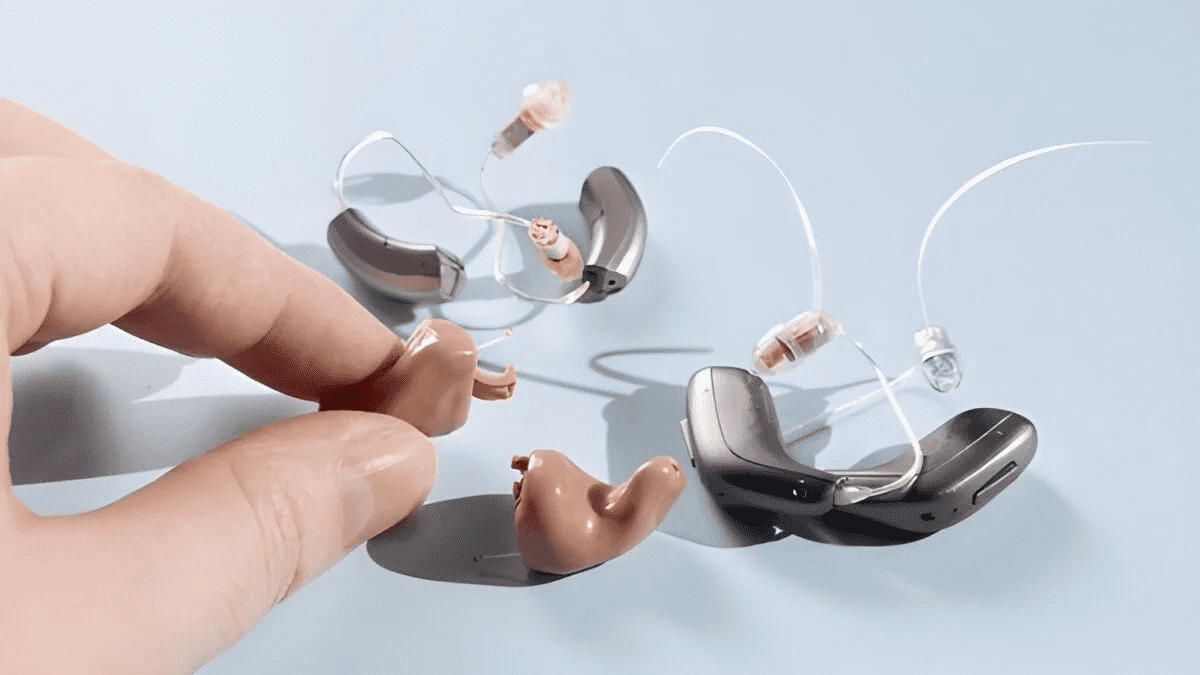
2.Neuroplasticity during hearing aid adaptation
Hearing aids restore auditory stimulation.
The brain must:
Re-map sound frequencies
Reduce neural hyperactivity
Relearn sound filtering
During this neuroplastic adjustment, tinnitus may:
Appear temporarily
Become louder
Fluctuate
Most users improve within:
1–2 weeks adaptation
4–8 weeks stabilization
3.Limbic system involvement (attention & emotion)
First-time users often:
Focus on hearing changes
Monitor ear sensations
Feel anxious about tinnitus
The brain’s limbic system increases attention to tinnitus, making it louder.
This is called:
Attention-driven tinnitus amplification
4.Auditory deprivation rebound
Long-term hearing loss causes:
Reduced auditory input
Increased neural synchrony
Phantom sound generation
When sound returns via hearing aids:
The auditory system is unstable at first, causing:
Temporary tinnitus
Sound sensitivity
Fluctuating perception
If any of the following occur, please consult a hearing specialist:
Becomes significantly louder
Is painful or sharp
Comes with dizziness
Happens immediately at high volume
Causes discomfort wearing hearing aids
These may require:
Gain adjustment
Output reduction
Frequency rebalancing
Program adaptation
How to reduce tinnitus after being fitted with hearing aids:
Lower initial gain
Use adaptation manager settings
Reduce high-frequency amplification
Adjust compression ratio
Enable tinnitus masking
Recommend gradual wearing schedule
These adjustments usually reduce tinnitus quickly.
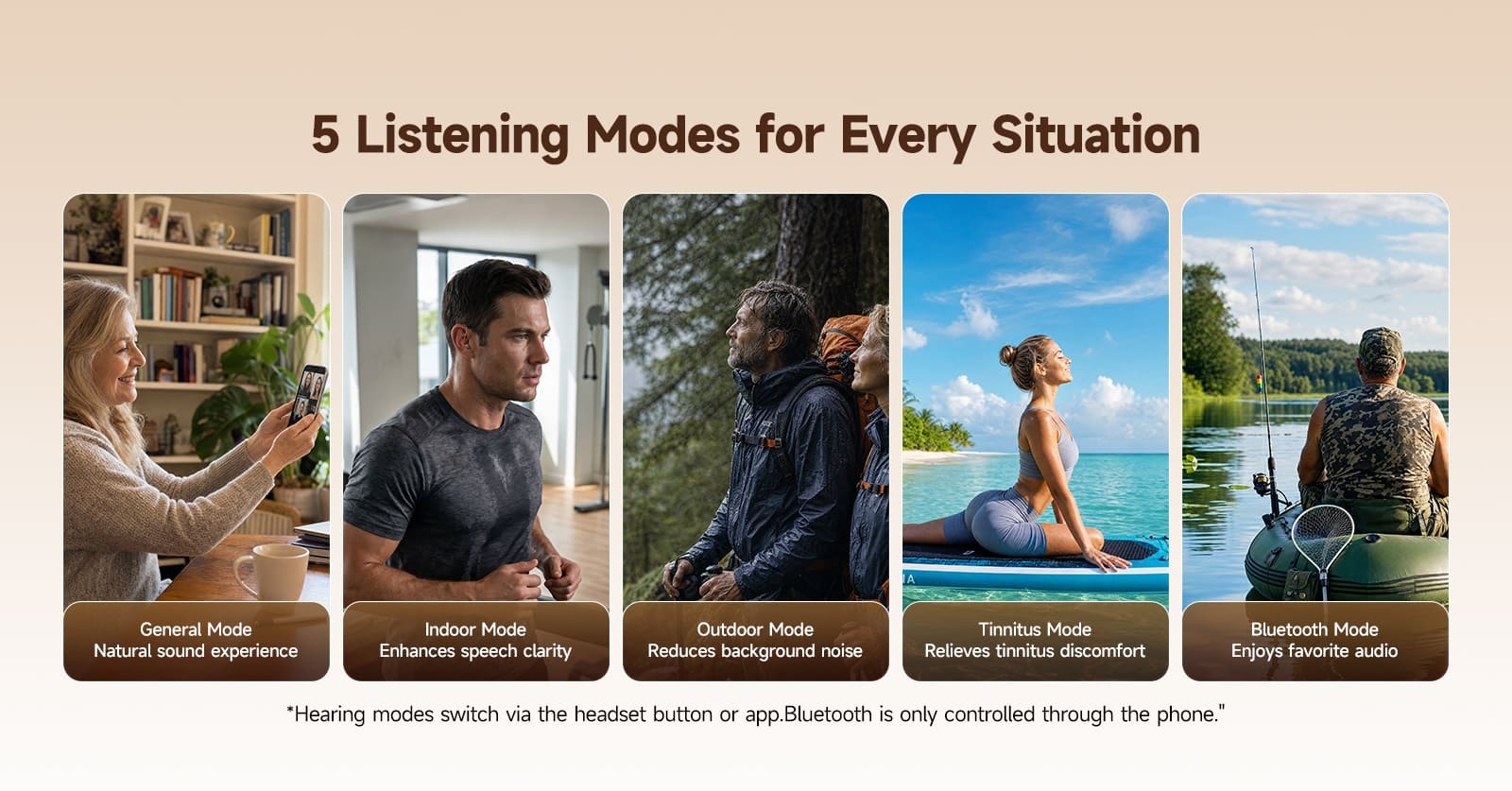
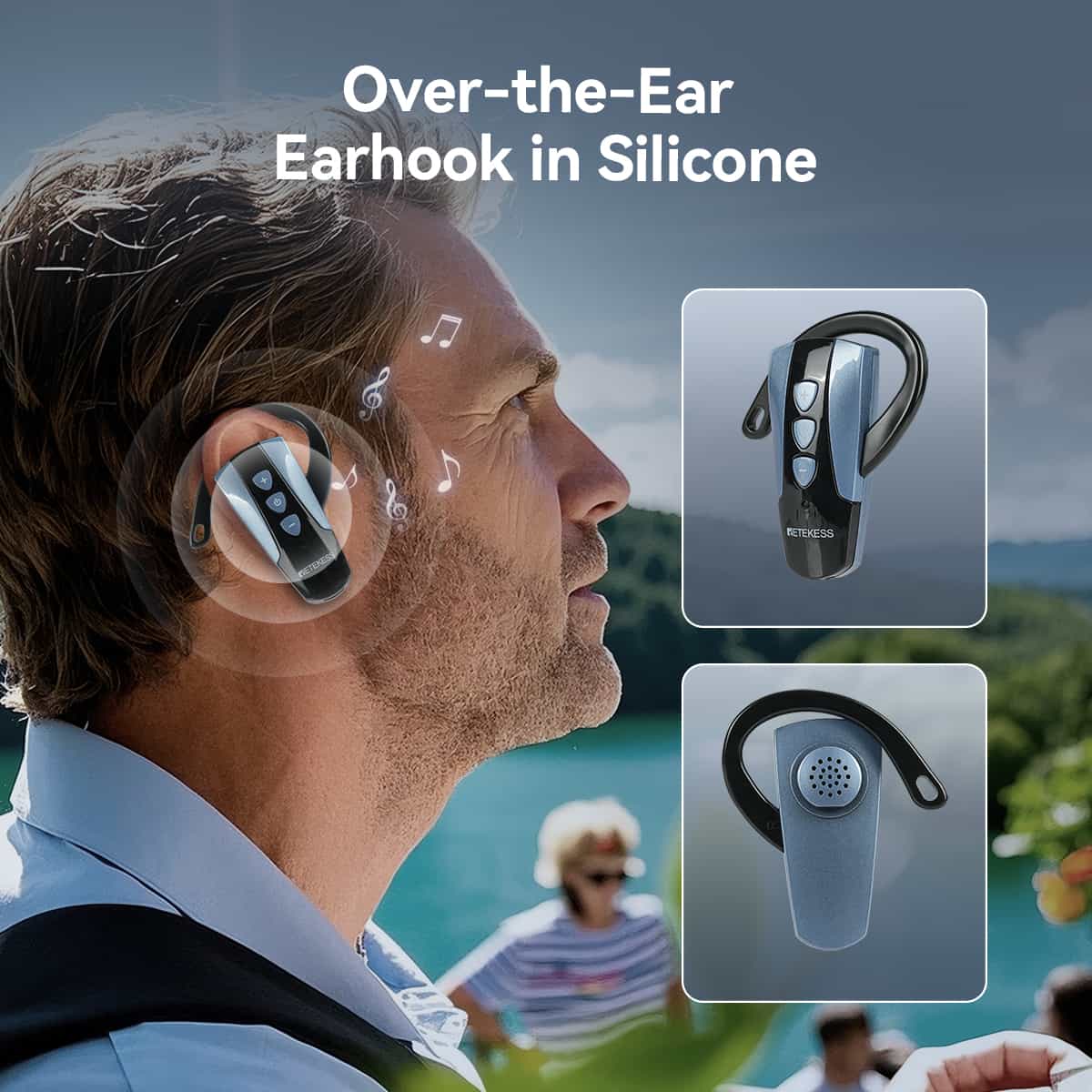
TE105 hearing aid features a tinnitus masking mode that uses soothing music to alleviate tinnitus symptoms.
It includes an impulse noise suppression function that attenuates the impact of sudden, sharp sounds—such as piercing shrieks—on your daily hearing.
With support for audiogram input and hearing testing, you can configure a personalized hearing profile tailored to your specific hearing needs.
Do Hearing Aids Help Tinnitus Long Term?
Yes. Many studies show hearing aids can:
Reduce tinnitus perception
Improve auditory input
Decrease central gain
Provide sound masking
Improve brain sound processing
Over time, hearing aids often reduce tinnitus, even if it temporarily increases at first.
Tips for First-Time Hearing Aid Users
To reduce tinnitus during adaptation:
Wear hearing aids gradually (2–4 hours first days)
Avoid very quiet environments
Use soft background sound
Stay relaxed and avoid over-monitoring tinnitus
Return for fine-tuning adjustments
Conclusion
Tinnitus after first wearing hearing aids is usually a normal adaptation process.



![[18th Anniversary] 18 Years of Echoing Excellence: Making Communication Easier, Connecting Trust Beyond Borders](https://res.retekess.com/z_file/20260716/retekess-brand-story-making-communication-easier_20260716151044_7682.jpg)
![[18 Years in Wireless Communication] Silent Disco Systems Anniversary Celebration: Top-Selling Headphones & Event Mechanics Revealed!](https://res.retekess.com/z_file/20260713/18-years-in-wireless-communication-silent-disco-systems-anniversary-celebration_20260713175011_5749.webp)
![[Anniversary Carnival] Ding-dong! 18th Anniversary Mega Sale on Guest Paging & Calling Systems: Full Reveal of 12+ Products & Promo Rules!](https://res.retekess.com/z_file/20260713/18th-anniversary-mega-sale-on-guest-paging-calling-systems_20260713175257_0295.webp)
![[Retekess 18th Anniversary Teaser] Tour Guide System Exclusive Perks: Sneak Peek at Event Dates & Mechanics!](https://res.retekess.com/z_file/20260713/retekess-18th-anniversary-tour-guide-system-exclusive-perks--2-_20260713180135_6435.webp)
Follow Us
Pay With


 Google
 Amazon
Comments (0)