
Table of Contents
Common Causes of Hearing Loss
- Amy
- Sep 16, 2026
First, let us understand how hearing is produced:
We hear sounds and understand them, not only relying on the ears, but also need to be associated with the brain. External sound waves are transmitted to the external auditory canal through the medium and then to the eardrum. The eardrum vibrates, amplified by the ossicles and then transmitted to the inner ear, stimulating the ciliary cells in the cochlea (also known as: auditory receptors) to generate nerve impulses. The nerve impulses are transmitted along the auditory nerve to the auditory center of the cerebral cortex, connecting with the language center, and finally understanding the meaning of the words.
However, when hearing is reduced, the input (stimulation) of the brain is significantly reduced, and hearing loss may be associated with the atrophy of the auditory cortex of the brain. This may greatly reduce the available resources for the language center to process sounds, affecting the speech recognition ability of patients with hearing loss.
There are many causes of hearing loss, which can be divided into several categories:
1. Noise exposure:
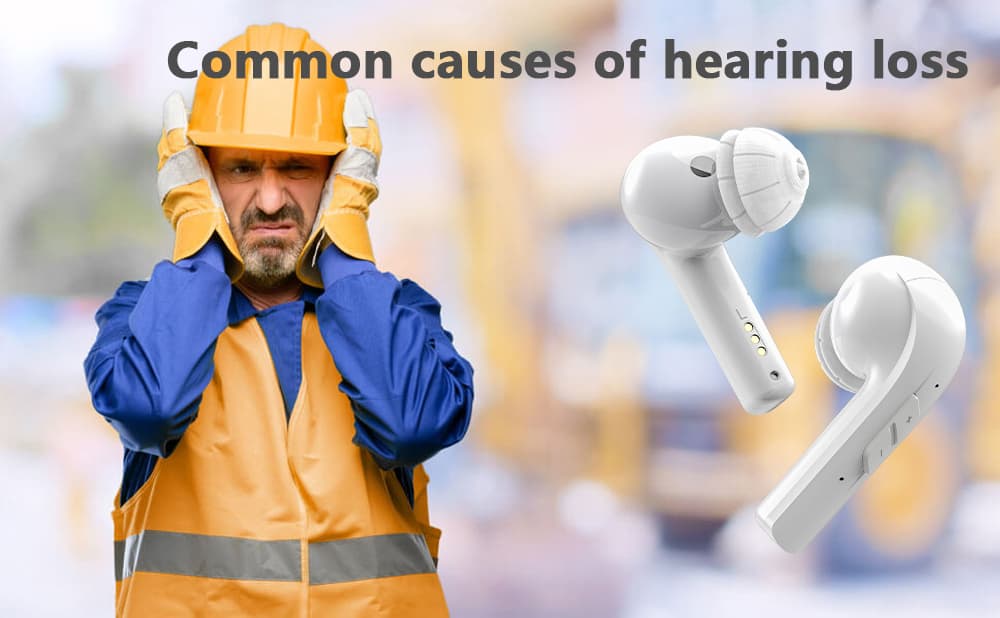
Prolonged exposure to high-volume noise can damage the hair cells in the inner ear and cause hearing loss. Common sources of noise include:
Industrial noise: factories, construction sites, etc.
Traffic noise: cars, airplanes, trains, etc.
Entertainment noise: concerts, nightclubs, concerts, etc.
Personal entertainment devices: headphones, mobile phones, etc.
2. Aging:
As we age, the hair cells in the inner ear will naturally decline, leading to hearing loss, which is called "age-related hearing loss."
3. Diseases and infections:
Some diseases and infections can affect hearing, for example:
Ear infections: otitis media, otitis interna
Viral infections: measles, mumps
Chronic diseases: diabetes, hypertension
Autoimmune diseases: lupus, rheumatoid arthritis
4. Drugs and chemicals:
Some drugs and chemicals can damage the inner ear and cause hearing loss, for example:
Antibiotics: streptomycin, kanamycin
Anticancer drugs: cisplatin, carboplatin
Solvents: toluene, xylene
5. Genetic factors:
Certain genetic diseases can cause hearing loss, for example:
Hereditary deafness
Perrott's syndrome
6. Trauma:
Head trauma, explosions, etc. can damage the inner ear and cause hearing loss.
7. Other factors:
Some other factors may also cause hearing loss, such as:
Brain tumors
Otosclerosis
Vascular diseases
8. Prevent hearing loss:
Avoid prolonged exposure to noise: Wear earplugs or earmuffs
Check hearing regularly: Detect hearing loss early and treat it in time
Control chronic diseases: Control blood sugar, blood pressure, etc.
Use medications with caution: Consult a doctor and avoid using medications that may damage hearing
Maintain a healthy lifestyle: Eat a healthy diet and exercise appropriately
If hearing loss is found, consult an otolaryngologist for examination and treatment in time.
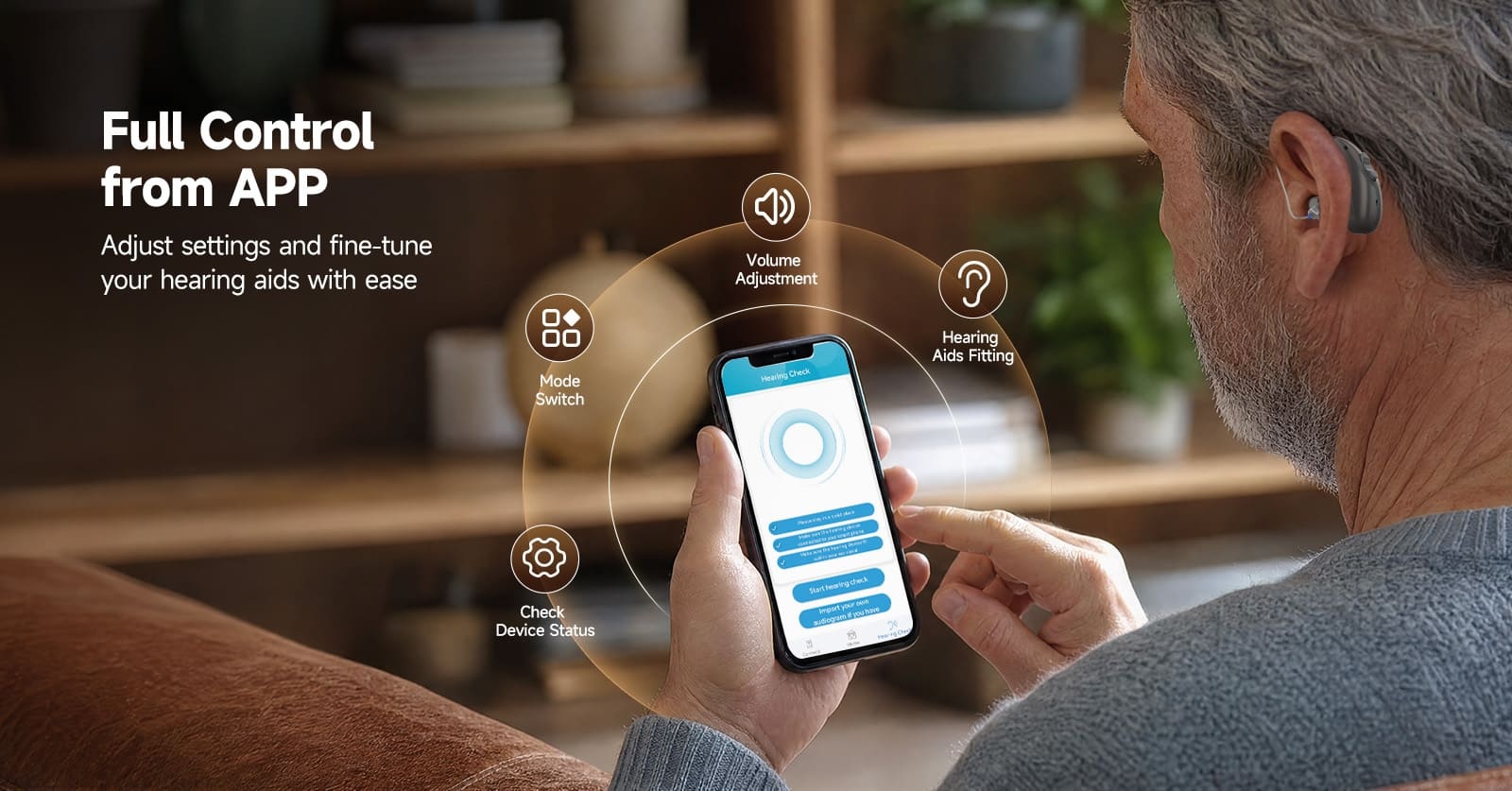
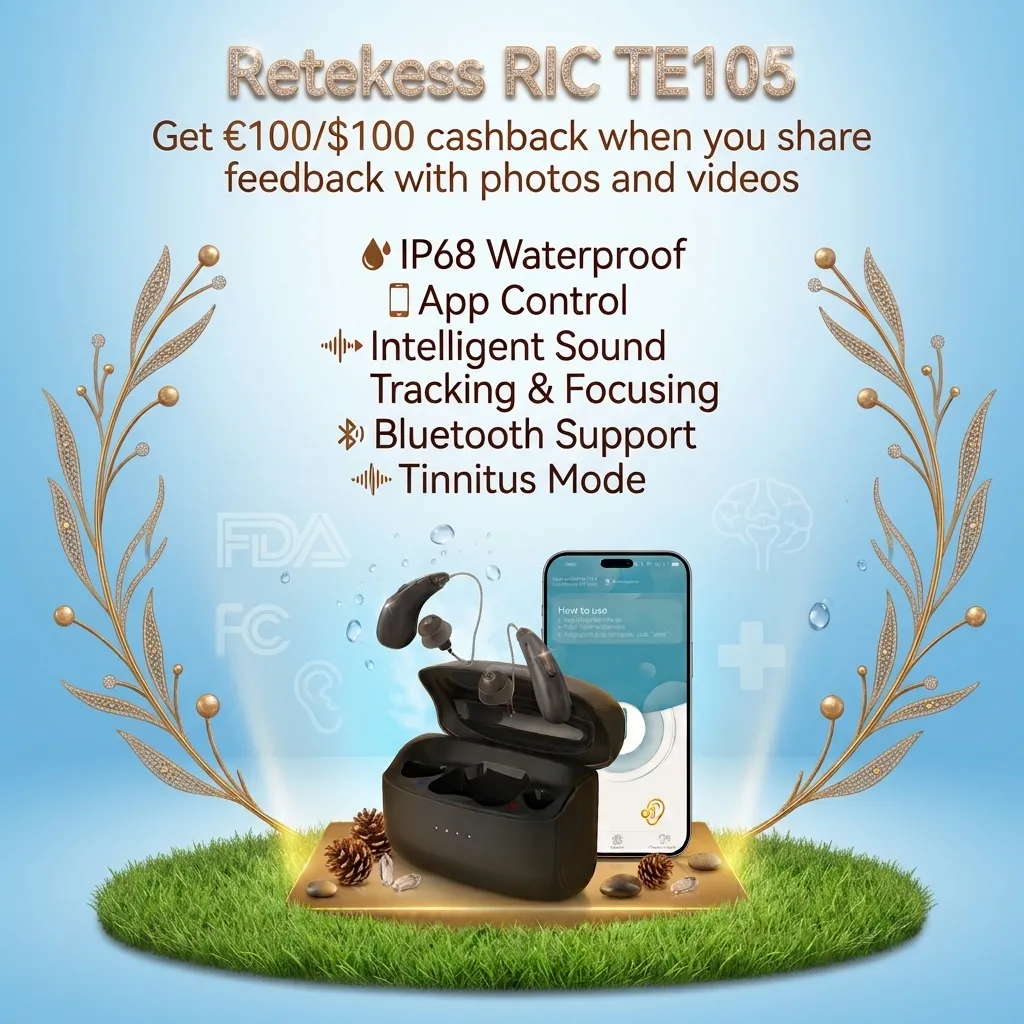
The TE105 ric ip68 waterproof hearing aid is ideally suited for addressing moderate hearing loss associated with aging. It utilizes 16-channel WDRC DSP technology to apply greater amplification to quiet sounds and less amplification to loud sounds based on the user's specific hearing loss profile—unlike standard sound amplifiers that simply amplify all sounds equally. With customizable settings, it provides an appropriate hearing compensation mode tailored to the needs of middle-aged and elderly individuals with moderate hearing loss.
Wearing self-fitting otc hearing aids can relieve the symptoms of tinnitus to a certain extent and protect the auditory cells that have not been damaged.




![[18th Anniversary] 18 Years of Echoing Excellence: Making Communication Easier, Connecting Trust Beyond Borders](https://res.retekess.com/z_file/20260716/retekess-brand-story-making-communication-easier_20260716151044_7682.jpg)
![[18 Years in Wireless Communication] Silent Disco Systems Anniversary Celebration: Top-Selling Headphones & Event Mechanics Revealed!](https://res.retekess.com/z_file/20260713/18-years-in-wireless-communication-silent-disco-systems-anniversary-celebration_20260713175011_5749.webp)
![[Anniversary Carnival] Ding-dong! 18th Anniversary Mega Sale on Guest Paging & Calling Systems: Full Reveal of 12+ Products & Promo Rules!](https://res.retekess.com/z_file/20260713/18th-anniversary-mega-sale-on-guest-paging-calling-systems_20260713175257_0295.webp)
![[Retekess 18th Anniversary Teaser] Tour Guide System Exclusive Perks: Sneak Peek at Event Dates & Mechanics!](https://res.retekess.com/z_file/20260713/retekess-18th-anniversary-tour-guide-system-exclusive-perks--2-_20260713180135_6435.webp)
Follow Us
Pay With


 Google
 Amazon
Comments (0)