
Table of Contents
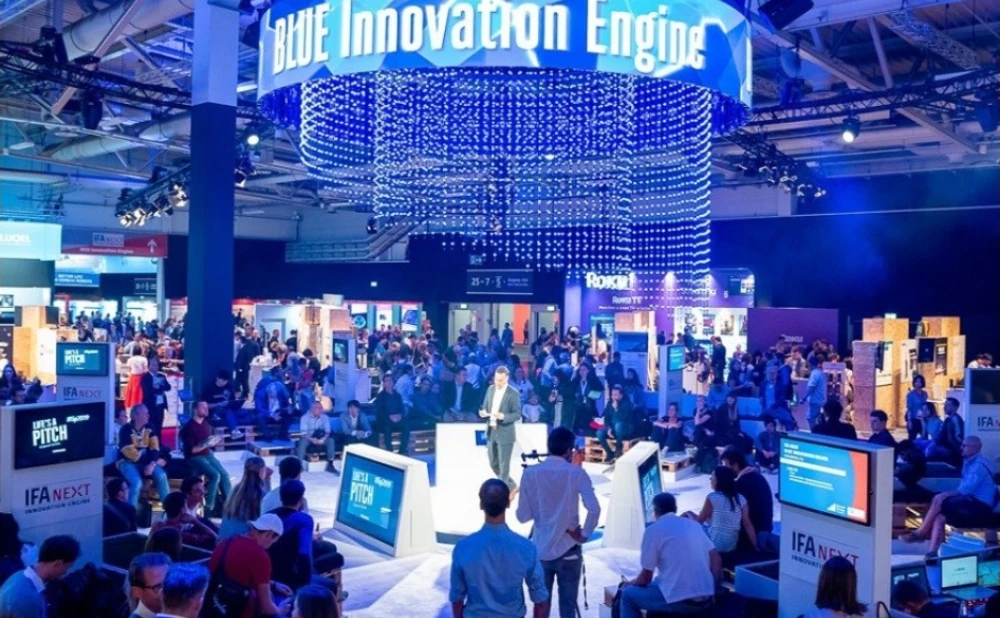
Core Trade Show Communication Pain Points at Busy Exhibitions
- Retekess
- Aug 27, 2026
Background Noise Disrupts Audibility and Attention
Exhibition halls are inherently loud environments. At IFA Berlin, adjacent booths play product videos, host live demos, and broadcast announcements, while thousands of visitors talk and move through the aisles at the same time. For booth teams, this noise creates a constant barrier to clear communication. Staff often have to raise their voices to be heard, which leads to vocal strain over long show days. Even then, visitors standing more than a meter away may miss key details about product features, pricing, or value. For product demos that rely on verbal explanation, poor audibility directly reduces engagement: visitors lose focus, ask repetitive questions, or walk away before hearing your full pitch. This is why addressing audibility is the foundation of effective trade show communication.
High Visitor Flow Creates Uneven Service Quality
Busy trade shows have unpredictable traffic spikes. During peak hours at IFA Berlin, your booth may see dozens of visitors arrive at once, while slower periods may have long gaps between guests. This uneven flow makes it hard to maintain consistent trade show communication quality. When crowds surge, your team gets stretched thin. Staff members are pulled between greeting new visitors, answering quick questions, running product demos, and processing lead information. As a result, some guests wait unattended for minutes, while others receive rushed, incomplete explanations. Many visitors only stop for 30 to 60 seconds at a booth; if they don’t get clear, immediate value in that window, they will move on to the next exhibitor. A predictable flow is the backbone of reliable trade show communication, and without it, high-value prospects can slip through the cracks simply because no one had time to speak with them properly.
Multilingual Gaps Limit Global Audience Reach
IFA Berlin is a truly global event, with attendees from Europe, Asia, the Americas, and beyond. For most exhibiting brands, it’s impossible to have in-house staff who speak every language your visitors might use. This multilingual gap is a major pain point for international trade show communication. When visitors don’t speak your team’s primary language, interactions get limited to basic gestures, product photos, or pre-written flyers. Deep product explanations, consultative sales conversations, and media interviews become difficult or impossible. Even brands that hire freelance interpreters often face scheduling conflicts and high costs, especially for less common languages. Closing these language gaps is critical for maximizing your trade show communication ROI, especially for overseas sales teams targeting international buyers.
Split Team Focus Reduces Operational Efficiency
Booth teams wear many hats during a trade show. On any given day, staff may need to lead product demos, answer casual visitor questions, host media interviews, manage VIP meetings, restock materials, and track lead data. This constant task-switching makes it hard to maintain focused, high-quality trade show communication. For example, a sales representative who is mid-demo may get interrupted by a journalist asking for a press kit, or a visitor with a technical question. The demo gets derailed, the rest of the group loses attention, and the journalist waits longer than necessary. Over the course of a show day, these small interruptions add up to lost productivity and lower overall visitor satisfaction. Clear role definition is key to maintaining consistent trade show communication throughout the event.
Actionable Strategies to Improve Your Trade Show Communication
Use Dedicated Audio Systems to Cut Through Floor Noise
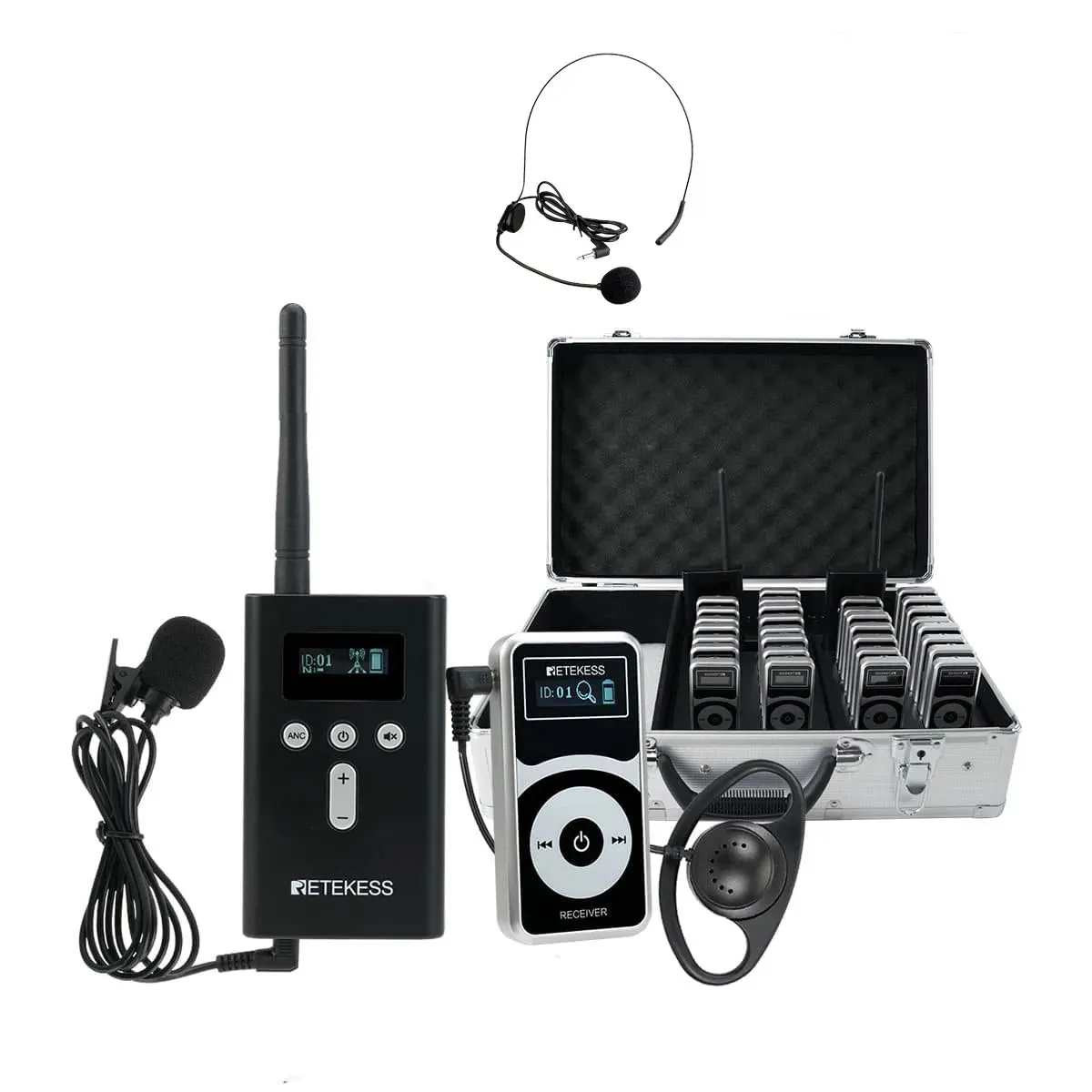
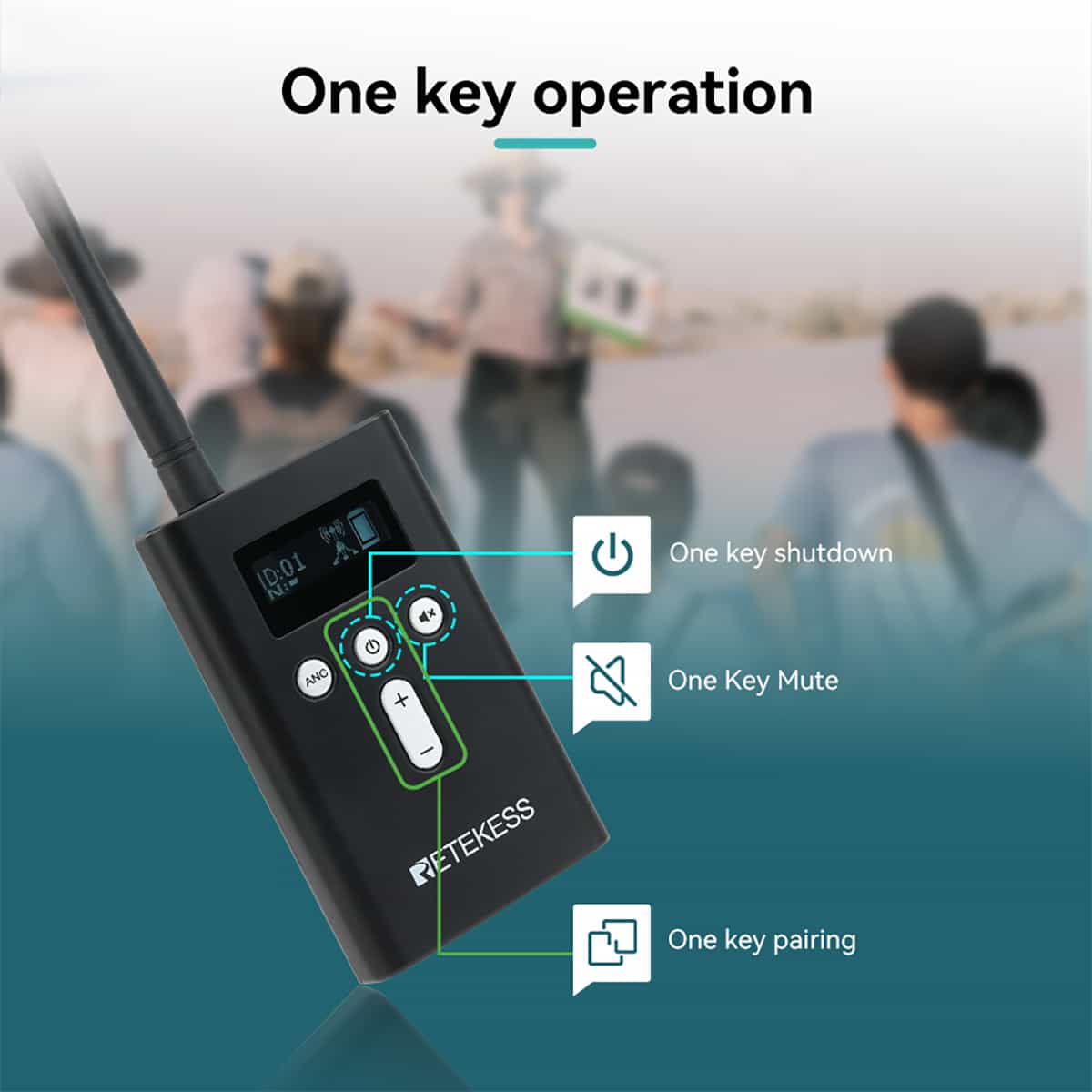
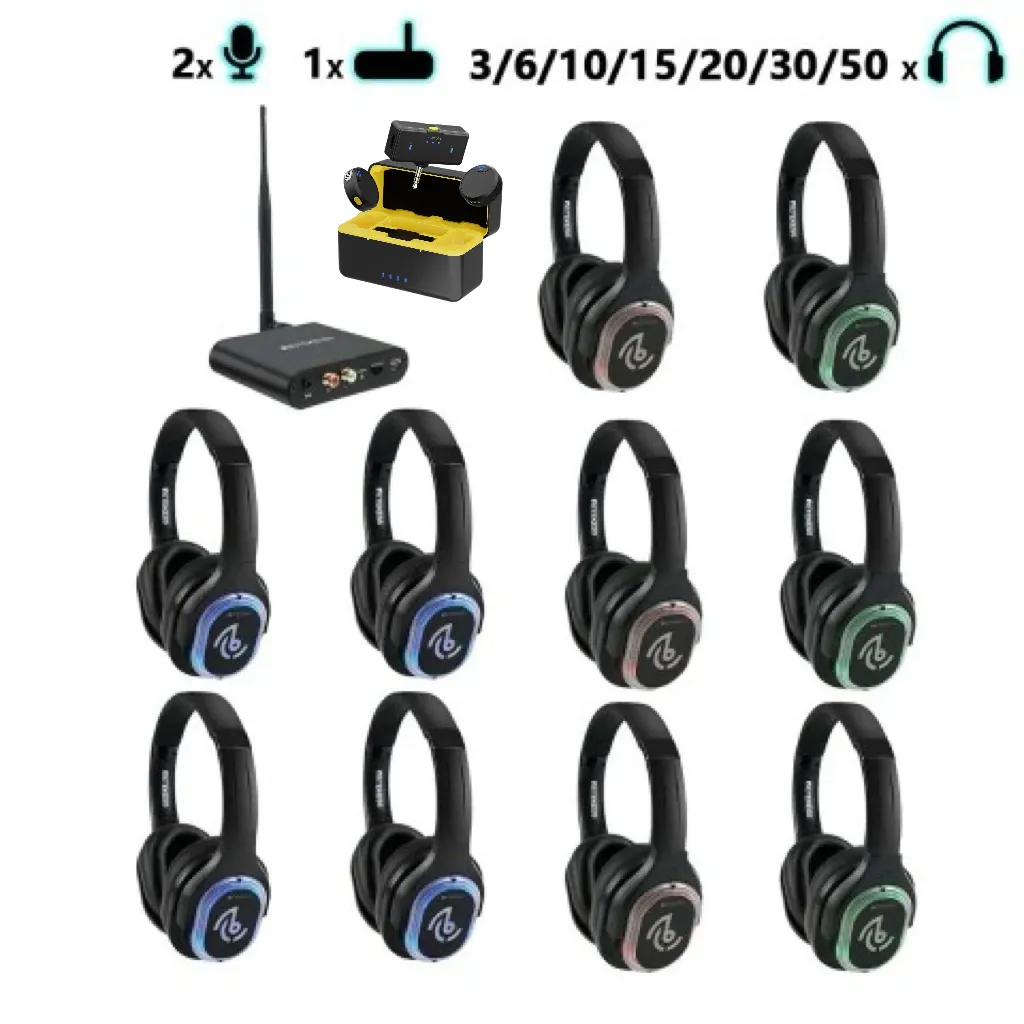
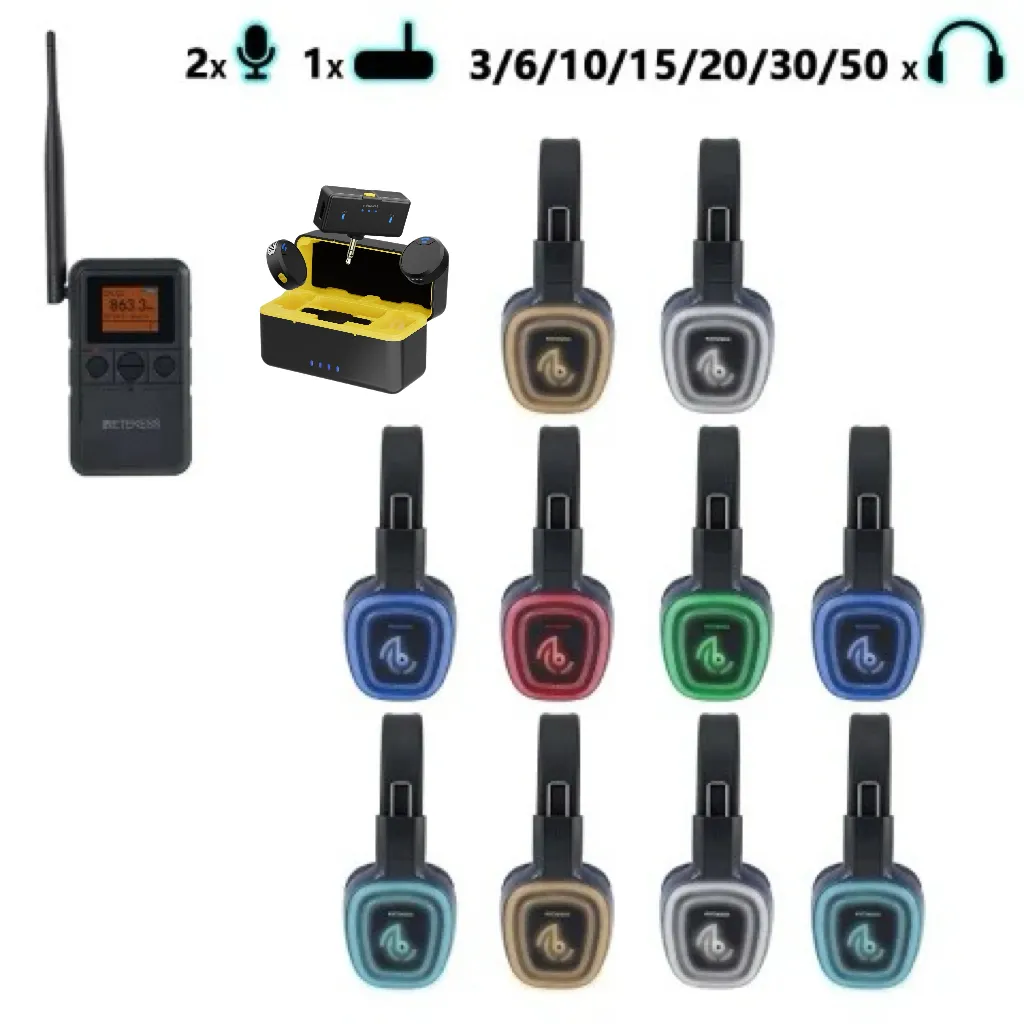
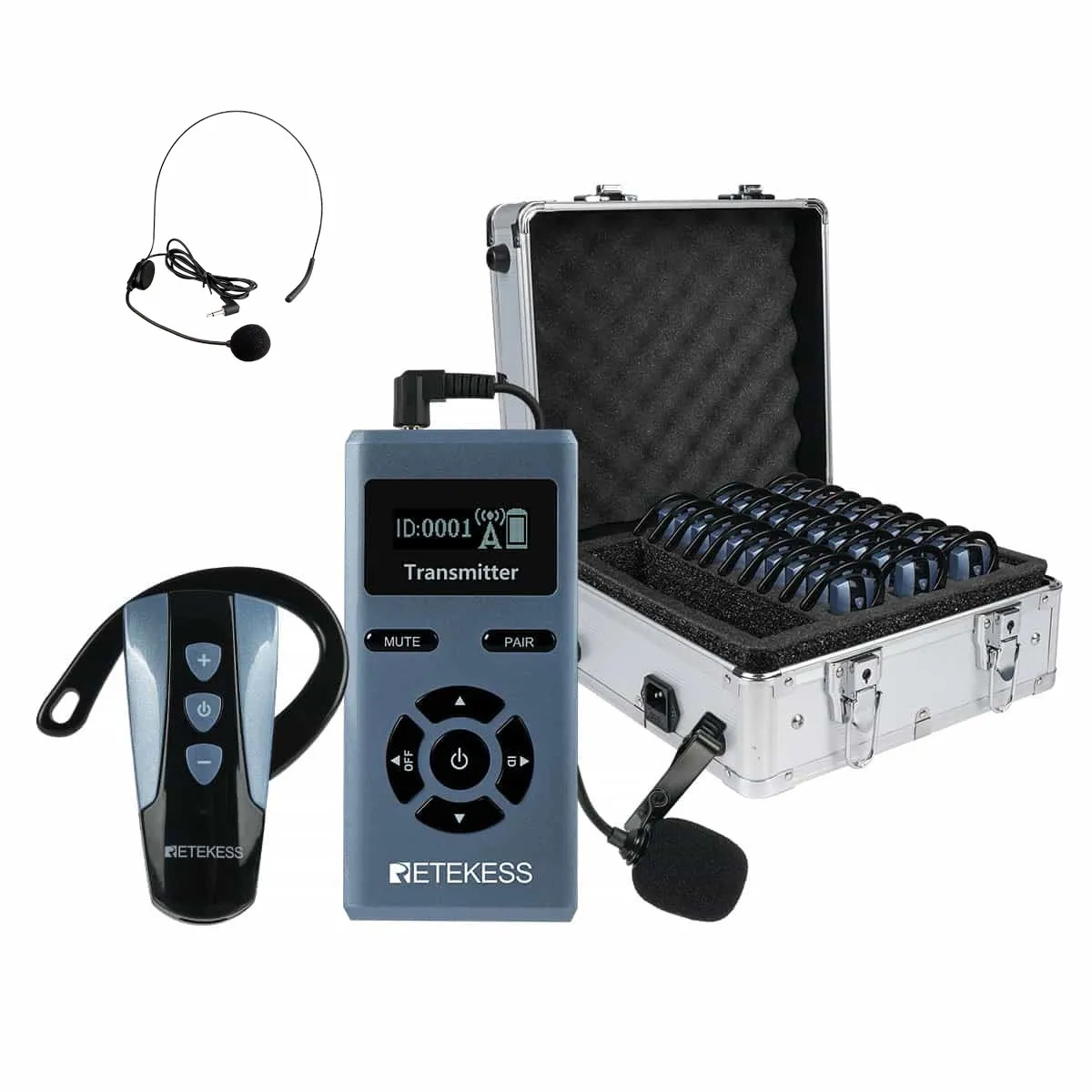
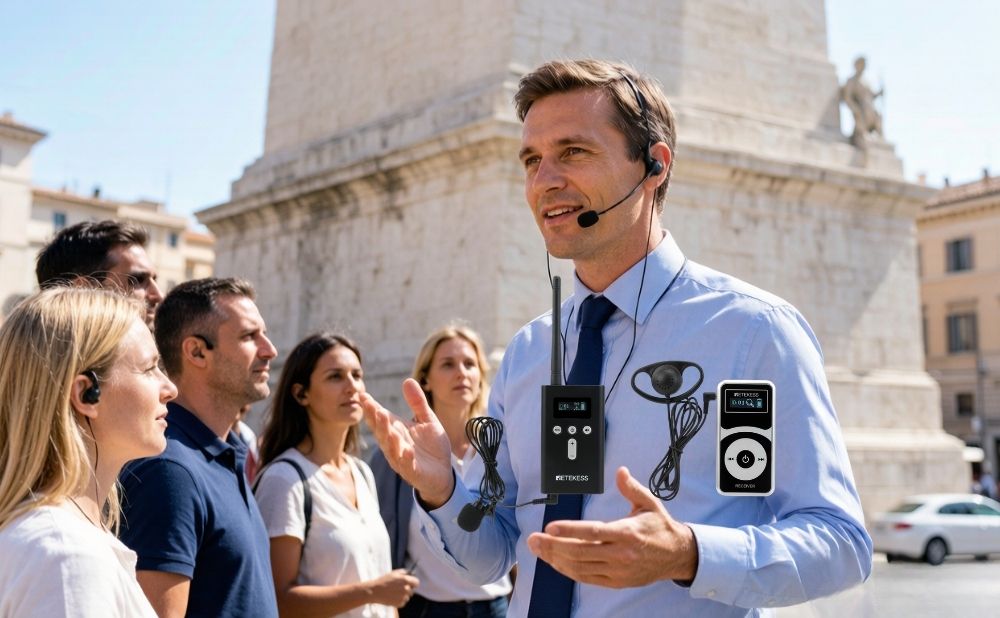
The first step to better trade show communication is solving the noise problem. Instead of relying on raised voices or bulky portable speakers, invest in a wireless tour guide audio system. These systems work with a lightweight transmitter for the speaker and small receivers for visitors. The speaker talks at a normal volume, and visitors hear the audio directly in their ears, no matter how loud the surrounding hall is. This setup eliminates the need for shouting, reduces vocal fatigue for your team, and ensures every visitor hears every word of your demo or explanation. For large booths or walking tours, look for systems with stable long-range transmission. A reliable 2.4G wireless system can cover 150 to 200 meters, which is more than enough for most exhibition booths and even guided walks across your display space. Clear, consistent audio is the base of all effective trade show communication.
Streamline Visitor Flow With Scheduled Group Tours
To manage high visitor volume and improve trade show communication consistency, organize scheduled group demos and booth tours instead of only doing one-on-one interactions. For example, you can run a 10-minute product demo every 15 minutes throughout the show day. Post a clear schedule at your booth entrance, and invite walk-up visitors to join the next session. This structure has two big benefits: first, your team only has to deliver the same core presentation a set number of times per day, instead of repeating it dozens of times to individual guests. Second, visitors know exactly when they will get a full explanation, so they are more likely to stay instead of walking away. Group tours also make it easier to separate casual browsers from serious prospects. After the group demo, your sales team can follow up with guests who have specific questions or express purchase interest, while casual visitors leave with a clear understanding of your brand. This structured approach directly improves the overall quality of your trade show communication.
Bridge Language Gaps With Real-Time Interpretation Tools
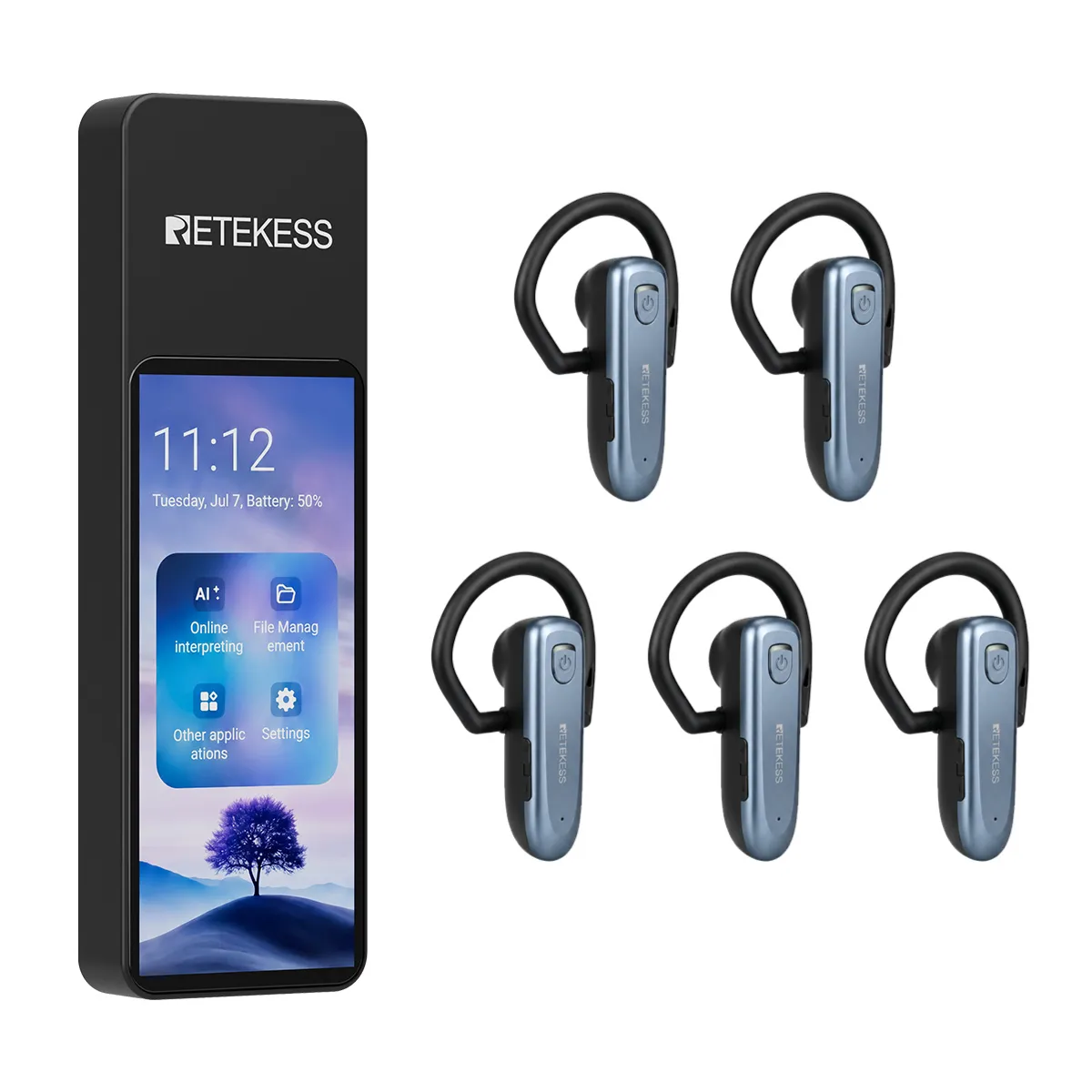
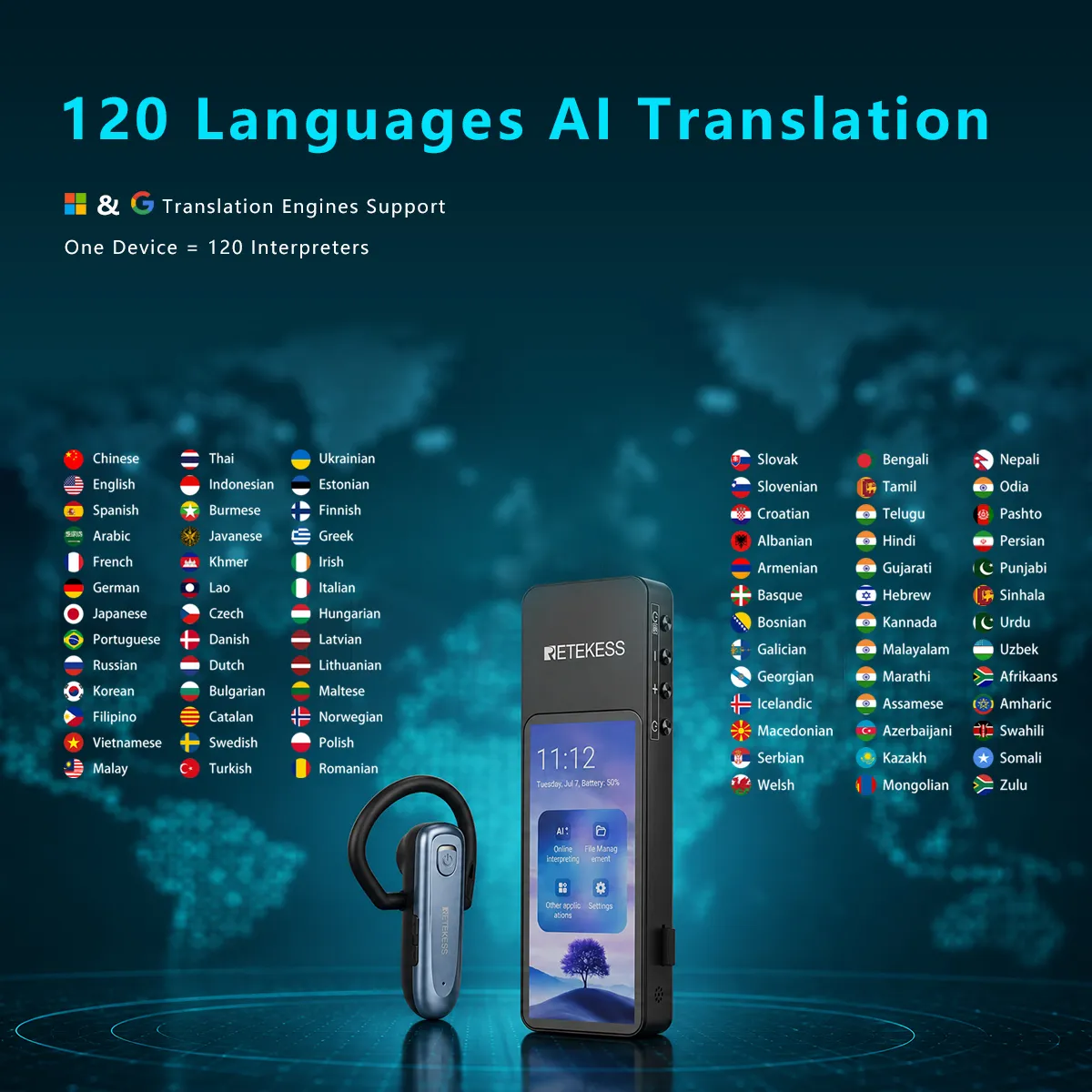
For international shows like IFA Berlin, multilingual support is no longer a nice-to-have — it’s a core part of inclusive trade show communication. While hiring professional interpreters works for high-priority meetings, it’s not scalable for general booth visitors. This is where tour guide translation systems add huge value. The Retekess TT136, for example, is a tour guide translation system built for multilingual events and exhibitions. It supports online translation for around 120 languages via Wi-Fi or mobile hotspot connection, so your team can speak naturally, and visitors hear the explanation in their preferred language in real time. The system supports both single and dual language broadcast modes, so you can run a tour in two languages simultaneously, or switch between languages for different visitor groups. For visitors from different countries, they simply select their language channel on the receiver and follow along without missing any details. This eliminates the need for multiple interpreters on site, reduces staffing costs, and makes your booth accessible to a much wider global audience. Beyond translation, the TT136 delivers stable wireless transmission with 2.4G technology, covering 150 to 200 meters — ideal for large exhibition halls and moving demos. It also offers long battery life: the transmitter lasts up to 20 hours on a single charge, and receivers run for around 13 hours. That means your team can use it for full show days without worrying about mid-day charging interruptions, keeping trade show communication running smoothly from opening to closing. Real-time interpretation removes one of the biggest barriers to global trade show communication.
Standardize Workflows for Different Visitor Types
Not all visitors have the same needs, and your trade show communication strategy should reflect that. Create clear, simple workflows for different visitor segments so your team knows exactly how to handle each interaction. For example:
- Casual walk-in visitors: Direct them to the next scheduled group demo.
- Potential buyers: Flag them for a one-on-one conversation with a sales team member after the demo.
- Media and press: Assign a dedicated PR or marketing contact to handle interviews and provide press materials, separate from the main demo flow.
- VIP guests: Schedule dedicated meeting times in advance, with a private demo space if possible. When everyone on the team follows the same process, you reduce confusion, cut down on interruptions, and make sure every visitor gets the right level of attention.
Final Thoughts on Elevating Trade Show Communication at IFA Berlin 2026
Success at IFA Berlin 2026 isn’t just about having a flashy booth or the latest products. It’s about making sure every visitor who walks into your space can hear, understand, and connect with your brand. Strong trade show communication turns casual passersby into interested prospects, and prospects into long-term customers. You don’t need a huge team or a massive budget to improve your booth interactions. By addressing the core pain points — noise, uneven traffic, language barriers, and split focus — with simple processes and the right tools, you can create a smoother, more engaging experience for everyone. For brands preparing for IFA Berlin and other large international exhibitions, investing in a reliable audio and translation system like the Retekess TT136 is a cost-effective way to solve multiple trade show communication challenges at once. It combines clear audio transmission, real-time multilingual support, and all-day battery life in a portable, easy-to-use package that works perfectly for busy show floors.
![[18th Anniversary] 18 Years of Echoing Excellence: Making Communication Easier, Connecting Trust Beyond Borders](https://res.retekess.com/z_file/20260716/retekess-brand-story-making-communication-easier_20260716151044_7682.jpg)
![[18 Years in Wireless Communication] Silent Disco Systems Anniversary Celebration: Top-Selling Headphones & Event Mechanics Revealed!](https://res.retekess.com/z_file/20260713/18-years-in-wireless-communication-silent-disco-systems-anniversary-celebration_20260713175011_5749.webp)
![[Anniversary Carnival] Ding-dong! 18th Anniversary Mega Sale on Guest Paging & Calling Systems: Full Reveal of 12+ Products & Promo Rules!](https://res.retekess.com/z_file/20260713/18th-anniversary-mega-sale-on-guest-paging-calling-systems_20260713175257_0295.webp)
![[Retekess 18th Anniversary Teaser] Tour Guide System Exclusive Perks: Sneak Peek at Event Dates & Mechanics!](https://res.retekess.com/z_file/20260713/retekess-18th-anniversary-tour-guide-system-exclusive-perks--2-_20260713180135_6435.webp)
Follow Us
Pay With


 Google
 Amazon
Comments (0)