
|
Aspect |
Traditional Group Yoga |
Silent Disco Yoga |
|
Distraction Level |
High (crowd noise, instructor volume variations, nearby practitioners) |
Low (immersive headphones block external noise) |
|
Community Feel |
Strong (shared energy, verbal cues from instructor) |
Balanced (shared movement, private audio experience) |
|
Privacy |
Low (instructor and others can see/hear your practice) |
High (private audio, less self-consciousness) |
|
Best For |
Social people who thrive on group energy |
People seeking focus, beginners, or those with anxiety |
Table of Contents
From Raving to Recovery: Using Silent Disco Technology for Silent Yoga Retreat
- Retekess
- Apr 25, 2026
National Health Interview Surveyreports that Use Of Yoga and Meditation Becoming More Popular in U.S. This shift reflects a growing need for accessible, low-pressure wellness tools.
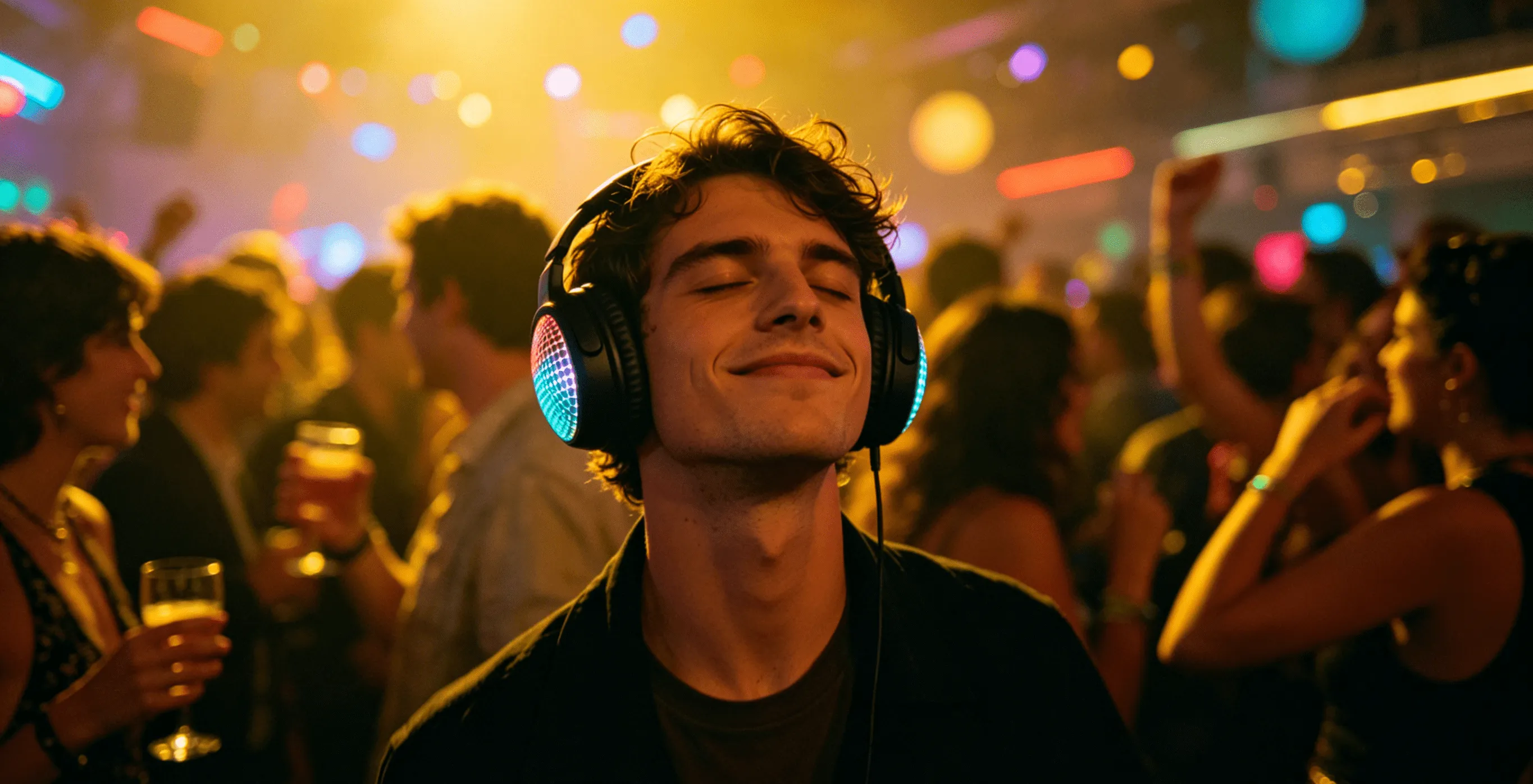
Silent raves were once synonymous with late-night energy. But today, that same silent disco technology is being reborn as a tool for calm, transforming how we practice mindful movement and heal from the chaos of daily life.
What if Silent Rave Headphones Could Heal Your Mind?
Across the US, silent yoga studios are popping up, silent retreats are incorporating immersive sound headphones, and people are ditching the post-rave crash for a practice that leaves them grounded, not drained. This isn’t just a trend—it’s a shift in how we use technology to nurture our minds and bodies, turning party gear into a pathway to recovery.
Where All Those Glowing Headphones Go After the Rave Ends?
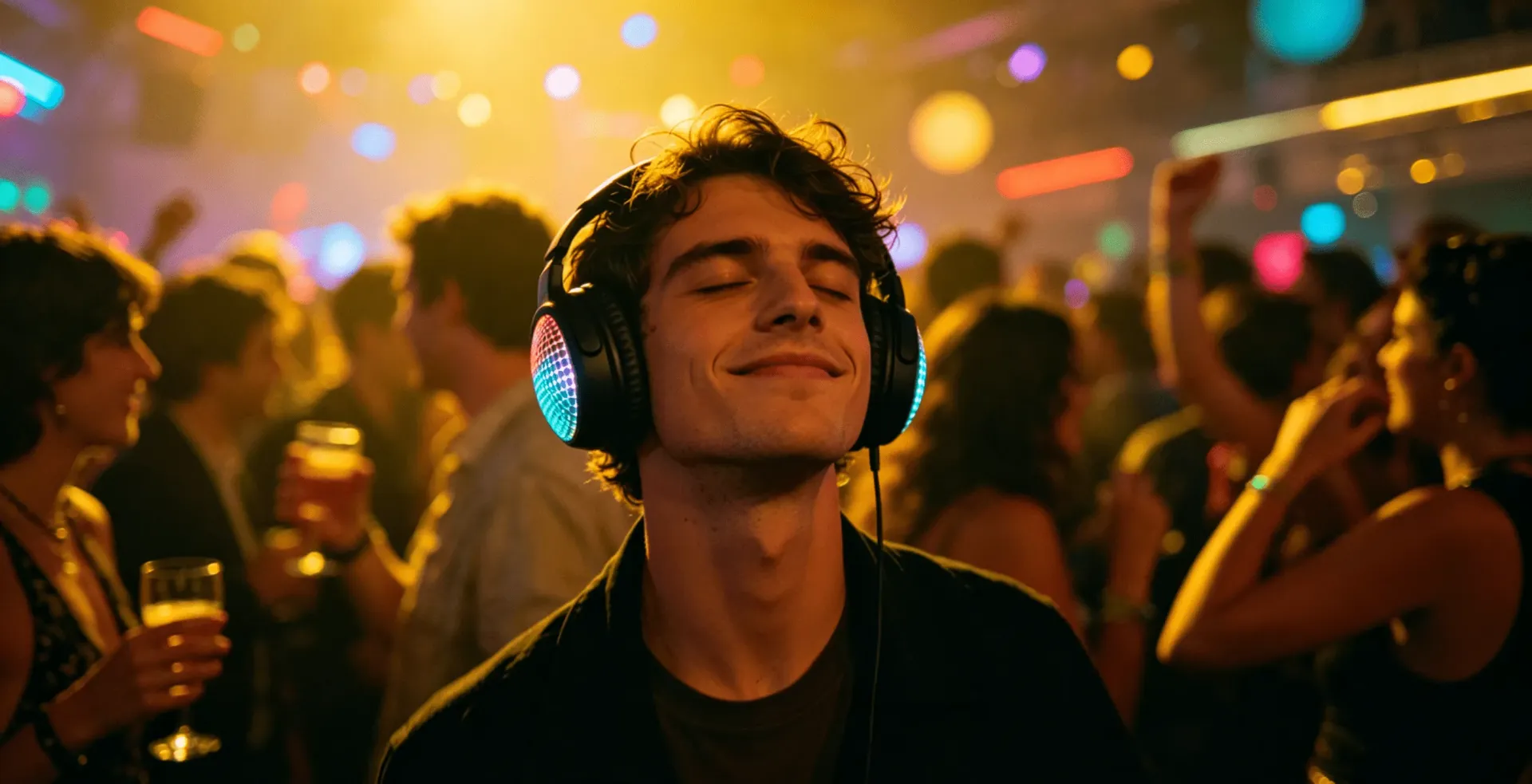
For a long time, silent disco technology lived in a very specific box. It was for parties or festivals. It was the quirky solution to noise complaints and the lifeblood of party entertainment. But something fascinating has been happening over the last few years. Those same headsets have been quietly sneaking into yoga studios, meditation halls, and even hospital therapy rooms. The technology that once helped us escape reality on the dance floor is now being used to help us reconnect with reality on a much deeper, more mindful level.
The Unexpected Second Life of Silent Disco Technology
This isn't just a gimmick. It's a full-blown wellness movement. Gone are the days of choosing between community and focus, between fun and relaxation. Silent disco technology bridges that gap, letting us enjoy group yoga without the distractions, silent retreats without the loneliness, and mindful movement without the pressure. People are discovering that the intimate isolation of headphone-based sound creates the perfect environment for healing. And if you've ever found yourself typing "how do u relax" or "how can i relax" into a search bar at 3 AM, this might just be the answer you didn't know you were looking for.
What Is Silent Retreat, Anyway?
Before diving into why silent yoga retreat is booming, let’s first unpack what it actually is. Understanding its core will help you see why it’s resonating so deeply with Americans seeking calm in a noisy world.
Defining Silent Yoga: More Than Just “Quiet Yoga”
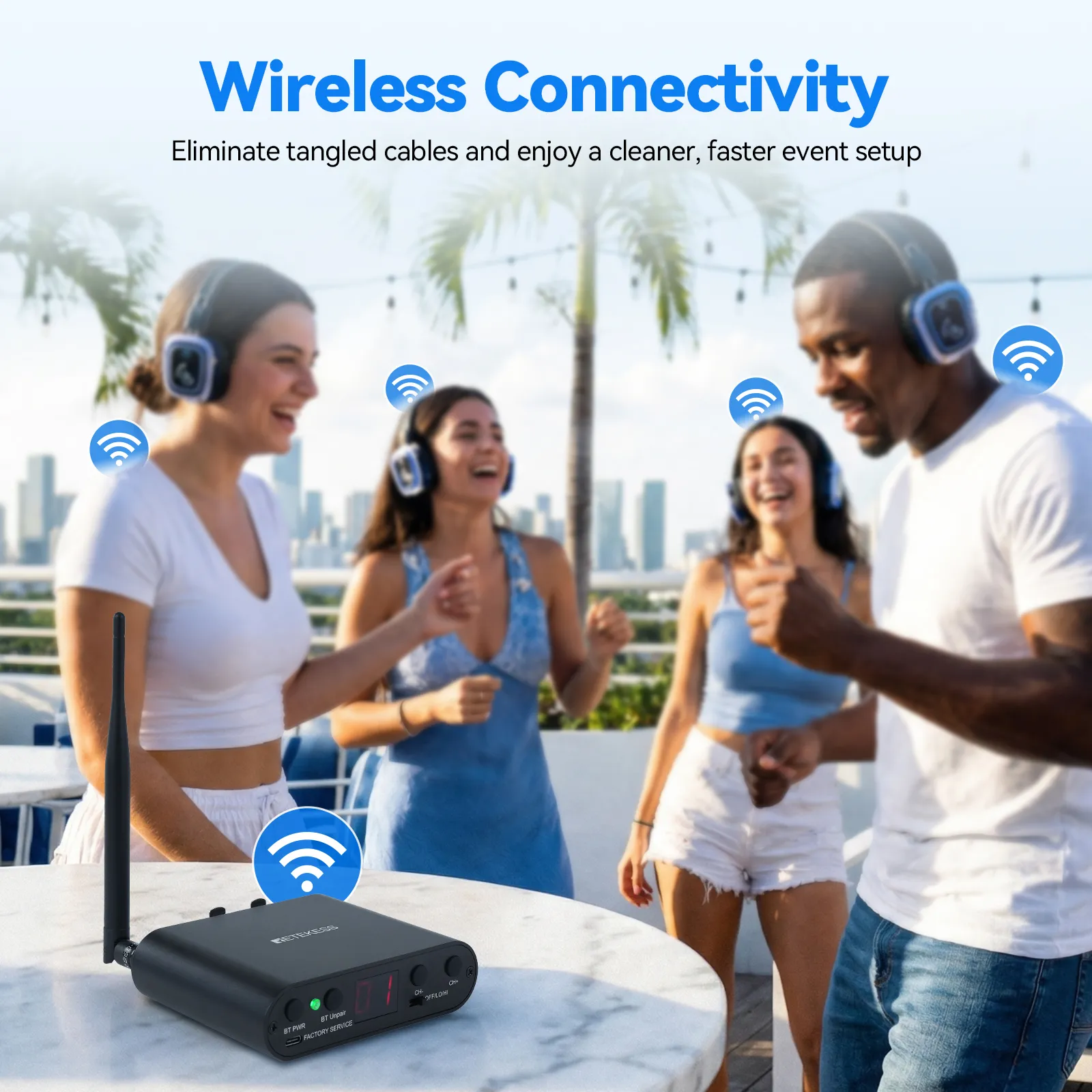
Silent yoga is exactly what it sounds like—yoga, but without the loud instructor voice or the hum of a crowded studio. Instead, you put on a pair of immersive sound headphones, and you get a private, guided practice that’s all about you. It’s group yoga, but with each person wearing immersive sound headphones, so you get the community feel without the chaos. It’s like being in a room full of people, but still having your own little bubble of calm.
Silent Disco Yoga vs. Group Yoga: Which Fits Your Relaxation Goals?
Many people confuse how silent yoga retreats work. You might be thinking, “Silent Disco Yoga vs. Group Yoga—what’s the big deal?” Let’s clear that up.
Why Silent Disco Yoga Hits Different?
How many times have you been in a group yoga class, trying to focus on your downward dog, only to get distracted by the person next to you’s heavy breathing or the instructor’s voice fading into the background? Silent yoga fixes that.
It gives you the best of both worlds: the community feel of group yoga, but the privacy and focus of a solo practice. You’re in a room with other people, all moving to the same guided instruction (via your headphones), but you don’t have to worry about distractions. It’s like being in a silent rave, but instead of dancing to pop music, you’re flowing through yoga poses to calm, soothing sounds.
How Does Silent Disco Technology Elevate Mindful Movement?
We live in a loud world. And I'm not just talking about traffic and construction. But the internal noise. The constant mental chatter. Finding activities for mental health that actually quiet that noise is incredibly difficult.
The Anatomy of a Silent Disco Yoga Session
The magic here is the signal-to-noise ratio. In a traditional group yoga class, you're competing with a dozen different distractions. The street noise is bleeding through the window. The instructor's voice is bouncing off the back wall with a slight echo that makes it hard to follow the cue. But with silent yoga, the instructor's voice is piped directly into the center of your head. The music surrounds you completely. You're in a room with thirty other people, and yet you feel like you're the only person in the universe.
Immersive Sound Headphones: The Answer to "How Do U Relax"?
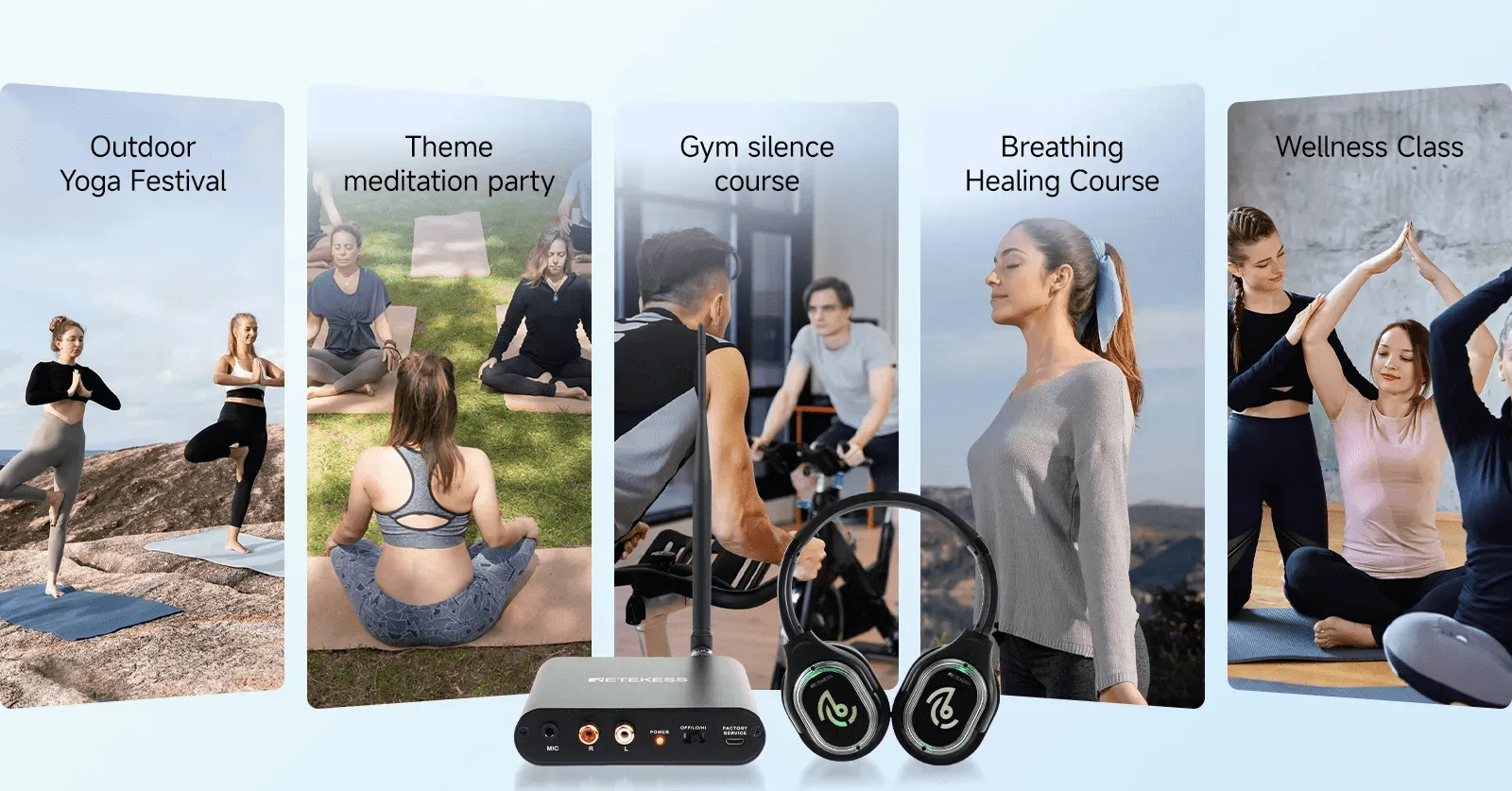
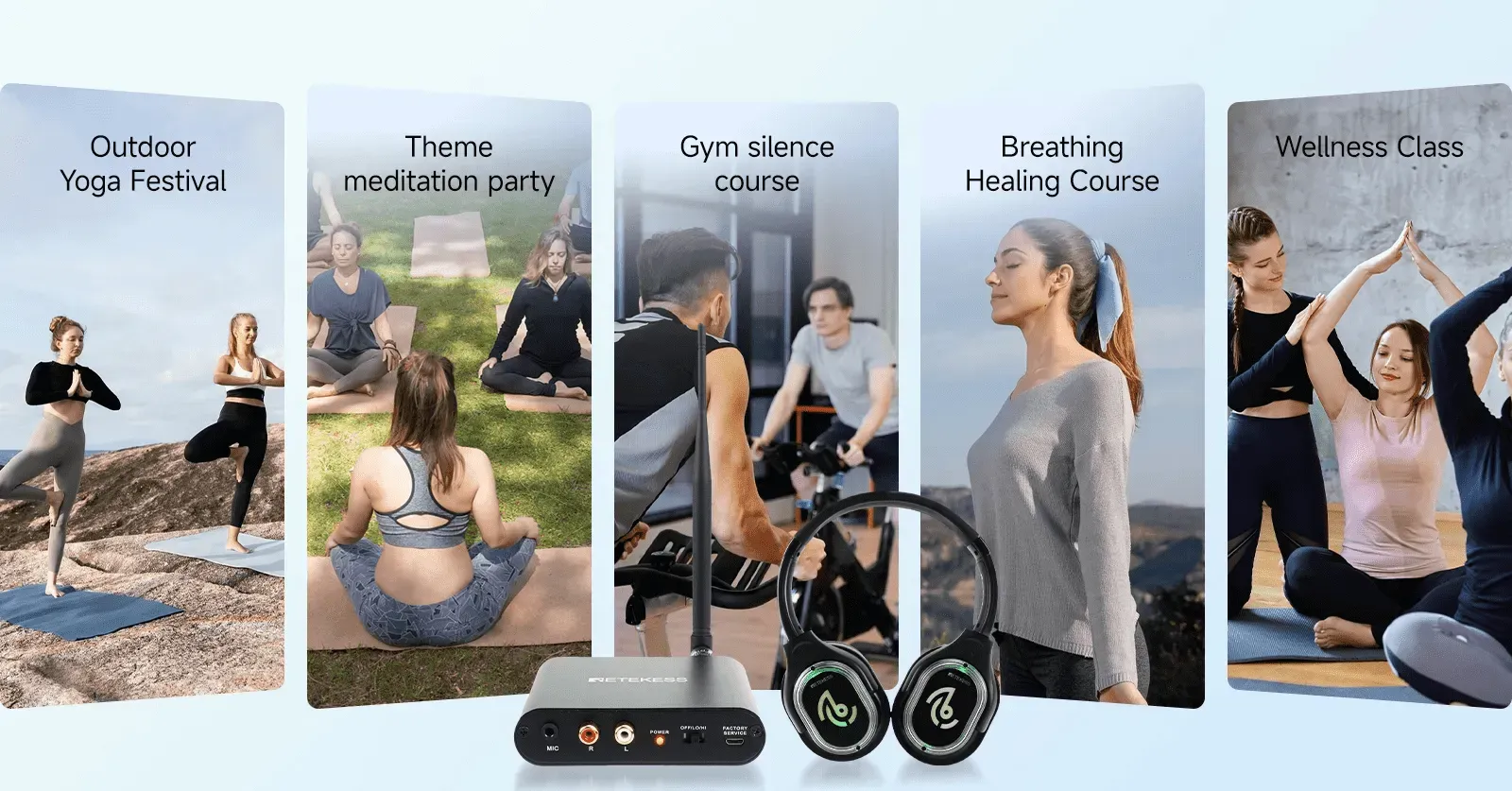
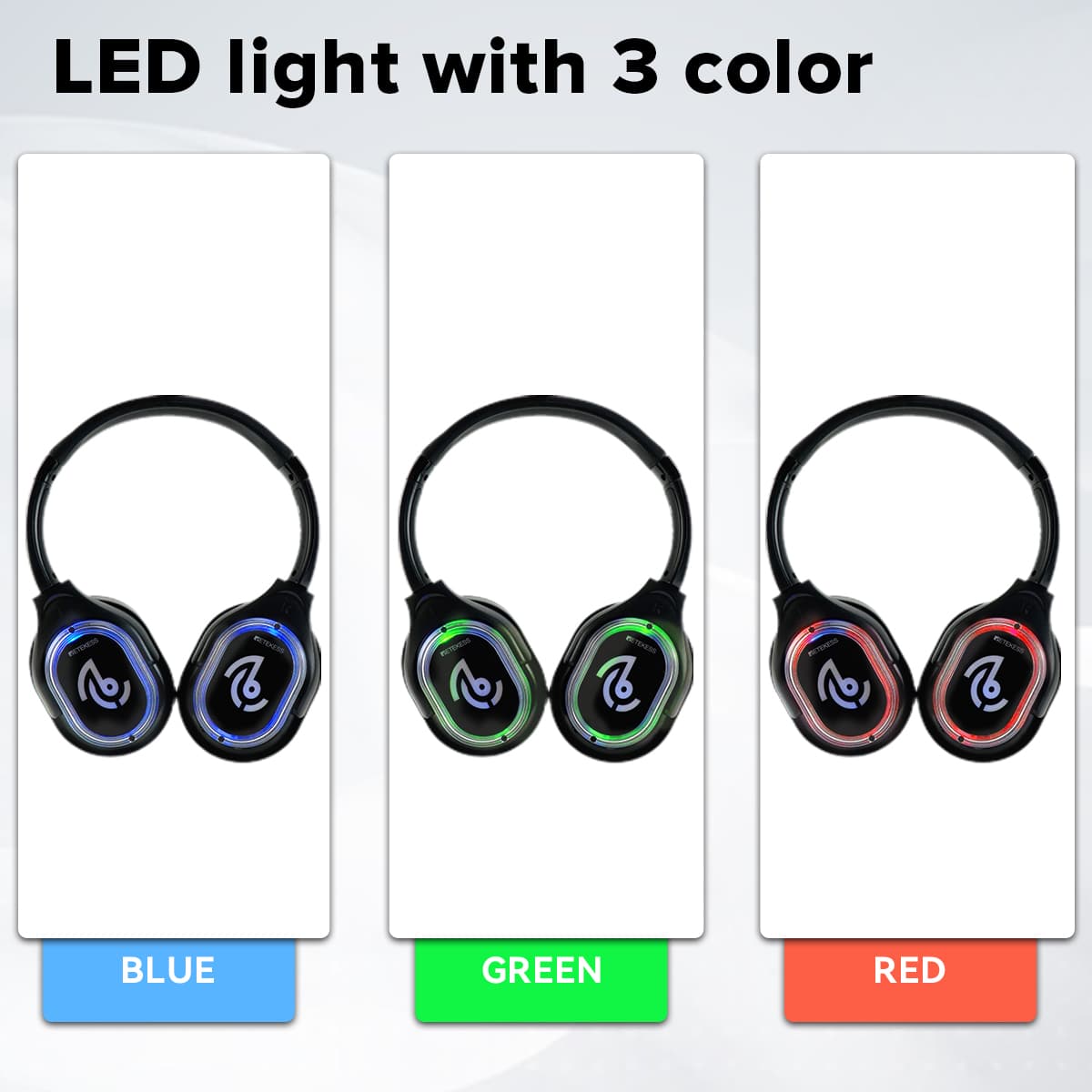
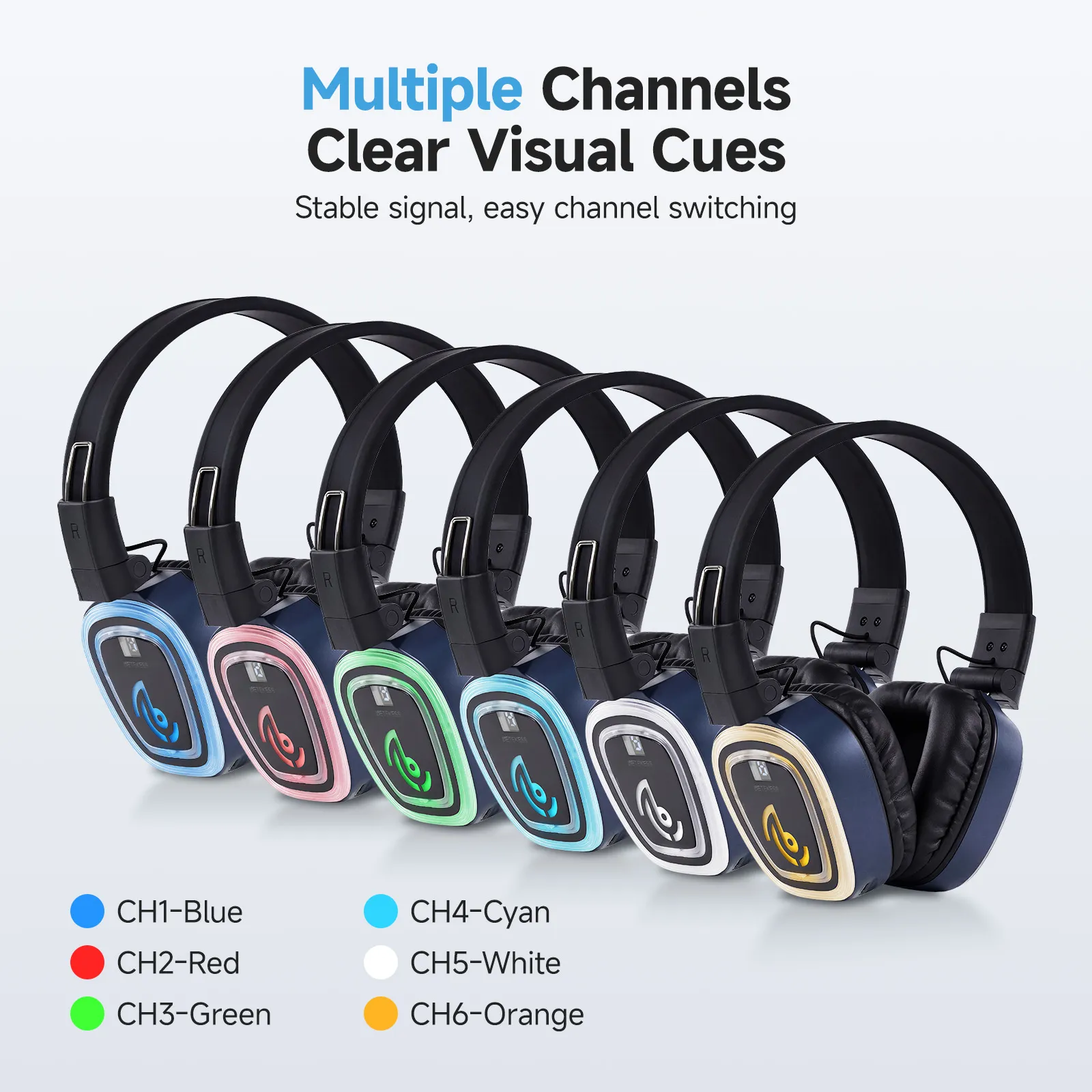
Silent yoga’s rise wouldn’t be possible without the silent disco technology. The magic is all about control—control over the sound you hear, control over your environment, and control over your focus. The immersive sound headphones block out external noise, so you can fully tune into your breath, your body, and the guided meditation or yoga instruction. Unlike regular headphones, these are designed to be comfortable for long sessions—no sore ears mid-sun salutation—and they deliver crisp, clear sound that makes you feel like the instructor is right there with you, even if you’re in a room full of people.
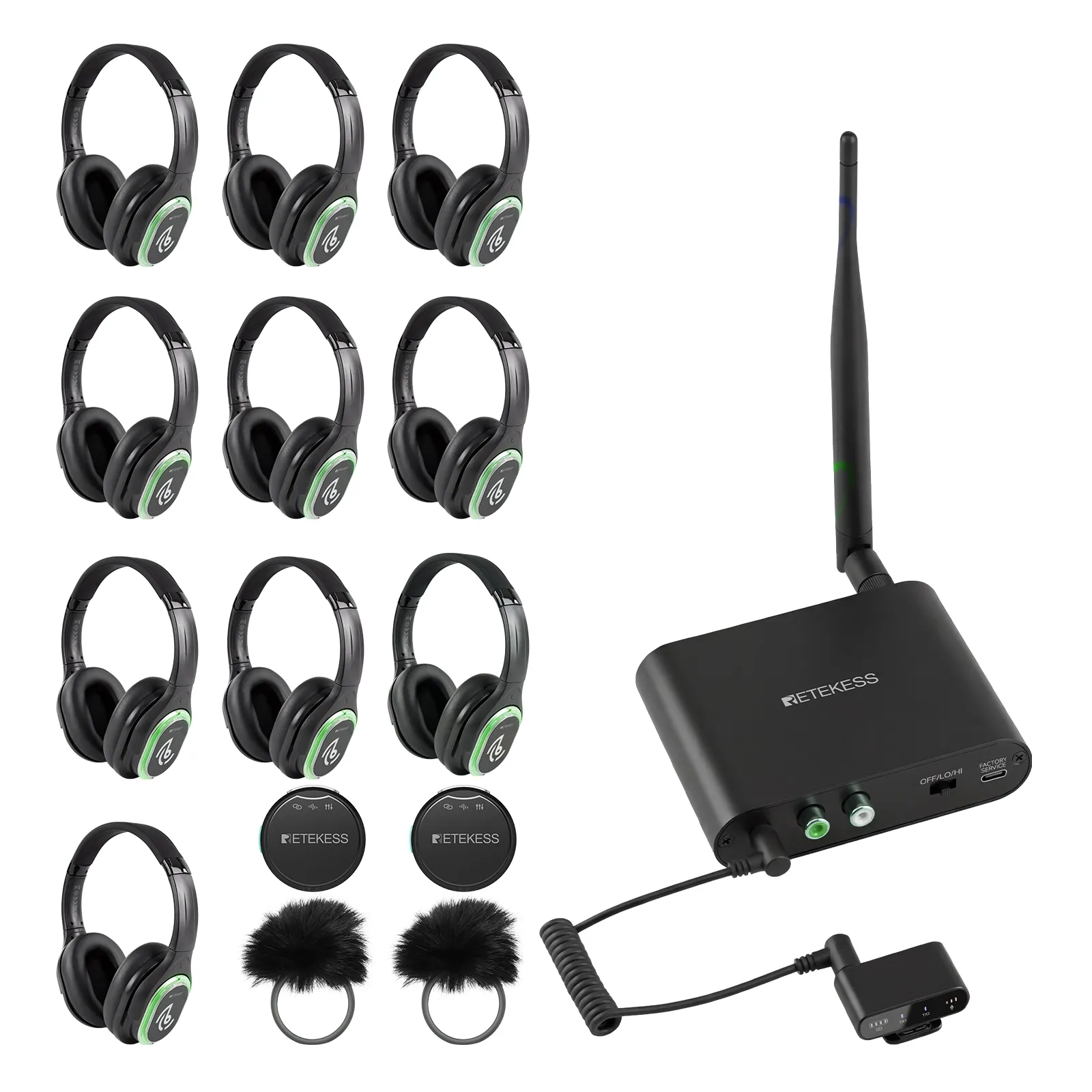
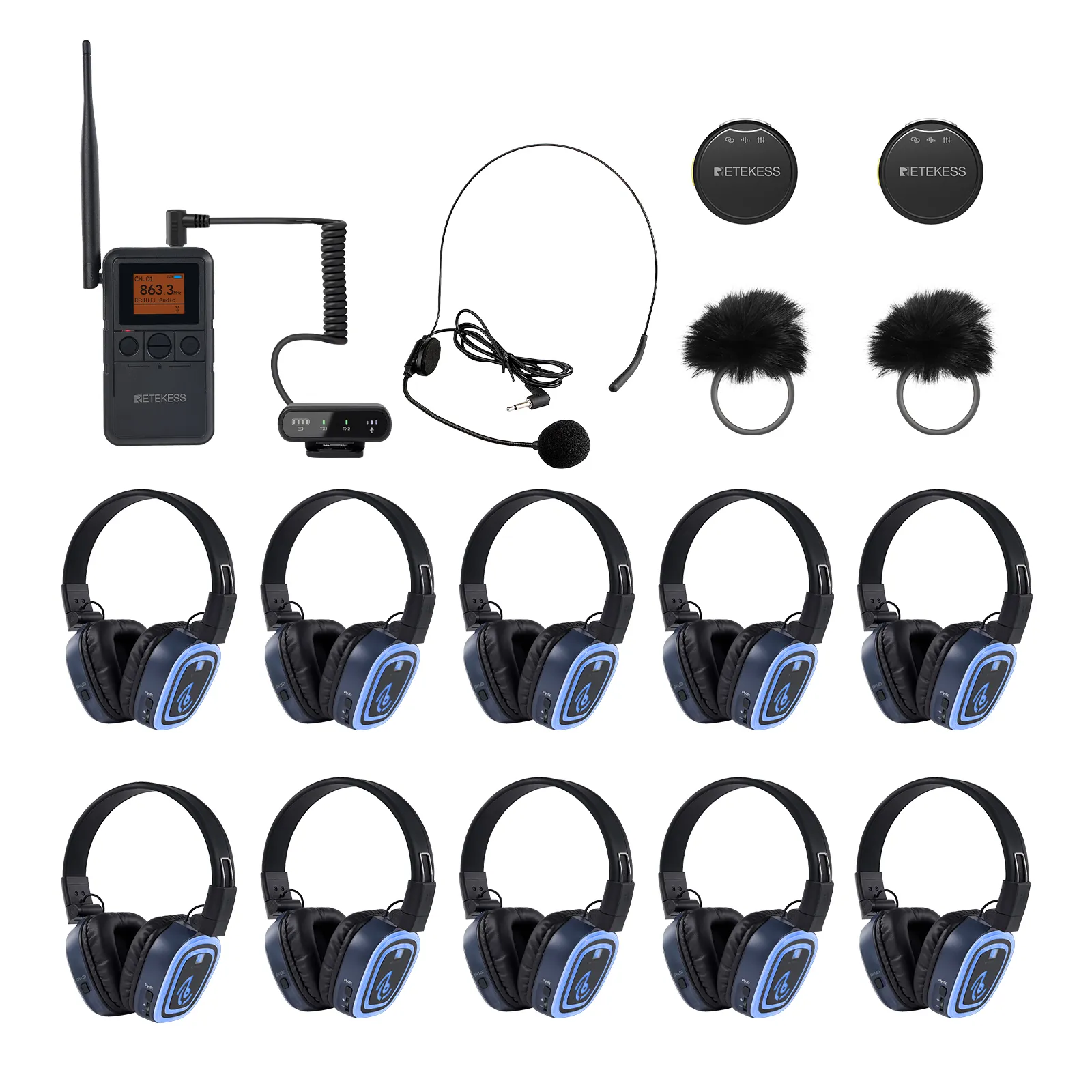
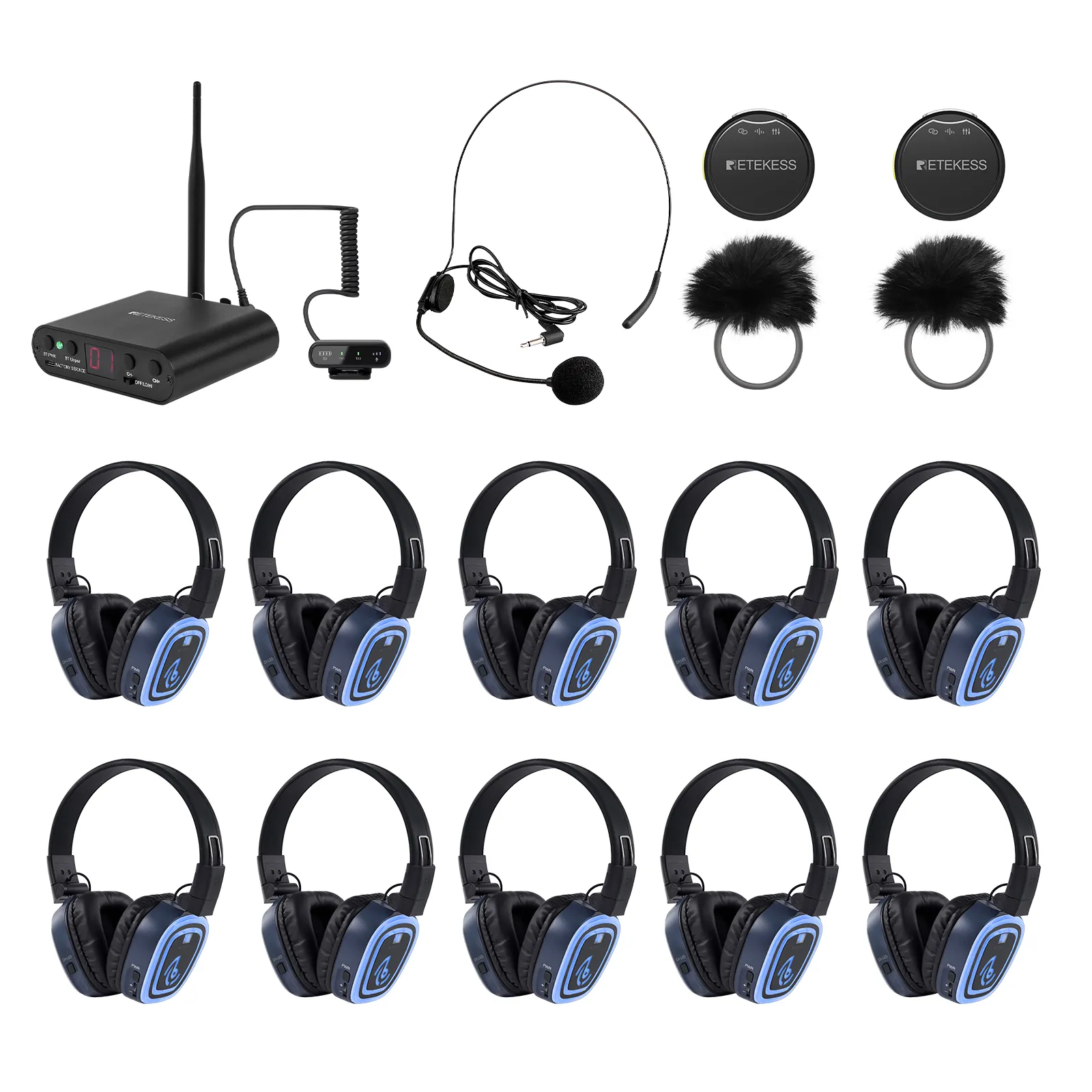
That’s where the Retekess TA004 Silent Disco System comes in. Designed for yoga studios, retreat centers, and wellness practitioners.
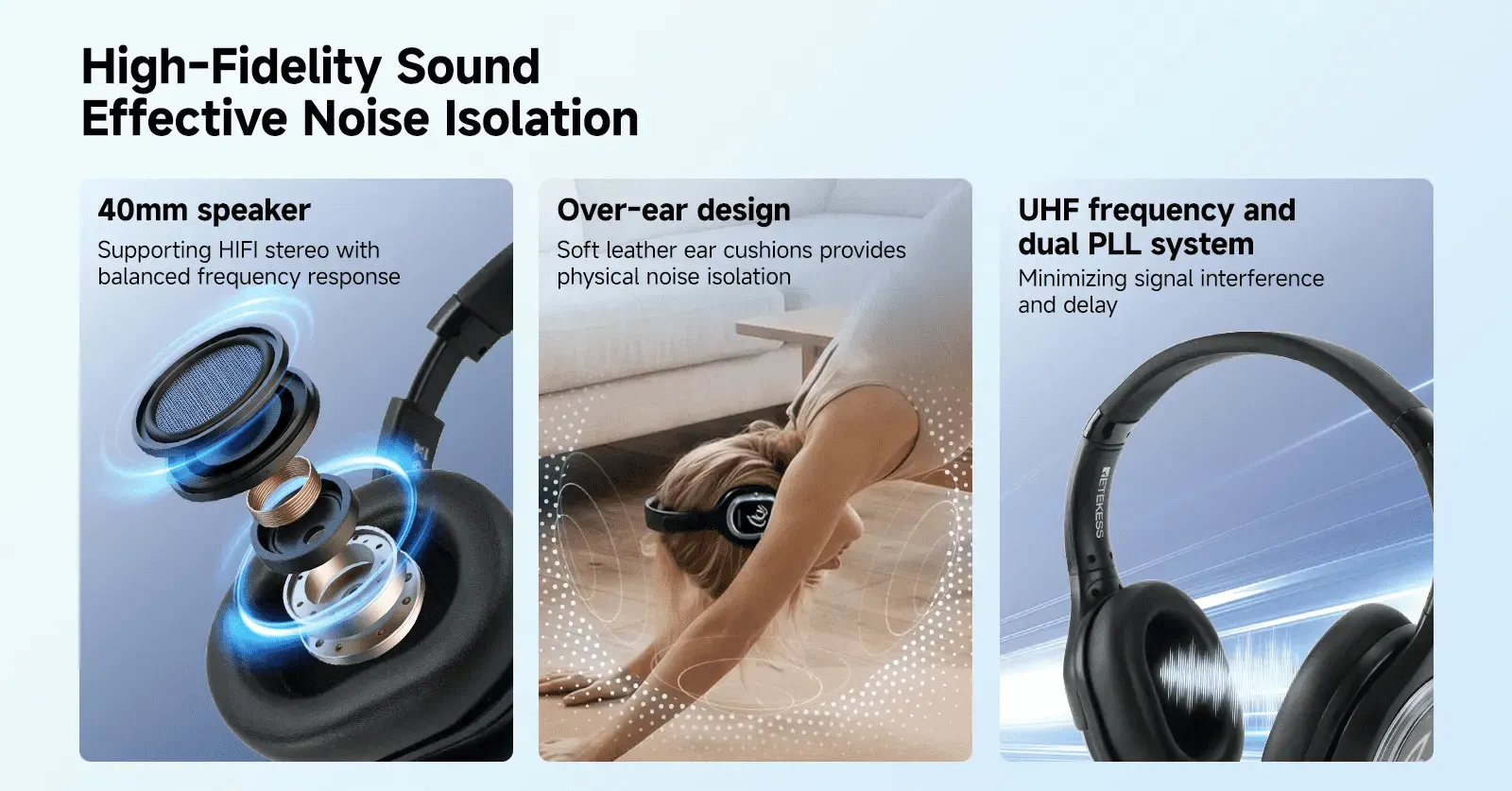
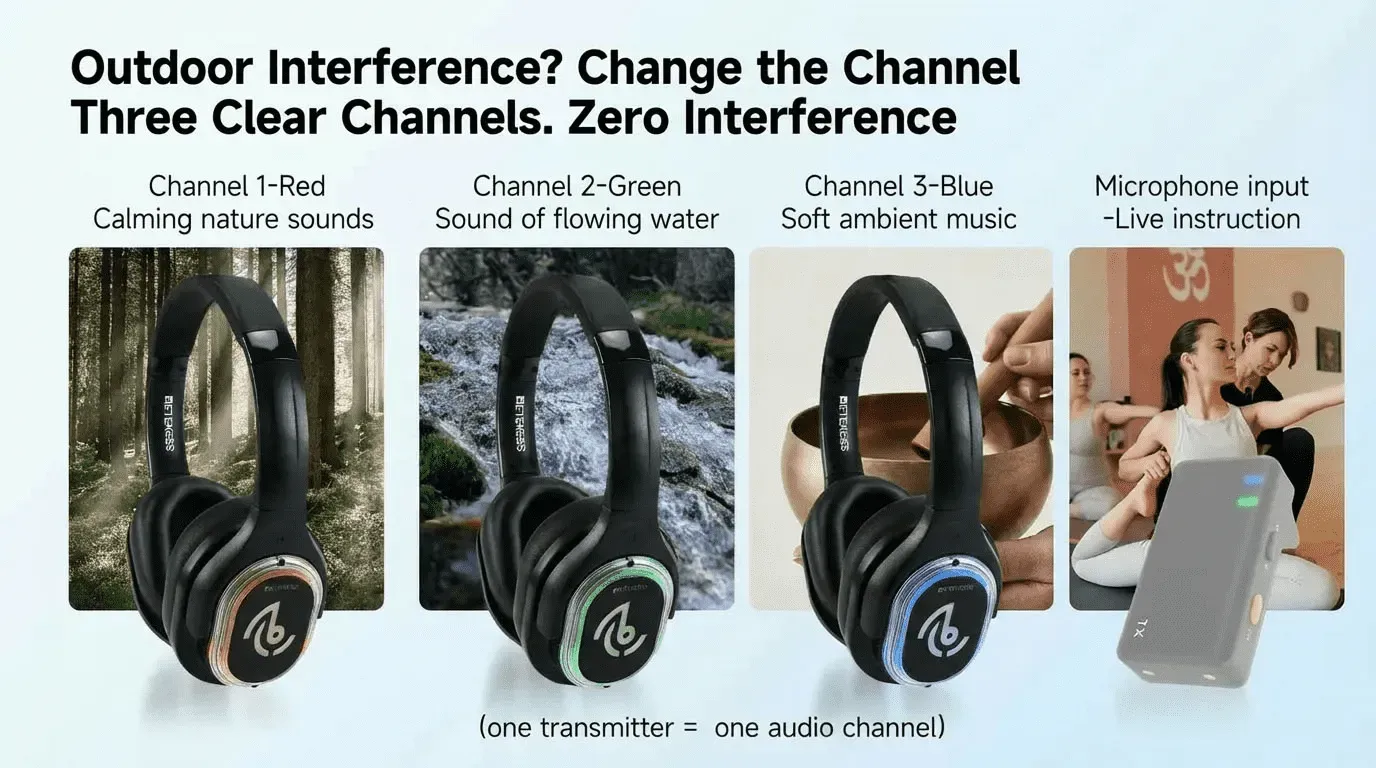
Check it out. your journey from raving to recovery starts with the right gear.
Conclusion: Your Journey From Raving to Recovery Starts Here
Can the Path to Inner Peace Really Be Paved with Wireless Headsets?
It seems almost contradictory, doesn't it? Using high-tech gear to find ancient stillness. Using the tools of the rave to find recovery. But maybe that's the beautiful, messy reality of being human in the 21st century.
From rave technology to wellness essential, silent disco has come a long way—and its impact on mindful movement and mental health is undeniable. The Silent Rave taught us that we could find community in isolation. Now, silent disco yoga and silent yoga practices are teaching us that we can find deep, restorative quiet in the middle of a bustling, modern world. The headphones don't disconnect us from reality. They filter out the noise so we can finally hear what's underneath. They allow us to hear our own breath. To feel our own heartbeat.
FAQs About Silent Disco Yoga and Mindful Movement
Q: Do I need to be good at yoga to try silent disco yoga?
Not at all. In fact, many people find it easier because you can focus entirely on the instructor's cues without visual distraction. It's perfect for beginners who might feel self-conscious in a traditional group yoga setting.
Q: What if I get distracted by the music during silent yoga?
That's the beauty of it. You control the volume. If the music is pulling you out of the meditation, you can turn it down. You can also usually switch channels if the event offers multiple audio streams. Some offer a purely instructional track with no music.
Q: How is this different from just doing a guided meditation on my phone?
It's the isolation factor. Phone speakers let in the world. Immersive sound headphones shut it out. This creates a much deeper sense of presence and reduces the cognitive load of filtering out background noise.
Q: Where can I find a silent disco yoga class or silent retreat near me?
Search for "silent disco yoga" or "silent yoga retreat" plus your city name. Check local yoga studio schedules, community center bulletins, and event platforms like Eventbrite or Humanitix.
Q: Can silent disco technology really help with serious stress or anxiety?
While it's not a replacement for professional therapy, the evidence from hospital programs and academic research strongly suggests that this technology can be an effective complementary tool for stress reduction and emotional regulation. Studies on 3D sound and heart rate variability confirm that immersive audio has measurable physiological effects on the body's relaxation response. Always consult with a healthcare provider for personalized mental health advice.
Leave a Reply
![[18th Anniversary] 18 Years of Echoing Excellence: Making Communication Easier, Connecting Trust Beyond Borders](https://res.retekess.com/z_file/20260716/retekess-brand-story-making-communication-easier_20260716151044_7682.jpg)
![[18 Years in Wireless Communication] Silent Disco Systems Anniversary Celebration: Top-Selling Headphones & Event Mechanics Revealed!](https://res.retekess.com/z_file/20260713/18-years-in-wireless-communication-silent-disco-systems-anniversary-celebration_20260713175011_5749.webp)
![[Anniversary Carnival] Ding-dong! 18th Anniversary Mega Sale on Guest Paging & Calling Systems: Full Reveal of 12+ Products & Promo Rules!](https://res.retekess.com/z_file/20260713/18th-anniversary-mega-sale-on-guest-paging-calling-systems_20260713175257_0295.webp)
![[Retekess 18th Anniversary Teaser] Tour Guide System Exclusive Perks: Sneak Peek at Event Dates & Mechanics!](https://res.retekess.com/z_file/20260713/retekess-18th-anniversary-tour-guide-system-exclusive-perks--2-_20260713180135_6435.webp)
Follow Us
Pay With


 Google
 Amazon
Comments (0)