
Table of Contents
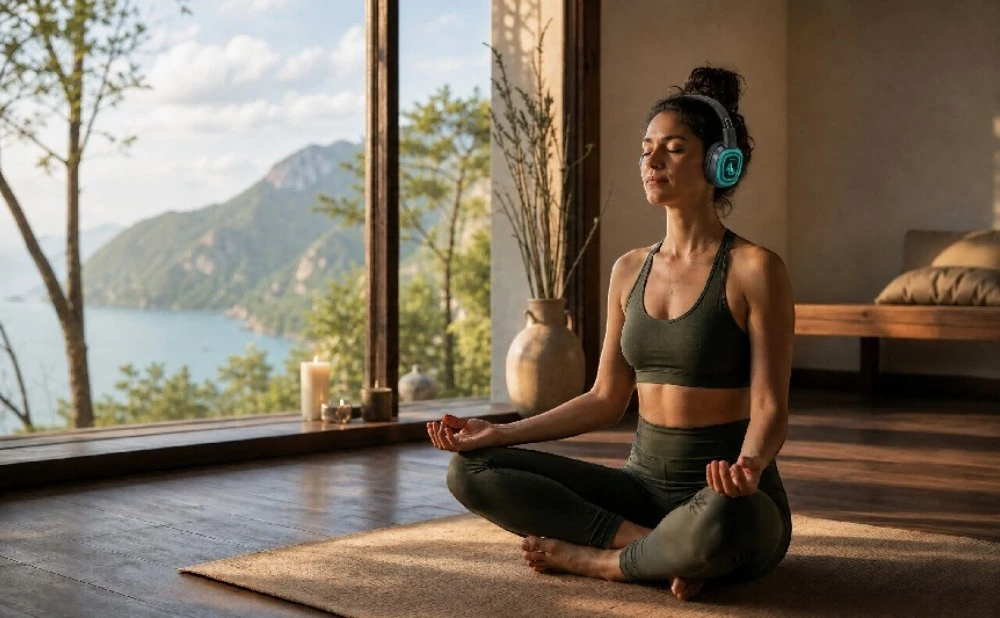
The Future of Yoga: How Personal Audio Is Transforming Meditation and Mindfulness Practice
- Retekess
- Aug 22, 2026
Common Barriers to Regular Yoga and Meditation
Most people who try to build a regular mindfulness practice run into the same set of obstacles. These barriers stop many people from sticking with yoga and meditation long term.
Nonstop Environmental Distractions
Environmental distractions rank as the number one challenge. Most people do not have access to a fully quiet, dedicated practice space at home. Neighbor noise, traffic sounds, household appliances, and family members moving around break focus constantly. People spend half their practice time waiting for quiet instead of settling into the moment. Outdoor practice brings its own distractions, from wind and traffic to passing crowds. Many people assume they cannot practice effectively without a perfectly silent room.
One-Size-Fits-All Studio Classes
One-size-fits-all studio classes work for some people, but they do not match every individual’s needs. Instructors set a fixed pace, choose fixed music, and follow a set sequence. Students with different experience levels, different breath rhythms, or different preferences often feel out of step. Some move too fast and risk strain. Others feel bored and unchallenged. For people with social anxiety, group classes can feel stressful instead of calming, which defeats the purpose of the practice.
Flat Audio Fails to Build Immersive Calm
Lack of immersive atmosphere also limits results. Plain laptop speakers or phone audio deliver thin, flat sound that does little to shift mental state. Guided instructions feel distant instead of present. Ambient background music fails to create a sense of calm. Many people struggle to move from busy, stressed thinking into a relaxed, focused state because the audio experience does not support that shift. This makes meditation feel harder and less rewarding than it should be.
Rigid Schedules Limit Consistency
Strict location and time requirements make consistency difficult. Traditional studio classes run at set times in set locations. People with busy work schedules, care responsibilities, or frequent travel often cannot make those times work. Even 10 minutes of daily practice brings clear benefits, but many people skip sessions because they cannot get to a studio or create the right environment at home.
How Personal Audio Reinvents Mindfulness Practice
Personal audio devices address every one of these barriers directly. They turn almost any space into a suitable practice environment, and put full control of the experience in the hands of the practitioner. This shift is what makes personal audio such a central part of the future of yoga and meditation.
Instant Focus Space, Anywhere You Go
First, personal audio creates an instant quiet space anywhere. A good pair of audio devices blocks out surrounding noise the moment you put them on. Traffic, household noise, office chatter, and café background sound all fade away. Practitioners do not need a silent room to get into a focused state. They can set up for yoga on their living room floor, meditate at their desk during lunch, or practice breathing exercises on a busy commute. The practice travels with the person, instead of requiring the person to travel to the practice.
Fully Customized Practice on Your Terms
Second, personal audio enables fully customized practice. People can choose exactly the instructor, style, music, and duration that fit their mood and needs that day. A gentle stretching session in the morning, a focused midday breathing exercise, and a deep guided meditation at night all work with the same device. Practitioners can pause, rewind, and adjust volume whenever they want. There is no pressure to keep up with a class, and no judgment from other people. This flexibility makes practice more accessible to beginners and more satisfying for experienced practitioners.
Deeper Immersion for Better Results
Third, high-quality personal audio creates deeper immersion and better results. Clear, spatial sound wraps the practitioner in guidance and ambient sound, instead of playing it flat from a distance. This level of immersion helps the brain shift out of busy, thinking mode faster. Guided instructions feel present and supportive. Nature sounds, singing bowls, and soft music feel real and enveloping. People report settling into calm faster, staying focused longer, and leaving sessions feeling more restored when they use high-quality personal audio.
Easy Consistency for Busy Schedules
Finally, personal audio makes consistent practice much easier. Sessions can fit into small gaps in the day: 10 minutes before work, 15 minutes on a lunch break, 20 minutes while traveling. There is no commute to a studio, no scheduling around class times, and no need to set up special equipment. People are far more likely to stick with a mindfulness habit when it fits into their existing routine, instead of requiring big changes to their day.
Key Features That Elevate Yoga and Meditation Audio
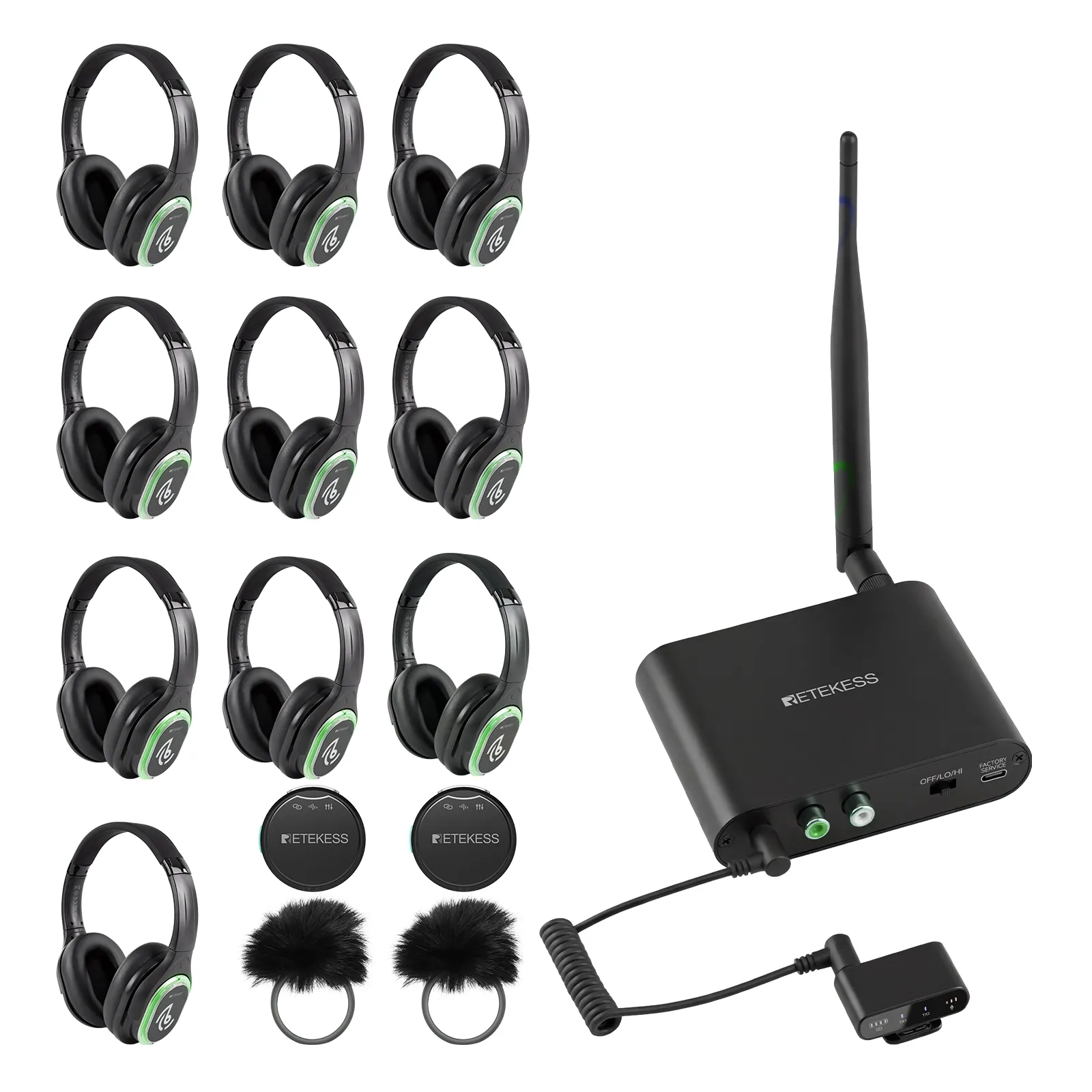
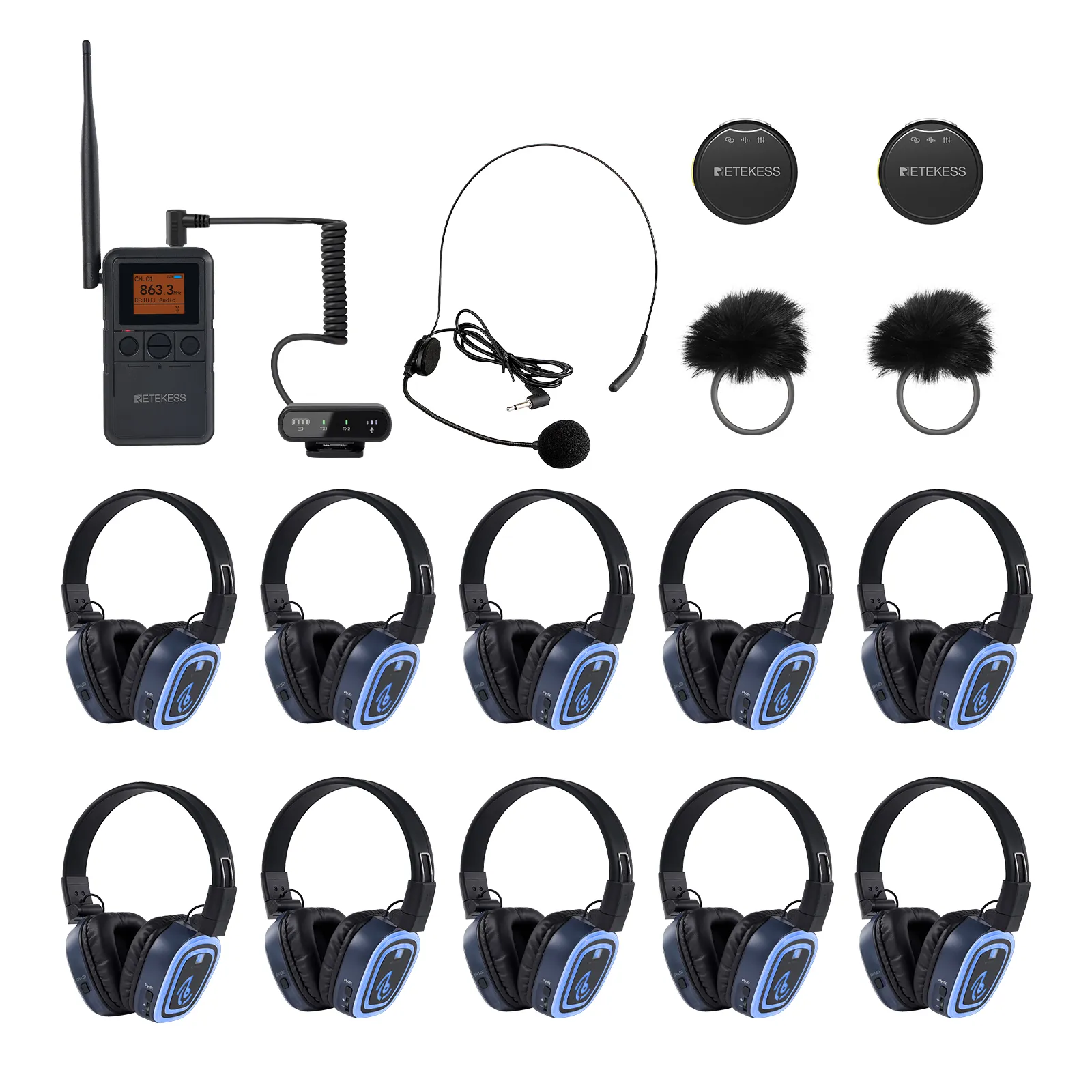
Not all personal audio devices work well for yoga and meditation. The best options combine specific features that support calm, focus, and immersion. The Retekess personal audio system is designed with mindfulness practice in mind, with two core features that set it apart.
Noise Cancellation for Distraction-Free Practice
Noise Cancellation forms the foundation of effective on-the-go practice. The technology actively reduces low and mid-frequency background sound, from traffic rumble to office chatter to home appliance noise. Practitioners do not need to turn volume up high to cover outside sound. They can listen at comfortable, gentle levels and still hear guidance clearly. This feature is what makes practice possible in non-ideal spaces, and what protects hearing comfort during long, repeated sessions.
Immersive Audio for Deeper Calm
Immersive Audio takes the practice experience to the next level. The technology creates a spatial, three-dimensional sound field that feels like the audio surrounds the listener. Guided voices feel close and calm, not distant or tinny. Ambient soundscapes like rain, forest wind, or ocean waves feel like the practitioner is actually in that environment. This level of immersion helps people enter a meditative state much faster, and makes each session feel more restorative.
Light, comfortable design also matters for yoga use. Devices stay secure during movement and stretching, and feel comfortable even during long meditation sessions. Simple physical controls let practitioners adjust volume or switch tracks without opening their eyes or breaking their focus. Long battery life supports daily use without frequent charging.
Personal Audio Works for Every Practice Scenario
Personal audio supports mindfulness across every part of daily life. At home, it turns a corner of a bedroom or living room into a dedicated practice space, even with other people in the house. In the office, it makes short midday meditation breaks possible without needing a separate quiet room. Outdoors, it cuts through wind and traffic noise so practitioners can connect with nature without distraction. While traveling, it brings familiar practice routines to hotel rooms, airport lounges, and train rides.
The format also supports both guided and unguided practice. People can use it with meditation apps, yoga instruction videos, ambient music, or simple white noise. It works equally well for gentle restorative yoga, more active flow classes, and silent seated meditation.
Final Thought
The future of yoga and mindfulness does not lie in bigger studios or more expensive equipment. It lies in making practice more accessible, more personal, and more integrated into regular daily life. Personal audio technology removes the most common barriers to consistent practice, gives people full control over their experience, and delivers deeper, more immersive sessions. As more people build mindfulness into their everyday routines, personal audio will continue to be one of the most important tools for making that habit stick.
Leave a Reply
![[18th Anniversary] 18 Years of Echoing Excellence: Making Communication Easier, Connecting Trust Beyond Borders](https://res.retekess.com/z_file/20260716/retekess-brand-story-making-communication-easier_20260716151044_7682.jpg)
![[18 Years in Wireless Communication] Silent Disco Systems Anniversary Celebration: Top-Selling Headphones & Event Mechanics Revealed!](https://res.retekess.com/z_file/20260713/18-years-in-wireless-communication-silent-disco-systems-anniversary-celebration_20260713175011_5749.webp)
![[Anniversary Carnival] Ding-dong! 18th Anniversary Mega Sale on Guest Paging & Calling Systems: Full Reveal of 12+ Products & Promo Rules!](https://res.retekess.com/z_file/20260713/18th-anniversary-mega-sale-on-guest-paging-calling-systems_20260713175257_0295.webp)
![[Retekess 18th Anniversary Teaser] Tour Guide System Exclusive Perks: Sneak Peek at Event Dates & Mechanics!](https://res.retekess.com/z_file/20260713/retekess-18th-anniversary-tour-guide-system-exclusive-perks--2-_20260713180135_6435.webp)
Follow Us
Pay With


 Google
 Amazon
Comments (0)