
Table of Contents
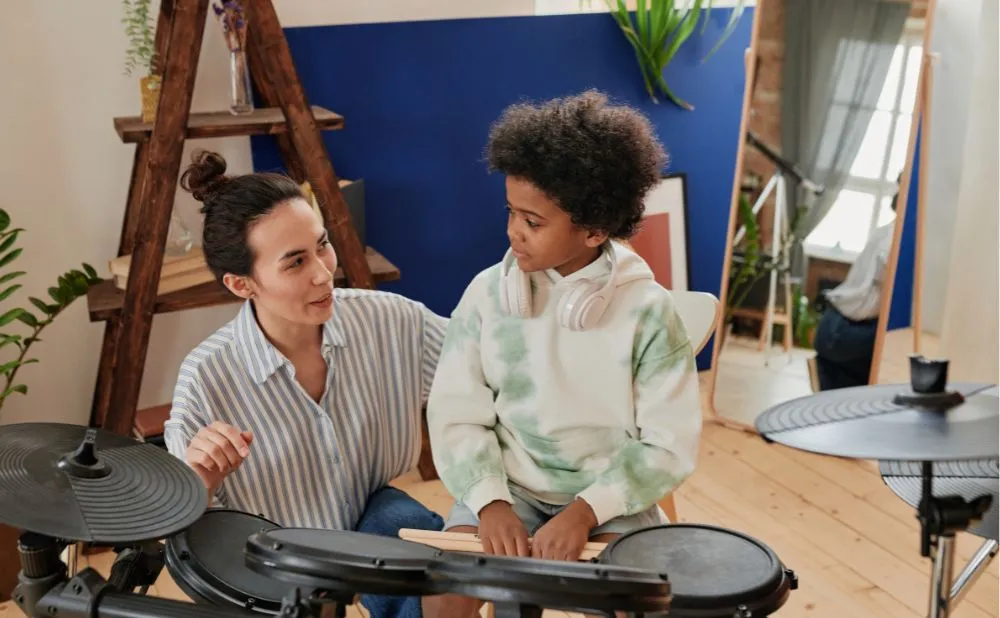
How Silent Disco Headphones Are Revolutionizing Special Education
- Retekess
- May 20, 2026
When most people think of a "silent disco," they picture neon lights, crowded festivals, and people dancing in seemingly dead silence to music only they can hear. It’s an iconic image of modern entertainment. But over the last few years, an unexpected and profoundly moving shift has occurred. Educators, occupational therapists, and neurodevelopmental specialists are taking this exact same technology out of the music festivals and placing it directly into the classroom.
For students with diverse learning needs—specifically those with Autism Spectrum Disorder (ASD), Post-Traumatic Stress Disorder (PTSD), and Emotional and Behavioral Disorders (EBD)—the traditional classroom can be a sensory minefield. The scratching of pencils, the humming of fluorescent lights, a classmate tapping a foot, or an abrupt school bell can trigger profound anxiety, sensory overload, or behavioral meltdowns.
By leveraging the unique architecture of multi-channel wireless headphone systems, schools are creating highly customizable, deeply supportive, and inclusive learning environments. Let’s dive deep into how silent disco technology is being reframed as a game-changing tool for neurodivergent and trauma-impacted students.
The Sensory Challenge of the Modern Classroom
To understand why silent disco headphones work so well, we first have to understand the daily reality of a student with sensory or emotional vulnerabilities.
In a standard educational environment, ambient noise levels frequently fluctuate. For a neurotypical student, the brain has an organic filtering mechanism that treats background chatter or traffic outside as "white noise," allowing them to focus on the teacher’s voice.
However, for individuals with sensory processing differences, this filter is often absent or compromised. Every single sound arrives at the exact same volume and importance.
The Autism Perspective: A sudden sound isn't just loud; it can be physically painful, leading to a state of high alarm or sensory shutdown.
The PTSD Perspective: Unpredictable acoustic environments keep the nervous system in a state of hypervigilance—constantly scanning the room for threats, leaving very little cognitive bandwidth for actual learning.
The EBD Perspective: Accumulative noise leads to emotional frustration. When a student cannot escape the chaotic soundscape, that frustration frequently manifests as disruptive behavior, emotional outbursts, or defiance.
This is where silent disco technology steps in, serving not just as a barrier to sound, but as an active, controlled auditory bridge.
Autism Spectrum Disorder (ASD): Tailoring the Sensory Inflow
Autistic students frequently deal with hyper-reactivity to sensory input. Standard noise-canceling headphones are a common accommodation, but they are purely passive—they simply block the world out. Silent disco headphones introduce a dynamic upgrade: the ability to swap between multiple wireless channels while maintaining a direct, high-fidelity link to the instructor.
1. Micro-Classrooms and Differentiated Learning
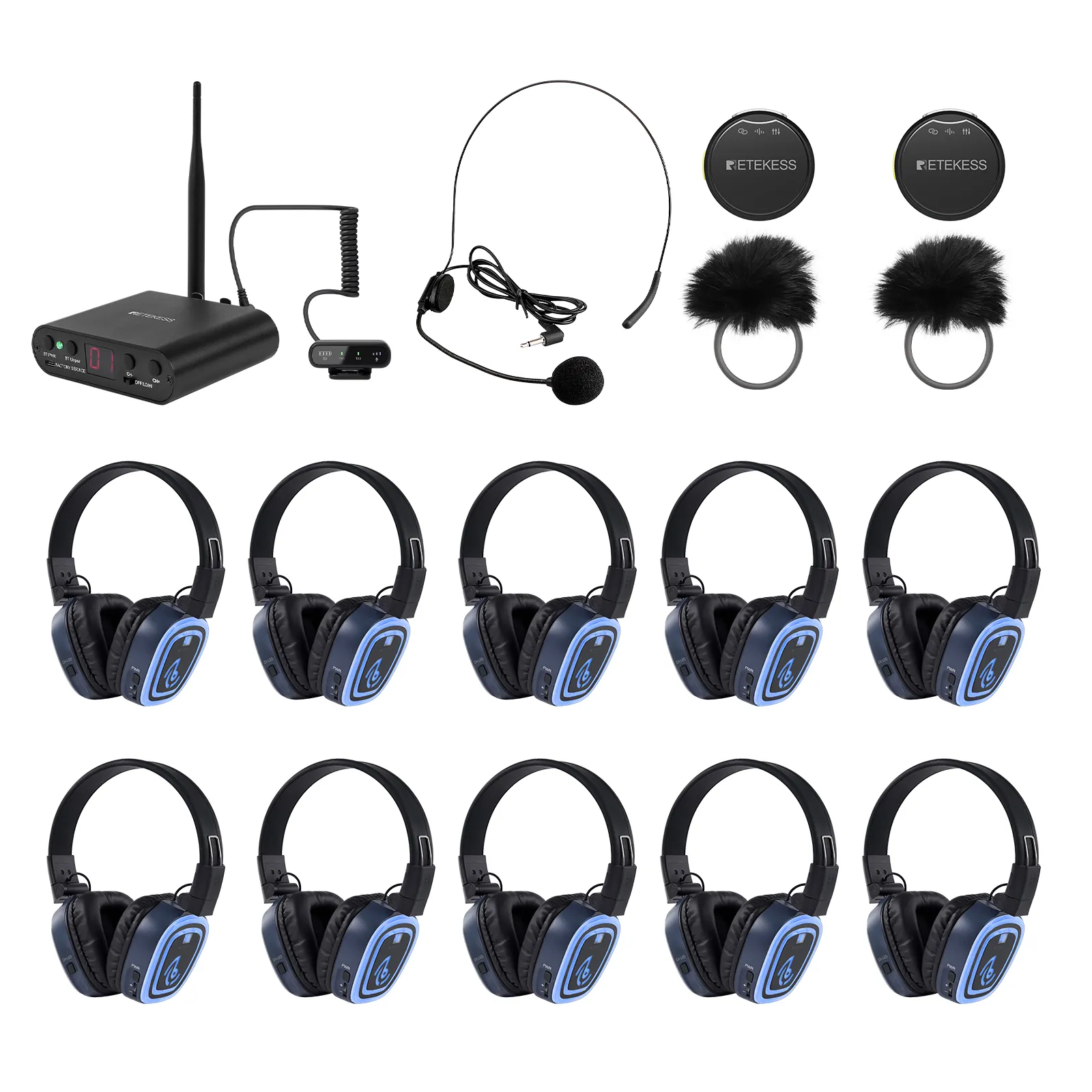
Silent disco systems typically feature transmitters that can broadcast on 3 to 4 distinct channels simultaneously. In an inclusive or special education classroom, a teacher can divide the room into distinct learning stations:
Channel 1: Direct teacher instruction via a wireless lapel microphone.
Channel 2: Calming ambient music or pink noise to facilitate independent reading.
Channel 3: Guided interactive software audio for a small group working on tablets.
Instead of needing separate rooms for these activities, students stay in the same physical space but operate in their own specialized acoustic zones. This prevents the "clash of audio" that typically happens when multiple groups work simultaneously in a single room.
Overcoming the "Isolation Factor"
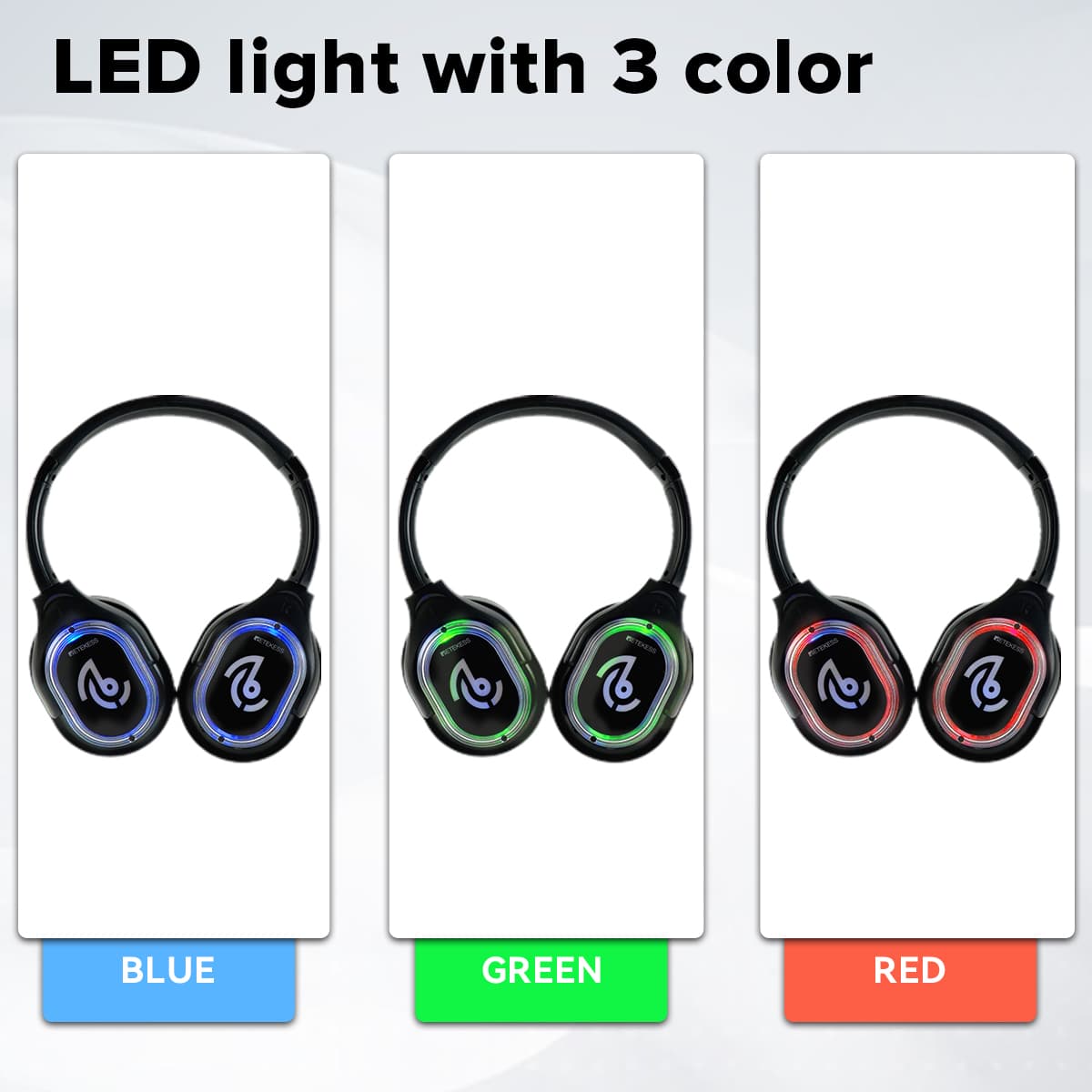
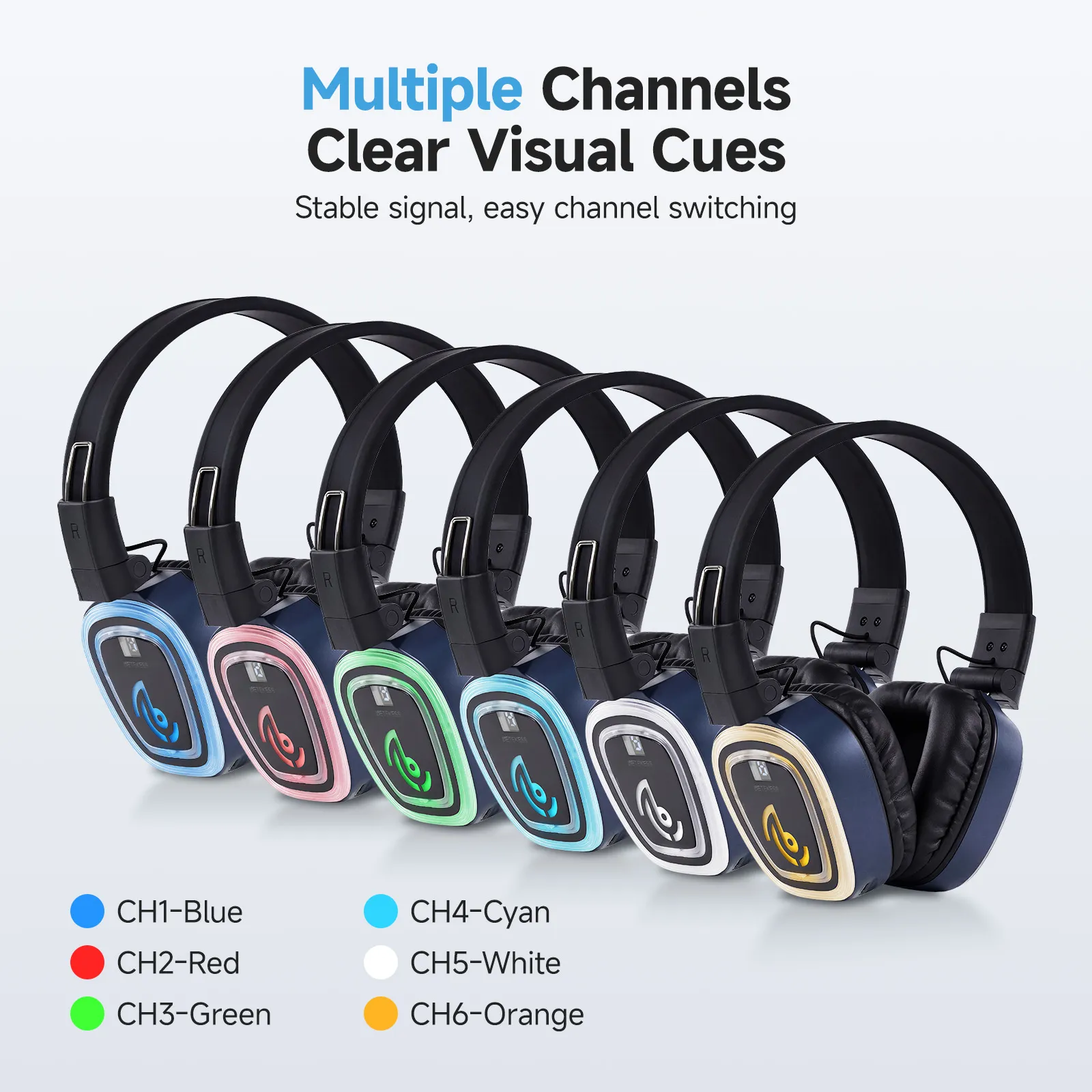
Traditional noise-canceling headphones can completely isolate an autistic child, making them feel separated from their peers. Silent disco headphones flip this dynamic. Because these headphones feature bright, LED color-coding that changes depending on the channel selected (e.g., Blue for Teacher, Green for Independent Work, Red for Group Project), students can see exactly what their peers are listening to. It creates a visual sense of shared community and connection without requiring overwhelming auditory engagement.
2. Trauma and PTSD: Building a Sanctuary of Predictability
Students suffering from trauma or Post-Traumatic Stress Disorder struggle intensely with felt safety. In a state of hypervigilance, an unannounced sound can trigger a fight-or-flight response instantly.
The Power of Voice Proximity
When an educator speaks into a microphone broadcasted directly into a student’s silent disco headset, it eliminates the spatial distortion of a large room. The teacher's voice sounds close, steady, and private, directly combating the internal chaos of a trauma response. It simulates a one-on-one tutoring environment even in a room filled with twenty other children.
De-escalation and Safe Transitions
Transitions between activities (e.g., moving from math to lunch, or coming in from recess) are notoriously difficult for trauma-impacted students. The sudden shift in routine and the spike in unstructured noise can cause severe anxiety.
Using the multi-channel feature, an educator can give a gentle 5-minute warning directly through the headset, or switch a specific student's channel to soft, rhythmic soundscapes designed to lower heart rates and ground the nervous system before the transition occurs.
3. Emotional and Behavioral Disorders (EBD): Focus over Frustration
For students with EBD, maintaining emotional regulation is a continuous mountain to climb. Academic frustration coupled with an overwhelming environment is a primary recipe for behavioral crises.
Eliminating Distraction-Driven Defiance
Many behavioral outbursts in classrooms are actually defense mechanisms. If a student with an emotional disorder feels overwhelmed by ambient noise or distracted by a peer across the room, they may act out to get sent out of the room—choosing disciplinary eviction over sensory torture.
Silent disco headphones provide a constructive escape hatch. By putting on the headset, the student effectively hits "mute" on the surrounding interpersonal drama of the classroom and dials directly into their assigned task.
Gamification and Voluntary Compliance
One of the greatest challenges with EBD students is getting them to accept accommodations. Standard medical or therapeutic gear can feel stigmatizing, causing students to refuse to wear them out of fear of looking "different."
Silent disco headphones carry zero negative stigma. They are universally viewed by kids as cool, high-tech, and fun. By framing headphone use as a special tech tool or gamifying the experience ("Let's switch to the Blue channel for our mission today"), teachers experience significantly higher compliance rates.
Technical Advantages of Silent Disco Hardware in Schools
Why choose a silent disco setup over standard Bluetooth headphones or commercial walkie-talkies? The answer lies in the hardware's specific engineering advantages:
| Feature | Educational Benefit |
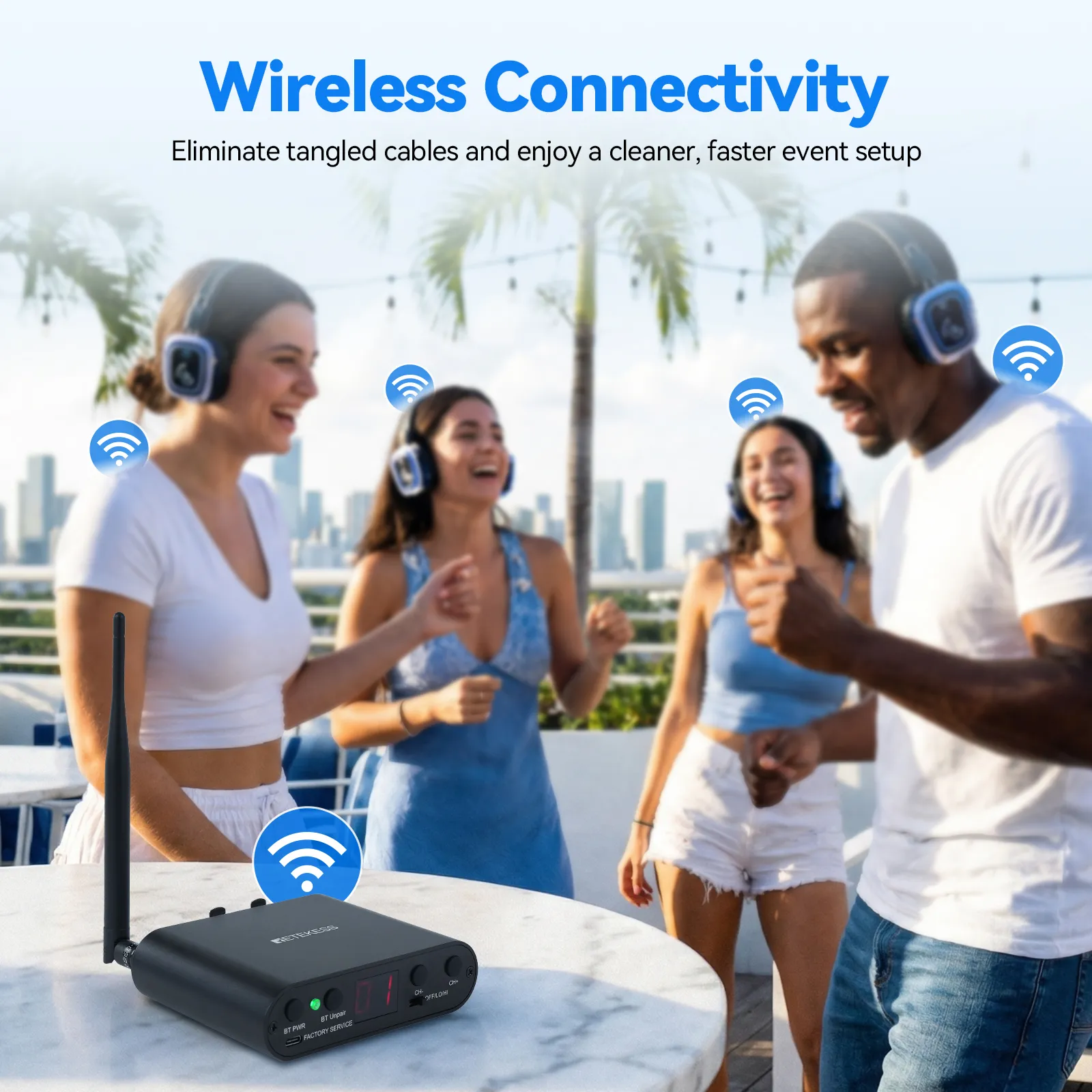
| UHF/RF (Ultra High Frequency) | Unlike Bluetooth, which can stutter, lose pairing, or struggle to connect more than a few devices, RF transmitters can broadcast to hundreds of headphones simultaneously with zero latency and up to a 300-meter range. |
| Individual Volume Control | Each headset has an independent volume wheel. A student with mild hearing loss can crank the teacher's voice up, while a student with auditory hypersensitivity can lower it to a whisper. |
| Long Battery Life | Most school-grade silent disco headsets boast 8 to 10 hours of rechargeable battery life, easily lasting a full school day without interrupting the curriculum. |
| Visual Monitoring via LEDs | Teachers can look across the room and instantly know if a student is on task simply by checking the color of the LED lights on the earcups. |
Implementation Strategies for Educators
If you are a school administrator, special education coordinator, or teacher looking to integrate this technology, a thoughtful rollout is crucial.
Step 1: The Sensory Orientation
Do not just hand out the headphones on day one. Allow students to explore the hardware in a low-stakes environment. Let them turn the volume wheels, click the channel switchers, and choose their preferred color lights. For autistic students, getting used to the tactile feel of the ear cushions is a vital prerequisite.
Step 2: Establish "Headphone Zones" and Protocols
Clear boundaries prevent tech fatigue. Designate specific times when headphones are encouraged—such as independent writing blocks, center rotations, or quiet cool-down periods. Create simple visual posters in the classroom mapping out what each channel represents for that day.
Step 3: Keep a Dedicated De-escalation Channel
Always reserve one channel exclusively for emotional regulation. This channel shouldn't feature instructions, lectures, or academic tasks. Instead, loop calming nature sounds, deep-breathing rhythms, or soothing white noise. When a student feels an emotional storm brewing, they know they have immediate permission to flip to that safe channel to self-soothe without leaving their desk.
The Ultimate Return: Autonomy, Dignity, and Inclusion
At its core, utilizing silent disco headphones in special education is about returning power and agency to the student. In a traditional classroom setting, exceptional learners are constantly at the mercy of their environment. They cannot control when someone drops a book, when a siren passes outside, or when a nearby group starts laughing.
By providing them with a personal, customizable sound scape, we give them a dial to control their reality. We transform the educational experience from something that happens to them into something they actively manage.
When a child feels acoustically safe, their nervous system drops out of survival mode and re-enters learning mode. By repurposing a technology designed for late-night dance parties, schools are quietly pulling off something beautiful: turning down the noise of the world so that every student has the chance to be heard.
Are you ready to transform your classroom's sensory environment?
Implementing innovative assistive tech doesn't have to be daunting. If you want to see how these systems fit into smaller budgets or need a tailored plan for your school district, let's explore your options together.
![[18th Anniversary] 18 Years of Echoing Excellence: Making Communication Easier, Connecting Trust Beyond Borders](https://res.retekess.com/z_file/20260716/retekess-brand-story-making-communication-easier_20260716151044_7682.jpg)
![[18 Years in Wireless Communication] Silent Disco Systems Anniversary Celebration: Top-Selling Headphones & Event Mechanics Revealed!](https://res.retekess.com/z_file/20260713/18-years-in-wireless-communication-silent-disco-systems-anniversary-celebration_20260713175011_5749.webp)
![[Anniversary Carnival] Ding-dong! 18th Anniversary Mega Sale on Guest Paging & Calling Systems: Full Reveal of 12+ Products & Promo Rules!](https://res.retekess.com/z_file/20260713/18th-anniversary-mega-sale-on-guest-paging-calling-systems_20260713175257_0295.webp)
![[Retekess 18th Anniversary Teaser] Tour Guide System Exclusive Perks: Sneak Peek at Event Dates & Mechanics!](https://res.retekess.com/z_file/20260713/retekess-18th-anniversary-tour-guide-system-exclusive-perks--2-_20260713180135_6435.webp)
Follow Us
Pay With


 Google
 Amazon
Comments (0)