
Table of Contents

Portable Translation Equipment: Your Pocket-Sized Bridge to Global
- Retekess
- Sep 23, 2026
Don't miss Retekess translation equipment event! — Shop Now!

In today's increasingly globalized world, overcoming language barriers for instant communication has shifted from a luxury to a common necessity. Portable translation devices have emerged as the technological solution—a bridge you can carry in your pocket, bringing the world within reach.
What Is a Translation Device?
A translation device is a category of electronic tools specifically designed to overcome language barriers and enable real-time or near-real-time communication. Its core mission is to replace or assist human translation, building bridges of understanding between speakers of different languages.
Types of Translation Devices
These can be divided into two main categories, each serving different scenarios:
Consumer Portable Translators
Aimed at travelers, language learners, and everyday users, these devices are typically compact, user-friendly, and support features like offline translation, photo translation, and conversation in dozens of languages. They act as your personal, portable interpreter.
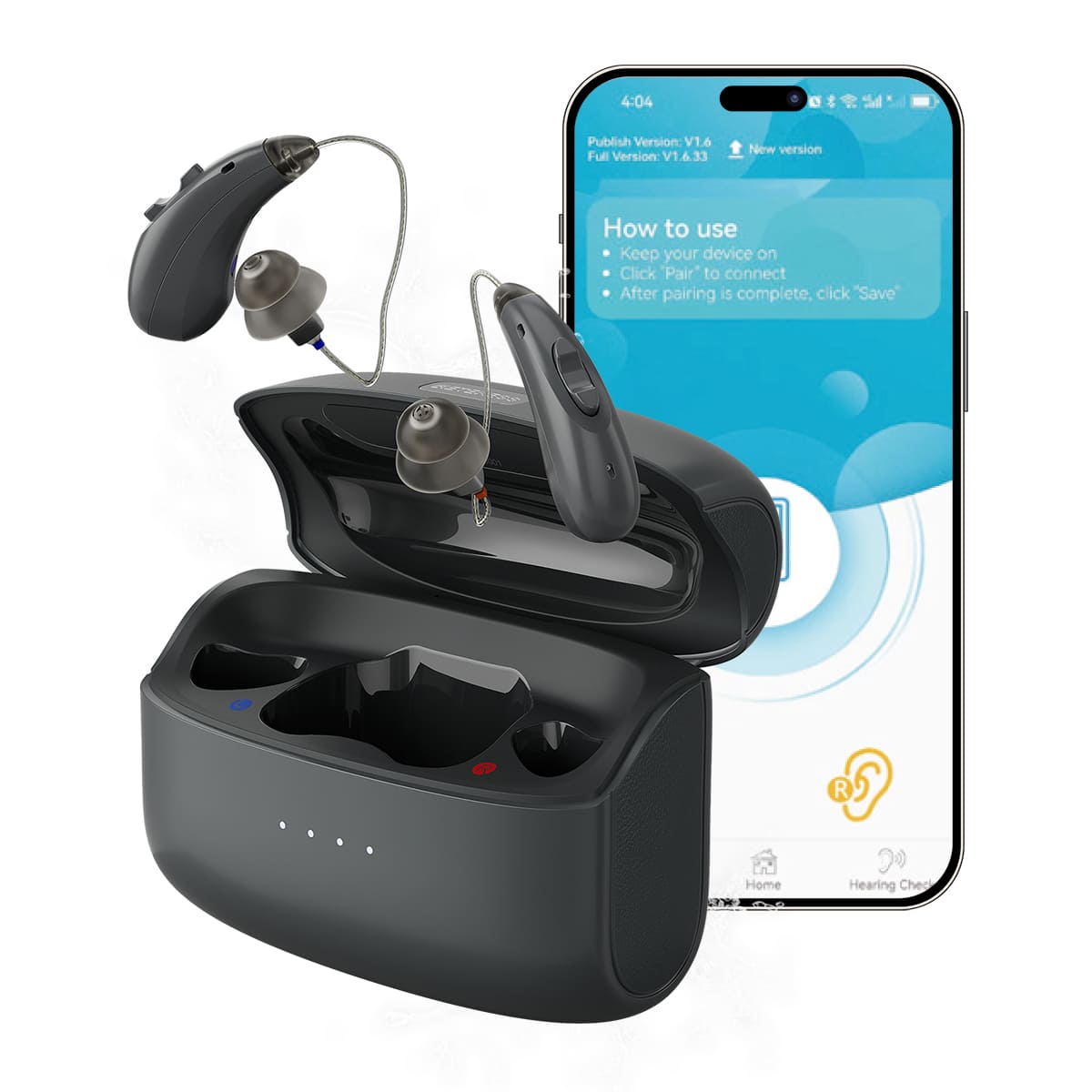
Formats: Include handheld translators, smart translation earbuds, and dedicated hardware that works closely with smartphone apps.
Core Function: Focus on two-way, face-to-face dialogue. For example, you speak Chinese, and the device plays English for the other person to hear; when they reply in English, you hear it in Chinese. It’s like having a private conversation translator in your pocket.
Professional Simultaneous Interpretation Equipment
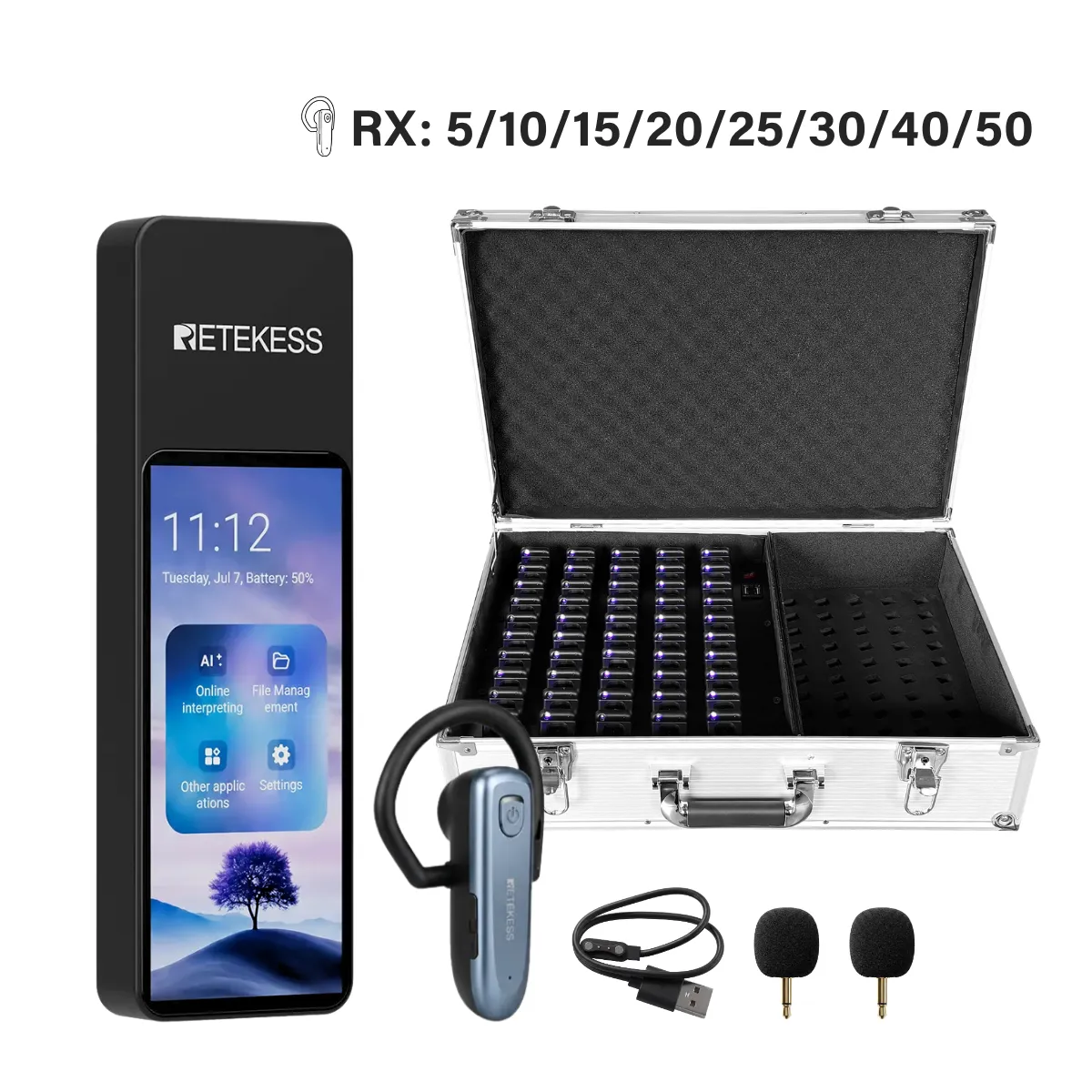
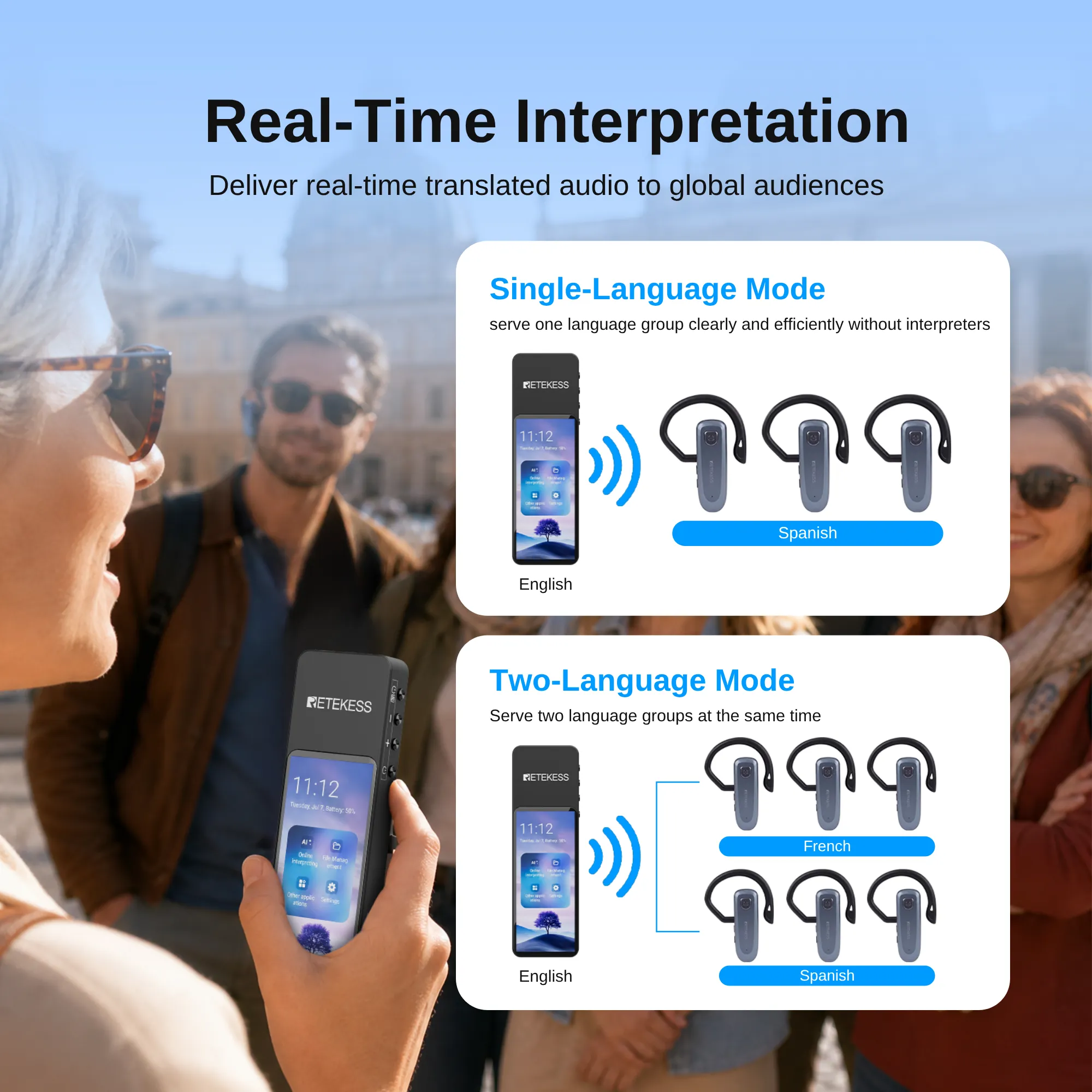
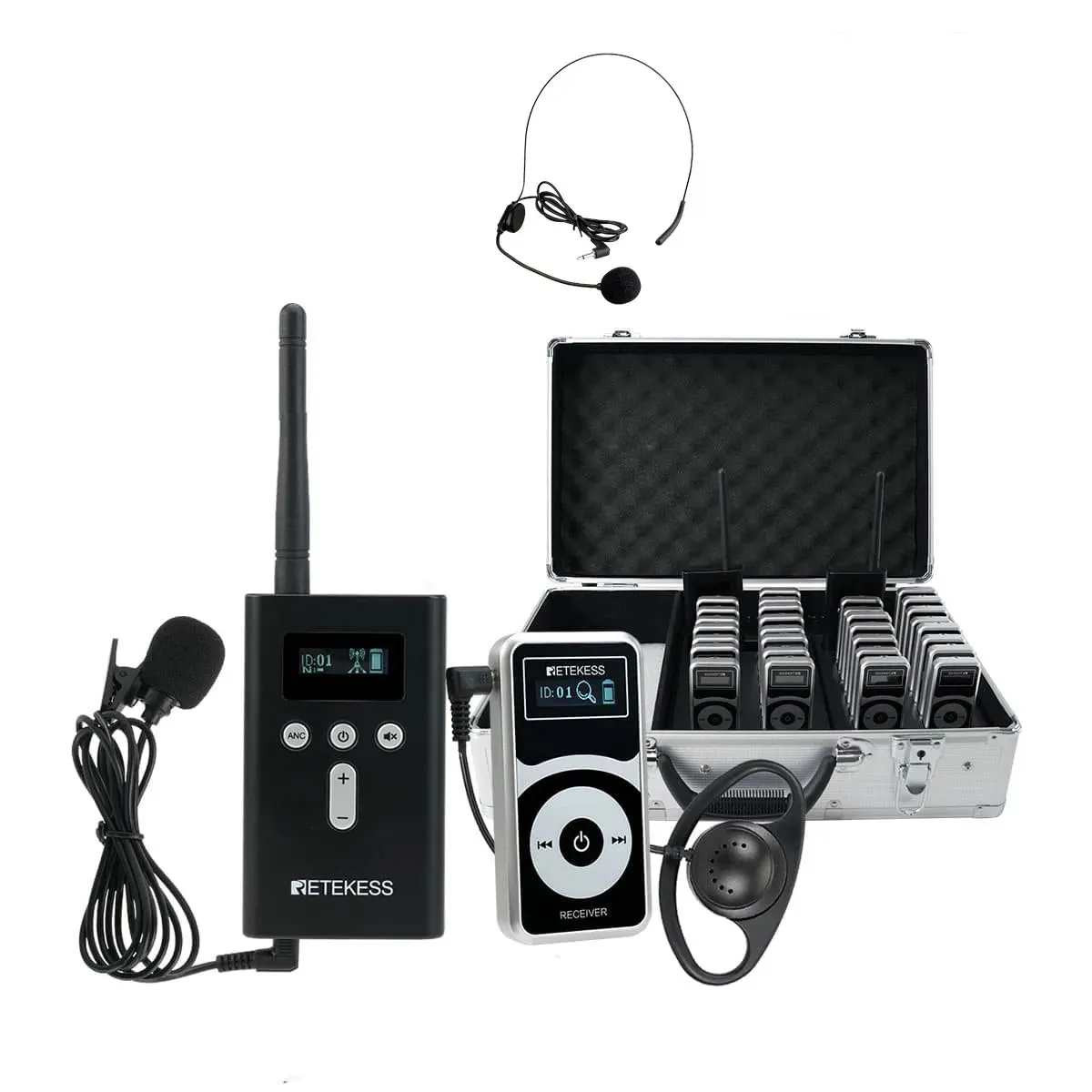
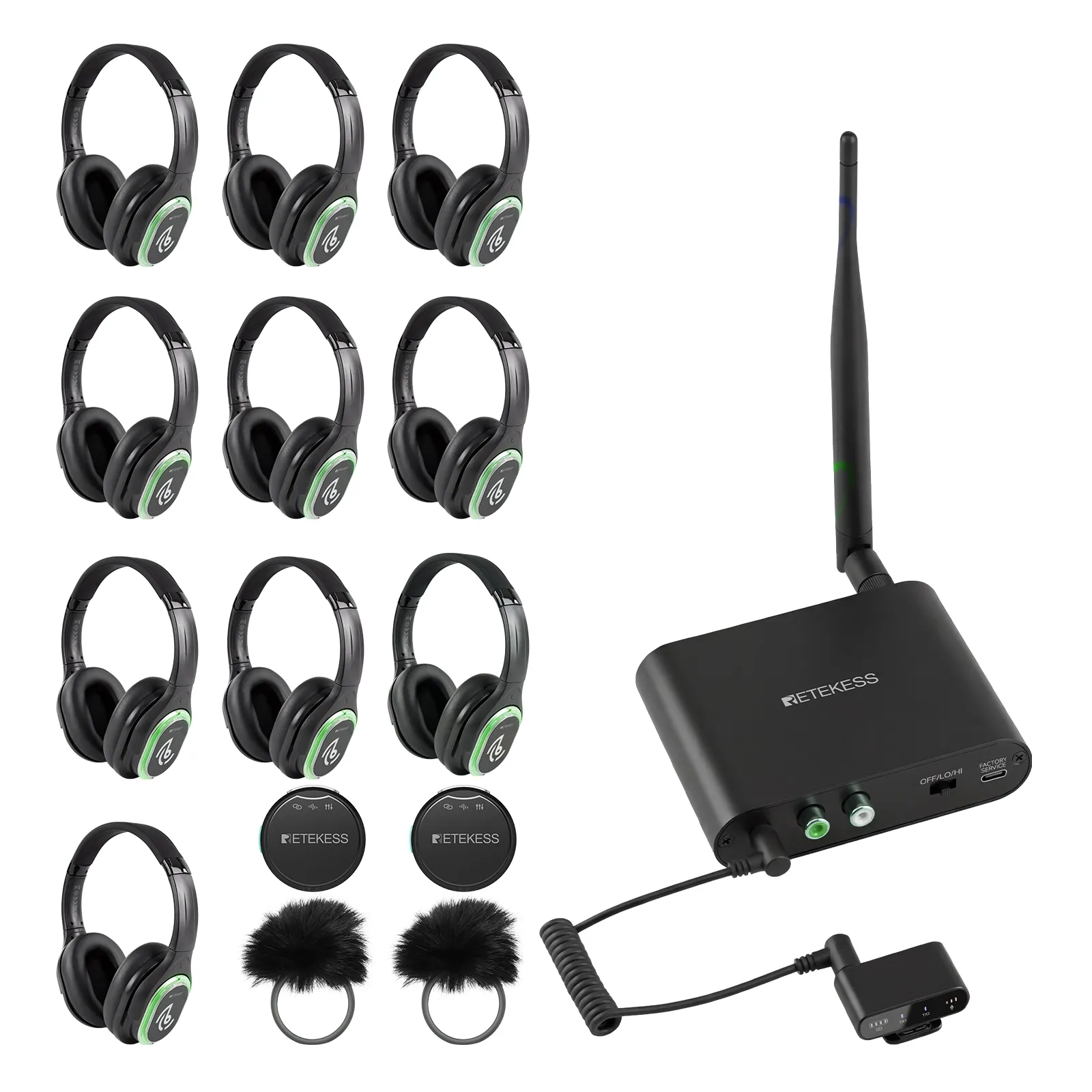
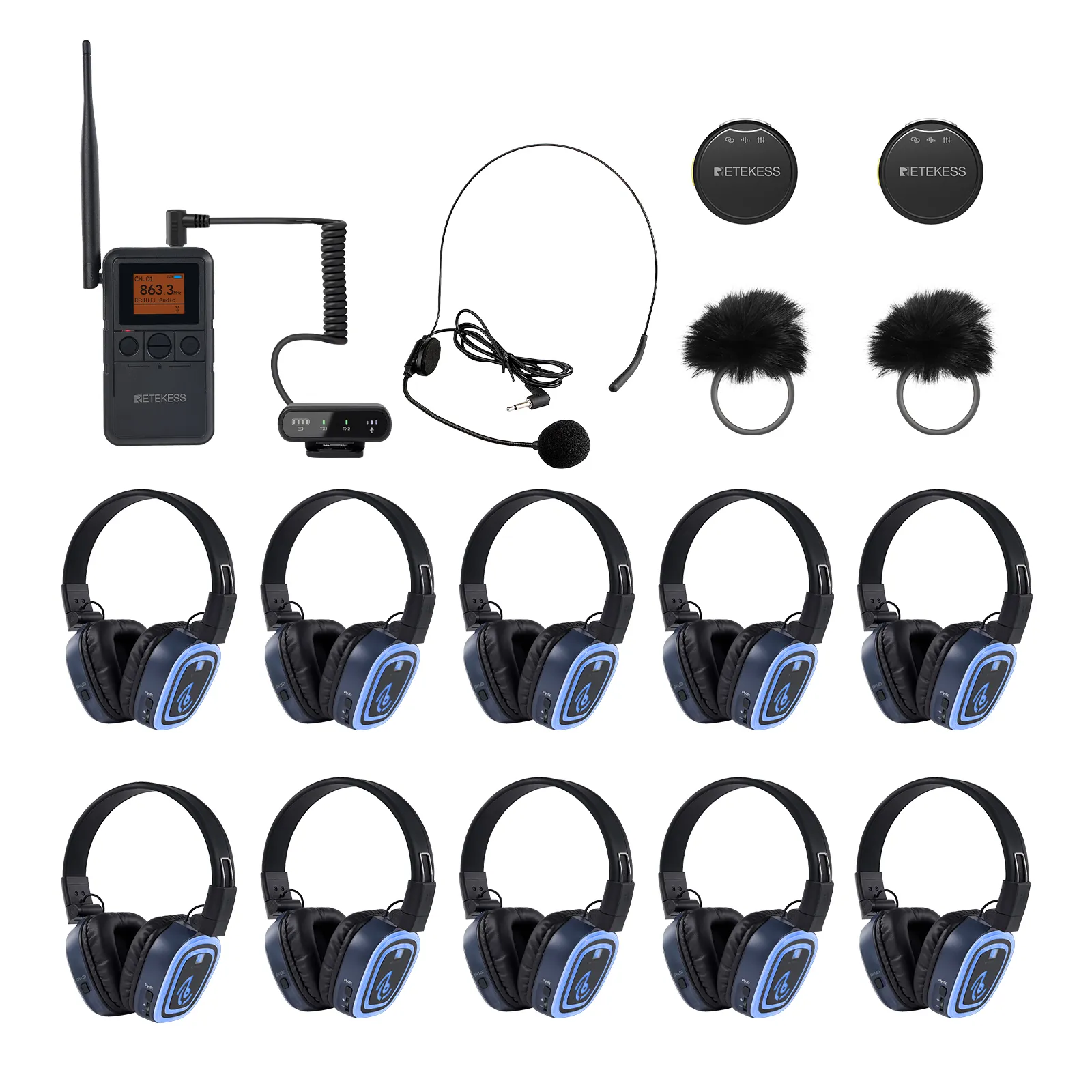
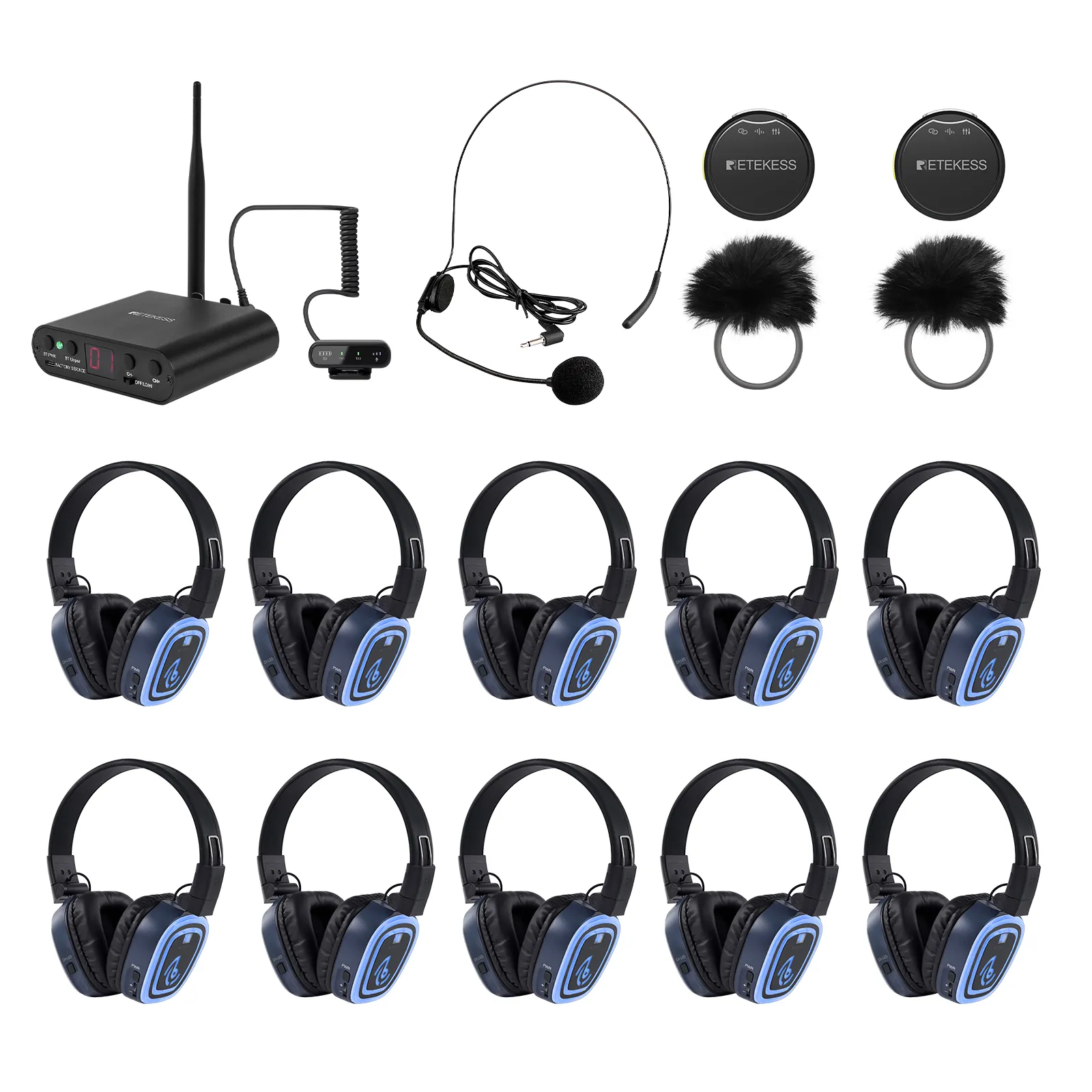
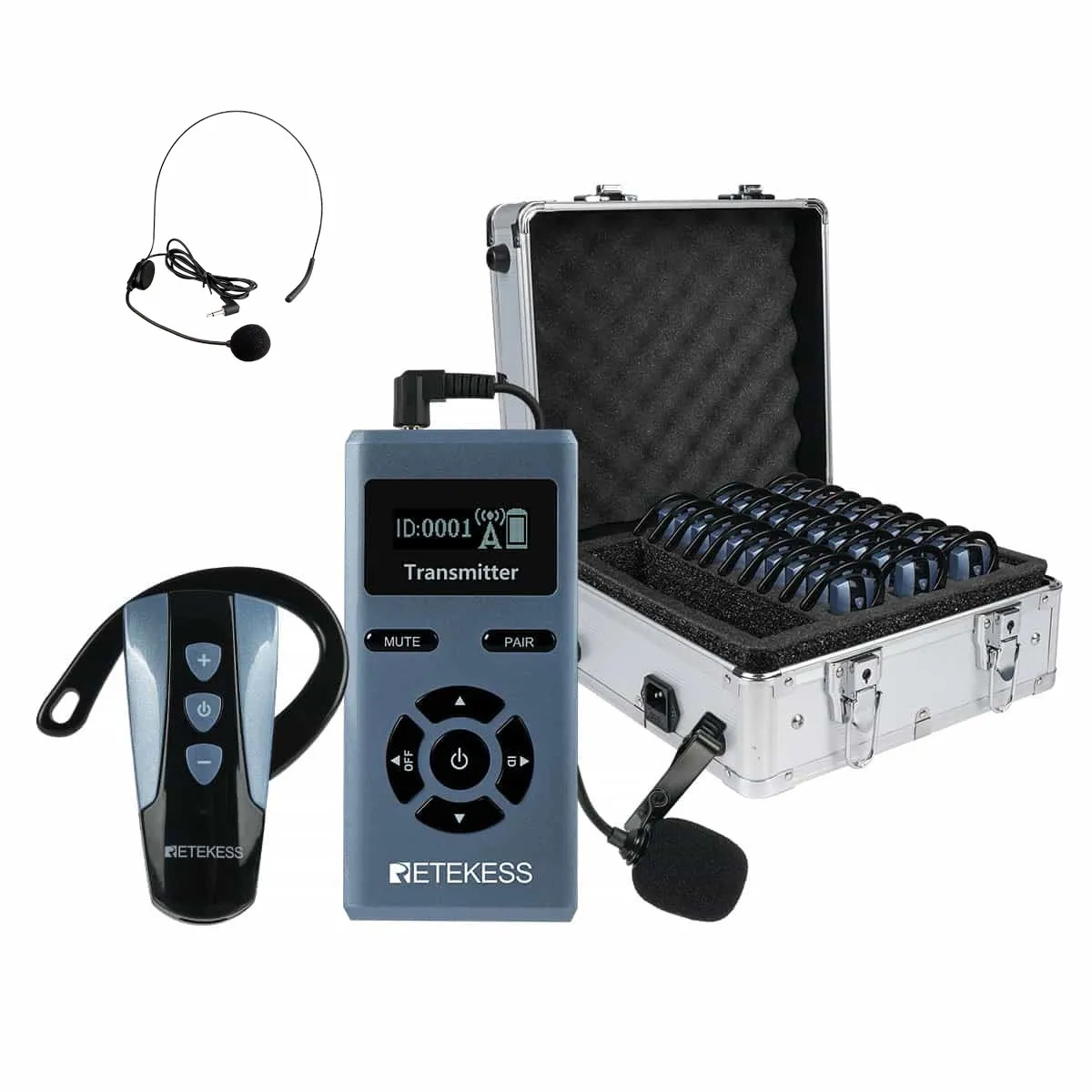
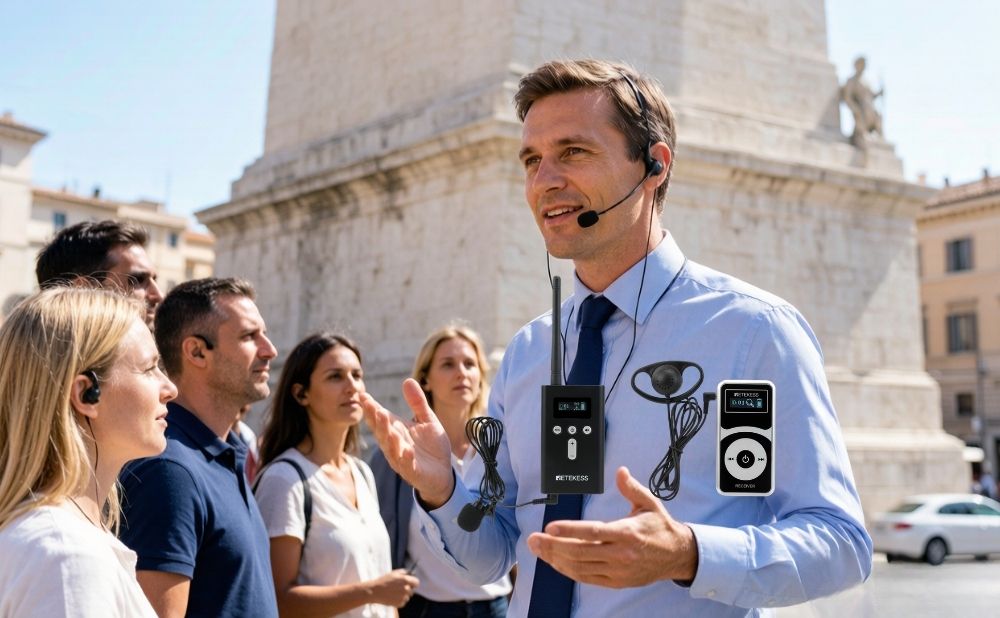
Used in formal settings such as international conferences, business negotiations, and guided tours, these systems prioritize translation accuracy, low latency, and audio clarity. They typically consist of transmitters, receivers, and multiple headsets, allowing one speaker to be heard by an audience in several languages simultaneously.
Formats: Usually a wireless audio system made up of a transmitter, receivers, and multiple headphones.
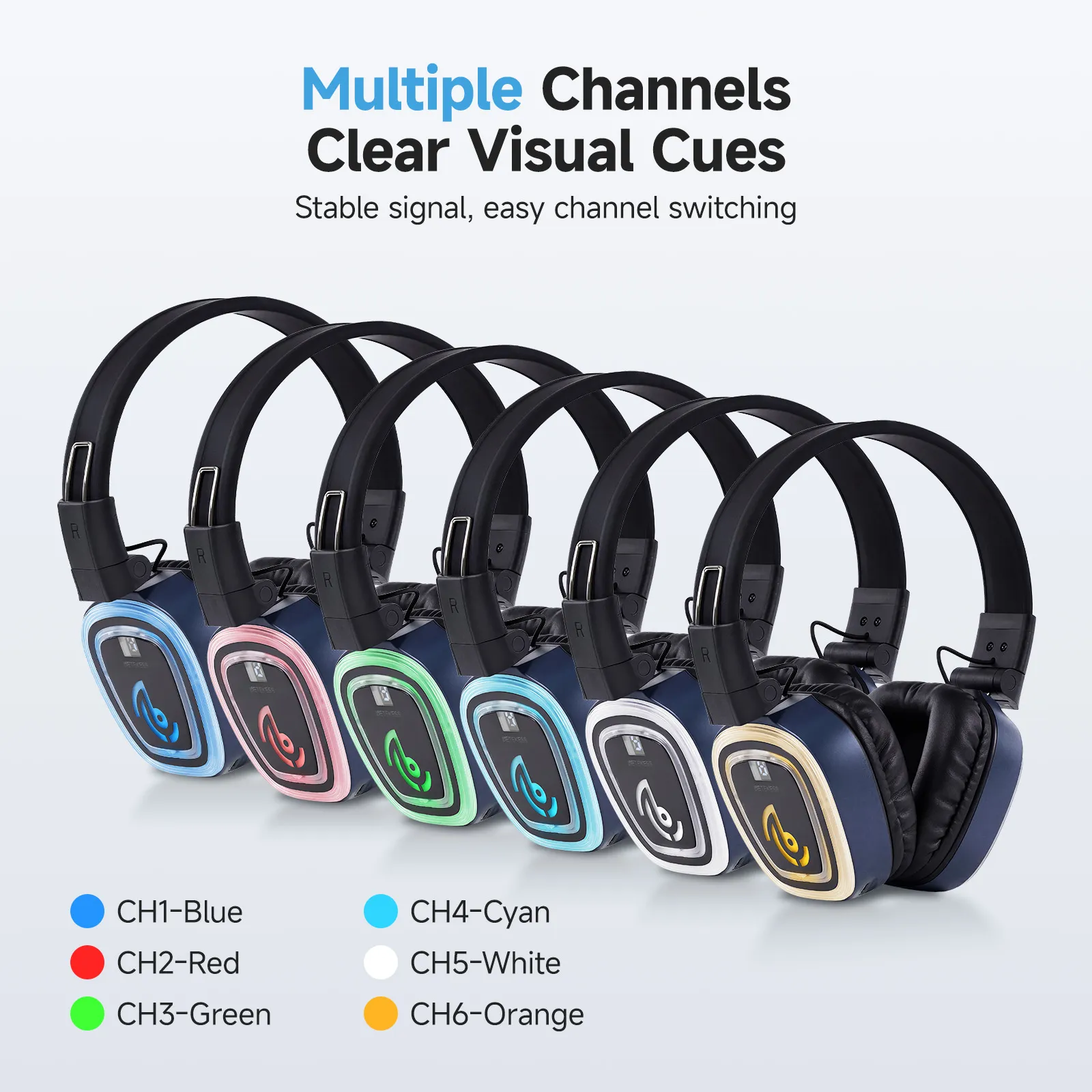
Core Function: Enable one-to-many, one-way information broadcasting. At international conferences, interpreters work in soundproof booths, while attendees select their language channel through headphones. It functions like a multilingual broadcasting station, ensuring efficient and accurate delivery of information to a large, multilingual audience.
How to Choose a Translation Device
With so many products available, consider the following when choosing: First, clarify your core need—is it for asking directions while traveling, engaging in deeper cultural exchange, or conducting business negotiations? Next, check whether the language packs cover your target regions, especially for less common languages or dialects. Finally, consider connectivity (offline functionality is crucial) and battery life to ensure reliable performance on the go.
Dedicated Device vs. Mobile App: What’s the Difference?
You might wonder: mobile translation apps are convenient, so why invest in a dedicated device?
Professional portable translation devices offer an optimized experience that mobile apps struggle to match. They feature specialized hardware designed for voice recognition, superior microphone arrays that capture clear audio even in noisy environments, and processing chips tailored for translation algorithms. Many also include built-in cellular connectivity, ensuring smooth operation in areas without Wi-Fi.
Unlike smartphones, which run multiple apps in the background and can be interrupted by notifications, dedicated devices focus on one thing only: breaking down language barriers in the most efficient and reliable way possible. This focus results in faster response times, fewer recognition errors, and more stable performance when it matters most.
Key Features: Finding Your Ideal Translation Companion
Based on extensive testing and user feedback, an outstanding translation device typically possesses the following key features:
Excellent Voice Recognition: Accurately captures fast speech, accents, or speech in noisy environments.
High-Quality Translation Engine: Integrates leading or proprietary AI translation engines from providers like Google, Microsoft, Baidu, or iFLYTEK, ensuring accurate meaning rather than word-for-word translation.
Powerful Offline Functionality: Allows language packs to be downloaded in advance for translation without an internet connection—essential for international travel and areas with unstable networks.
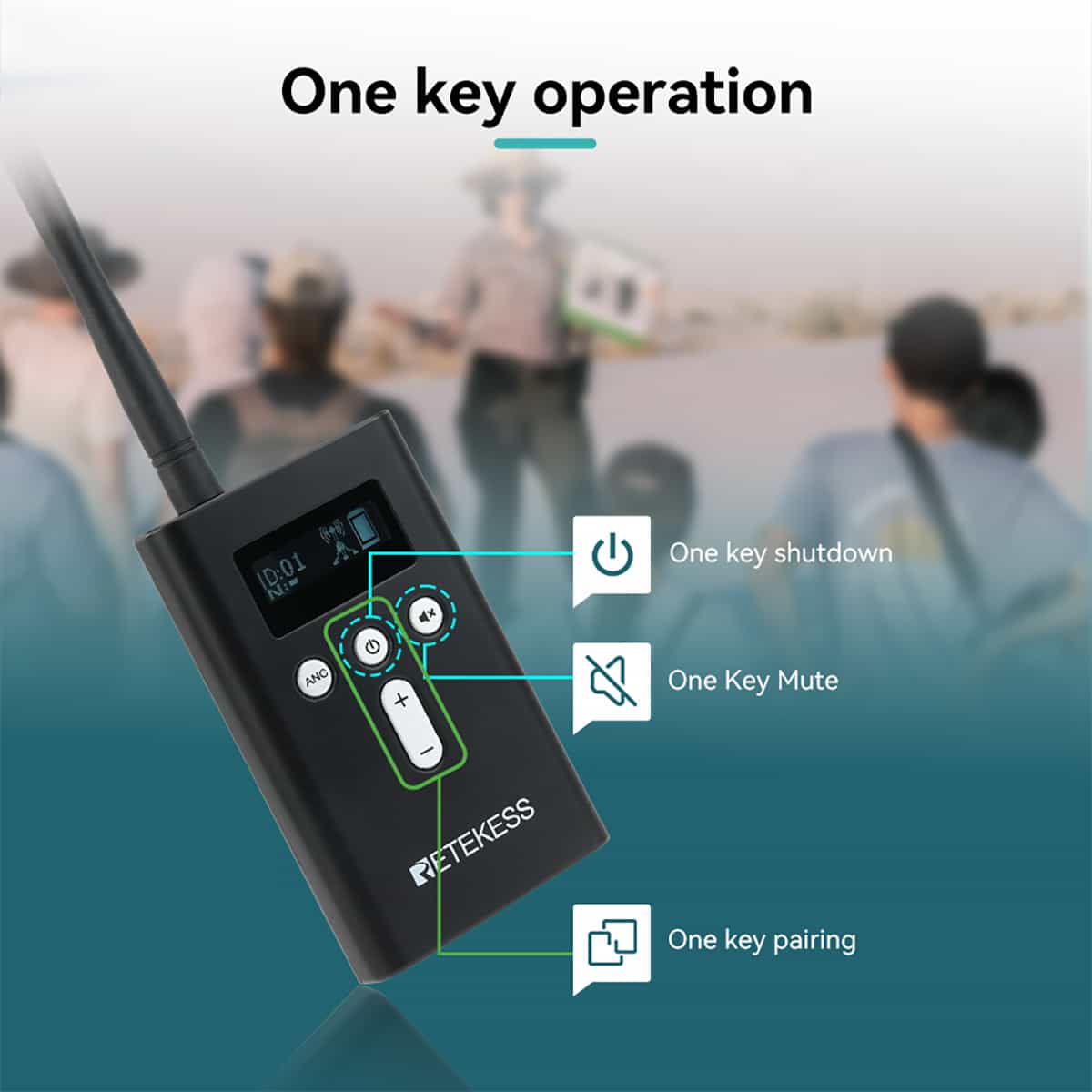
User-Friendly Design: A clear screen, intuitive button layout, long-lasting battery, and fast response times.
Multi-Mode Translation: In addition to voice conversation, includes photo translation (for menus, signs), voice recording translation, and text input translation to handle various scenarios.
Reliable Hardware and Connectivity: A sturdy build, clear speakers, and support for Wi-Fi, Bluetooth, and even SIM cards to ensure all-day connectivity.
Portable translation devices are more than just tools—they are keys to expanding your world and connecting cultures. When choosing your “bridge,” consider your personal needs and focus on the core features outlined above to find the dependable companion that fits in your pocket and quietly supports every cross-cultural exchange. The world is vast, and language should never be a boundary to exploration.
Leave a Reply
![[18th Anniversary] 18 Years of Echoing Excellence: Making Communication Easier, Connecting Trust Beyond Borders](https://res.retekess.com/z_file/20260716/retekess-brand-story-making-communication-easier_20260716151044_7682.jpg)
![[18 Years in Wireless Communication] Silent Disco Systems Anniversary Celebration: Top-Selling Headphones & Event Mechanics Revealed!](https://res.retekess.com/z_file/20260713/18-years-in-wireless-communication-silent-disco-systems-anniversary-celebration_20260713175011_5749.webp)
![[Anniversary Carnival] Ding-dong! 18th Anniversary Mega Sale on Guest Paging & Calling Systems: Full Reveal of 12+ Products & Promo Rules!](https://res.retekess.com/z_file/20260713/18th-anniversary-mega-sale-on-guest-paging-calling-systems_20260713175257_0295.webp)
![[Retekess 18th Anniversary Teaser] Tour Guide System Exclusive Perks: Sneak Peek at Event Dates & Mechanics!](https://res.retekess.com/z_file/20260713/retekess-18th-anniversary-tour-guide-system-exclusive-perks--2-_20260713180135_6435.webp)
Follow Us
Pay With


 Google
 Amazon
Comments (0)