
Table of Contents
Revolutionizing Educational Spaces: The Silent Sound System Guide for Sensory-Friendly Learning
- Retekess
- May 14, 2026
Traditional school sound systems have a major flaw: they assume every student hears the same way. But for those with sensory sensitivities or PTSD, "standard" audio is often "overwhelming" audio.
It’s time to flip the script. Silent sound technology is transforming schools from high-decibel environments into focused, sensory-friendly hubs。By trading loudspeakers for individualized wireless headphones, educational institutions are proving that the future of learning isn't just digital—it’s quiet, it’s controlled, and it’s finally inclusive.
The Challenge: Traditional School Sound Systems and Sensory Overload
For most students, a school sound system is merely a functional utility for announcements or music. However, for a student with sensory processing issues, traditional audio can be a source of intense anxiety. Background noise doesn't just "exist" in the background; it competes for attention with the primary source of information, leading to cognitive fatigue and eventual shutdown.
Research indicates that auditory distractions in educational settings can reduce information retention by up to 40%. For students with PTSD or Autism, sudden spikes in volume or the constant drone of a sound system for schools can trigger a "fight or flight" response, making learning virtually impossible.
Key Challenges in Traditional Environments:
Lack of Individual Control: Students cannot adjust the volume of a loudspeaker to suit their comfort level.
Auditory Bleed: Sound travels across rooms, making it difficult to create "quiet zones" within the same facility.
Overwhelming Visual/Auditory Stimuli: Flashing lights or booming bass can cause immediate sensory overload.
Silent Sound Systems: A Sensory-Friendly Tool
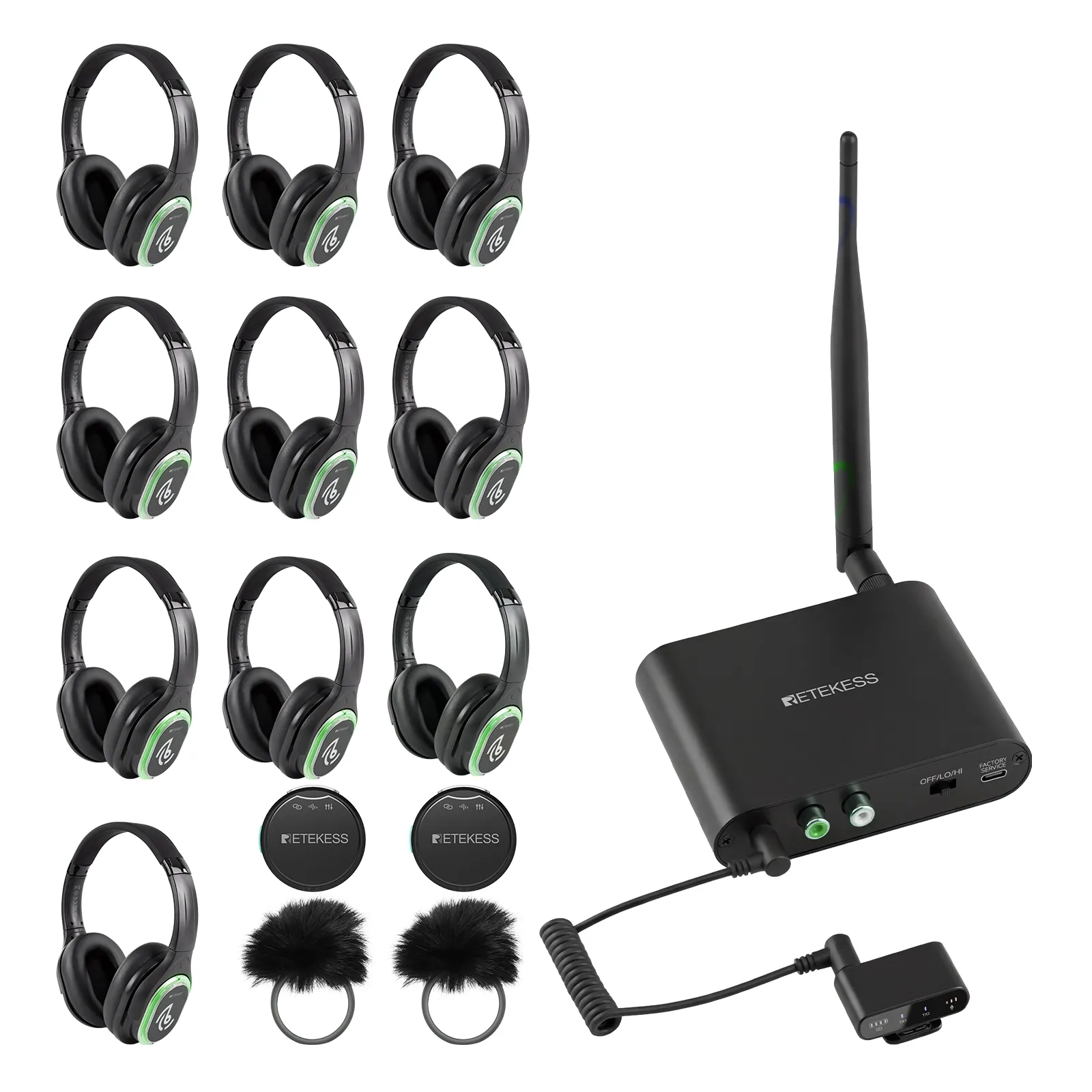
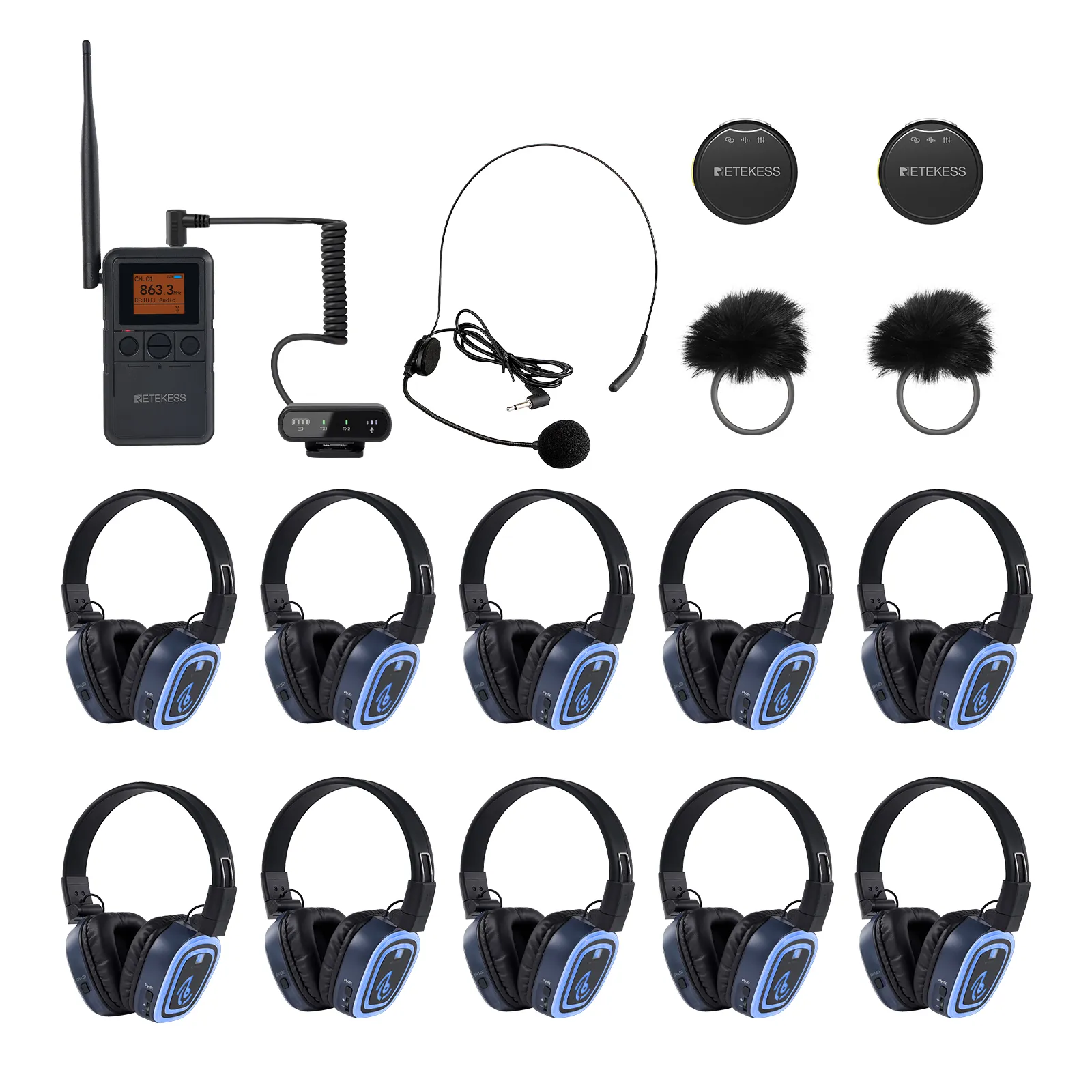
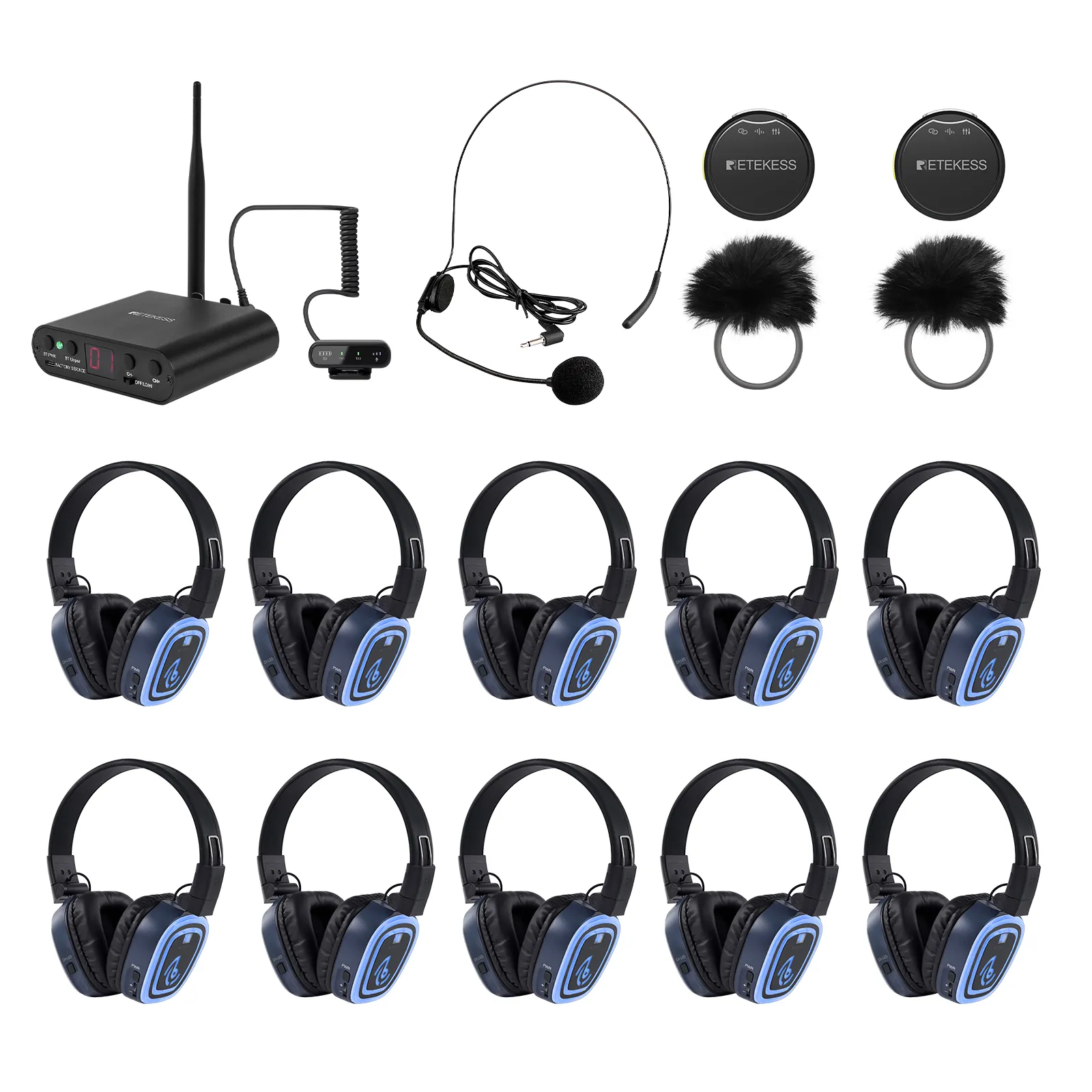
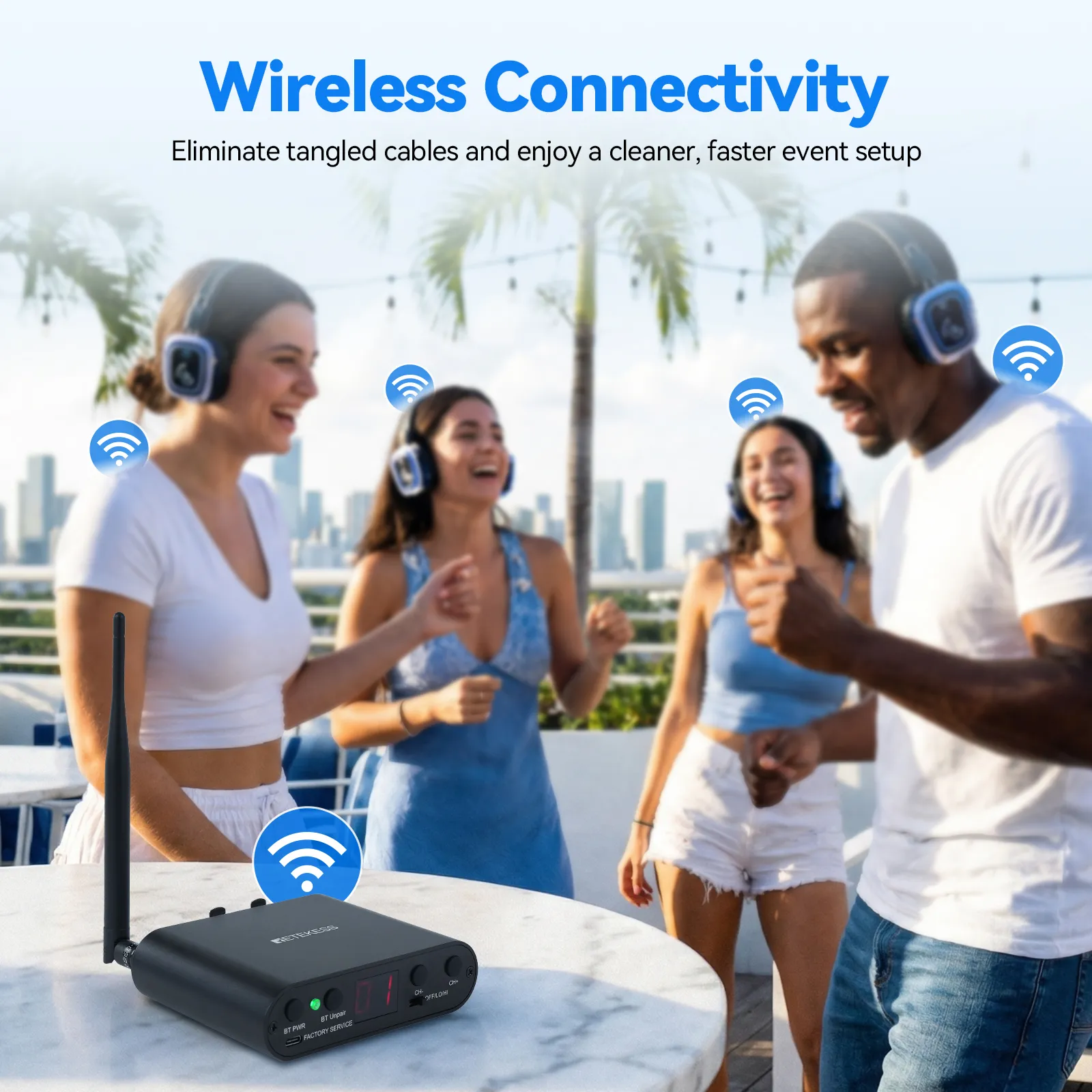
A silent sound system functions by broadcasting audio via radio frequency (RF) to specialized wireless headphones. In a learning scenario, this allows for a level of precision and personalization that was previously unimaginable.
1. Creating Quiet Spaces Amidst the Noise
One of the primary benefits of this technology is the ability to maintain a quiet physical space while delivering rich, high-fidelity audio content. In a library, a multi-use hall, or a shared classroom, students can engage in different audio activities simultaneously without disturbing one another. This eliminates the "background noise" that often serves as a primary distractor for neurodivergent learners.
2. Personalized Volume Management
A critical feature for sensory-friendly environments is the personal volume control. Students with hyperacusis (sensitivity to sound) can lower the volume to a whisper-quiet level, while those who need more stimulation or have mild hearing impairments can boost it. This empowers the student, giving them agency over their immediate sensory environment.
3. Multi-Channel Learning (The Triple-Stream Advantage)
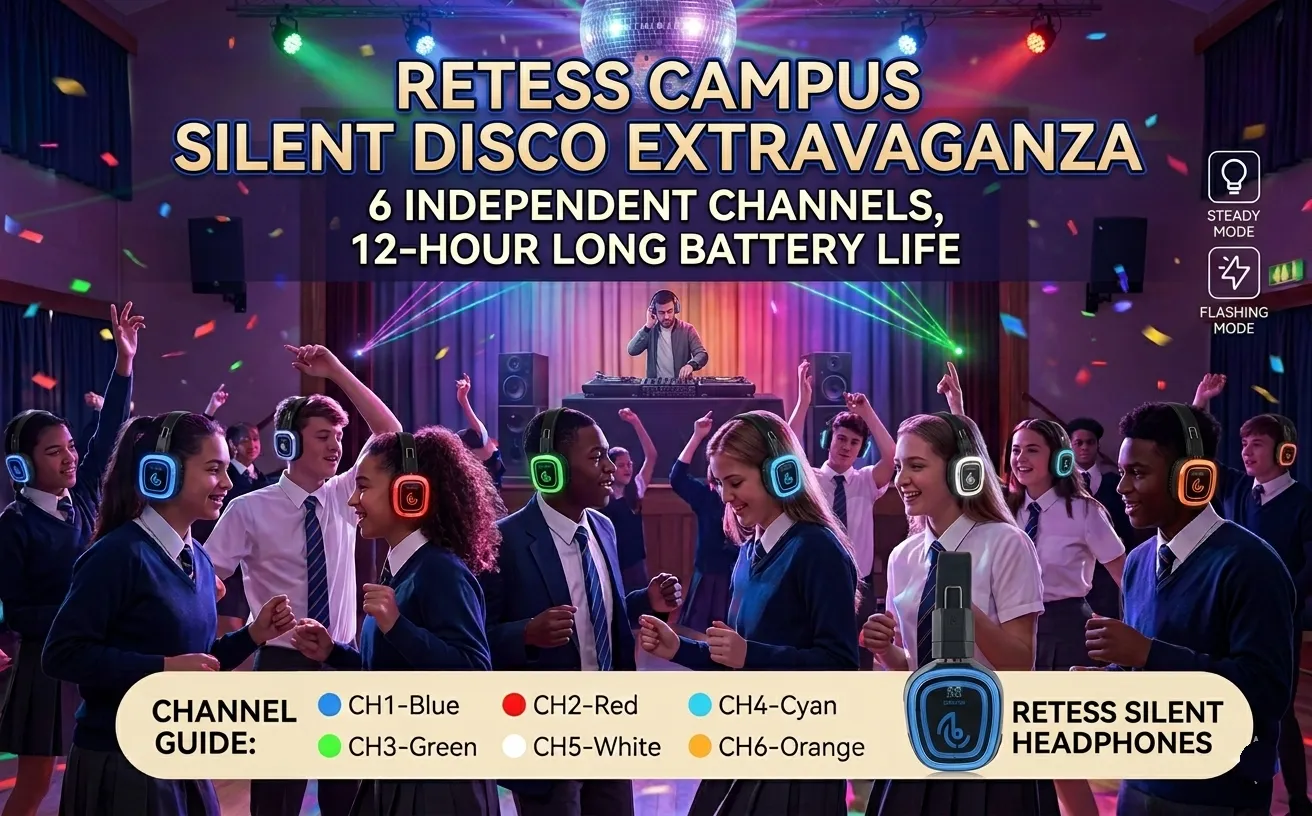
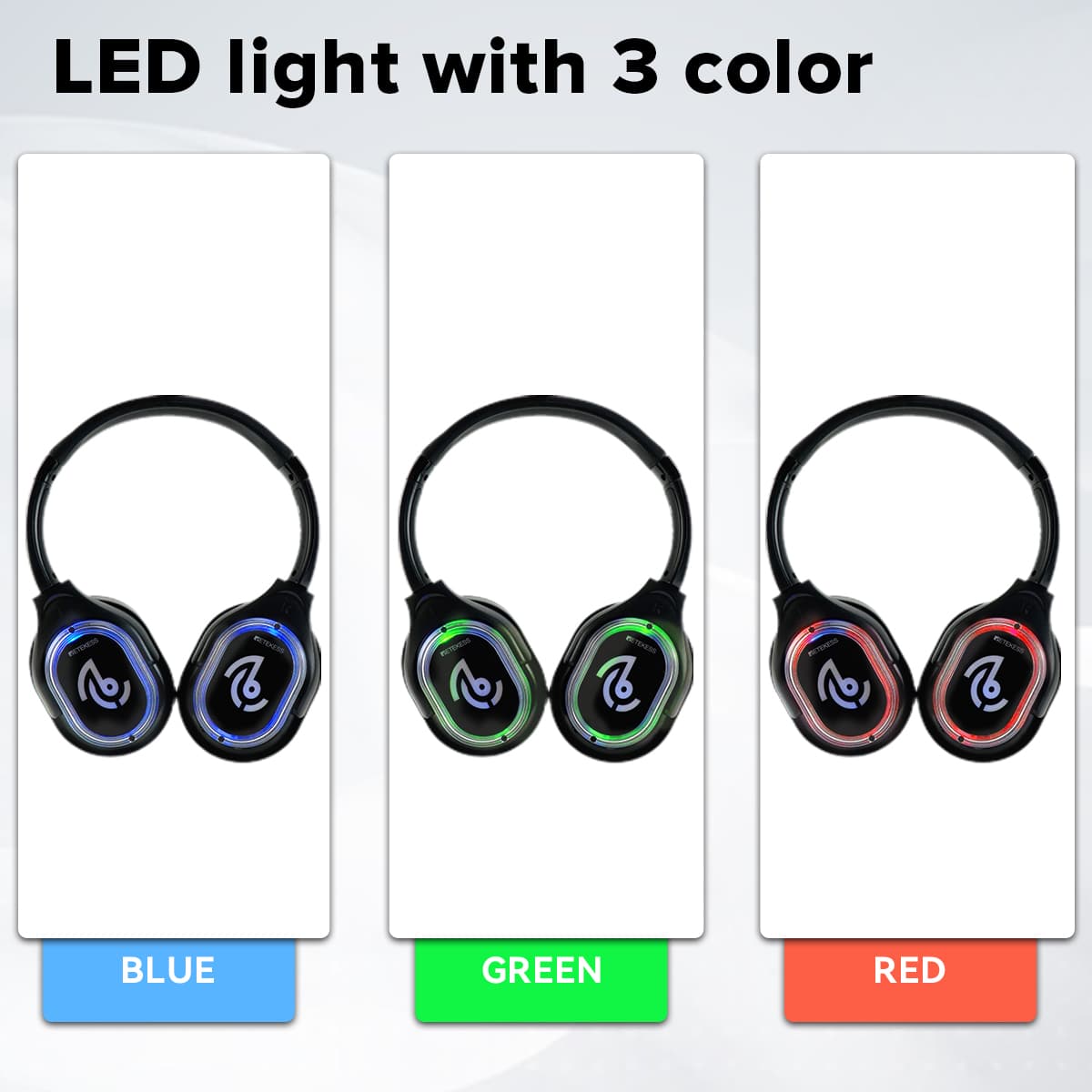
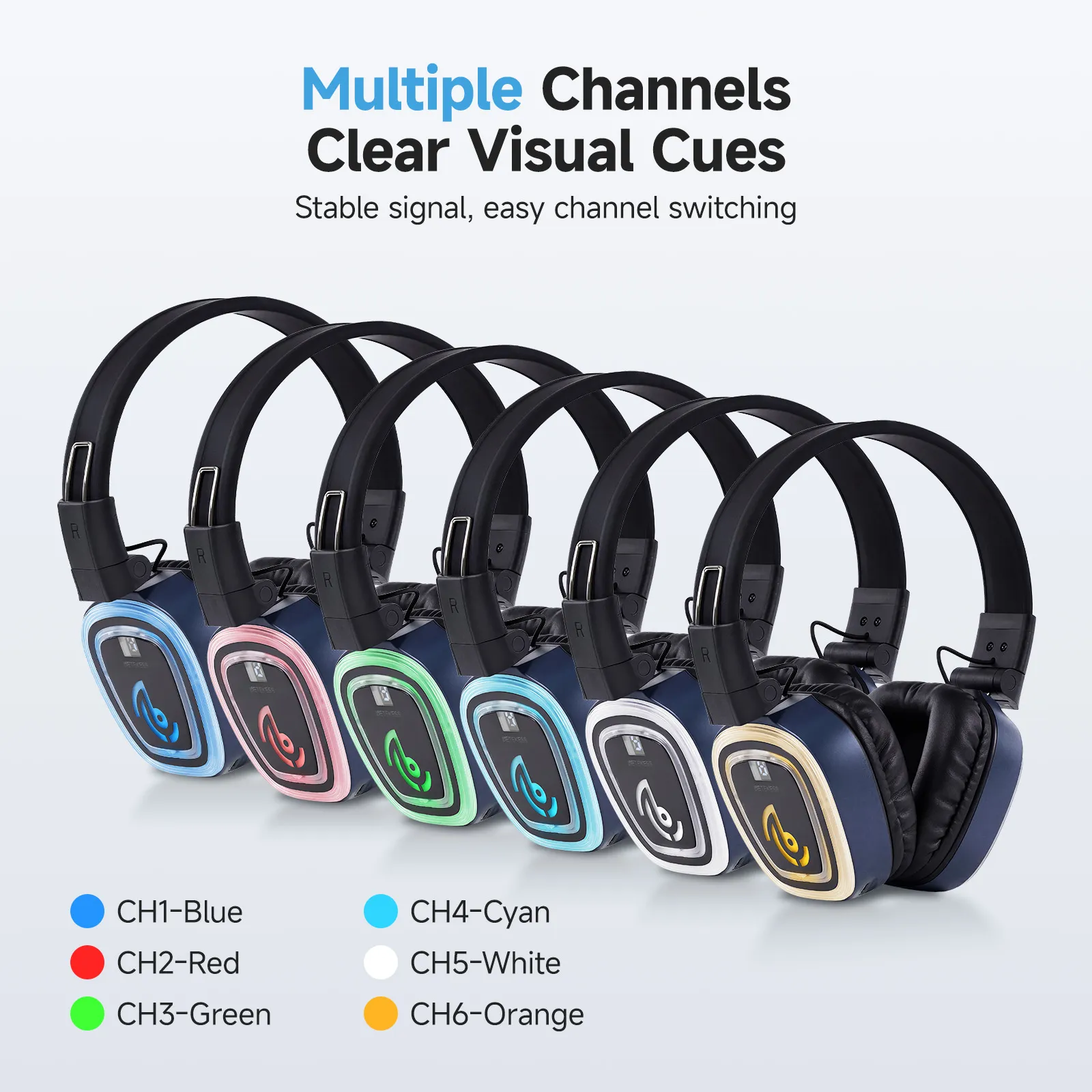
Most silent sound systems offer three distinct channels, color-coded with Red, Green, and Blue LED indicators. Retekess's latest silent disco headphones feature 6 channels. In an educational setting, this allows for:
Channel A (Blue): The primary teacher’s lecture.
Channel B (Red): A translated version of the lecture for ESL students.
Channel C (Green): Calming ambient background music or white noise to aid focus.
Inclusive Proms and Events: Making Memories Without the Meltdown
School life isn't just about the classroom; it's about social milestones. Graduation proms are often the highlight of a student's journey, but they are notoriously inaccessible for students with sensory sensitivities. The booming sound system for schools used in gymnasiums can be exclusionary.
By implementing a "Silent Prom" or a "Sensory-Friendly Dance," schools can ensure every student is included. Users can choose if they want to hear music and when they want to take a break. If a student wants to talk to a friend, they simply slip off their headphones—no shouting required. The LEDs on the headphones are designed to be steady, not flashing, ensuring that those sensitive to rapid visual changes (like those with epilepsy or certain types of ASD) are not triggered.
Case Study: Silent Disco Headphones in Specialized Learning
In specialized education centers, teachers have used silent disco headphones to facilitate "Parallel Learning." While one group of students listens to an audiobook through their headphones, another group works on a collaborative project using quiet voices. The noise-canceling nature of the headphones helps the first group remain focused, effectively creating a "digital wall" around them.
Conclusion: The Future of Auditory Inclusivity
Investing in a modern school sound system now means looking beyond just speakers and amplifiers. It means considering the diverse neurological needs of the entire student body. Silent sound systems provide a unique bridge between high-energy engagement and serene focus. By adopting this technology, schools are not just buying headphones; they are buying peace of mind, focus, and inclusivity for every student, regardless of their sensory profile.

![[18th Anniversary] 18 Years of Echoing Excellence: Making Communication Easier, Connecting Trust Beyond Borders](https://res.retekess.com/z_file/20260716/retekess-brand-story-making-communication-easier_20260716151044_7682.jpg)
![[18 Years in Wireless Communication] Silent Disco Systems Anniversary Celebration: Top-Selling Headphones & Event Mechanics Revealed!](https://res.retekess.com/z_file/20260713/18-years-in-wireless-communication-silent-disco-systems-anniversary-celebration_20260713175011_5749.webp)
![[Anniversary Carnival] Ding-dong! 18th Anniversary Mega Sale on Guest Paging & Calling Systems: Full Reveal of 12+ Products & Promo Rules!](https://res.retekess.com/z_file/20260713/18th-anniversary-mega-sale-on-guest-paging-calling-systems_20260713175257_0295.webp)
![[Retekess 18th Anniversary Teaser] Tour Guide System Exclusive Perks: Sneak Peek at Event Dates & Mechanics!](https://res.retekess.com/z_file/20260713/retekess-18th-anniversary-tour-guide-system-exclusive-perks--2-_20260713180135_6435.webp)
Follow Us
Pay With


 Google
 Amazon
Comments (0)