
Table of Contents
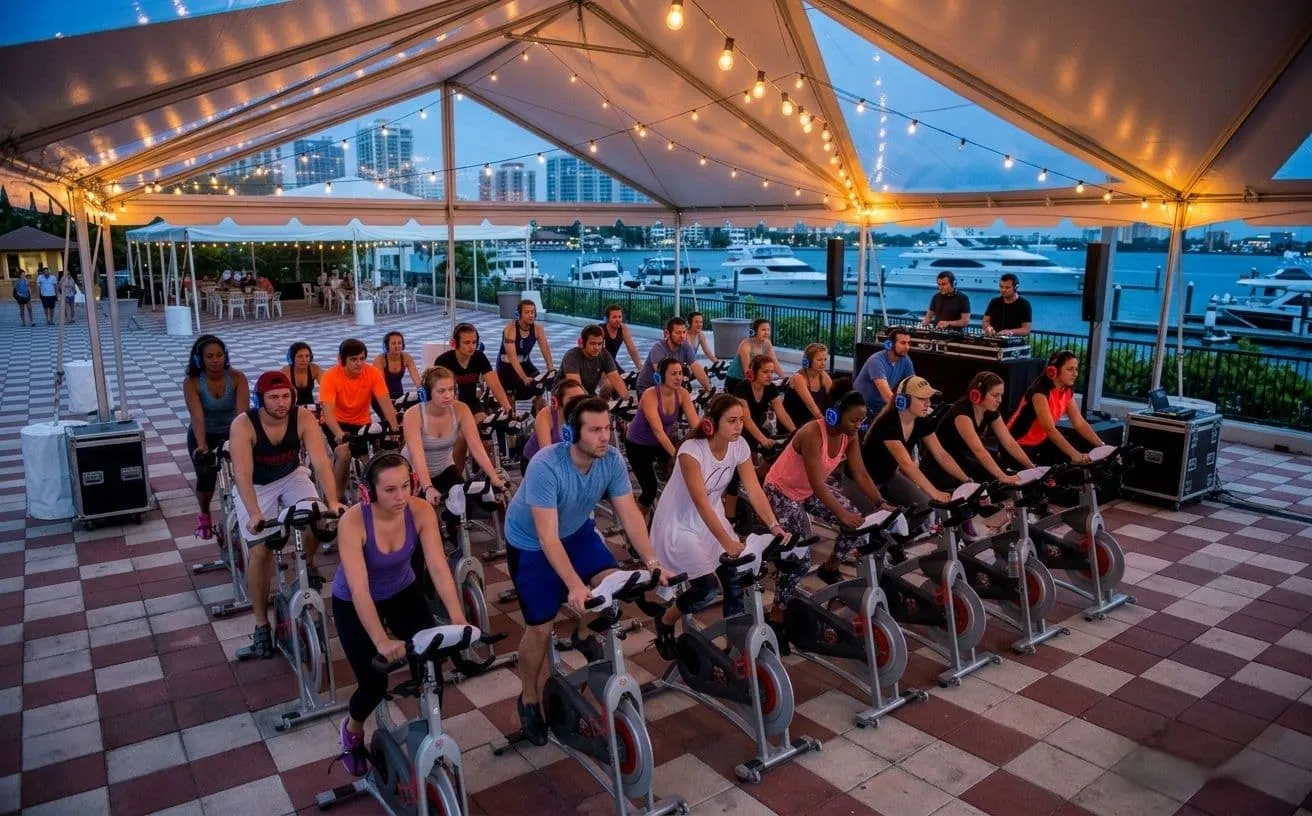
The End of Noise Disputes: How "Silent Tech" Empowers Gyms to Host Midnight Raves and 24/7 Classes
- Retekess
- Apr 30, 2026
For the modern gym owner, boutique studio manager, or luxury club director, the most significant barrier to scaling a business isn't always equipment costs or member retention—it is the Noise Ordinance. In urban centers like New York, London, or Tokyo, sound is a regulated pollutant. As cities become more densely populated, the legal friction between high-energy fitness hubs and residential neighbors has reached an all-time high.
Traditionally, hosting a high-octane cycling series or a Friday night midnight rave was a legal gamble. One disgruntled neighbor and a single decibel meter reading could result in thousands of dollars in fines or, worse, a forced closure. However, 2026 marks the era of the Acoustic Sanctuary. By pivoting to professional silent disco technology, forward-thinking fitness brands are effectively deleting the "noise" from their business model while doubling their revenue potential.
The Science of Sound and the Urban Legal Landscape
To understand why silent technology is a business necessity, we must look at the shifting legal landscape. According to the World Health Organization (WHO) guidelines on environmental noise, noise pollution is one of the top environmental risks to physical and mental health. Consequently, local governments are tightening restrictions.
In many jurisdictions, the permissible decibel limit drops significantly after 10 PM. For a gym located in a mixed-use building, this usually means the death of late-night high-energy programming. Soundproofing is an option, but as noted by the Acoustic Society of America, high-frequency sounds are easy to block, but low-frequency bass—the soul of a midnight rave—requires massive, expensive structural decoupling that most leased spaces simply cannot accommodate.
1. Unlocking the "Midnight Rave" Revenue Stream
The term midnight rave has evolved from a counter-culture party to a mainstream fitness phenomenon. Gen Z and Millennial demographics are increasingly trading late-night bars for "sober raves" and high-energy wellness experiences. These members aren't just looking for a workout; they are looking for a sensory escape.
By integrating a multi-channel silent audio system, your facility can tap into this 170-search-volume trend without a single noise complaint:
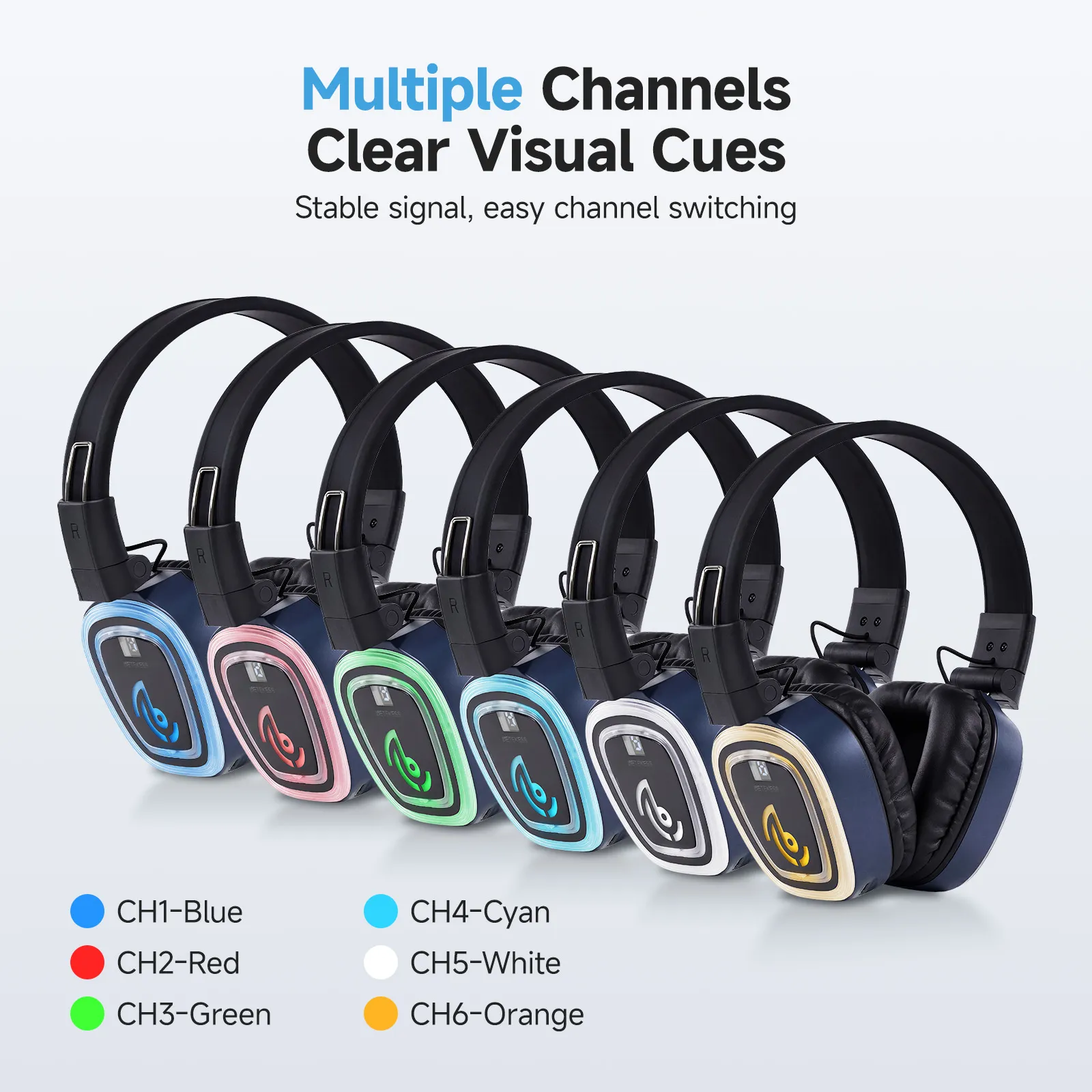
Zero-Decibel High Energy: From the outside, your studio looks like a silent, glowing sanctuary. Inside, members are immersed in 100dB of crystal-clear, bass-heavy audio delivered directly to their ears.
The 24/7 Competitive Edge: In a market saturated with "9-to-5" gyms, offering a high-energy midnight rave at 2 AM sets you apart. This is especially valuable for shift workers, healthcare professionals, and night owls who usually miss out on the community aspect of group fitness.
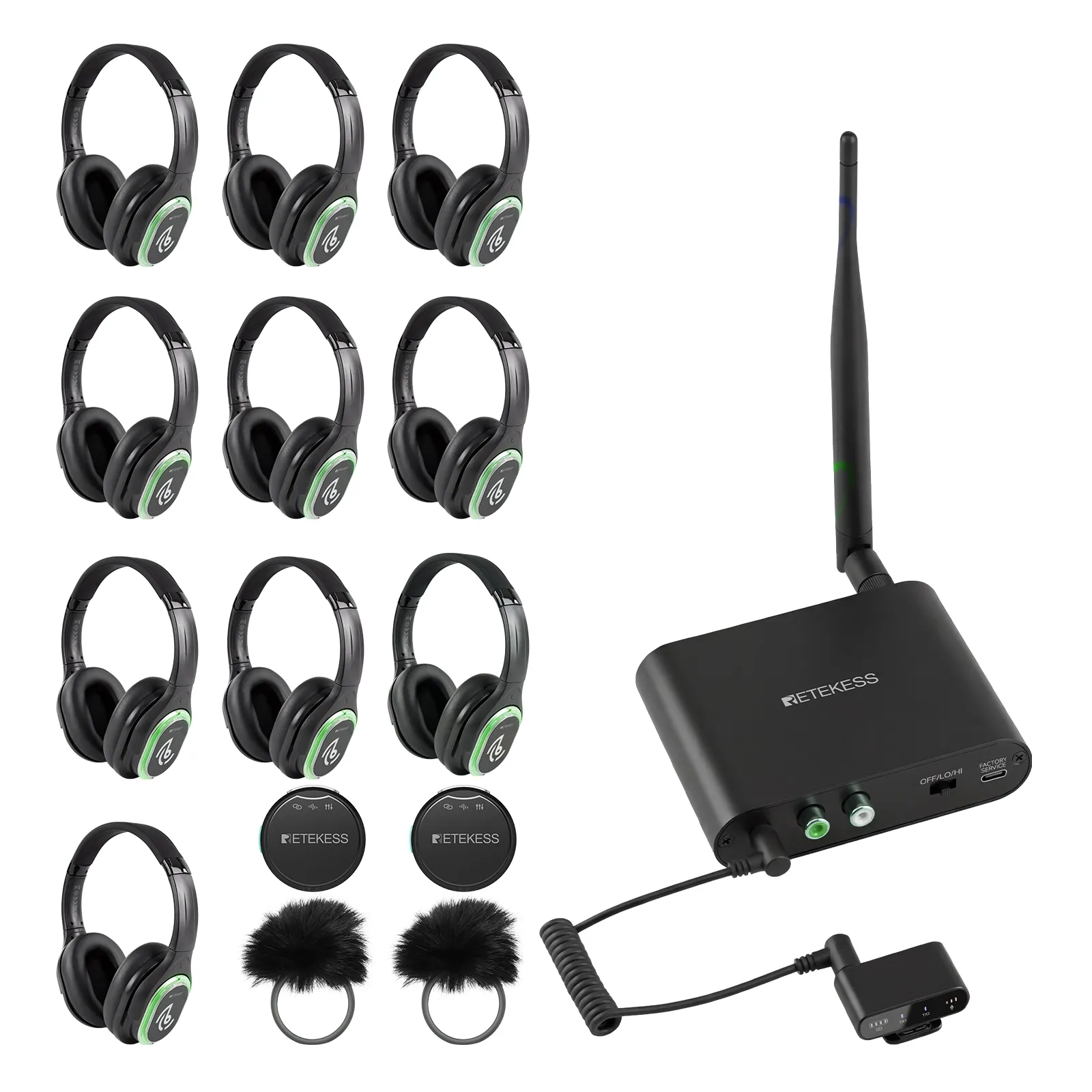
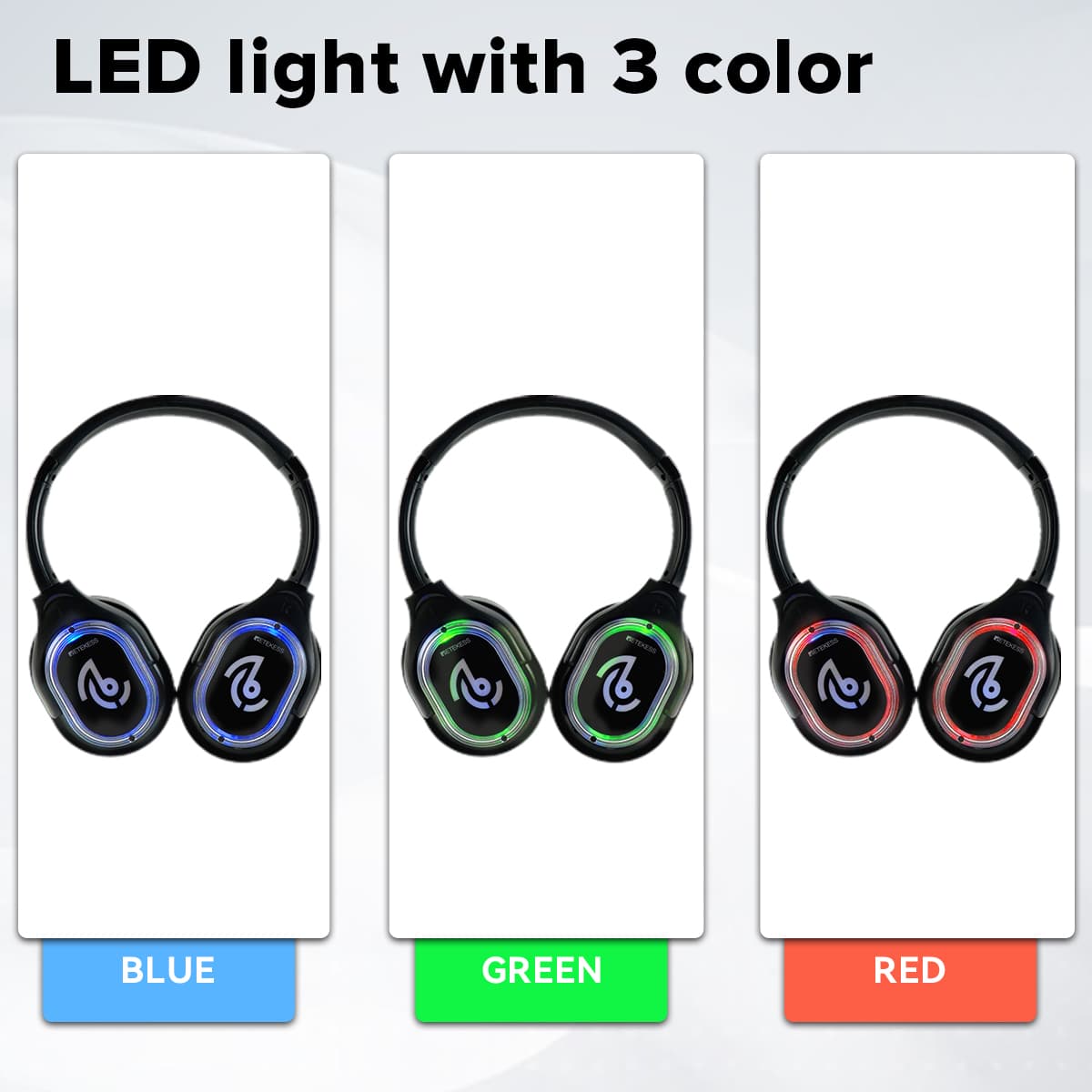
Social Media Virality: Silent raves are inherently "Instagrammable." The color-coded LED lights on the headphones create a futuristic, high-tech aesthetic that acts as a mobile advertisement for your brand every time a member posts a story.
2. Acoustic Partitioning: Running "Dual Vibes" Simultaneously
The greatest waste in a luxury fitness club is unutilized square footage. Traditionally, the physical laws of sound meant you could only host one "vibe" at a time. You couldn't have a thumping HIIT class and a restorative Yin Yoga session in the same room—the audio bleed-through would ruin both experiences.
Silent headphones create Acoustic Partitioning. This allows your studio to:
Double Occupancy: Run two classes in the same studio simultaneously. Channel 1 features the "Cardio Carnival," while Channel 2 hosts "Mindful Breathwork."
Personalized Intensity: During a group workout, offer three different "intensities" on three different channels. Members choose the soundtrack that matches their fitness level, which, according to research published in the Journal of Sports Science & Medicine, can significantly improve workout adherence and psychological satisfaction.
3. The "Quiet Luxury" Standard for SPAs and High-End Clubs
For high-end SPAs and wellness centers, silence is a commodity. Guests pay a premium for an atmosphere of "Quiet Luxury." However, this often creates a conflict if the facility also wants to offer group training or immersive sound baths.
The WELL Building Standard emphasizes acoustic comfort as a key pillar of occupant health. Silent technology aligns perfectly with these standards. It allows a luxury SPA to host a "Silent Sound Bath" in a communal lounge without disturbing guests in adjacent massage rooms or quiet zones. Using professional-grade headphones ensures that the audio quality is so isolated that the guest feels they are in a private sanctuary, even if they are just feet away from a busy reception desk.
4. Technical Reliability: Why UHF Technology is Non-Negotiable
The magic of a silent fitness session only works if the technology is flawless. There is nothing more disruptive to a meditation session than hearing "bleed-through" or static from a nearby class. This is where professional-grade Ultra-High Frequency (UHF) systems come into play.
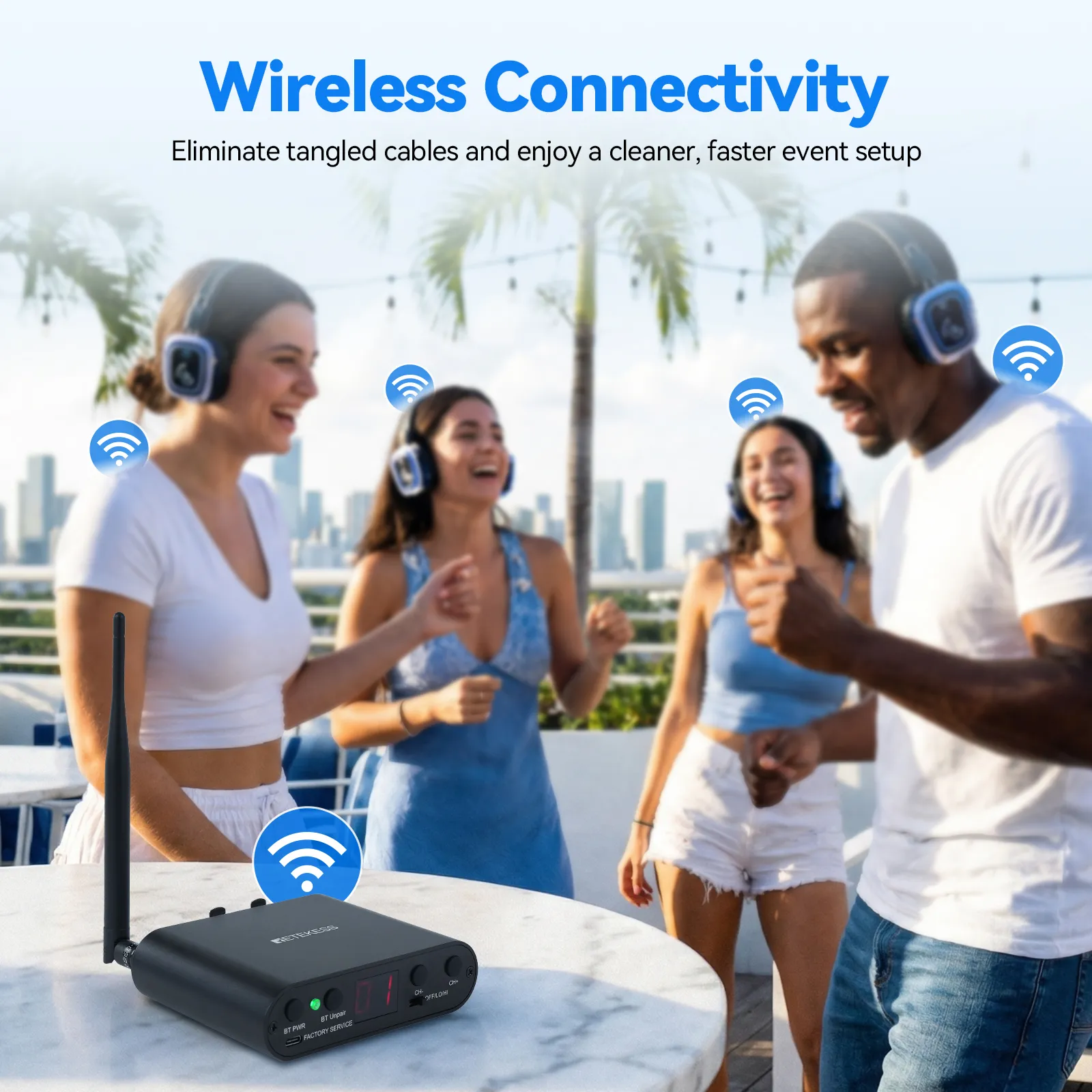
Unlike Bluetooth, which has severe latency (lag) issues and is limited to a few connections, RF (Radio Frequency) systems support unlimited simultaneous connections.
Zero Latency: Essential for "rhythm-based" workouts like cycling or barre, where moving to the beat is mandatory.
Signal Stability: Professional systems prevent signal cross-talk, ensuring that the HIIT instructor's voice never leaks into the Yoga channel.
Battery Endurance: For a 14-hour club day, you need gear that lasts. Modern lithium-ion batteries in these headphones often exceed 10–12 hours of continuous use, reducing the operational burden on your staff.
5. Solving the Instructor Shortage and Prime-Time Congestion
Every boutique studio faces the 6 PM bottleneck. Every member wants to be in the building at the same time, but you only have one main studio. By running "Silent Dual-Classes," you can hire two instructors to work simultaneously in the same room.
This not only doubles your revenue during peak hours but also provides a solution to the "Instructor Shortage." You can foster a community where different styles of movement coexist, as recommended by the American College of Sports Medicine (ACSM) in their yearly fitness trend reports, which consistently rank "Group Training" and "Wearable Tech" in the top tiers.
6. The "Asset-Light" Expansion: Portability as a Business Strategy
For club owners who rent their space, investing $50,000 in permanent soundproofing is a risky move—you can’t take that insulation with you if you move. Silent audio technology is an Asset-Light investment.
Mobile Revenue: Take your gym to the local park, a rooftop, or a beach for a "Pop-up Midnight Rave."
Zero Permits: Since you aren't amplified, you don't need the same structural permits required for high-wattage speaker systems.
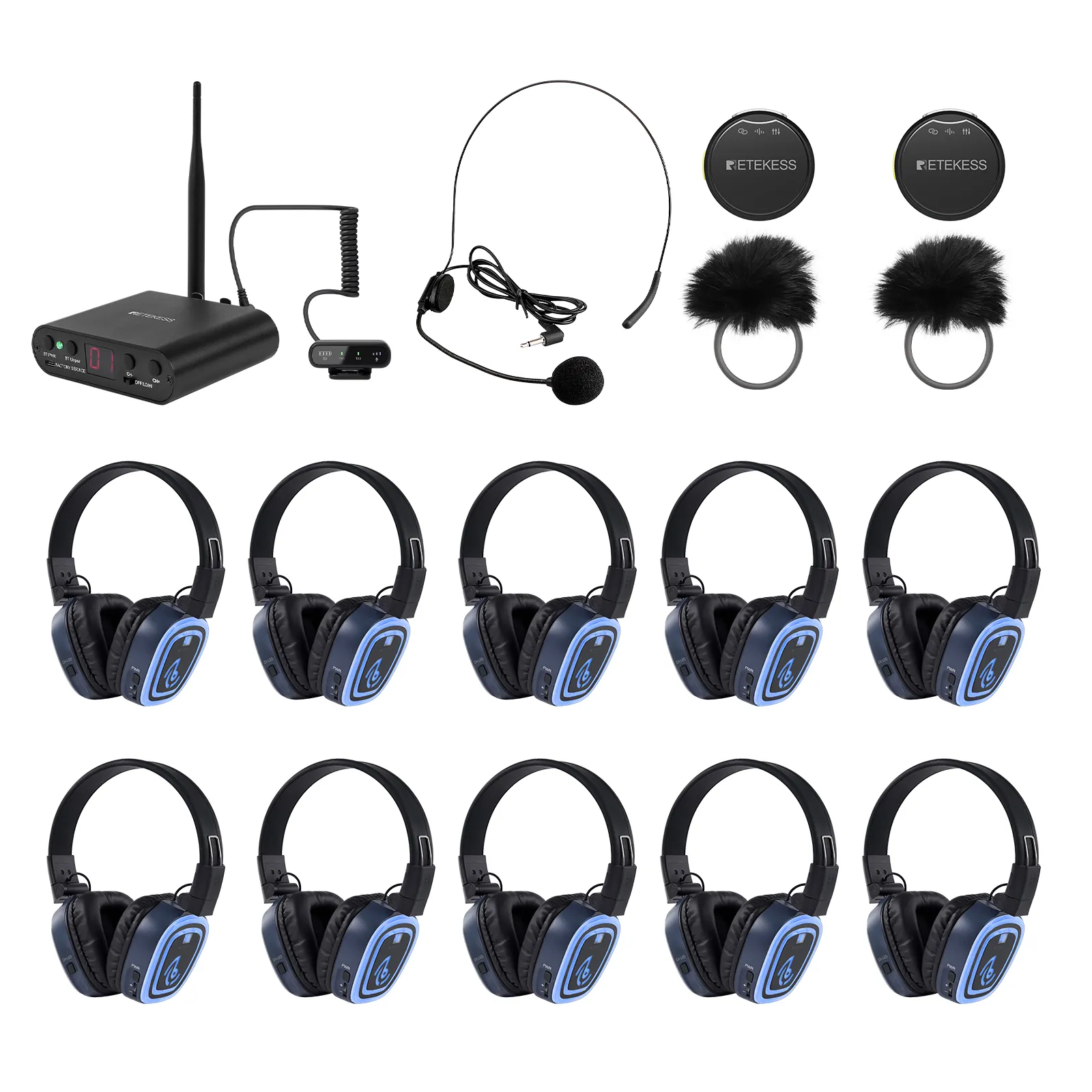
Scalability: Start with 20 headphones and scale to 500 as your community grows. The transmitter stays the same; the capacity is infinite.
Conclusion: From Noise Liability to Acoustic Innovation
The most successful fitness hubs of the late 2020s will not be the loudest—they will be the smartest. Don't let a noise ordinance or a grumpy neighbor dictate your growth or limit your creativity.
By embracing silent audio technology, you transform your facility from a "noisy neighbor" into a cutting-edge Acoustic Sanctuary. You unlock the ability to host a midnight rave, personalize the member experience, and maximize every square foot of your investment. It is time to stop fighting the laws of sound and start using the power of silence to grow your brand.
![[18th Anniversary] 18 Years of Echoing Excellence: Making Communication Easier, Connecting Trust Beyond Borders](https://res.retekess.com/z_file/20260716/retekess-brand-story-making-communication-easier_20260716151044_7682.jpg)
![[18 Years in Wireless Communication] Silent Disco Systems Anniversary Celebration: Top-Selling Headphones & Event Mechanics Revealed!](https://res.retekess.com/z_file/20260713/18-years-in-wireless-communication-silent-disco-systems-anniversary-celebration_20260713175011_5749.webp)
![[Anniversary Carnival] Ding-dong! 18th Anniversary Mega Sale on Guest Paging & Calling Systems: Full Reveal of 12+ Products & Promo Rules!](https://res.retekess.com/z_file/20260713/18th-anniversary-mega-sale-on-guest-paging-calling-systems_20260713175257_0295.webp)
![[Retekess 18th Anniversary Teaser] Tour Guide System Exclusive Perks: Sneak Peek at Event Dates & Mechanics!](https://res.retekess.com/z_file/20260713/retekess-18th-anniversary-tour-guide-system-exclusive-perks--2-_20260713180135_6435.webp)
Follow Us
Pay With


 Google
 Amazon
Comments (0)