
Table of Contents
Translation Devices for Schools: Simplify Multilingual Campus Events
- Retekess
- Aug 8, 2026
Practical multilingual support for orientation, lectures, and daily international student services
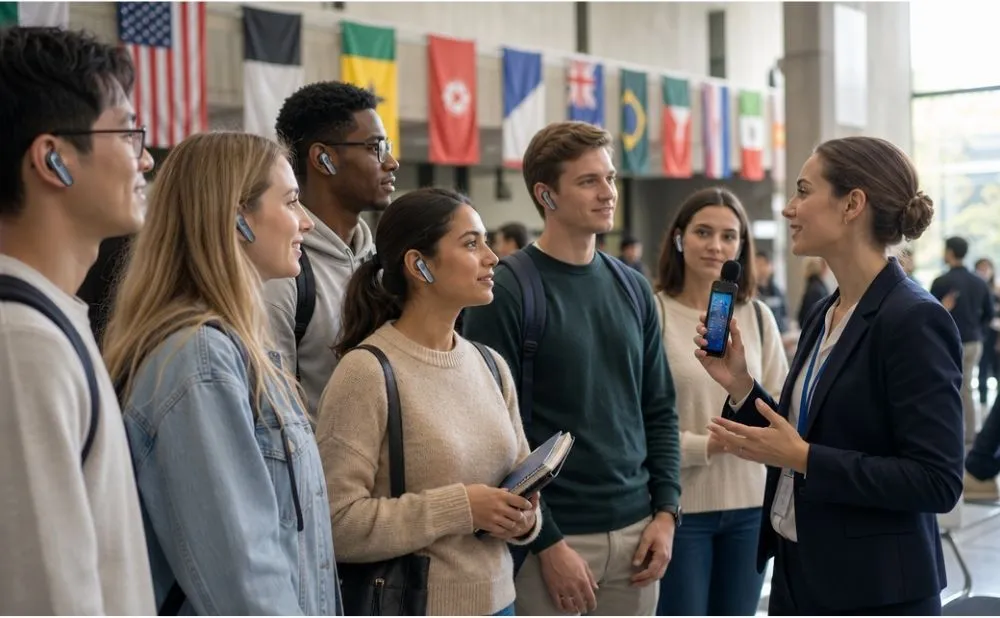
International student programs handle constant multilingual communication needs. From large welcome lectures to small department sessions, campus tours, and one-on-one advising, every setting requires clear, synchronized language support.
Traditional professional interpretation systems work for fixed auditorium events. They come with high rental costs, complex setup, and no flexibility for smaller or mobile campus settings. Many teams rely on scattered tools that fail to deliver consistent results across all event types.
Lightweight translation devices for schools fill this gap. They deliver reliable multilingual audio across every type of campus space, with minimal setup and no specialized technical staff required.
Core Multilingual Challenges for Campus Teams
Campus international services face consistent barriers that limit the quality and efficiency of multilingual support.
First, event settings are highly diverse. Multilingual needs span large auditoriums, small classrooms, outdoor quads, and walking tours. No single traditional solution fits all these spaces. Teams often end up using different tools for different events, which creates extra planning work and inconsistent attendee experiences.
Second, orientation and event schedules are tightly packed. Welcome weeks run back-to-back sessions across different locations. Slow setup and teardown of complex audio equipment creates scheduling gaps and adds pressure to already busy teams.
Third, dedicated technical support is limited. Most international student offices do not have in-house audio technicians available for every event. Relying on external vendors drives up costs and reduces scheduling flexibility.
Fourth, audience sizes vary widely. Groups range from a handful of students to hundreds of attendees. Scaling traditional interpretation systems up or down is slow, costly, and often impractical for smaller sessions.
How Translation Devices Elevate Every Campus Multilingual Scenario
Compact wireless translation systems address all these pain points, with four core advantages that fit the specific rhythm of campus operations.
Works across all campus locations
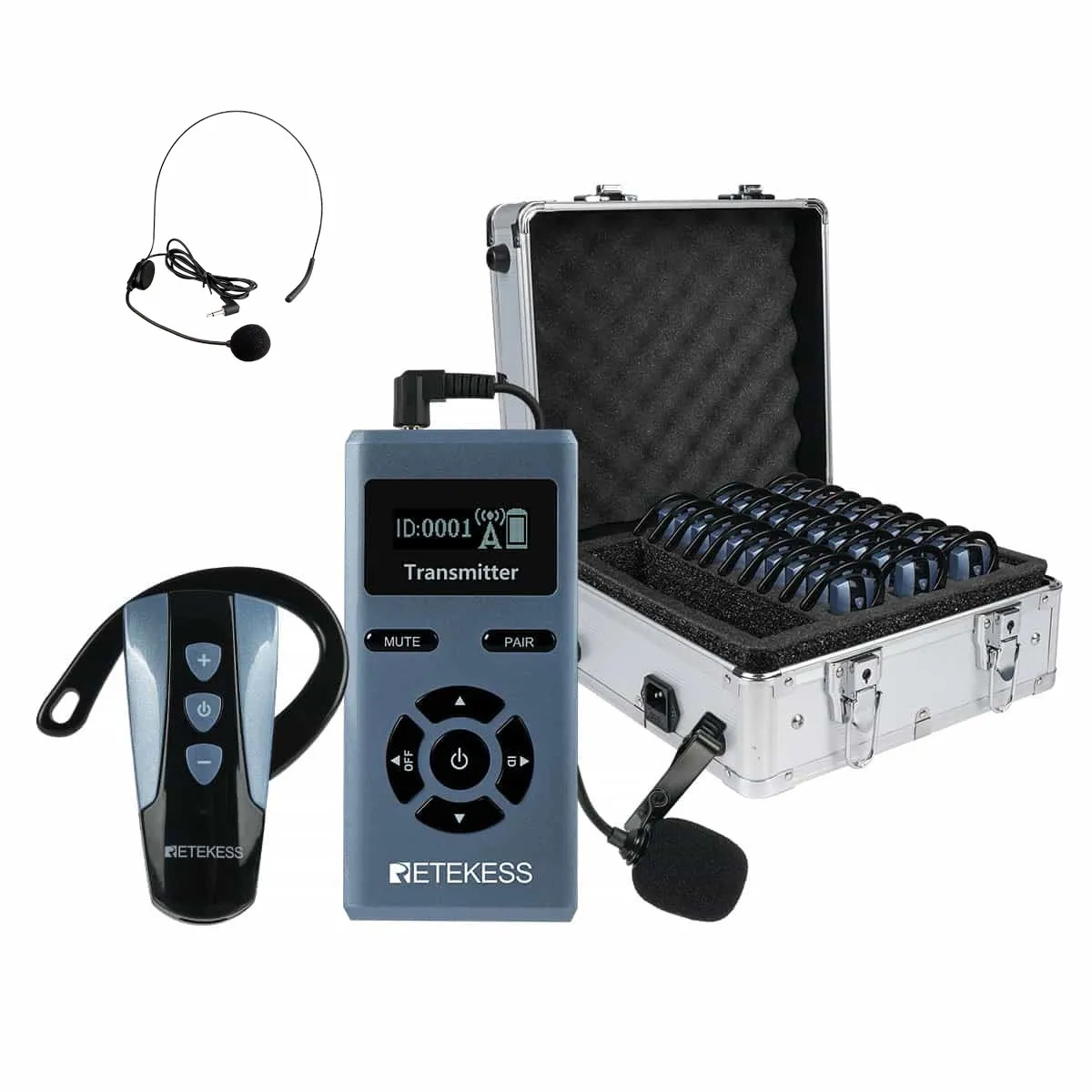
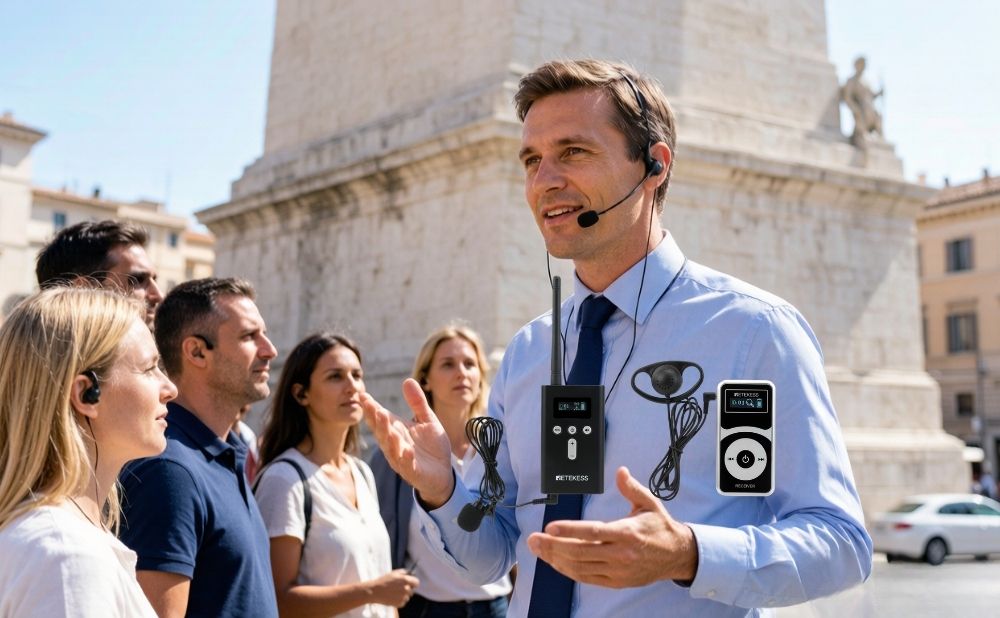
These systems use compact transmitters and lightweight receivers. They perform equally well in enclosed lecture halls, small meeting rooms, and open outdoor spaces for walking tours. The same set of equipment moves easily between venues with no rewiring or reinstallation required. One purchase covers every multilingual scenario on campus.
Fast, simple setup for any team
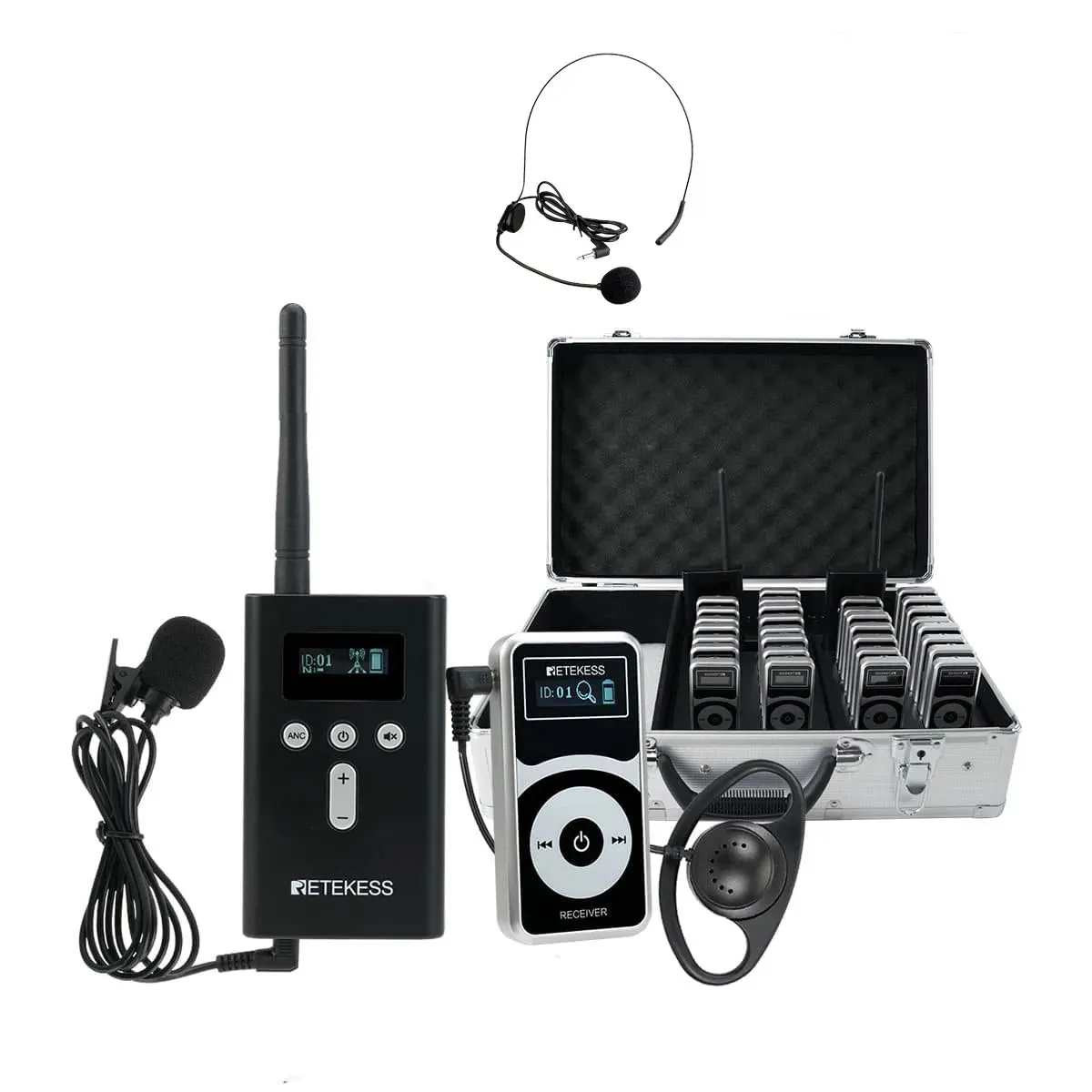
Basic setup takes minutes. Transmitters connect directly to standard audio sources, and pre-charged receivers are ready for distribution. Student volunteers or administrative staff can run the system with no specialized training. This removes the need for external technical support for most campus events, and cuts down prep time significantly.
Multiple language channels in parallel
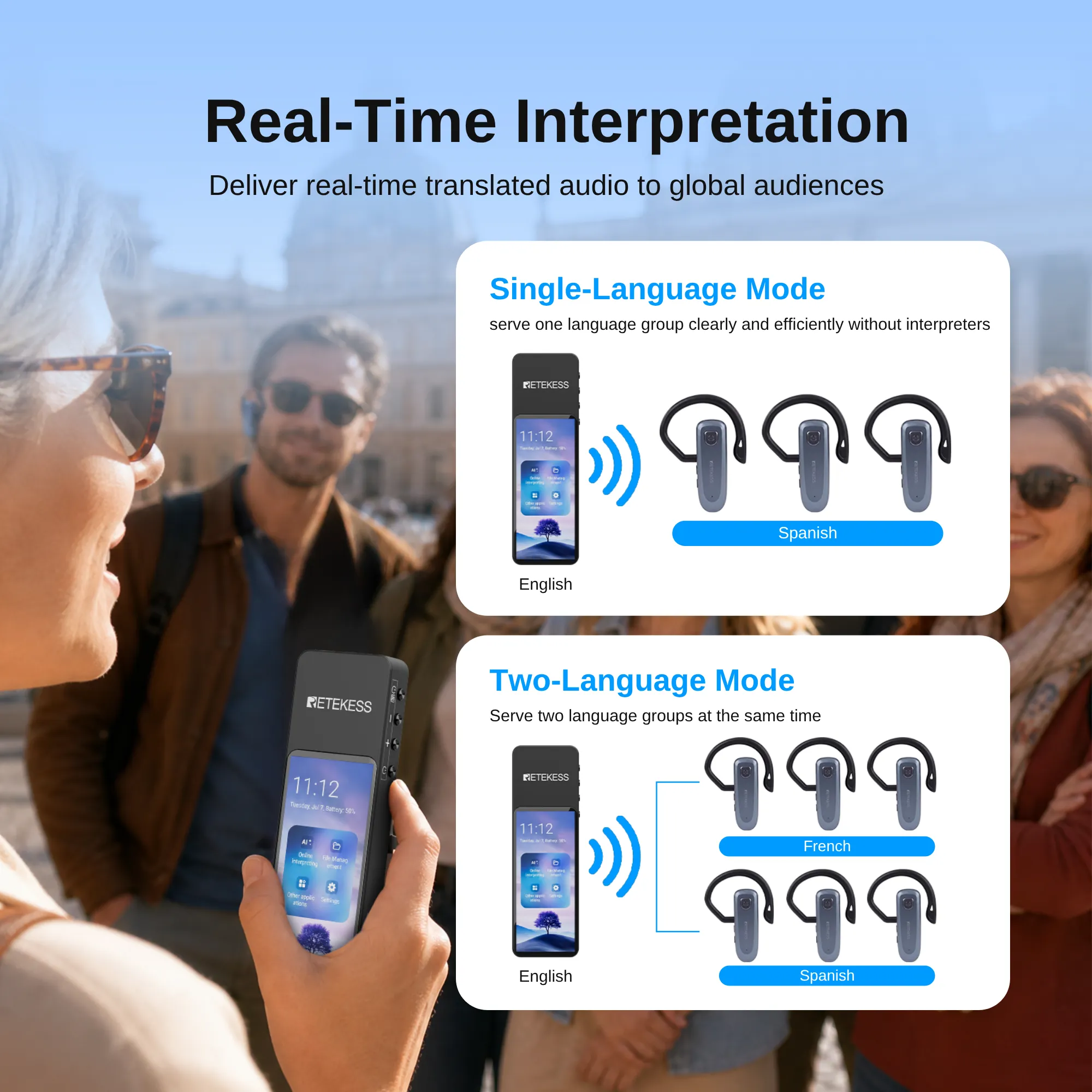
Multi-channel systems support several language feeds at the same time. Attendees switch channels with one button to select their preferred language. A single lecture can serve speakers of multiple languages simultaneously, with no need for separate breakout sessions. This cuts event planning workload and makes better use of limited interpreter resources.
Lower long-term cost per use
Purchasing a dedicated system eliminates repeated rental fees for professional interpretation gear. The equipment works for orientation, regular lectures, campus tours, and parent meetings year-round. Costs spread across hundreds of use cases, delivering much stronger long-term value than per-event rentals.
What to Look For in Translation Devices for Schools
Not all systems fit the specific needs of campus use. Four features make the biggest difference for international student programs.
- Reliable indoor and outdoor signal. Stable coverage across large lecture halls and open walking routes, with no dropouts as groups move.
- All-day battery life. Enough runtime for full orientation days and back-to-back events without mid-day charging breaks.
- Lightweight, comfortable design. Receivers that are easy to wear for hours, with simple controls that work for all attendees.
- Scalable capacity. Ability to add more receivers easily for large events, and scale down smoothly for small group sessions.
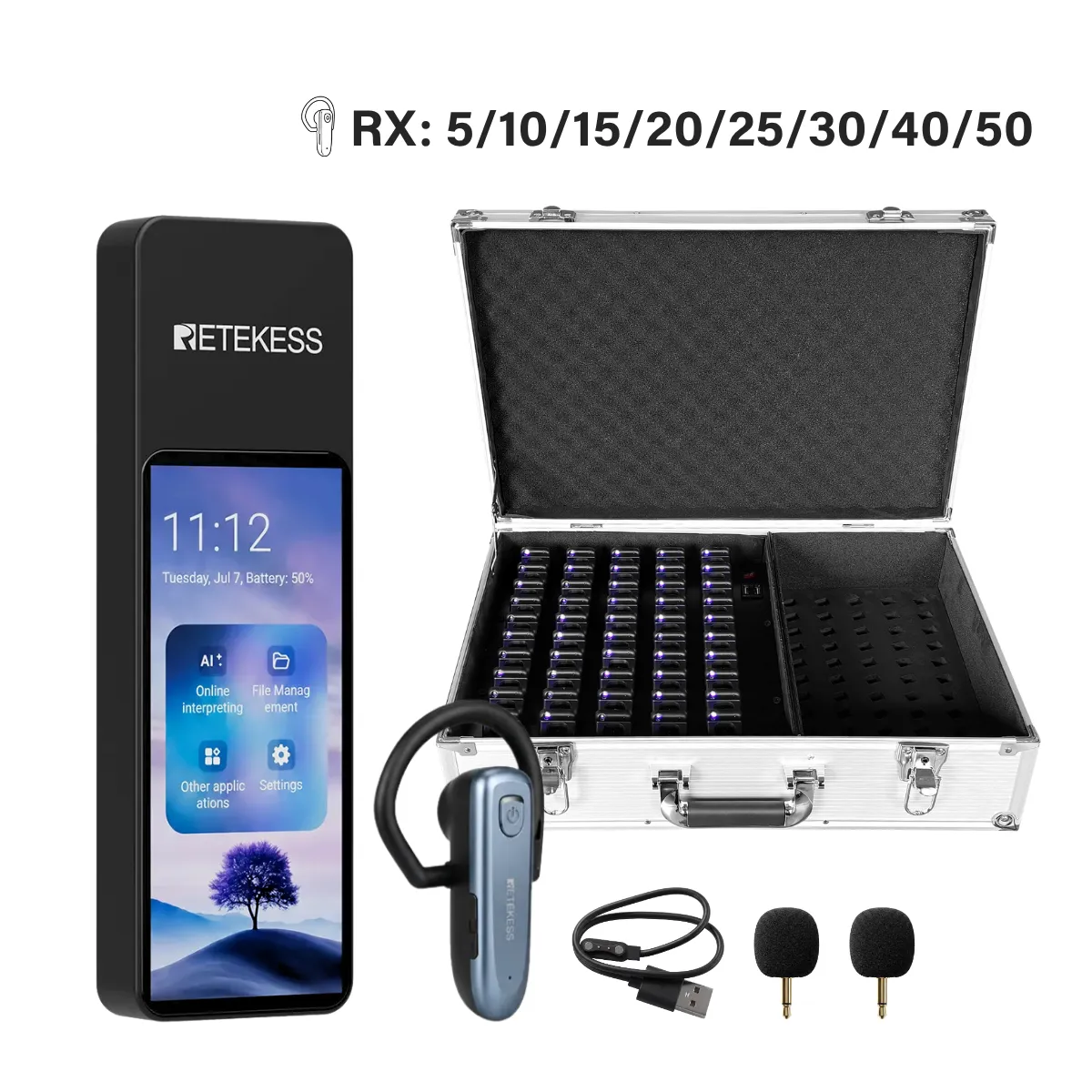
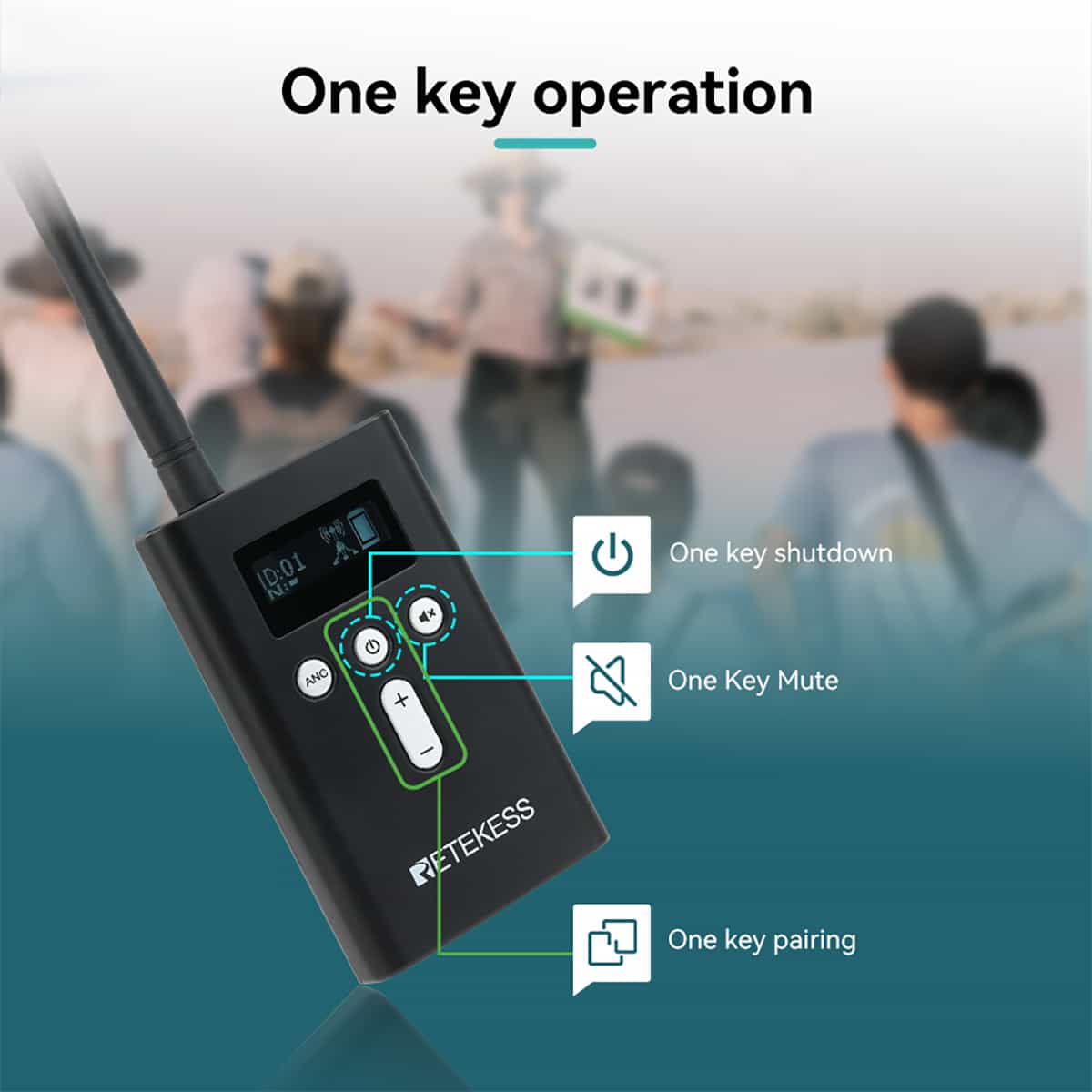
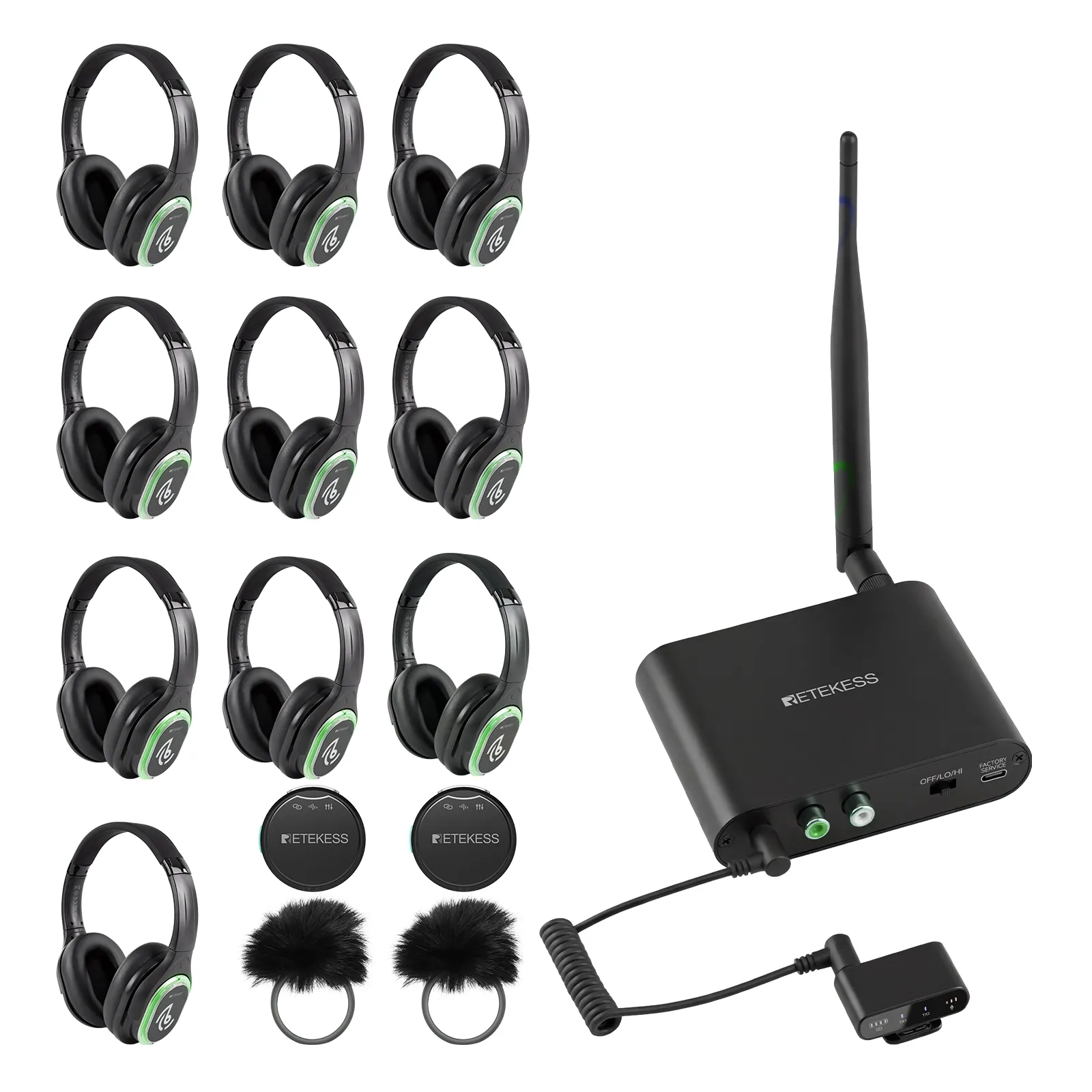
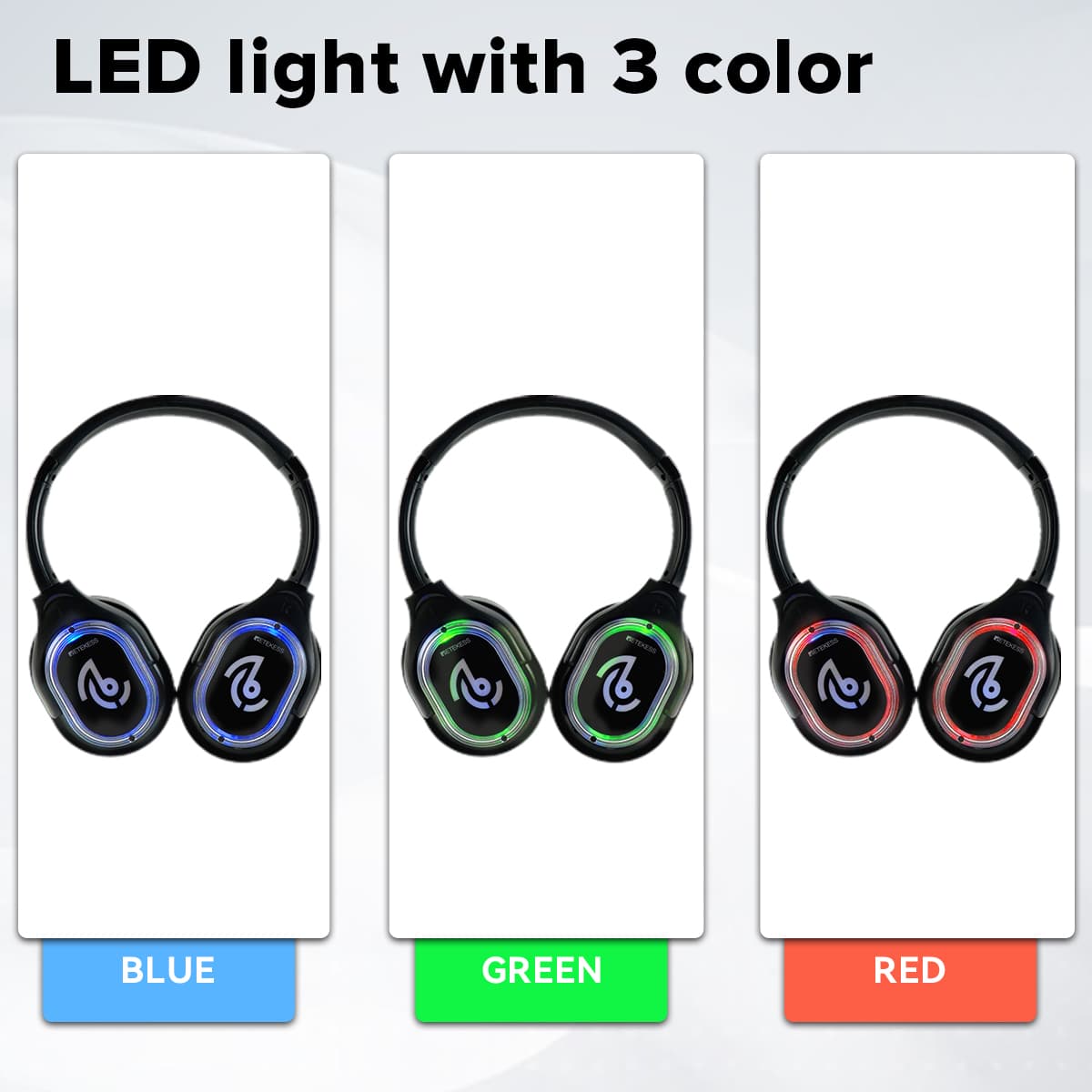
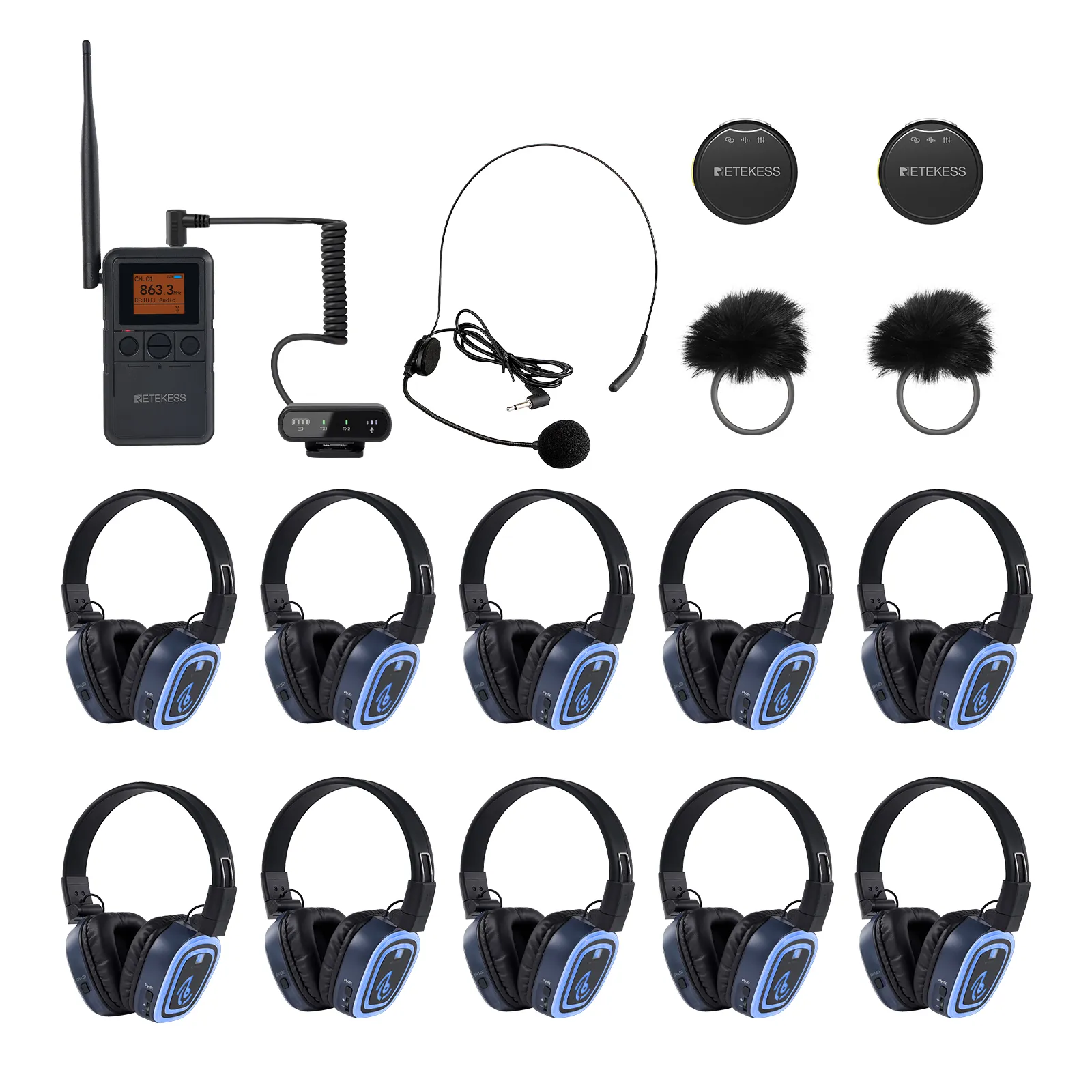
The Retekess TT136 system aligns with the demands of multilingual campus events. It delivers stable signal across indoor and outdoor campus spaces, supports multi-language channel setups, and provides long battery life for full-day events. The compact, lightweight receivers are easy for students and visitors to use, and the system scales smoothly for both small and large groups.
Frequently Asked Questions
Do these devices work for walking campus tours? Yes. The system maintains steady signal as groups move across outdoor campus spaces. It works for both stationary lectures and mobile guided tours.
How long does it take to set up the system for an event? Basic setup takes 5 to 10 minutes. Transmitters connect to standard audio inputs, and pre-charged receivers are ready to hand out to attendees.
Can the system support more than one language at a time? Yes. Multi-channel configuration lets teams run multiple language feeds simultaneously. Attendees select their preferred channel with a simple button control.
Conclusion
Multilingual campus support does not require expensive, complex professional interpretation systems for every event. Lightweight translation devices for schools deliver reliable, flexible performance across every common campus setting, from large orientation lectures to small daily advising sessions.
These systems reduce planning workload, cut long-term costs, and create a smoother experience for international students and visitors. They fit the fast-paced, varied schedule of campus international student programs perfectly.
Contact us to receive a custom system recommendation tailored to your campus event sizes and typical multilingual needs.

![[18th Anniversary] 18 Years of Echoing Excellence: Making Communication Easier, Connecting Trust Beyond Borders](https://res.retekess.com/z_file/20260716/retekess-brand-story-making-communication-easier_20260716151044_7682.jpg)
![[18 Years in Wireless Communication] Silent Disco Systems Anniversary Celebration: Top-Selling Headphones & Event Mechanics Revealed!](https://res.retekess.com/z_file/20260713/18-years-in-wireless-communication-silent-disco-systems-anniversary-celebration_20260713175011_5749.webp)
![[Anniversary Carnival] Ding-dong! 18th Anniversary Mega Sale on Guest Paging & Calling Systems: Full Reveal of 12+ Products & Promo Rules!](https://res.retekess.com/z_file/20260713/18th-anniversary-mega-sale-on-guest-paging-calling-systems_20260713175257_0295.webp)
![[Retekess 18th Anniversary Teaser] Tour Guide System Exclusive Perks: Sneak Peek at Event Dates & Mechanics!](https://res.retekess.com/z_file/20260713/retekess-18th-anniversary-tour-guide-system-exclusive-perks--2-_20260713180135_6435.webp)
Follow Us
Pay With


 Google
 Amazon
Comments (0)