
Table of Contents
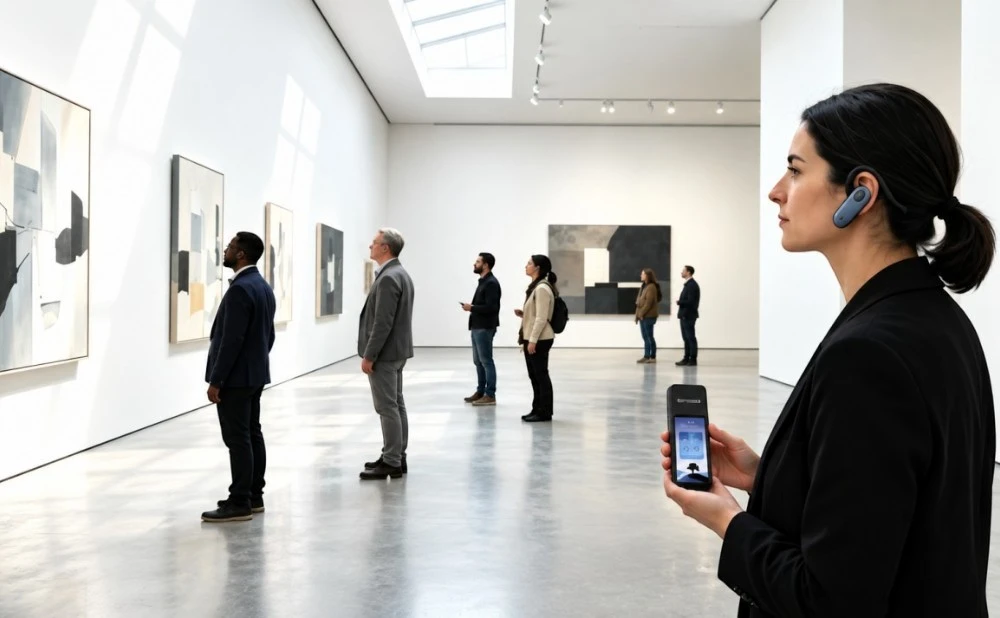
Art Exhibition Translation: Lightweight Multilingual Commentary for Global Art Shows
- Retekess
- Sep 16, 2026
As international art biennales, cross-border traveling shows, and pop-up gallery programs draw increasingly global audiences, curators and gallery operators face a clear challenge: delivering accessible, immersive art exhibition translation without stretching budgets or disrupting exhibition spaces. For temporary events in particular, multilingual commentary is no longer a nice-to-have — it’s a core driver of inclusive visitor engagement and artistic impact.
Why Traditional Interpretation Setups Fail Temporary Art Exhibitions
Most venues still rely on legacy conference-style interpretation systems built for permanent convention centers. These setups work for year-round installations, but they create three critical pain points for short-term art events.
Steep Biennale Interpretation Equipment Rental Costs
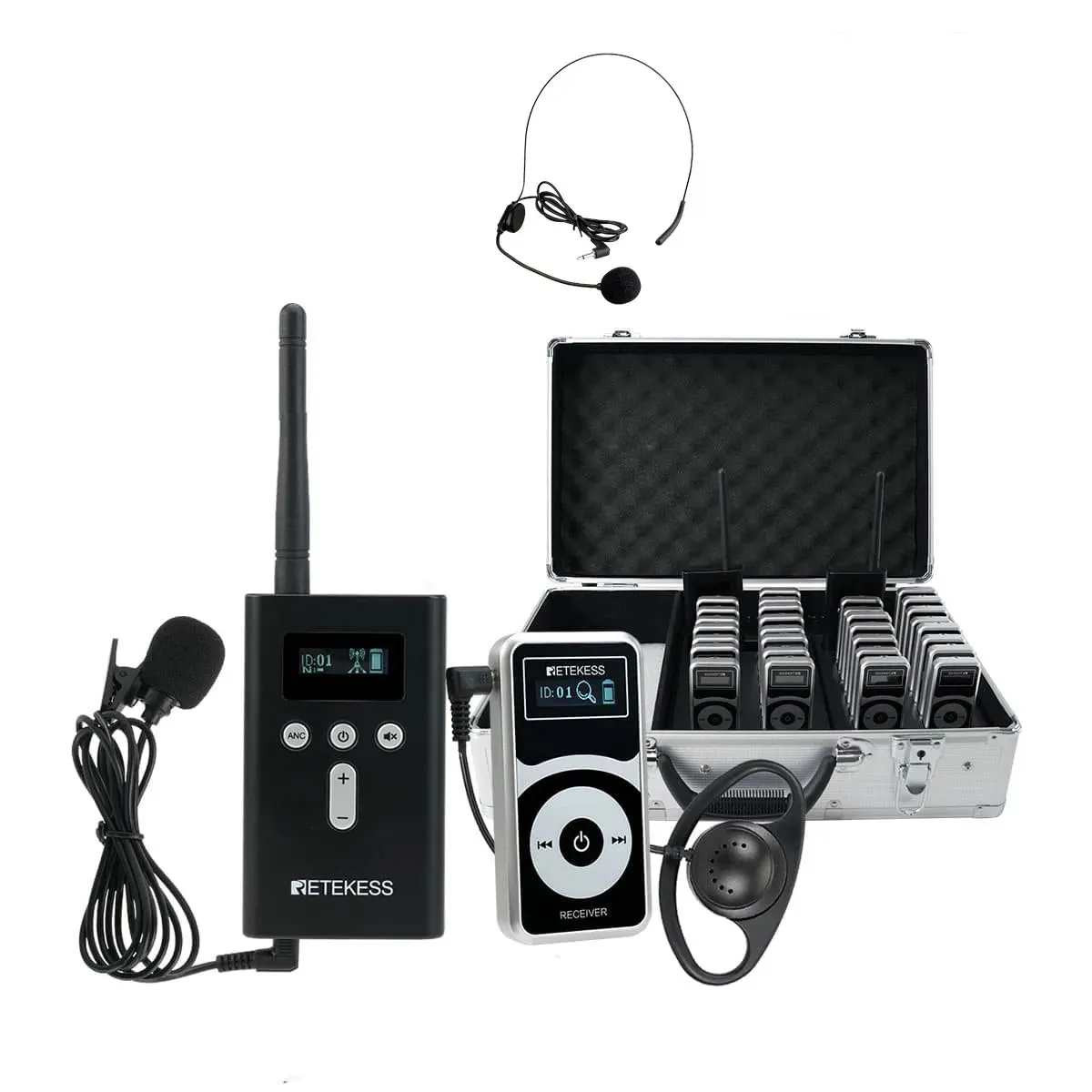
Professional simultaneous interpretation booths, wired receivers, and on-site technical support come with premium daily rental fees. For biennales or pop-up shows that run only a few days or weeks, these costs are often hard to justify, pushing many small galleries and emerging art events to skip multilingual support entirely. Even large institutions face budget pressure when scaling language support across multiple exhibition zones or off-site installations.
Rigid Deployment That Disrupts Gallery Spaces
Wired interpretation systems require fixed booths, extensive cable runs, and pre-event venue testing — all of which interfere with gallery layouts, artwork placement, and installation timelines. For outdoor biennale sections, warehouse pop-ups, or rotating exhibition formats, this level of fixed infrastructure is simply not feasible. Organizers are forced to limit commentary to a single fixed space, rather than delivering it where visitors are actually engaging with art.
Inflexible Scaling for Unexpected Visitor Groups
Traditional systems lock organizers into a set number of languages and devices weeks in advance. If an unexpected international collector group arrives, or visitor demographics shift last minute, hiring additional interpreters or sourcing extra equipment causes costly delays and logistical stress. This inflexibility makes it hard to deliver truly inclusive experiences for diverse art audiences.
How Lightweight Commentary Systems Transform Art Exhibition Translation
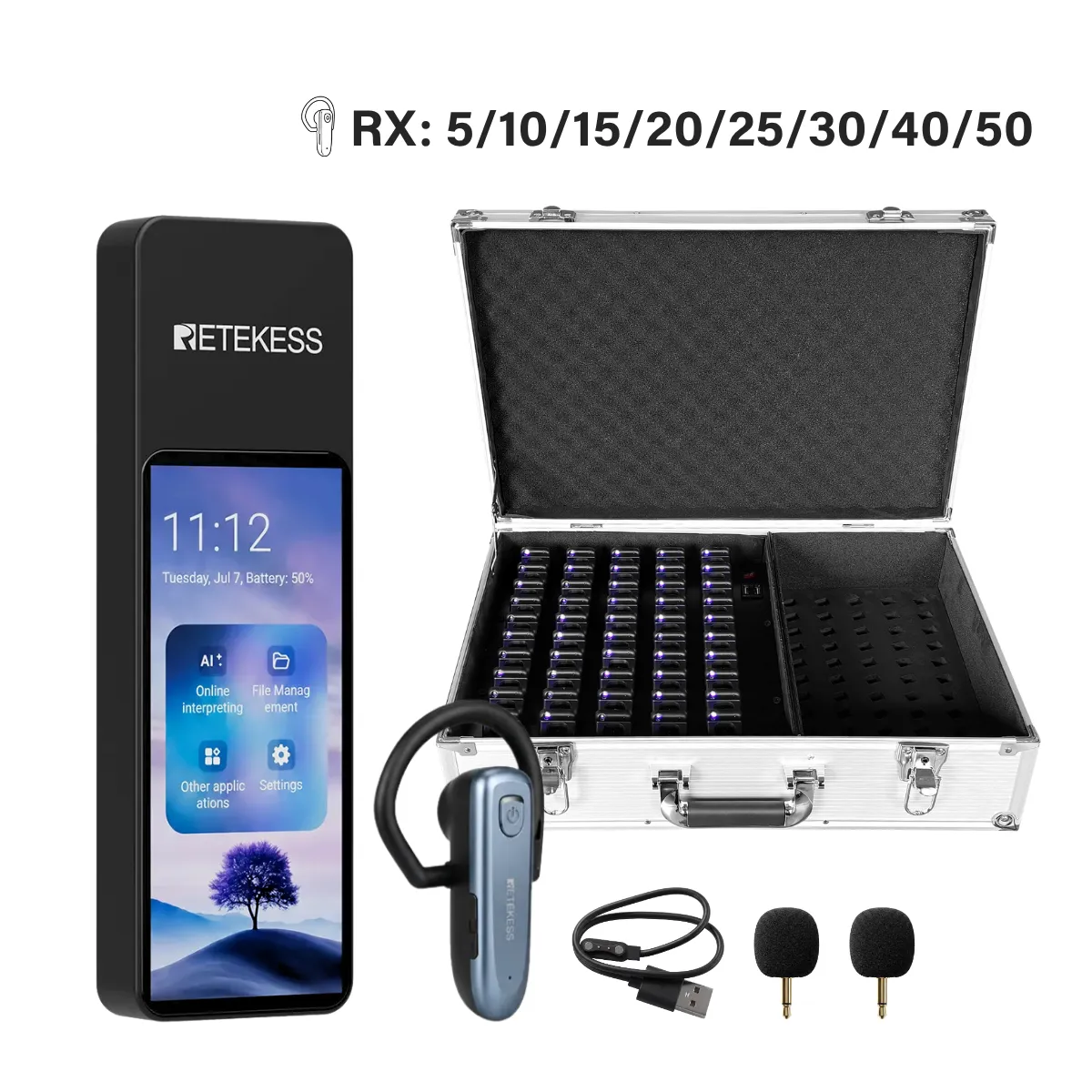
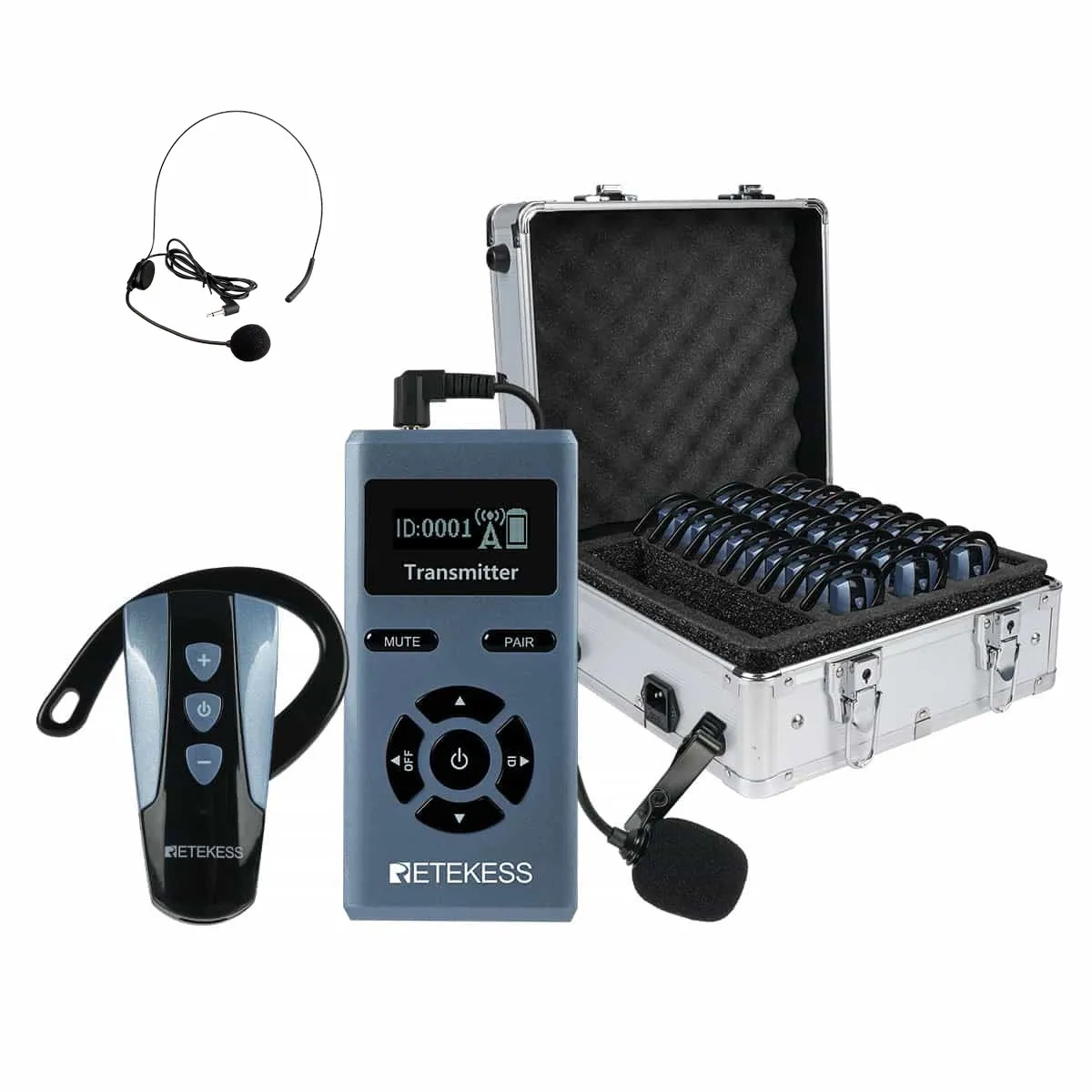
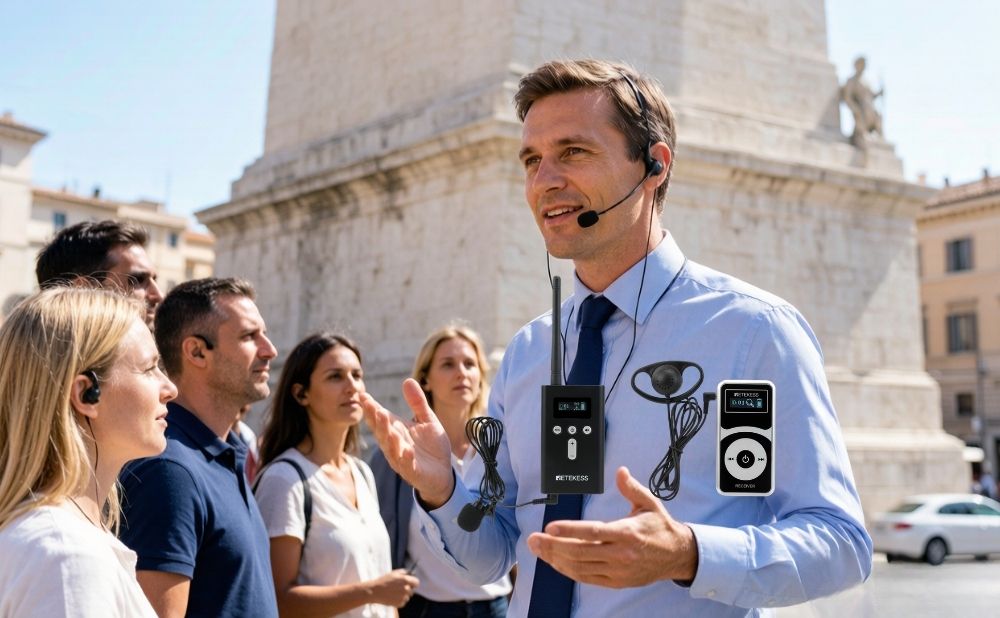
Lightweight wireless interpretation systems solve these pain points by prioritizing portability, affordability, and adaptability — all while maintaining the clear audio quality that art spaces demand. For curators and event organizers, this approach to art exhibition translation delivers three game-changing advantages, with solutions like the Retekess TT136 Wireless Real-Time Interpretation Tour Guide System leading the way.
Cut Overhead Without Compromising Visitor Experience
Unlike traditional rental packages that charge per device, per technician, and per day, lightweight systems operate on a simple, cost-effective model. The Retekess TT136 eliminates recurring on-site technician fees and reduces reliance on dedicated interpreters, thanks to its accurate online translation supporting 120+ languages. For a weekend pop-up show or a mid-sized biennale program, this means you can support 5+ core languages for a fraction of the cost of traditional interpretation rentals. This makes high-quality gallery audio guide translation accessible to small galleries and independent curators, not just large institutional shows.
Fast, Tool-Free Setup for Any Venue Format
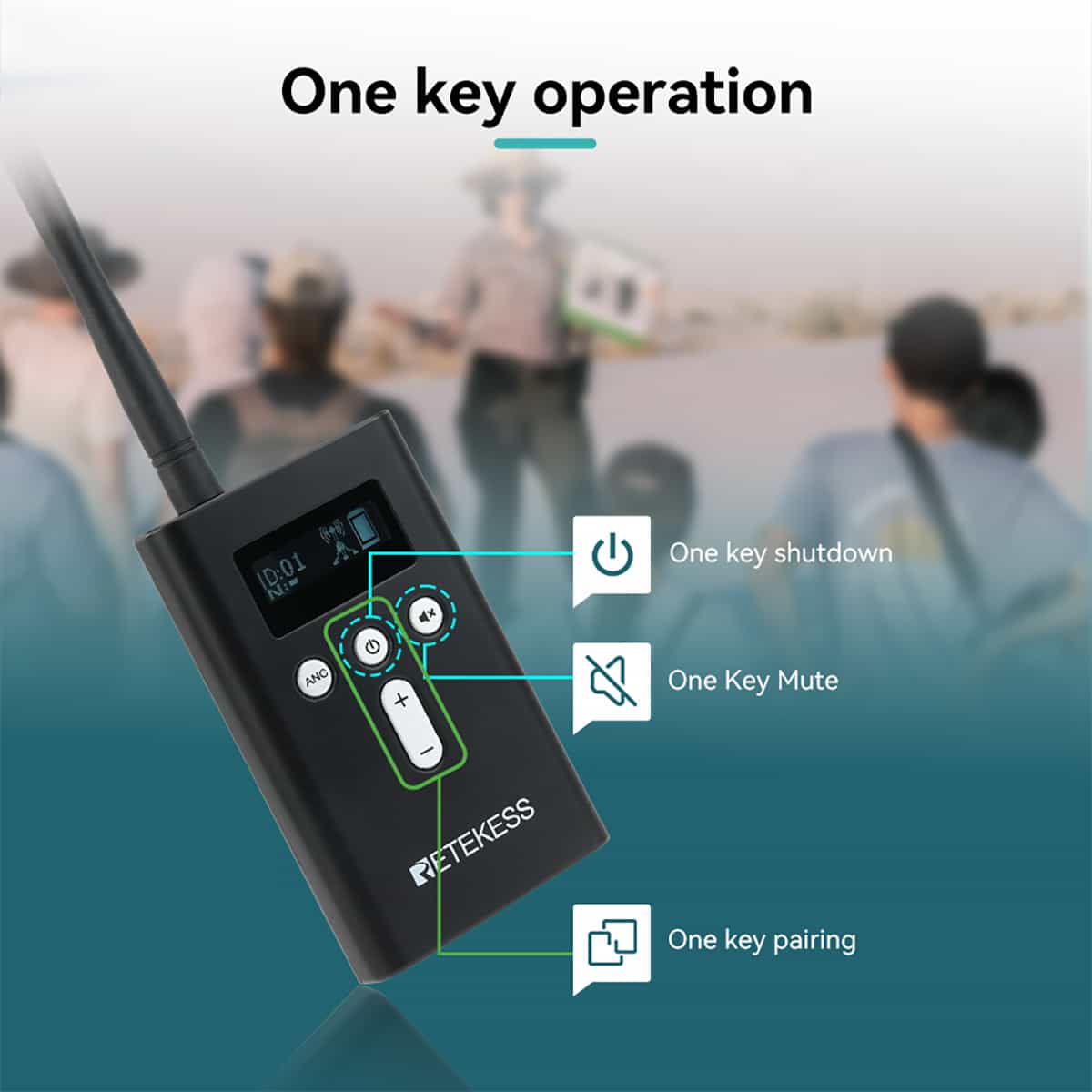
One of the biggest advantages of wireless systems is that they require no permanent wiring or fixed booths. The Retekess TT136 runs on existing Wi-Fi or a mobile hotspot, so your team can deploy a full multilingual commentary system in under an hour — no specialized technical staff required. This flexibility is transformative for temporary art events: you can deliver synchronized commentary in white-walled gallery halls, outdoor sculpture gardens, opening ceremony stages, and even off-site satellite venues. If you rearrange your exhibition layout mid-show, you can reposition the system in minutes, with no rewiring or construction needed. It’s an ideal pop-up art show language solution for venues that change with every exhibition.
Flexible Modes Tailored to Art Event Workflows
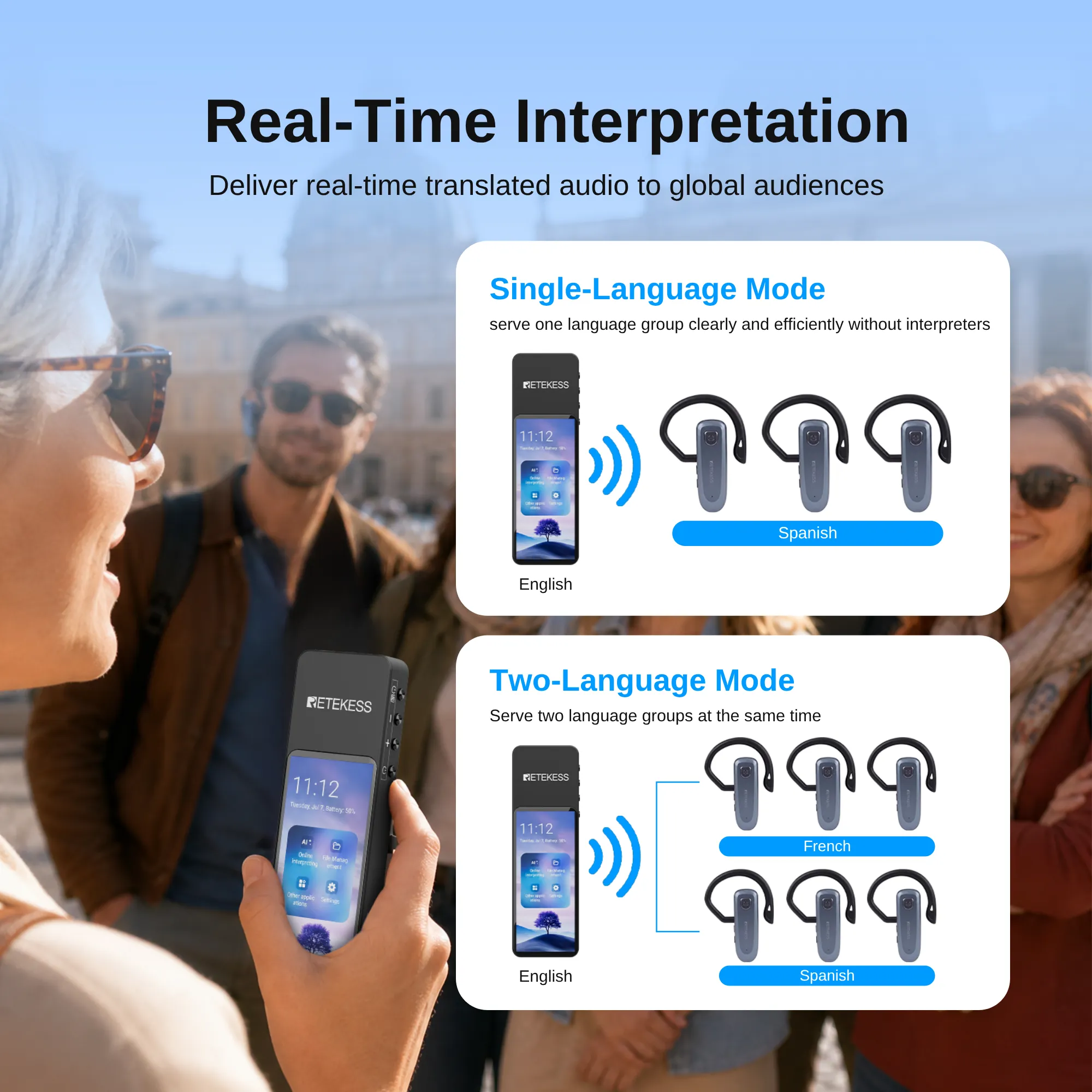
Lightweight systems aren’t just cheaper and easier to set up — they’re built to match the actual flow of art events. The Retekess TT136 offers two core commentary modes to fit every program format, plus smart translation features for cross-language interaction.
- Single-Language Mode: Deliver dedicated, clear audio commentary for one language group at a time, perfect for scheduled curator-led guided tours. The system transmits crisp audio directly to lightweight visitor receivers, so even in busy, echo-prone gallery spaces, every listener hears every detail of the artwork interpretation.
- Two-Language Mode: Serve two language groups simultaneously from a single transmitter, ideal for opening ceremonies, artist talks, and panel discussions. There’s no need for separate interpretation booths — the system handles audio separation automatically, so you can run bilingual artist talk simultaneous translation with just your existing event staff.
For truly global audiences, the system’s auto language recognition feature detects the speaker’s language and translates it in real time, with no manual switching required. Its two-way group auto-translation function also simplifies cross-language conversations during Q&A sessions, collector meetings, and networking events, making interactions feel natural and inclusive.
3 Simple Steps to Deploy Multilingual Commentary for Your Next Show
Adopting a lightweight art exhibition translation system is straightforward, even for teams with no AV technical experience. Follow these three steps to roll out reliable multilingual support for your next biennale, gallery show, or traveling exhibition.
- Map your audience and language prioritiesFirst, analyze your expected visitor demographics to identify 2–4 core languages for live commentary. For less common language groups, the Retekess TT136’s online translation feature can add on-demand support for 120+ languages, so you don’t have to plan for every possible language in advance.
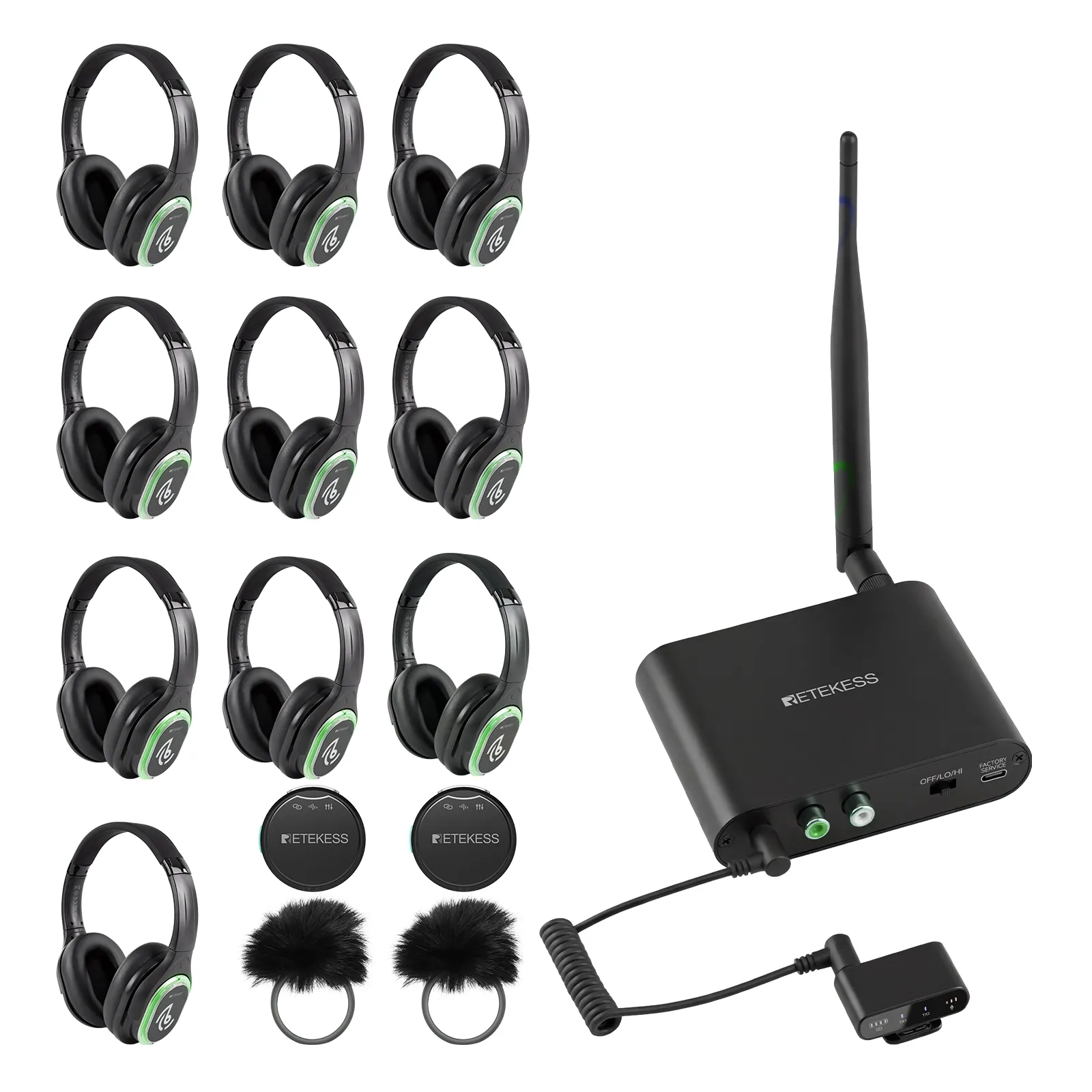
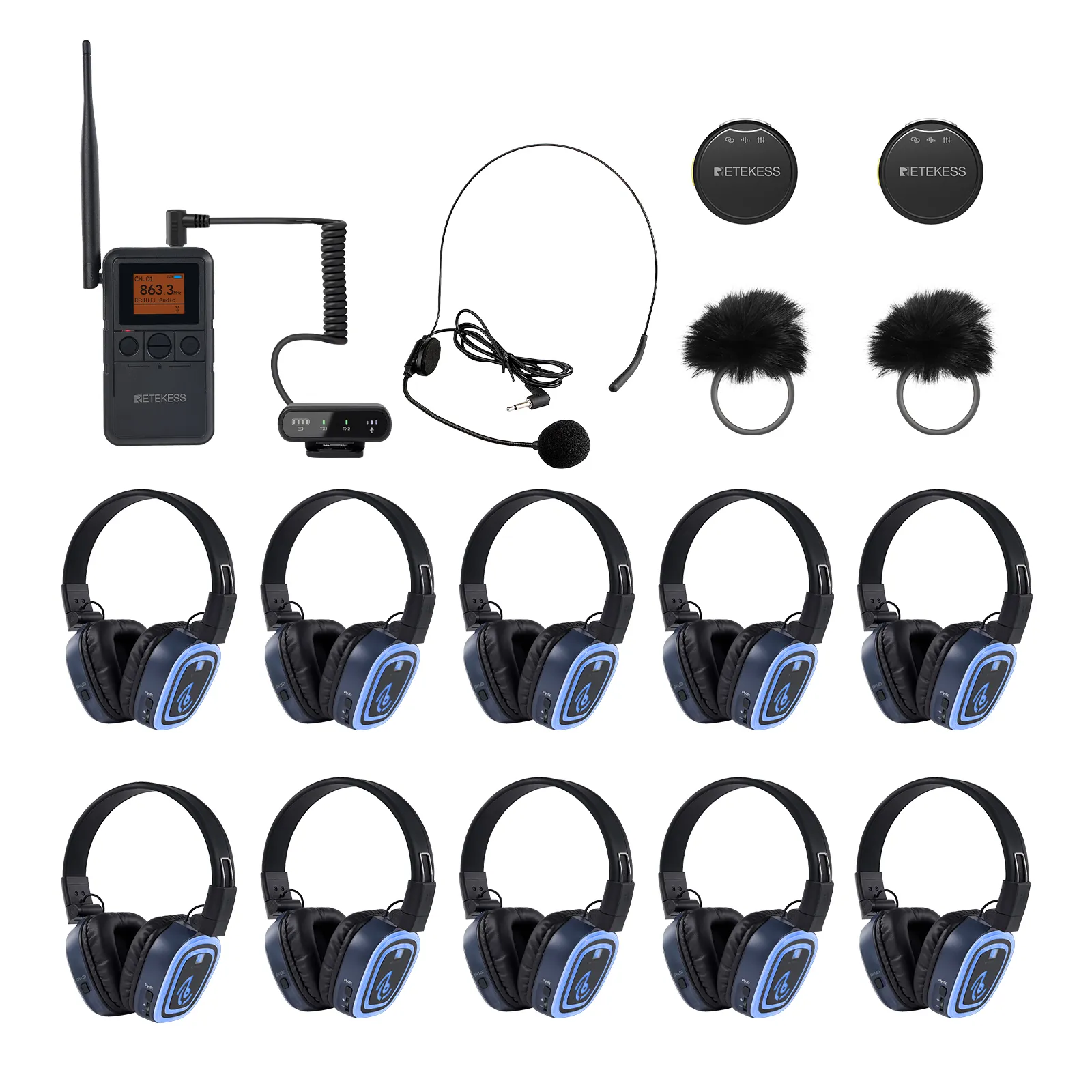
- Choose the right system configurationSelect the number of transmitters and receivers based on your maximum expected group size. For guided tours, one transmitter per tour guide plus 20–30 receivers per group works well. For opening ceremonies or artist talks, use two-language mode with enough receivers for all attendees.
- Test and train your team in minutesRun a quick sound check across all exhibition zones 24 hours before your event to confirm coverage. Train your docents or curators on basic system operation — most teams feel fully confident after a 15-minute walkthrough, with no lengthy training required.
Conclusion
Art exhibition translation is a critical tool for making international art accessible to global audiences, but it doesn’t have to come with exorbitant rental costs and complex logistics. Lightweight wireless real-time interpretation for art exhibitions gives curators, gallery operators, and biennale organizers a flexible, scalable way to deliver inclusive multilingual content without the hassle of legacy equipment.
Ready to cut biennale interpretation rental costs and elevate your next international art event with seamless multilingual support? Discover how the Retekess TT136 Wireless Real-Time Interpretation Tour Guide System can power your gallery exhibition, pop-up show, or cross-border biennale with accurate, easy-to-deploy commentary. Visit our product page to explore full specifications, request a free venue consultation, or download our complete guide to multilingual art event deployment.



![[18th Anniversary] 18 Years of Echoing Excellence: Making Communication Easier, Connecting Trust Beyond Borders](https://res.retekess.com/z_file/20260716/retekess-brand-story-making-communication-easier_20260716151044_7682.jpg)
![[18 Years in Wireless Communication] Silent Disco Systems Anniversary Celebration: Top-Selling Headphones & Event Mechanics Revealed!](https://res.retekess.com/z_file/20260713/18-years-in-wireless-communication-silent-disco-systems-anniversary-celebration_20260713175011_5749.webp)
![[Anniversary Carnival] Ding-dong! 18th Anniversary Mega Sale on Guest Paging & Calling Systems: Full Reveal of 12+ Products & Promo Rules!](https://res.retekess.com/z_file/20260713/18th-anniversary-mega-sale-on-guest-paging-calling-systems_20260713175257_0295.webp)
![[Retekess 18th Anniversary Teaser] Tour Guide System Exclusive Perks: Sneak Peek at Event Dates & Mechanics!](https://res.retekess.com/z_file/20260713/retekess-18th-anniversary-tour-guide-system-exclusive-perks--2-_20260713180135_6435.webp)
Follow Us
Pay With


 Google
 Amazon
Comments (0)