
Table of Contents
How Universities Can Run Inclusive Parent & Family Orientation for Multilingual Families
- Retekess
- Aug 8, 2026
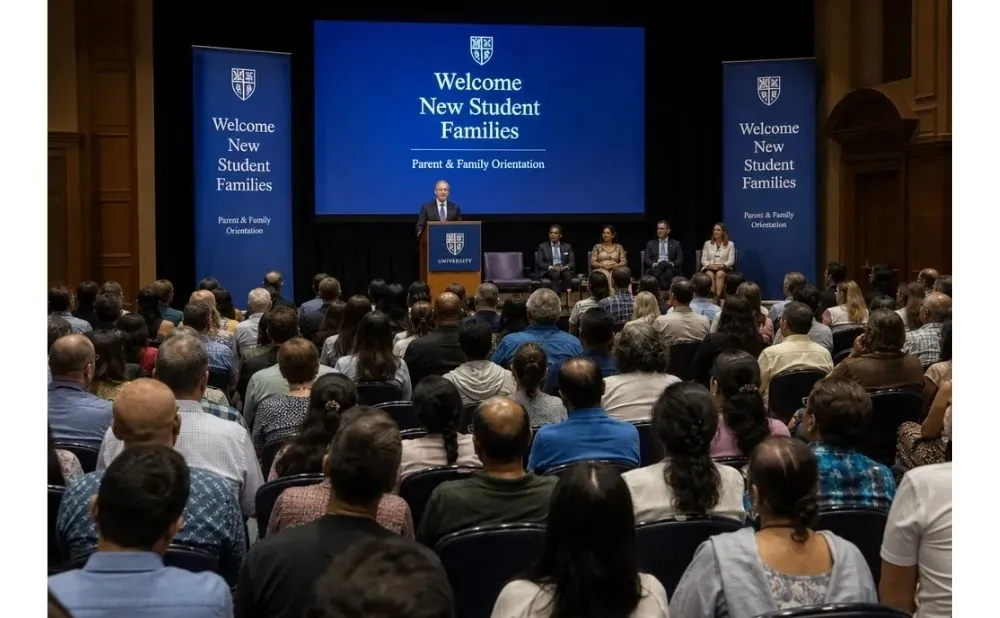
Parent & Family Orientation is one of the first major moments in the university journey, but it does not always feel inclusive for multilingual families. Too often, international parents are moved to separate rooms or left struggling to follow the main session. This article looks at a better way to handle that challenge: Simultaneous Interpretation Tour Guide System, a solution that helps universities support multilingual communication in the same room, during the same event, for every family.
1. When Welcome Does Not Always Mean Inclusion
A university may say that all families are welcome, but welcome alone does not always mean inclusion. Many international families travel a long way to attend Parent & Family Orientation. They want to understand the university, meet staff, and learn how to support their student. But if the main program is only in English, that welcome can feel limited.
In many cases, international parents sit in the same building but do not share the same access. They may hear the welcome, but miss the details. They may see the schedule, but not follow the message. That creates a gap between being present and being included.
This is where multilingual communication becomes essential. It helps schools move from a polite invitation to real participation. Without it, families may leave with only part of the picture.
2. Why International Parent Sessions Are Helpful — But Not Enough
Some schools offer a separate international parent orientation session. That can help families ask questions and hear information in a more focused way. It is a useful step, and it shows the school is paying attention to different needs.
But separate support is not the same as full inclusion.
The most important moments of orientation often happen in the main program. The dean’s welcome, academic overview, campus tour, and resource fair all shape how families see the university. If international parents are moved into a side session, they may miss the shared experience that other families have.
That can send the wrong message. It can make families feel managed, but not truly included. A better approach is to keep the main event shared and use translation solutions for campus events to support understanding inside that shared space.
3. Why Language Access Matters in Family Orientation Engagement
Family engagement is not only about information. It is about trust, confidence, and partnership.
Many universities want parents to be partners in student success. That idea works only when families can understand the same message. If a parent cannot follow the dean’s welcome or the academic advice, it becomes harder to feel confident and connected.
This is why multilingual communication matters so much in Parent & Family Orientation. It helps international families take part in the same way as local families. It gives them the chance to ask questions, share concerns, and understand what the university expects from them.
Language access also sends a strong signal. It tells families that they matter. It tells them the school respects their role. Good communication helps turn that message into action.
4. What Truly Inclusive Parent & Family Orientation Looks Like
Real inclusion is not about creating more separate spaces. It is about removing barriers inside shared spaces.
A truly inclusive Parent & Family Orientation gives all families the same key experience. It does not split people apart unless there is a real need. It keeps the main event open, clear, and shared.
Same Space
All families should join the same core event. The dean’s welcome, the main talks, and the key messages should happen in one shared room.
Same Information
All families should hear the same important information at the same time. No one should miss the main message just because of language.
Same Opportunity to Participate
All families should have a chance to ask questions and take part. Inclusion is not just about hearing. It is also about being heard.
These three ideas make international parent orientation more fair and more useful. Families do not feel pushed aside. They feel part of the event itself.
5. How Universities Can Turn Inclusive Principles Into Action
Good values only matter when they show up in the real event. For Parent & Family Orientation, that means schools need to think about more than the agenda. They need to think about the full experience from the moment families walk in.
Start with the main program
The core event should stay shared. The dean’s welcome, academic overview, and resource updates should happen in one room, not split across different spaces. This keeps international families inside the same event instead of sending them to the side.
Build language support into the room
Language access should not depend on a separate session. It should be part of the main orientation. That way, families can follow the same welcome, hear the same updates, and stay with the full group experience.
Make interaction part of the plan
Families should not only listen. They should be able to ask questions and get answers in a way that feels natural. If international parents have to wait for a later session just to ask basic questions, the event still has a barrier.
Keep the message consistent
One problem with split sessions is that families may hear different versions of the same information. That can create confusion. A better approach is to keep the message consistent and deliver it in a way that works for everyone.
These steps are practical and realistic. They make international parent orientation stronger without turning it into two separate events.
6. Technology as an Enabler of Multilingual Family Engagement
This is where a language translation tool becomes especially useful.
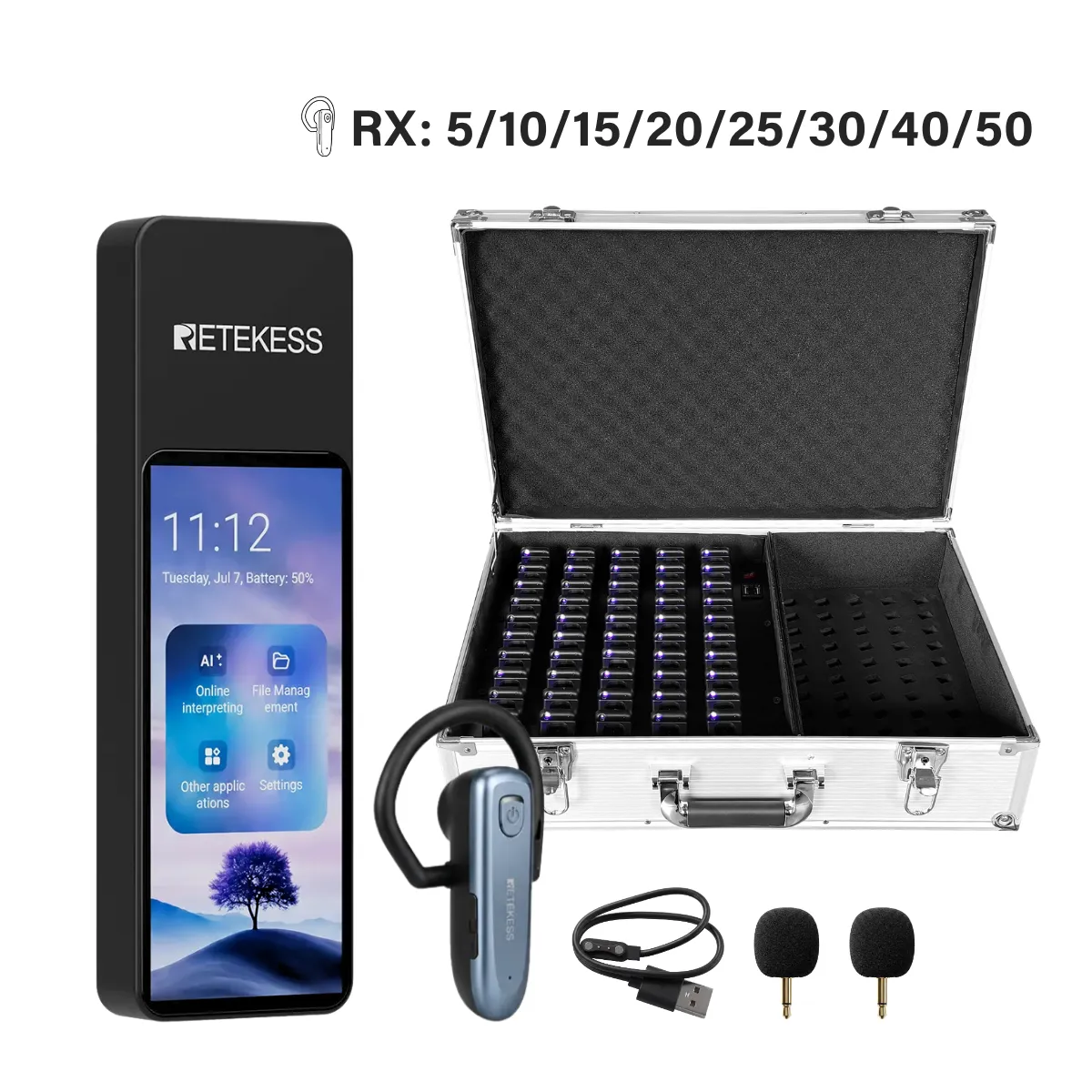
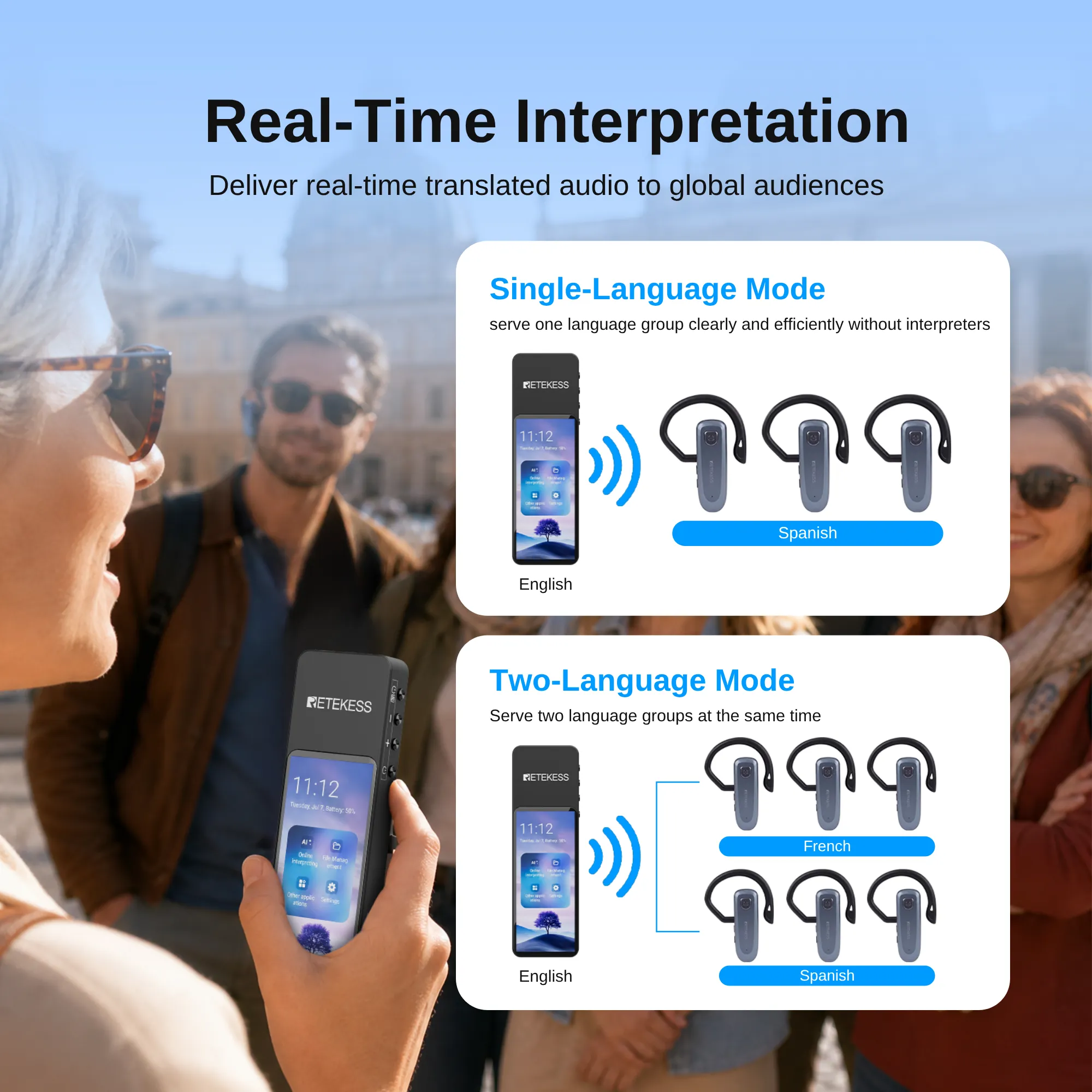
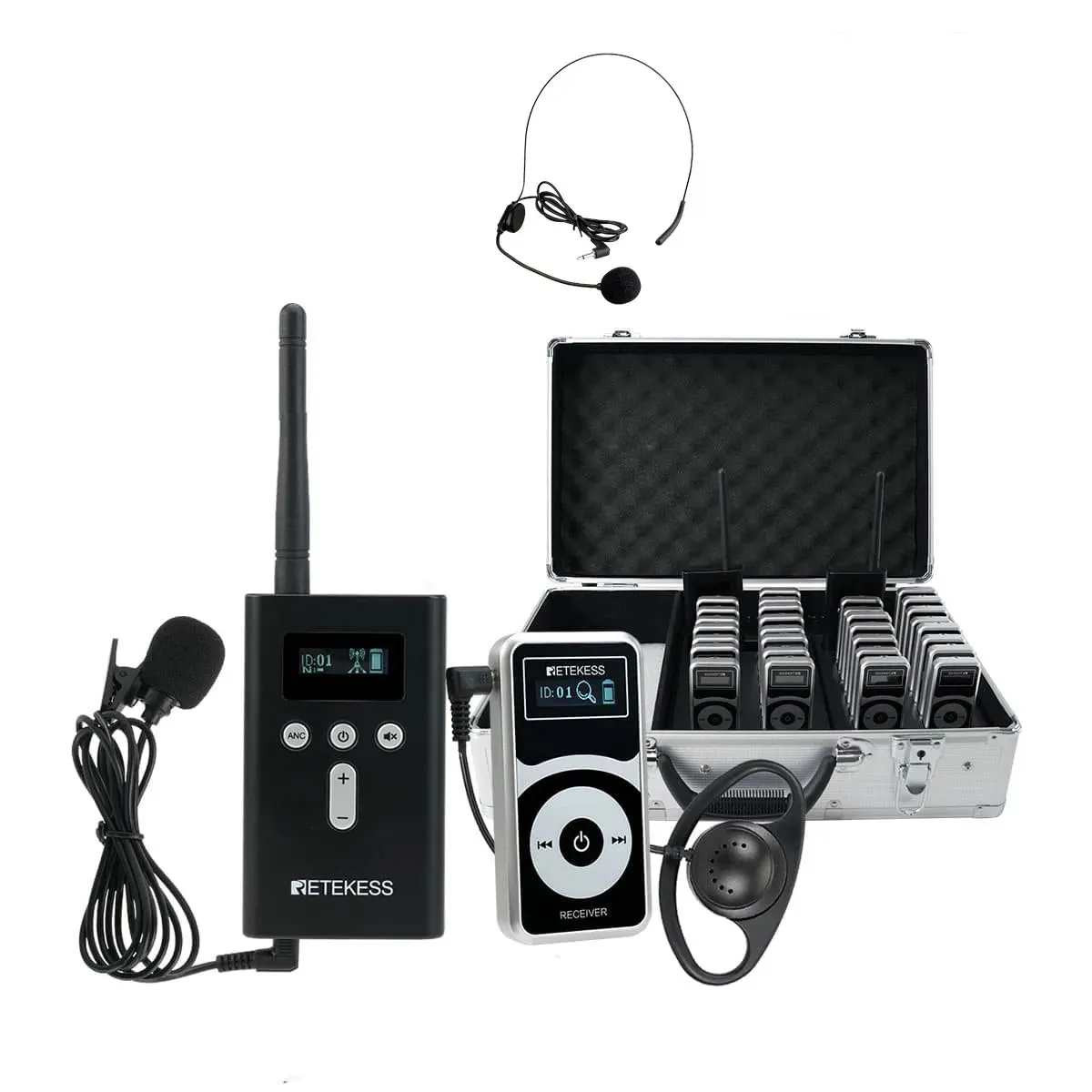
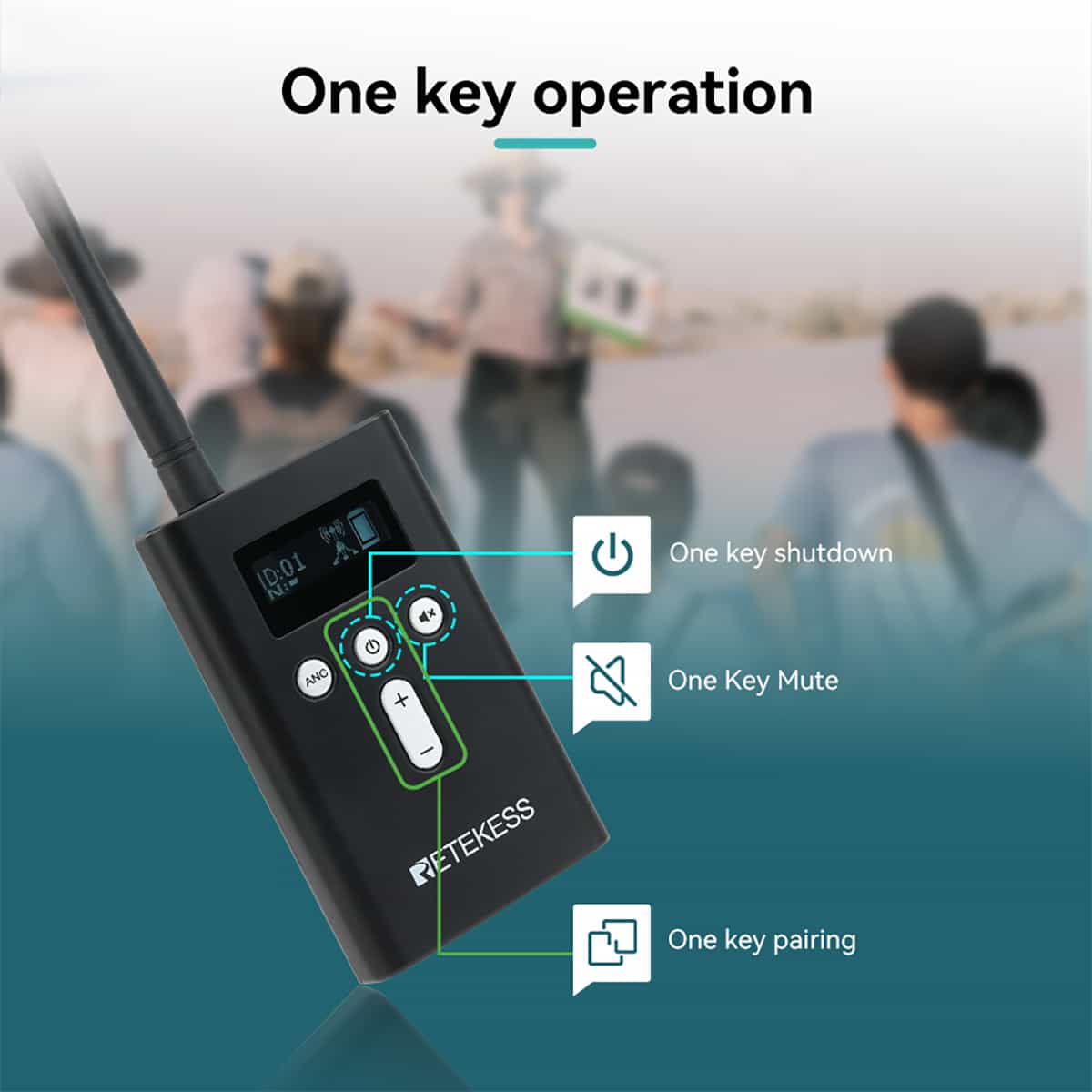
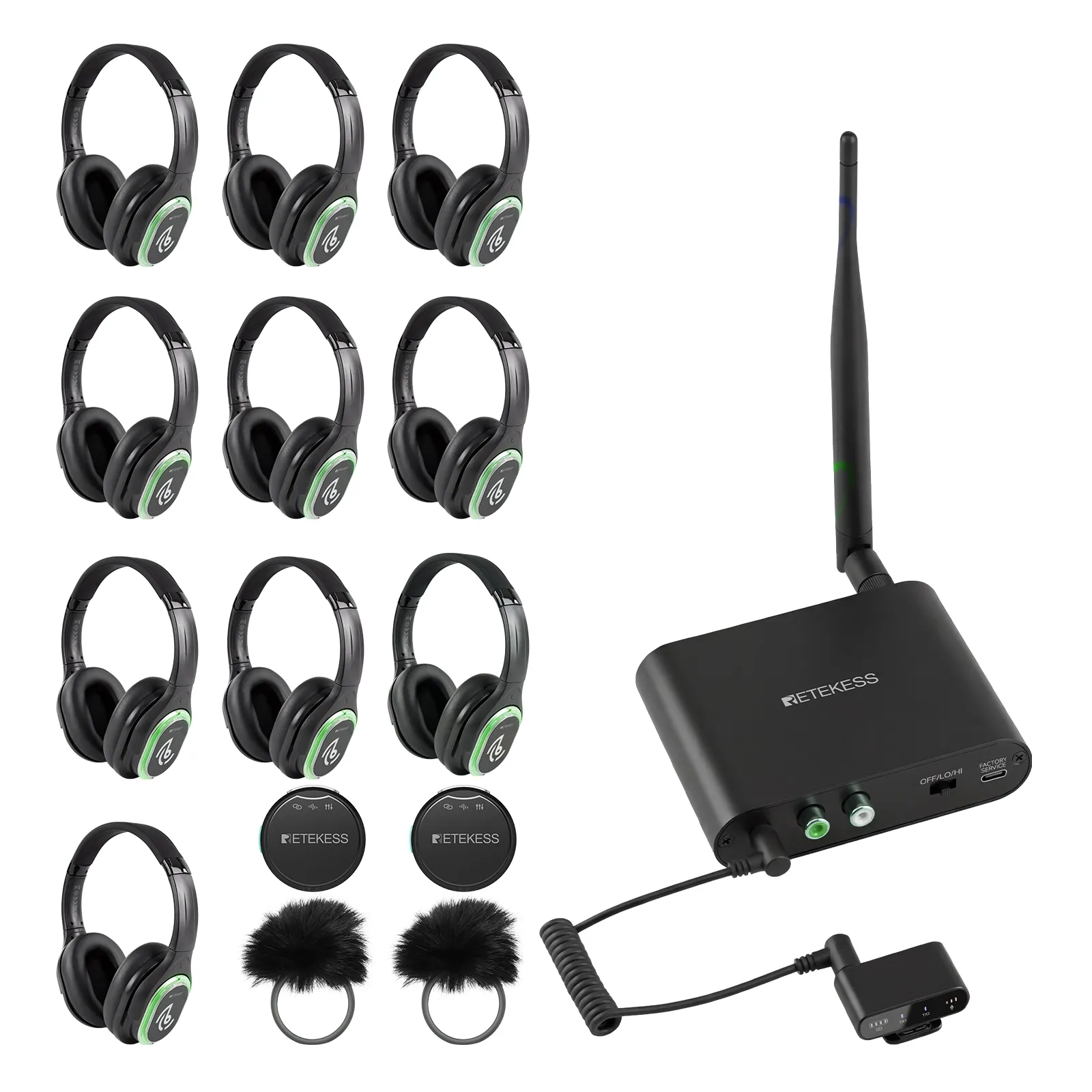
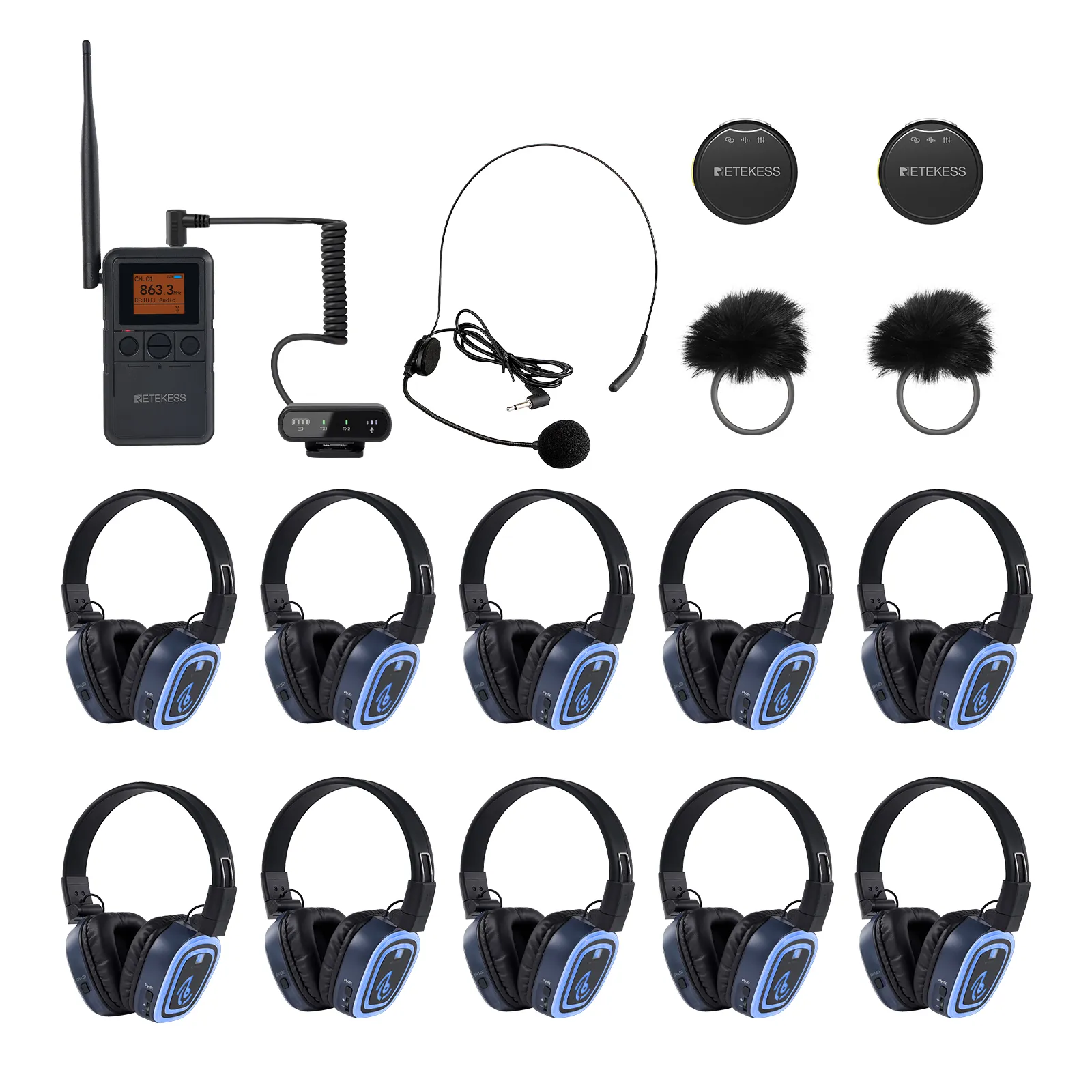
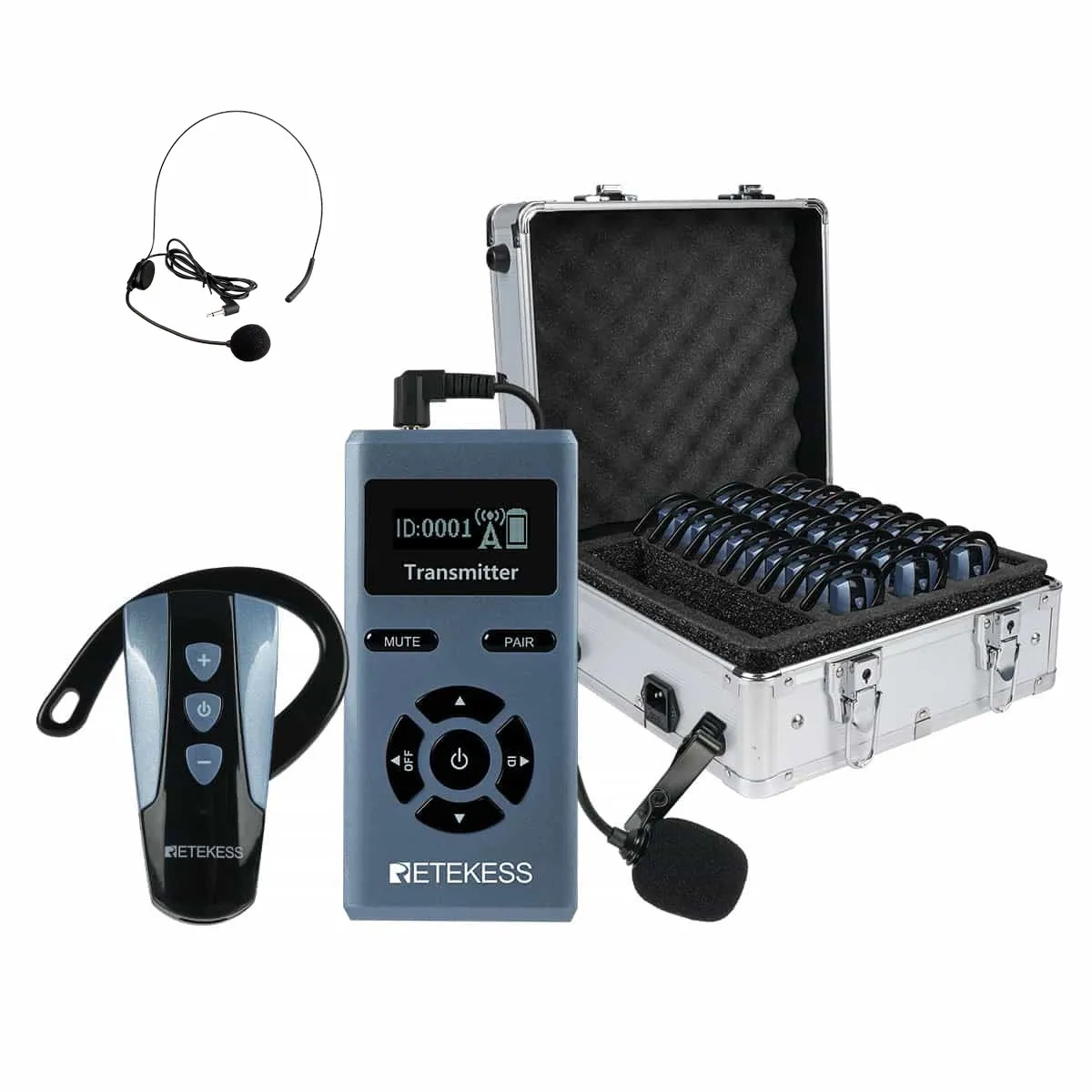
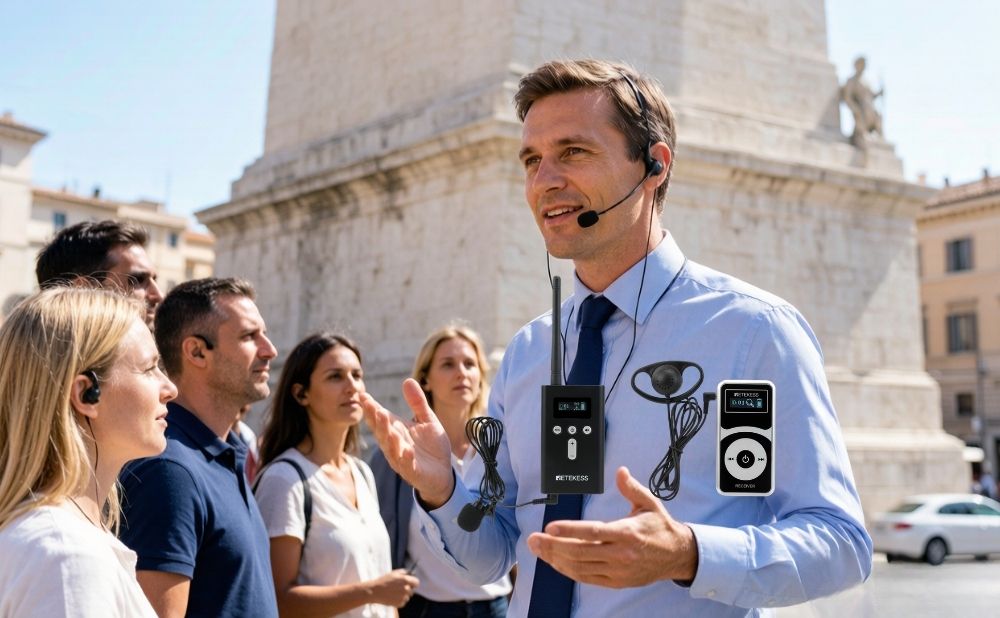
A simultaneous interpreting tour guide system can support multilingual communication during Parent & Family Orientation without moving families to a side room. The dean can speak in the main hall, while families listen through their chosen language channel. That keeps everyone in the same space and gives them the same core message.
This kind of setup also helps in large campus venues. Families sitting at the back can still hear clearly. The sound stays steady, and the message reaches more people with less strain.
Even more important, a good tool can support two-way interaction. Families can ask questions in their own language, and staff can hear the translated version. That creates real conversation, not just one-way speaking.
For universities looking for translation solutions for campus events, this is a strong way to improve access, trust, and participation.
This kind of setup also helps in large campus venues. Families sitting at the back can still hear clearly. The sound stays steady, and the message reaches more people with less strain.
Even more important, a good tool can support two-way interaction. Families can ask questions in their own language, and staff can hear the translated version. That creates real conversation, not just one-way speaking.
For universities looking for translation solutions for campus events, this is a strong way to improve access, trust, and participation.
7. Conclusion: The Future of International Family Engagement
As universities become more global, Parent & Family Orientation must grow with them. It is no longer enough to simply welcome international families. Schools need to include them in the same space, with the same information, and the same chance to take part.
That is what true inclusion looks like. It is not about separate rooms or side sessions. It is about removing barriers inside shared experiences.
Technology helps make that possible. It supports multilingual communication, improves international parent orientation, and gives schools better translation solutions for campus events. Most of all, it helps families feel that they are not just invited. They are part of the conversation.


![[18th Anniversary] 18 Years of Echoing Excellence: Making Communication Easier, Connecting Trust Beyond Borders](https://res.retekess.com/z_file/20260716/retekess-brand-story-making-communication-easier_20260716151044_7682.jpg)
![[18 Years in Wireless Communication] Silent Disco Systems Anniversary Celebration: Top-Selling Headphones & Event Mechanics Revealed!](https://res.retekess.com/z_file/20260713/18-years-in-wireless-communication-silent-disco-systems-anniversary-celebration_20260713175011_5749.webp)
![[Anniversary Carnival] Ding-dong! 18th Anniversary Mega Sale on Guest Paging & Calling Systems: Full Reveal of 12+ Products & Promo Rules!](https://res.retekess.com/z_file/20260713/18th-anniversary-mega-sale-on-guest-paging-calling-systems_20260713175257_0295.webp)
![[Retekess 18th Anniversary Teaser] Tour Guide System Exclusive Perks: Sneak Peek at Event Dates & Mechanics!](https://res.retekess.com/z_file/20260713/retekess-18th-anniversary-tour-guide-system-exclusive-perks--2-_20260713180135_6435.webp)
Follow Us
Pay With


 Google
 Amazon
Comments (0)