
Table of Contents

What is Tinnitus?
- Amy
- Sep 22, 2026
Tinnitus is a subjective feeling, a sound of cicadas, hissing or electric current produced in the ear or brain without external sound or electrical stimulation.
The incidence of tinnitus worldwide is about 16%. There is a trend of younger people.
① Mood is closely related to the occurrence and development of tinnitus. When persistent tinnitus does not ease or worsens, some people will have negative emotions such as panic and anxiety, part of the brain's nervous system is activated, and negative emotions are further strengthened, forming a vicious cycle of tinnitus-negative emotions-intensified tinnitus, which is common in anxiety and depression.
② Sleep is closely related to tinnitus. When sleep disorders occur, metabolic waste will accumulate in the brain, affecting brain function and causing tinnitus compensation disorders.
③ Other factors such as hearing hypersensitivity, stuffy ears, headaches, personality, stress, social support, etc. may also play a role in the occurrence and development of chronic tinnitus (tinnitus lasting more than 1 year).
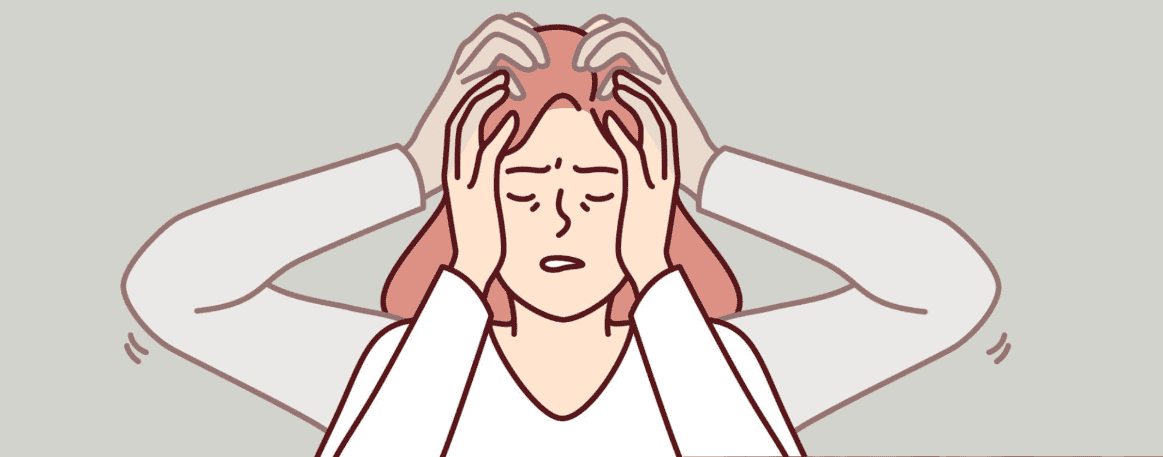
The occurrence and development of tinnitus is a very complex process, and the specific cause is still unclear. Acute tinnitus has been clearly diagnosed with ear damage, and more and more studies have shown that the brain plays an important role in the occurrence of tinnitus.
The classification of tinnitus is relatively complex, including objective tinnitus and subjective tinnitus.
Objective tinnitus can be detected by others or recorded by instruments, and can be treated. Subjective tinnitus is a subjective feeling without an objective sound source, which accounts for the vast majority of tinnitus patients. Subjective tinnitus can be divided into three categories according to the length of the course of the disease: acute tinnitus (tinnitus lasts for less than 3 months), subacute tinnitus and chronic tinnitus. Sometimes subacute tinnitus and chronic tinnitus are collectively referred to as non-acute tinnitus.
In addition, auditory hallucinations belong to the category of psychiatry. Noise in the ear is a normal physiological phenomenon.
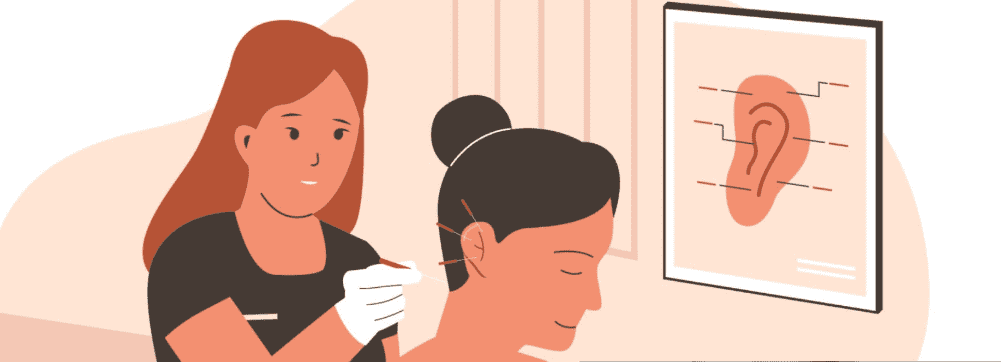
Modern medicine has many treatments for tinnitus, including drug therapy, sound therapy, cognitive behavioral therapy and traditional Chinese medicine treatment, acupuncture, massage, acupoint injection, etc. There are many methods, but there is no specific medicine to cure tinnitus.
The appearance of tinnitus is a warning signal of physical abnormalities, prompting patients to adjust their sleep, whether they are in a state of anxiety or depression (this can be treated with drugs or psychological adjustments), pay attention to regulating blood sugar, blood pressure, blood lipids and diet, and reduce menopausal symptoms.
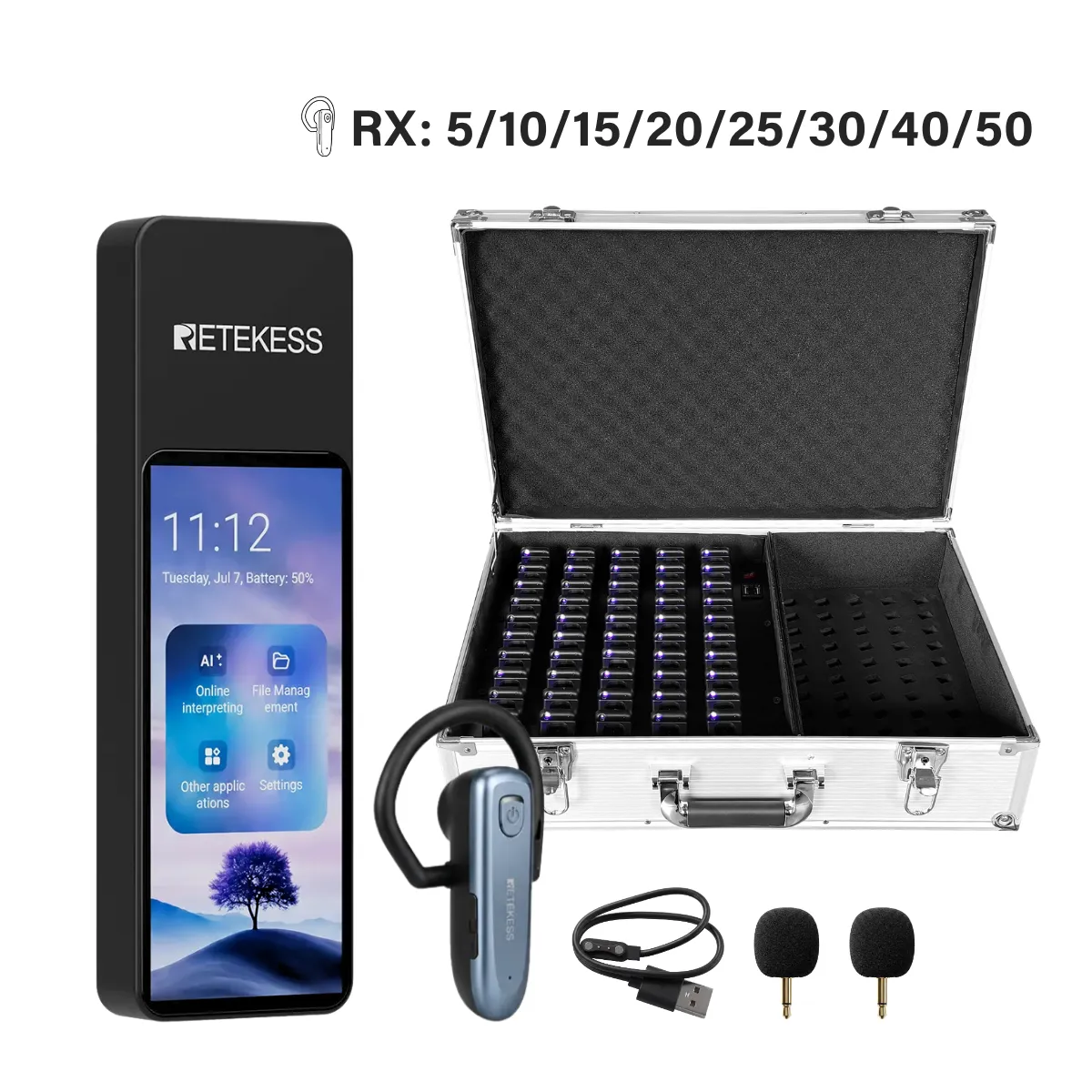
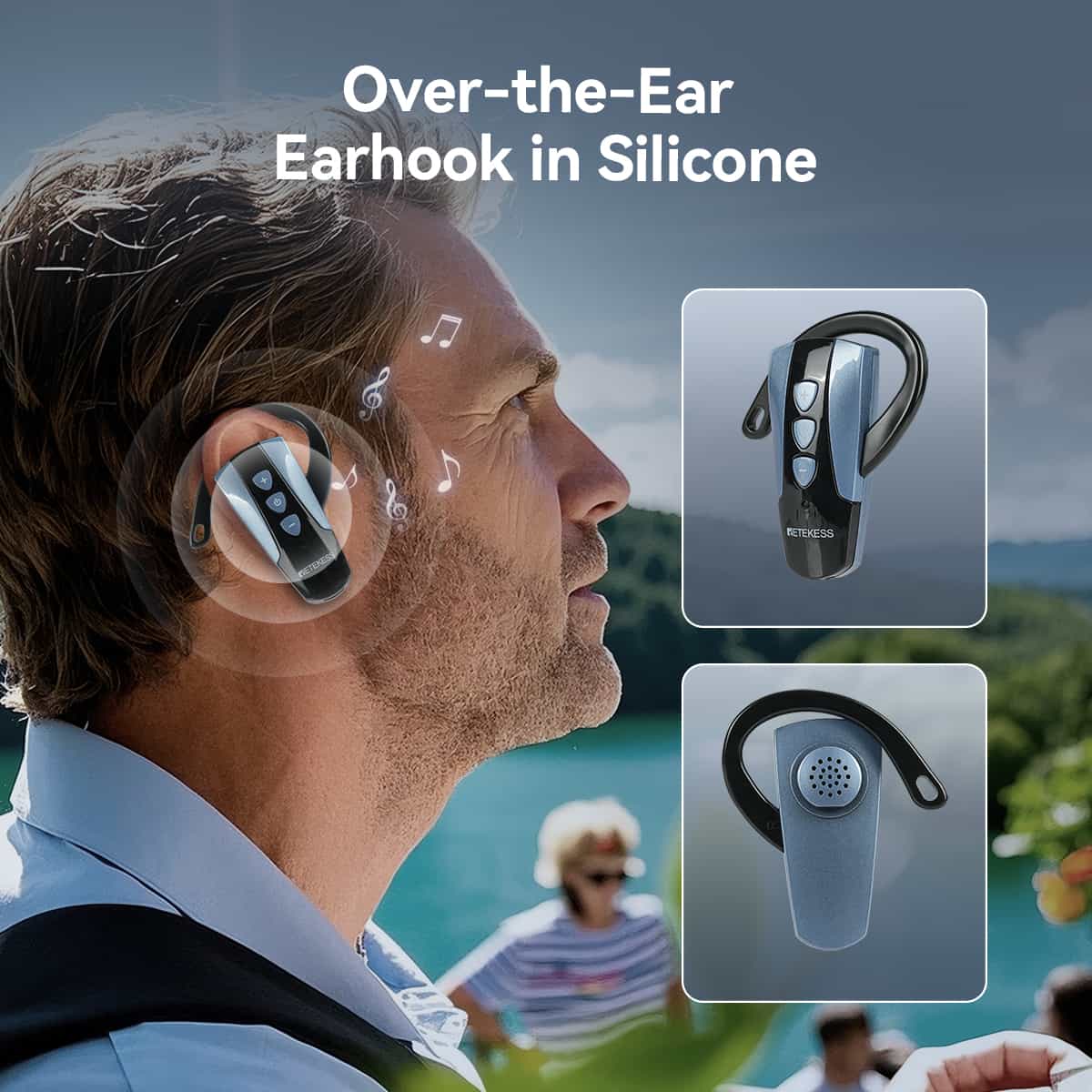
Alternatively, you can choose the TE105 smart hearing aid. It supports Bluetooth connectivity and voice tracking, and features a tinnitus relief mode.
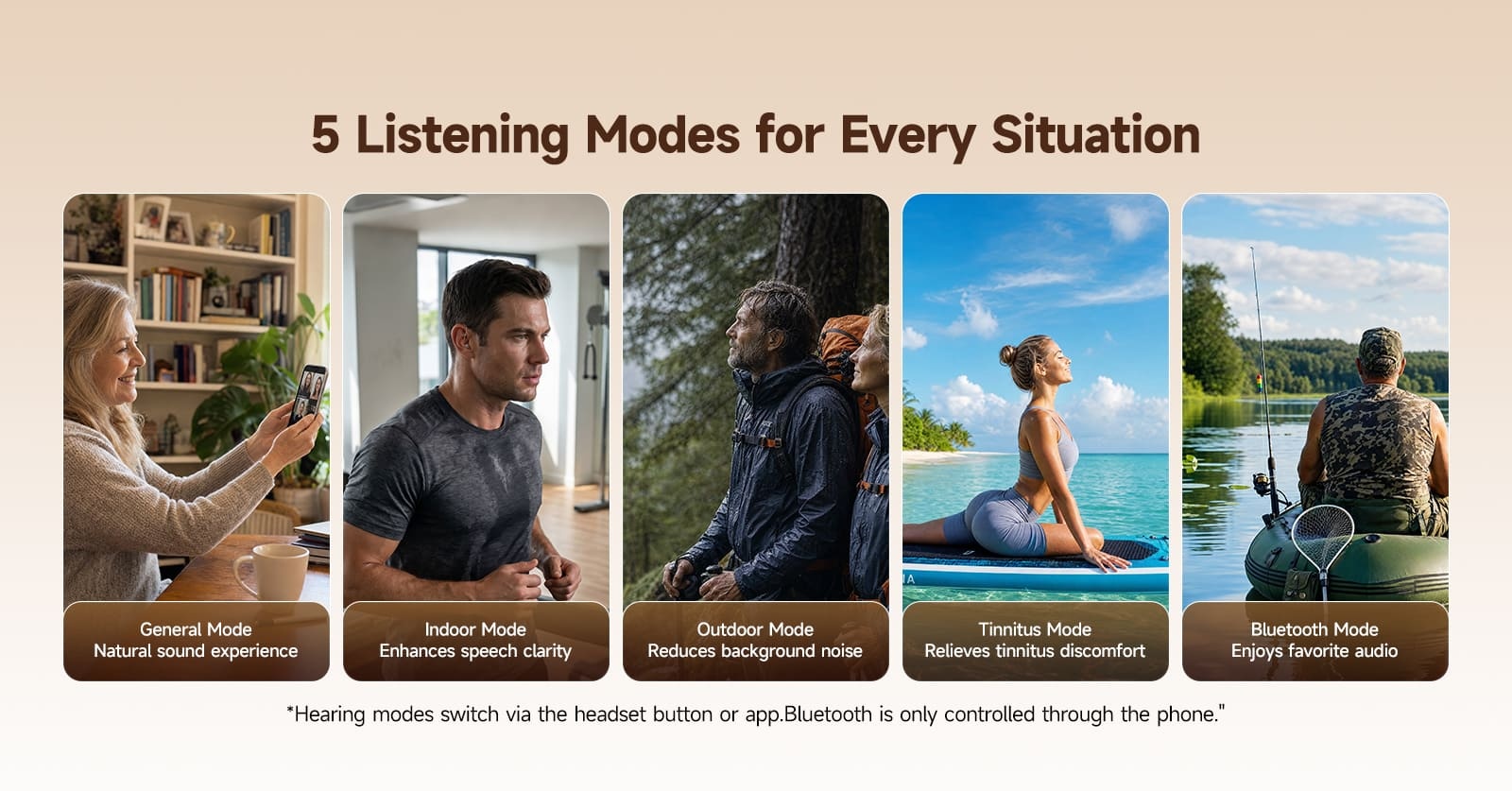
You can input your audiogram into the companion app or take a hearing test to configure personalized hearing compensation settings, with the smart chip providing appropriate amplification.




![[18th Anniversary] 18 Years of Echoing Excellence: Making Communication Easier, Connecting Trust Beyond Borders](https://res.retekess.com/z_file/20260716/retekess-brand-story-making-communication-easier_20260716151044_7682.jpg)
![[18 Years in Wireless Communication] Silent Disco Systems Anniversary Celebration: Top-Selling Headphones & Event Mechanics Revealed!](https://res.retekess.com/z_file/20260713/18-years-in-wireless-communication-silent-disco-systems-anniversary-celebration_20260713175011_5749.webp)
![[Anniversary Carnival] Ding-dong! 18th Anniversary Mega Sale on Guest Paging & Calling Systems: Full Reveal of 12+ Products & Promo Rules!](https://res.retekess.com/z_file/20260713/18th-anniversary-mega-sale-on-guest-paging-calling-systems_20260713175257_0295.webp)
![[Retekess 18th Anniversary Teaser] Tour Guide System Exclusive Perks: Sneak Peek at Event Dates & Mechanics!](https://res.retekess.com/z_file/20260713/retekess-18th-anniversary-tour-guide-system-exclusive-perks--2-_20260713180135_6435.webp)
Follow Us
Pay With


 Google
 Amazon
Comments (0)