
Table of Contents

Why Nasal Breathing Trumps Mouth Breathing for Longevity: The Science of Nitric Oxide and the Autonomic Nervous System
- Retekess
- Mar 25, 2026
- 0 Comments
In the pursuit of longevity, we often obsess over macro-nutrients and VO2 max, yet we overlook the most frequent biological action we perform: breathing. We breathe approximately 25,000 times a day, but for a significant portion of the population, the way we breathe is fundamentally flawed. Chronic mouth breathing is more than a social habit; it is a physiological drain that accelerates aging.
As science journalist James Nestor demonstrates in his groundbreaking work
1. The Anatomy of a Breath: Why the Nose is a Specialized Organ
The mouth is a backup system for survival, but the nose is a precision instrument for health. The nasal cavity is lined with complex structures called turbinates that create turbulence in the incoming air.
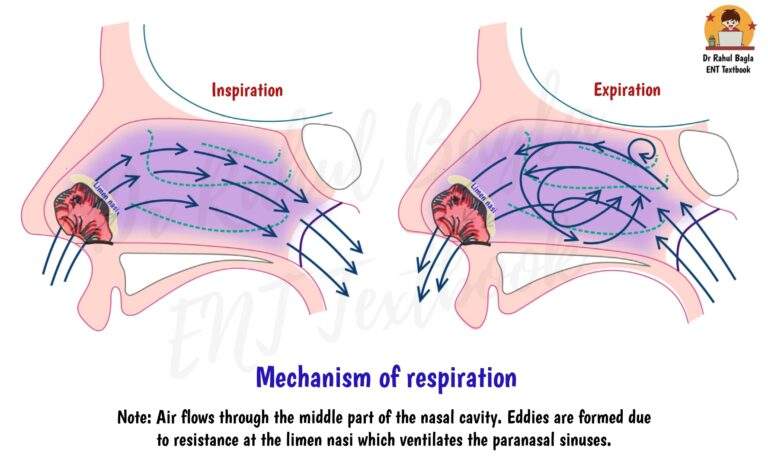
The Aerodynamic Engineer of the Body
When air enters the nose, the turbinates swirl it, increasing surface area contact for humidification and temperature regulation. According to the
2. Nitric Oxide: The "Miracle Molecule" Secreted Only by the Nose
The single most significant advantage of nasal breathing is the production of Nitric Oxide ($NO$). This signaling molecule is produced in the paranasal sinuses and is almost entirely absent during mouth breathing.
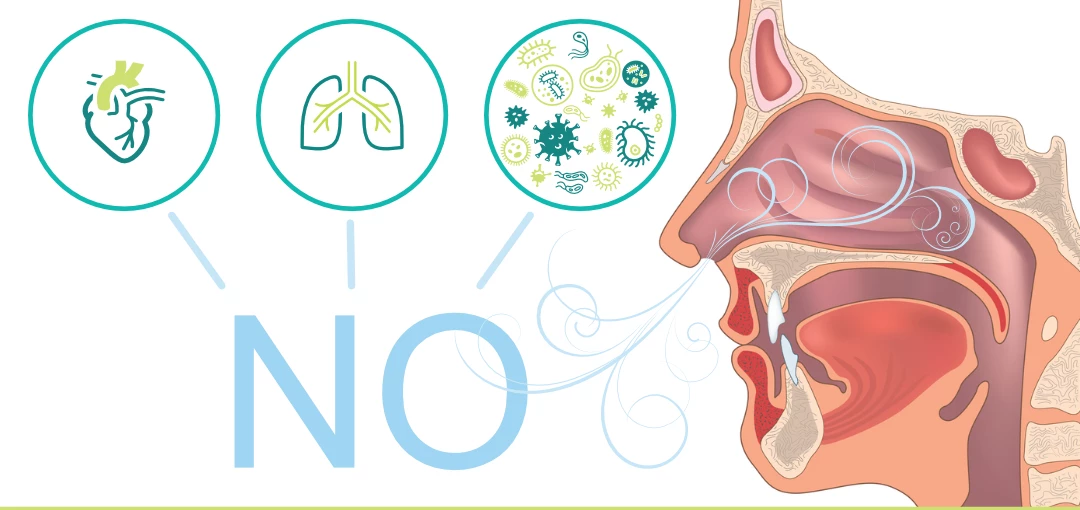 Vasodilation and Cardiovascular Health
Nitric oxide is a potent vasodilator. Research published by the
-
Reduced Cardiac Load: By improving systemic vasodilation, nasal breathing helps maintain lower blood pressure—a leading driver of biological aging.
-
Antiviral Defense: $NO$ is also a powerful antimicrobial agent that helps neutralize pathogens before they reach the lungs, providing a first line of defense that mouth breathers lack.
3. The Filtration Mechanism: Your Body’s Built-in HEPA Filter
Longevity requires minimizing chronic inflammation. Mouth breathing allows unfiltered, raw air containing pollutants and allergens to enter the lungs directly.
Cilia and the Invisible Shield
The nose is lined with cilia (microscopic hairs) and mucus. This system traps particulate matter and sweeps it toward the esophagus. By filtering out irritants, nasal breathing prevents the low-grade, chronic inflammation of the airways associated with systemic inflammatory markers like C-reactive protein.
4. Activating the Parasympathetic Nervous System: Stress Resilience
Your breath is the remote control for your brain's stress response. The link between nasal breathing and the Autonomic Nervous System (ANS) is profound.
Vagal Tone and the 4-7-8 Technique
Nasal breathing naturally encourages diaphragmatic engagement. Dr. Andrew Weil, founder of the
-
Parasympathetic Dominance: High vagal tone is a primary marker of stress resilience.
-
The Bohr Effect: As explained by Patrick McKeown in
"The Oxygen Advantage"



5. Sleep Quality: The Longevity Multiplier
Sleep is the body’s repair phase. Mouth breathing during sleep is a precursor to Obstructive Sleep Apnea (OSA), which is catastrophic for longevity.
Preventing Cognitive Decline
During deep sleep, the brain’s glymphatic system flushes out metabolic waste. Nasal breathing ensures stable airway pressure, reducing micro-awakenings. This is why many longevity experts now reference
6. Actionable Steps: Calibrating for Longevity
-
Mouth Taping: Using hypoallergenic tape at night to ensure nasal breathing, a practice gaining traction in sleep medicine.
-
Daily Practice: Spend 5-10 minutes performing the 4-7-8 technique to tone your nervous system.
-
Mindful Posture: Keep the tongue resting on the roof of the mouth, which naturally encourages the nasal pathway.
Conclusion: The Long-Term ROI of the Nasal Pathway
Longevity is the cumulative effect of small, physiological wins. By mastering the art of the nasal breath, you are optimizing your internal chemistry, protecting your cardiovascular system, and preserving your cellular integrity.
References & Further Reading:
-
James Nestor:
Breath: The New Science of a Lost Art -
AWCIM:
Healthy Breathing Practices -
National Library of Medicine:
Nasal Nitric Oxide Research -
The Oxygen Advantage:
Understanding the Bohr Effect











Comments (0)