
Table of Contents

Why Tourists Are Done with Downloading Tour Apps: The Return of Dedicated AI Hardware
- Retekess
- Aug 17, 2026
If you’ve explored a museum, a historical landmark, or an industrial facility recently, you’ve almost certainly run into this familiar roadblock: a sign at the entrance urging you to "Scan the QR code to download our app for the audio guide."
A few years back, mobile apps were hailed as the ultimate future of travel technology. By offloading all the computing and audio processing onto visitors' own smartphones, venues believed they could dodge hardware expenses while delivering rich digital experiences.
The reality, however, has proven quite different. Today’s travelers are dealing with severe "app fatigue," and venues are seeing a massive wave of visitor pushback. Between privacy fears, dead smartphone batteries, the headache of international data roaming, and the sheer frustration tech-averse visitors face, tourists are officially over downloading throwaway apps for a single visit.
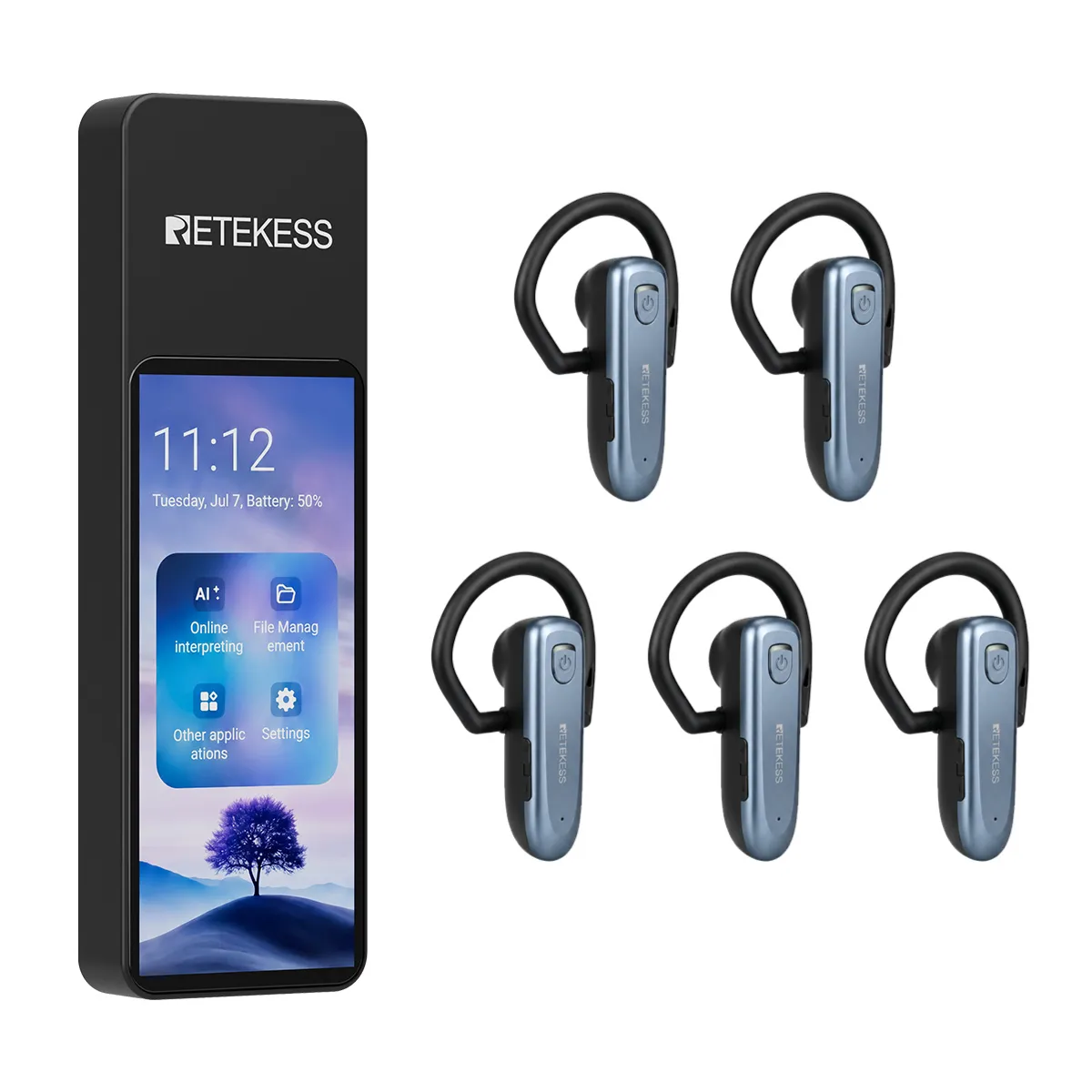
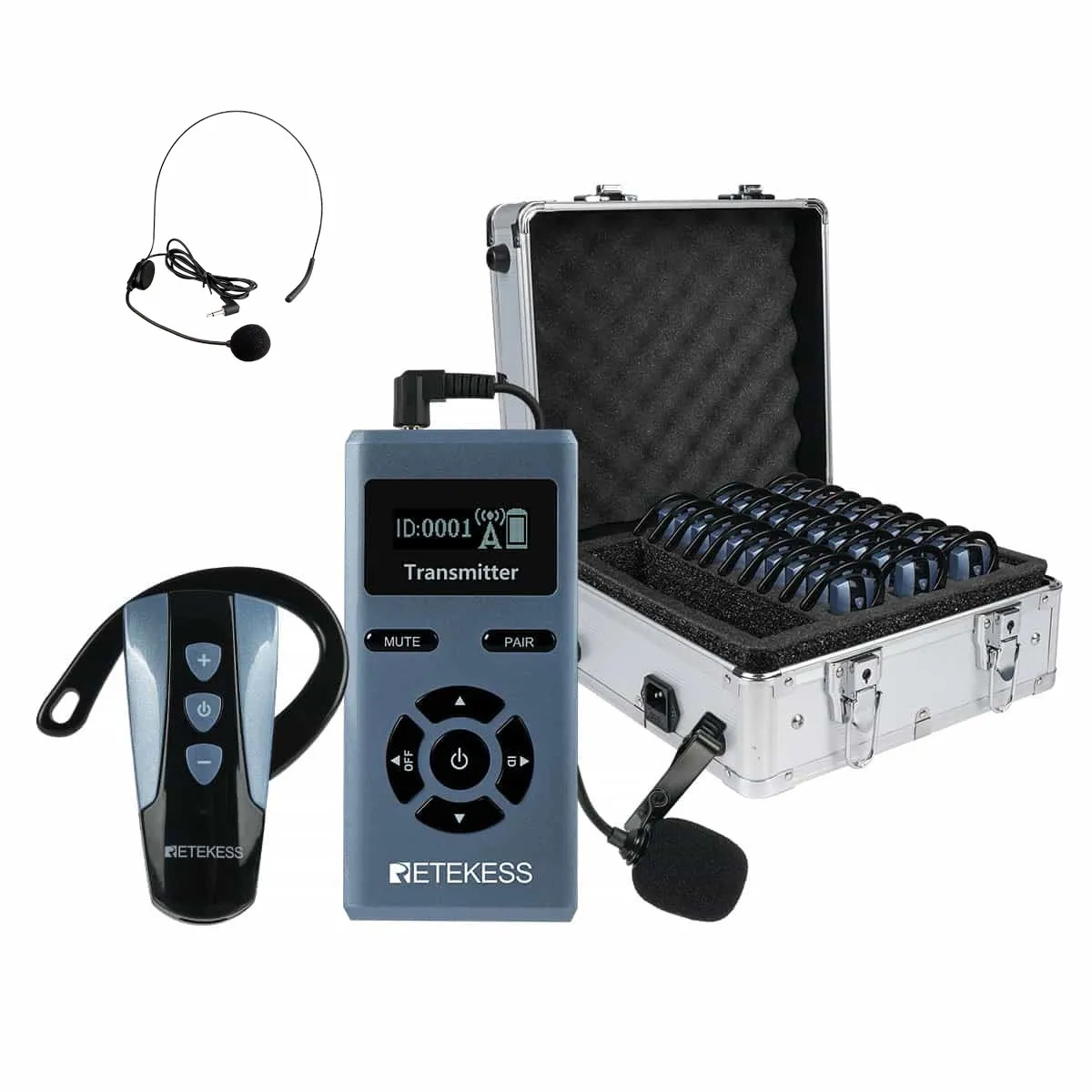
Instead, a practical and powerful shift is underway: dedicated, plug-and-play hardware—led by innovative tools like the Retekess TT136 2-in-1 AI Group Translation System
The Hidden Frustrations of "BYOD" (Bring Your Own Device) Tour Apps
While mobile apps look sleek and cost-effective on a spreadsheet, they introduce a frustrating series of friction points for the actual user:
-
Privacy and Permission Hesitations: Asking international travelers to download unverified third-party software, hand over location permissions, and create accounts just to listen to a 20-minute exhibition creates instant distrust and data privacy anxiety.
-
The Data Roaming Trap: For cross-border tourists relying on limited local data SIM cards or expensive roaming packages, downloading a heavy application and streaming audio live can burn through data allowances in minutes.
-
Battery Drain and Device Incompatibility: Running GPS tracking, live audio streaming, and third-party software simultaneously will drain a smartphone battery to zero faster than expected—leaving tourists stranded with dead phones mid-trip. Plus, older phone models or niche operating systems frequently crash or fail to run these apps smoothly.
-
The Usability Divide: Think about elderly visitors or tech-averse tourists struggling to navigate app store downloads, permission prompts, and audio settings on their personal phones. Instead of enhancing the tour, the app becomes an intimidating barrier.
The Rise of Dedicated Hardware: Pick Up, Listen, and Experience
Modern travelers crave simplicity above all else: they want to arrive, pick up a device, and immediately immerse themselves in the tour without navigating a digital labyrinth or fighting with their phone settings.
This is why dedicated tour hardware is staging such a strong comeback, evolving far beyond the crackly, one-way audio wands of the past. Today’s hardware is intelligent, lightweight, and engineered for high-performance engagement.
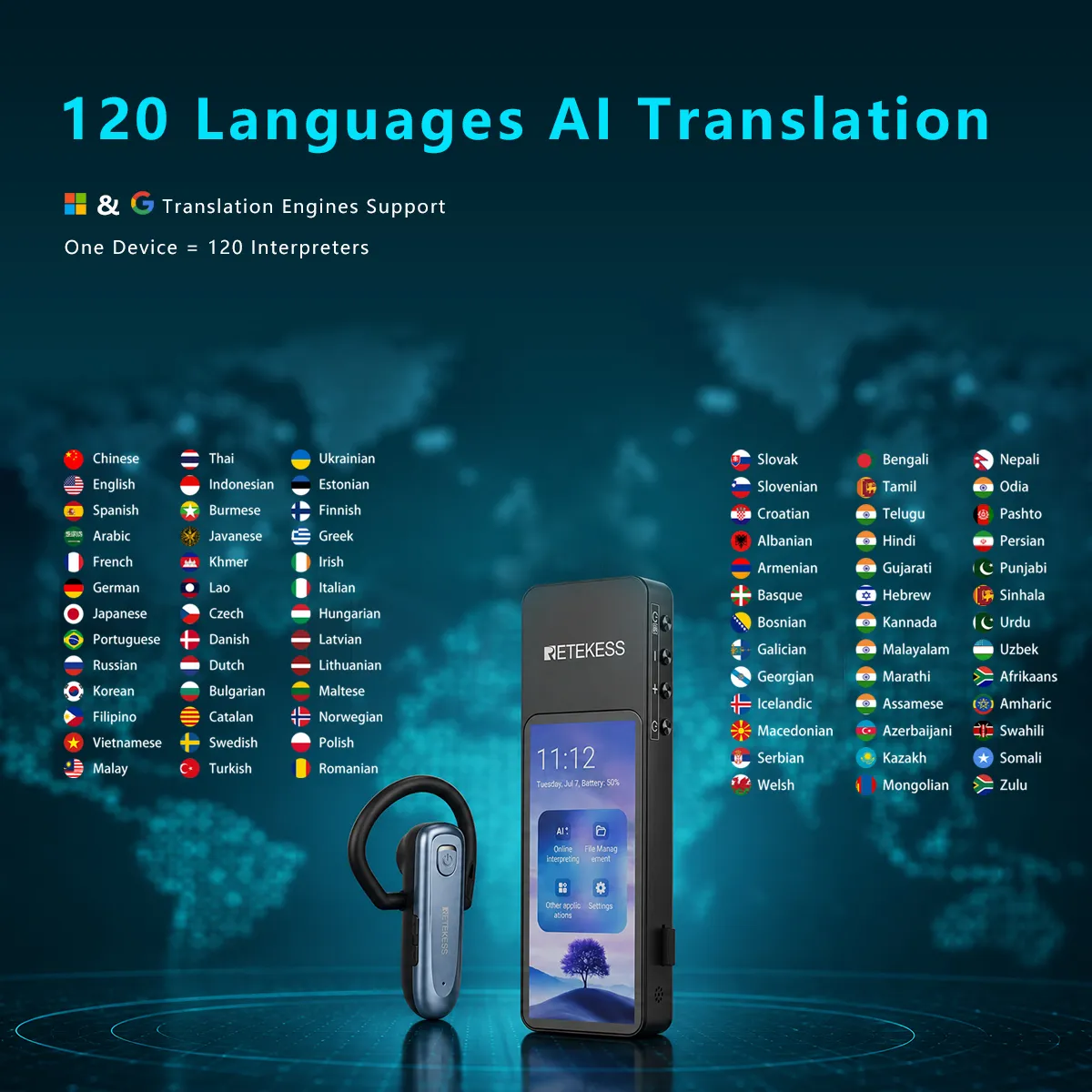
1. Instant Multi-Language AI Translation
Advanced systems like the Retekess TT136 2-in-1 AI Group Translation System bridge linguistic divides instantly
2. Zero Setup, Zero Friction
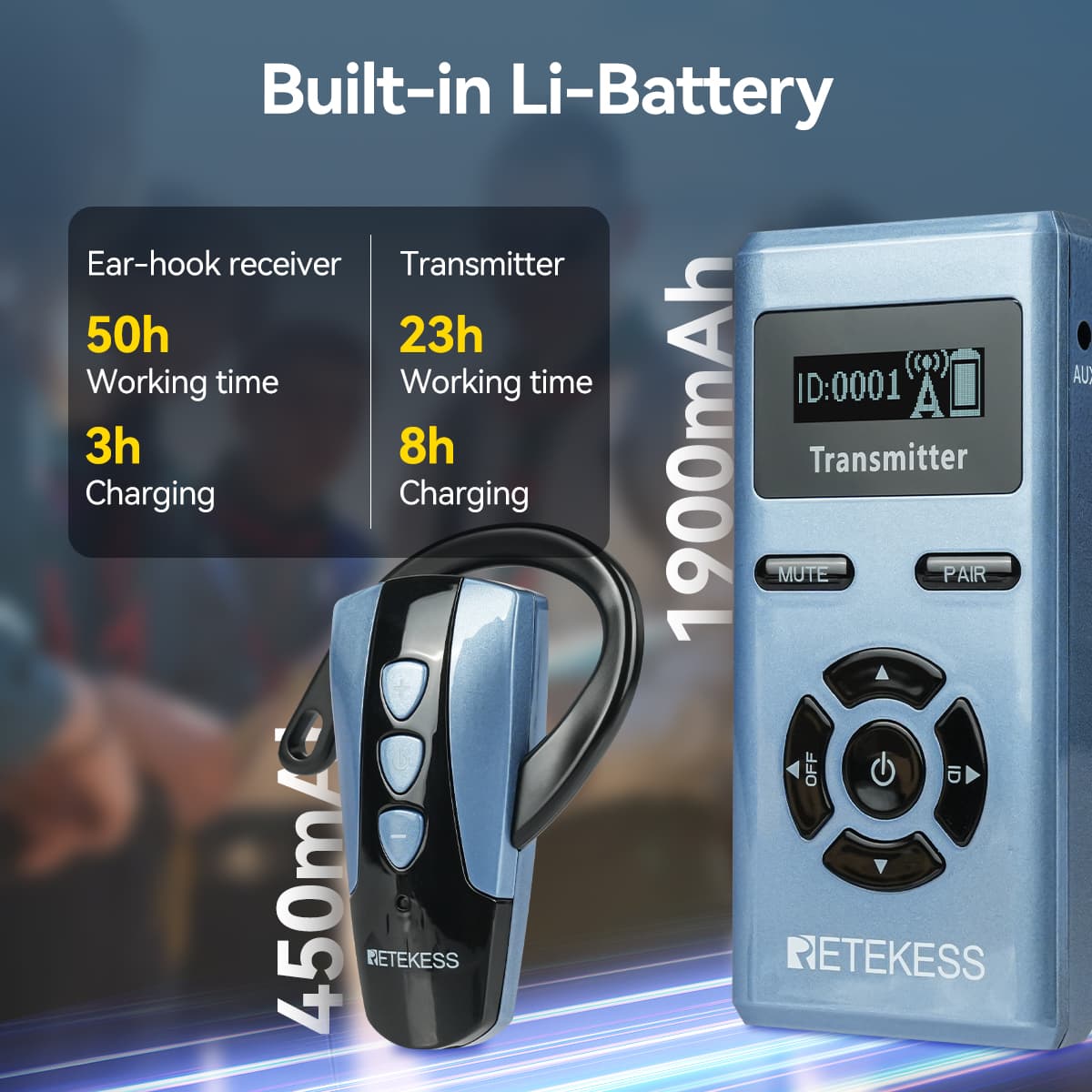
Dedicated hardware requires no downloads, no account sign-ups, and no mobile data plans. Guests simply slip on an ergonomic, open-ear receiver—weighing a mere 13g for all-day comfort—and instantly tap into the live feed
3. Dual-Engine Flexibility and Accuracy
Today’s dedicated hardware doesn't compromise on intelligence. Systems built with a dual-line model architecture allow operators to use reliable primary engines like Google and Microsoft for daily tours, while easily tapping into robust alternative models like DeepSeek V4.0 when tackling complex technical terminology or specialized factory jargon
Why High-End Venues and Operators Are Making the Switch
For museums, cultural heritage sites, and enterprise facilities, moving away from clunky app-based models back to dedicated hardware offers unmatched operational advantages:
-
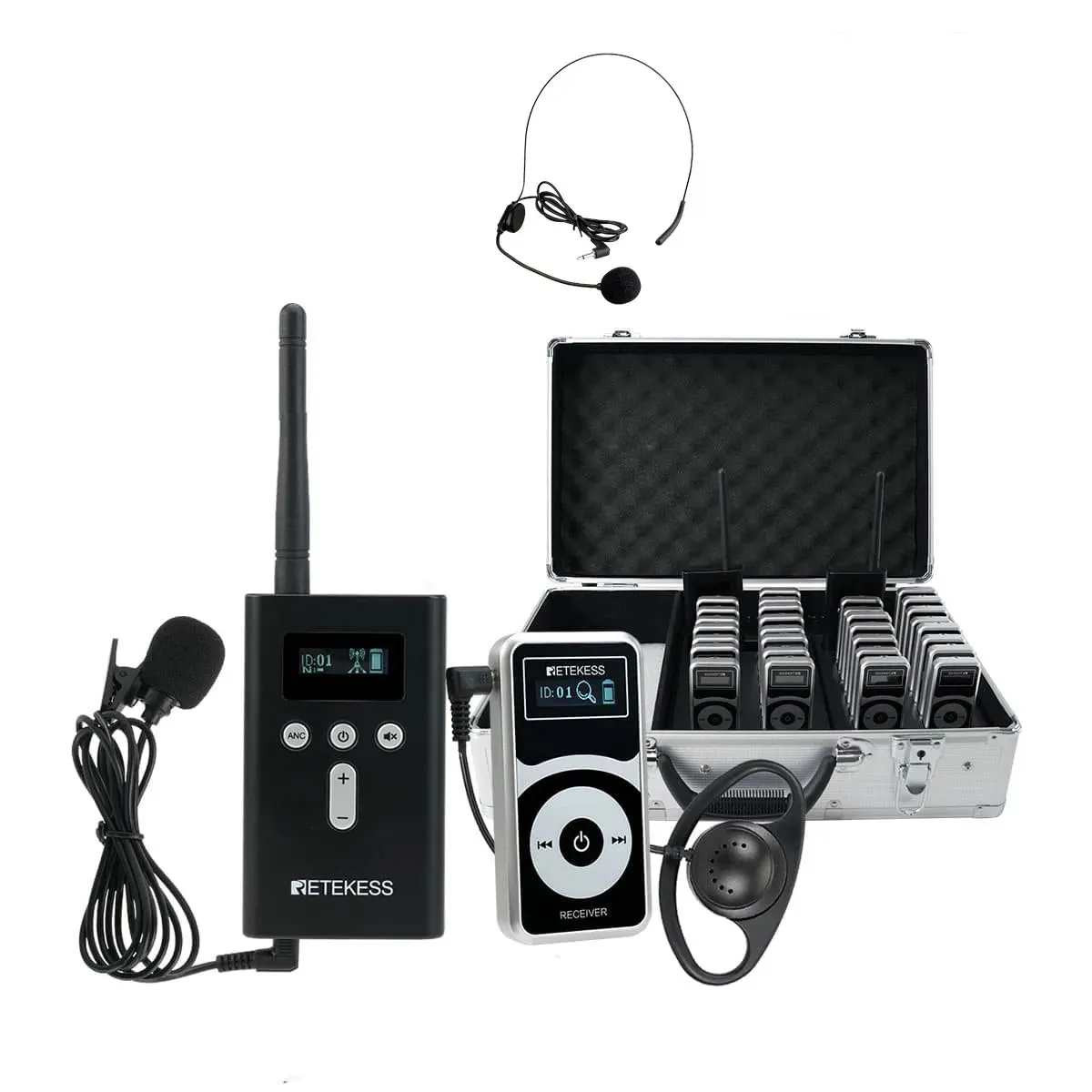
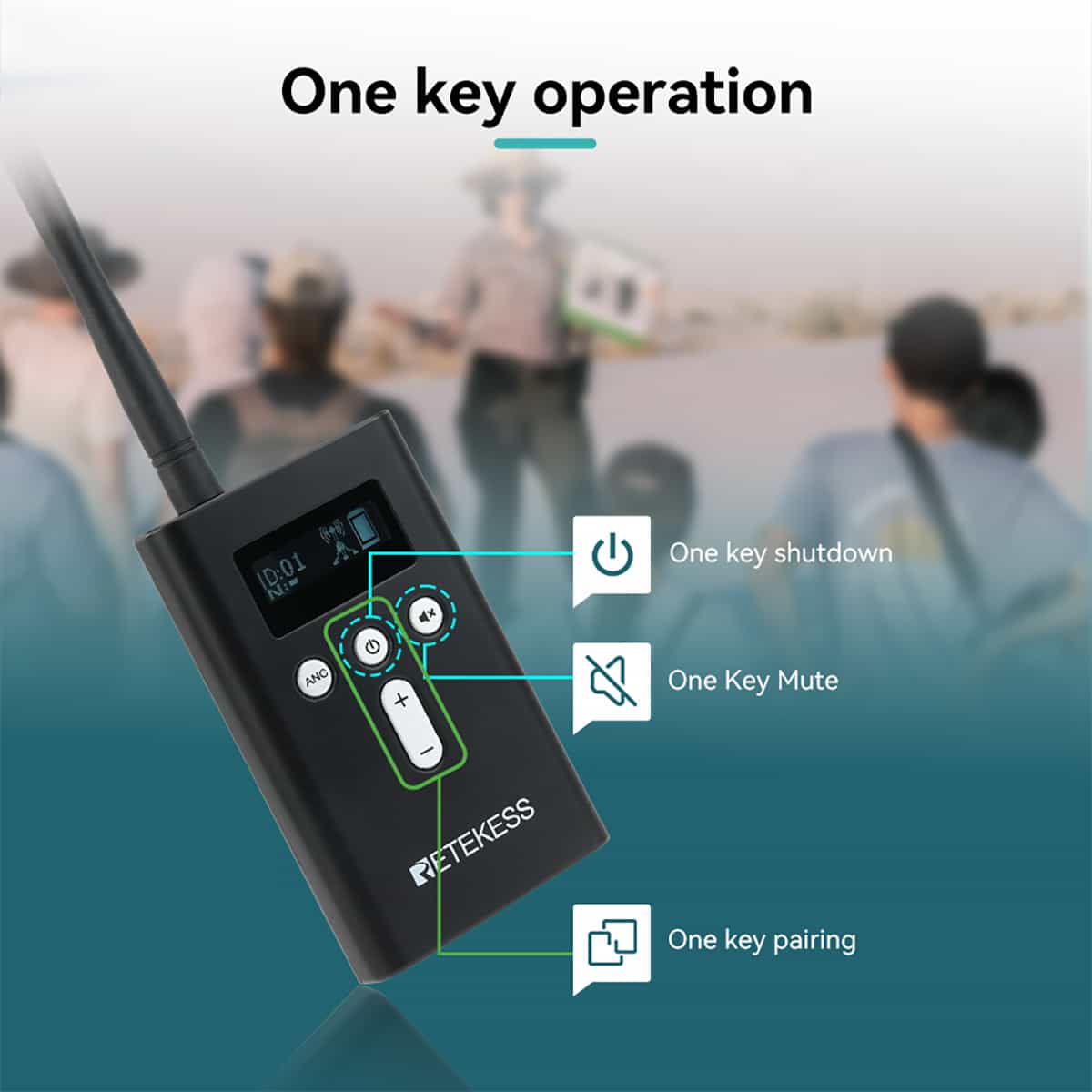
Versatile 2-in-1 Functionality: The TT136 seamlessly bridges two worlds: it can function as a standard, crystal-clear traditional tour guide system for local visits, and instantly switch into an advanced AI translation system when international delegations arrive, maximizing utility for venue operators
-
Streamlined Fleet Management: Dedicated charging and sanitizing stations (such as 30-slot multi-functional docks) make it remarkably easy for staff to clean, store, and power up entire fleets between tours
-
Professional Documentation: Unlike apps that vanish from a phone the moment a visitor walks out the door, dedicated systems maintain engagement and even log conversation data to generate instant AI summaries and meeting notes for post-tour reviews
Conclusion: Hardware Wins the Guest Experience
At its core, tourism is about discovery, escape, and human connection—not troubleshooting software updates or fighting with phone settings.
By eliminating the digital friction of app downloads and introducing powerful, intuitive tools like the Retekess TT136 2-in-1 AI Group Translation System

![[18th Anniversary] 18 Years of Echoing Excellence: Making Communication Easier, Connecting Trust Beyond Borders](https://res.retekess.com/z_file/20260716/retekess-brand-story-making-communication-easier_20260716151044_7682.jpg)
![[18 Years in Wireless Communication] Silent Disco Systems Anniversary Celebration: Top-Selling Headphones & Event Mechanics Revealed!](https://res.retekess.com/z_file/20260713/18-years-in-wireless-communication-silent-disco-systems-anniversary-celebration_20260713175011_5749.webp)
![[Anniversary Carnival] Ding-dong! 18th Anniversary Mega Sale on Guest Paging & Calling Systems: Full Reveal of 12+ Products & Promo Rules!](https://res.retekess.com/z_file/20260713/18th-anniversary-mega-sale-on-guest-paging-calling-systems_20260713175257_0295.webp)
![[Retekess 18th Anniversary Teaser] Tour Guide System Exclusive Perks: Sneak Peek at Event Dates & Mechanics!](https://res.retekess.com/z_file/20260713/retekess-18th-anniversary-tour-guide-system-exclusive-perks--2-_20260713180135_6435.webp)
Follow Us
Pay With


 Google
 Amazon
Comments (0)