
Table of Contents
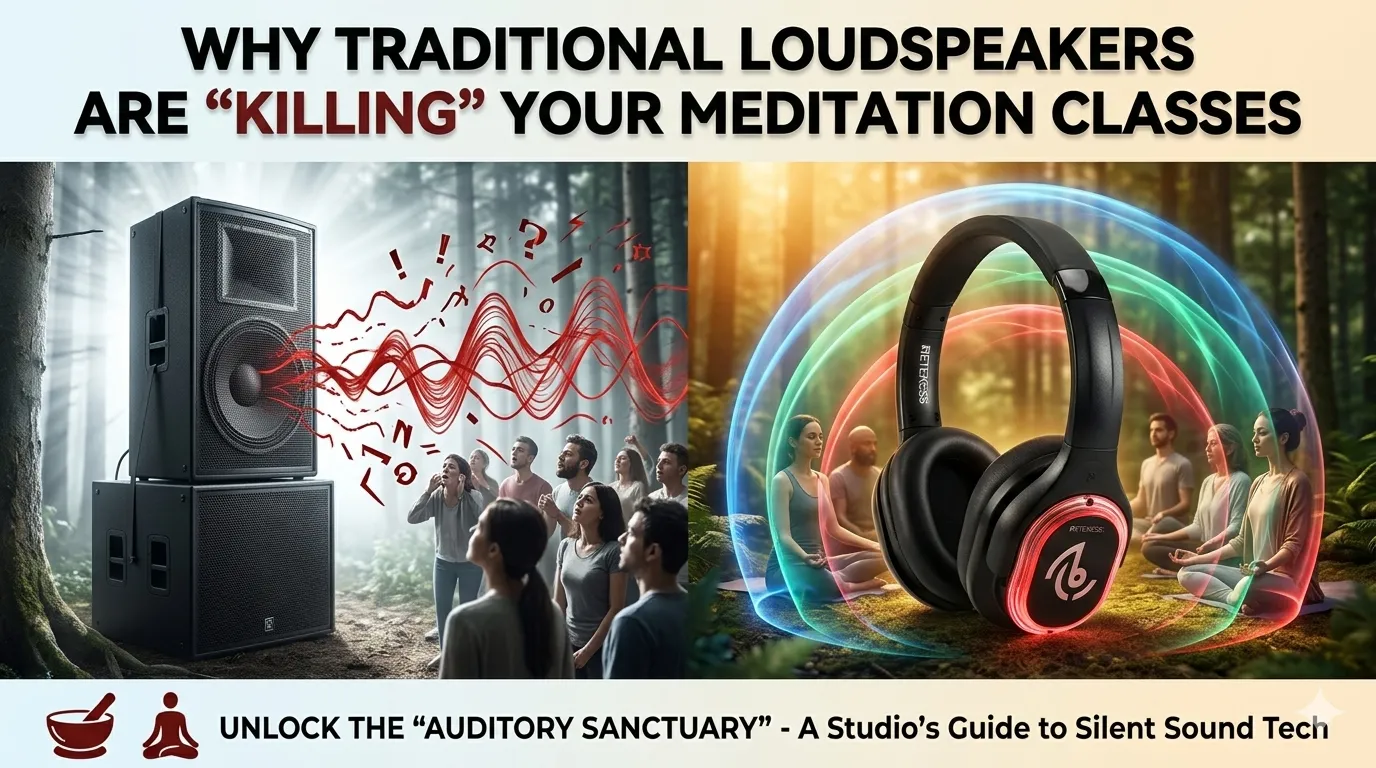
Why Traditional Loudspeakers are "Killing" Your Meditation Classes?
- Retekess
- Apr 20, 2026
In the pursuit of Zen, the environment is everything. As a director of a meditation center, a yoga studio owner, or a retreat leader, you have likely spent thousands of dollars on the "vibe" of your space. You’ve curated the incense, optimized the lighting, and selected the finest bamboo flooring.
But there is a silent killer lurking in your studio, sabotaging your students' progress and capping your growth: The traditional loudspeaker.
While we rely on speakers to guide large groups, the physics of traditional audio is fundamentally at odds with the biological process of meditation. If you’ve noticed your students struggling to "drop in," or if external city noise is bleeding into your shala, it’s time to look at the technology you’re using.
1. Why Traditional PA Systems Fail the Meditative Brain
Meditation is the delicate process of moving from Beta brainwaves (active, alert) to Alpha, Theta, and eventually Delta states. To facilitate this transition, the brain needs a consistent, immersive, and non-threatening auditory environment.
Traditional loudspeakers create several "friction points" that keep students trapped in their analytical Beta minds:
-
The Proximity Paradox: In a room with speakers, the students at the front are blasted with volume, while those at the back struggle to hear the subtleties of your voice or the overtones of the singing bowls. This inequality creates a subconscious feeling of exclusion or irritation.
-
Echo and Reverb: Most meditation halls are designed with hard surfaces (wood, glass, stone) to feel airy. However, these surfaces reflect sound. The "muddy" audio quality forces the brain to work harder to decode speech, preventing the "letting go" phase of meditation.
-
The "Startle Response": Have you ever been in a deep Savasana only for a sudden spike in the music or a sharp "S" sound from the microphone to jerk you back to reality? That is your sympathetic nervous system firing—the exact opposite of the goal.
2. Introducing the "Auditory Sanctuary": The Power of Personal Sound Bubbles
What if you could wrap every student in an individual "Auditory Sanctuary"?
Instead of pushing sound at people through the air, modern studios are shifting to a Silent Sound Healing model. By using high-fidelity, wireless headphones, you create a focused delivery system that bypasses the architectural flaws of your room and the limitations of traditional speakers.
This isn't just about "listening to headphones." It is about creating a "Sound Protection Foam"—a psychological and physiological barrier that shields the student from the outside world and plunges them into their inner world.
What is "Sound Protection Foam"?
Think of it as a virtual cocoon. When a student puts on a pair of specialized meditation headphones, the external world—the hum of the air conditioner, the siren on the street, the person coughing three mats over—disappears. They are left with a direct, intimate, and high-definition connection to the instructor.
3. How Traditional Audio "Kills" the Connection
For a meditation center or yoga studio, "connection" is your product. Traditional speakers dilute that connection in three specific ways:
A. Loss of Intimacy
A meditation guide's most powerful tool is their voice. The whispers, the pauses, and the gentle inflections carry the healing energy. Traditional speakers often flatten these nuances. With headphones, the teacher’s voice feels like an internal monologue, creating a sense of "one-on-one" coaching even in a room of 200 people.
B. The "External Noise" Intrusion
You can control your studio, but you can’t control the garbage truck outside or the construction next door. Traditional speakers force you to "fight" external noise by turning up the volume, which only increases student stress. "Sound Protection Foam" technology acts as a passive noise isolator, allowing the student to remain in a state of deep peace regardless of the urban chaos outside.
C. The Frequency Gap
True sound healing relies on specific frequencies (like 432Hz or 528Hz). Traditional PA speakers are often tuned for pop music or speech, cutting off the extreme highs and lows that make crystal bowls or gongs so effective. High-fidelity headphones deliver the full spectrum of sound directly to the ear, ensuring the vibrational medicine actually reaches the nervous system.
4. The Business Case for Upgrading Your Studio with Silent Disco Technology
Beyond the spiritual and physiological benefits, there is a clear competitive advantage for studios that ditch the speakers:
-
Multi-Session Flexibility: You can run a high-intensity Breathwork class in one corner of the room and a silent Yin Yoga session in the other. Both groups stay in their "bubbles" without any audio bleed.
-
Outdoor Expansion: Want to host a sunrise meditation on a public beach or a park? In many cities, loudspeakers are banned in public spaces. Headphones allow you to take your business anywhere without needing a noise permit.
-
Premium Experience: Students perceive the use of specialized technology as a "premium" offering. It justifies higher workshop prices and positions your studio as a cutting-edge leader in the wellness space.
-
Accessibility: For students with hearing impairments or those who are neurodivergent (and sensitive to loud, chaotic noise), the ability to control their own volume on a personal headset is life-changing.
5. Implementing the Change: From "Loud" to "Deep"
Transitioning to a silent meditation model doesn't mean losing the community feel. In fact, many practitioners report feeling more connected to the group because everyone is sharing the exact same high-quality sonic journey.
To get started, focus on these three pillars:
-
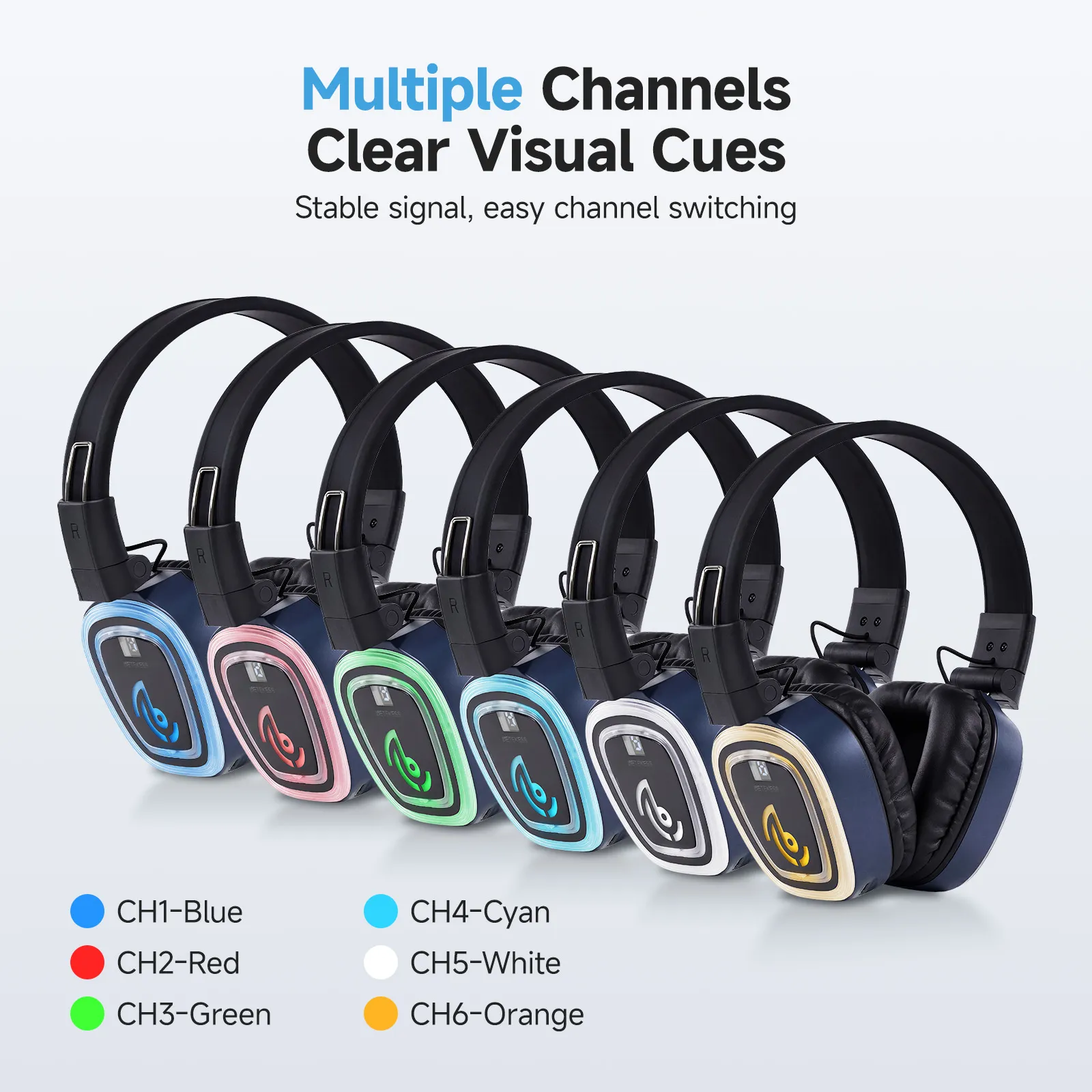
Quality Gear: Don't use standard consumer headphones. Use professional-grade "Silent Disco" systems designed for long-wear comfort and wide-frequency response.
-
The "Hush" Protocol: Train your instructors to speak as if they are whispering into a friend's ear. The microphone becomes an instrument of intimacy.
-
Hybrid Events: Start by offering one "Silent Journey" per week to let your community experience the difference between being "shouted at" by a speaker and "cradled" by sound.
Final Thoughts: Silence is the New Loud
In an increasingly noisy world, the greatest luxury you can offer your students is true, undisturbed silence—augmented by the healing frequencies they came to find.
Traditional loudspeakers served their purpose in the era of "one-size-fits-all" fitness. But for the modern meditation center, they are an obstacle to the deep, transformative states of consciousness your clients are seeking.
It’s time to stop fighting the acoustics of your room and start protecting the ears of your students. Stop killing the vibe with loudspeakers. Give them the "Sound Protection Foam" they deserve.
Are you ready to upgrade your studio's auditory experience? Contact us today to learn how our Silent Sound Healing systems can help your center achieve 100% student immersion.
FAQ: Everything You Need to Know About Silent Meditation Systems
Q: Do headphones make the meditation class feel less "connected" as a group?
A: Quite the opposite. Because every participant receives the exact same high-fidelity sound, without the distortion of room acoustics, the "shared journey" feels more synchronized. Students often report feeling closer to the instructor's energy because the voice feels like an internal guide rather than a distant shout.
Q: How long does the battery last for a full-day meditation retreat?
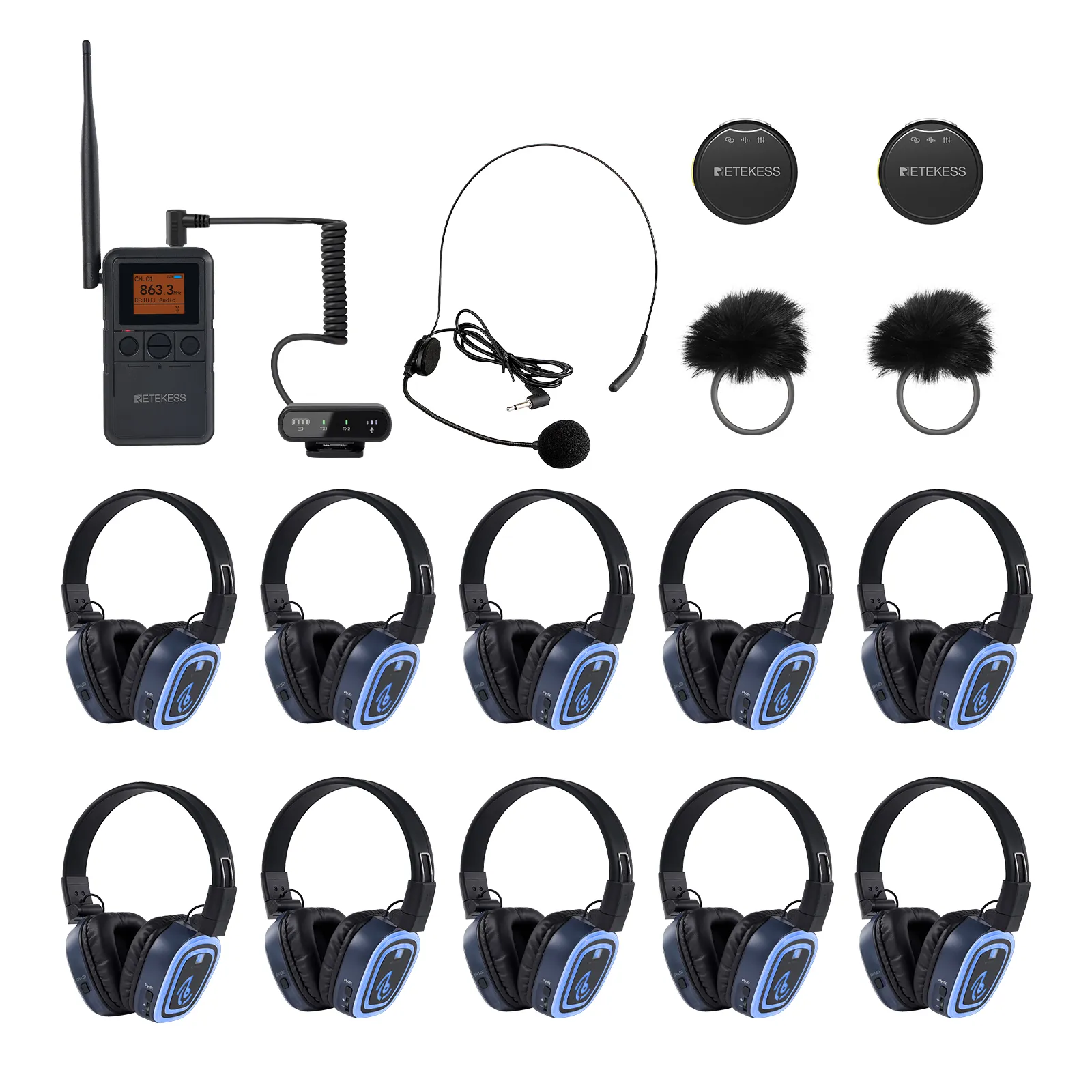
A: Professional systems like the Retekess TA004 are designed for endurance, offering up to 10–12 hours of continuous use on a single charge. This ensures your sunrise-to-sunset retreats remain uninterrupted.
Q: Is it difficult to set up the "Sound Protection Foam" technology?
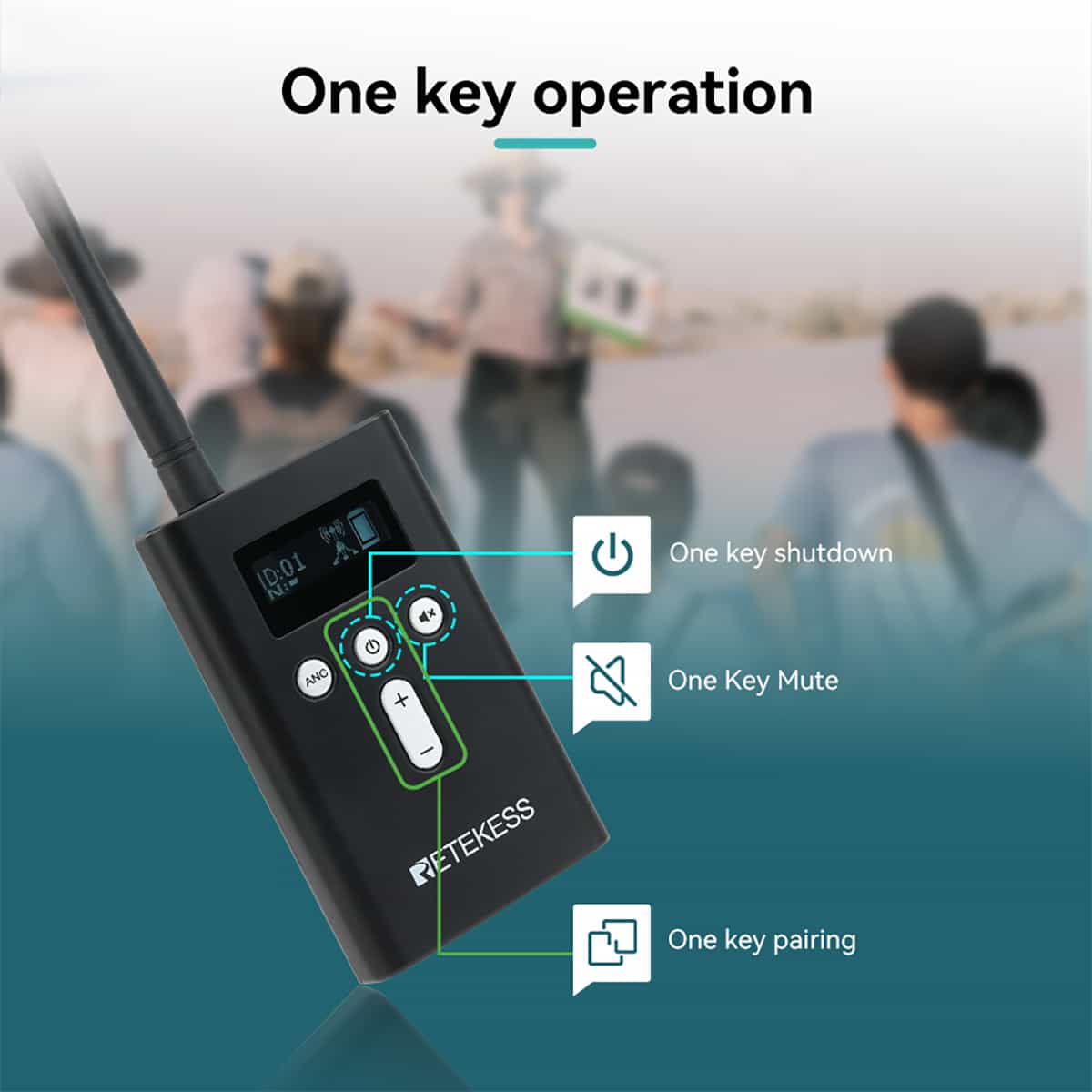
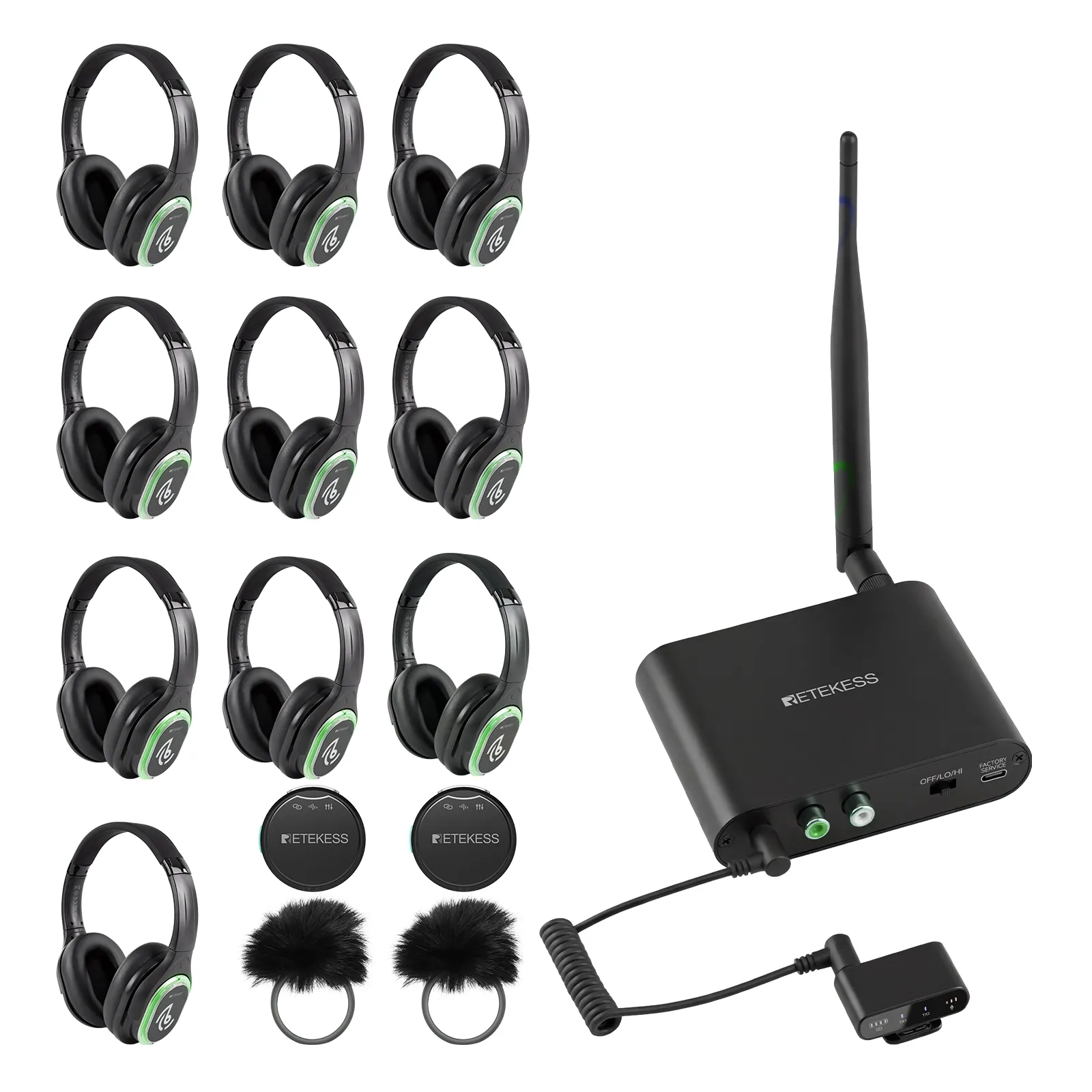
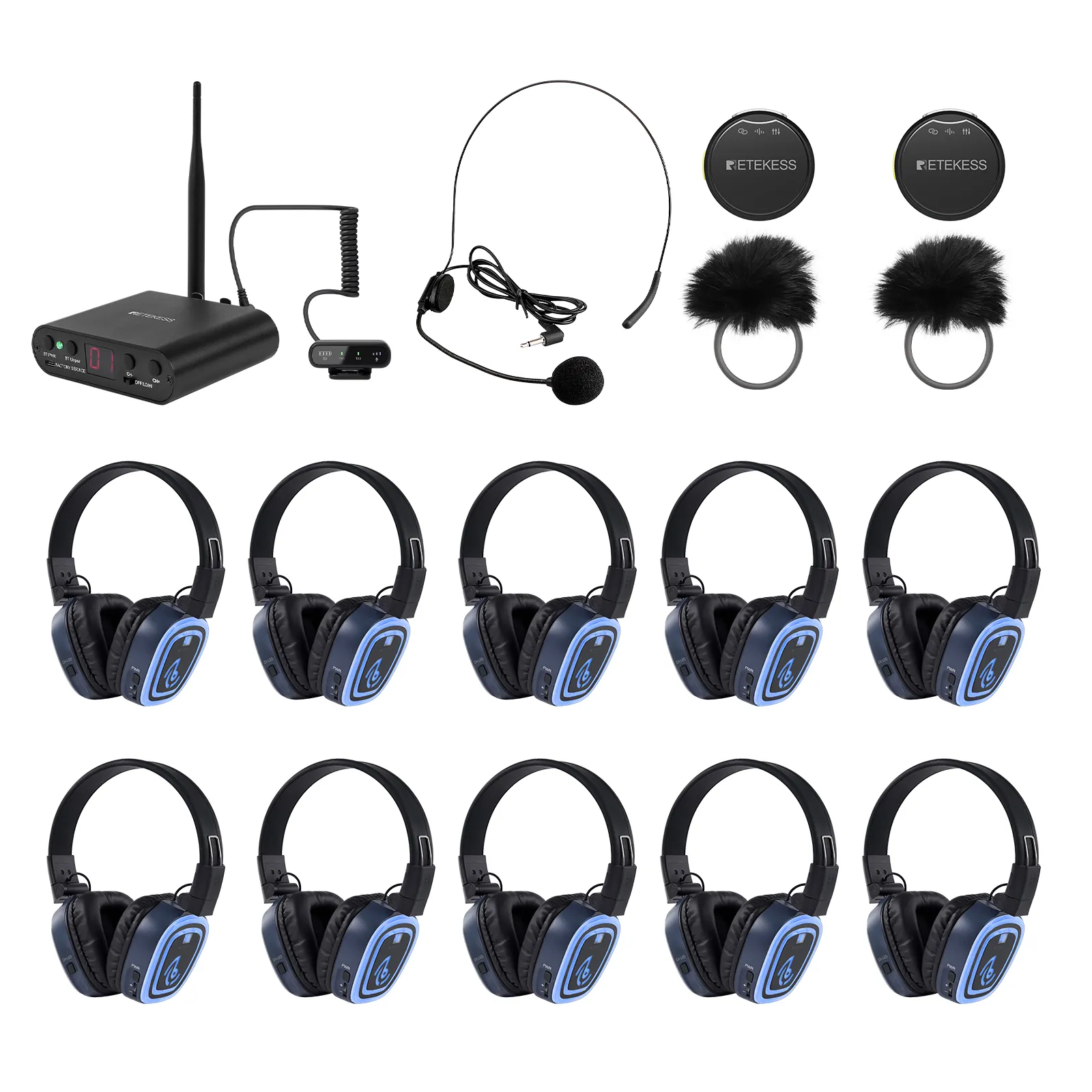
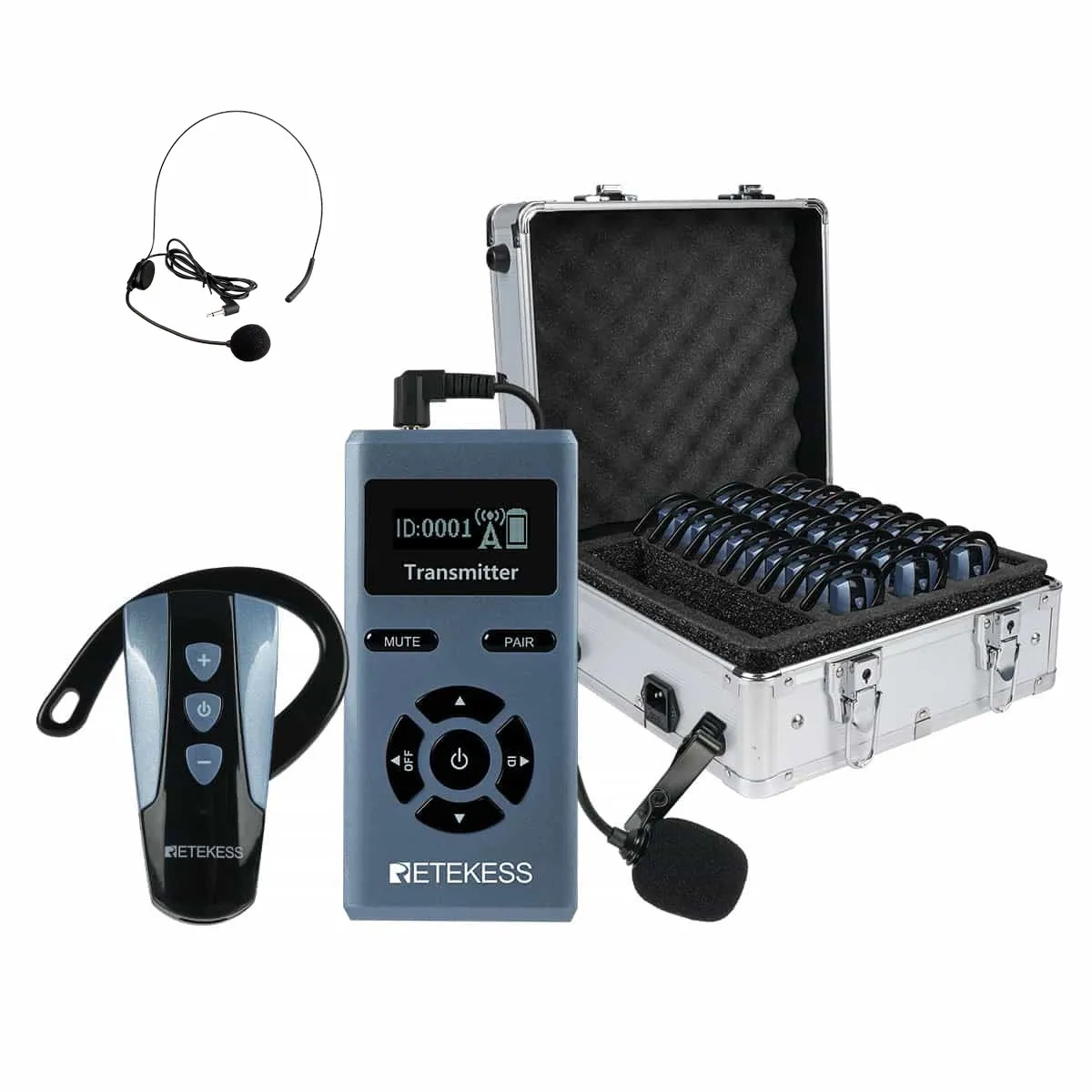
A: Not at all. The system is "plug-and-play." You simply connect your audio source (mixer, phone, or singing bowl mic) to the FM transmitter, and it instantly broadcasts to an unlimited number of wireless headsets within a 100-300 meter range.
Q: Are the headphones comfortable for long Yin Yoga or Yoga Nidra sessions?
A: Yes. Professional wellness headphones feature ergonomic, over-ear designs with soft, breathable protein leather ear pads. They are lightweight enough to be forgotten during deep states of relaxation or long periods of lying still.
Q: How do we maintain hygiene for shared studio headphones?
A: We recommend using medical-grade UV sterilization lamps or eco-friendly, disposable sanitary covers. The ear pads of high-quality headsets are also wipeable with non-alcoholic disinfectant wipes, making them easy to sanitize between sessions.


![[18th Anniversary] 18 Years of Echoing Excellence: Making Communication Easier, Connecting Trust Beyond Borders](https://res.retekess.com/z_file/20260716/retekess-brand-story-making-communication-easier_20260716151044_7682.jpg)
![[18 Years in Wireless Communication] Silent Disco Systems Anniversary Celebration: Top-Selling Headphones & Event Mechanics Revealed!](https://res.retekess.com/z_file/20260713/18-years-in-wireless-communication-silent-disco-systems-anniversary-celebration_20260713175011_5749.webp)
![[Anniversary Carnival] Ding-dong! 18th Anniversary Mega Sale on Guest Paging & Calling Systems: Full Reveal of 12+ Products & Promo Rules!](https://res.retekess.com/z_file/20260713/18th-anniversary-mega-sale-on-guest-paging-calling-systems_20260713175257_0295.webp)
![[Retekess 18th Anniversary Teaser] Tour Guide System Exclusive Perks: Sneak Peek at Event Dates & Mechanics!](https://res.retekess.com/z_file/20260713/retekess-18th-anniversary-tour-guide-system-exclusive-perks--2-_20260713180135_6435.webp)
Follow Us
Pay With


 Google
 Amazon
Comments (0)