
Table of Contents
5 Challenges Tour Guides Face During Large Group Tours (And How to Solve Them)
- Retekess
- Sep 8, 2026
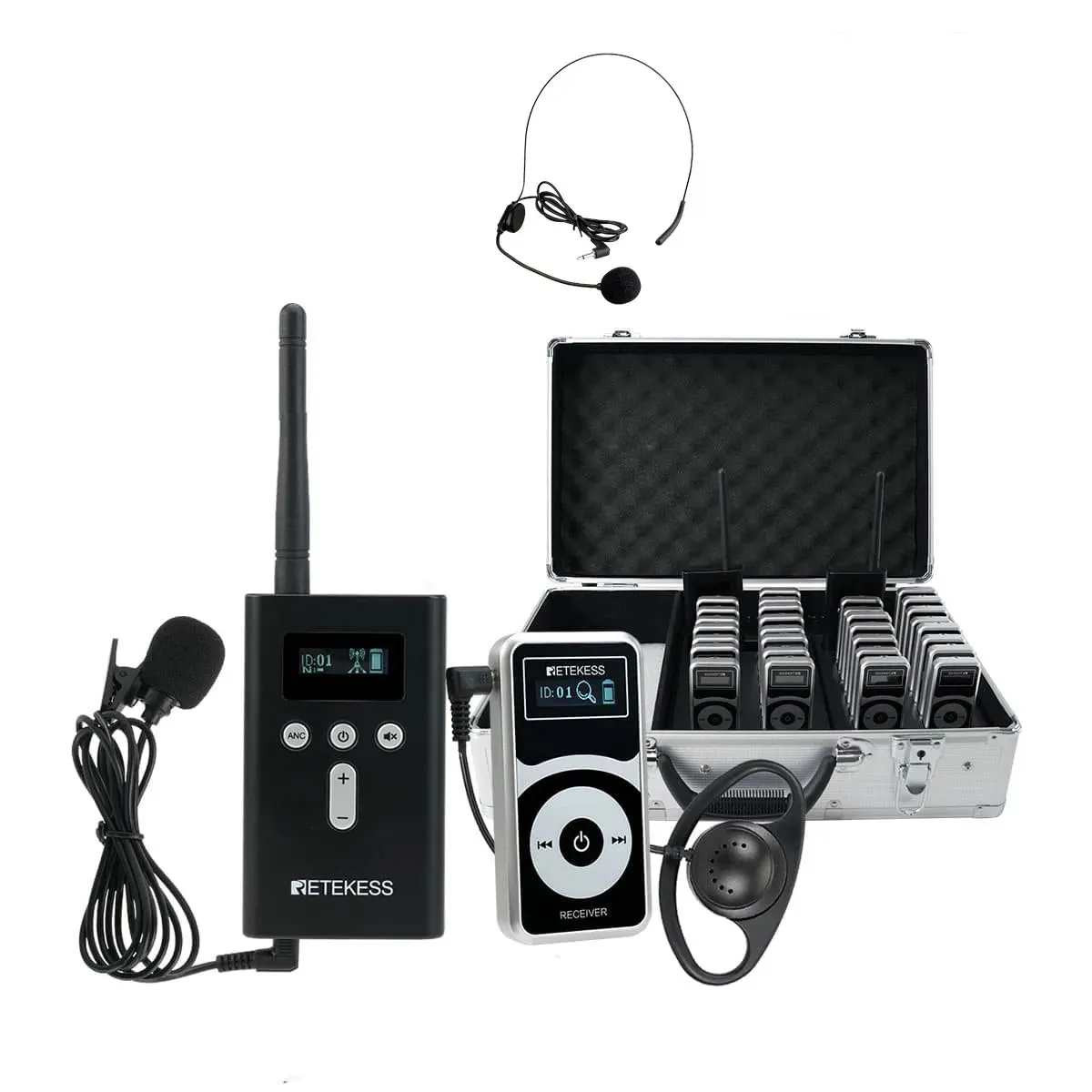
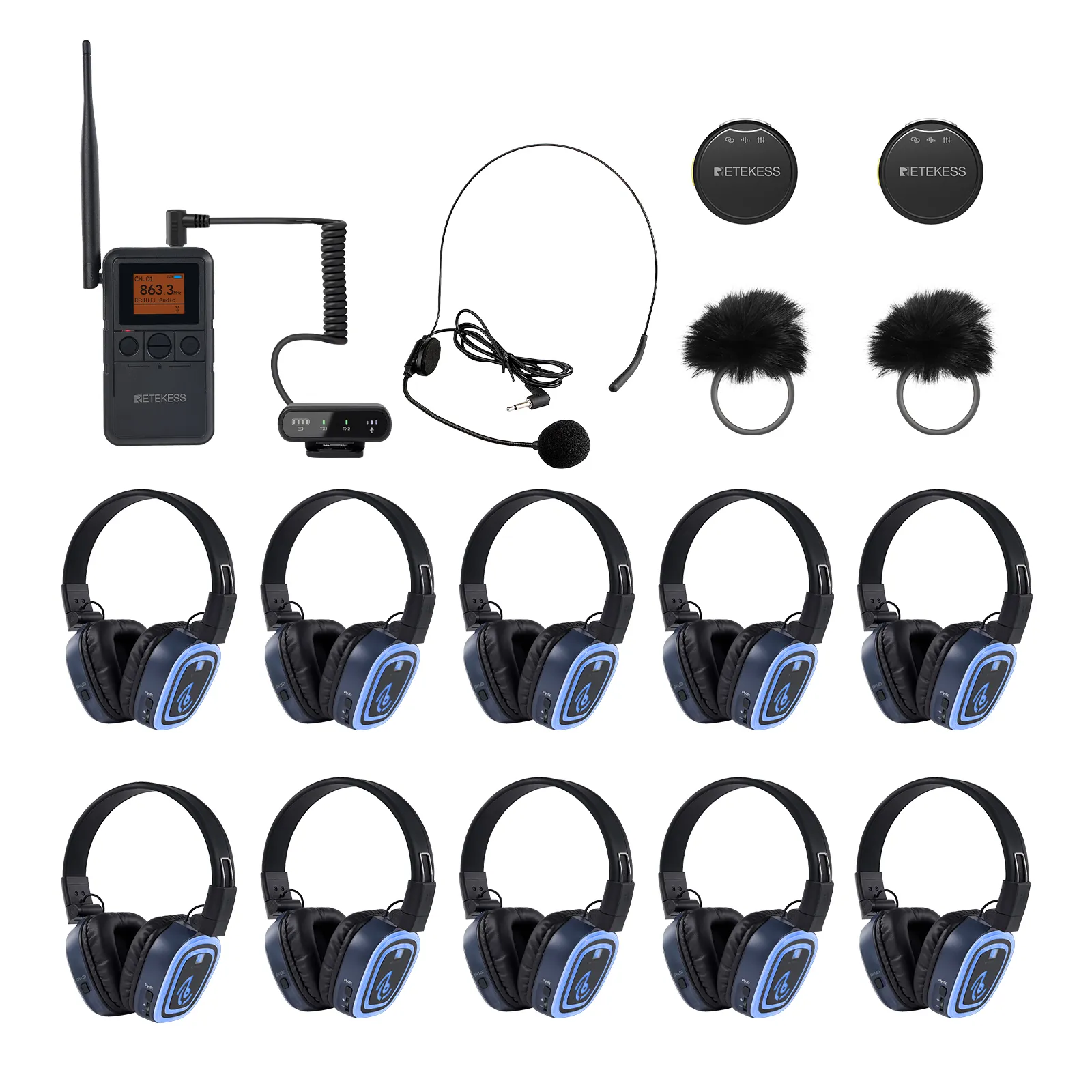
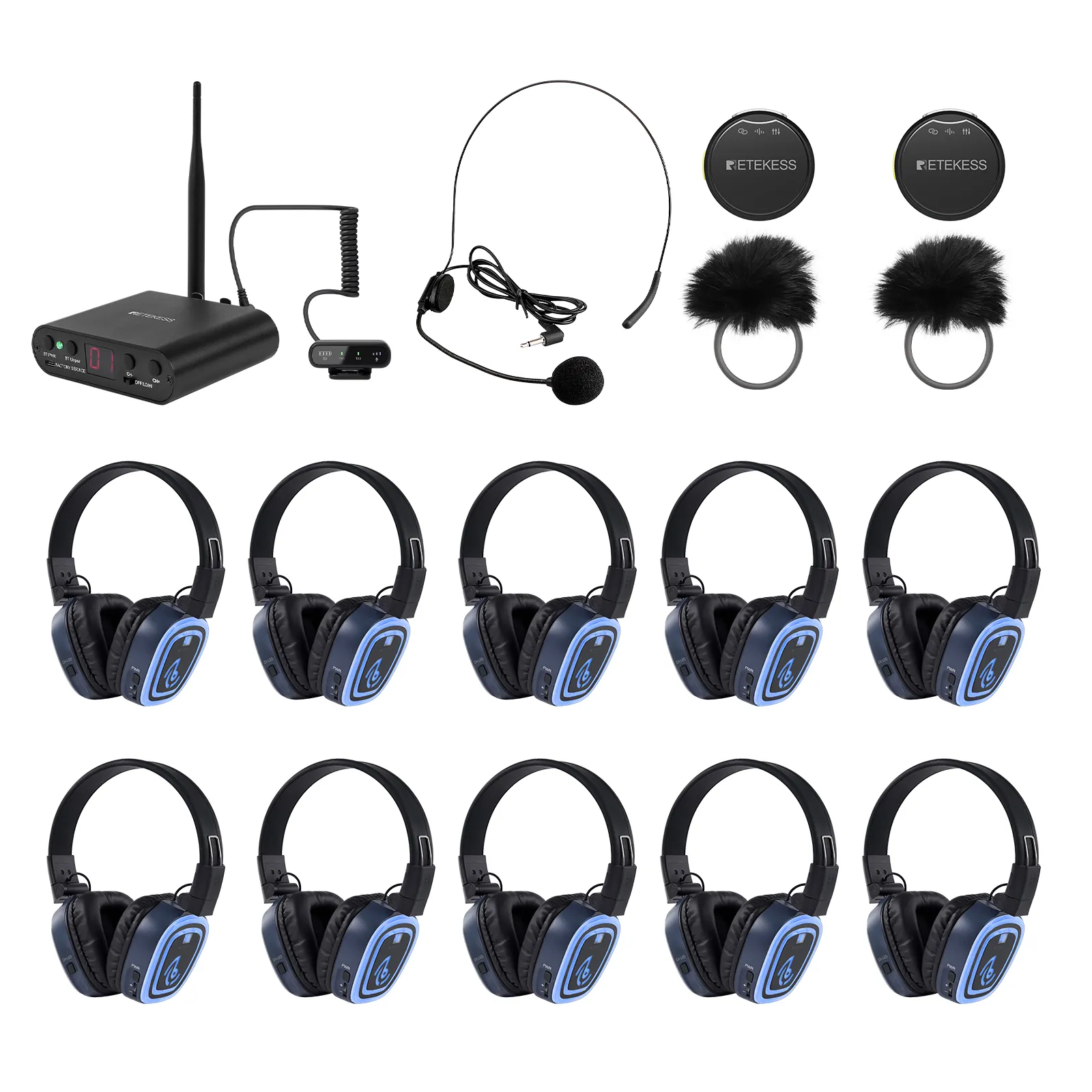
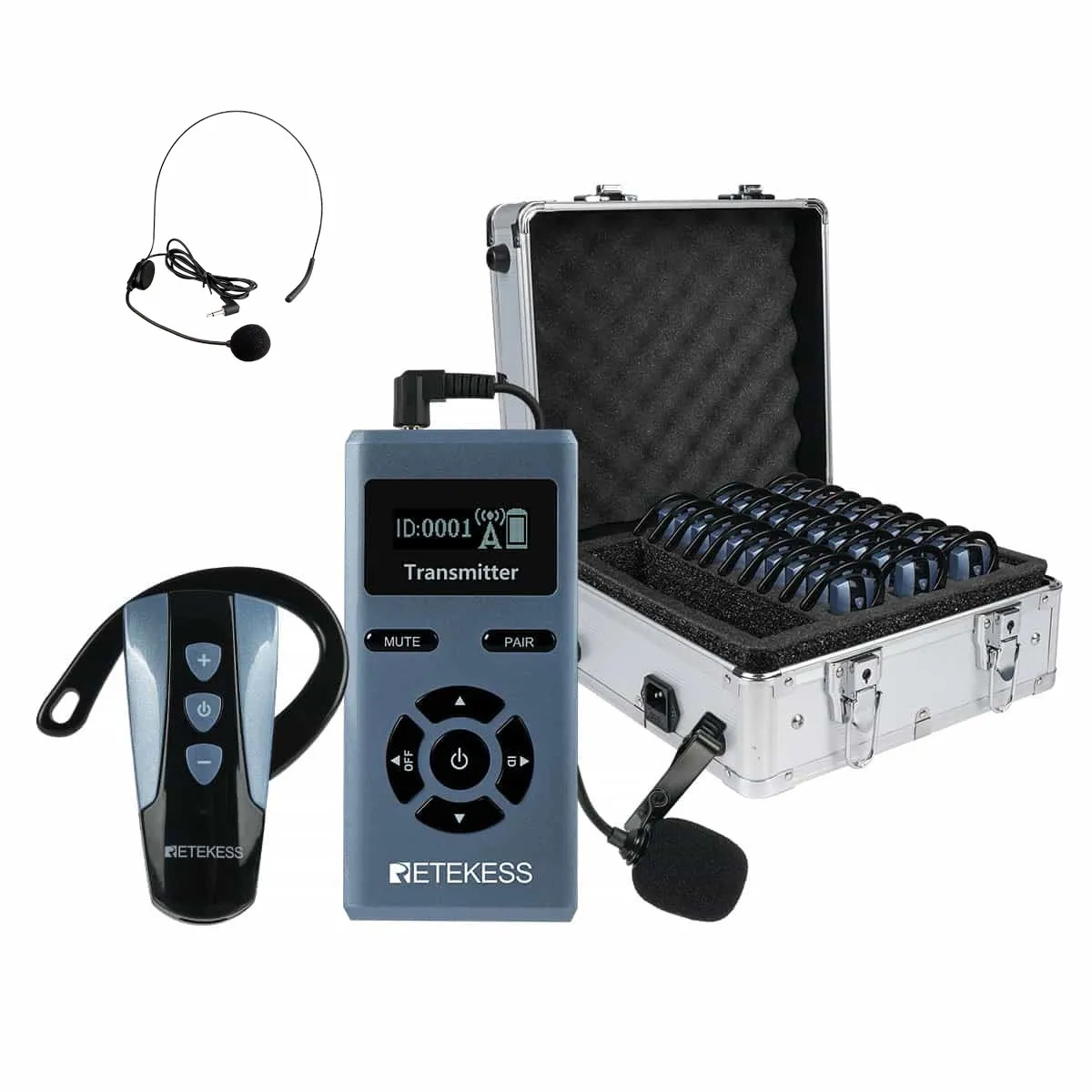
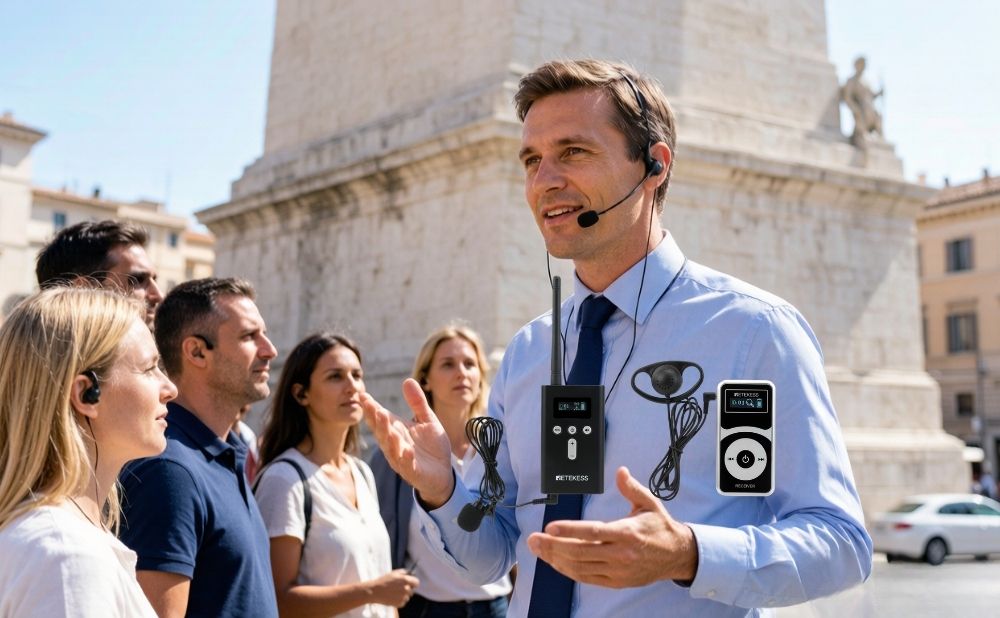
A large group tour can fall apart faster than most people expect. In busy streets, museums, and sightseeing routes, a guide needs more than a microphone. They need a system that keeps the whole group clear, connected, and easy to manage. When a group crosses the threshold from ten people to thirty, every logistical weakness is magnified. Retekess tt133 tour guide system solution is built for that kind of work, it gives guides a more practical way to handle large group tours.
Why Large Group Tours Are Harder Than They Look
A large group tour is not just a bigger version of a small one. It brings more moving parts, more noise, and more pressure on the guide.
Groups spread out fast. Some people stop to take photos. Some walk slower. Some stand farther back and miss the guide’s voice. In busy places, sound also gets lost in traffic, crowd noise, or other activity nearby. A basic microphone or speaker often cannot solve these problems on its own.
Tour guides also have to think about comfort, battery use, and setup speed. If the equipment is hard to manage, the guide loses time and focus. That can affect the whole tour experience. For these reasons, many guides now look for a tour guide system for large group tours that is clearer, simpler, and easier to control.
Challenge 1: Noise Pollution and Venue Restrictions
The problem:
Museums, heritage sites, and historic city centers are no longer tolerant of broadcast audio. Stricter noise regulations now treat portable loudspeakers and megaphones as disruptions to other visitors and neighboring exhibits. Air-borne amplification is inherently anti-social in shared spaces—sound spills across gallery floors, into quiet chapels, and over library courtyards. For the guide, this creates an impossible choice: shout until their voice gives out, or risk violating the venue’s sound policy and losing future booking privileges.
The real-world impact:
Guides either degrade the tour experience by competing with ambient noise, or they incur fines and blacklisting from venues that enforce zero-amplification policies. Neither option is sustainable for a professional operation.
The fix:
Move sound from the air to the ear. DSP Noise Reduction processes the guide’s voice digitally at the transmitter, filtering ambient crowd noise before the signal reaches the receiver. The result is studio-clarity speech delivered directly to each visitor’s earpiece—zero external spill, zero permit anxiety, and no vocal strain for the guide.

Challenge 2: Distance Decay and Group Fragmentation
The problem:
Sound follows the inverse-square law: every doubling of distance from the source drops the perceived volume by roughly six decibels. In a large group spread across a plaza or museum atrium, participants in the back row hear a whisper while the front row is being blasted. The guide instinctively slows down, turns around, or repeats information, which breaks narrative flow and extends tour duration beyond the contracted slot.
The real-world impact:
Back-row participants disengage, check their phones, or physically wander away. Once cohesion is lost, the guide spends more energy herding than storytelling. The tour runs over time, cutting into the next booking or triggering overtime fees from the venue.
The fix:
A 150-meter stable transmission range eliminates this acoustic hierarchy. The last person in the group receives the same signal clarity as the first, whether the guide is leading through a sprawling outdoor archaeological park or a multi-wing indoor complex. The guide can walk at a natural pace, face forward, and trust that no one is left in an information dead zone.
Challenge 3: The Hygiene and Cable Management Trap
The problem:
Post-pandemic, travelers are acutely sensitive to shared personal items—especially anything that enters the ear canal. Traditional in-ear earbuds require disposable foam tips or constant sanitization between departures, adding invisible labor to every turnover. Meanwhile, cabled headsets create a secondary nightmare: fifty units stuffed into a storage case emerge as a single knotted mass.
The real-world impact:
Guides spend ten to fifteen minutes untangling and wiping down gear before every departure. Visitors hesitate to use shared in-ear devices, creating awkward refusals at distribution time. These are not minor inconveniences; they are daily operational drag that eats into briefing and route-check time.
The fix:
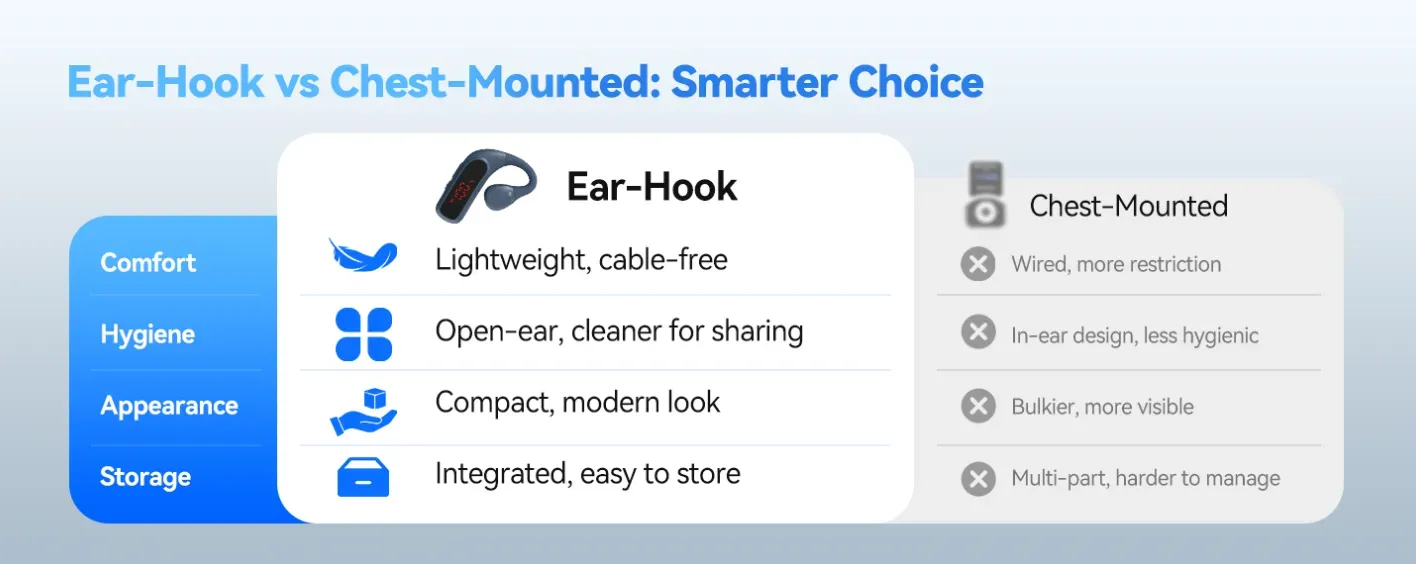
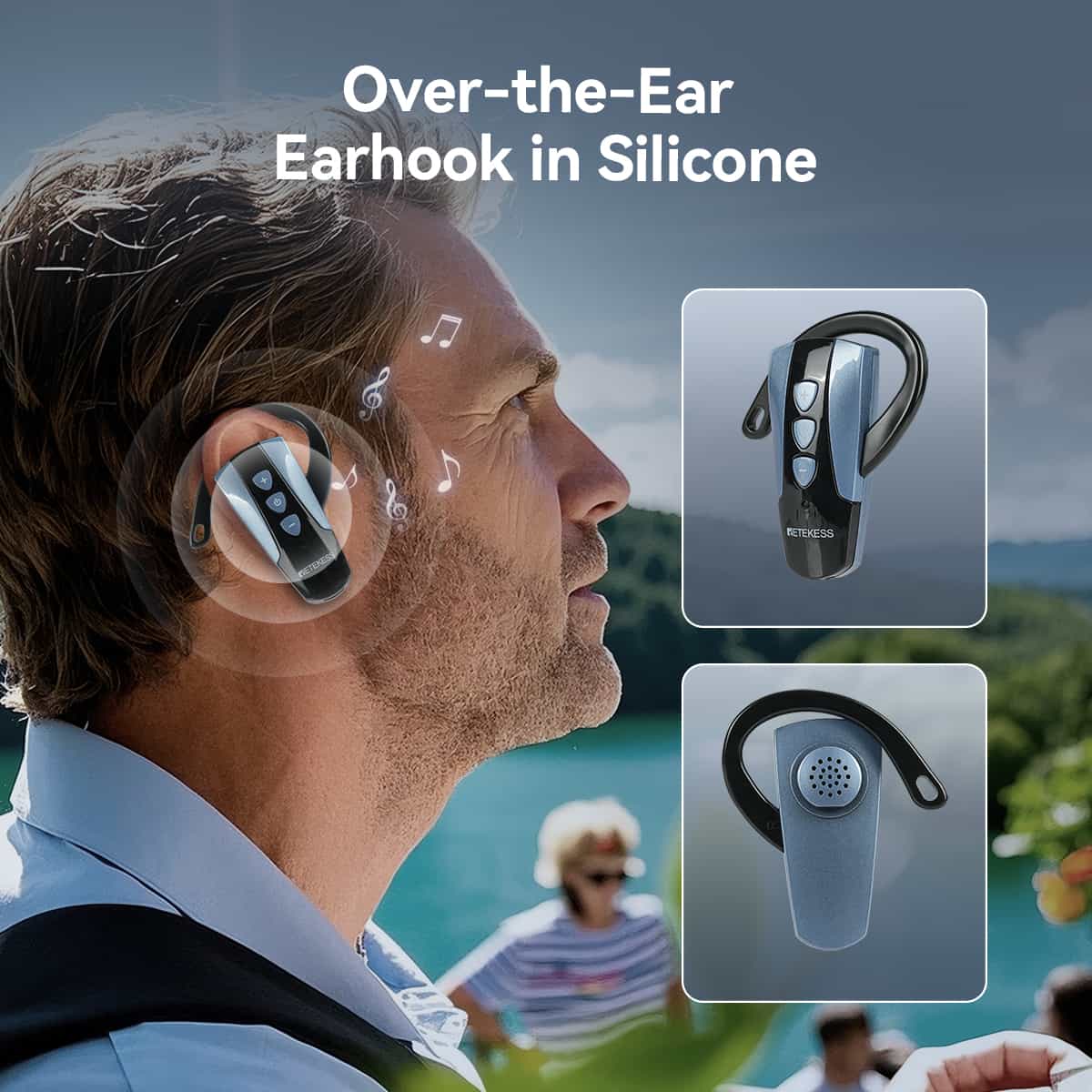
An ear-hook receiver with an open-ear, non-insertion design solves both problems simultaneously. Because the unit rests against the outer ear without entering the canal, hygiene concerns vanish—there is no shared contact point that requires disposable covers or alcohol wipes. And because the design is fully wireless, there are no cables to tangle. Units drop cleanly into a charging case; at distribution time, it is grab-and-go.
Challenge 4: Setup Friction and Blind Operation
The problem:
Legacy button-based systems force guides to operate by memory. Pairing receivers, switching channels, adjusting volume, and checking battery status all require memorized sequences of short-presses, long-presses, and LED color interpretations. A single wrong button press mid-tour can mute the entire group, switch everyone to an empty channel, or trigger an unintended factory reset.
The real-world impact:
When a guide is hunched over a device counting blinking lights, they are no longer commanding the group’s attention. They look like someone fighting their own equipment, which erodes the authority and storytelling presence that justify the guide’s premium rate. The group waits; professionalism drops.
The fix:
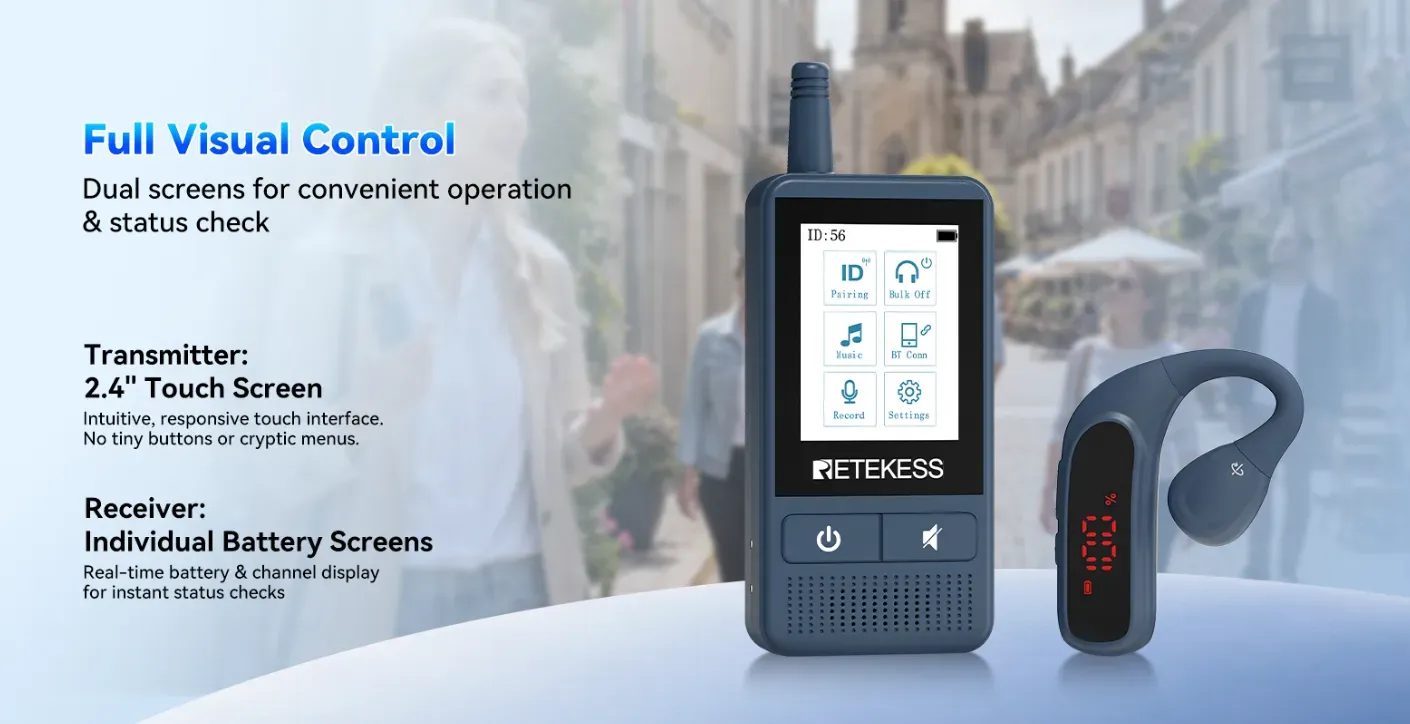
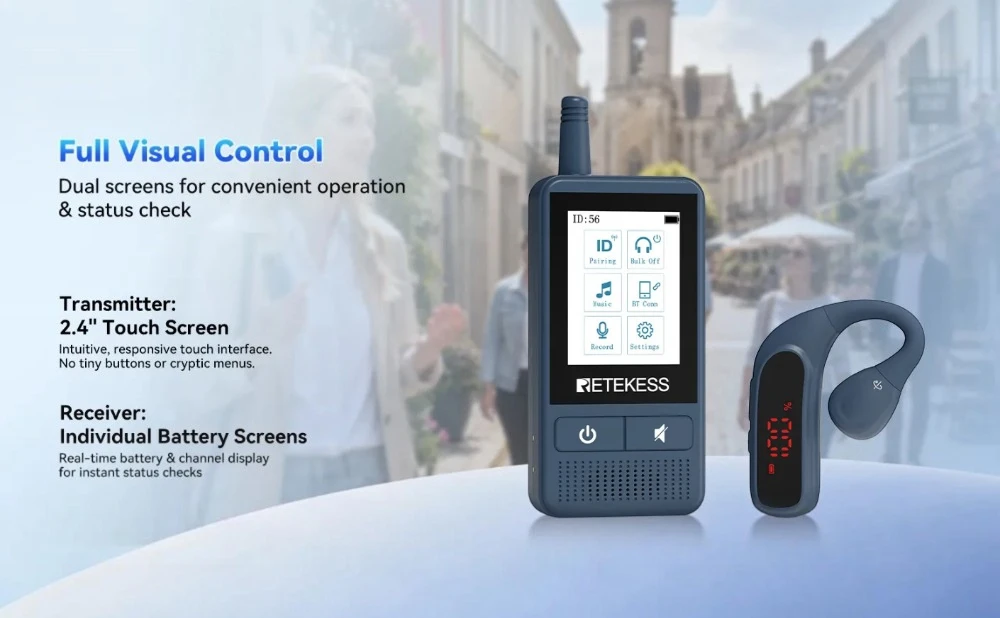
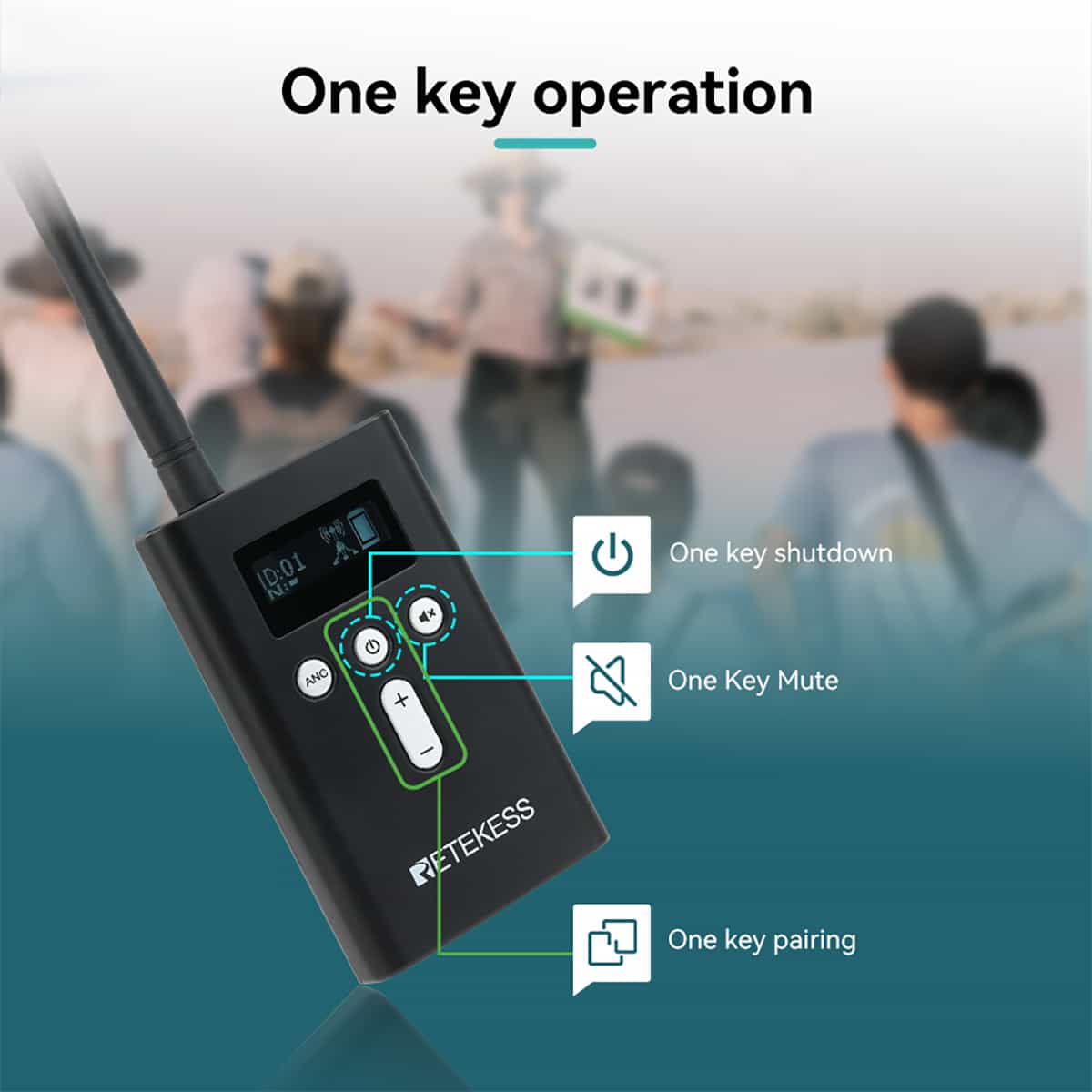
A 2.4-inch touchscreen transmitter replaces guesswork with visual clarity. Pairing, channel selection, mute, and volume are all displayed and controlled through a smartphone-like interface. Meanwhile, the receiver’s own display screen shows the participant real-time battery percentage, signal strength, and active channel. There are no hidden button combinations to memorize and no mid-tour surprises. Setup drops from minutes to seconds, and the guide’s attention stays on the group, not on the hardware.
Challenge 5: Battery Anxiety and Unpredictable Downtime
The problem:
Traditional wireless systems often deliver four to six hours of runtime—enough for a single morning tour, but insufficient for a full-day schedule or back-to-back departures. When a transmitter dies halfway through a three-hour city walk, the guide is left shouting across a traffic circle or refunding the group. Even when systems technically last a full day, the lack of visible battery data creates anxiety: a guide staring at a single red LED has no idea whether they have three hours left or three minutes.
The real-world impact:
Operators carry duplicate transmitters, adding cost, weight, and mental overhead to every departure. Battery uncertainty forces guides to turn down afternoon bookings or cut tours short "just in case." Revenue is lost to invisible anxiety.
The fix:
15 hours of continuous runtime covers a double-shift day without hesitation. When recharging is necessary, 2–2.5 hour fast-charging technology means a lunch break is sufficient to top off for an afternoon session. Crucially, because both the transmitter and receiver displays show precise, real-time battery percentages, the guide sees the status at a glance during the pre-tour check—never mid-route, never as a surprise.
Conclusion
These five challenges—noise compliance, distance decay, hygiene and logistics, setup friction, and battery anxiety—are not isolated inconveniences. They are symptoms of operating with audio tools designed for a smaller, quieter, less regulated era of group travel.
The right hardware does not add complexity; it removes it. When noise is contained at the ear, distance is neutralized by stable RF transmission, hygiene is solved by open-ear architecture, control is visualized through touchscreen interfaces, and power is visible and abundant, the guide is finally free to do what they were hired to do: lead, narrate, and connect.
In group tourism, the guide is the product. The equipment should never be the distraction.


![[18th Anniversary] 18 Years of Echoing Excellence: Making Communication Easier, Connecting Trust Beyond Borders](https://res.retekess.com/z_file/20260716/retekess-brand-story-making-communication-easier_20260716151044_7682.jpg)
![[18 Years in Wireless Communication] Silent Disco Systems Anniversary Celebration: Top-Selling Headphones & Event Mechanics Revealed!](https://res.retekess.com/z_file/20260713/18-years-in-wireless-communication-silent-disco-systems-anniversary-celebration_20260713175011_5749.webp)
![[Anniversary Carnival] Ding-dong! 18th Anniversary Mega Sale on Guest Paging & Calling Systems: Full Reveal of 12+ Products & Promo Rules!](https://res.retekess.com/z_file/20260713/18th-anniversary-mega-sale-on-guest-paging-calling-systems_20260713175257_0295.webp)
![[Retekess 18th Anniversary Teaser] Tour Guide System Exclusive Perks: Sneak Peek at Event Dates & Mechanics!](https://res.retekess.com/z_file/20260713/retekess-18th-anniversary-tour-guide-system-exclusive-perks--2-_20260713180135_6435.webp)
Follow Us
Pay With


 Google
 Amazon
Comments (0)