
Table of Contents
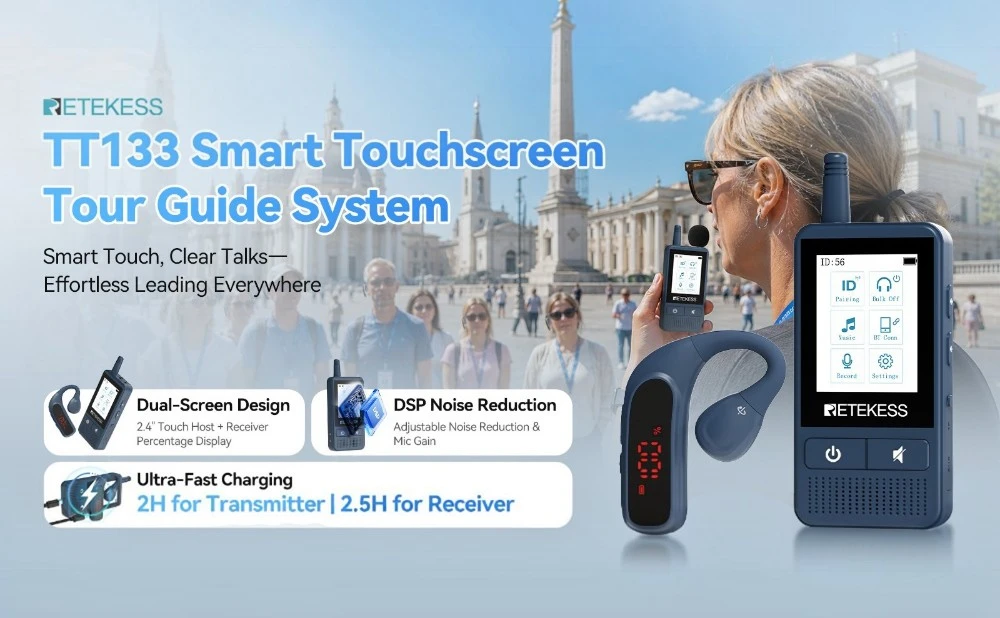
Why Professional Tour Guides Are Switching to Touchscreen Wireless Tour Guide Systems
- Retekess
- Sep 8, 2026
Wireless Tour Guide systems now command 61% of total market share, with 39%of users having already shifted from wired or amplified setups. But the real change is no longer just about "going wireless." It is about what comes next after wireless — smarter interfaces, visual control, and zero-friction operation. Professional tour guides now want clearer, faster, and more reliable ways to manage every part of the tour.
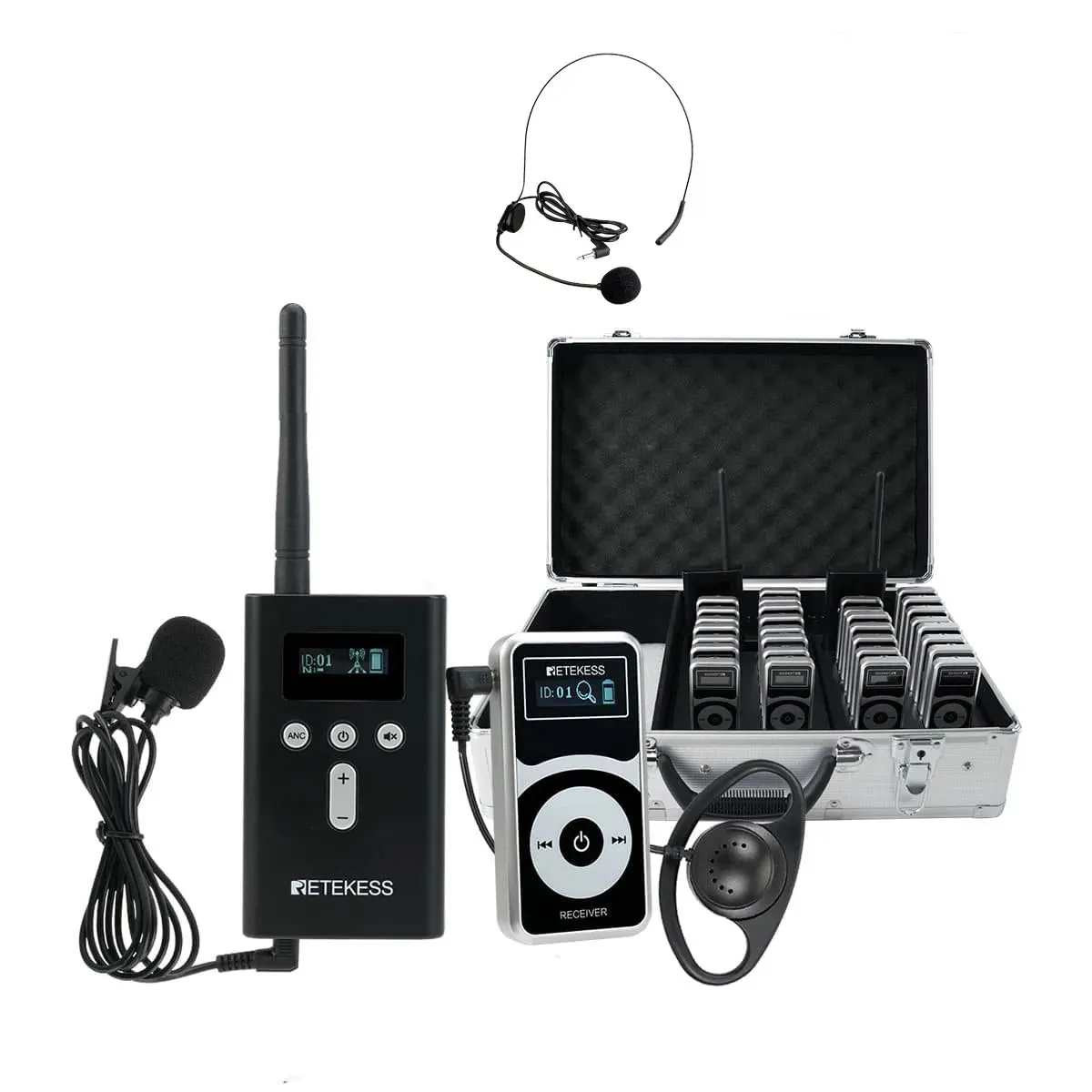
That is why many are switching to wireless tour guide systems with a full touchscreen interface. These systems make it easier to guide groups, change channels, check battery life, and keep the tour moving without guesswork.
1. The Hidden Costs of Traditional Tour Guide Gear
Megaphones and loudspeakers
Megaphones and loudspeakers can seem simple, but they often cause more trouble than they solve. They can disturb nearby areas, especially in cities, museums, and heritage sites. They also run into noise rules in many public spaces. On top of that, sound quality often gets worse as the distance grows. People in the back hear less clearly, and the whole experience becomes harder to manage.
Legacy wireless systems
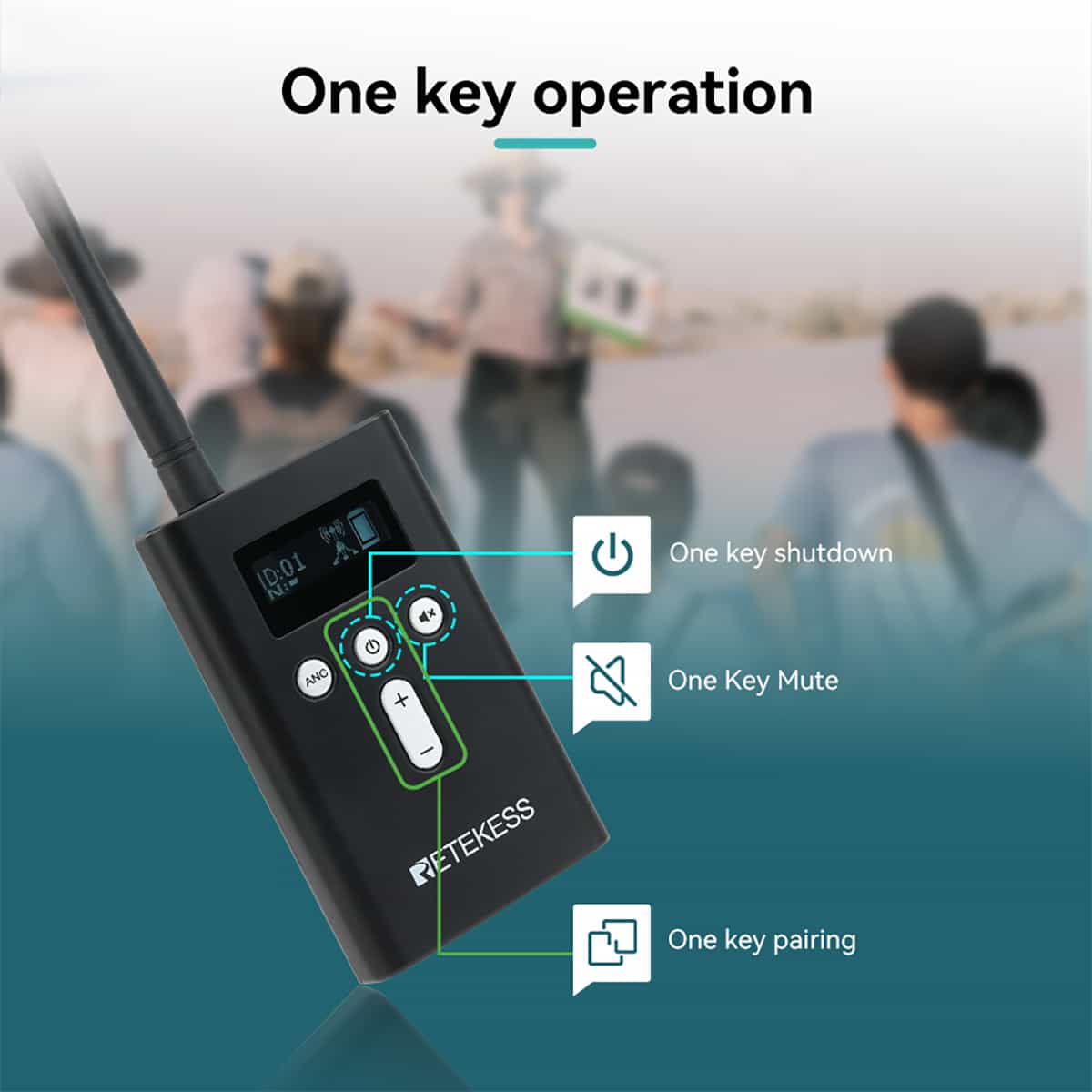
Older wireless systems are better than loudspeakers, but they still have limits. Many use button-based controls with little or no visual feedback. A guide may not know the channel, battery level, or signal status at a glance. That means more guessing and more room for error. Channel switching can also feel slow and clumsy, especially in a live tour.
The real cost
The biggest problem is not just technical. It is operational. A guide may spend too much time setting up the gear, checking the system, or fixing small mistakes. That takes attention away from the tour. Guests may feel confused, the flow may break, and the guide may look like they are fighting the equipment instead of leading the experience.
This is one reason more professionals now see wireless tour guide systems as a better long-term choice.
2. Why Touchscreen Tour Guide System Is Changing the Game
The biggest change in modern guiding gear is the move from hidden controls to visual control.
Full touchscreen interface
A full touchscreen interface changes the way guides work. Instead of guessing, they can see the channel, volume, pairing status, battery level, and signal strength right on the screen. That makes the whole system easier to manage during a live tour. It also reduces mistakes because the guide always knows what is happening.
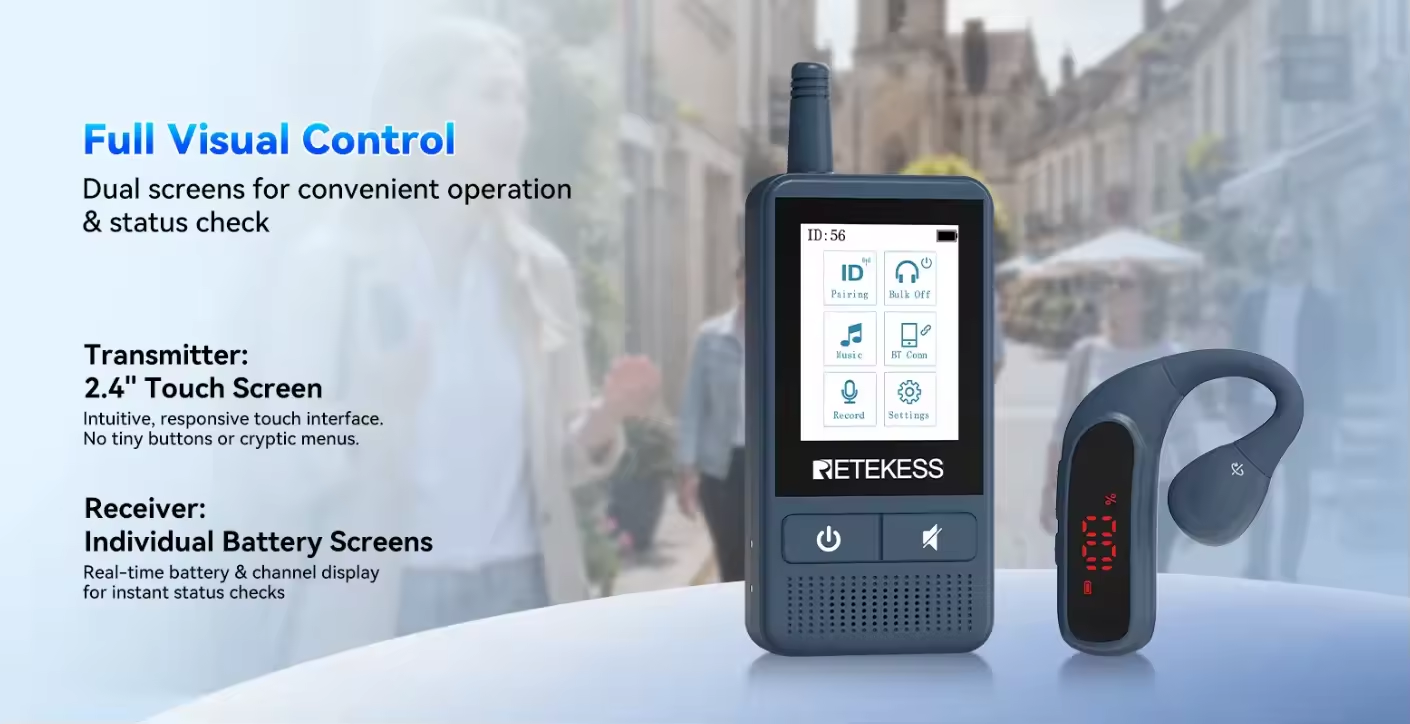
2.4-inch touchscreen
A 2.4-inch touchscreen is a practical size for guide work. It is large enough to read clearly with one glance, but still small enough to hold in one hand. That matters when a guide is walking, talking, and moving through a site at the same time. The screen needs to be clear, quick, and easy to use without slowing the pace of the tour.
Faster operation
Touch control also saves time. What once took several button presses can now happen with one tap. Switching between language channels, checking status, or adjusting volume becomes faster and more natural. For a guide, that means less friction and fewer interruptions.
A more professional image
The look of the device matters too. A sleek touchscreen system sends a clear message to clients and visitors. It shows that the guide is using modern tools and running a well-organized operation. In a market where service quality matters, that can help a lot.
For many professionals, the move to a touchscreen is not about style alone. It is about making guiding work better in real life.
3. Why Now? The Industry Trend Toward Smart Guiding
The shift to touchscreen systems did not happen by chance. It came from a mix of user demand, venue rules, and better wireless tools.
Rising visitor expectations
Visitors now expect more from guided experiences. They are used to clear screens, fast menus, and simple controls in daily life. They want the same ease from tour equipment. A system that feels old or hard to use can make the whole experience feel less polished.
Venue restrictions tightening
Many venues now limit amplified sound. Museums, city centers, heritage sites, and indoor attractions often need quieter solutions. In these places, wireless ear-level audio is not just helpful. It is often the most practical choice.
Wireless maturity
Modern wireless tour guide systems now offer stable transmission and stronger coverage. A good 2.4GHz wireless tour guide system can support routes across large indoor spaces and outdoor tours with confidence. That makes wireless systems suitable for more kinds of tours than before.
Touchscreen as the new baseline
Touchscreen control is no longer just a luxury feature. It is becoming the new standard for many professional systems. As guides ask for faster setup and clearer control, touchscreen devices are moving from premium options to expected tools.
This is why more guides now see touchscreen systems as part of the normal evolution of guiding equipment.
4. Real-World Impact: What Guides Actually Gain
The move to touchscreen systems brings practical benefits that guides can feel right away.
Time
Setup becomes faster. A guide can prepare in less time and start the tour sooner. There is less need for manual channel checks or button-based trial and error.
Control
Guides can see connected receivers, check battery status, and watch signal strength in real time. That means fewer surprises during the tour. If a receiver drops off or the transmitter battery starts to fall, the guide can respond quickly.
Flexibility
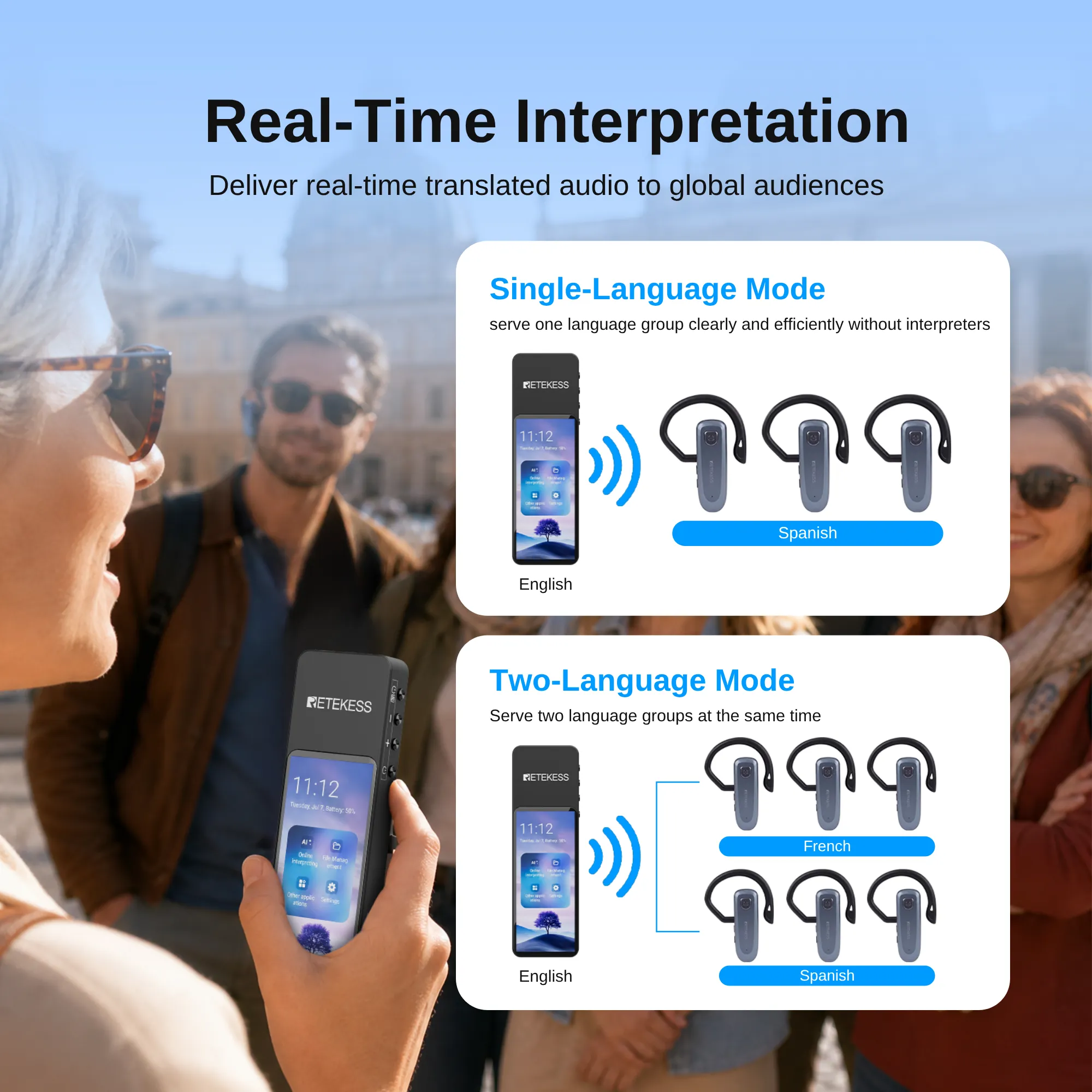
Touchscreen systems make multilingual tours easier to manage. A guide can switch output channels more clearly and with less effort. That helps when one group needs several language options.
Compliance
In many public venues, noisy equipment is simply not allowed. Wireless audio gives visitors clear sound without breaking noise rules or disturbing other guests. That makes it easier to run tours in museums, heritage sites, and busy city areas.
Better guest experience
When the guide is not distracted by equipment issues, the tour feels smoother. Guests hear better, follow more easily, and stay more engaged. That is the real goal of any tour guide tool.
These gains explain why the market is moving toward smarter wireless tour guide systems. The technology is no longer just about sound. It is about control, confidence, and service.
5. What to Look for in a Touchscreen Wireless Tour Guide System
Not every system offers the same level of performance. Professional guides should look for a few key things.
Screen clarity
The screen should be easy to read in different light conditions. A clear display saves time and reduces mistakes.
Simple layout
A good touchscreen should not feel crowded. The main controls should be easy to find and easy to tap.
Battery life
Long tours need reliable power. A system should last through full routes without constant charging worries.
Stable audio
Clear sound matters more than fancy features. The system should keep speech clean and steady.
Group capacity
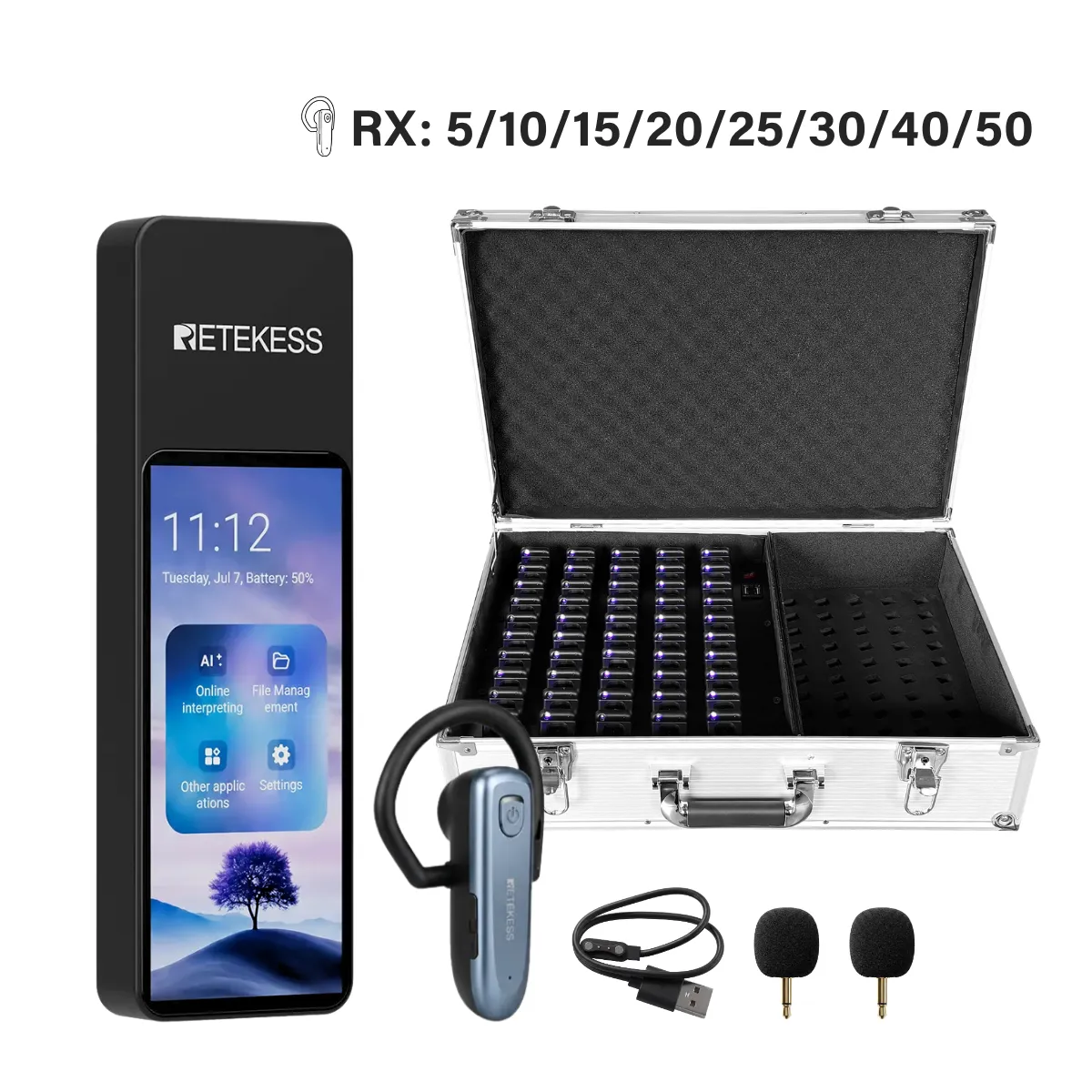
Some tours are small. Others involve larger groups or multilingual needs. The system should handle both well.
Durable design
Tour gear moves a lot. It should be built for daily use, not just display.
When these points come together, a full touchscreen interface becomes more than a nice feature. It becomes a real working advantage.
6. The New Professional Wireless Tour Guide System Standard
Professional tour guides are switching to touchscreen wireless systems because the old way no longer fits modern guiding needs. Megaphones are too loud. Button-based receivers are too slow. Older wireless tools leave too much to guesswork.
A touchscreen system solves those problems with clearer control, faster setup, and better feedback. A touchscreen gives guides the balance they need: enough space to see what matters, but not so much size that it becomes hard to carry. A full touchscreen interface turns core functions into visible, tappable actions. That makes the whole tour easier to manage.
In the end, this is not just a gadget upgrade. It is the logical next step for professional guiding. In an industry built on storytelling, the equipment should support the story, not interrupt it. When the interface is as clear as the narration, the tour finally speaks for itself.


![[18th Anniversary] 18 Years of Echoing Excellence: Making Communication Easier, Connecting Trust Beyond Borders](https://res.retekess.com/z_file/20260716/retekess-brand-story-making-communication-easier_20260716151044_7682.jpg)
![[18 Years in Wireless Communication] Silent Disco Systems Anniversary Celebration: Top-Selling Headphones & Event Mechanics Revealed!](https://res.retekess.com/z_file/20260713/18-years-in-wireless-communication-silent-disco-systems-anniversary-celebration_20260713175011_5749.webp)
![[Anniversary Carnival] Ding-dong! 18th Anniversary Mega Sale on Guest Paging & Calling Systems: Full Reveal of 12+ Products & Promo Rules!](https://res.retekess.com/z_file/20260713/18th-anniversary-mega-sale-on-guest-paging-calling-systems_20260713175257_0295.webp)
![[Retekess 18th Anniversary Teaser] Tour Guide System Exclusive Perks: Sneak Peek at Event Dates & Mechanics!](https://res.retekess.com/z_file/20260713/retekess-18th-anniversary-tour-guide-system-exclusive-perks--2-_20260713180135_6435.webp)
Follow Us
Pay With


 Google
 Amazon
Comments (0)