
Table of Contents
Back to School Classroom Audio System: The 2026 Complete Guide for Schools
- Retekess
- Jul 31, 2026
As the back-to-school season approaches, school administrators across North America and Europe face a critical question: is every student in every seat actually hearing the teacher? Research suggests the answer is no. Studies show that without a classroom audio system, students sitting in the back row miss up to 40% of spoken instruction. That is two out of every five words lost to distance, background noise, and poor acoustics.
A back-to-school classroom audio system is no longer a luxury. It is an essential learning tool that improves academic outcomes, protects teacher voice health, and ensures accessibility compliance. In this guide, we walk through everything school procurement officers need to know about choosing, deploying, and budgeting for classroom audio technology in the 2026 academic year.
Why Every Classroom Needs an Audio System in 2026
The Speech Intelligibility Problem
In a typical classroom, the background noise from HVAC systems, hallway chatter, and student movement competes with the teacher's voice. The recommended signal-to-noise ratio (SNR) for optimal learning is +15 dB — meaning the teacher's voice should be 15 decibels louder than ambient noise. In most classrooms, the actual SNR is between -5 and 0 dB. Students' brains work overtime to fill in missing speech fragments, leading to cognitive fatigue and reduced comprehension.
Teacher Vocal Health
Teachers are among the professionals most affected by vocal strain. Chronic hoarseness, vocal nodules, and fatigue are widespread. A classroom amplification system allows teachers to speak at a normal conversational volume, preserving their voice health while ensuring every student hears clearly.
Accessibility Compliance
In the United States, the Americans with Disabilities Act (ADA) and Section 504 require schools to provide assistive listening accommodations for students with hearing impairments. In Europe, the UK's SEND framework mandates adequate acoustic provision in educational settings. A classroom audio system helps schools meet these legal obligations proactively rather than reactively.
Types of Back-to-School Classroom Audio Systems
Portable Wireless Systems
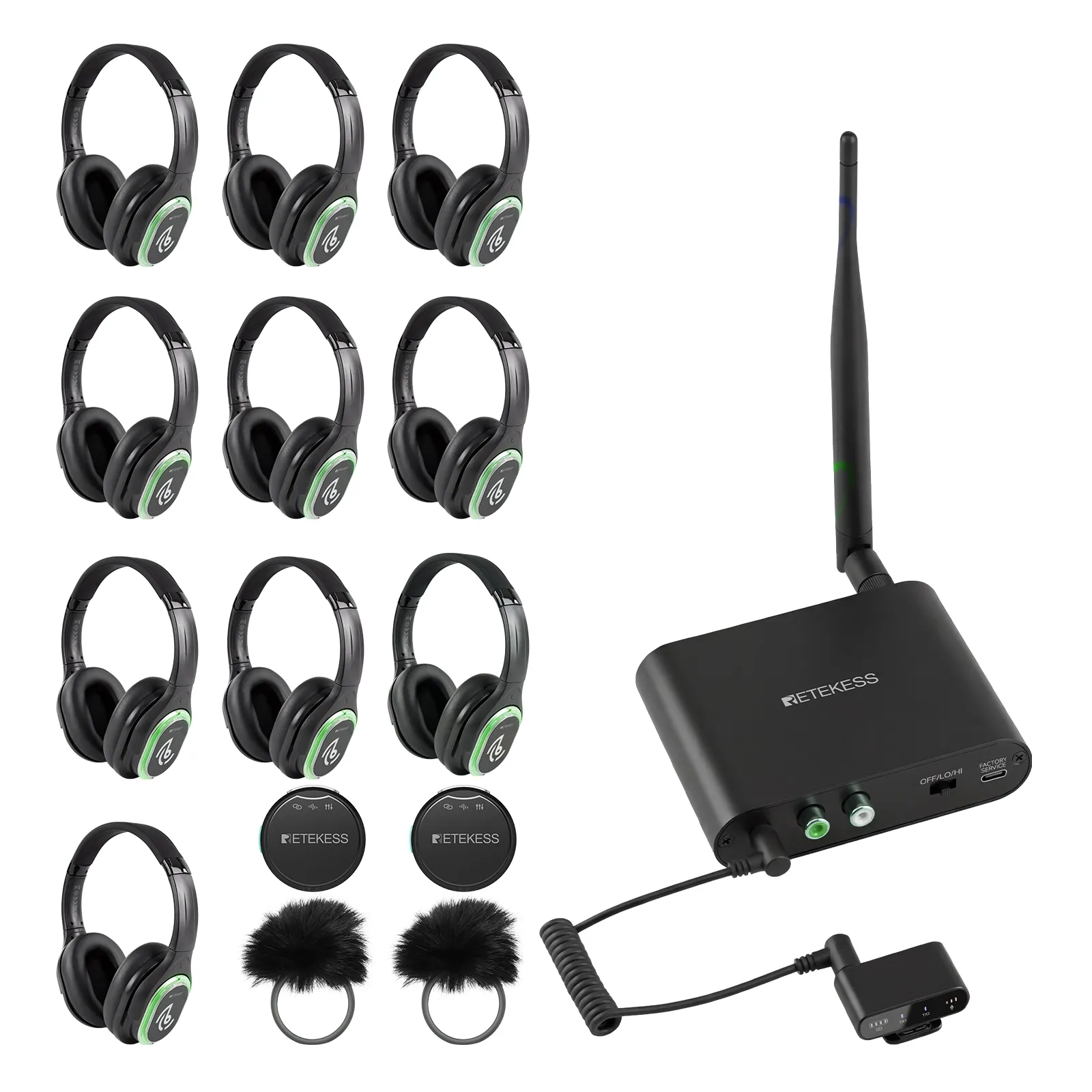
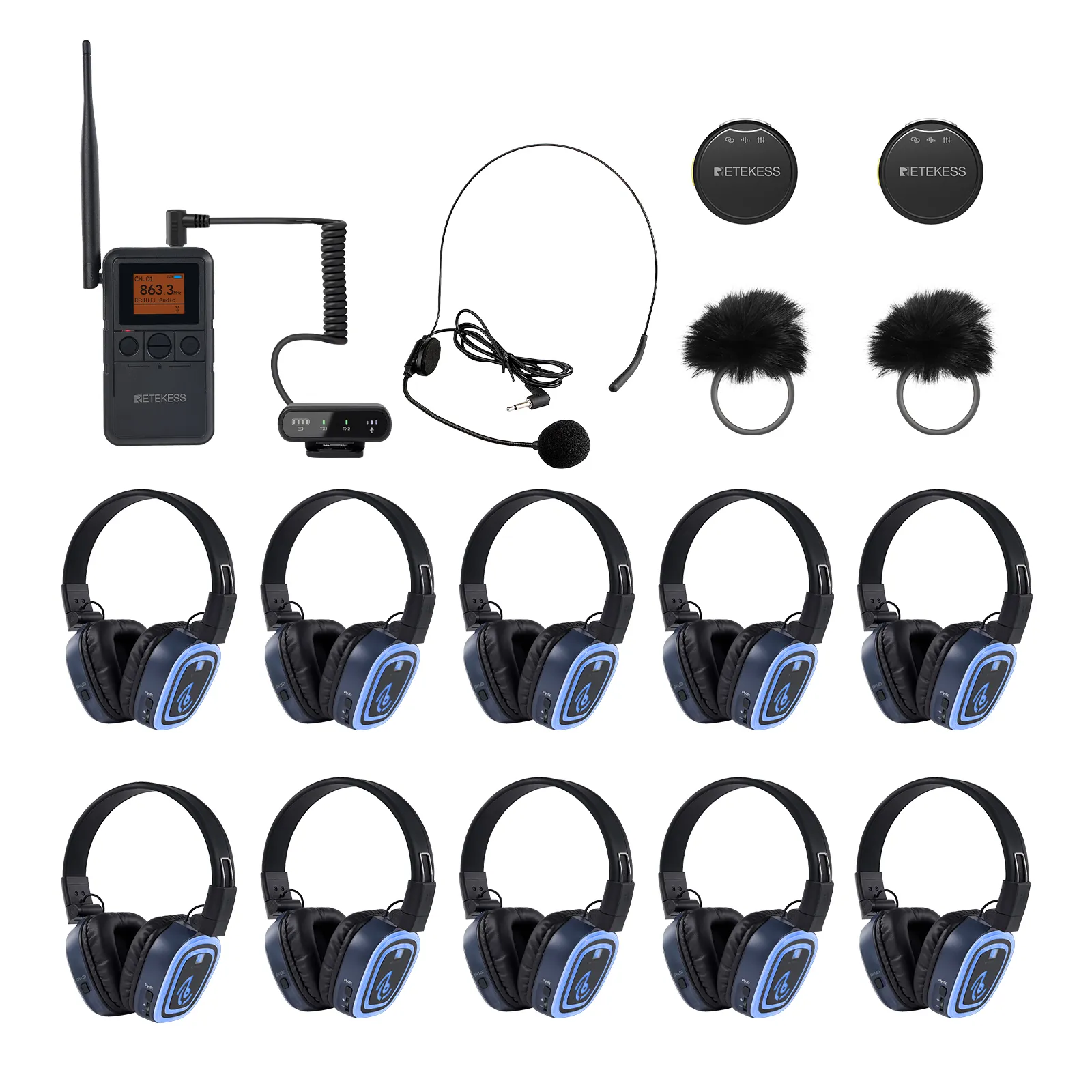
Portable systems consist of a wireless transmitter (worn by the teacher with a microphone) and receivers (earphones for students or connected to classroom speakers). These are ideal for schools that need flexibility — the system can move between rooms, be used for outdoor education, or serve as a temporary solution during classroom renovations.
Installed Sound Field Systems
Installed systems use ceiling-mounted speakers connected to a central amplifier with a teacher microphone. These provide uniform sound coverage across the entire room but require professional installation and are permanent fixtures.
Wireless Tour Guide Style Systems
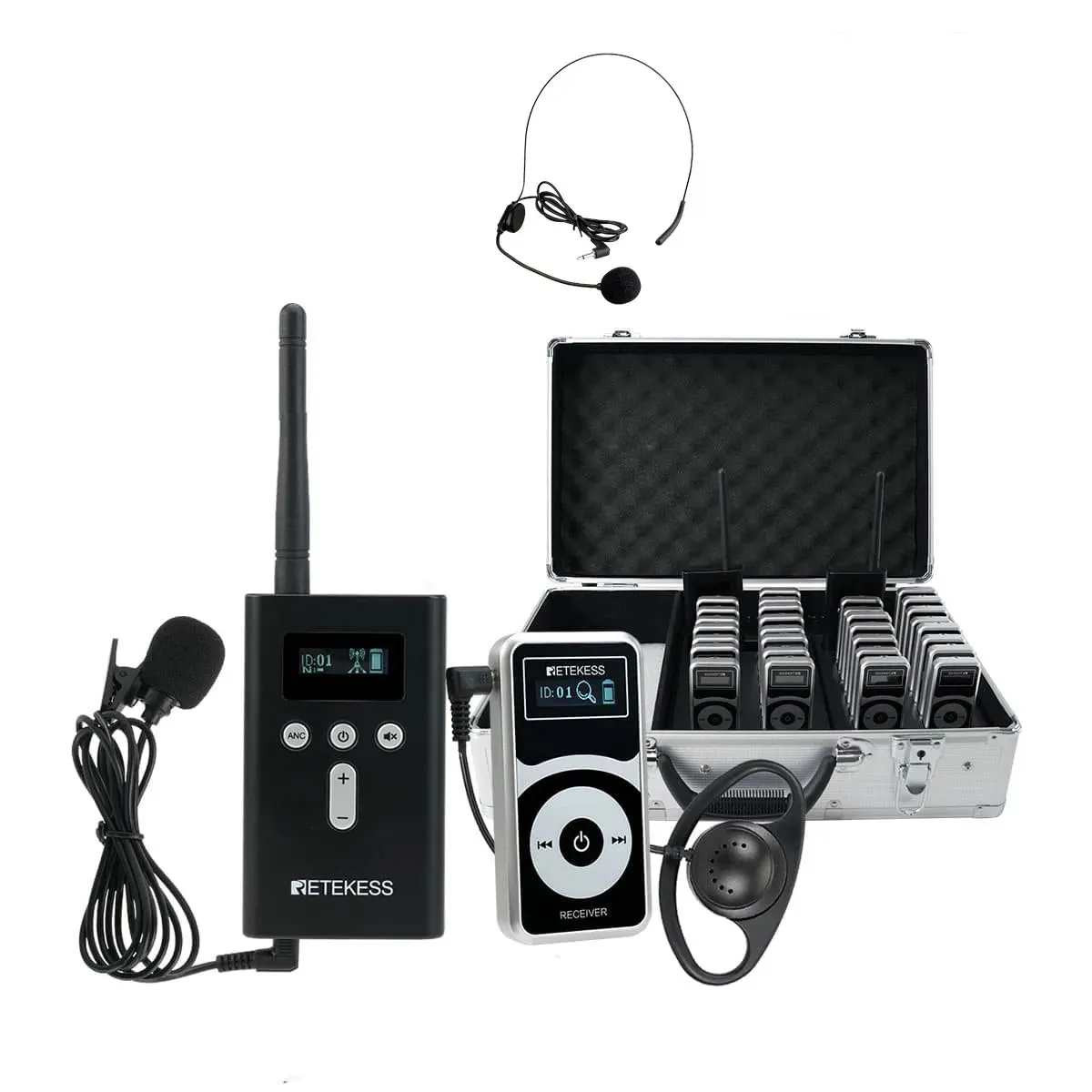
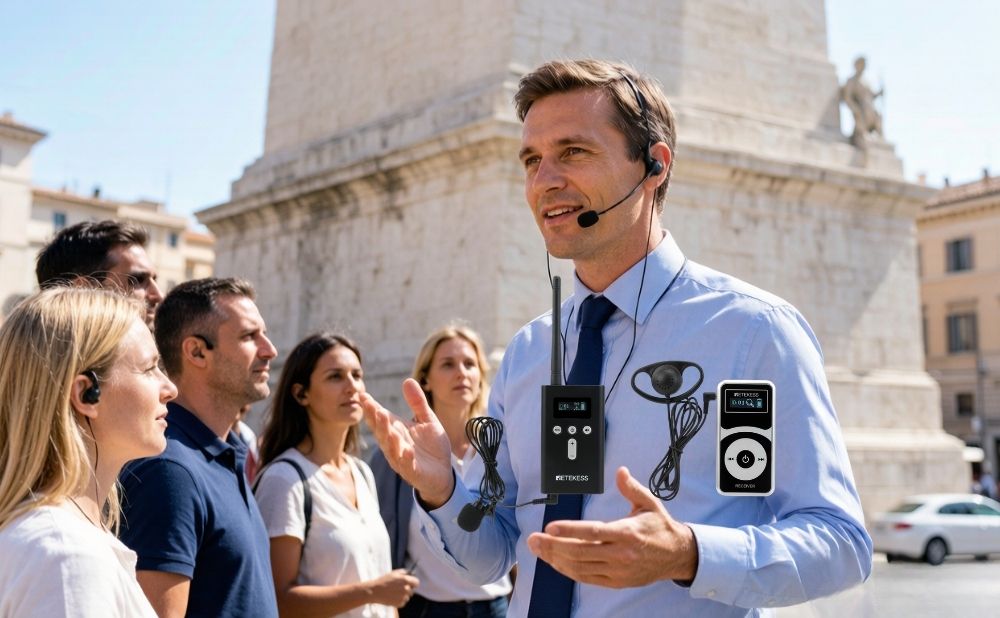
Originally designed for guided tours, these wireless transmitter-receiver systems have found a strong niche in education. They offer crystal-clear one-to-many audio transmission, are easy to deploy without installation, and are significantly more affordable than installed systems. Products like the Retekess T130P and T130U fall into this category.
Key Features to Look For
- DSP Noise Reduction: Filters out background noise so the teacher's voice comes through clearly
- Long Battery Life: Minimum 8 hours for transmitters; 20+ hours for receivers to last a full school day
- Multiple Channels: Allows adjacent classrooms to operate without cross-interference
- Type-C Charging: Modern, durable, and compatible with existing school USB infrastructure
- Fleet Charging Cases: For schools deploying across multiple rooms, multi-slot charging cases simplify device management
- Regulatory Compliance: FCC certified for US, CE marked for European markets
Recommended: Retekess T130P for Classroom Audio
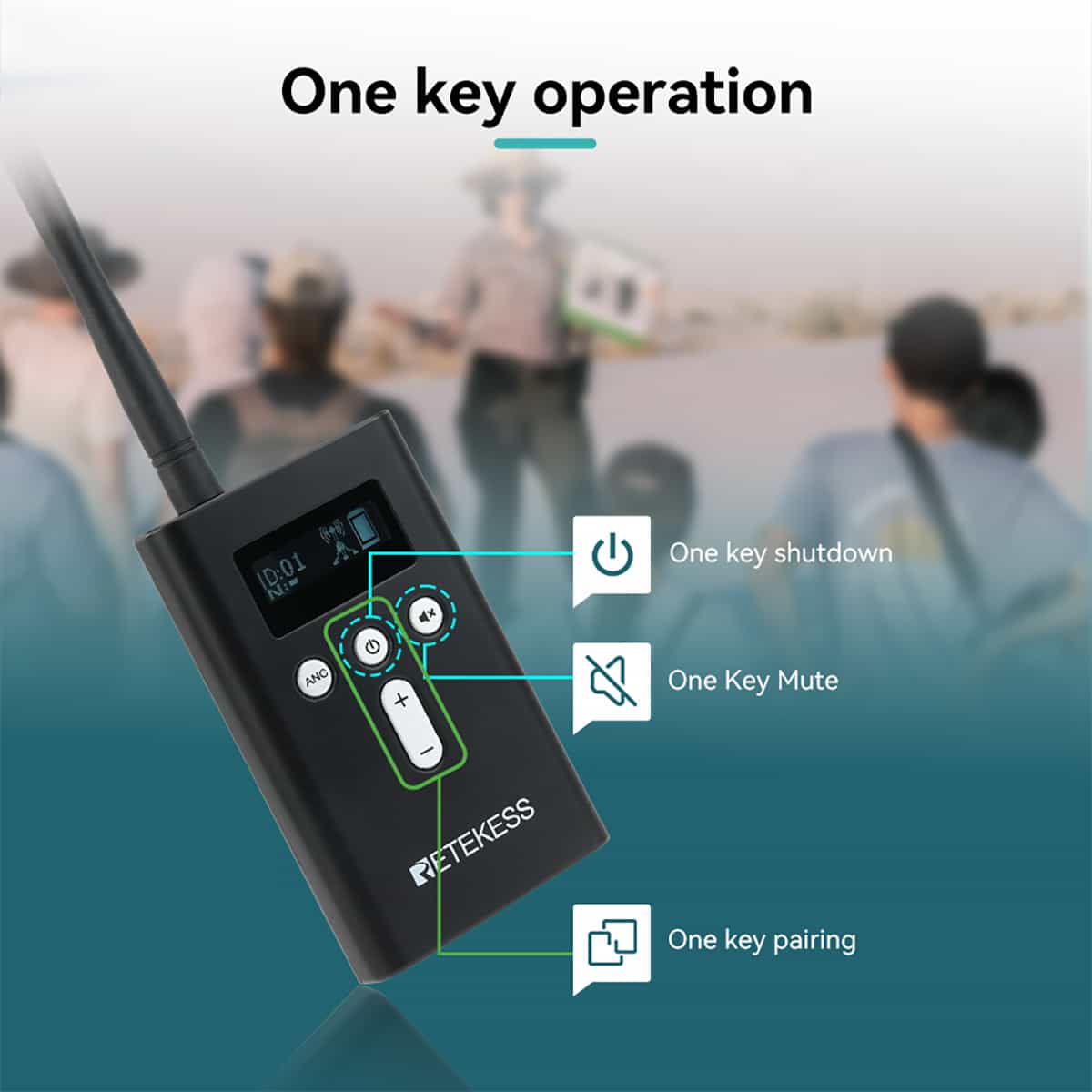
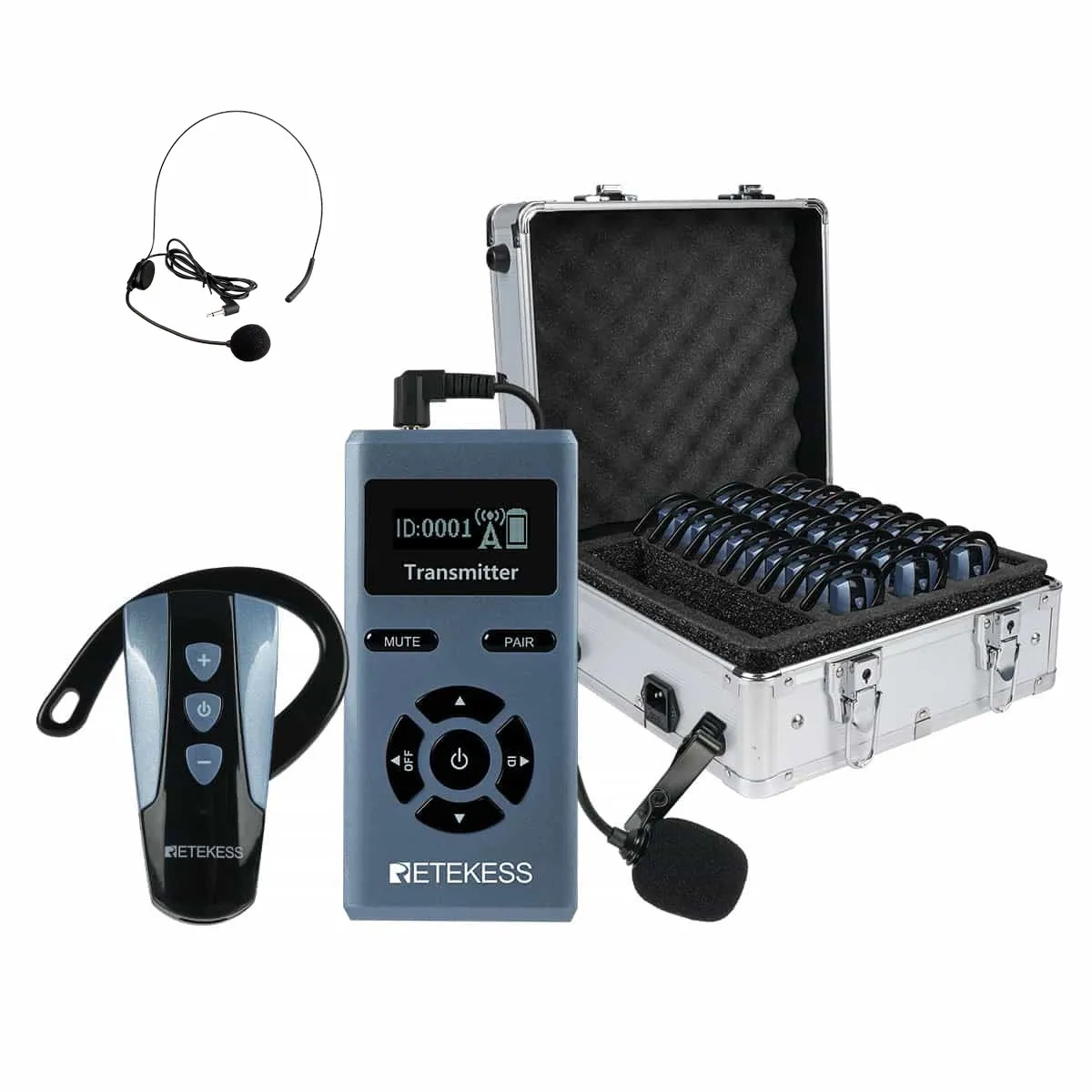
The Retekess T130P is an excellent back-to-school classroom audio solution. With 49 selectable channels (preventing interference between adjacent classrooms), DSP intelligent noise reduction, a 160-meter range, and up to 36 hours of receiver battery life, it handles full-day instruction without interruption. The transmitter's 4200mAh battery lasts 20 hours, and the adjustable noise reduction level lets teachers customize the listening environment. Type-C charging and one-key operation make it easy for any teacher to use without technical training.
Recommended: Retekess T130U for Interference-Free District-Wide Deployment
Budget Considerations for 2026
With an estimated 47% of US K-12 classrooms still lacking any audio amplification, the addressable market is enormous. School technology budgets typically range from $5,000–$8,000 per classroom for basic AV setups. Retekess wireless systems offer a compelling alternative at a fraction of installed system costs, with the added benefit of portability and multi-use capability (the same system can serve campus tours, parent-teacher meetings, and outdoor education).
People Also Ask
A: Installed sound field systems typically cost $1,500–$4,000 per classroom. Wireless transmitter-receiver systems like Retekess models range from $100–$700 depending on the number of receivers, offering significant savings while providing comparable audio clarity.
A: Research shows that classroom amplification benefits all learners. Improved speech intelligibility reduces cognitive load, increases on-task behavior, and particularly helps English Language Learners (ELL) and students with auditory processing difficulties.
Conclusion
As you prepare for the 2026 back-to-school season, investing in a classroom audio system is one of the highest-impact technology purchases your school can make. It improves learning outcomes, protects teacher health, ensures legal compliance, and creates a more equitable learning environment. With Retekess wireless systems, schools get professional-grade audio performance at a price point that fits education budgets — with the flexibility to use the same equipment across classrooms, campus tours, and school events.
Leave a Reply
![[18th Anniversary] 18 Years of Echoing Excellence: Making Communication Easier, Connecting Trust Beyond Borders](https://res.retekess.com/z_file/20260716/retekess-brand-story-making-communication-easier_20260716151044_7682.jpg)
![[18 Years in Wireless Communication] Silent Disco Systems Anniversary Celebration: Top-Selling Headphones & Event Mechanics Revealed!](https://res.retekess.com/z_file/20260713/18-years-in-wireless-communication-silent-disco-systems-anniversary-celebration_20260713175011_5749.webp)
![[Anniversary Carnival] Ding-dong! 18th Anniversary Mega Sale on Guest Paging & Calling Systems: Full Reveal of 12+ Products & Promo Rules!](https://res.retekess.com/z_file/20260713/18th-anniversary-mega-sale-on-guest-paging-calling-systems_20260713175257_0295.webp)
![[Retekess 18th Anniversary Teaser] Tour Guide System Exclusive Perks: Sneak Peek at Event Dates & Mechanics!](https://res.retekess.com/z_file/20260713/retekess-18th-anniversary-tour-guide-system-exclusive-perks--2-_20260713180135_6435.webp)
Follow Us
Pay With


 Google
 Amazon
Comments (0)