
Table of Contents
Wireless Tour Guide System for School Campus Tours: A Complete Guide for Universities
- Retekess
- Jul 31, 2026
A successful campus tour can be the deciding factor for a prospective student choosing your university. But when the tour group grows past 15 people, the guide's voice gets lost in the wind, traffic noise, and competing conversations. Visitors in the back strain to hear, disengage, and leave with a weaker impression of your institution. This is where a wireless tour guide system for school campus tours transforms the experience.
Universities and colleges across North America and Europe are increasingly adopting wireless audio technology to ensure every visitor hears every word — whether they are standing three feet or thirty feet from the guide. In this guide, we explore how these systems work, what features matter most for campus environments, and how to choose the right equipment for your admissions program.
Why Campus Tours Need Wireless Audio
The Engagement Problem
Campus tours cover large outdoor areas — quads, athletic fields, residence halls, and academic buildings. Outdoor noise from construction, traffic, and other tour groups competes with the guide's voice. Without amplification, visitors in the back of a 30-person group miss key information about programs, facilities, and campus culture. When prospective students cannot hear, they cannot picture themselves at your school — and that directly impacts enrollment conversion rates.
Managing Multiple Simultaneous Tours
During peak visit seasons (spring and fall), universities often run 5–15 concurrent campus tours. Without multi-channel wireless systems, guides' transmissions bleed into each other, creating confusion. A system with thousands of selectable channels ensures each tour group hears only their guide.
Social Distancing and Group Size Flexibility
Post-pandemic, many admissions offices have maintained larger tour group sizes with wider personal spacing. Wireless tour guide systems accommodate this naturally — visitors can spread out across a quad while still hearing every word clearly through their earpiece.
How a Wireless Tour Guide System Works
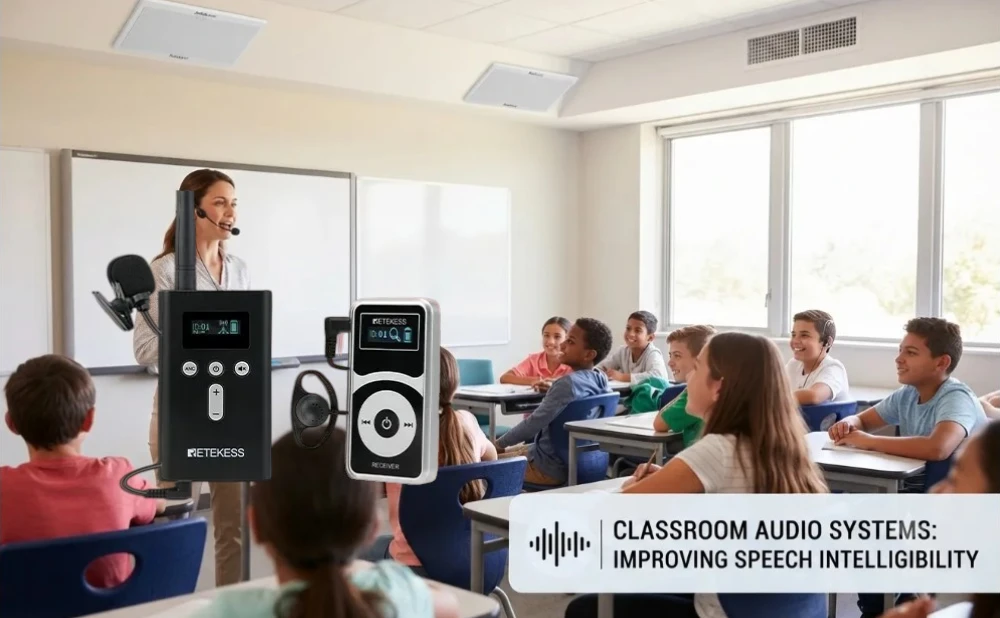
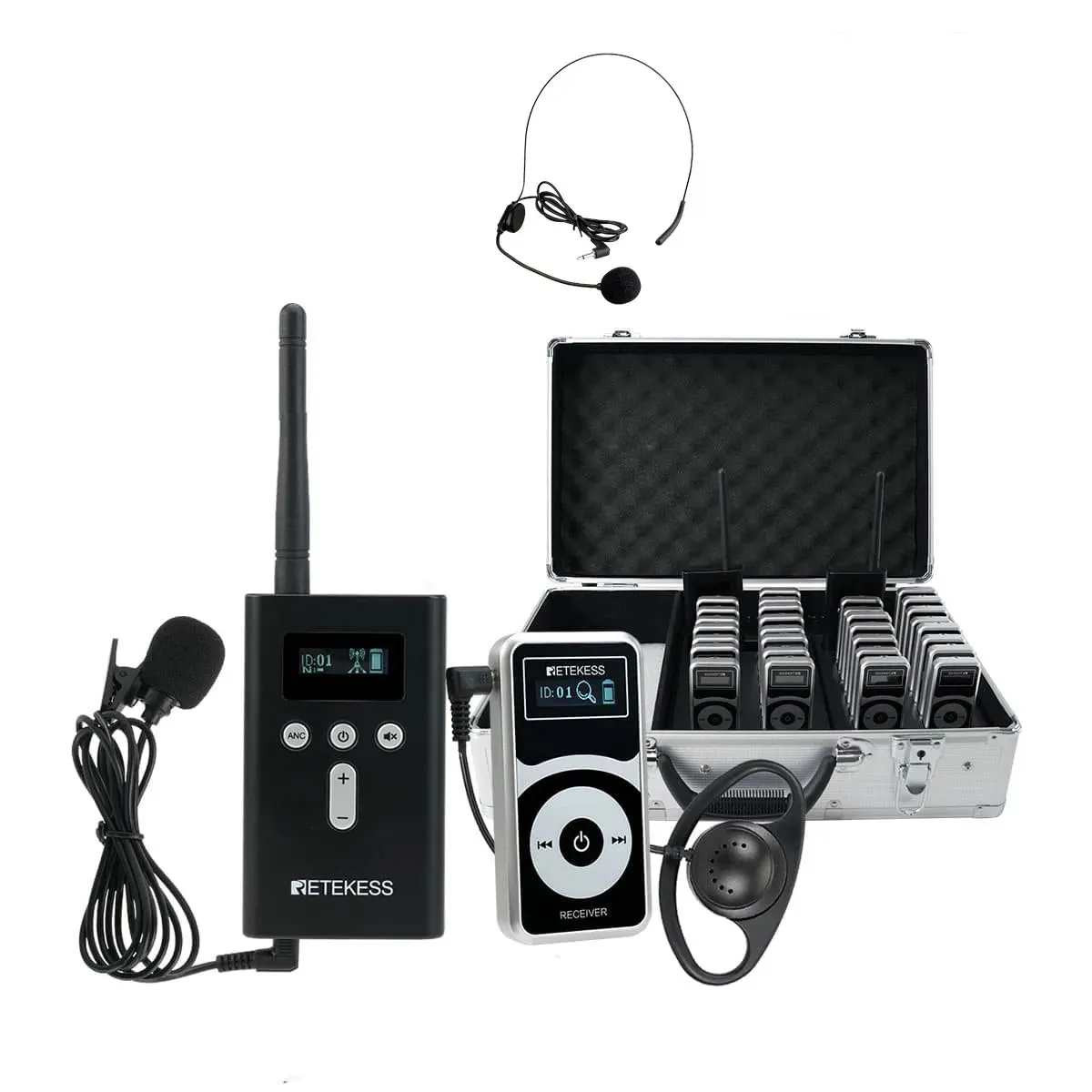
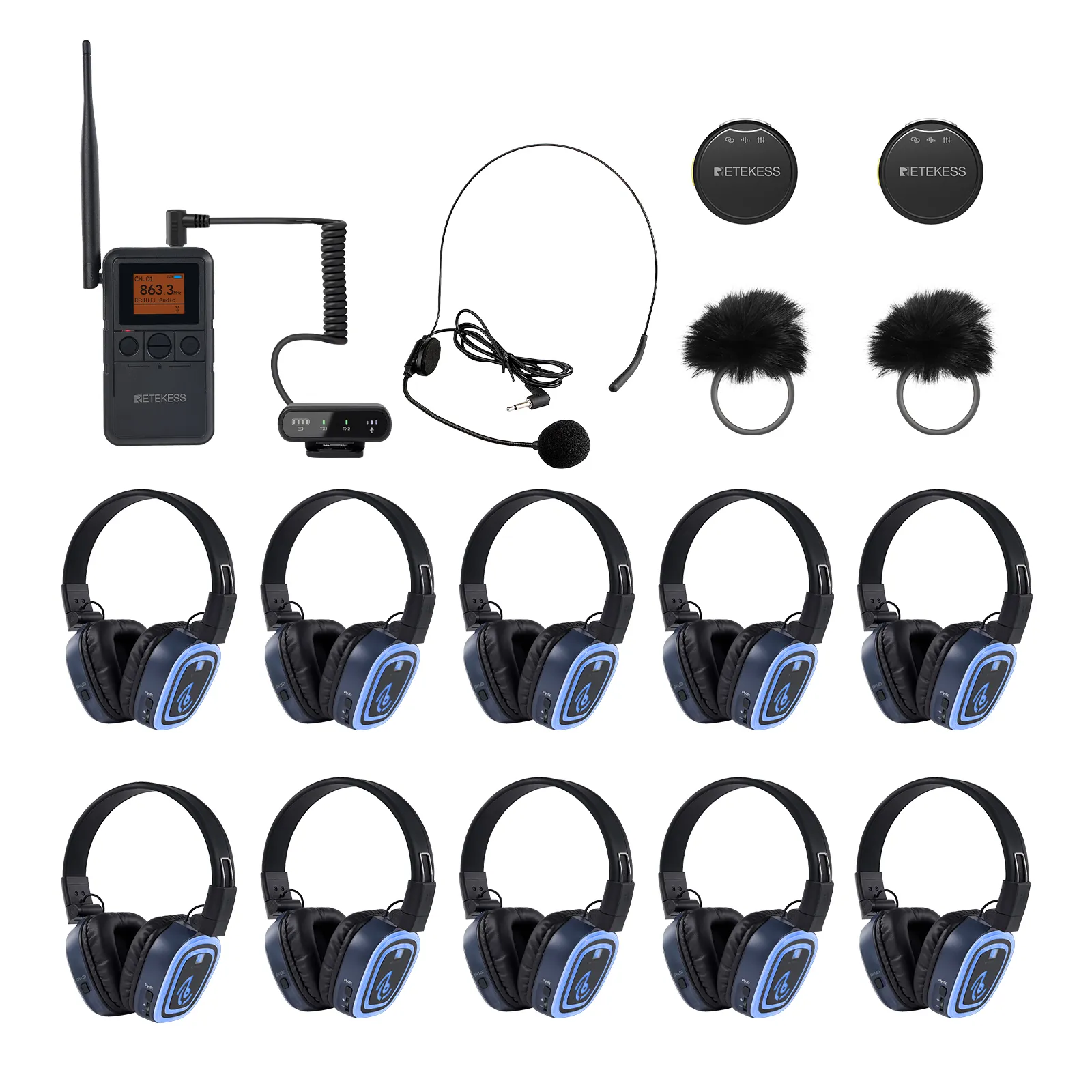
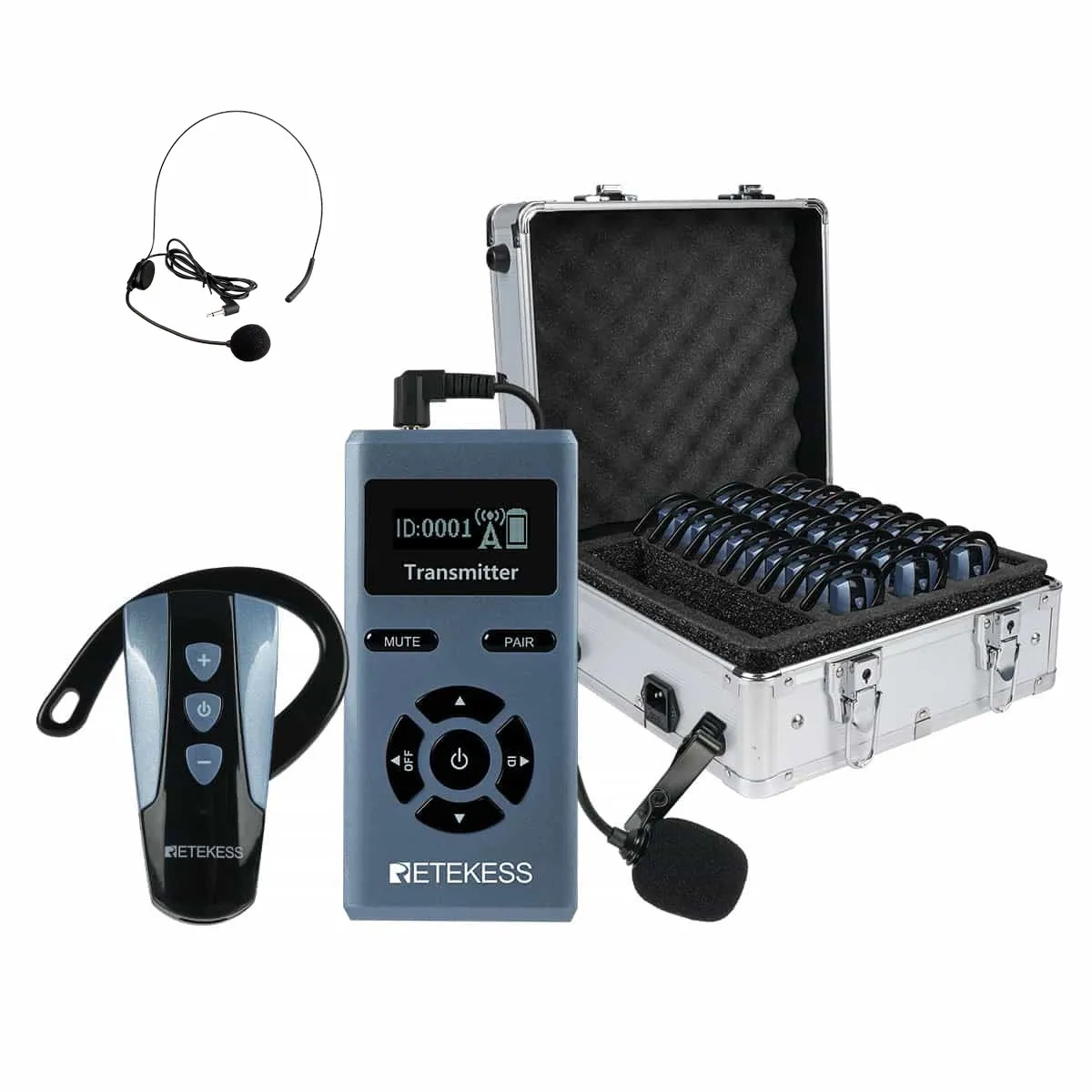
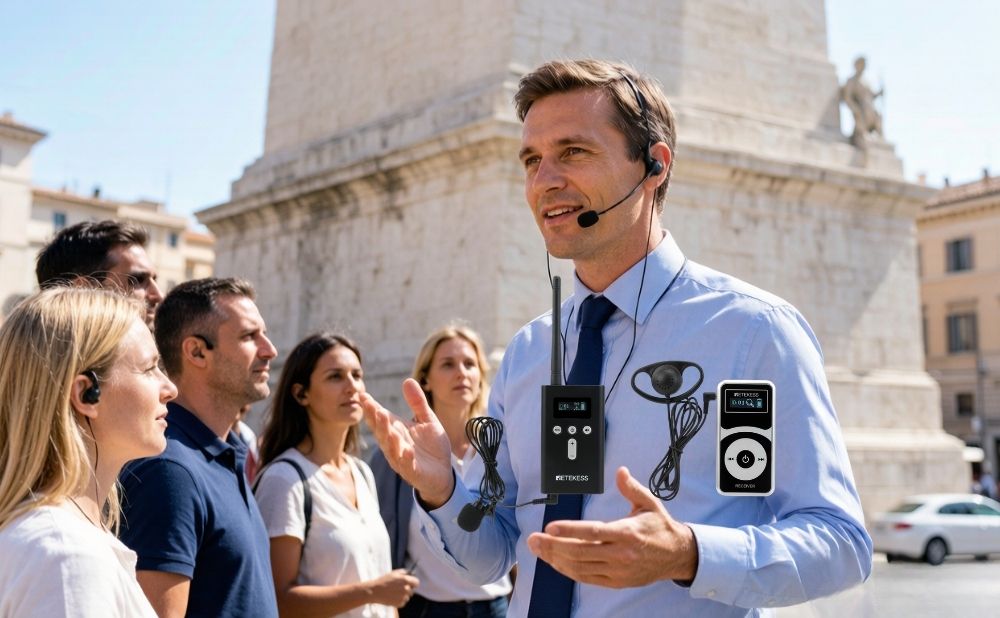
The setup is simple: the tour guide wears a compact transmitter with a microphone (headset or lavalier). Each visitor receives a lightweight receiver with an earphone. The guide speaks at a normal volume, and the audio is transmitted wirelessly to every receiver in the group. Systems typically offer a range of 100–200 meters, meaning visitors can wander, take photos, and explore while staying connected to the guide's narration.
Key Features for Campus Tour Systems
- Multi-Channel Support: Minimum 50 channels for concurrent tours; 9999 channels is ideal for large admissions programs
- Long Range: 150–200 meters to cover sprawling campuses without signal drop
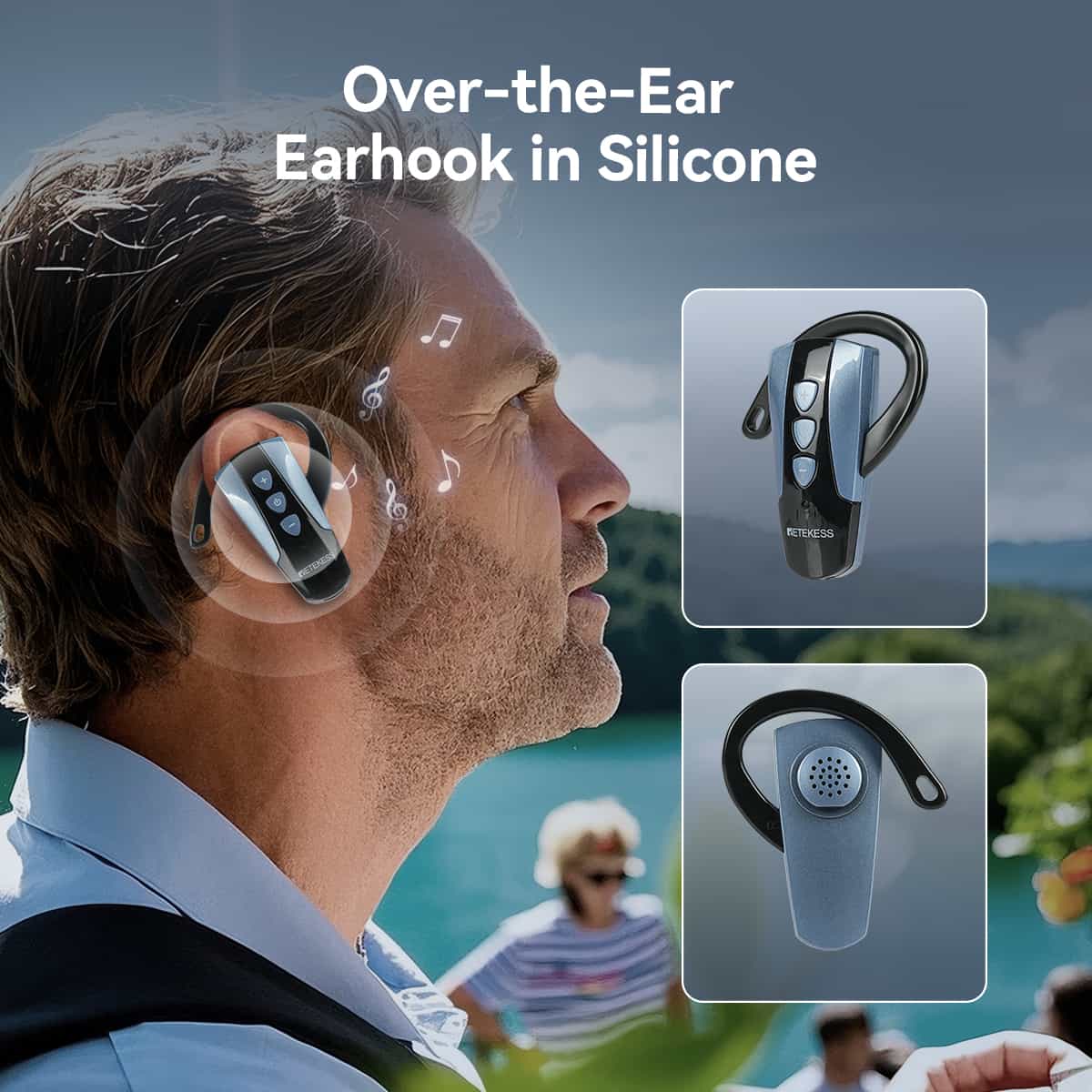
- Hygienic Design: Earhook-style receivers are easy to sanitize between tour groups with alcohol wipes
- All-Day Battery: Receivers should last 8+ hours for back-to-back tour schedules; 20+ hours is ideal
- Auto-Shutdown: Conserves battery when receivers are not in use between tours
- Lightweight: Under 50g per receiver for comfortable all-day wear
Top Choice: Retekess TT106S for Campus Tours
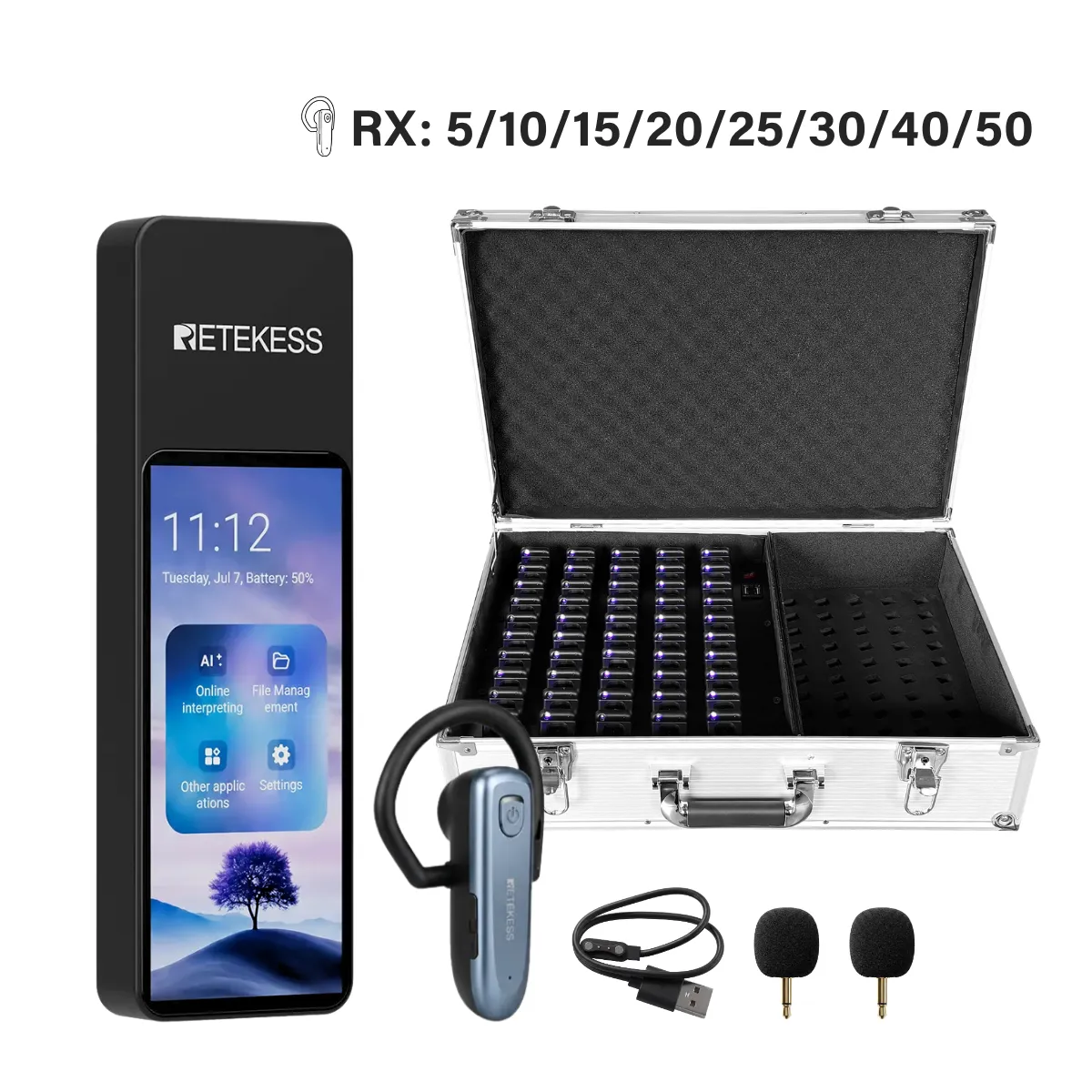
The Retekess TT106S is purpose-built for campus tour environments. Using 2.4GHz digital technology (globally license-free), it offers 9,999 selectable channels — enough for even the largest university open day with dozens of concurrent tours. The 200-meter range covers the most expansive campuses, and the ergonomic earhook receiver design is both comfortable for visitors and easy to sanitize between groups. With 23 hours of transmitter battery life and an impressive 50 hours on receivers, it handles back-to-back tour schedules without mid-day charging. USB Type-C charging and auto-shutdown after inactivity make fleet management simple.
Dual-Guide Option: Retekess TT126
For universities that run tours with two guides (e.g., a student ambassador and an admissions counselor alternating), the Retekess TT126 supports dual transmitters. This allows two presenters to speak alternately on the same system, reducing individual guide fatigue during full-day open house events.
Best Practices for Campus Tour Audio Deployment
- Assign channels strategically: Pre-assign channel numbers to each tour group during morning briefing to prevent last-minute confusion
- Create a sanitization station: Set up a check-in/check-out desk where receivers are wiped with alcohol pads before and after each tour
- Use lanyards: Attach receivers to lanyards with the university logo — this prevents drops, looks professional, and doubles as a souvenir identifier
- Train guides on mic technique: Guides should position the microphone 2–3 inches from the mouth and speak at a normal conversational volume — the system handles the amplification
- Carry spare charged units: Always have 2–3 backup receivers charged and ready for unexpected group size increases
People Also Ask
A: Most campus tour groups range from 15–30 visitors. We recommend purchasing a system with 30 receivers plus 3–5 spares. Systems like the Retekess TT106S are available in configurations from 5 to 50+ receivers.
A: Yes. Most receivers have a 3.5mm audio jack compatible with neck loops and direct audio input cables for hearing aids and cochlear implants. This makes the system an accessibility tool as well as a tour enhancement.
A: Retekess offers multi-port USB charging stations (16, 32, and 60-slot cases) that allow you to charge all receivers simultaneously. The charging cases also serve as secure storage and transport containers.
ROI: How Campus Tour Audio Impacts Enrollment
Investing in a wireless tour guide system pays dividends beyond visitor satisfaction. Admissions offices report that when prospective students and families can clearly hear tour information, they ask more questions, engage more deeply, and leave with a stronger positive impression. In competitive admissions landscapes, this edge can tip enrollment decisions. At a cost of $500–$2,000 for a complete system (a fraction of one student's annual tuition), the ROI is compelling.
Leave a Reply

![[18th Anniversary] 18 Years of Echoing Excellence: Making Communication Easier, Connecting Trust Beyond Borders](https://res.retekess.com/z_file/20260716/retekess-brand-story-making-communication-easier_20260716151044_7682.jpg)
![[18 Years in Wireless Communication] Silent Disco Systems Anniversary Celebration: Top-Selling Headphones & Event Mechanics Revealed!](https://res.retekess.com/z_file/20260713/18-years-in-wireless-communication-silent-disco-systems-anniversary-celebration_20260713175011_5749.webp)
![[Anniversary Carnival] Ding-dong! 18th Anniversary Mega Sale on Guest Paging & Calling Systems: Full Reveal of 12+ Products & Promo Rules!](https://res.retekess.com/z_file/20260713/18th-anniversary-mega-sale-on-guest-paging-calling-systems_20260713175257_0295.webp)
![[Retekess 18th Anniversary Teaser] Tour Guide System Exclusive Perks: Sneak Peek at Event Dates & Mechanics!](https://res.retekess.com/z_file/20260713/retekess-18th-anniversary-tour-guide-system-exclusive-perks--2-_20260713180135_6435.webp)
Follow Us
Pay With


 Google
 Amazon
Comments (0)