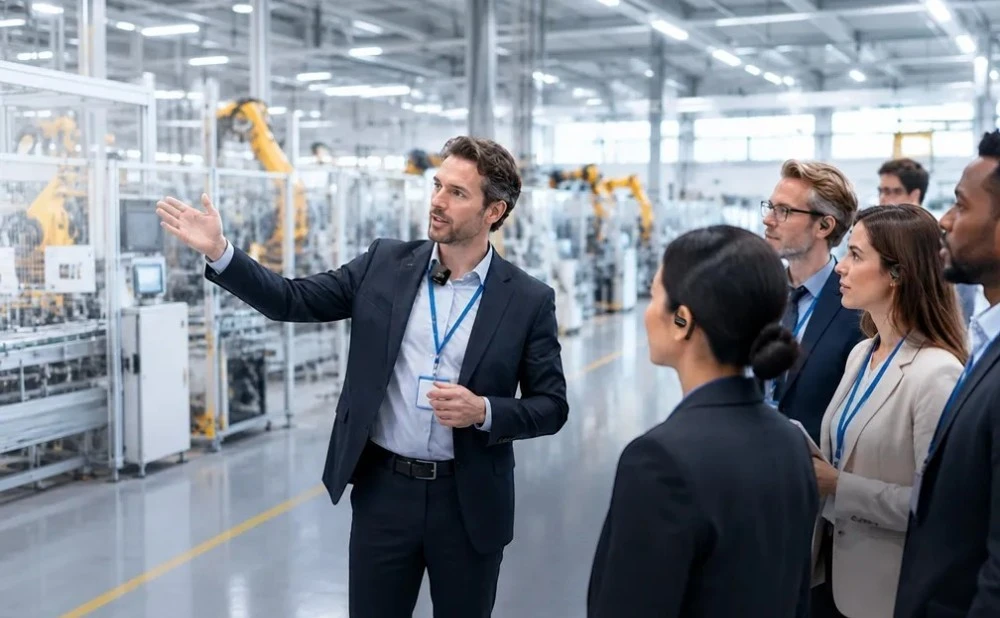
Factory tours can be a powerful way to build trust, showcase production capabilities, and help visitors understand how a business really works. But noise from machinery, long walking routes, dispersed groups, and technical explanations can all make it difficult for visitors to hear and understand what is being said.
That is why improving communication during a factory tour is not just about speaking louder. It is about building a smoother experience from the start of the visit to the final Q&A.
This practical guide looks at how to improve communication during industrial visits with a focus on planning, organization, visual support, and the right communication tools, including a factory tour audio system where needed.
Industrial visits are different from office tours or classroom-style presentations. In a factory, people are often walking, stopping, listening, and moving again. The environment itself can make communication difficult.
The most common challenges include:
These problems can happen even during a well-planned visit. If the communication flow breaks down, visitors may miss key information and ask the same questions repeatedly. That slows down the tour and reduces its impact.
The goal, then, is not just to talk more. It is to make sure the right information reaches the right people at the right time.
One of the simplest ways to improve communication is to plan the route carefully before the tour starts. A good route can reduce noise exposure, keep the group together, and make it easier for the guide to explain each step clearly.
For example, it helps to avoid spending too much time in the loudest areas of the factory. If possible, save detailed explanations for locations that are quieter or less distracting. Build the route around natural stopping points where the group can gather, listen, and move on together.
It also helps to keep the walking pattern simple. A route with too many turns, crossovers, or backtracking can make it harder for visitors to stay focused. The smoother the movement, the easier it is to keep communication aligned.
Another way to improve communication is to divide the visit into short segments. Rather than giving one long explanation, it is better to explain each stage of the process in a simple, structured way.
For example, at each stop, focus on one main point:
This makes the tour easier to follow and reduces the chance of information overload. Visitors are more likely to remember a few clear points than a long stream of technical details.
Shorter segments are especially useful when the audience includes clients, partners, suppliers, or new employees who may not be familiar with the production process.
A factory tour works better when the group stays aligned. If the group becomes too spread out, the people at the back may hear less and miss important details.
That is why group management matters. Try to keep the group size manageable, especially in narrow or noisy areas. If the visit includes many participants, consider splitting them into smaller teams with separate guides or staggered timing.
It also helps to give visitors a clear expectation at the beginning:
This kind of structure reduces confusion and helps everyone stay on the same page. Good communication is easier when the group knows what to expect.
In industrial environments, people do not only learn by listening. They also learn by seeing. That is why visual support can make factory communication much more effective.
Simple tools such as:
can all help visitors understand the tour more quickly.
Visual cues are especially useful when the environment is noisy or when the guide needs to explain a complex process. A visitor who can both hear and see the information is much more likely to understand it.
This is one reason a good tour experience often combines spoken explanation with visual reinforcement. The two work better together than either one alone.
For many industrial visits, visual support and route planning are not enough on their own. In noisy environments, a factory tour audio system can make a major difference.
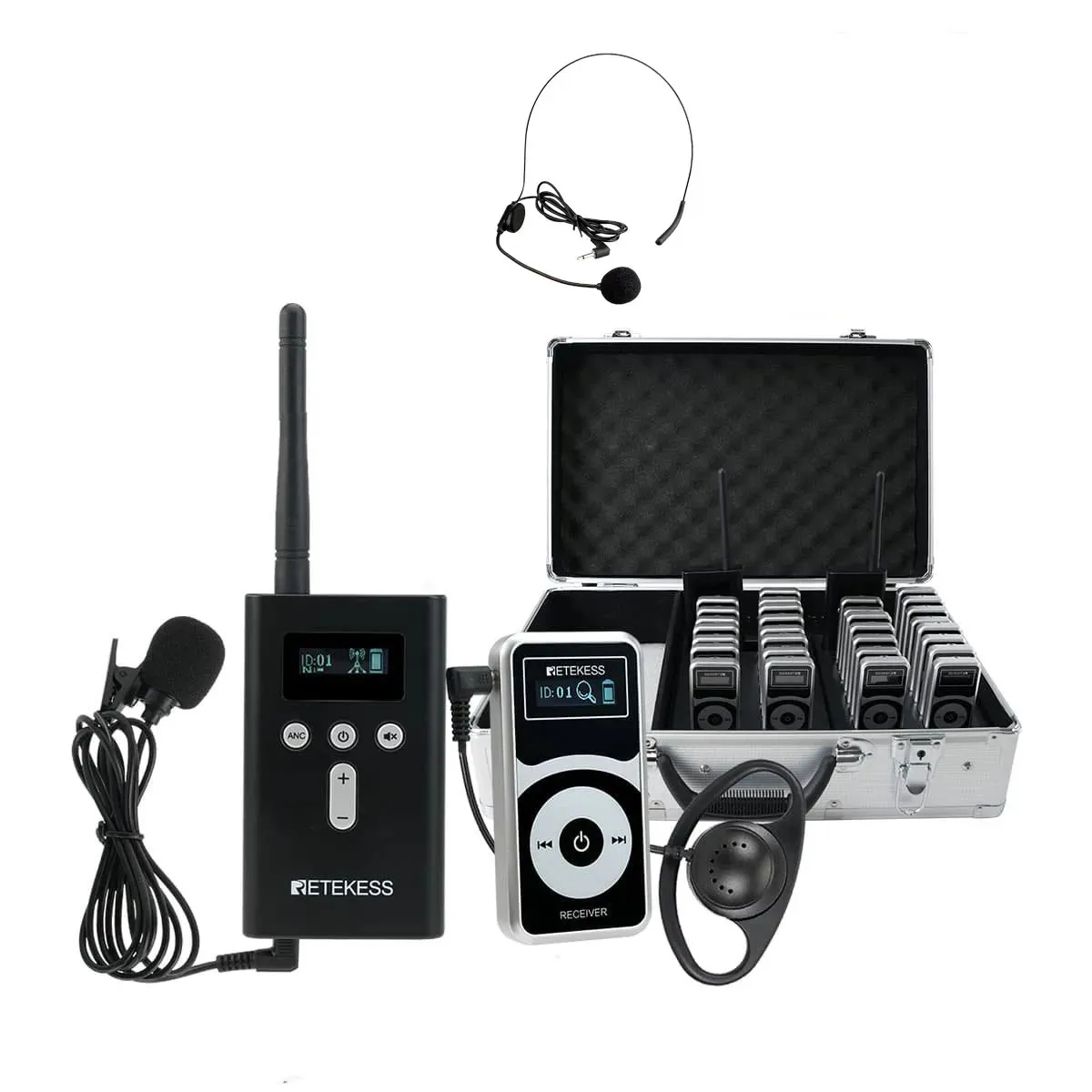
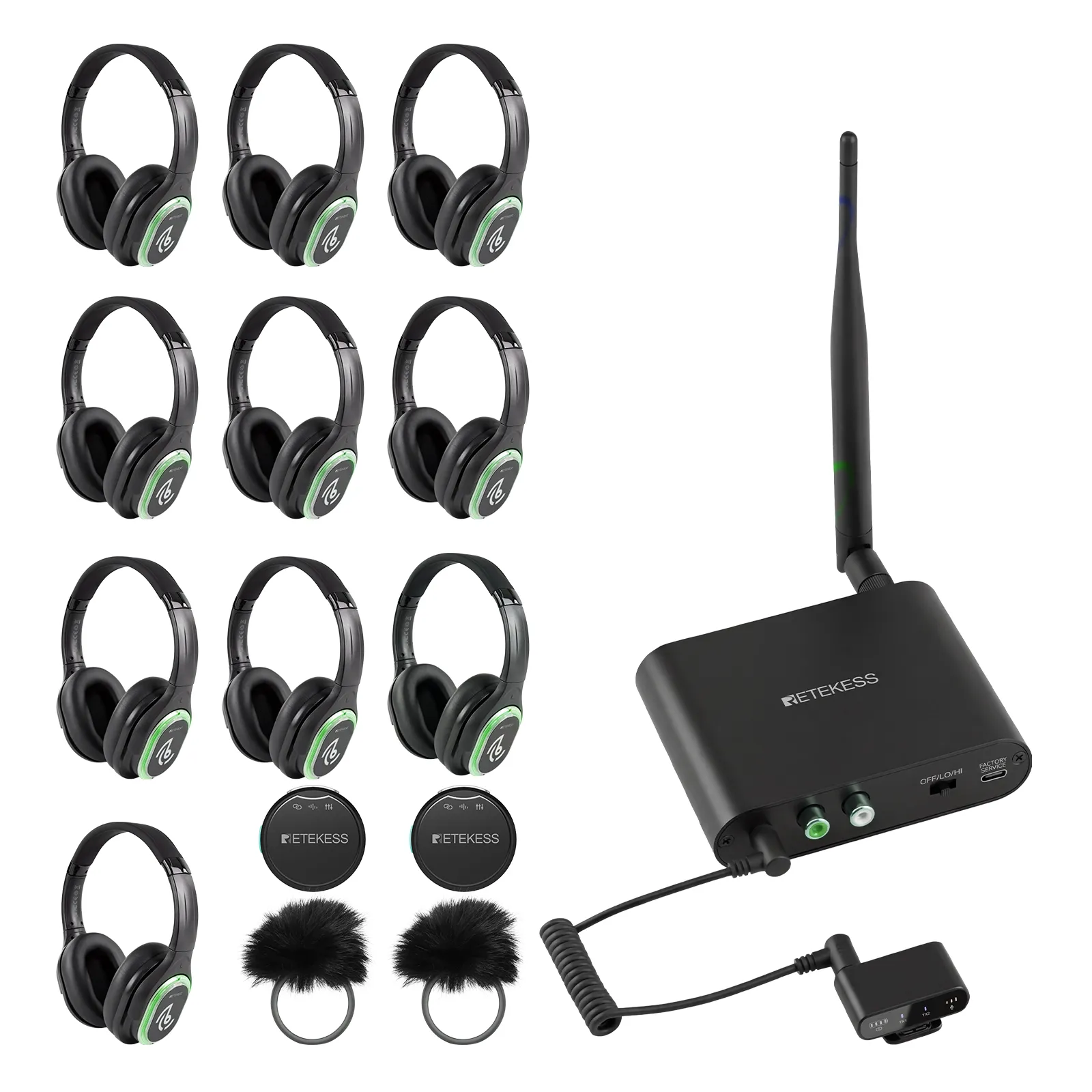
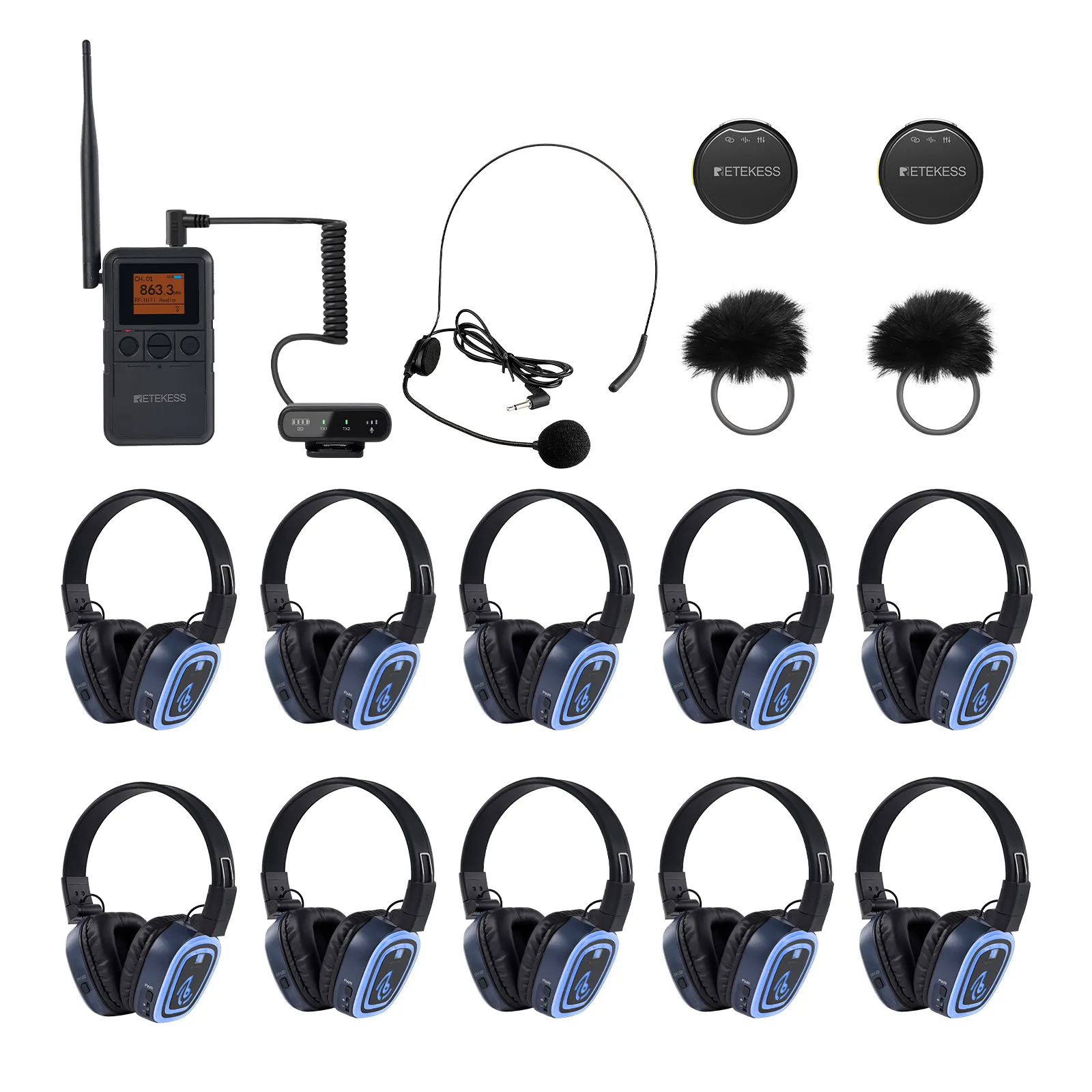
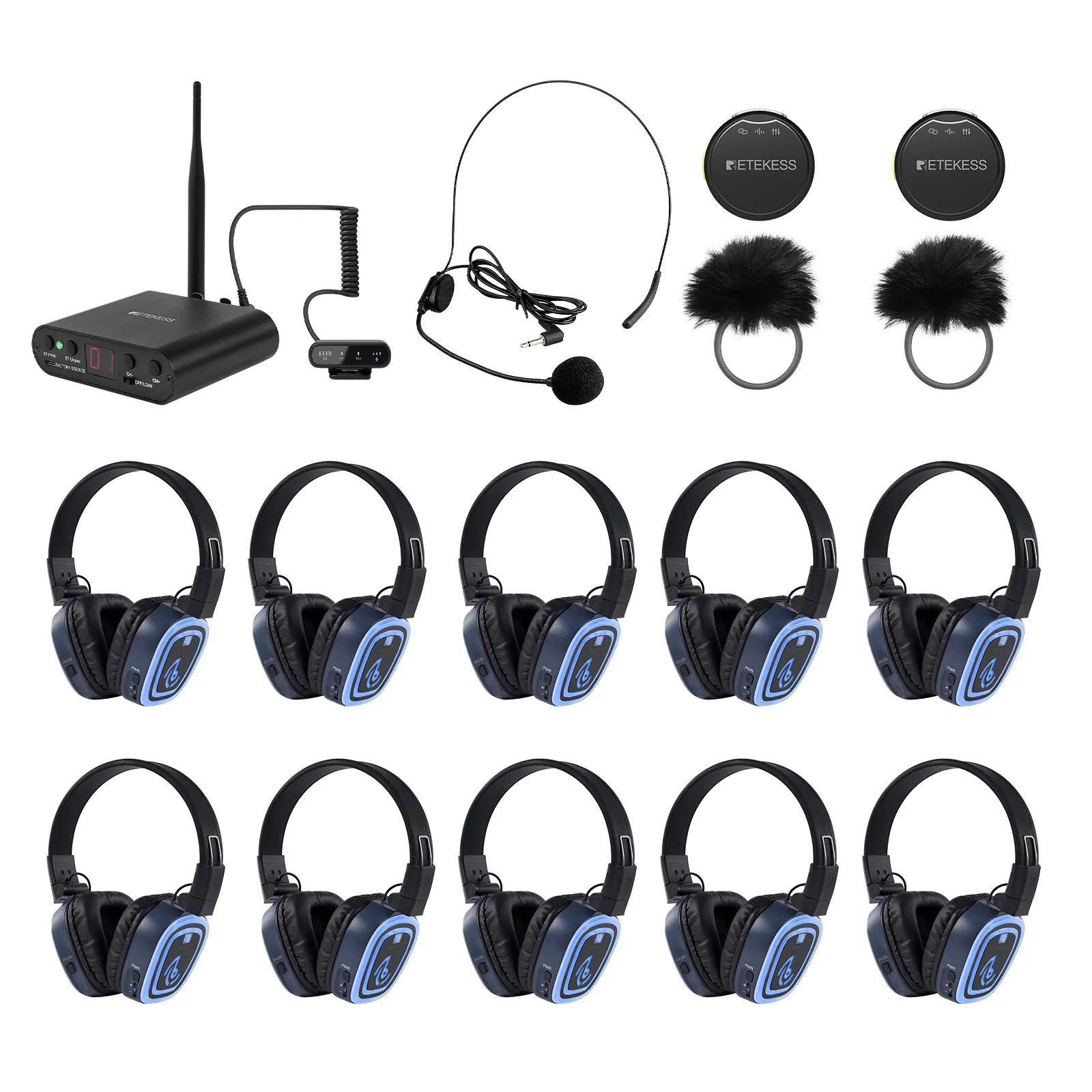
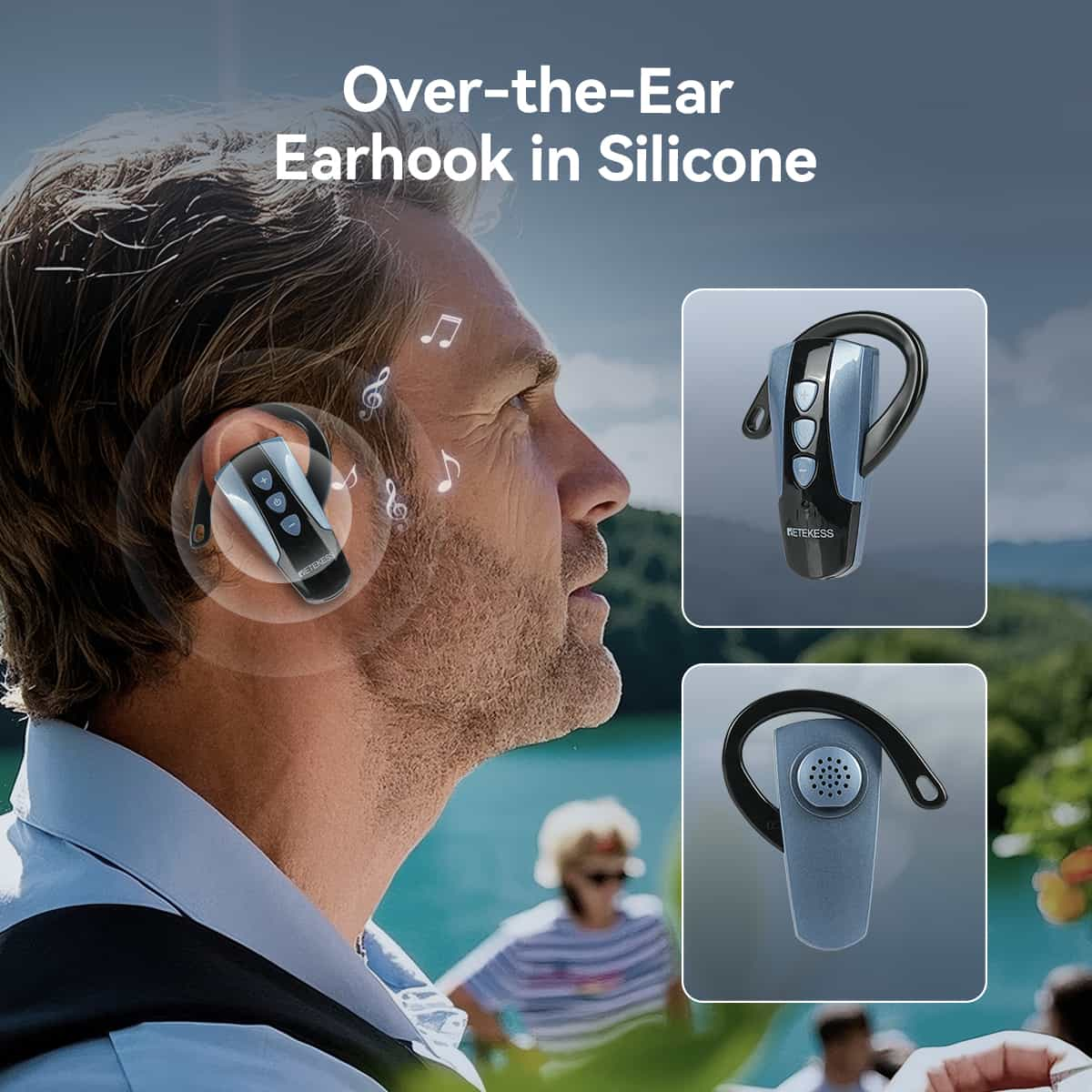
A wireless audio setup helps the guide speak clearly without having to raise their voice. It also allows visitors to hear the explanation even as they move through different parts of the facility. This is particularly useful in production areas where machines, ventilation, or vehicle traffic create constant background noise.
A wireless tour guide system for factories can also help reduce repetition. Instead of stopping to re-explain the same point to people at the back of the group, the guide can deliver one clear message to everyone at once. 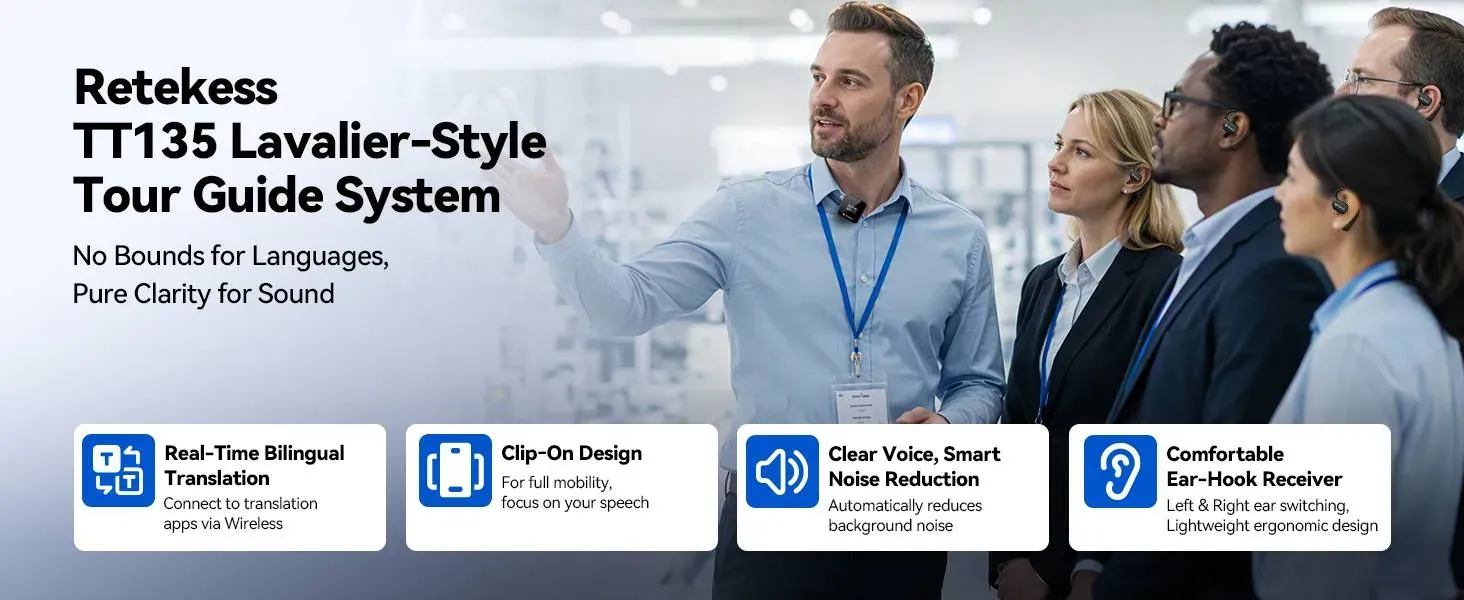
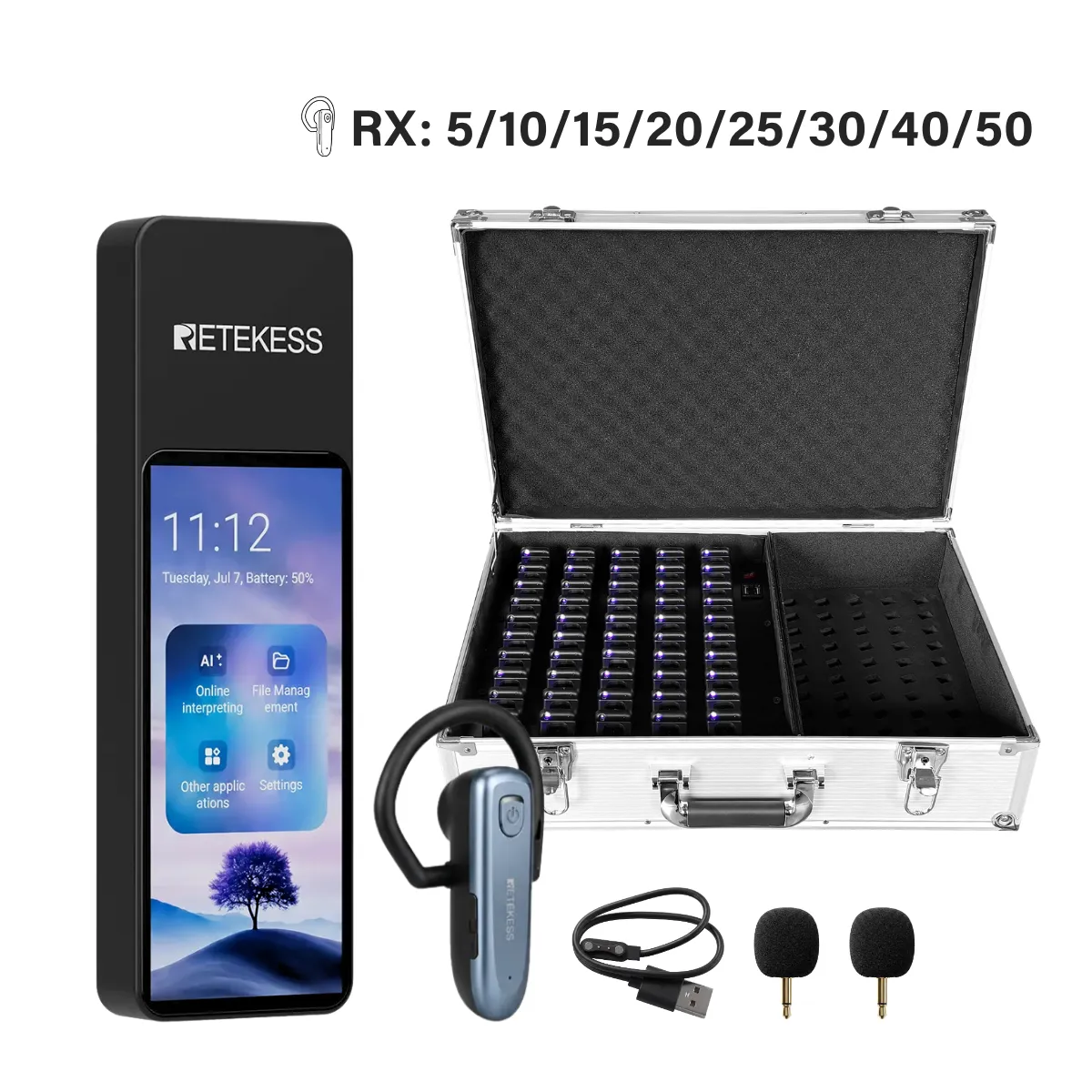
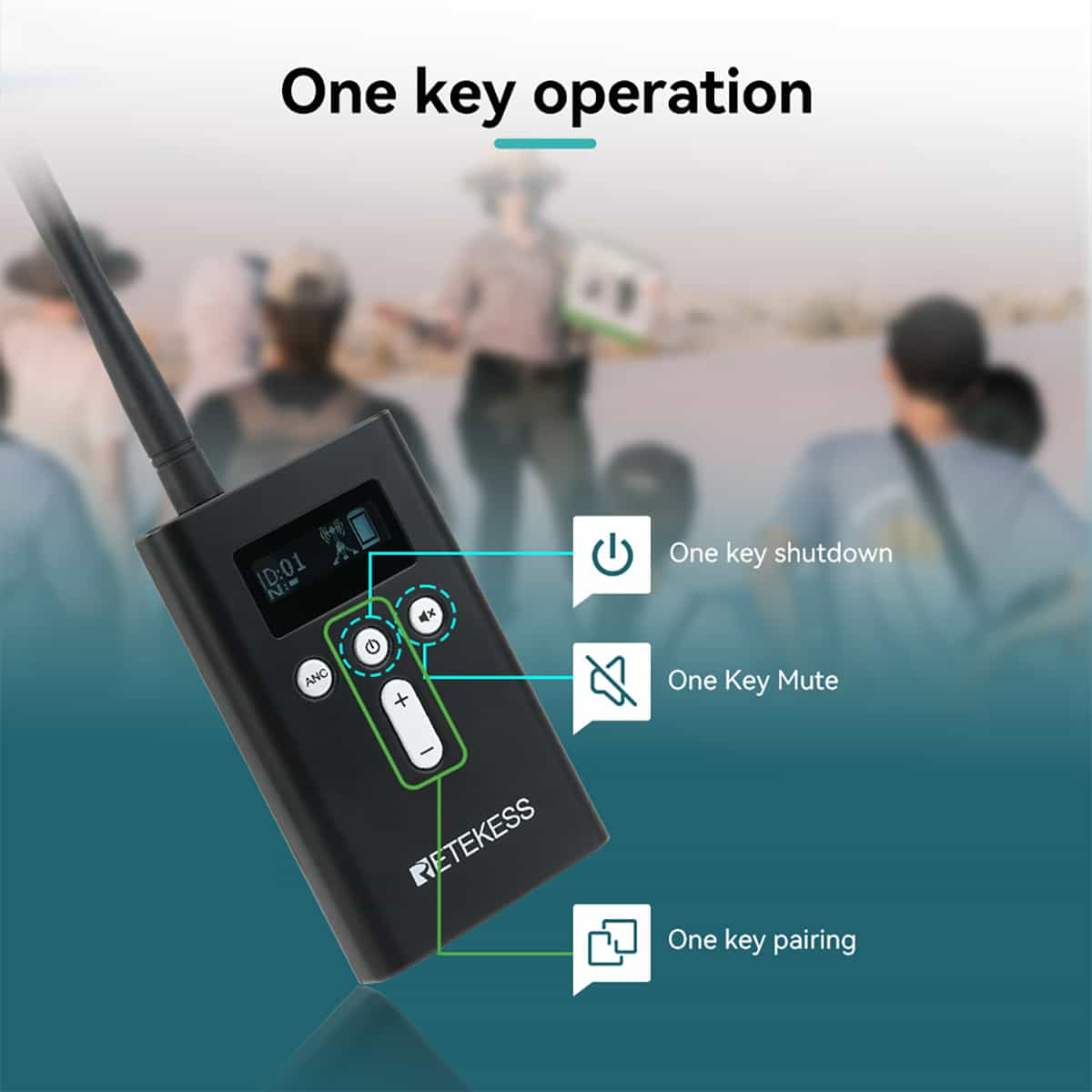
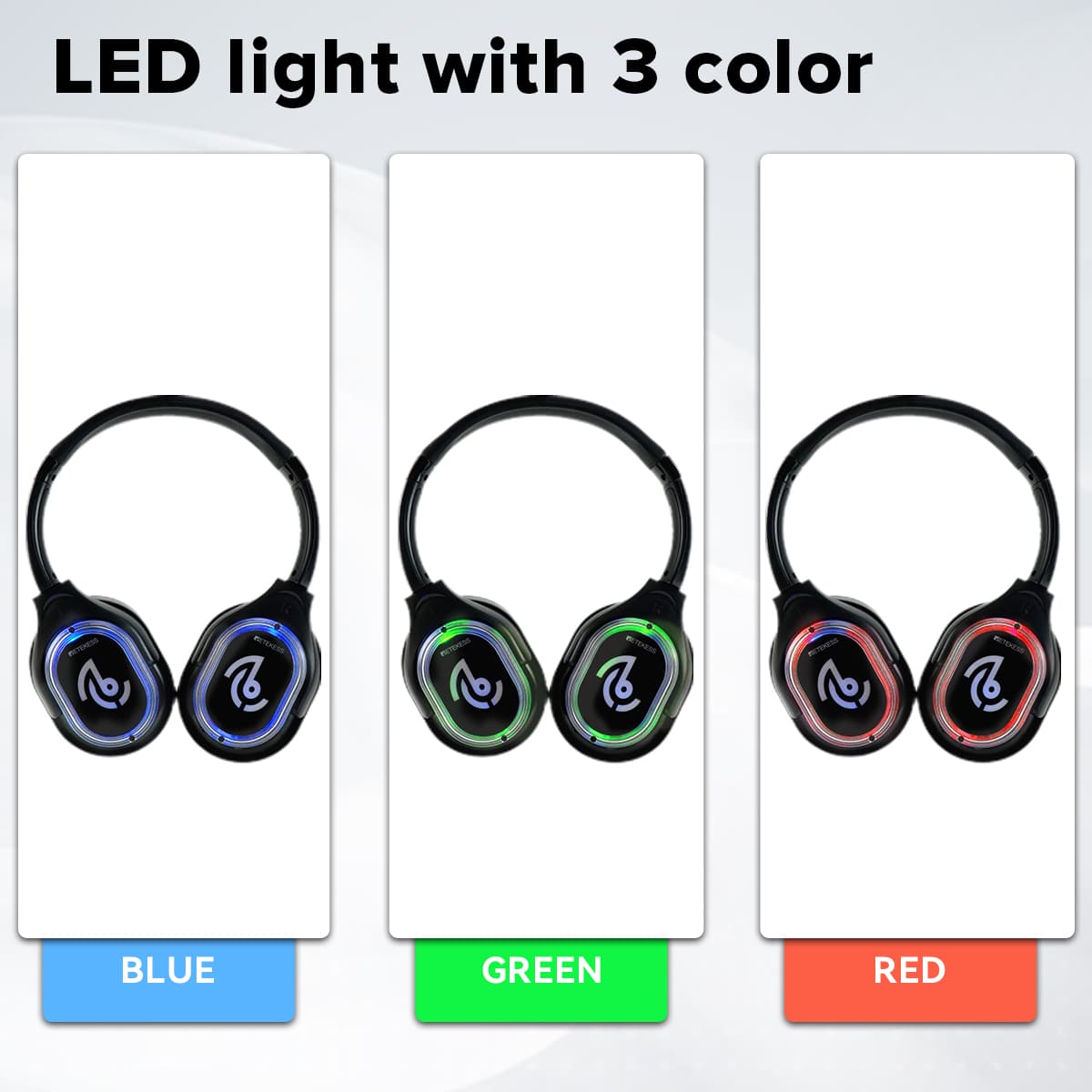
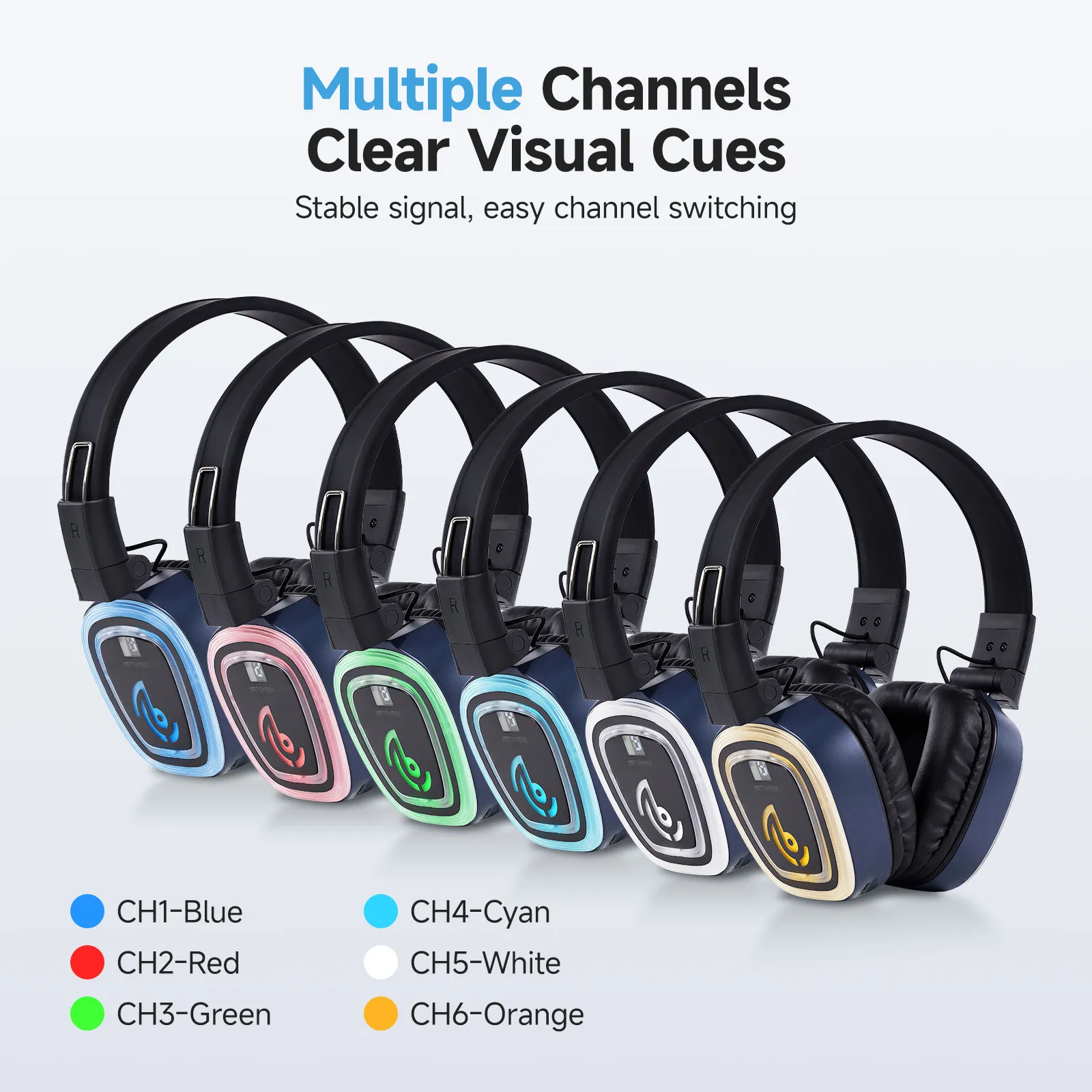
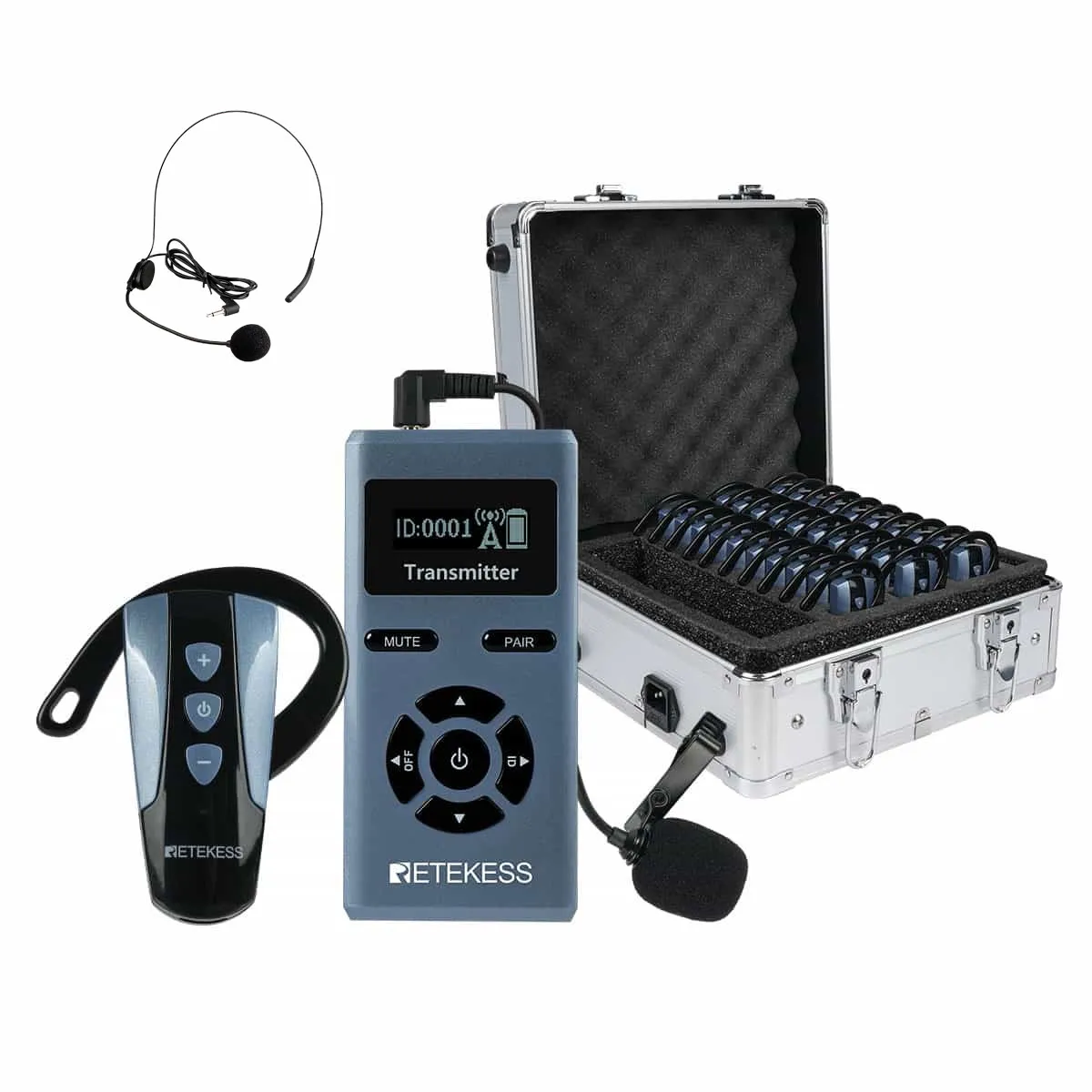
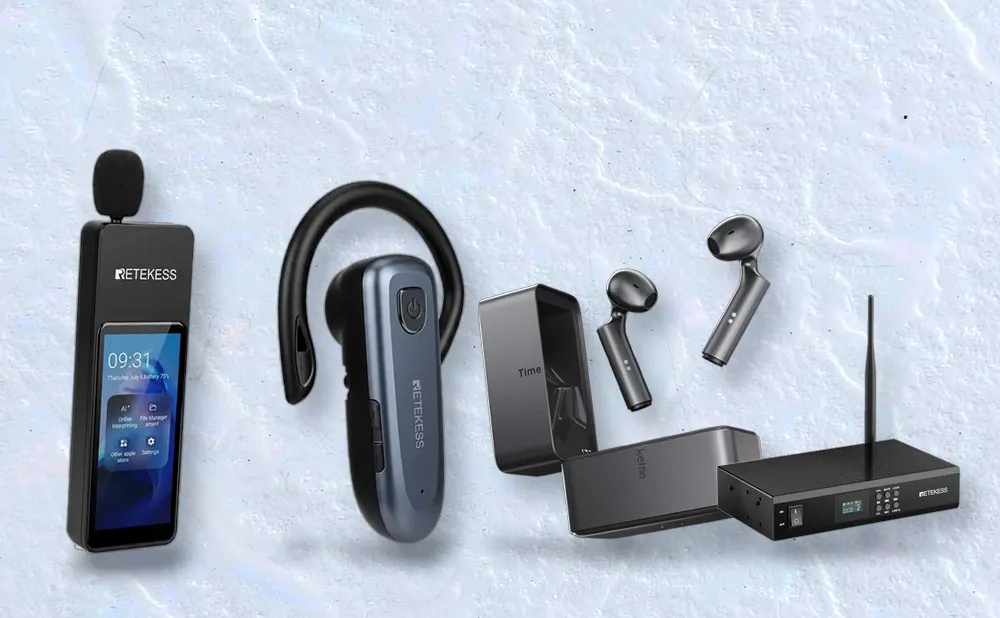
For teams that need a practical audio layer without overcomplicating the workflow, a compact solution like Retekess TT135 can fit naturally into the visit. Its wearable transmitter design and flexible audio input make it useful for guides who need to move, speak, and manage the group at the same time.
For many organizers, this kind of audio equipment for factory tours is not about adding more technology. It is about making sure communication stays clear in a real industrial setting.
A good factory tour should not end when the guide finishes speaking. Visitors often have questions, especially when they are seeing a process for the first time. Planning time for questions improves understanding and makes the visit feel more open and professional.
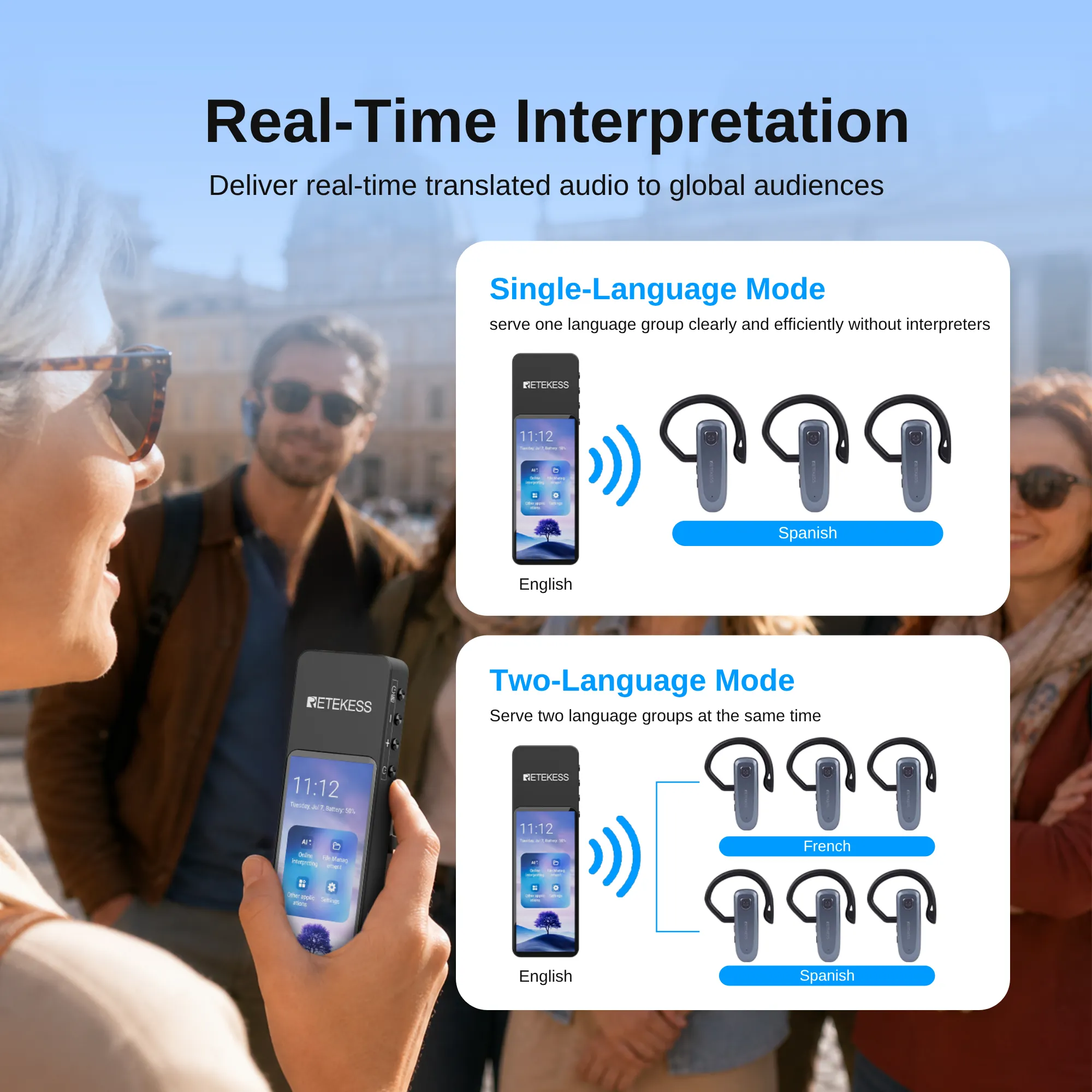
If the tour includes international visitors,translation support should also be part of the communication plan. Even when the main explanation is clear, a few key terms or technical points may still need clarification. In that case, a wireless communication system for industrial tours can help keep the translated message consistent and easier to follow.
The smoother the translation and Q&A process, the better the overall experience.
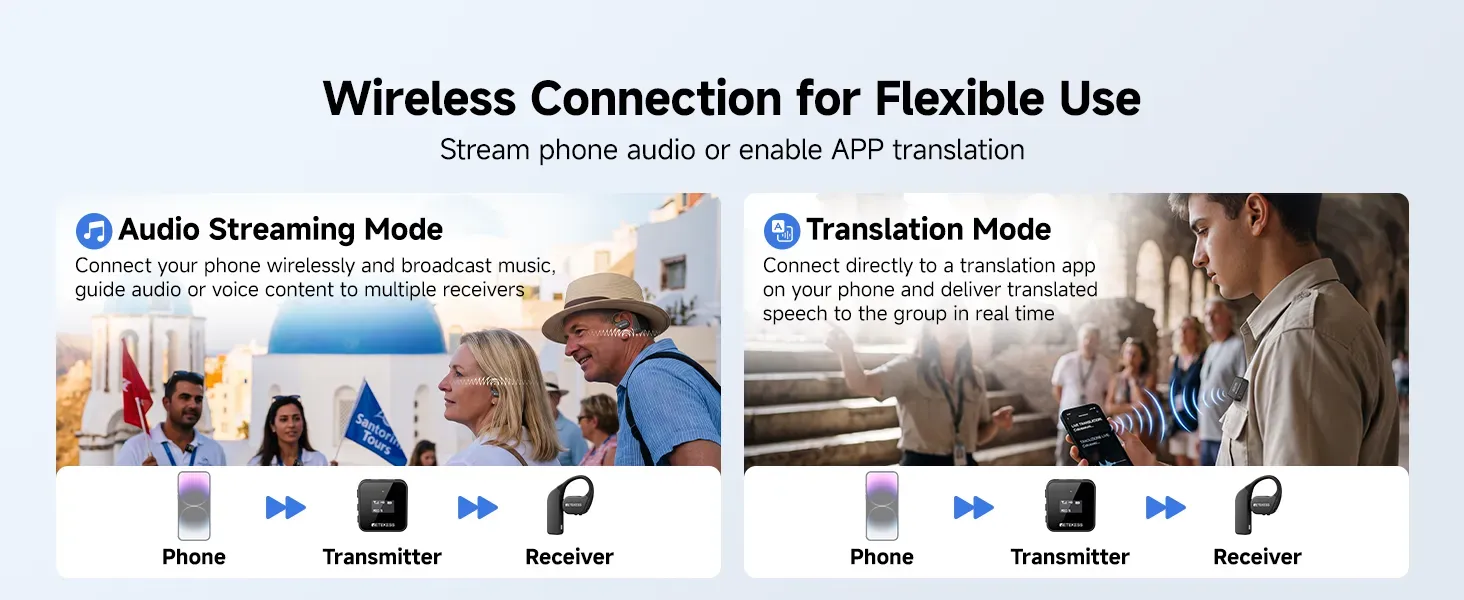
Improving communication during factory tours is really about making the whole visit easier to follow. That means planning the route, keeping the group organized, breaking information into clear segments, using visual cues, and adding a wireless audio setup when needed.
A factory tour audio system is only one part of that process, but it can be an important one, especially in noisy or fast-moving industrial environments. When combined with good tour design and clear on-site communication, it helps visitors hear more clearly, understand more easily, and stay engaged throughout the visit.
For industrial teams that want to make their visits more professional and more effective, the key is not just talking louder. It is building a communication flow that works from start to finish. Contact us to discuss your factory tour needs, get product recommendations, free demo or request a customized solution. Let’s make every factory visit easier to manage and more informative for your visitors.






 Google
 Amazon