
Table of Contents
International Translation Day 2026: Theme, Meaning & Why It Matters
- Retekess
- Oct 6, 2026
International Translation Day 2026 will be observed on September 30, with the theme “Linguistic Diversity and Language Rights” and the subtitle “The Power of Being Understood.”
Announced by the International Federation of Translators (FIT), this year's theme highlights the importance of language access, inclusion, and participation.
But what does “The Power of Being Understood” mean in practice?
In a multilingual world, translation is about more than converting words from one language to another. It helps people access information, communicate across language barriers, preserve cultural identity, and participate in conversations.
That makes International Translation Day 2026 an opportunity to ask a broader question:
Can everyone access, understand, and participate in communication?
What Is the International Translation Day 2026 Theme?
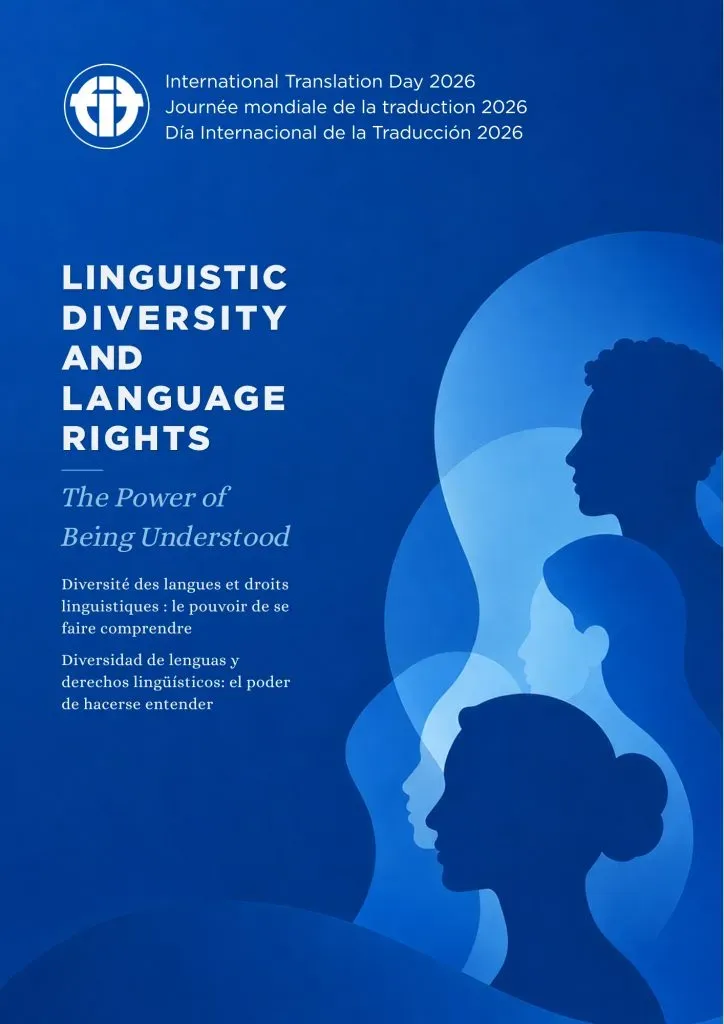
The official 2026 theme is:
Linguistic Diversity and Language Rights: The Power of Being Understood
FIT describes translation, interpreting, and terminology as important contributors to linguistic inclusion, equity, and participation. The theme also connects language rights with people's ability to access information and essential services in a language they understand.
The message is therefore broader than celebrating translators and interpreters as language professionals.
It recognizes the role they play in making communication possible between people who do not share the same language.
Why Does Linguistic Diversity Matter?
Language carries more than information. It can express culture, identity, history, and community knowledge.
Yet people do not have equal access to communication in every language. Some languages have extensive educational resources, professional terminology, digital tools, and translation support, while others remain under-resourced or vulnerable.
This creates an important distinction:
Being able to translate more languages does not automatically mean achieving linguistic inclusion.
True language access also means considering whether people can understand information, communicate naturally, ask questions, and participate in the situations that affect them.
This is particularly relevant to Indigenous and other under-resourced languages. Discussions surrounding the 2026 theme highlight both the opportunities technology can provide and the need to ensure that technological development does not further marginalize languages with fewer digital resources.
What Does “The Power of Being Understood” Mean?
The phrase can be understood on several levels.
At the most basic level, it means receiving information in a language you understand.
But effective communication goes further.
Imagine an international visitor joining a museum tour. A translated explanation may provide the basic information, but the visitor may still need to hear the guide clearly, ask questions, understand cultural context, and interact with others.
The same applies to a factory customer visiting an overseas manufacturer, a student joining an international exchange program, or a group attending a multilingual conference.
In these situations, translation is the bridge, but communication is the destination.
That is why the power of being understood is closely connected with access and participation.
How Can Technology Support Multilingual Communication?
Technology is becoming an important part of language accessibility.
AI translation, speech recognition, multilingual software, and wireless communication systems can help people communicate when they do not share a common language.
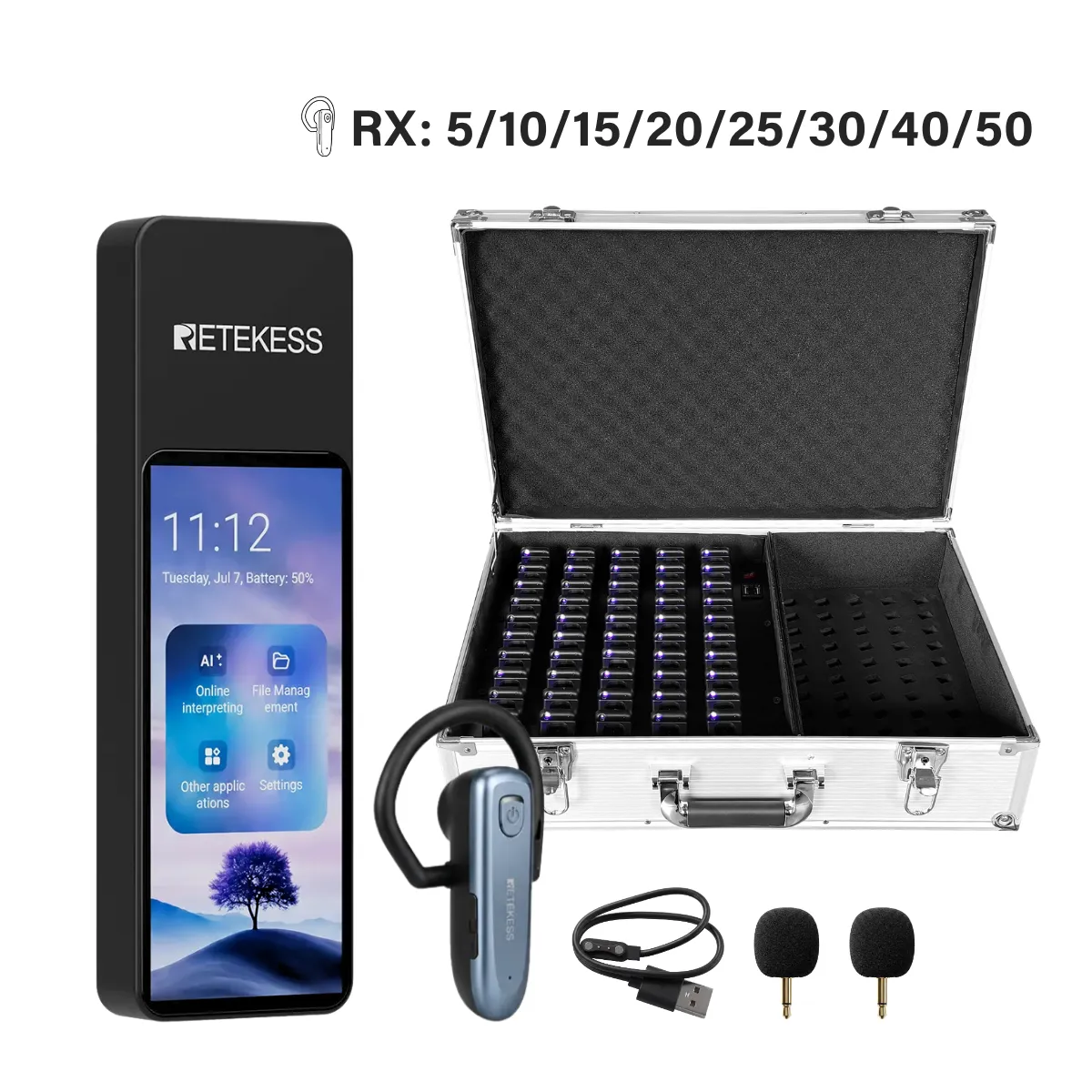
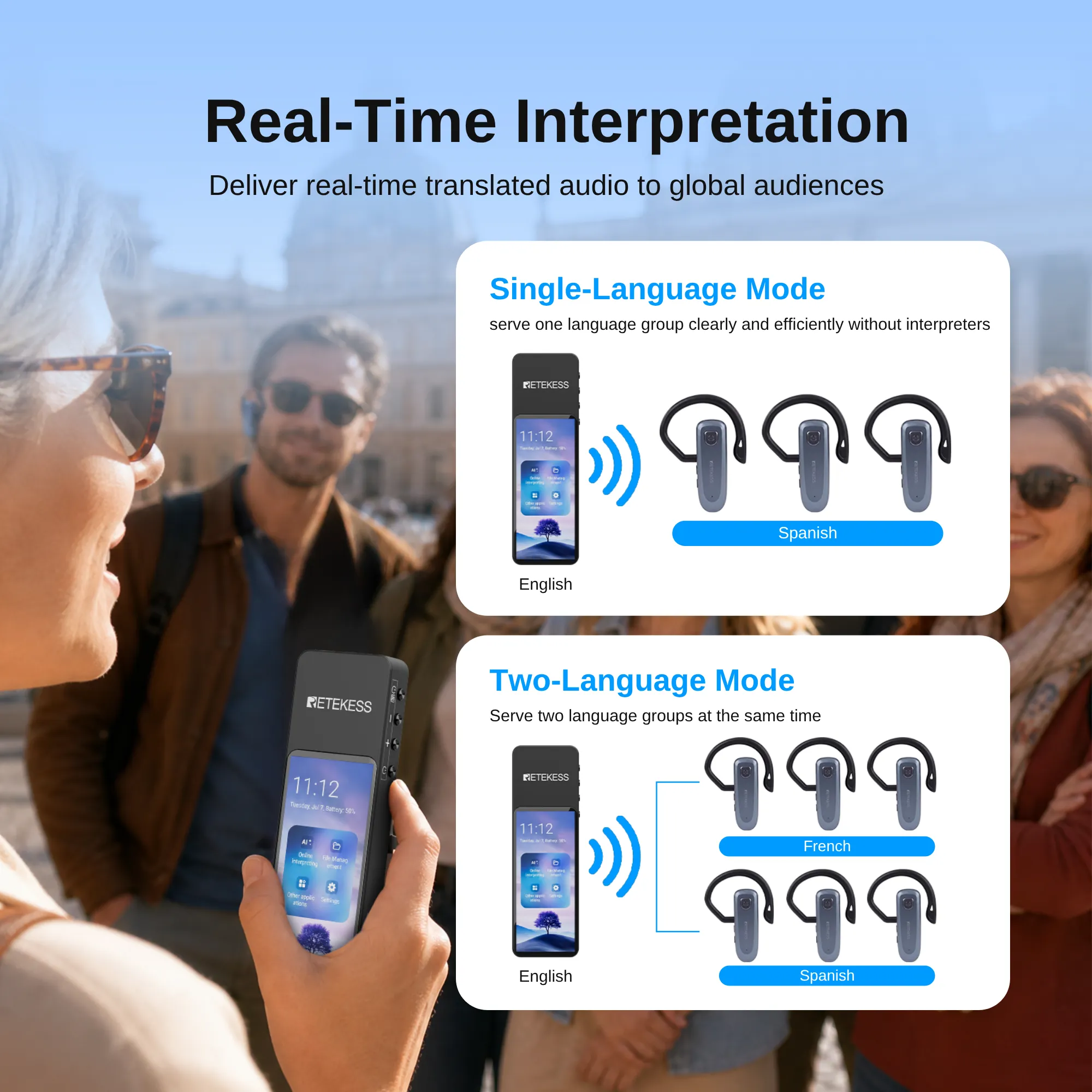
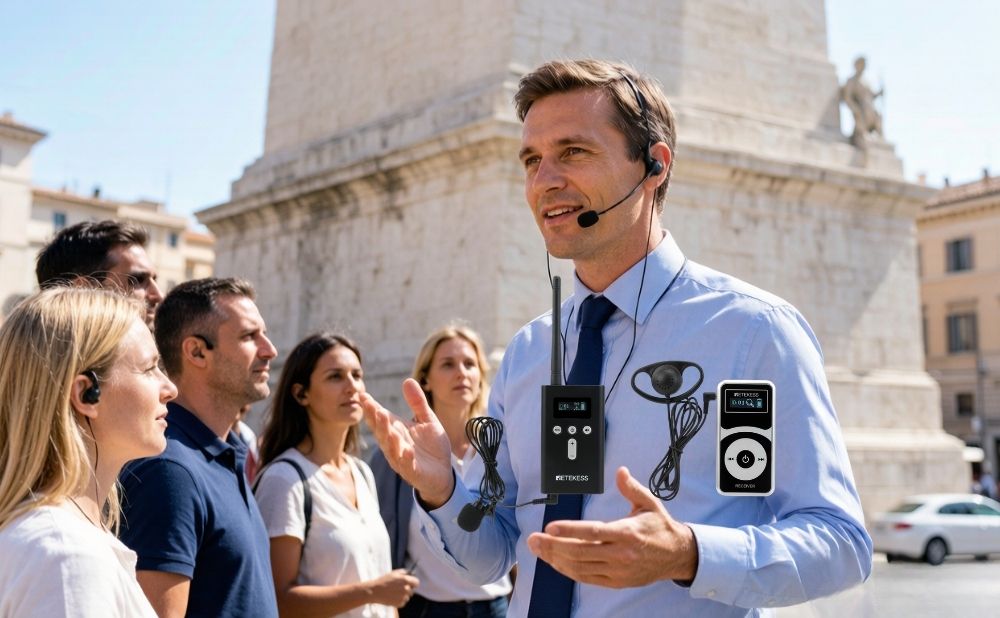
For example, an AI Translation Tour Guide System can provide real-time multilingual support during tours and visits. The Retekess TT136 supports online translation in 120+ languages, bilingual output, and real-time multilingual dialogue, giving guides another way to communicate with international visitors.
But language conversion is only one part of communication.
People also need to hear the translated message clearly.
In museums, factories, churches, and walking tours, background noise, distance, or group size can make it difficult for visitors to follow an interpreter or guide.
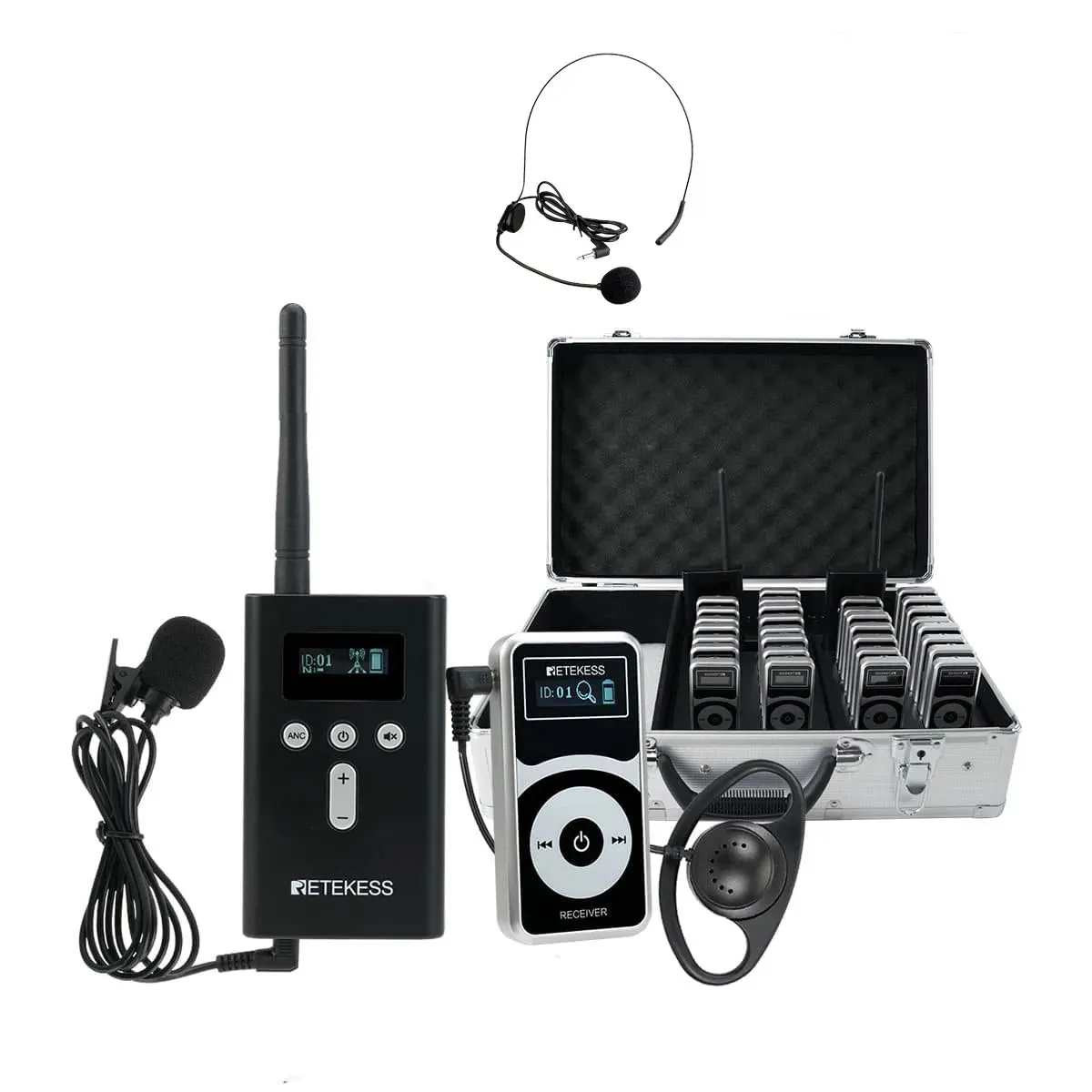
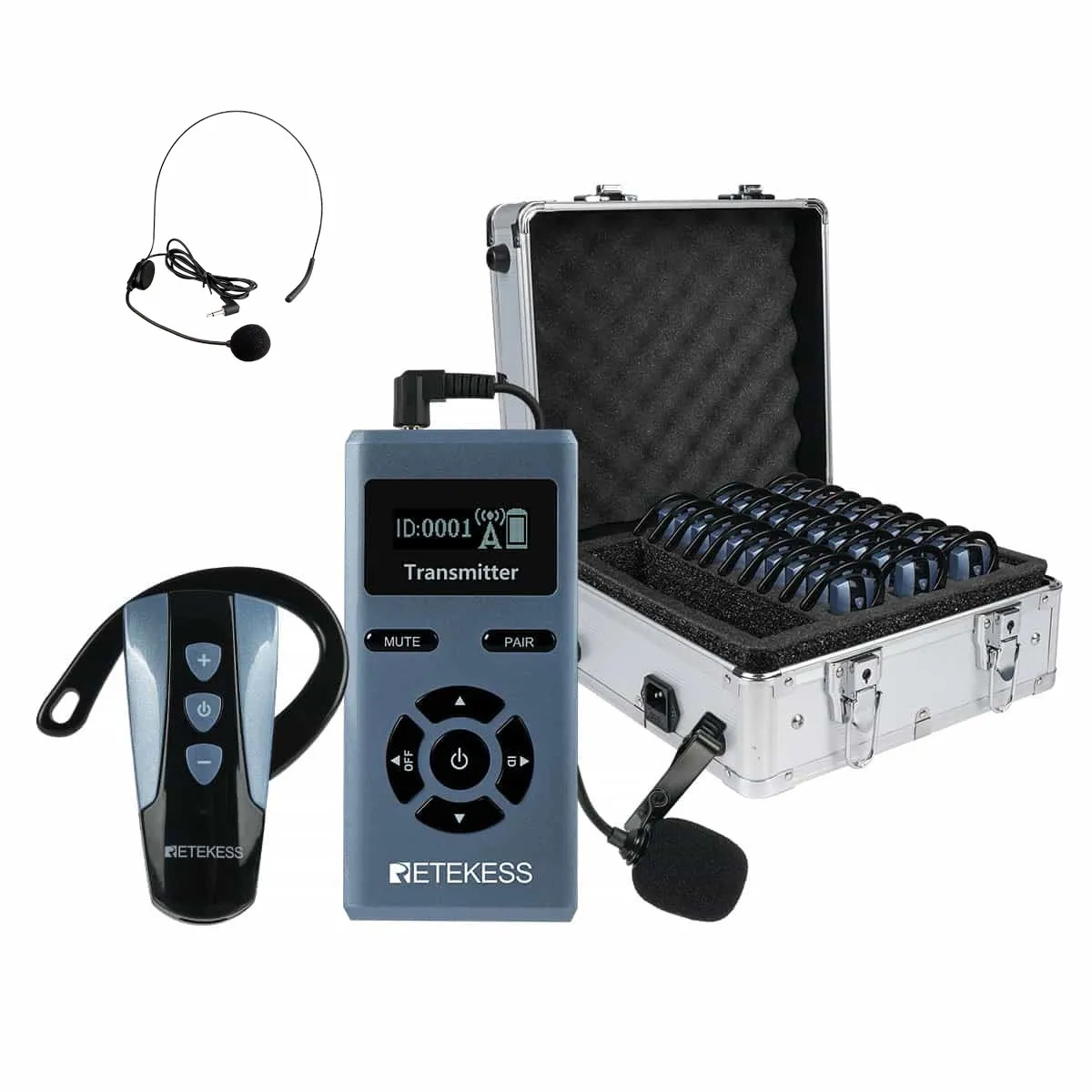
Wireless tour guide systems can help distribute the voice to multiple listeners. For example, the Retekess T130S can transmit audio to multiple receivers, while lightweight ear-hook options such as the T131R and TT106S are designed for extended listening.
The system does not perform the translation. Instead, it helps ensure that the translated message reaches the people who need to hear it.
When Understanding Means Participation
Communication is not always one-way.
In many real-world situations, visitors need to ask questions, respond to a guide, or interact with the people around them.
This is especially common during factory visits, educational tours, customer demonstrations, and cultural exchanges.
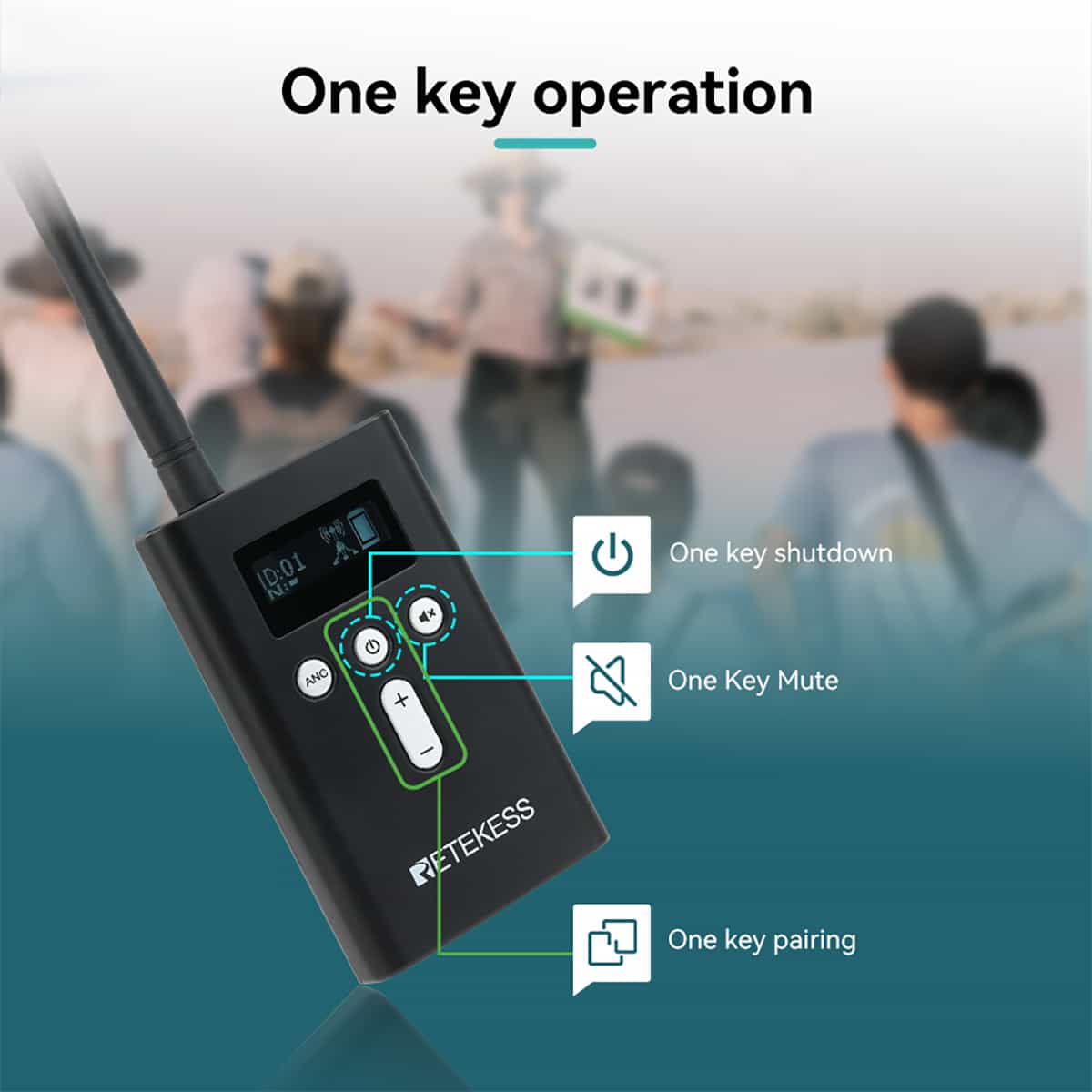
A two-way communication system such as the Retekess TT126 can support this type of interaction, allowing participants to communicate with the guide rather than simply listen.
That makes communication more than information delivery.
It becomes participation.
And participation is an important part of the broader idea behind language rights.
Different Communication Needs Require Different Tools
There is no single technology that solves every multilingual communication challenge.
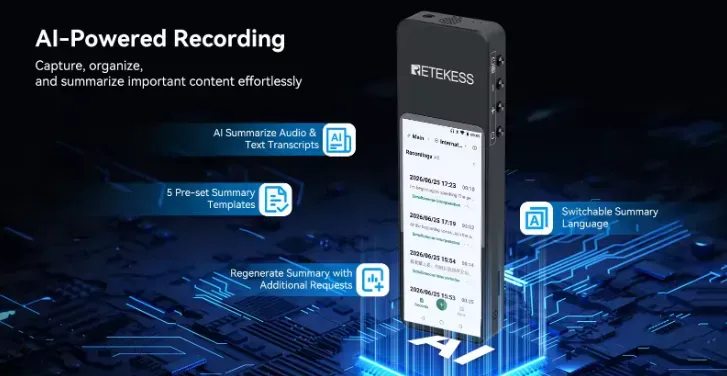
The appropriate solution depends on what people need to do.
|
Communication Need |
Typical Scenario |
Possible Solution |
|
Real-time multilingual support |
International tours and visitor communication |
|
|
Guided interpretation |
Museums, factories, churches, walking tours |
|
|
Interactive visits |
Factory visits and educational exchanges |
|
|
Formal multilingual settings |
Meetings, training, and multilingual events |
The important point is that these technologies do not necessarily compete with one another.
AI translation can support language conversion. Professional interpreters provide context and judgment. Wireless audio systems distribute the message. Two-way communication allows people to respond.
Together, these tools can support different parts of the same goal:
Helping people communicate across languages.
The Future of Multilingual Communication
The 2026 theme reminds us that language is ultimately about people.
“Linguistic Diversity and Language Rights” draws attention to the importance of preserving linguistic differences while ensuring that people can access information and participate in society.
“The Power of Being Understood” takes that idea one step further.
It asks us to think about what happens after translation.
Can people hear the message?
Can they understand the meaning?
Can they ask questions?
Can they respond?
Can they participate?
Technology can help address some of these needs, but the purpose remains human: helping more people communicate, connect, and take part.
As we mark International Translation Day 2026, successful translation should not be measured only by how many words have been converted from one language to another.
It should also be about whether more people can hear, understand, and participate.
Frequently Asked Questions
What is the theme of International Translation Day 2026?
The theme is “Linguistic Diversity and Language Rights,” with the subtitle “The Power of Being Understood.”
When is International Translation Day 2026?
International Translation Day is observed on September 30, 2026.
Why is linguistic diversity important?
Linguistic diversity reflects cultural identity, history, and community knowledge. Language access also helps people obtain information and participate in communication.
How does technology support multilingual communication?
AI translation, speech recognition, and wireless communication systems can help people translate, hear, and communicate across language barriers in different scenarios.
Does AI translation replace professional interpreters?
AI translation and professional interpreting serve different functions. AI can assist with language conversion, while interpreters provide contextual understanding, terminology expertise, cultural awareness, and human judgment.
Leave a Reply





![[18th Anniversary] 18 Years of Echoing Excellence: Making Communication Easier, Connecting Trust Beyond Borders](https://res.retekess.com/z_file/20260716/retekess-brand-story-making-communication-easier_20260716151044_7682.jpg)
![[18 Years in Wireless Communication] Silent Disco Systems Anniversary Celebration: Top-Selling Headphones & Event Mechanics Revealed!](https://res.retekess.com/z_file/20260713/18-years-in-wireless-communication-silent-disco-systems-anniversary-celebration_20260713175011_5749.webp)
![[Anniversary Carnival] Ding-dong! 18th Anniversary Mega Sale on Guest Paging & Calling Systems: Full Reveal of 12+ Products & Promo Rules!](https://res.retekess.com/z_file/20260713/18th-anniversary-mega-sale-on-guest-paging-calling-systems_20260713175257_0295.webp)
![[Retekess 18th Anniversary Teaser] Tour Guide System Exclusive Perks: Sneak Peek at Event Dates & Mechanics!](https://res.retekess.com/z_file/20260713/retekess-18th-anniversary-tour-guide-system-exclusive-perks--2-_20260713180135_6435.webp)
Follow Us
Pay With


 Google
 Amazon
Comments (0)