
Table of Contents
Multilingual Event Communication: How Festivals Can Serve Global Visitors Better
- Retekess
- Aug 28, 2026
Festivals are becoming more international, but communication often still depends on one language. That creates problems at entry, on routes, and during safety announcements. Multilingual event communication helps festivals serve global visitors better by making information clearer, faster, and easier to follow in real time.
When visitors arrive at a festival, they need more than entertainment. They need clear directions, quick updates, and safety information they can understand. If that information only reaches part of the crowd, the experience becomes uneven. That is why multilingual communication is becoming part of modern festival infrastructure, not just a nice extra.
1. The Globalization Paradox at the Festival Gate
Modern festivals are becoming more global in audience, but not always in communication. That creates a real paradox.
A single event may now welcome:
- international tourists
- local families
- immigrant communities
- business delegates
- multilingual student groups
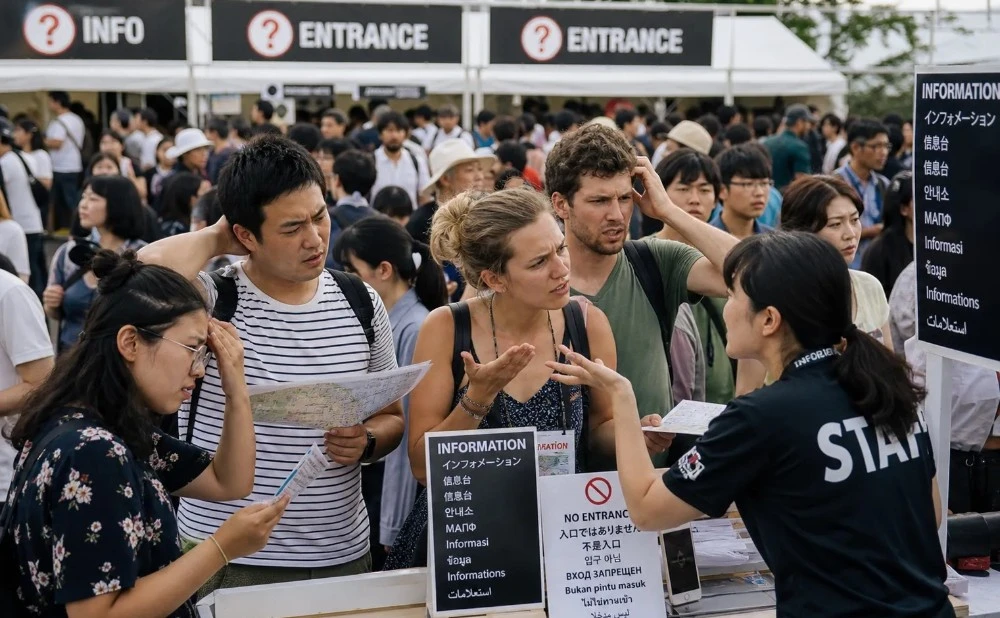
This is a sign of success, but it also makes communication harder. The site may be able to hold ten thousand people, but the message may still be trapped in one language. Entrance signs, route guidance, and emergency instructions can become confusing when they are only written or spoken for one audience.
This is where the first friction appears. A visitor may stand at the gate with a map in hand and still not know where to go. Another may miss a schedule update because it was announced only in one language. In these moments, the problem is not crowd size. It is language access.
That is why multilingual event communication has become part of modern event infrastructure. It is the difference between a festival that feels local and a festival that feels ready for global visitors.
2. Three Moments Where Language Breaks the Experience
Language problems at festivals usually show up in three places.
Entry and registration
The first impression begins at the gate. Ticket checks, wristband pickup, security screening, and first-step directions all depend on quick understanding. If visitors do not understand the process, the entrance slows down and stress starts early.
This is a common challenge in real-time translation events, where the goal is to help everyone move through the first stage of the event without confusion.
Wayfinding and guided routes
Once inside, visitors need to know where the stages, exhibits, food areas, restrooms, or exits are located. If route guidance is unclear, people miss performances, arrive late, or move in the wrong direction.
This is where multilingual wayfinding solutions for large events become essential. A clear route is not only more convenient. It also helps the whole event feel more organized.
Safety alerts and emergency communication
This is the most important use case. Weather alerts, evacuation instructions, medical help, and crowd control messages all need to reach everyone quickly. Static signs alone are not enough when conditions change.
In these moments, live event interpretation can help make sure urgent messages are not limited to a single language group.
Together, these three moments show that language is not just a service issue. It affects entry, movement, and safety.
3. Why Traditional Multilingual Solutions Fall Short
Many festivals still rely on older methods to solve language issues. They can help in some cases, but they also create new problems.
Human interpreters
Human interpreters are valuable, but they are expensive, hard to schedule, and limited in coverage. At a large festival, one interpreter cannot easily serve several moving groups at once.
Static multilingual signs
Printed signs and fixed translations can help with basic information, but they cannot adjust when a stage changes, a route changes, or a program gets delayed.
Translation apps
Phone apps sound convenient, but they depend on battery life, internet access, and user confidence. For some visitors, especially older guests, they feel awkward and hard to manage.
These tools are useful, but they do not fully solve the problem of how to manage multilingual visitors at festivals. A festival is a moving environment. The language solution has to move with it.
That is why many organizers are now looking for real-time audio translation for live events instead of depending only on static or manual methods.
4. How Real-Time Wireless Audio Is Redefining Multilingual Events
Wireless audio changes the experience because it delivers the message directly to the visitor in real time.
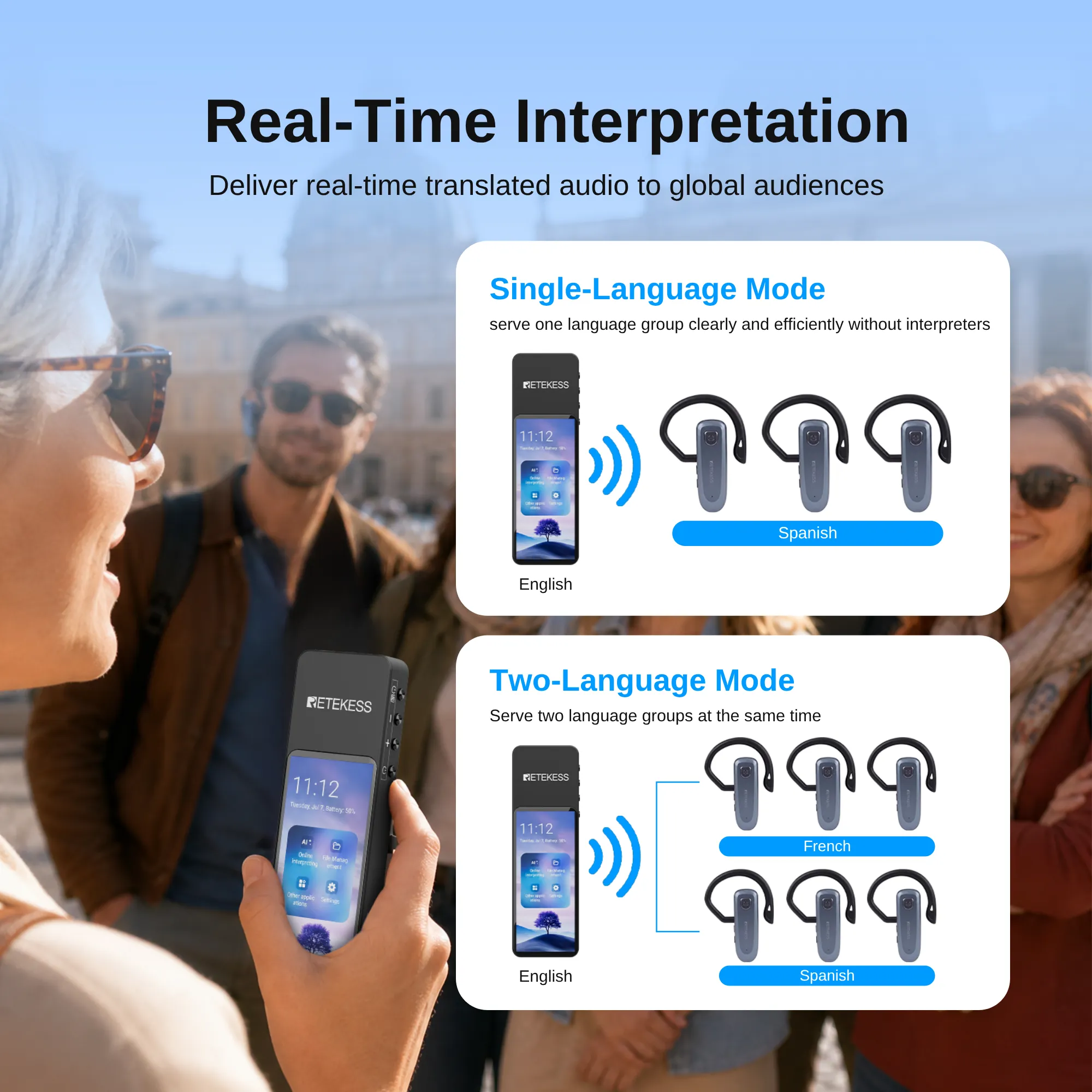
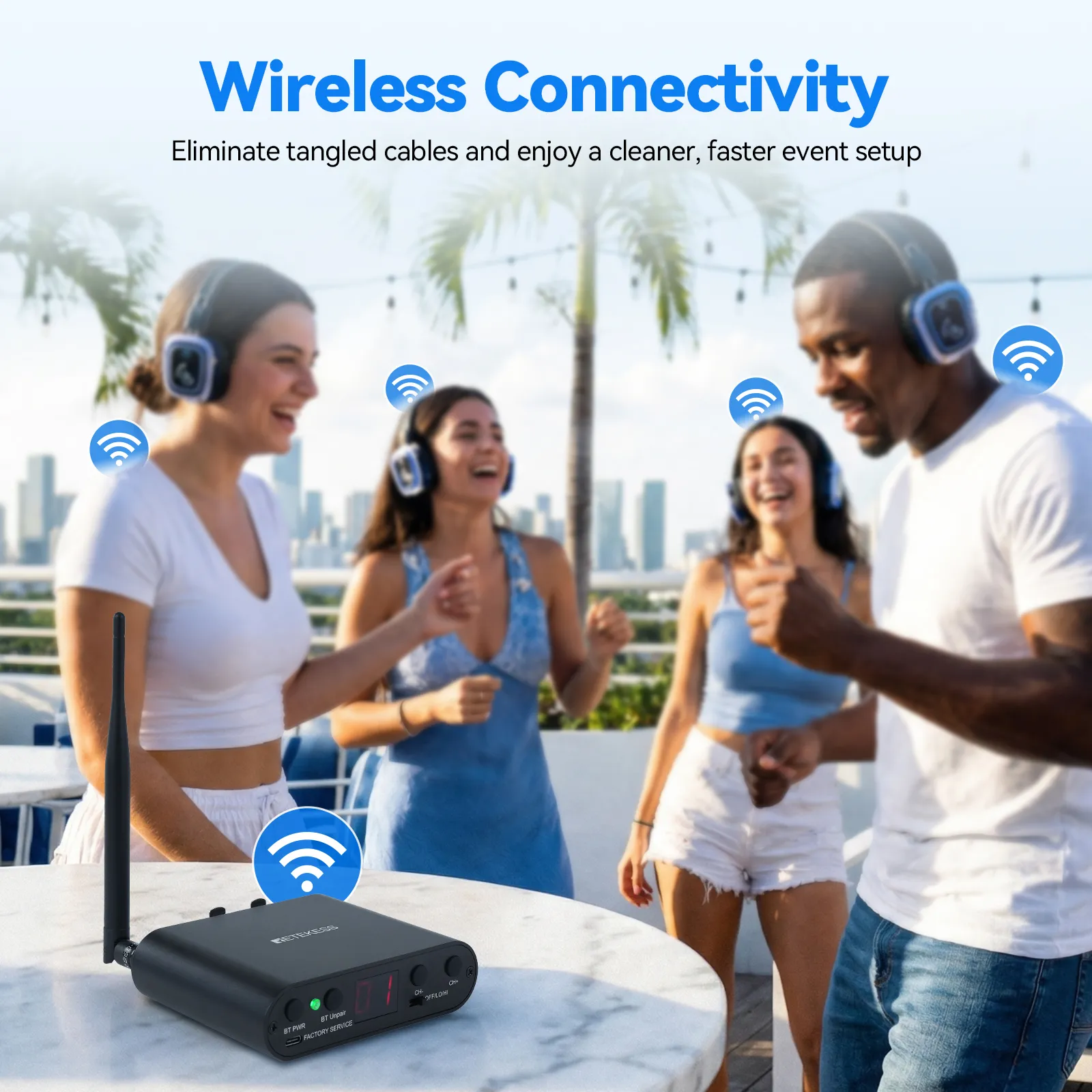
The basic setup is simple: a host, guide, or staff member speaks naturally, an AI engine translates the speech, and visitors hear the message through a headset in their own language. No app download is needed. No one needs to stop and type into a phone.
That creates three major improvements.
Instant synchronization
Visitors hear the update as it happens. If a route changes or a performance is delayed, the new information reaches the crowd right away.
Personalized reception
Each visitor receives the message in the language they understand best. They do not have to guess or wait for a later repeat. That makes the experience feel more direct and more comfortable.
All-age inclusion
A wireless headset is easier to use than a smartphone app for many people. Children, older adults, and visitors who are not comfortable with technology can still participate without barriers.
This is where the value of an AI-powered group translation system for festivals becomes clear. It is not just about translation. It is about making communication feel immediate, personal, and easy to follow in a live environment.
5. Building a Multilingual-Ready Festival: What to Look For
If a festival wants to support multilingual guests well, the communication system has to match the event’s scale and pace.
Language coverage breadth
Festival audiences are often unpredictable. A good system should support a wide range of languages so organizers can adapt to different visitor groups.
Dual-channel structure
Some visitors may want the original speaker’s voice. Others may want the translated version. A dual-channel setup lets both groups choose what works best for them.
Coverage and stability
Large festival spaces are open, crowded, and noisy. The system has to maintain signal quality across the venue without breaking down in dense areas.
Easy deployment
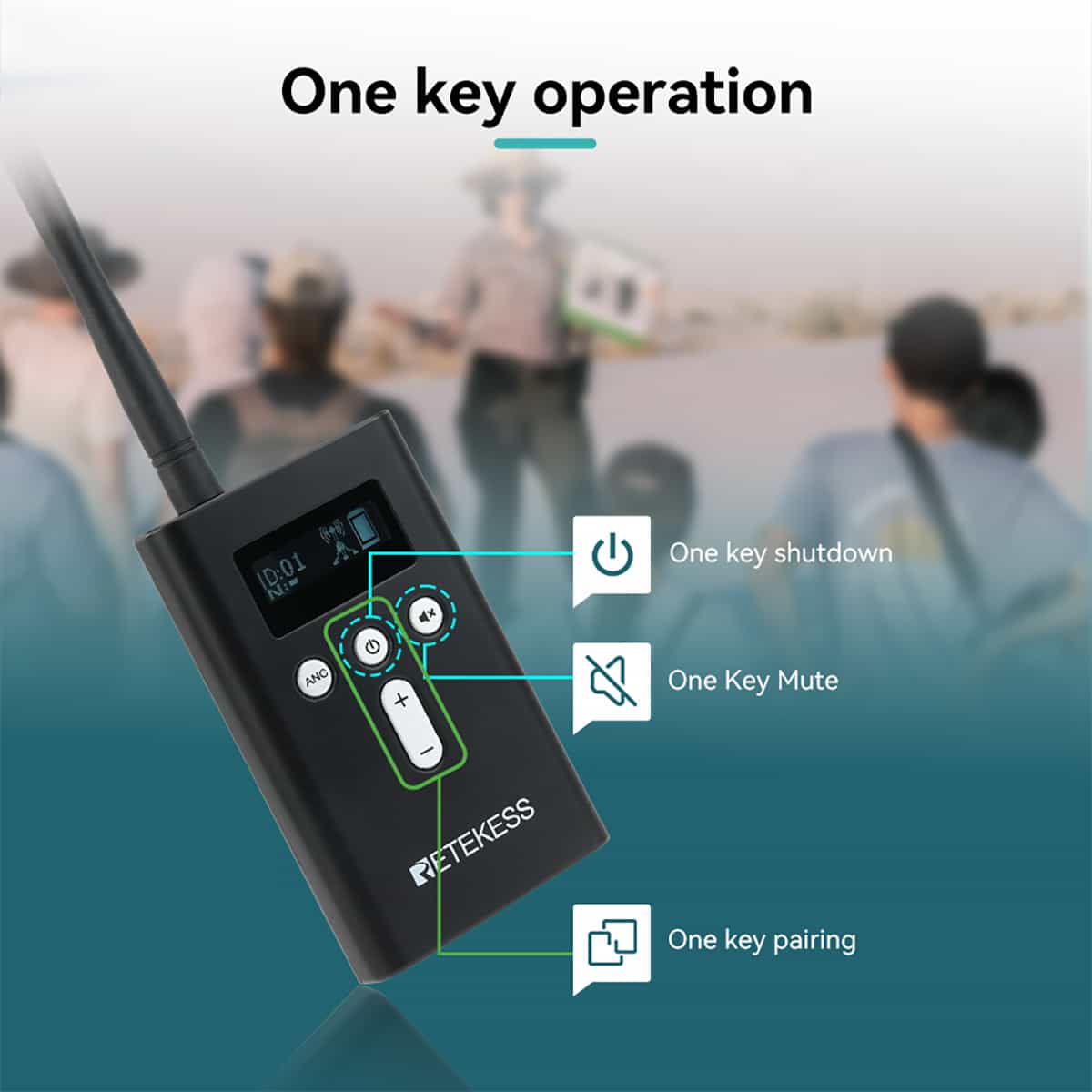
Festival staff are not IT technicians. A good system should be simple to set up, easy to pair, and fast to manage.
Comfortable wear
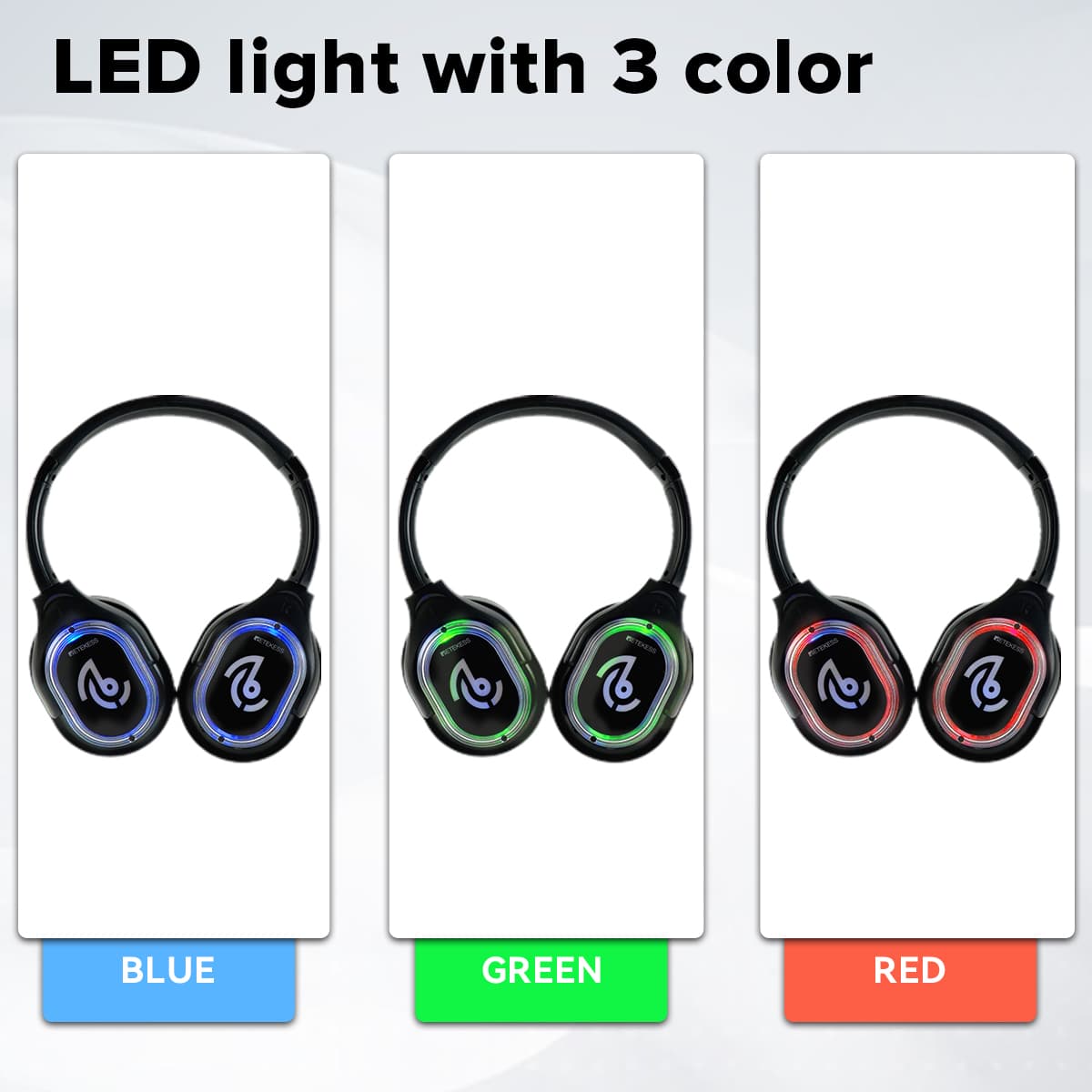
A long festival day means the headset must stay light, comfortable, and hygienic for repeated use.
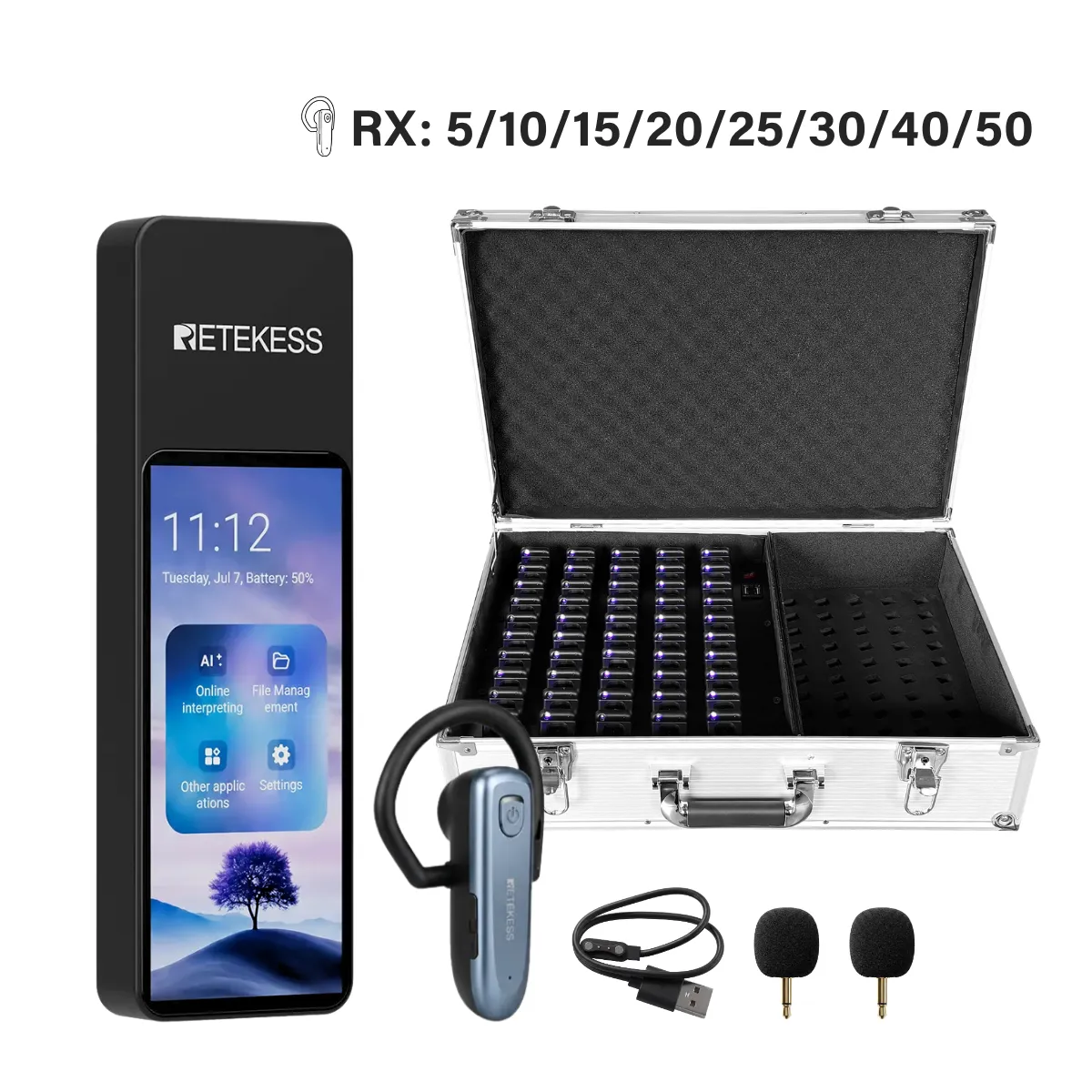
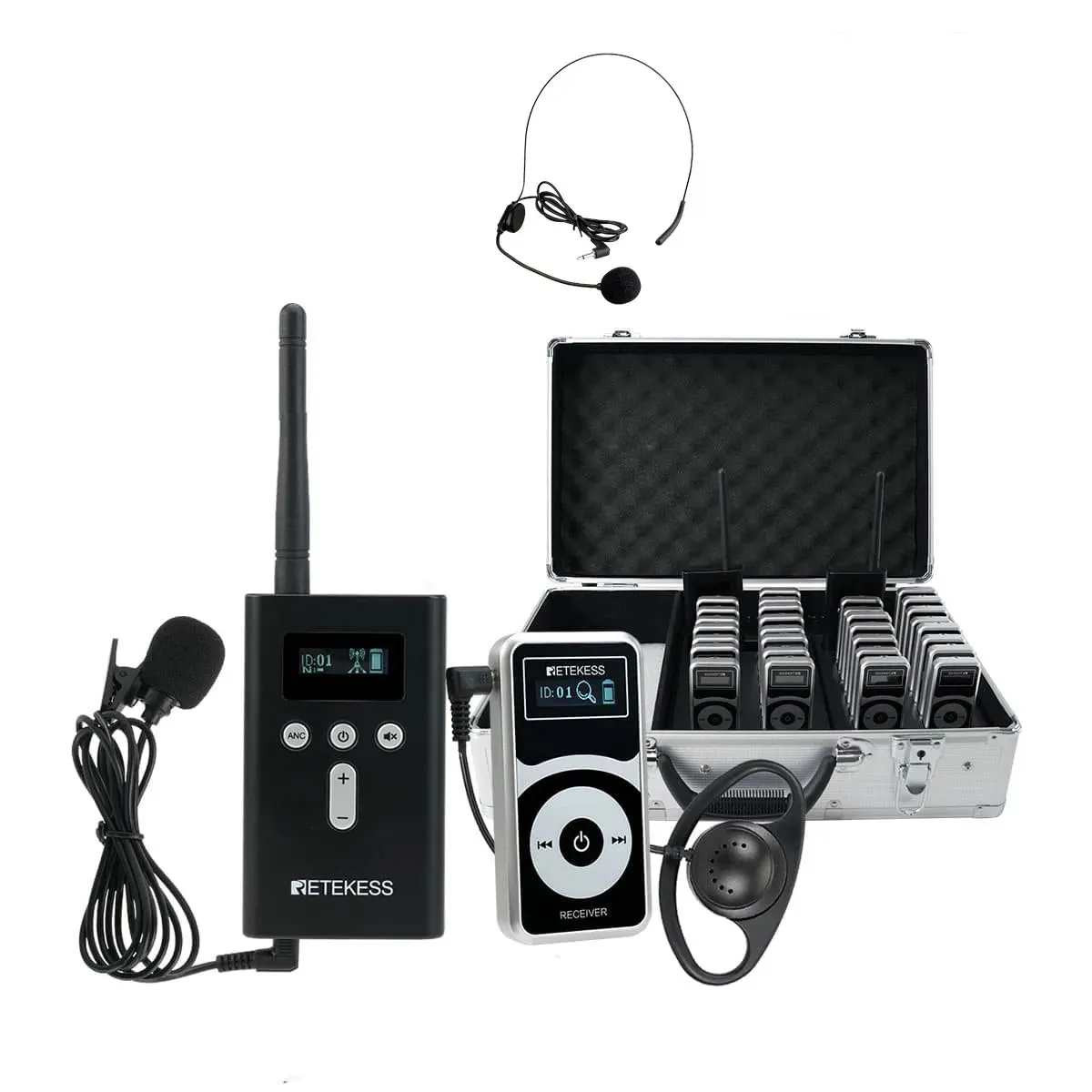
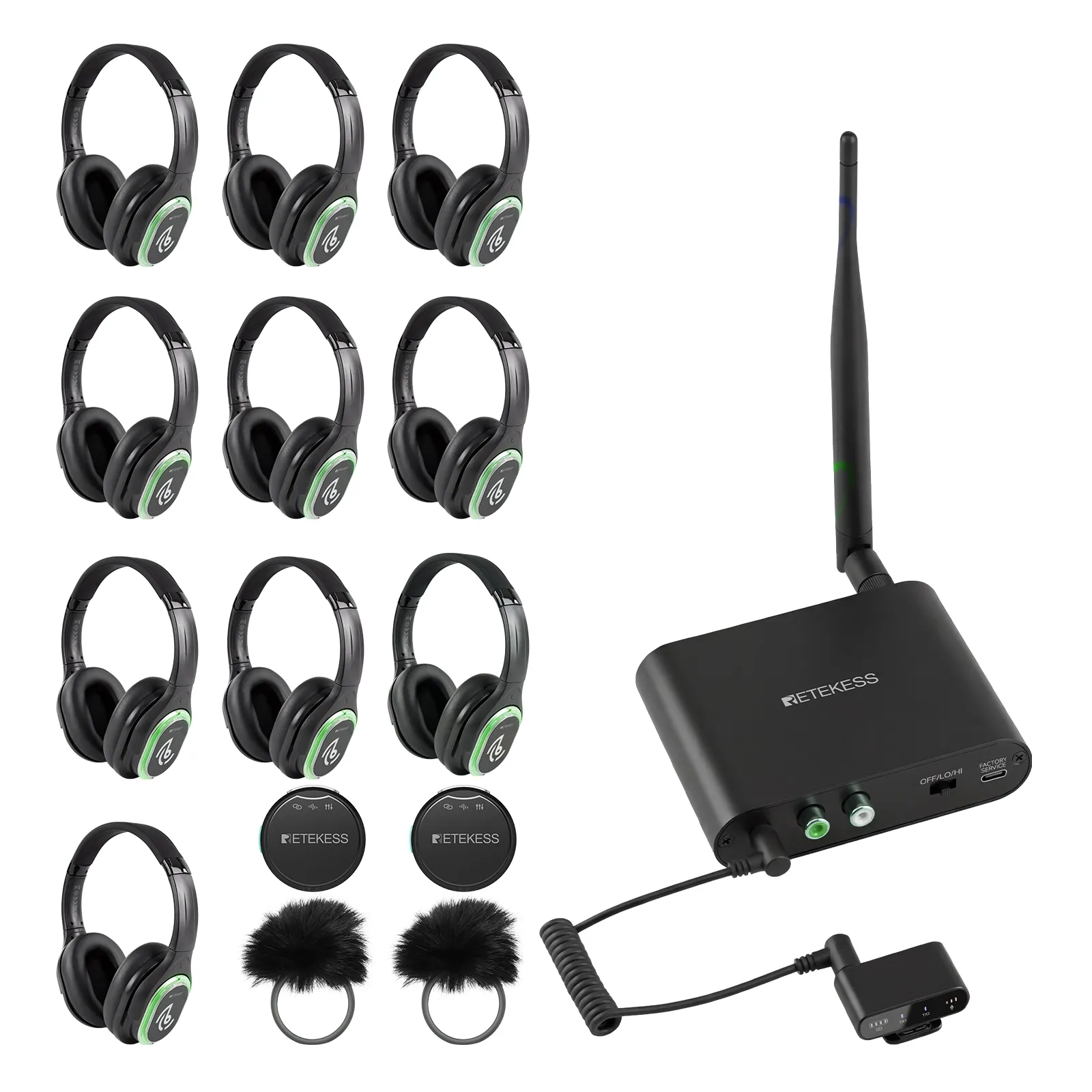
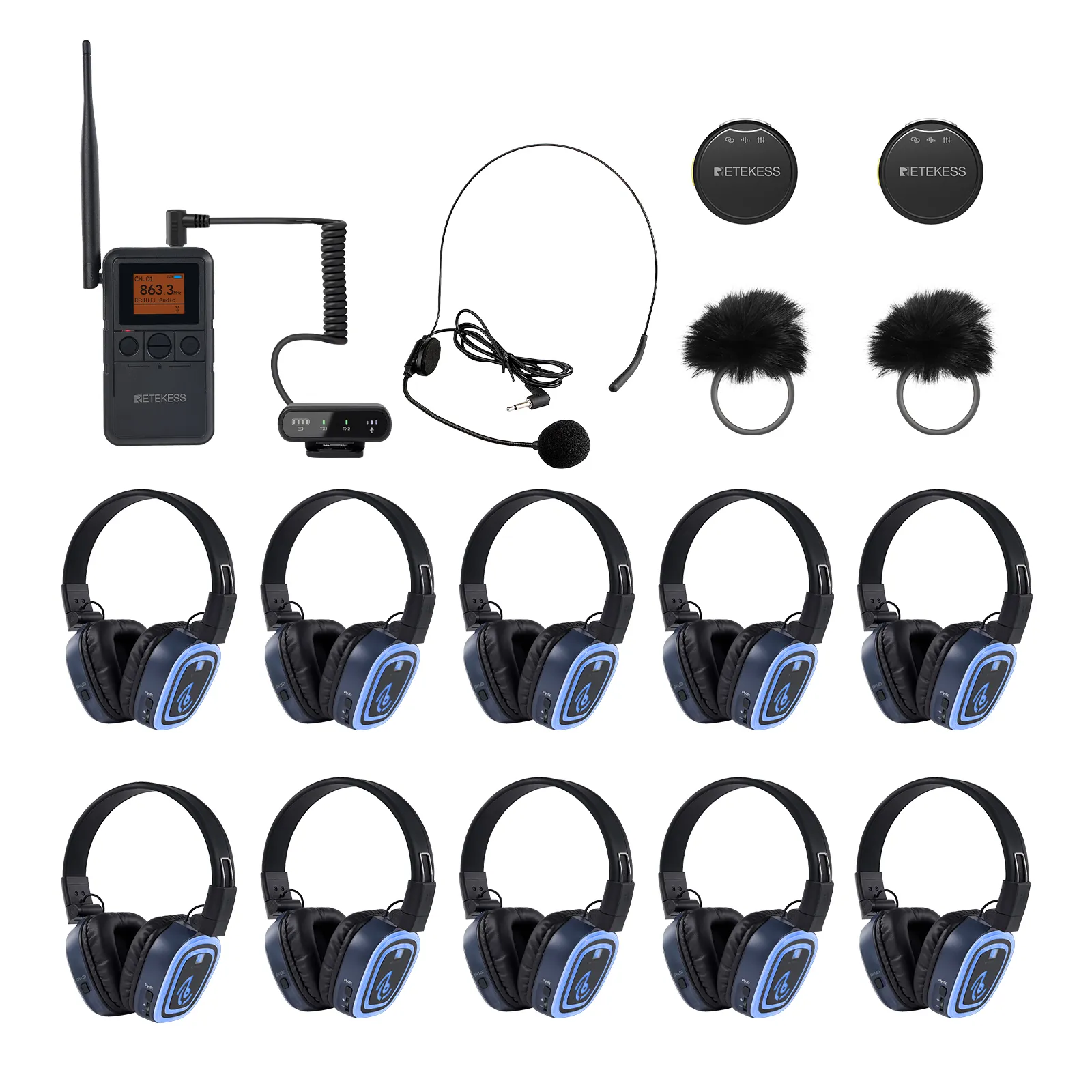
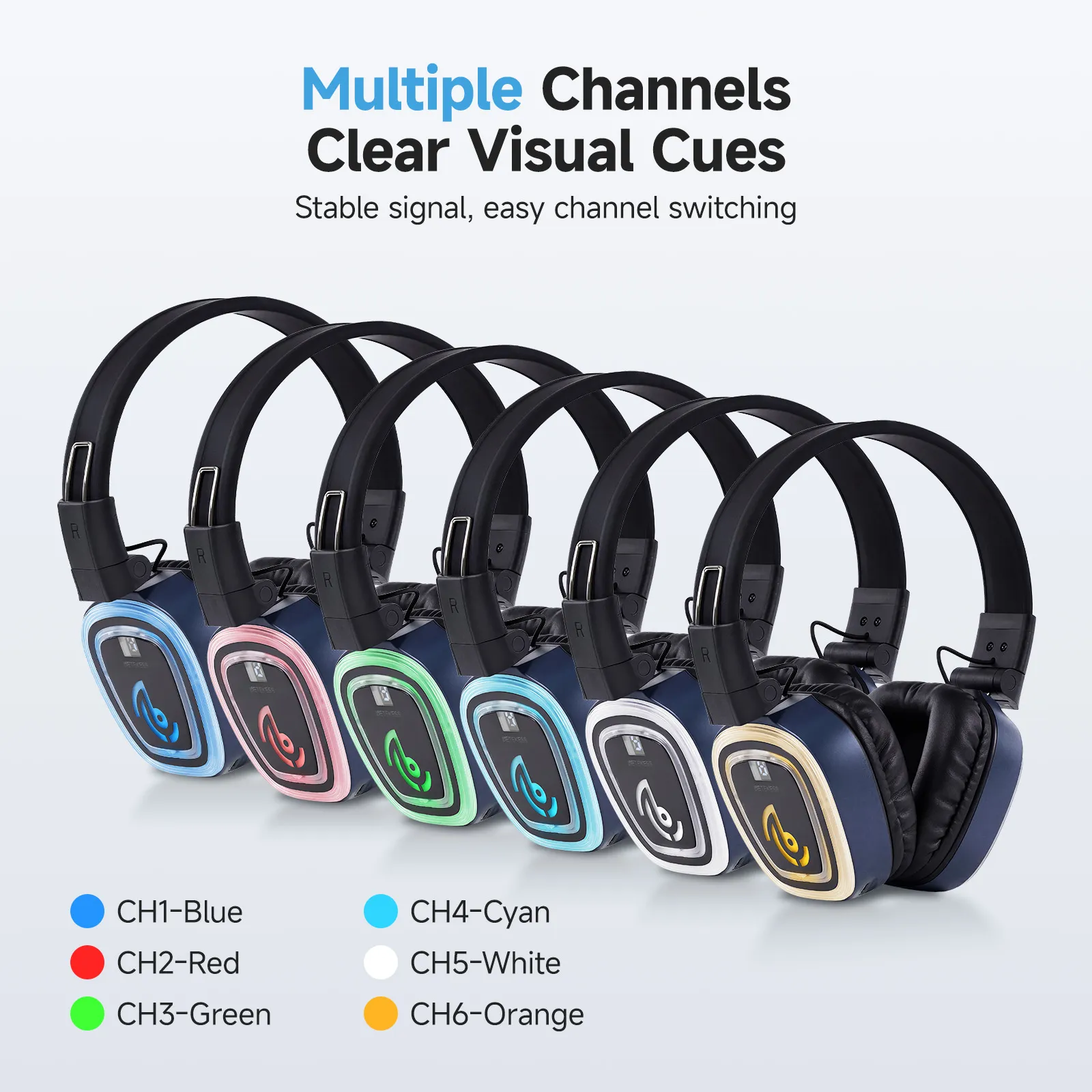
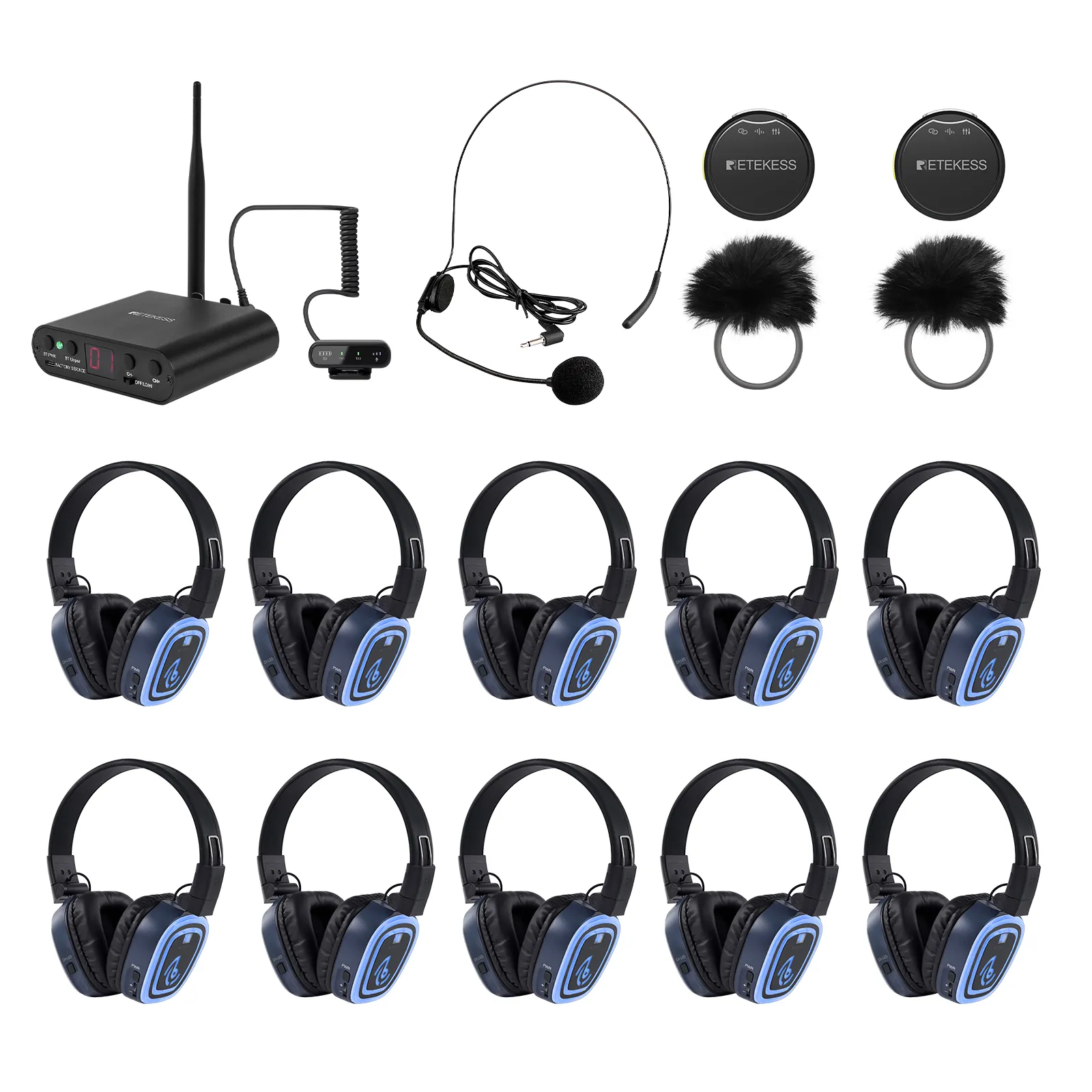
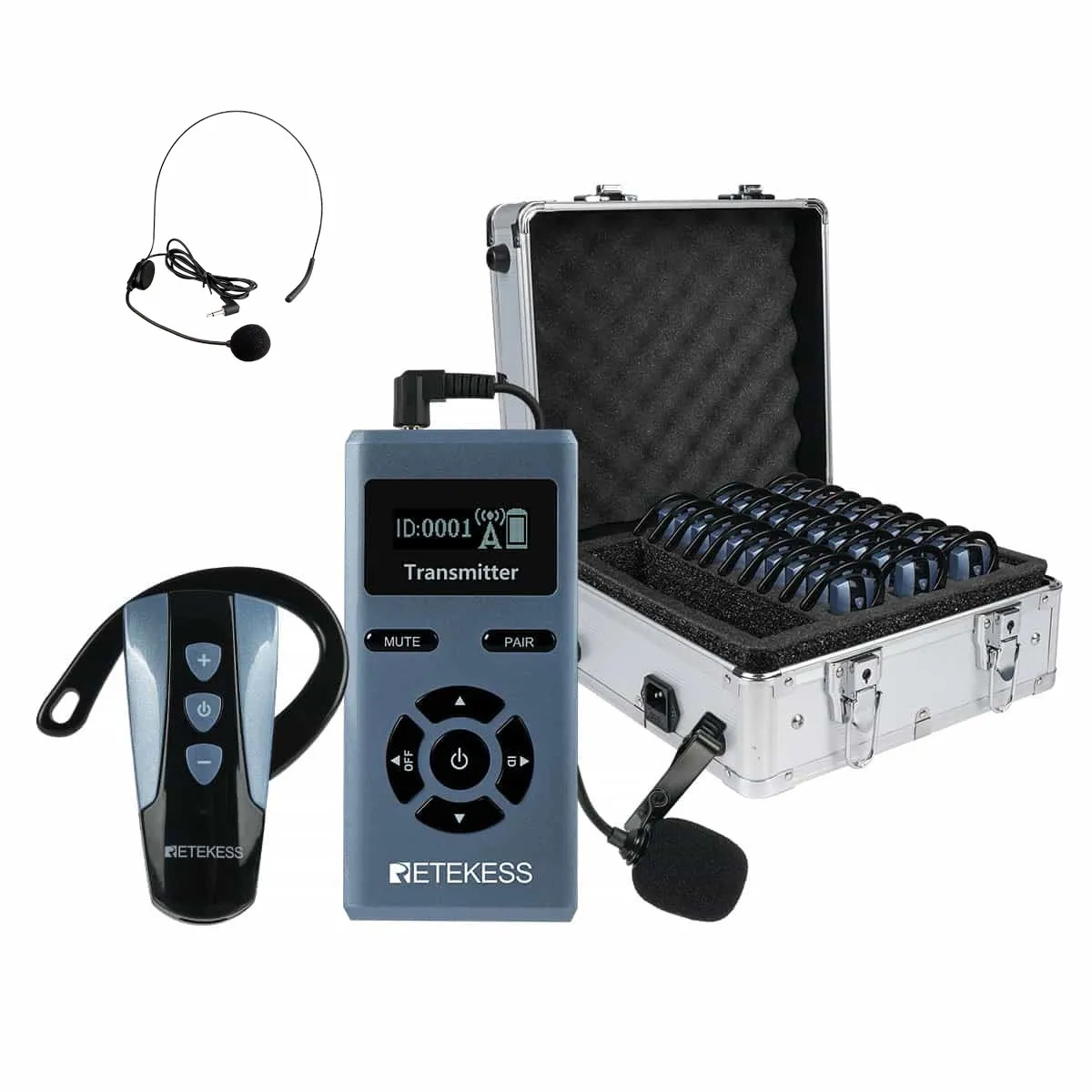
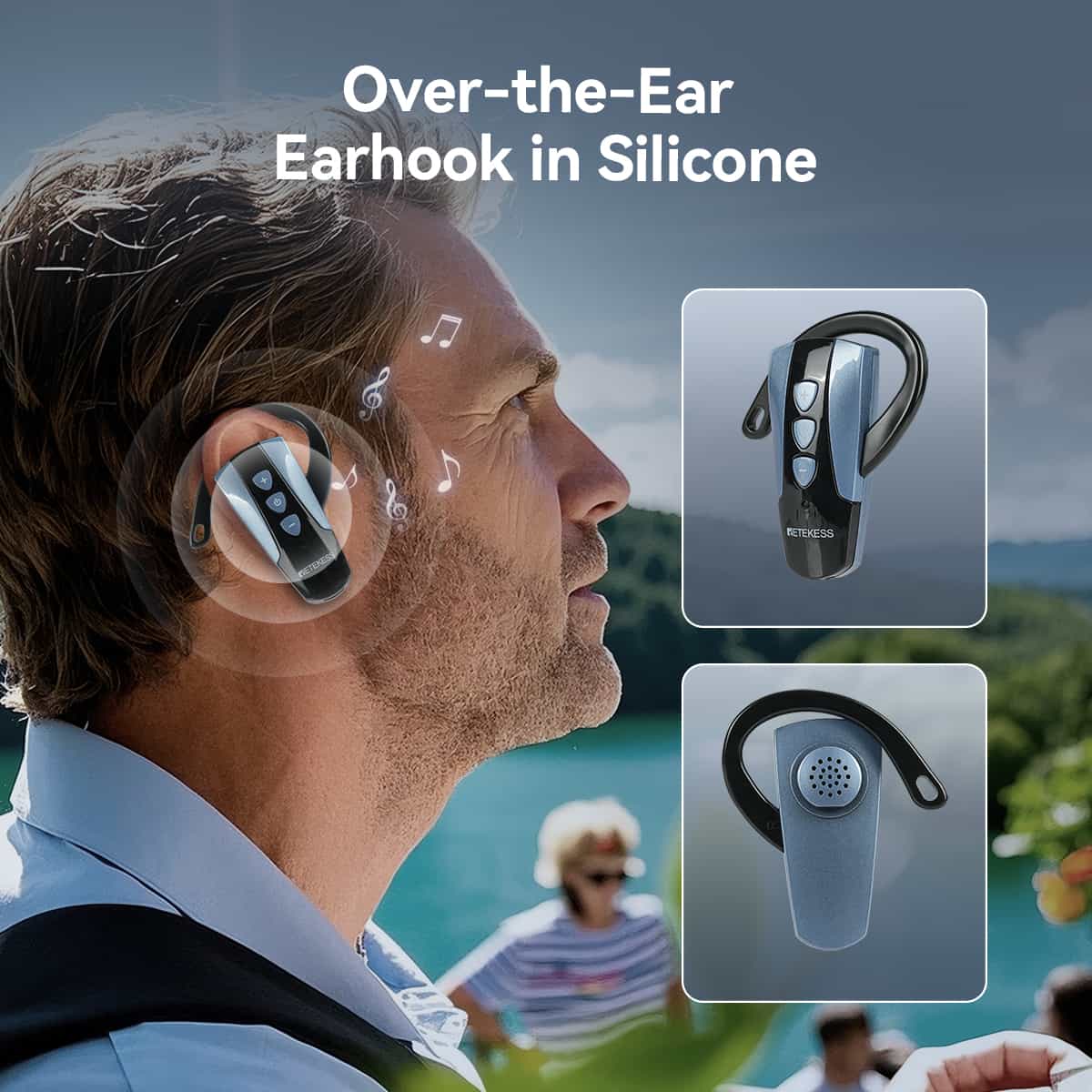
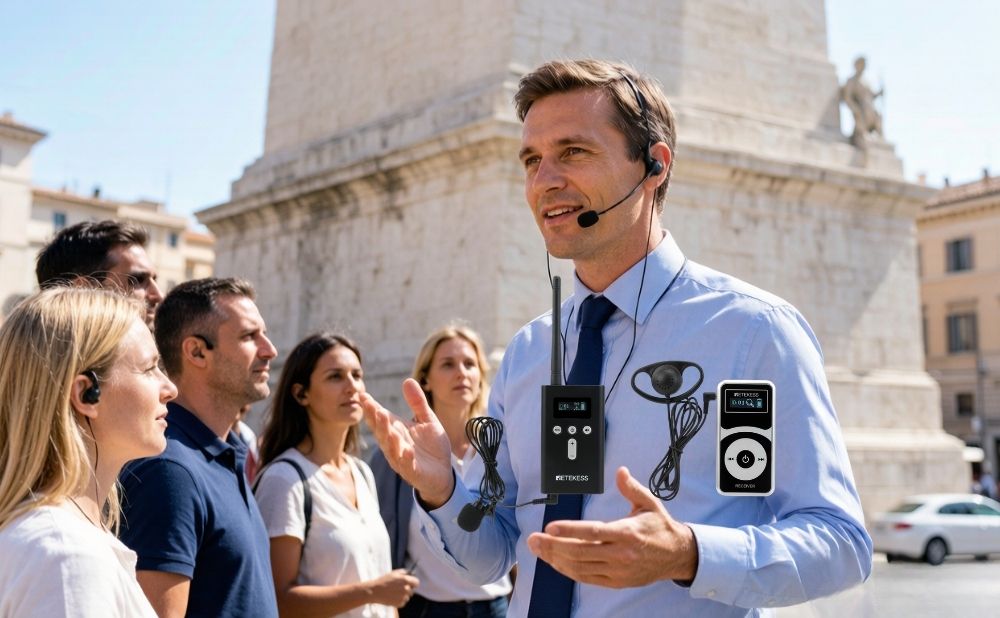
This is where the Retekess TT136 fits naturally. It functions as a wireless translation headset for festival attendees and supports multilingual communication in a practical way. With 120+ languages, dual-engine AI support from Google and Microsoft, and dual-channel broadcasting, it helps one host serve more than one audience without splitting the event into separate sessions.
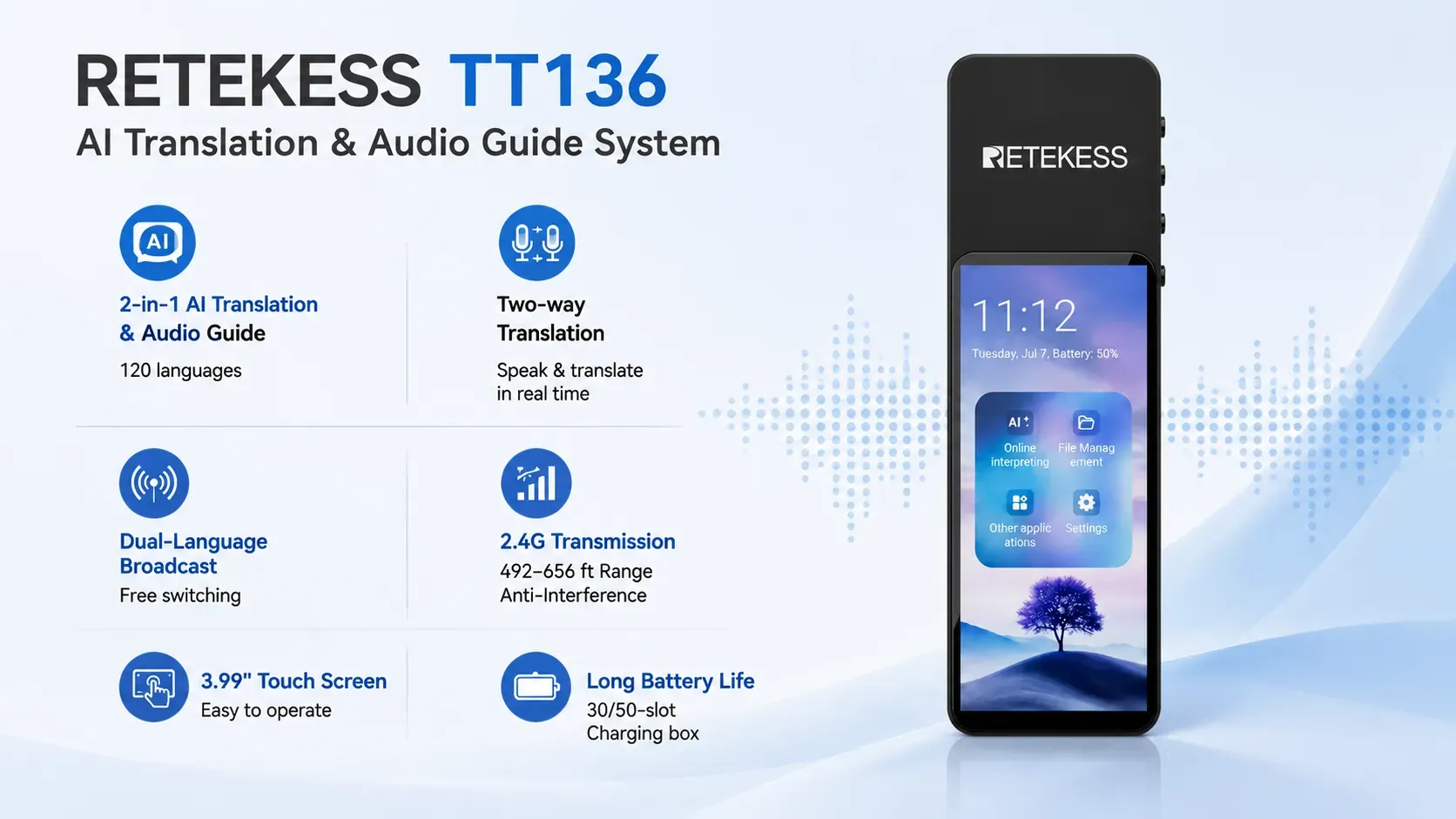
Its 150–200 meter wireless range supports large festival grounds, and its 13-gram open-ear receivers are light enough for all-day use. For organizers, that means lower friction. For guests, it means a clearer multilingual visitor experience.
6. Why Multilingual Communication Improves the Festival Experience
When people can understand what is happening, they enjoy the event more fully. They move with more confidence. They follow routes more easily. They respond to announcements faster. They feel included instead of managed.
That is the real value of multilingual event communication. It does more than translate words. It improves the rhythm of the event.
Better communication helps festivals:
- reduce queue confusion
- improve guided tours
- keep safety messages clear
- support mixed-language audiences
- create a smoother multilingual visitor experience
It also helps venues feel more international. A festival that communicates well in multiple languages feels more prepared, more welcoming, and more professional.
7. Final Takeaway: Language Accessibility Is Experience Equity
Festivals that welcome global visitors need more than signs and good intentions. They need communication that works in real time. They need systems that support entry, wayfinding, and safety across multiple languages. They need multilingual event communication that feels fast, natural, and reliable.
That is why real-time translation events, live event interpretation, and AI-powered group translation systems for festivals are becoming more important. They help transform a crowded event into a smoother experience for everyone.
With the right setup, a festival can give each visitor the same chance to understand, move, and participate. And when that happens, the event becomes not just multilingual in name, but genuinely global in experience.
Leave a Reply
![[18th Anniversary] 18 Years of Echoing Excellence: Making Communication Easier, Connecting Trust Beyond Borders](https://res.retekess.com/z_file/20260716/retekess-brand-story-making-communication-easier_20260716151044_7682.jpg)
![[18 Years in Wireless Communication] Silent Disco Systems Anniversary Celebration: Top-Selling Headphones & Event Mechanics Revealed!](https://res.retekess.com/z_file/20260713/18-years-in-wireless-communication-silent-disco-systems-anniversary-celebration_20260713175011_5749.webp)
![[Anniversary Carnival] Ding-dong! 18th Anniversary Mega Sale on Guest Paging & Calling Systems: Full Reveal of 12+ Products & Promo Rules!](https://res.retekess.com/z_file/20260713/18th-anniversary-mega-sale-on-guest-paging-calling-systems_20260713175257_0295.webp)
![[Retekess 18th Anniversary Teaser] Tour Guide System Exclusive Perks: Sneak Peek at Event Dates & Mechanics!](https://res.retekess.com/z_file/20260713/retekess-18th-anniversary-tour-guide-system-exclusive-perks--2-_20260713180135_6435.webp)
Follow Us
Pay With


 Google
 Amazon
Comments (0)