
Table of Contents
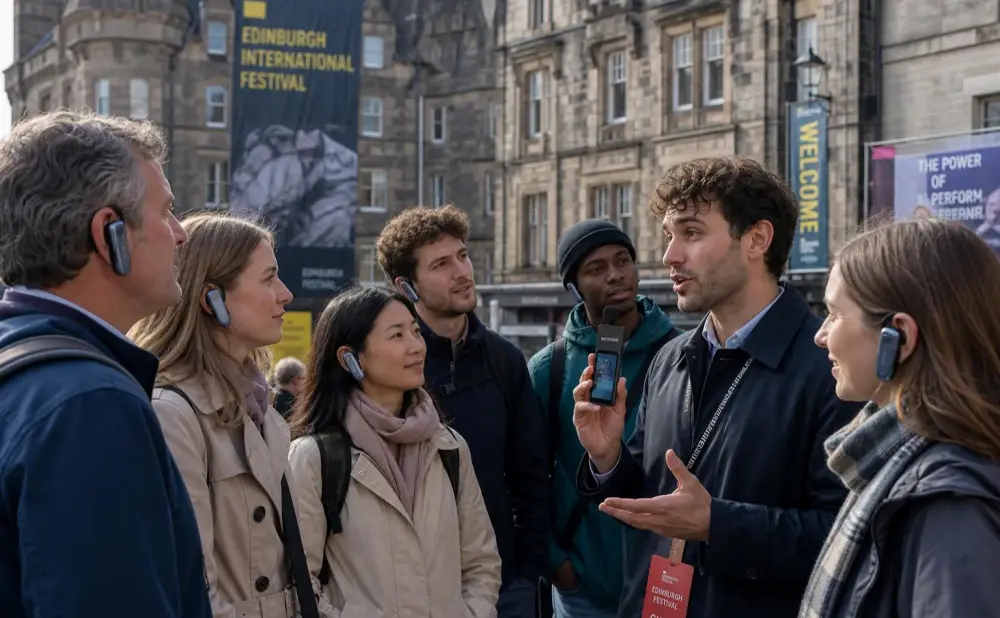
Multilingual Guided Tours Devices Boost international Arts festival: Leading from Edinburgh
- Retekess
- Aug 5, 2026
International arts festivals tour now attract visitors from many countries. People come for shows, exhibitions, museums, and local culture. They also come with different languages and different needs. This has made multilingual guided festival tours more important than ever. For festival teams, clear communication now plays a direct role in visitor experience, group flow, and venue revenue. A language translation device can help venues guide more guests, support better understanding, and make each visit feel smoother and more open.
Edinburgh shows this change well. The city’s major arts festivals bring in global crowds every year. Visitors do not just want to watch. They want to understand the art, the story, and the place. That is why multilingual support is now part of modern international festival planning.
1. From Edinburgh to Global Stages: Why International Arts Festivals Need Better Visitor Experiences
International arts festivals tour now attract a wide mix of visitors. Some come for performances. Some come for exhibitions. Others come for museums, heritage sites, or cultural venues around the city. In many cases, the festival is only part of a larger trip. Visitors want to enjoy the art, but they also want to understand the story behind it.
That change matters. A visitor today often expects more than a seat and a program. They want easy access to information. They want a smooth visit. They want a deeper link to the culture they are seeing. This is where visitor experience becomes a major competitive factor.
For arts festivals, good cultural tourism is not just about attracting people once. It is about making the whole visit feel clear, welcoming, and worth sharing. A festival that supports different languages and different comfort levels can stand out in a crowded market. That is one reason many organizers now look at communication tools as part of the visitor journey, not just as back-end support.
2. The Hidden Impact of Language Barriers on Festival Operations
Language barriers can affect many parts of a international festival tour, often in ways that are easy to miss at first.
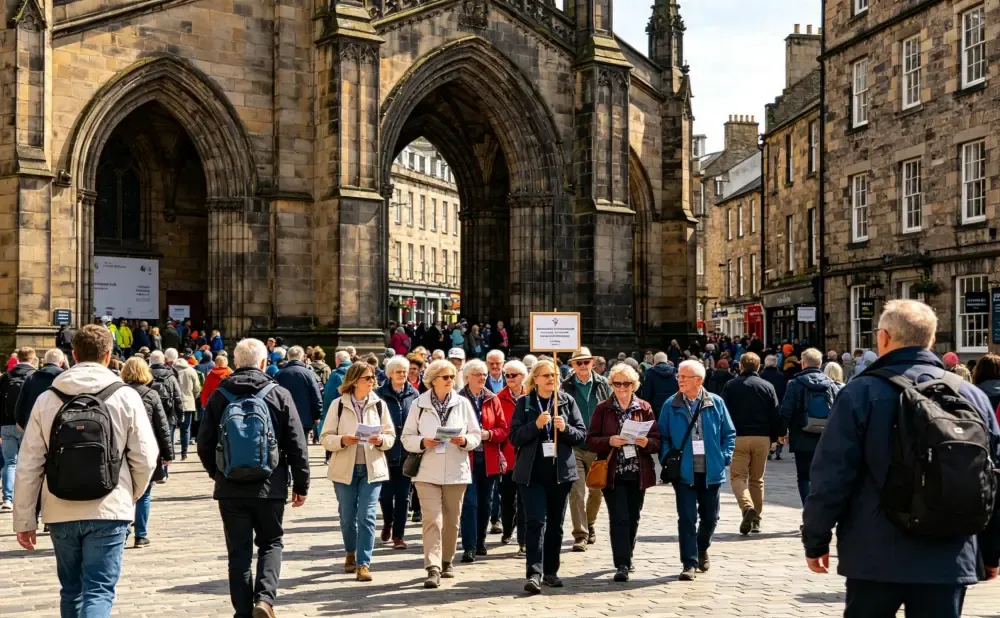
Ticketing and entry
Visitors may not fully understand schedules, event rules, or venue signs. A simple question can become a delay if the answer is hard to follow. This can slow lines and create stress at busy points.
Guided tours
Many festivals offer tours of exhibitions, heritage spaces, or performance areas. If the guide speaks only one language, some visitors may miss the meaning behind the art or the historical context.
On-site assistance
Crowd flow, directions, and customer support all depend on clear communication. If a visitor cannot understand basic guidance, the team has to spend more time repeating the same message.
These issues can do more than create confusion. They can reduce engagement. When visitors do not understand what is happening, they may stay for less time, join fewer activities, and spend less money at the venue. In that sense, language barriers are not only a visitor problem. They are also an operational and business problem.
The strong language translation devices helps reduce those gaps and supports better visitor communication across the site.
3. How Multilingual Guided Festival Tours Improve Cultural Experiences
A guided tour is one of the best ways to turn a festival visit into a real cultural experience. But that only works when visitors can follow the story.
Helping visitors understand more than what they see
Art is often more powerful when people understand the meaning behind it. A painting, a play, a dance, or a historical display can feel much richer when the guide explains the background, the local context, and the artistic idea.
Creating smoother group experiences
Many festivals host international tour groups or mixed-language audiences. In those settings, a single-language guide can leave part of the group behind. Multilingual guided tours help everyone stay connected to the same experience.
Supporting tour guides, not replacing them
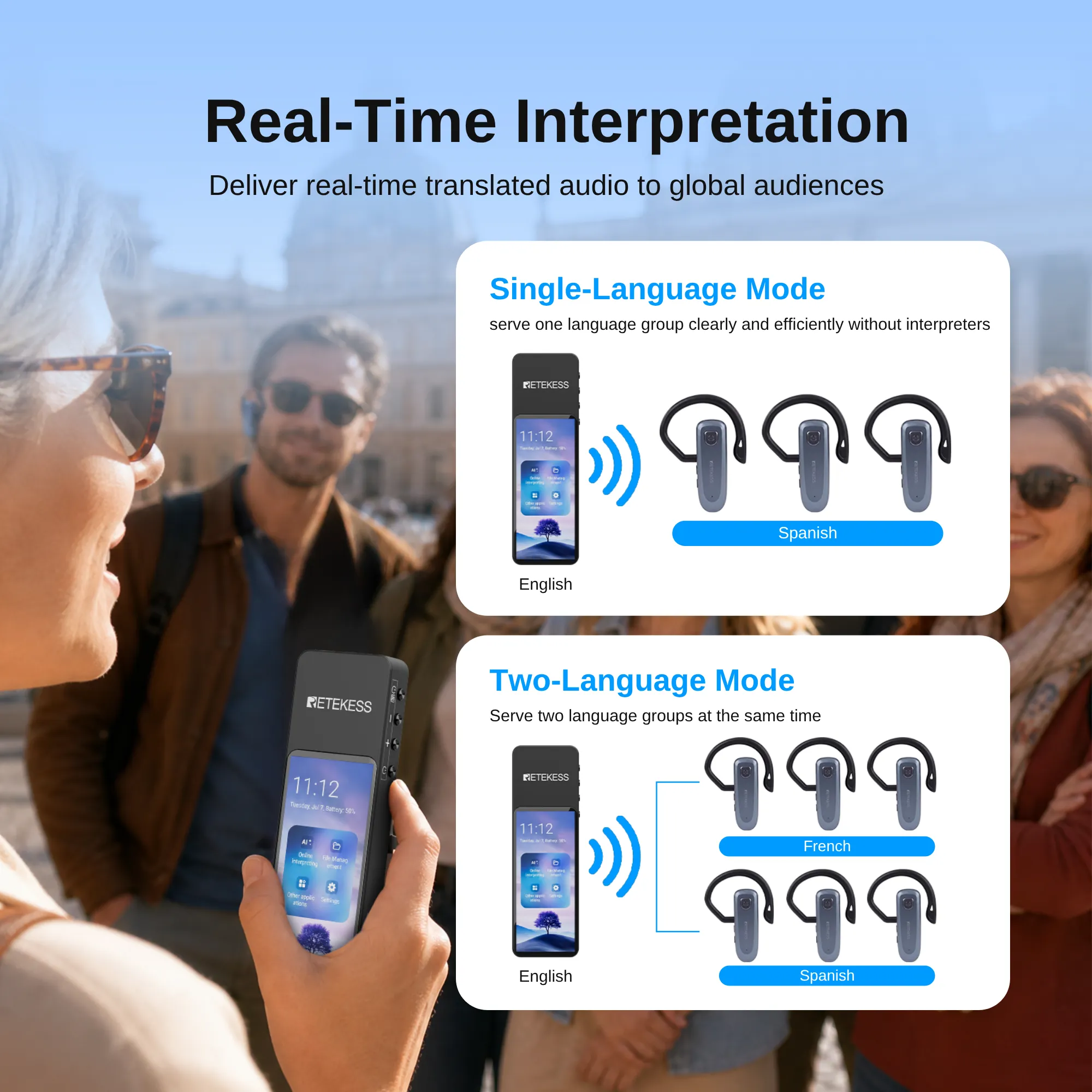
A language translation device does not replace the guide. It helps the guide share information more clearly. It reduces the limits caused by language differences and keeps the tour moving in a natural way. That matters in busy festival settings where the guide has limited time and the group has many stops.
This is why many venues now see multilingual guided tours as a basic part of modern cultural service. They improve access, keep visitors engaged, and make the overall visit feel more complete.
4. Turning Multilingual Access into Festival Growth and Revenue
For arts festival organizers and venue teams, multilingual access has a clear business value.
Better communication improves visitor satisfaction
When visitors understand what they hear, they feel more welcome. They can follow the event more easily. They also feel more confident asking questions and joining activities. That leads to better visitor satisfaction.
Longer engagement creates more business opportunities
A clearer and more enjoyable visit often leads to longer stays. Visitors may join a guided tour, spend more time in a gallery, buy merchandise, or stop for food and drinks. Good communication supports all of these touchpoints.
Multilingual experiences strengthen reputation
International arts festival visitors share their experiences online. They talk to friends. They leave reviews. A venue that offers strong multilingual support can build a better image in cultural tourism markets. Over time, that can bring more repeat visitors and more word-of-mouth growth.
This is why language support should be seen as a growth tool, not only a service feature. In many cases, a language translation device helps venues turn better communication into stronger commercial results.
5. What Makes a Language Translation Device Suitable for Arts Festivals?
Not every system fits festival use. Arts events move fast, switch spaces often, and serve many kinds of audiences. That means the device must be practical as well as clear.
Clear and natural audio quality
Visitors need to hear the guide without strain. This matters for exhibitions, performances, and outdoor events. The sound should stay clear and steady, even in busy or open areas.
Support for group tours and large events
Festivals often host groups of different sizes. A good tour guide translation system should support multiple users and allow flexible group management. That helps the venue serve more guests without losing clarity.
Easy setup for busy environments
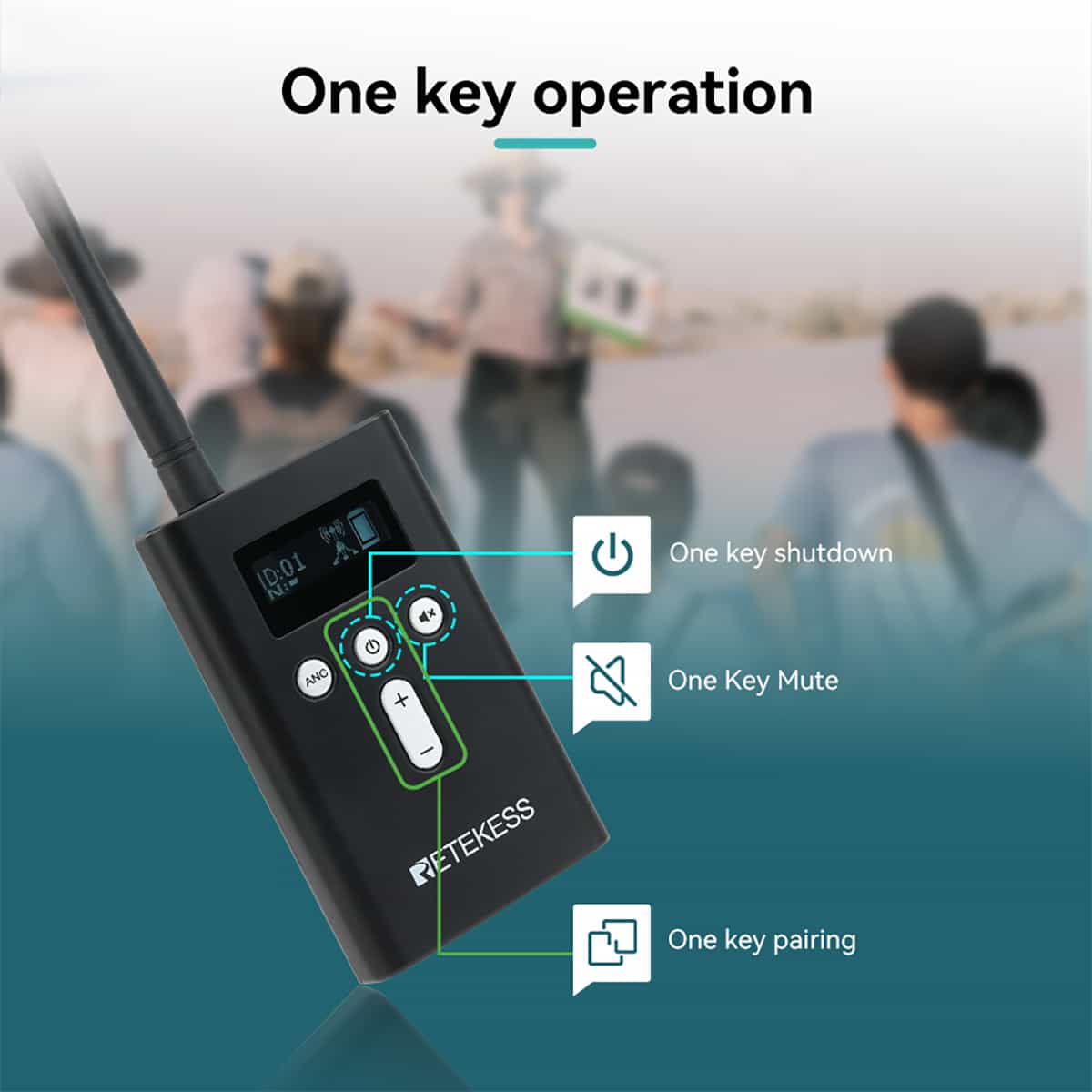
International arts festivals often use several venues and changing schedules. Staff need a system that is quick to deploy and simple to operate. Complicated tools slow the team down and create more work.
Comfort and reliability for long sessions
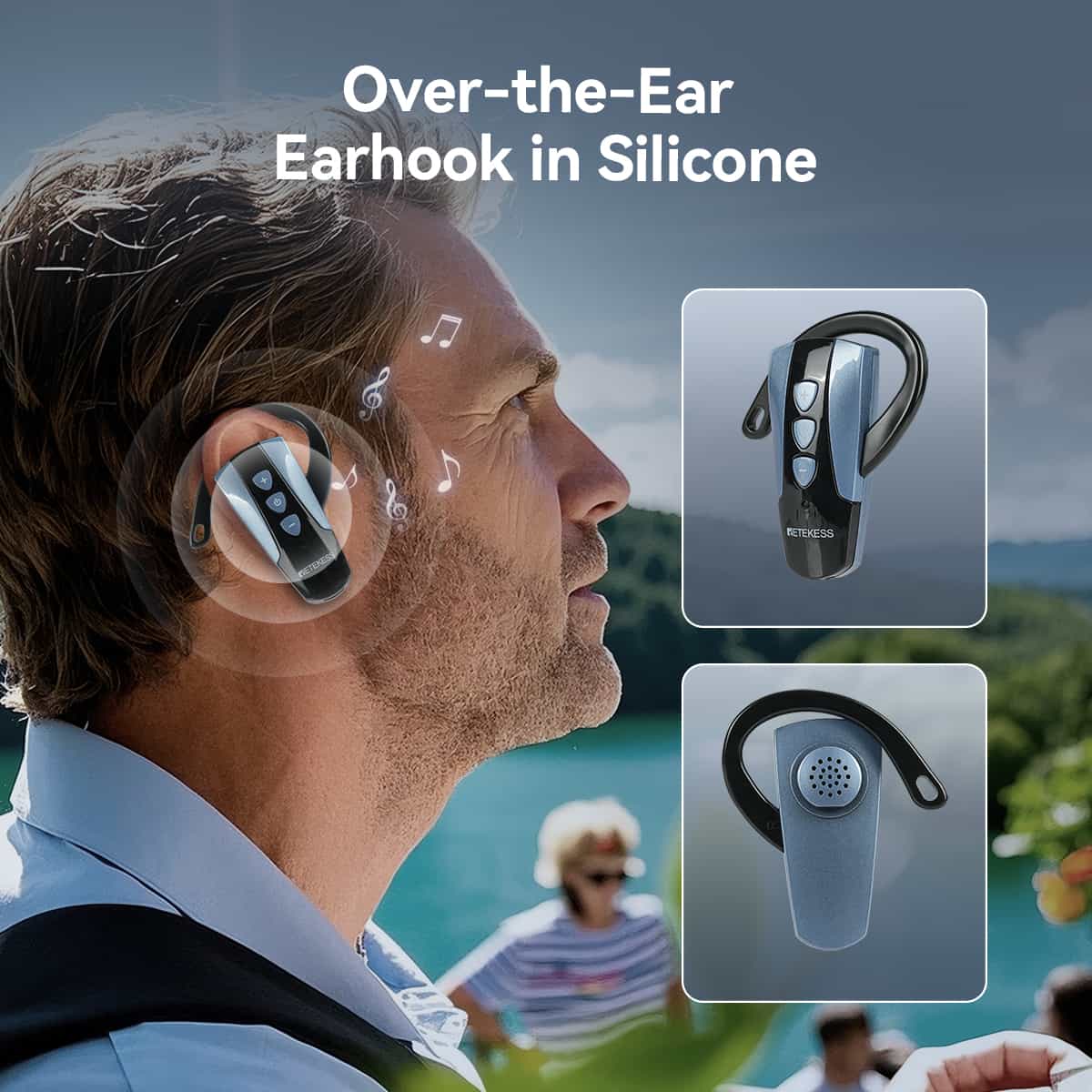
Visitors may wear devices for a long time during a tour or a full event visit. The equipment should feel light, work for long hours, and hold up well during daily use.
These practical points matter because festival staff need tools that work in the real world, not just on paper. A solid language translation device or multilingual audio system should help the event run better, not add stress.
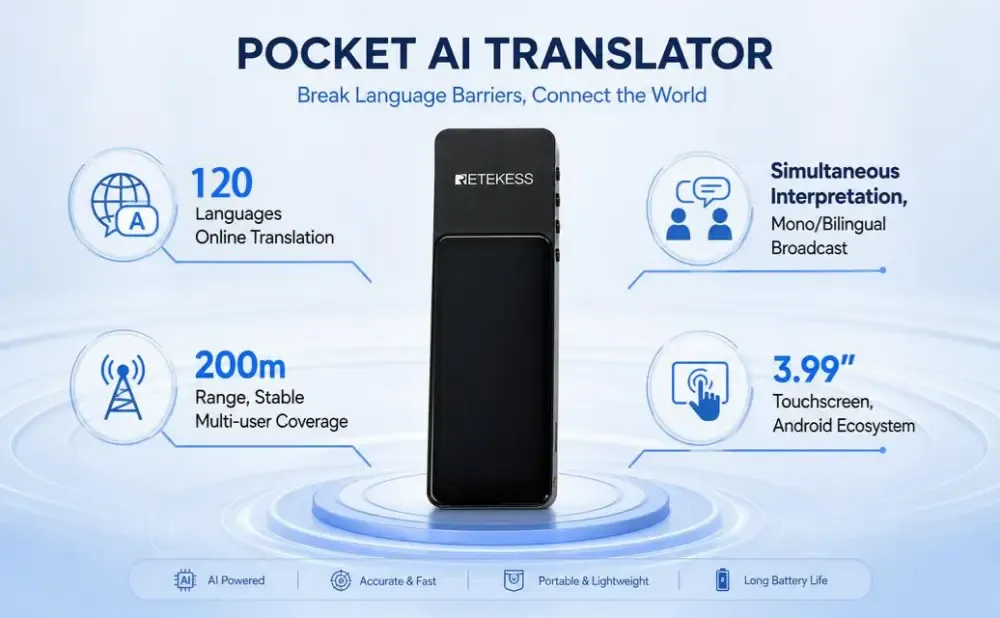
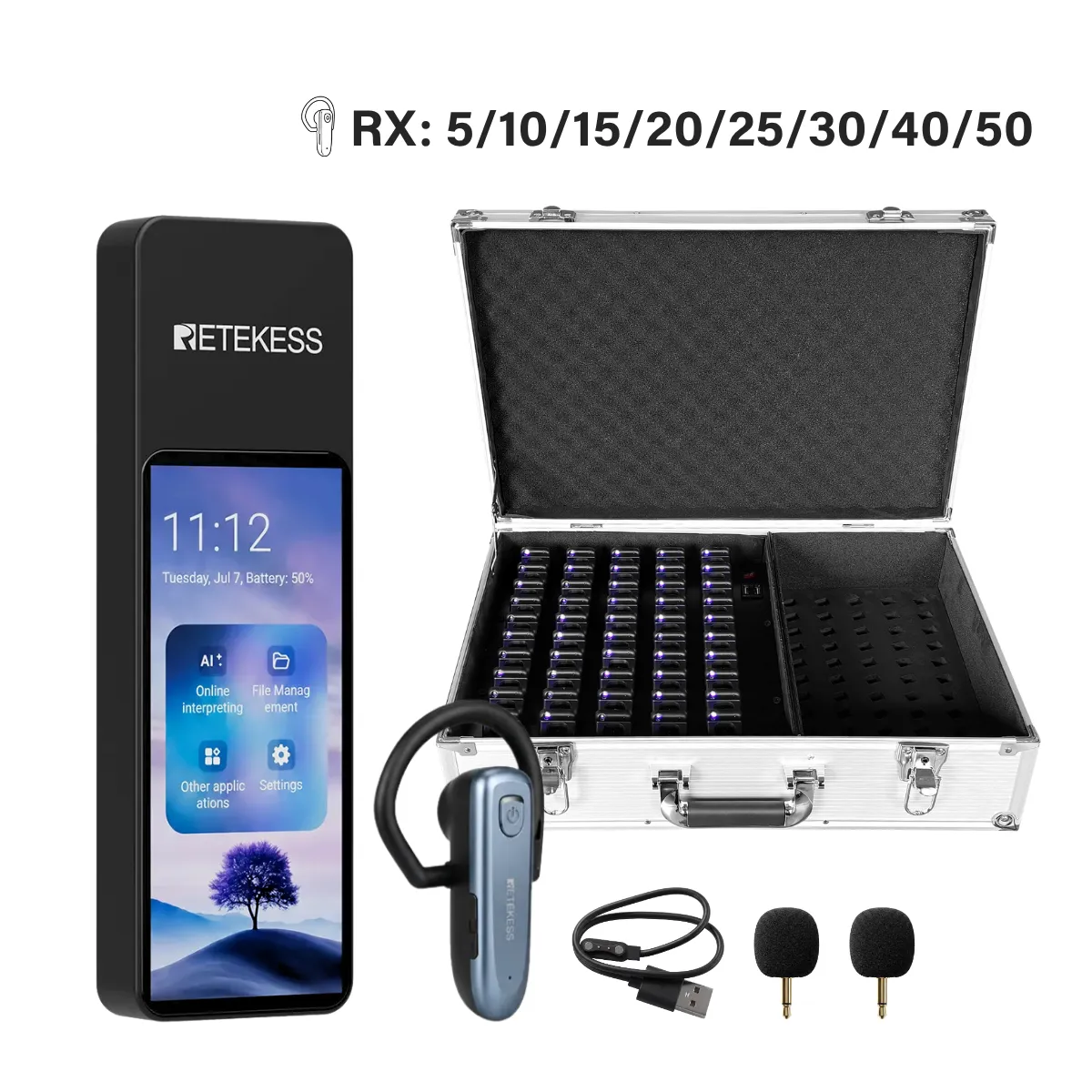
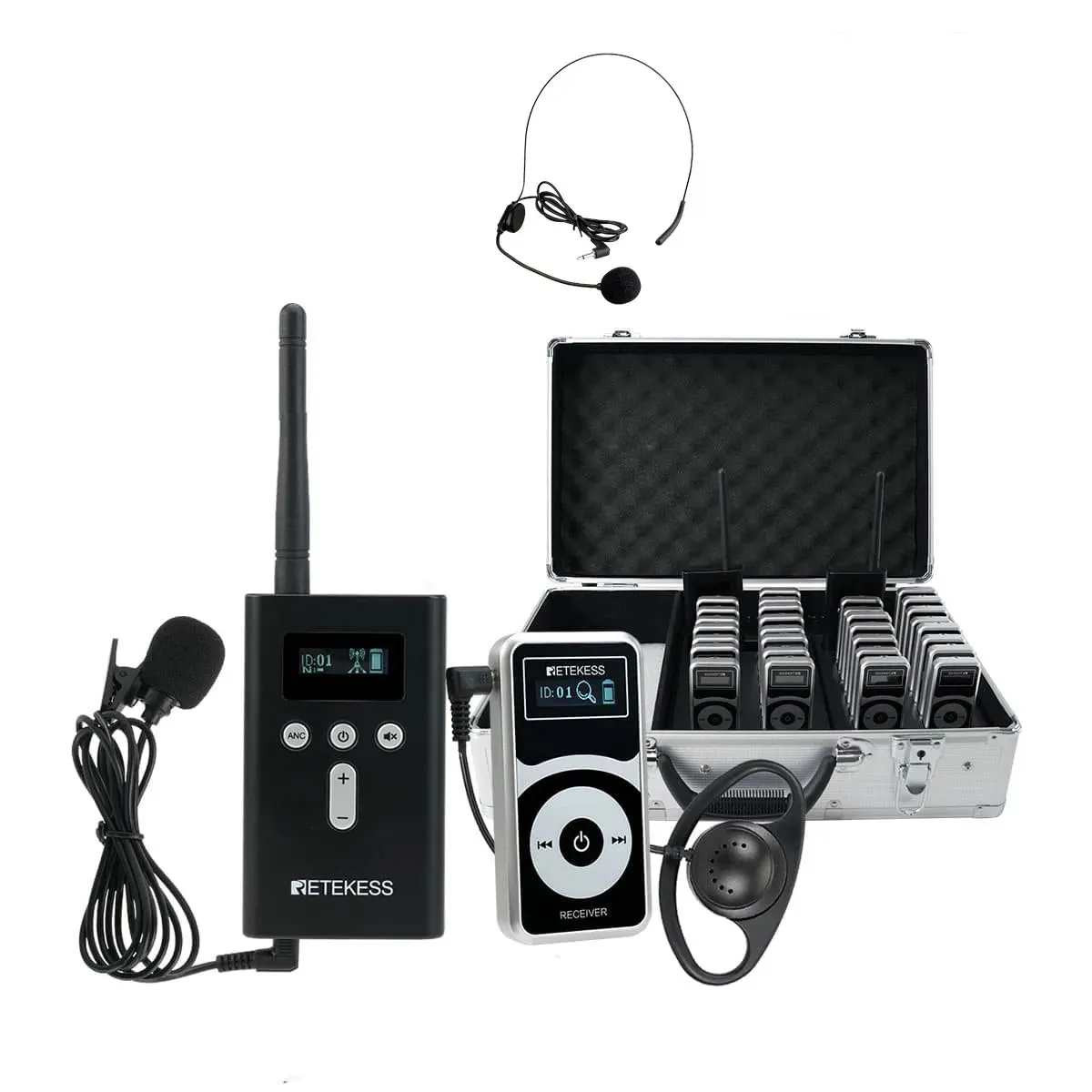
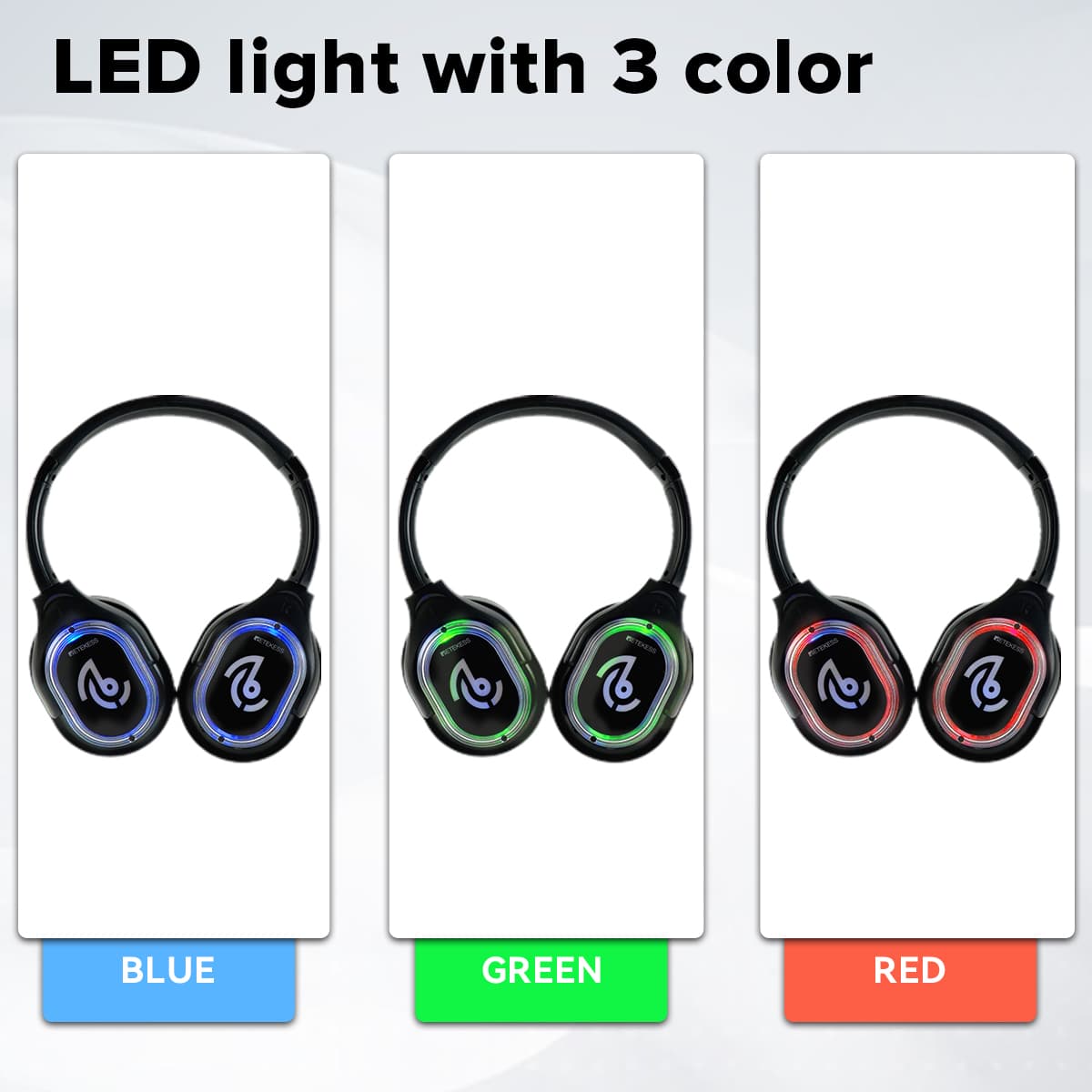
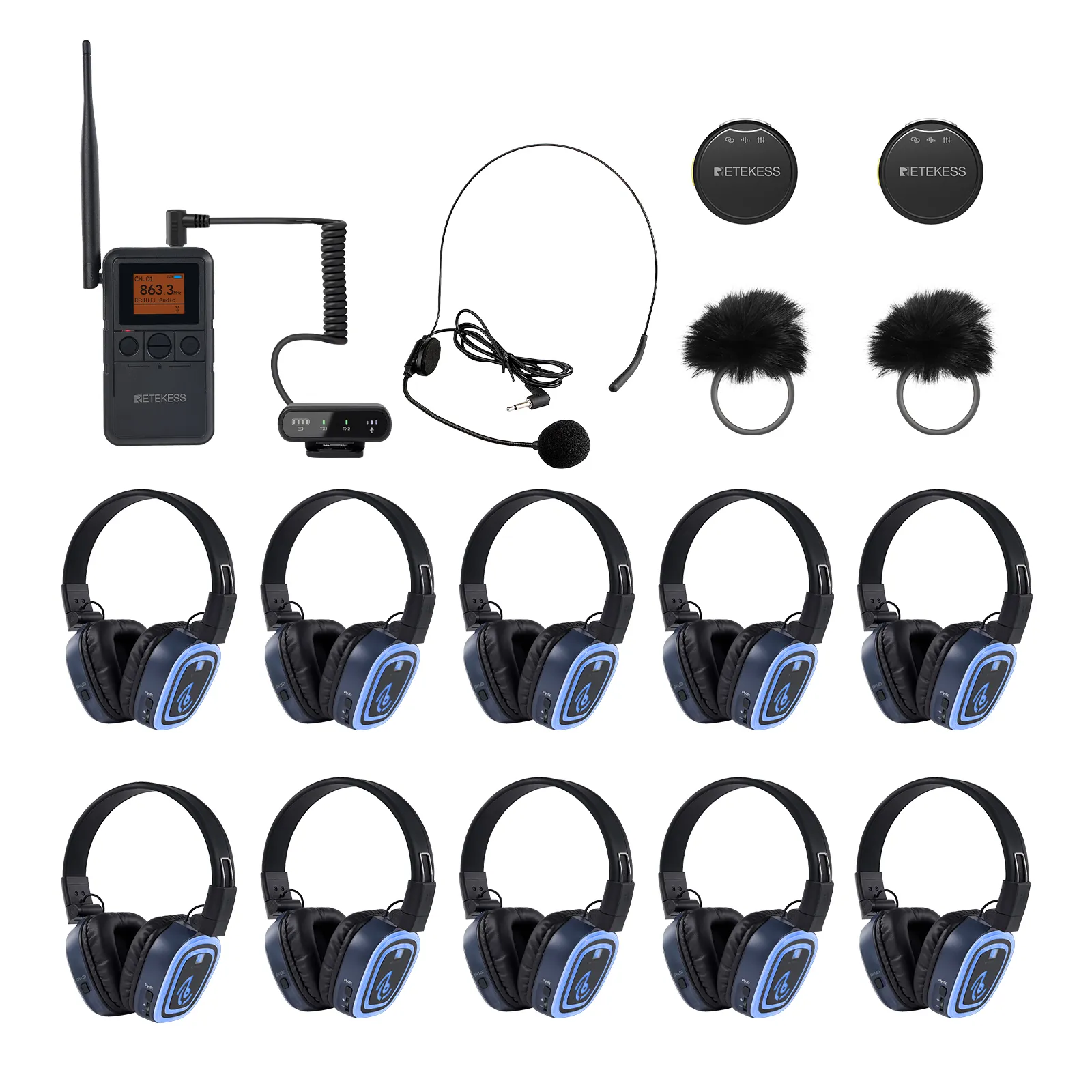
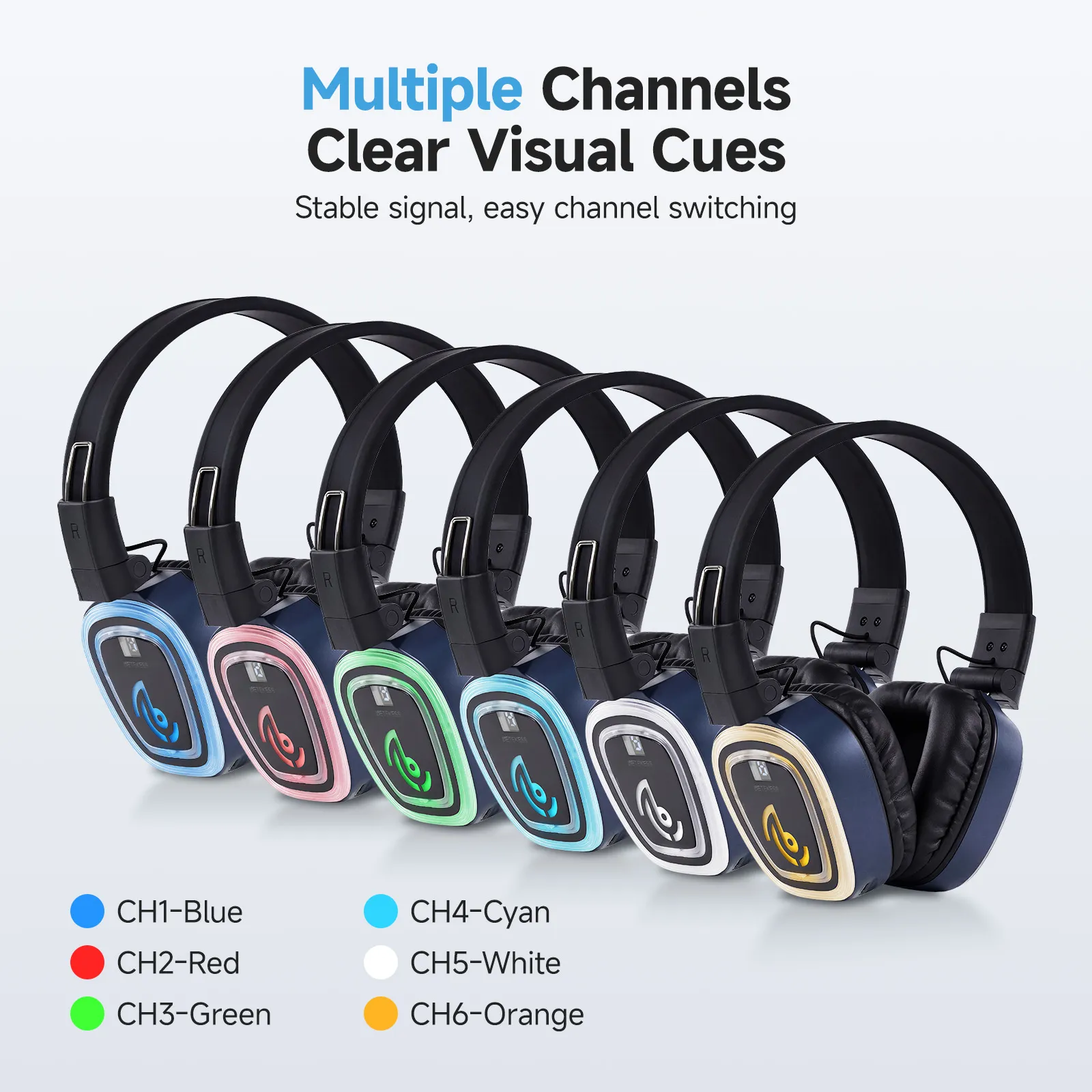
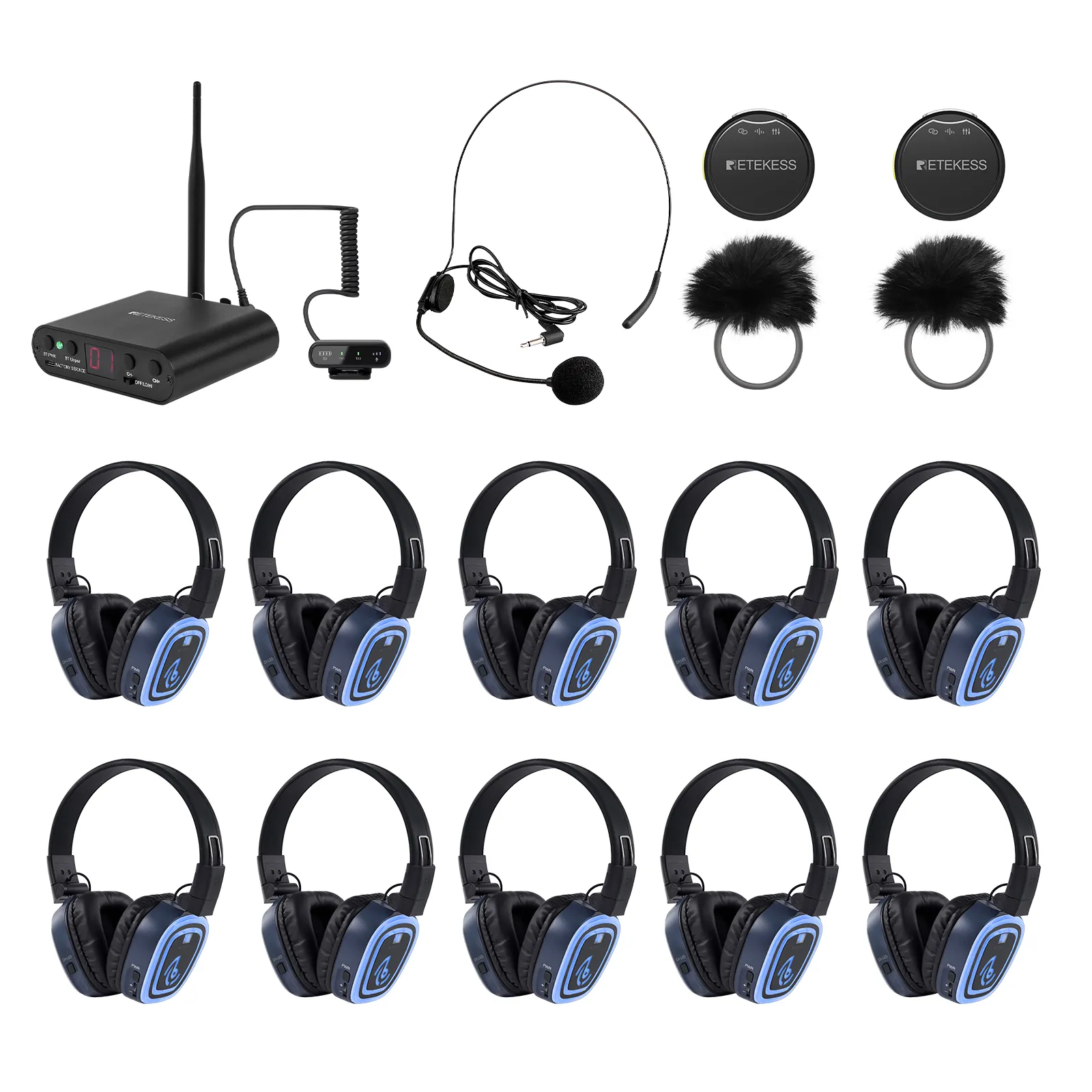
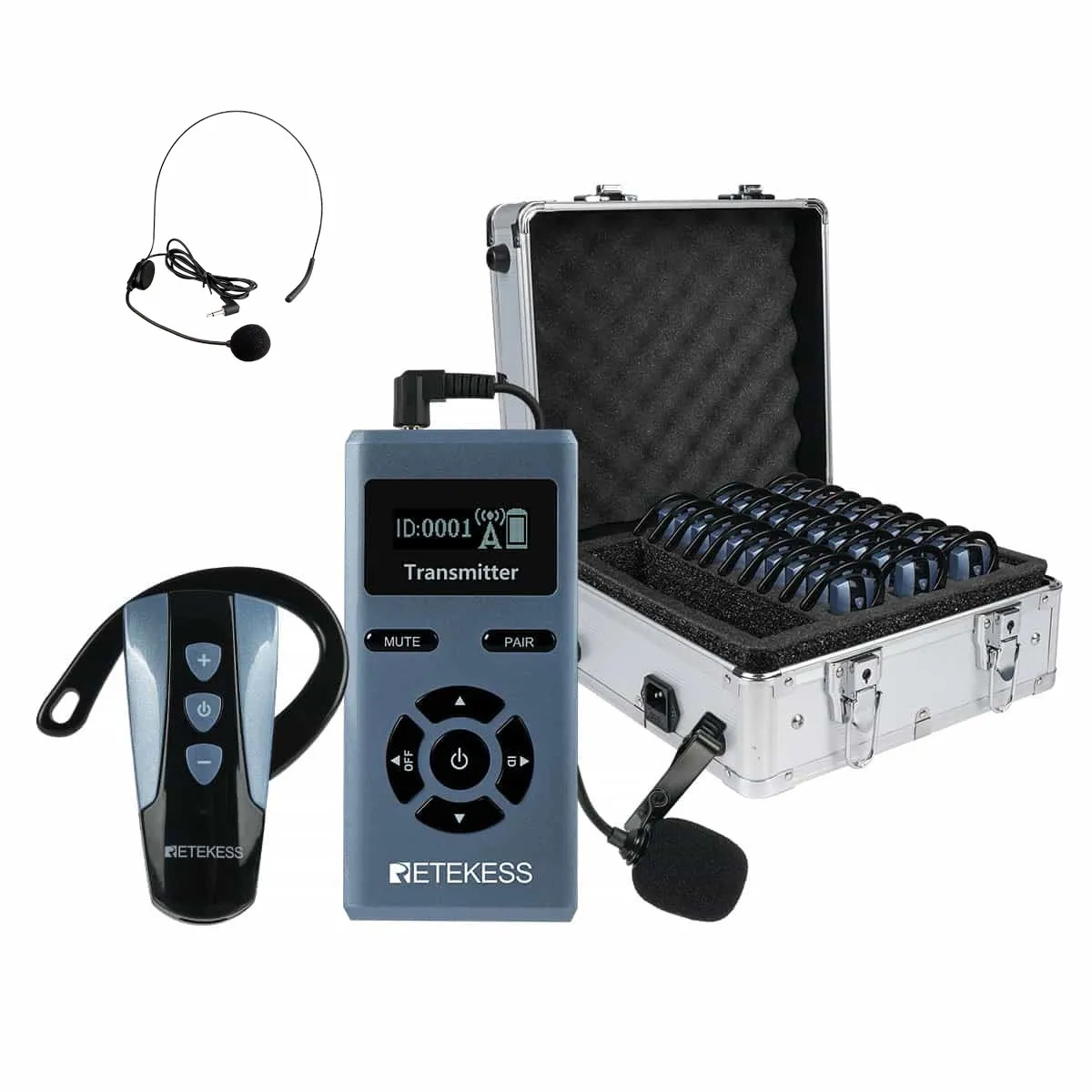
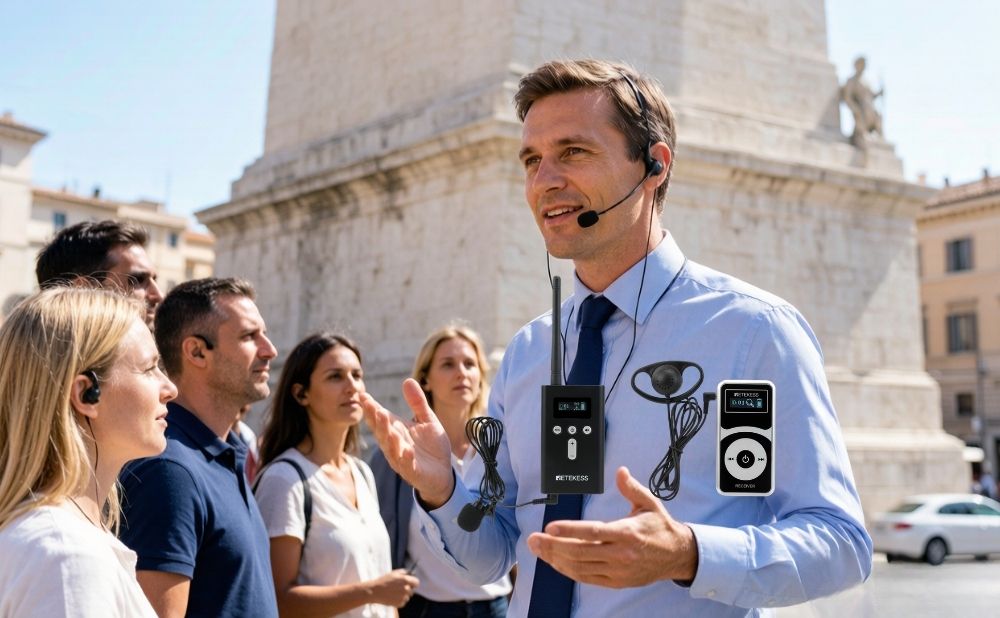
These points help venues choose a system that fits the real work of arts festivals. For venues that want a simple and reliable setup, Retekess TT136 can help support multilingual guided tours and improve visitor communication during busy festival days.
6. The Future of International Arts Festivals: More Accessible, More Connected, More Inclusive
International arts festivals tour will likely become even more global in the years ahead. More visitors will come from different regions. More events will mix art, travel, and local culture. More venues will need to think about access from the start.
That does not mean technology replaces culture. It means technology helps more people take part in it. A better language translation device gives visitors a clearer path into the experience. It helps them listen, learn, and connect without feeling lost.
For organizers, that is a strong future direction. It supports inclusion, improves service quality, and helps festivals tour grows in a healthy way. When visitors can understand more, they enjoy more. When they enjoy more, they stay longer, share more, and come back again.
Final Takeaway: Better Communication Builds Better Cultural Experiences
For international arts festivals tour, communication is now part of the visitor journey. Multilingual guided tours transaltion device help venues improve visitor experience, support cultural tourism, and build stronger festival results. A language translation device makes that easier by helping guests understand the guide, stay engaged, and feel part of the event.
As festivals grow more global, the venues that communicate well will stand out. Better communication helps visitors enjoy the art more deeply and helps organizers build a stronger future.
Leave a Reply

![[18th Anniversary] 18 Years of Echoing Excellence: Making Communication Easier, Connecting Trust Beyond Borders](https://res.retekess.com/z_file/20260716/retekess-brand-story-making-communication-easier_20260716151044_7682.jpg)
![[18 Years in Wireless Communication] Silent Disco Systems Anniversary Celebration: Top-Selling Headphones & Event Mechanics Revealed!](https://res.retekess.com/z_file/20260713/18-years-in-wireless-communication-silent-disco-systems-anniversary-celebration_20260713175011_5749.webp)
![[Anniversary Carnival] Ding-dong! 18th Anniversary Mega Sale on Guest Paging & Calling Systems: Full Reveal of 12+ Products & Promo Rules!](https://res.retekess.com/z_file/20260713/18th-anniversary-mega-sale-on-guest-paging-calling-systems_20260713175257_0295.webp)
![[Retekess 18th Anniversary Teaser] Tour Guide System Exclusive Perks: Sneak Peek at Event Dates & Mechanics!](https://res.retekess.com/z_file/20260713/retekess-18th-anniversary-tour-guide-system-exclusive-perks--2-_20260713180135_6435.webp)
Follow Us
Pay With


 Google
 Amazon
Comments (0)