
Table of Contents
Museum Audio Guide for Campus Exhibits: Multilingual Group Tours
- Retekess
- Aug 14, 2026
Practical audio support for history halls, specimen galleries and international student visits
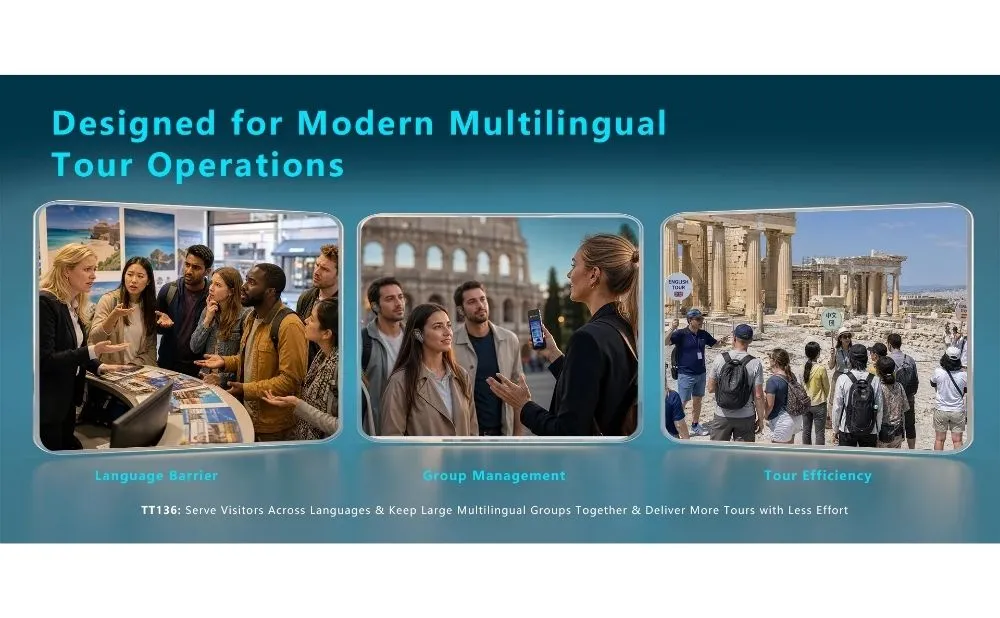
Campus exhibit spaces operate with small teams and high visitor diversity. On any given day, staff handle scheduled class field trips, walk-in international student groups and casual independent visitors. Each group expects a different level of guidance, and live in-person commentary alone cannot cover all of them well.
Relying only on live guided tours creates clear limits. Guides repeat the same core exhibit information for every group, which takes time away from deeper educational work. Multilingual tours are difficult to schedule for less common languages. Multiple groups in the same gallery also create overlapping noise that lowers the quality of every visit.
A 2-in-1 audio guide system resolves these tradeoffs. It supports live group voice transmission and real-time multilingual interpretation in one set of equipment. This format fits the mixed-use rhythm of campus exhibit spaces perfectly.
Core Operational Challenges for Campus Exhibit Teams
Three pain points appear consistently across university museum and gallery operations.
First, repetitive commentary consumes most staff hours. Live guided tours remain the standard for class visits, but they force educators to deliver the same basic facts multiple times per day. This leaves little time for Q&A, exhibit updates or program development. Volunteer guides only cover fixed time slots, so many walk-in visitors receive no structured content at all.
Second, multilingual service gaps reduce value for international students. Most campus museums welcome large numbers of international visitors each year. Hiring live interpreters for every needed language is not budget-feasible, and traditional pre-recorded multilingual content carries high production costs. Many spaces only offer English-language support, which limits the educational impact for non-native speakers.
Third, concurrent group visits create noise and interference. When multiple classes or tour groups enter the same gallery at the same time, traditional loudspeaker commentary overlaps. Visitors struggle to hear their guide clearly, and the noise disrupts the quiet exhibit environment. Separate time slots for each group reduce daily visitor capacity significantly.
How a 2-in-1 Audio Guide System Improves Every Visit Type
A system that handles both live voice transmission and real-time multilingual interpretation addresses all three pain points directly.
Reduces repetitive work for education teams
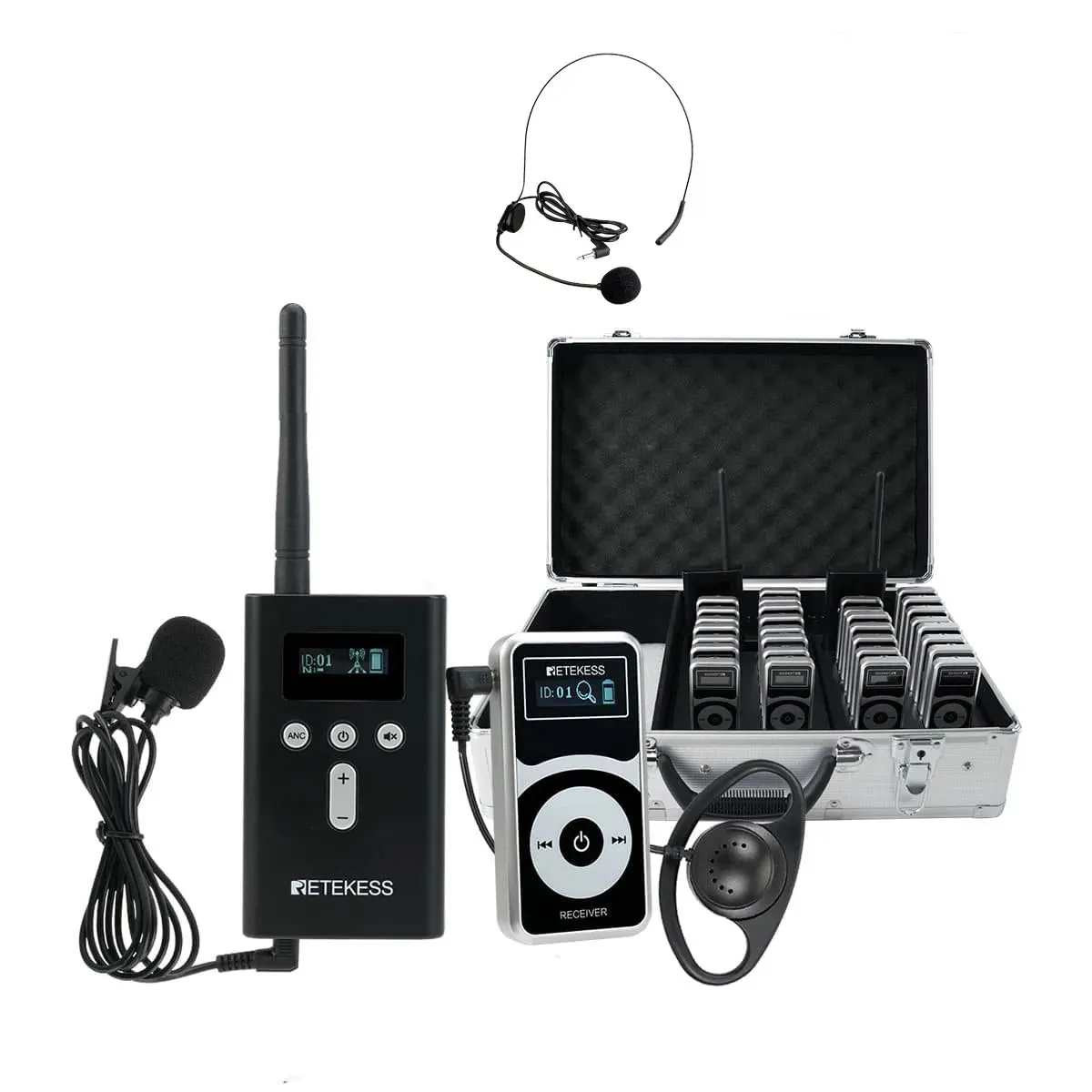
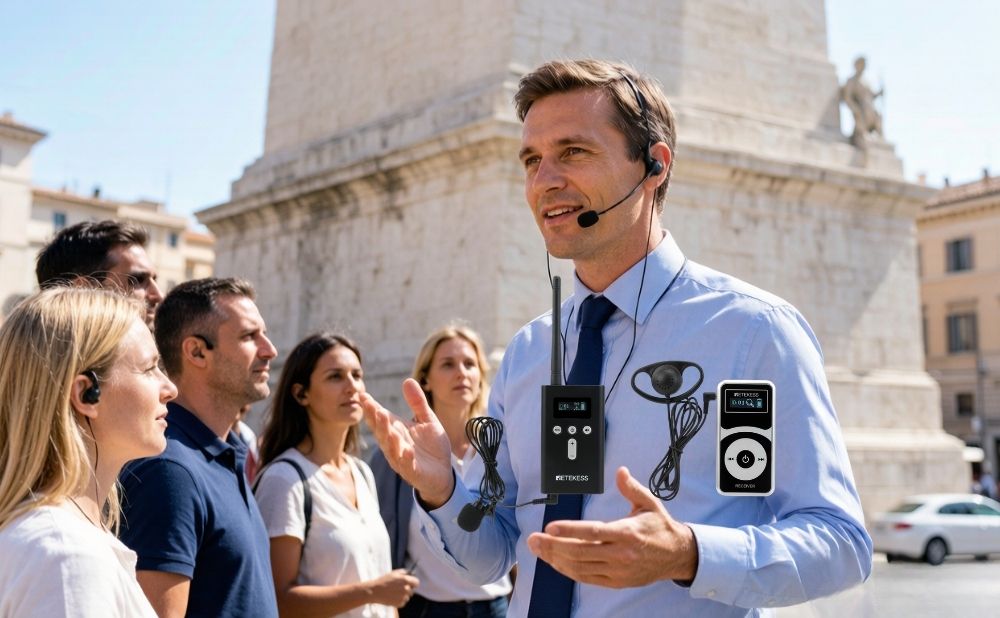
Clear one-way voice transmission lets guides speak at a normal volume and be heard by every listener in the group. Staff still lead each tour, but they no longer need to raise their voices or repeat points for listeners at the back of the group. The system also supports two-way communication, so students can ask questions without interrupting the rest of the gallery.
Scalable multilingual support for diverse visitor groups
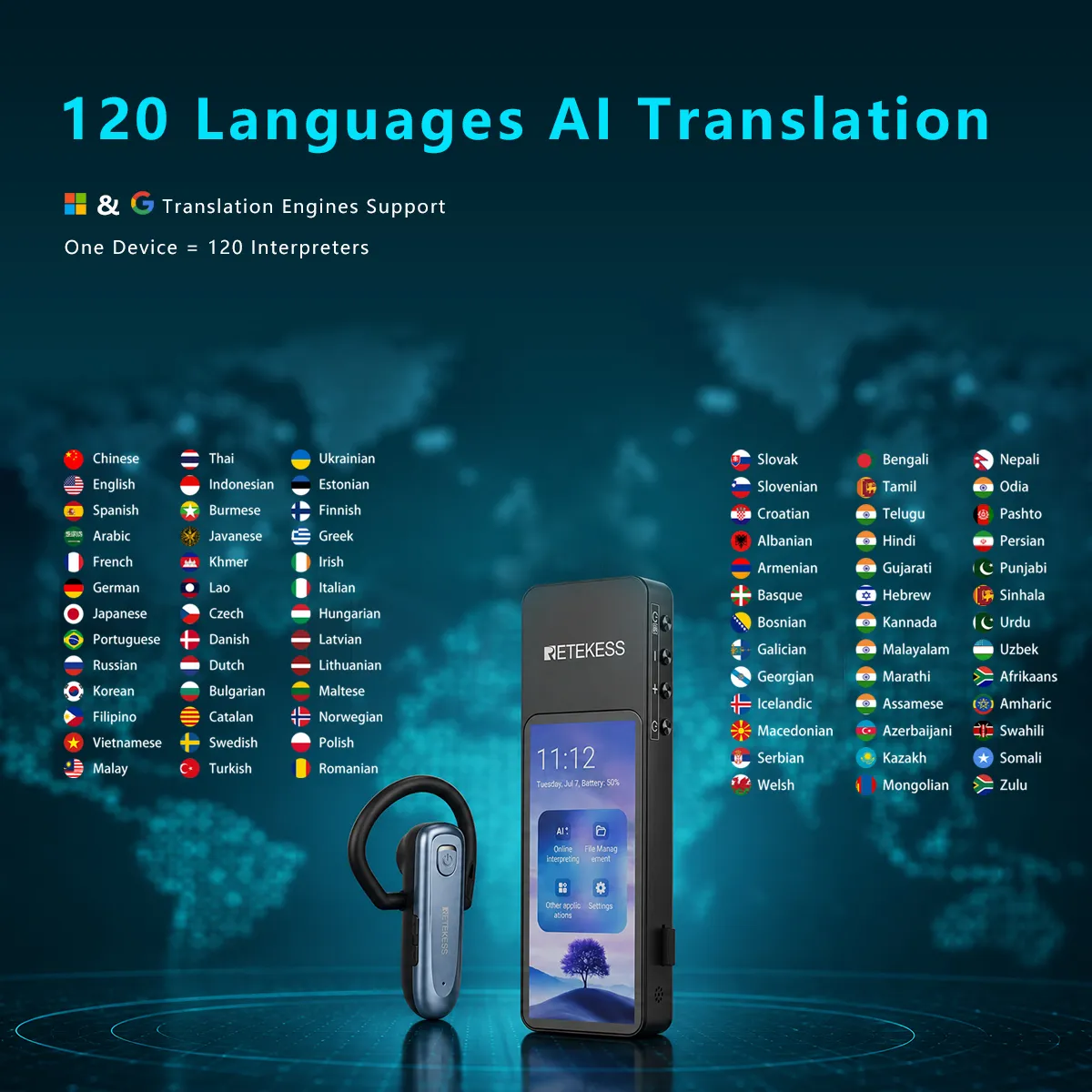
Built-in AI translation supports over 120 languages. For mixed-language student groups, the system translates live commentary into each listener’s chosen language simultaneously. This removes the need to hire specialized multilingual guides for routine visits, and makes exhibits accessible to a wider range of international students.
Enables quiet concurrent group visits
Each group operates on its own independent channel. Multiple tours can run in the same gallery at the same time with no audio overlap. There is no need to stagger group entry times, and the exhibit space stays quiet for all visitors. This increases daily visitor capacity without lowering the quality of the experience.
What to Look For in a Reliable Audio Guide System
Four features matter most for campus exhibit spaces.
- Reliable indoor signal. Steady coverage through exhibit walls and across full gallery floors, with no dropouts.
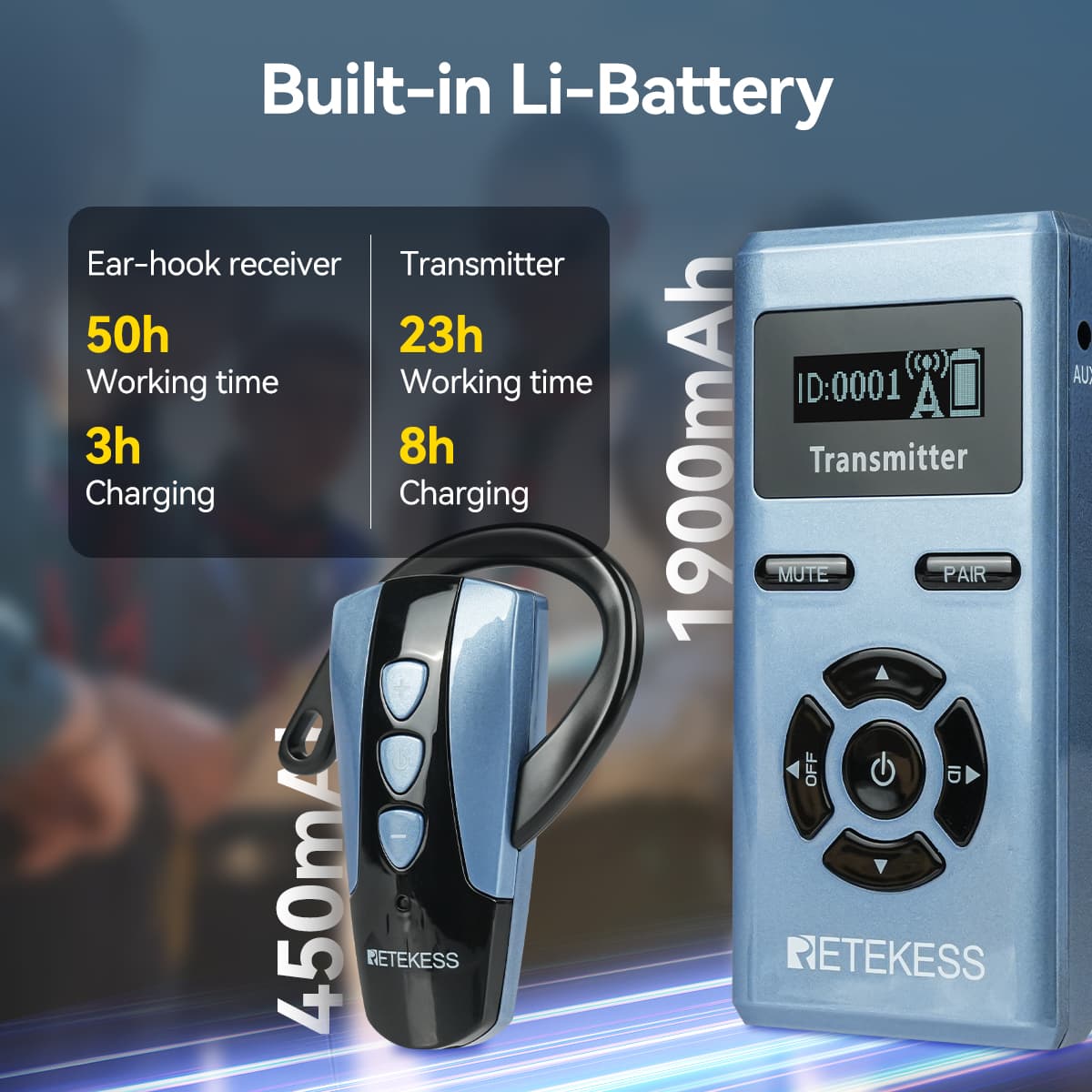
- Long battery life. All-day runtime for standard guided tours, with enough capacity for back-to-back groups.
- Simple operation. Intuitive controls that work for all visitors, with no specialized technical training required for staff.
- Multilingual translation support. Built-in real-time interpretation to serve international student groups without extra interpreters.
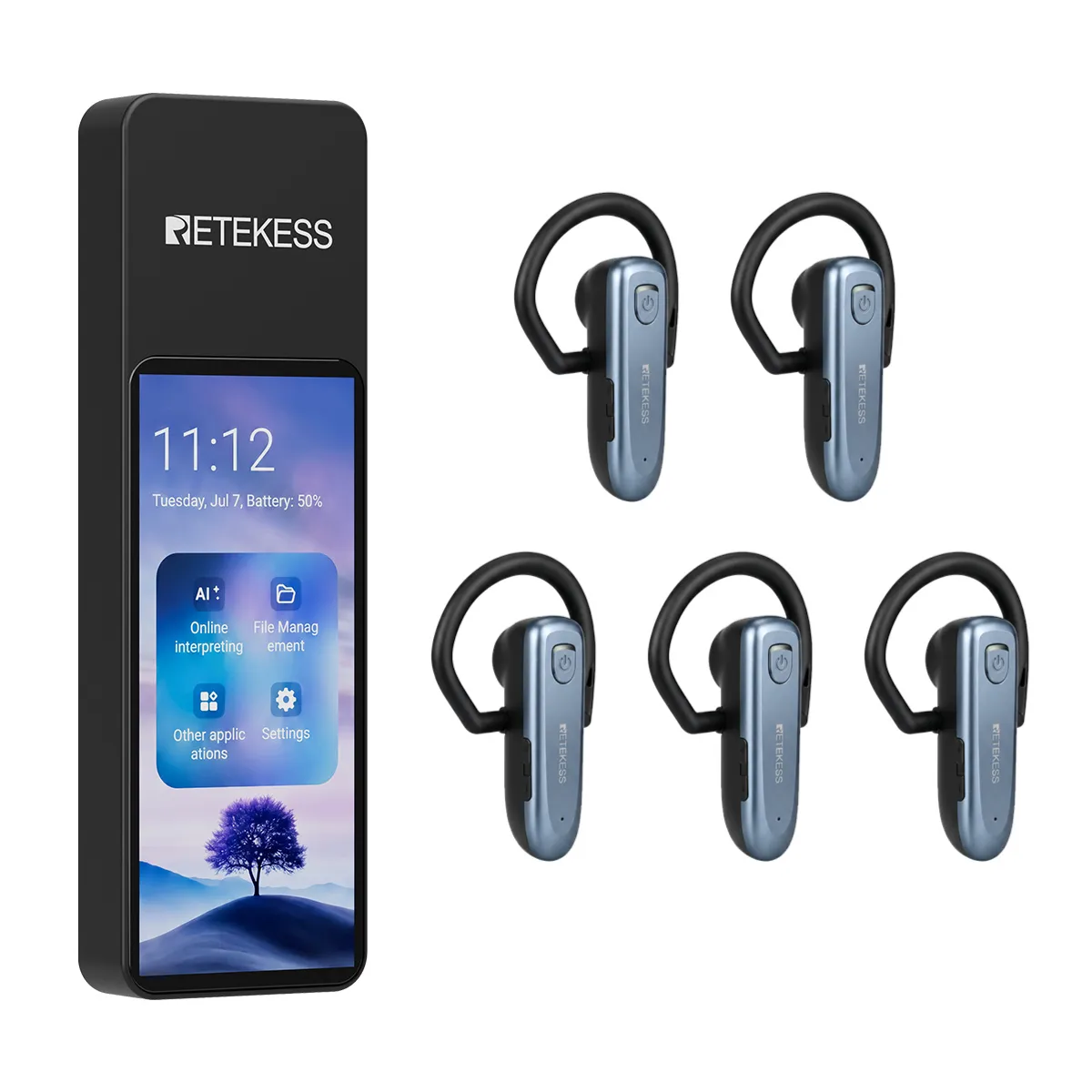
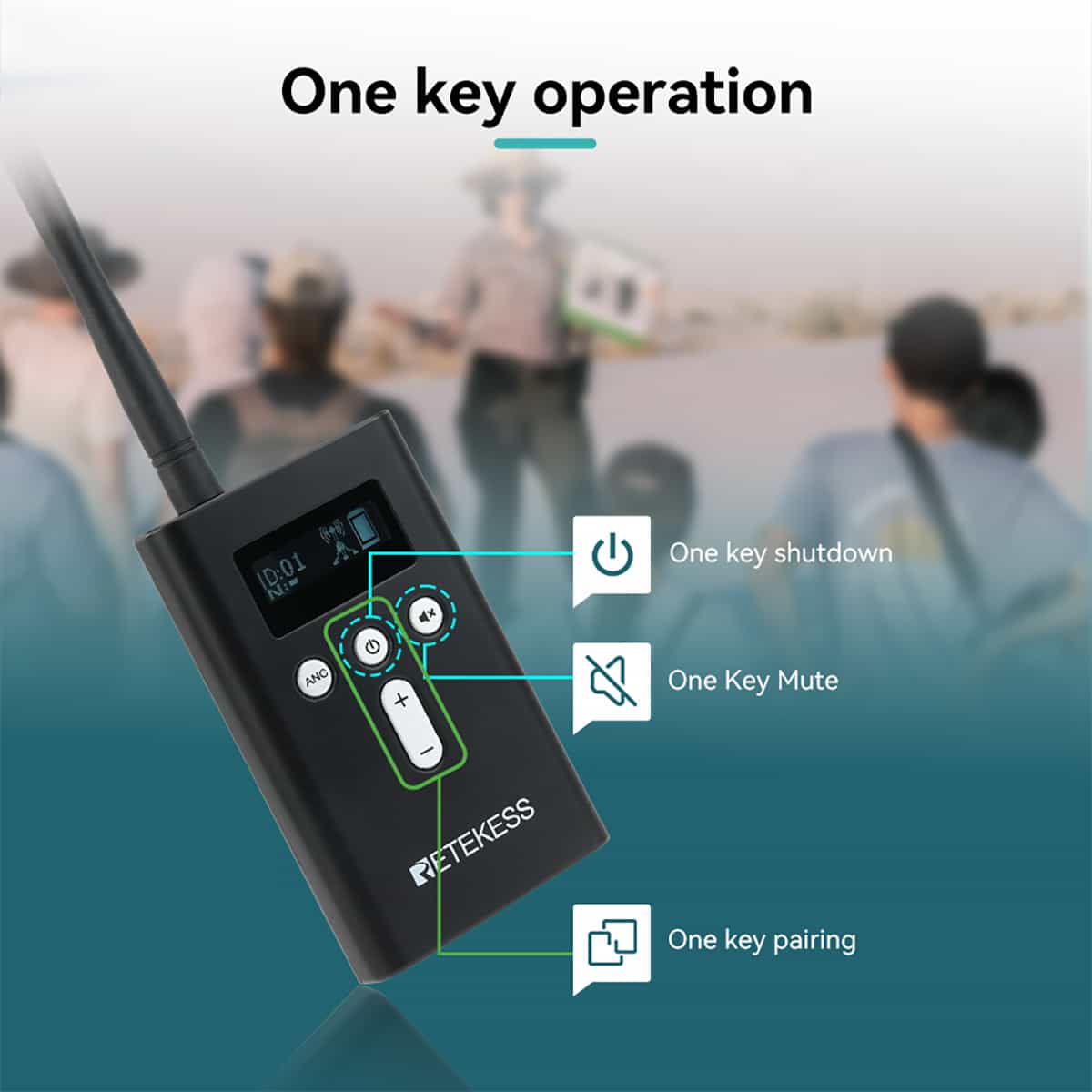
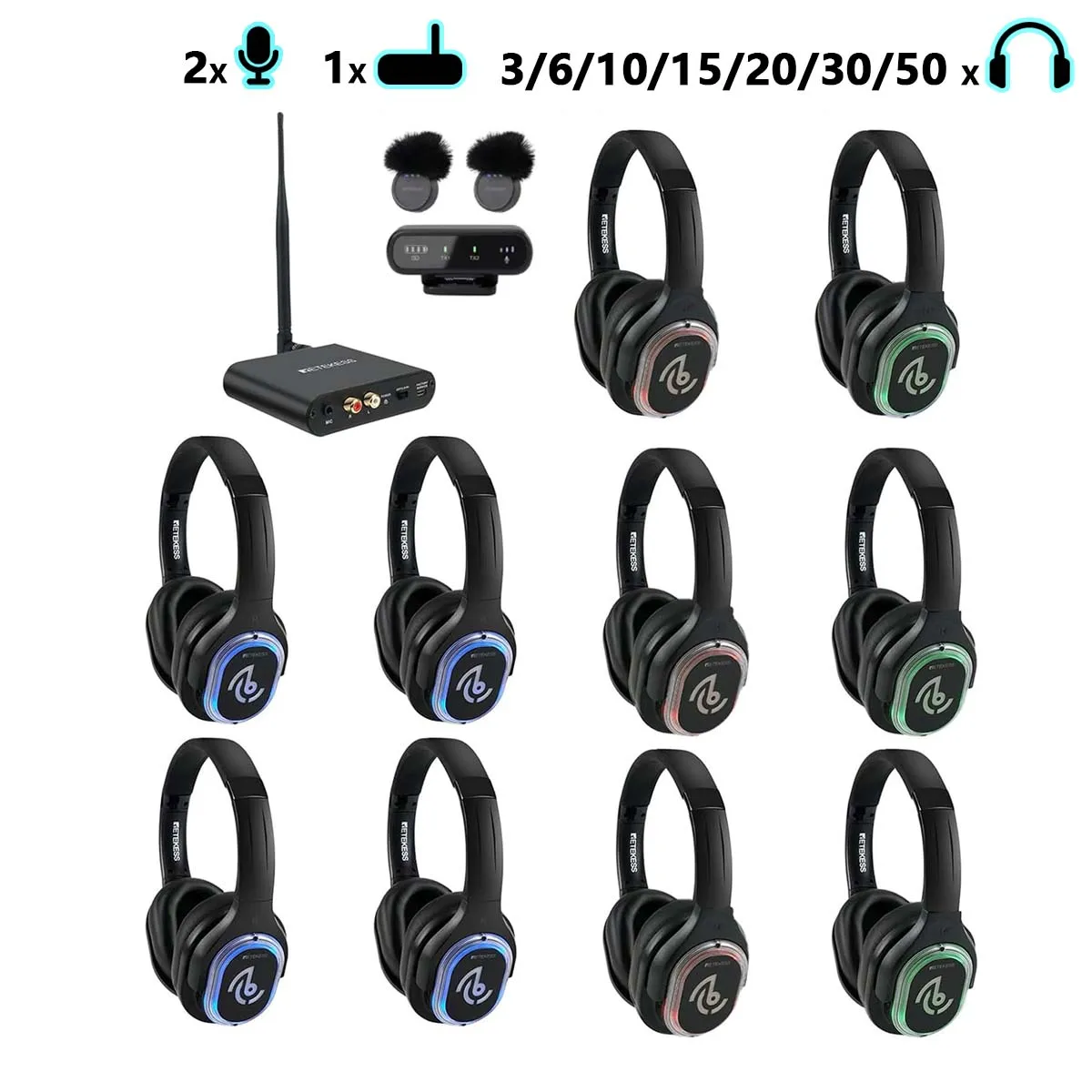
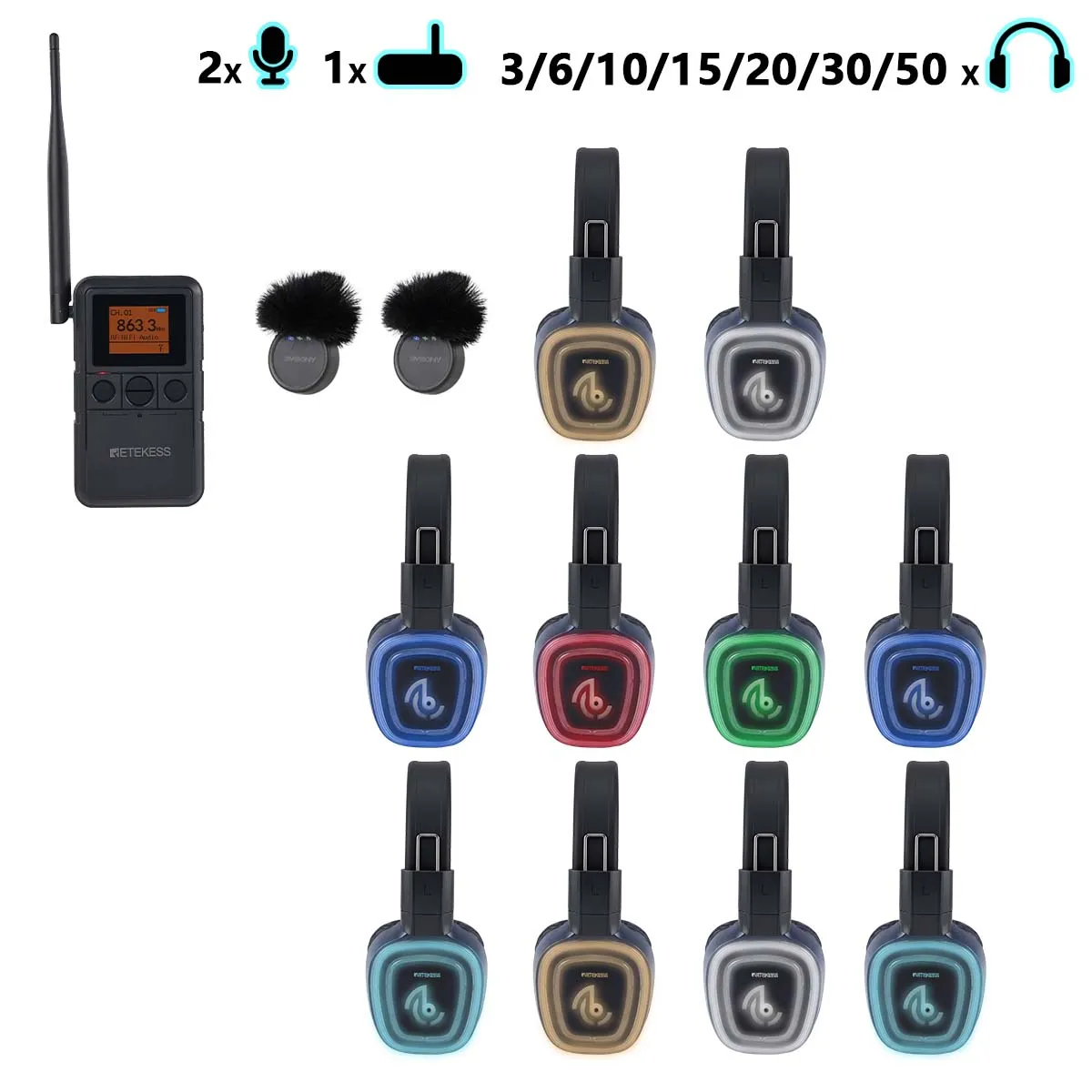
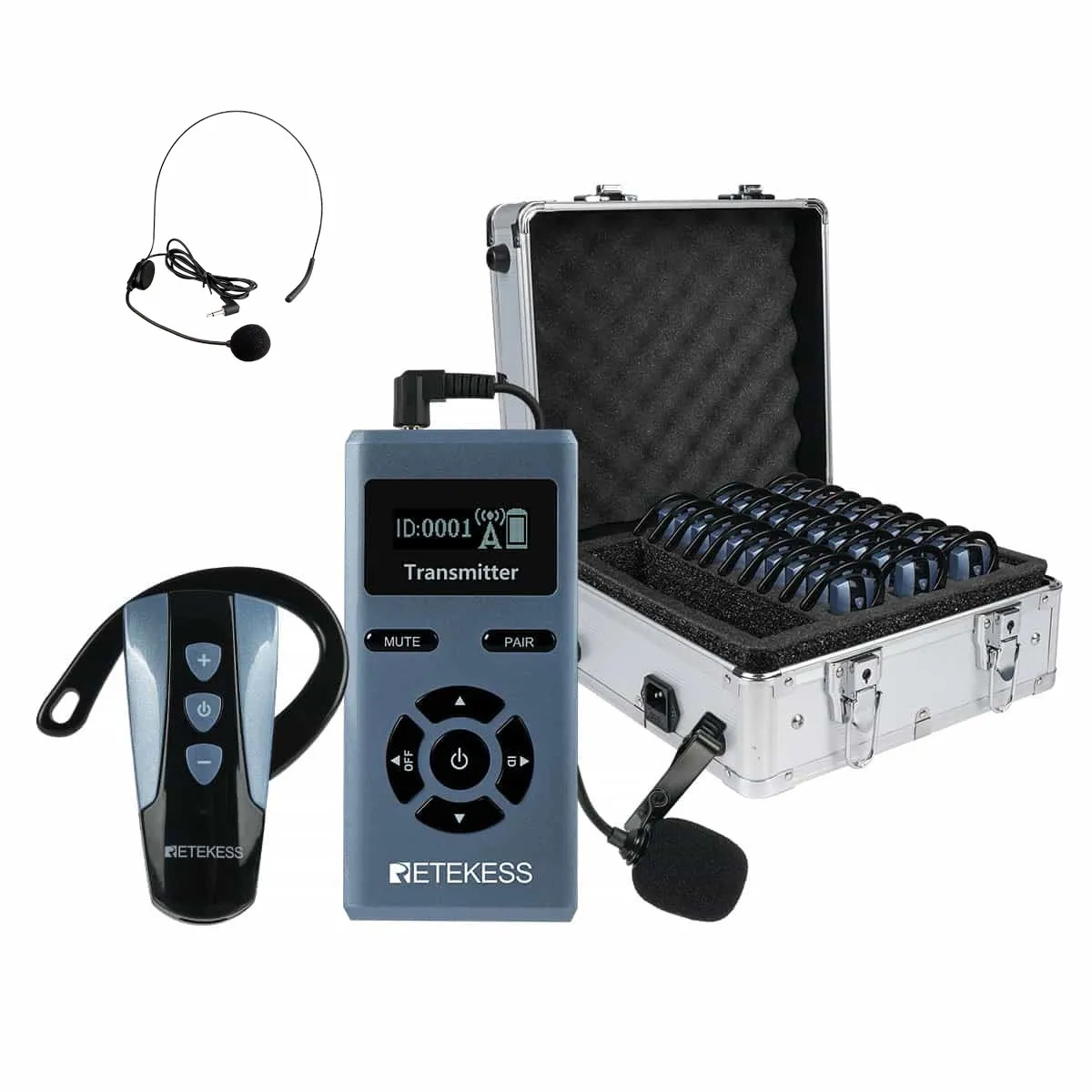
The Retekess TT136 system matches these requirements. It delivers stable 2.4G signal with a 150–200 meter open-air range, which covers full gallery floors and adjacent outdoor exhibit areas. It supports 120 languages for real-time AI translation, and runs approximately 20 hours on a single charge for standard voice transmission. The system supports independent group channels and two-way communication, with lightweight ear-hook receivers that are comfortable for extended visits.
Note: Translation function runtime is approximately 4–6 hours per charge. Actual performance varies by operating conditions.
Frequently Asked Questions
Can multiple groups use the system in the same gallery at the same time? Yes. Each group uses a separate channel. There is no audio interference between groups, and the gallery stays quiet for all visitors.
Does the system work for international student groups with mixed language backgrounds? Yes. The system supports real-time multilingual translation. Visitors select their preferred language, and all commentary plays in their chosen language simultaneously.
How long does it take to set up the system for daily use? Basic setup takes only a few minutes. Receivers are pre-charged and ready for distribution. No complex wiring or technical training is required.
Conclusion
Campus exhibit spaces do not need to choose between high-quality guided tours, multilingual access and a quiet visitor environment. A 2-in-1 audio guide system supports all three, reduces staff workload, and closes multilingual service gaps for international visitors.
The TT136 system fits the flexible, mixed-use nature of campus history halls, specimen galleries and other exhibit spaces. It delivers reliable performance, scalable language support and simple operation for small museum and education teams.
Contact us to receive a custom configuration recommendation for your specific exhibit space and visitor volumes.
![[18th Anniversary] 18 Years of Echoing Excellence: Making Communication Easier, Connecting Trust Beyond Borders](https://res.retekess.com/z_file/20260716/retekess-brand-story-making-communication-easier_20260716151044_7682.jpg)
![[18 Years in Wireless Communication] Silent Disco Systems Anniversary Celebration: Top-Selling Headphones & Event Mechanics Revealed!](https://res.retekess.com/z_file/20260713/18-years-in-wireless-communication-silent-disco-systems-anniversary-celebration_20260713175011_5749.webp)
![[Anniversary Carnival] Ding-dong! 18th Anniversary Mega Sale on Guest Paging & Calling Systems: Full Reveal of 12+ Products & Promo Rules!](https://res.retekess.com/z_file/20260713/18th-anniversary-mega-sale-on-guest-paging-calling-systems_20260713175257_0295.webp)
![[Retekess 18th Anniversary Teaser] Tour Guide System Exclusive Perks: Sneak Peek at Event Dates & Mechanics!](https://res.retekess.com/z_file/20260713/retekess-18th-anniversary-tour-guide-system-exclusive-perks--2-_20260713180135_6435.webp)
Follow Us
Pay With


 Google
 Amazon
Comments (0)