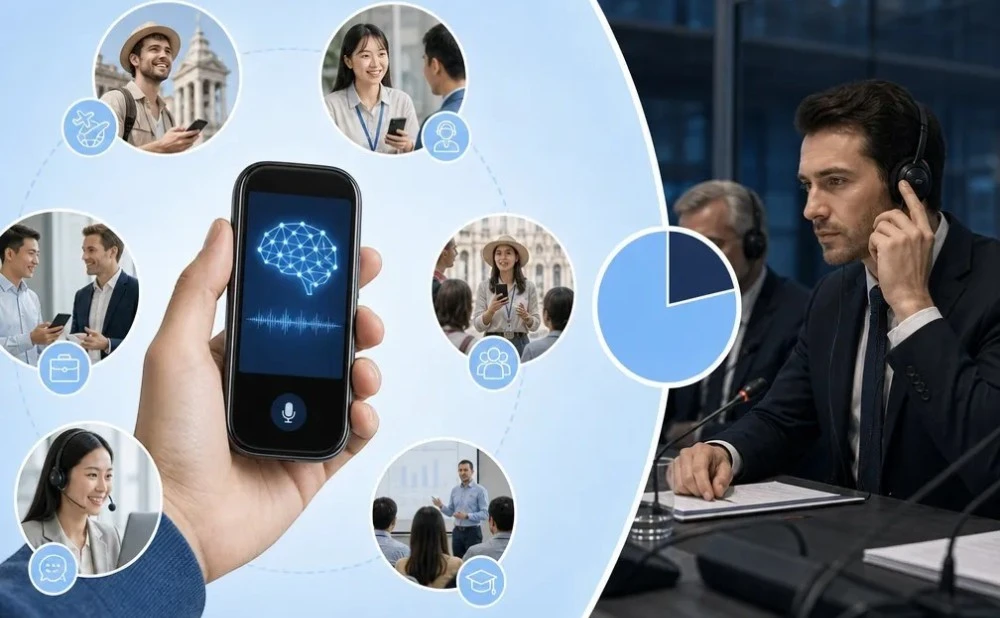
A week before your trade show, you find out a group of Spanish-speaking buyers is coming. Three options:
The right answer depends on what is happening on stage and on the floor. Equipment for simultaneous translation is not one product category. It is a range of options that fit different event sizes, budgets, and content densities.
|
Feature |
Pocket Translator |
Human Interpreter |
|
Speed |
Fast to deploy |
Requires scheduling and setup |
|
Accuracy |
Good for basic communication |
Better for nuanced or formal communication |
|
Flexibility |
Highly portable |
Highly adaptable in real time |
|
Best for |
Simple, quick exchanges |
Formal, complex, or high-stakes events |
|
Network need |
Often requires connectivity |
No network required |
|
Interaction style |
More device-based |
More human and contextual |
The right choice depends on the event:
Pocket translators prioritize speed and convenience
Human interpreters offer greater flexibility in handling nuance and formal communication.
A professional interpreter does more than speak two languages. Simultaneous interpretation requires intensive training, fast processing, and the ability to listen and speak at the same time.
How Simultaneous Interpretation Works: the interpreter listens to the speaker through headphones and translates the message into another language in real time. The process happens continuously, with the interpreter usually staying a few seconds behind the speaker. This is why interpreters work in 20 to 30 minute shifts. The cognitive load is extreme. After half an hour, accuracy drops noticeably.
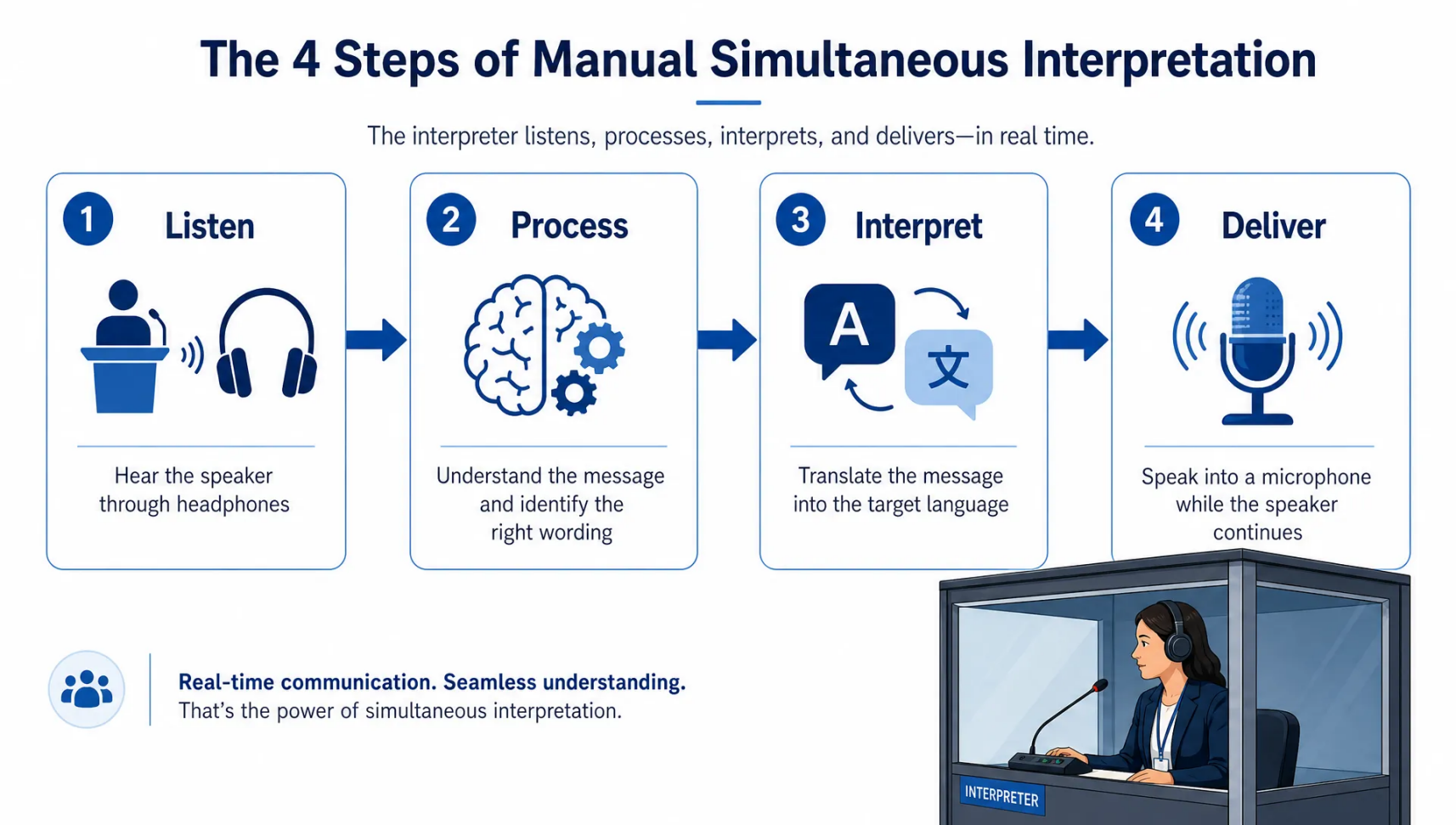
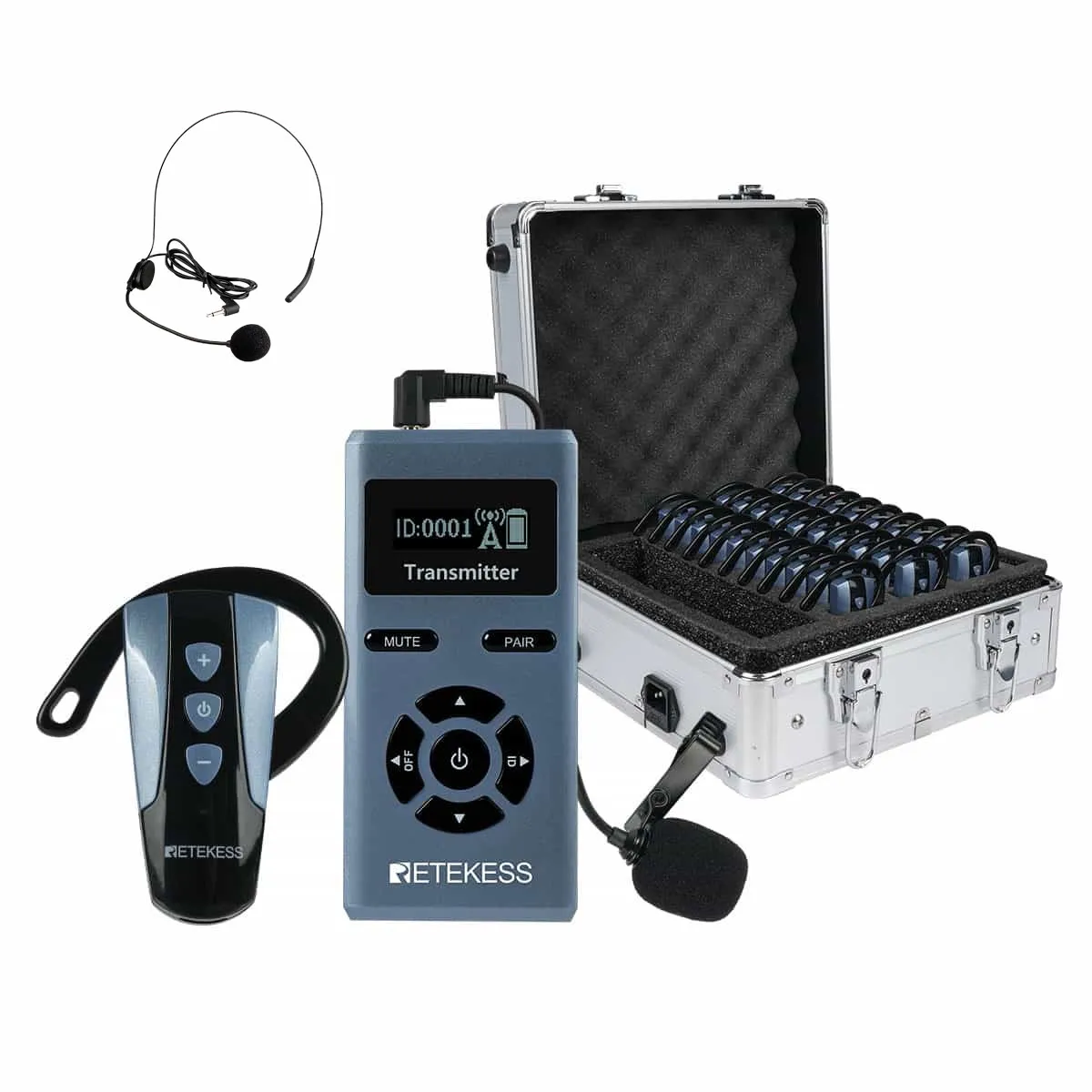
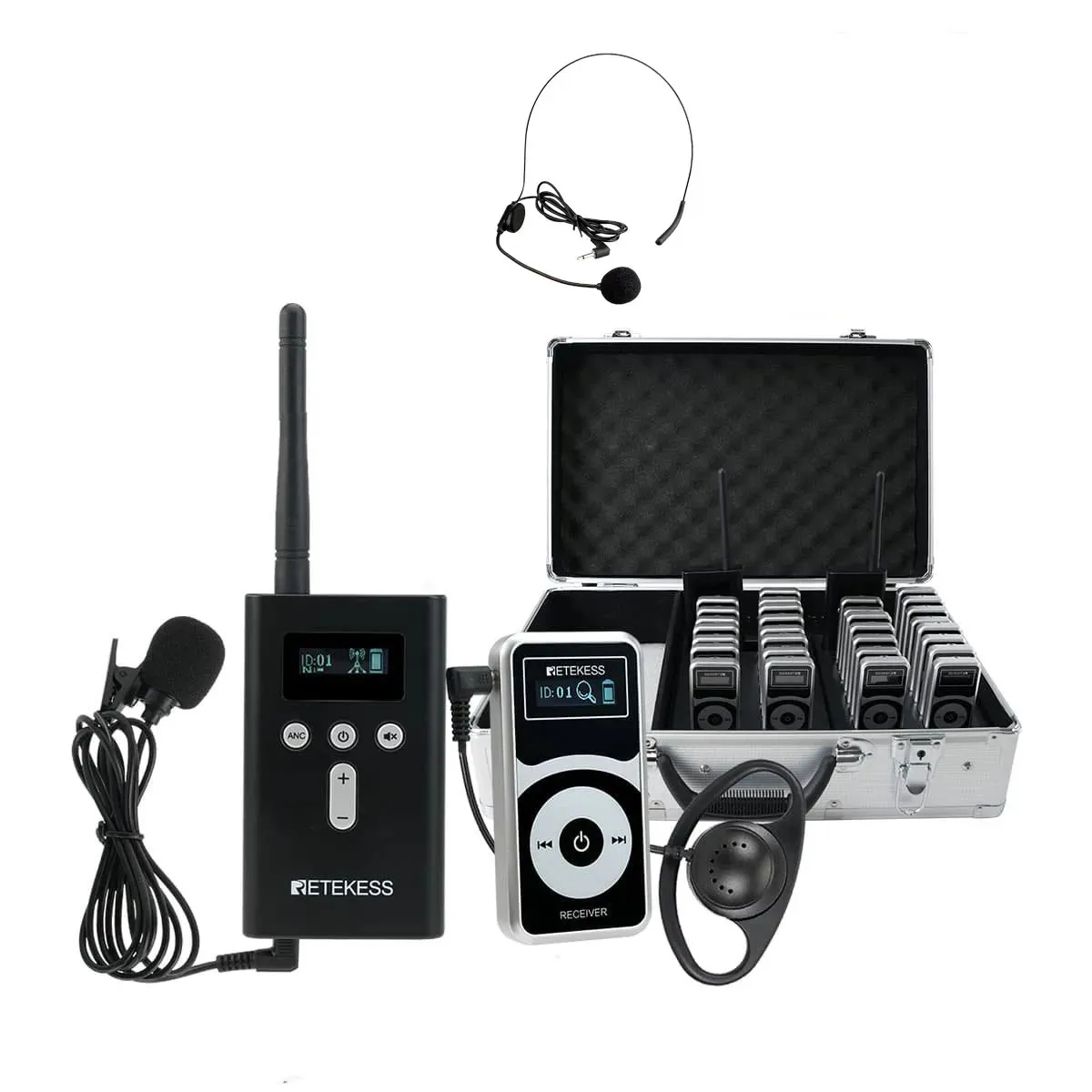
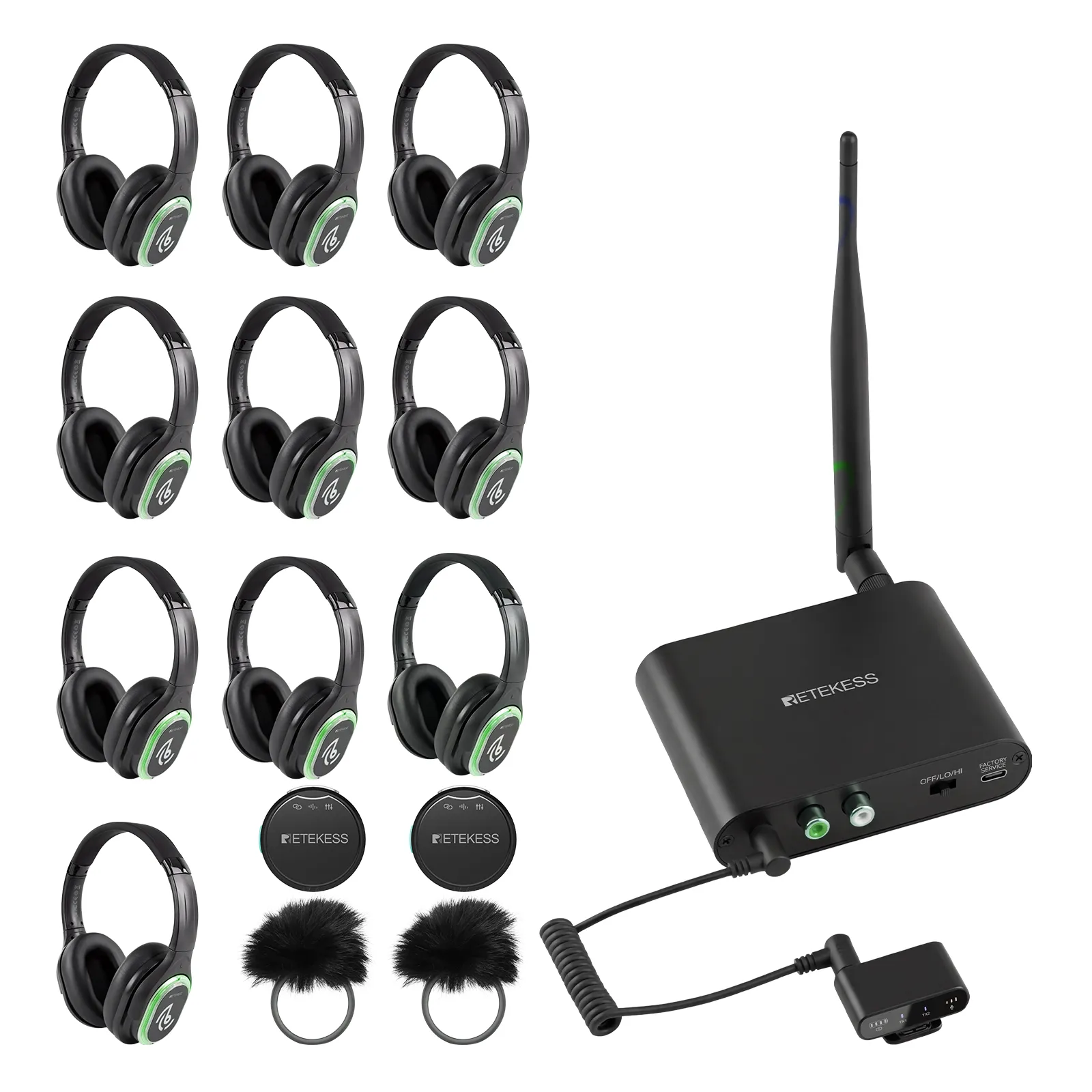
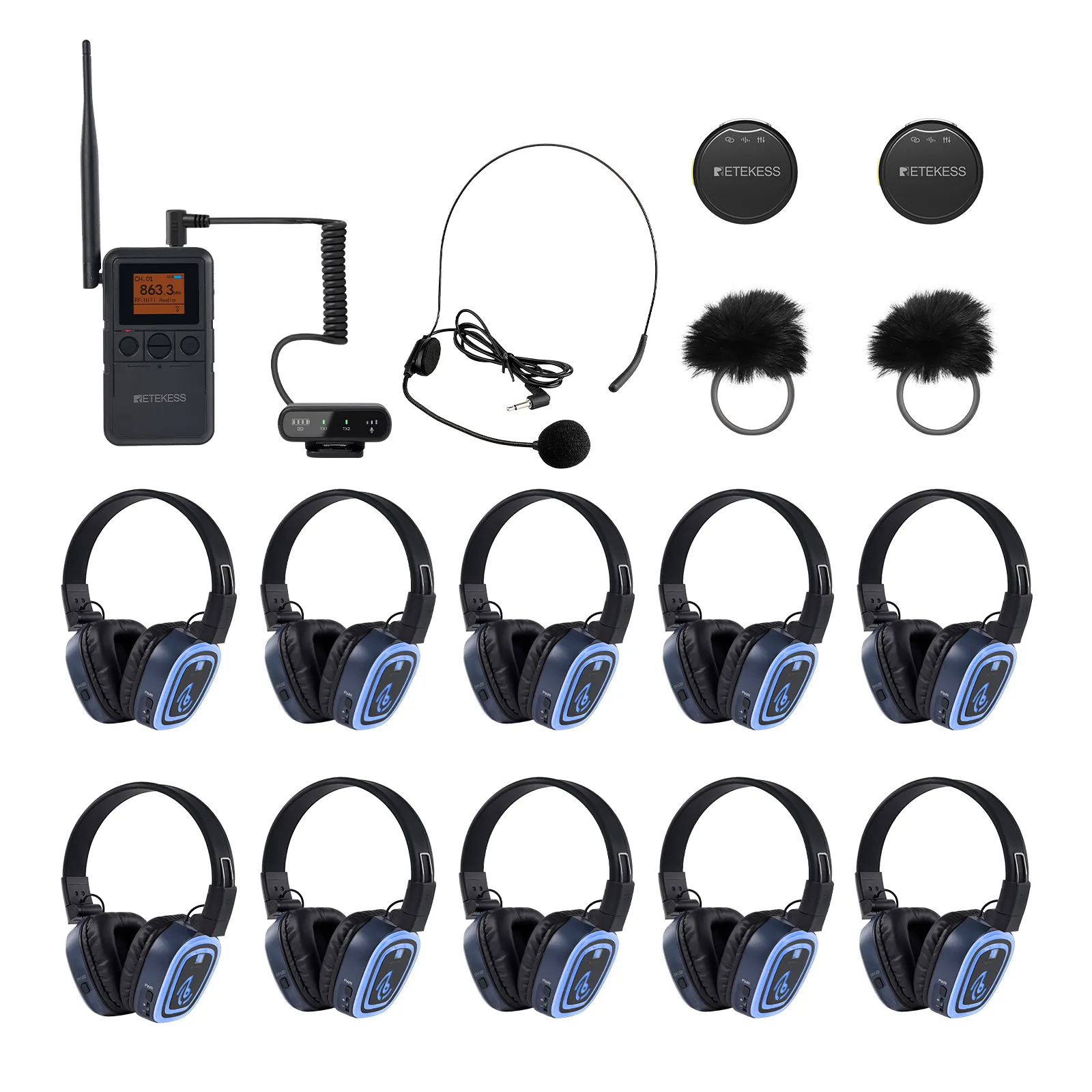
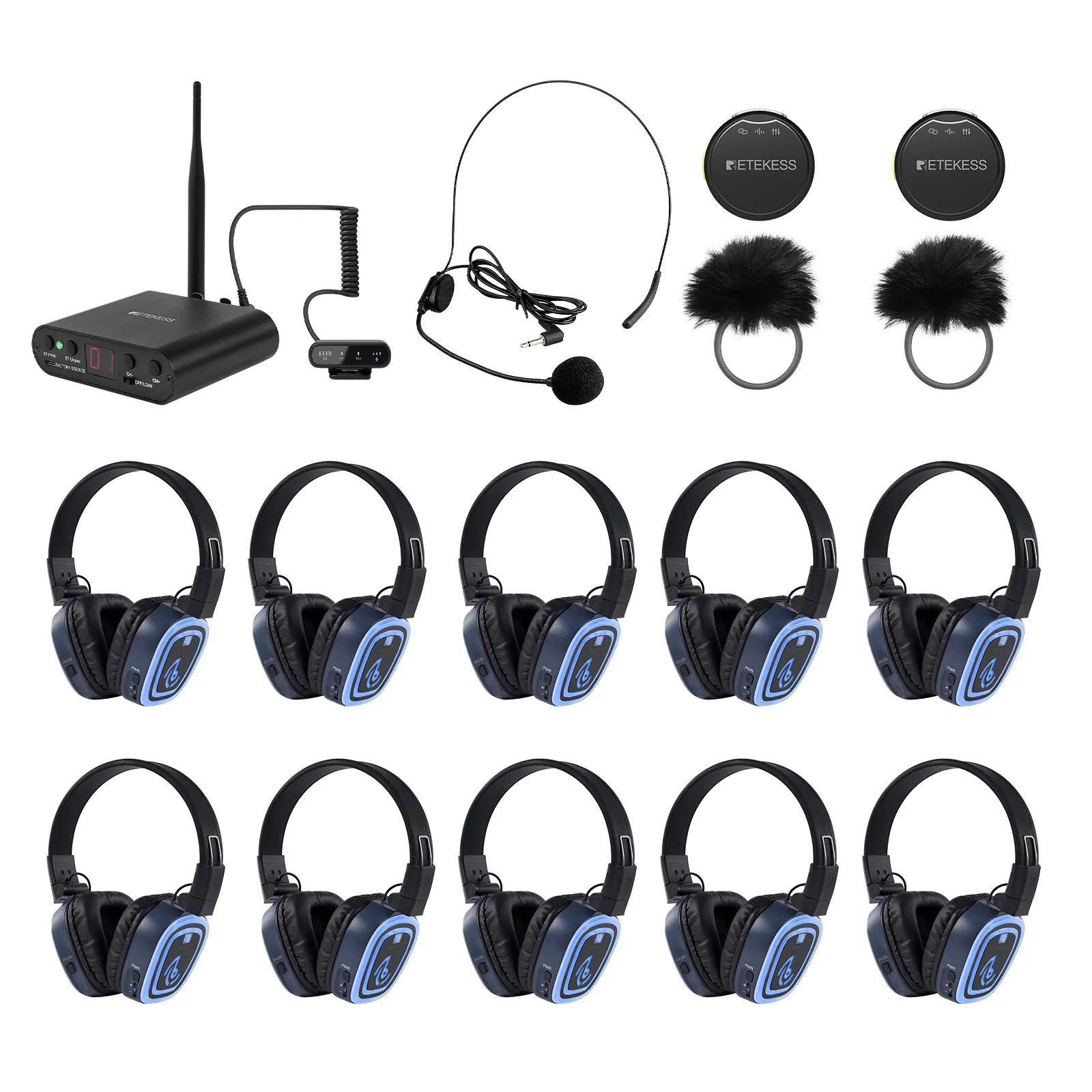
What the setup includes: The setup behind that performance includes a soundproof booth, two interpreters per language channel, a transmitter, and individual receivers for the audience. This is the standard equipment for simultaneous translation at conferences of 200 people or more.
Why it costs what it costs: The interpreter needs the slides in advance, a technical glossary, and the names of everyone in the room. For medical or legal events, this preparation is not optional. A missed medical term changes the meaning. A mistranslated legal clause changes the contract.
Interpreters also handle things AI never will. A speaker uses an idiom like "let's touch base offline." A literal translation makes no sense in the target language. A human interpreter knows to say "let's discuss this after the session" instead. A speaker pauses, restarts, or changes direction mid-sentence. A human follows the thread. AI translates the broken sentence as-is.
Cultural context matters too. A joke that lands in English may fall flat or cause offense in another language. An interpreter adjusts the phrasing so the audience gets the intent, not just the words.
The weakness: Cost and logistics. A single language pair for a one-day conference runs into thousands. Interpreters book out weeks ahead. For a 30-minute plant tour, this is overkill.
You press a button, speak, and hear the translation back. Under the hood, three things happen in about 2 seconds:
Step 1: Speech recognition. Spoken words become text.
Step 2: Machine translation. Text is sent to a cloud server.
Step 3: Text-to-speech. Translated text is spoken in a synthetic voice.
Each step is a failure point. A strong accent breaks step 1. An industry term breaks step 2. A noisy trade show floor breaks all three.
The technology has improved a lot. Modern models handle everyday phrases far better than they did five years ago. For standard travel conversation — asking for the restroom, explaining what your company makes, placing a quick order — the output is good enough that you can move the conversation forward.
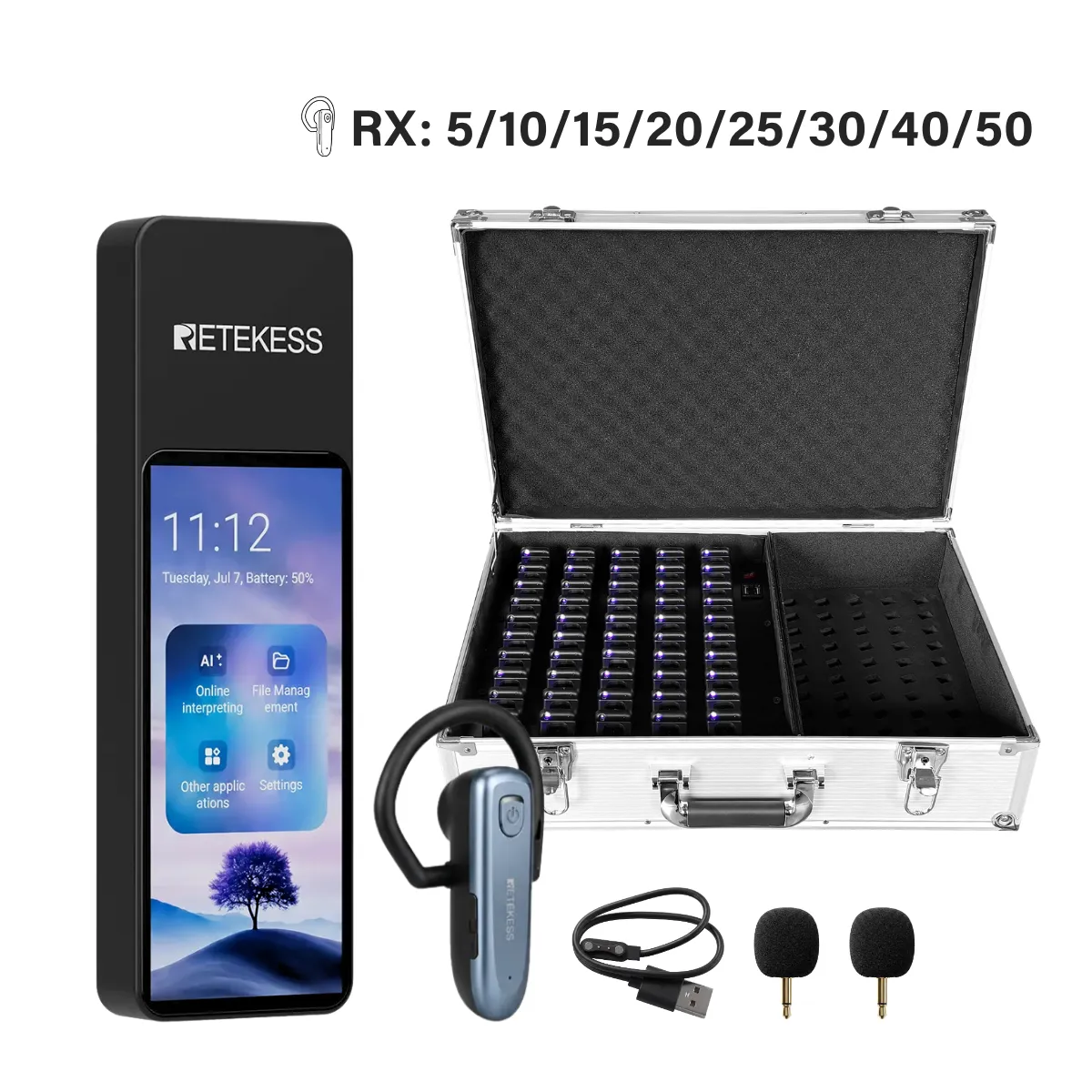
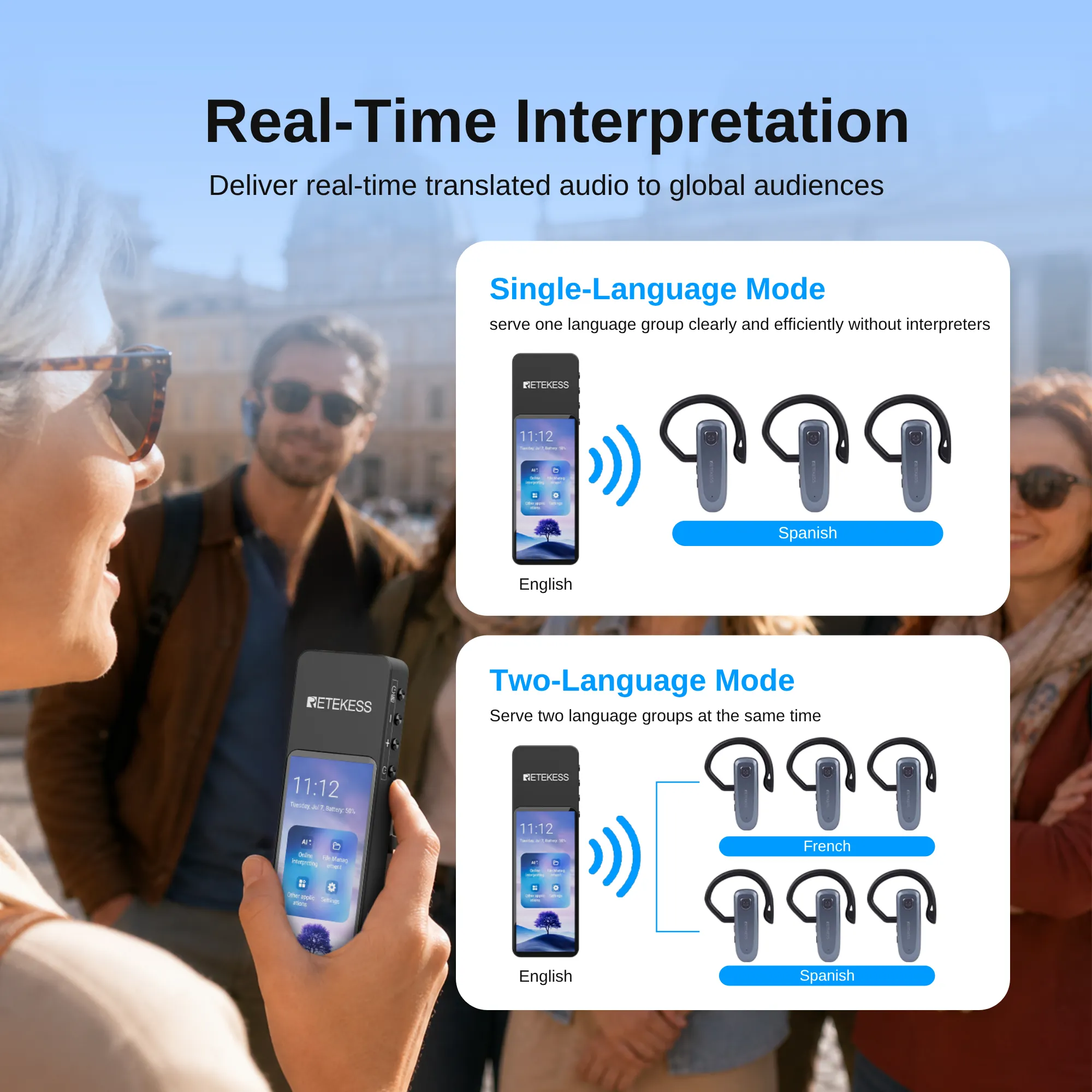
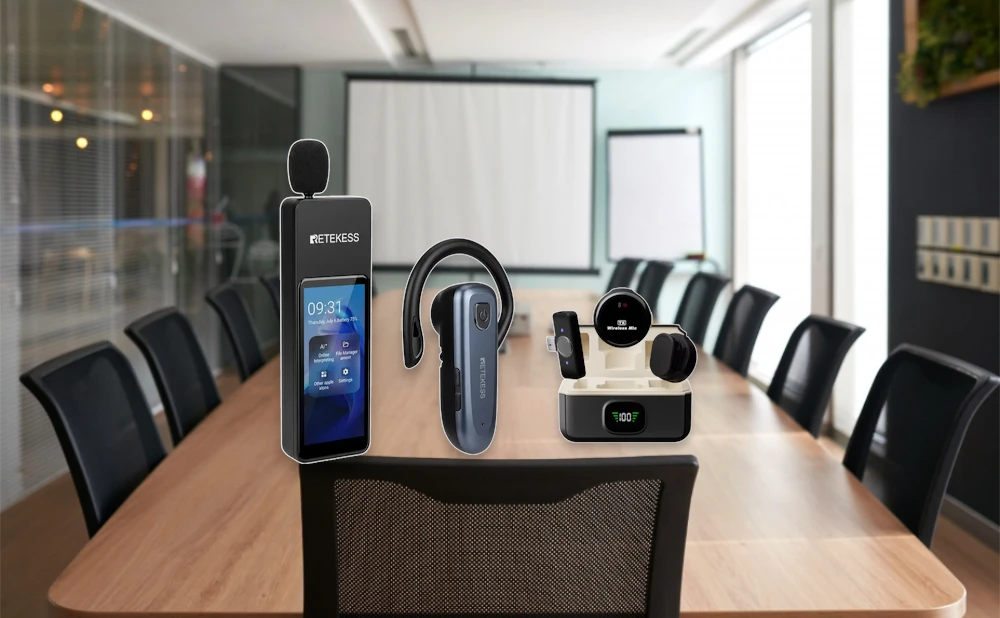
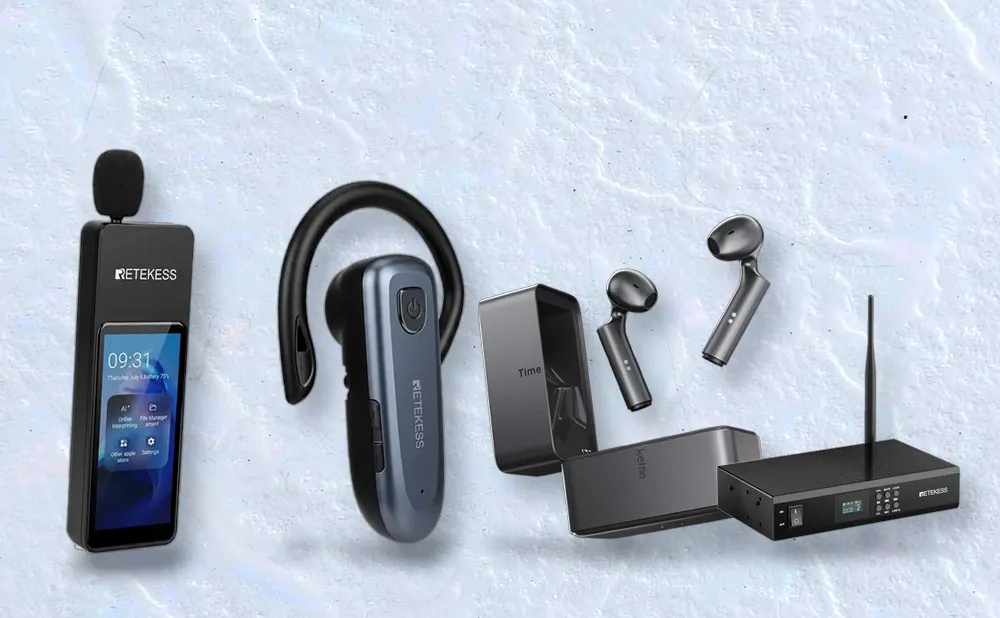
Devices like the Retekess TT136 handle two-way AI translation between dozens of languages. They work well for everyday conversation: asking for directions, a quick product explanation, a casual chat at a booth. They do not need a human translator on site.
Where pocket translators break down:
Best for: booth chat, hallway Q&A, one-on-one conversation. Not for: stage keynotes.
The easiest way to compare the two is to think about what each one is trying to solve.
A pocket translator is focused on speed and convenience. It is designed to help people communicate quickly with minimal setup.
A human interpreter is focused on accuracy and context. It is designed to help people communicate more precisely, especially when the conversation is complex or formal.
A human interpreter brings something that no device can fully replace: context.
In a live event, people do not always speak in simple, isolated sentences. They interrupt each other. They use tone, emphasis, humor, and cultural references. They may shift topics quickly or rely on shared background knowledge. A human interpreter can adapt to those changes in ways that an automated tool may not.
That is why human interpretation is often the better choice for:
A human interpreter can also manage the flow of communication more naturally. If someone speaks too quickly, changes direction, or uses terminology that needs clarification, the interpreter can adjust in real time.
That does not mean human interpretation is always necessary. It means that for events where accuracy and context are essential, it remains the strongest option.
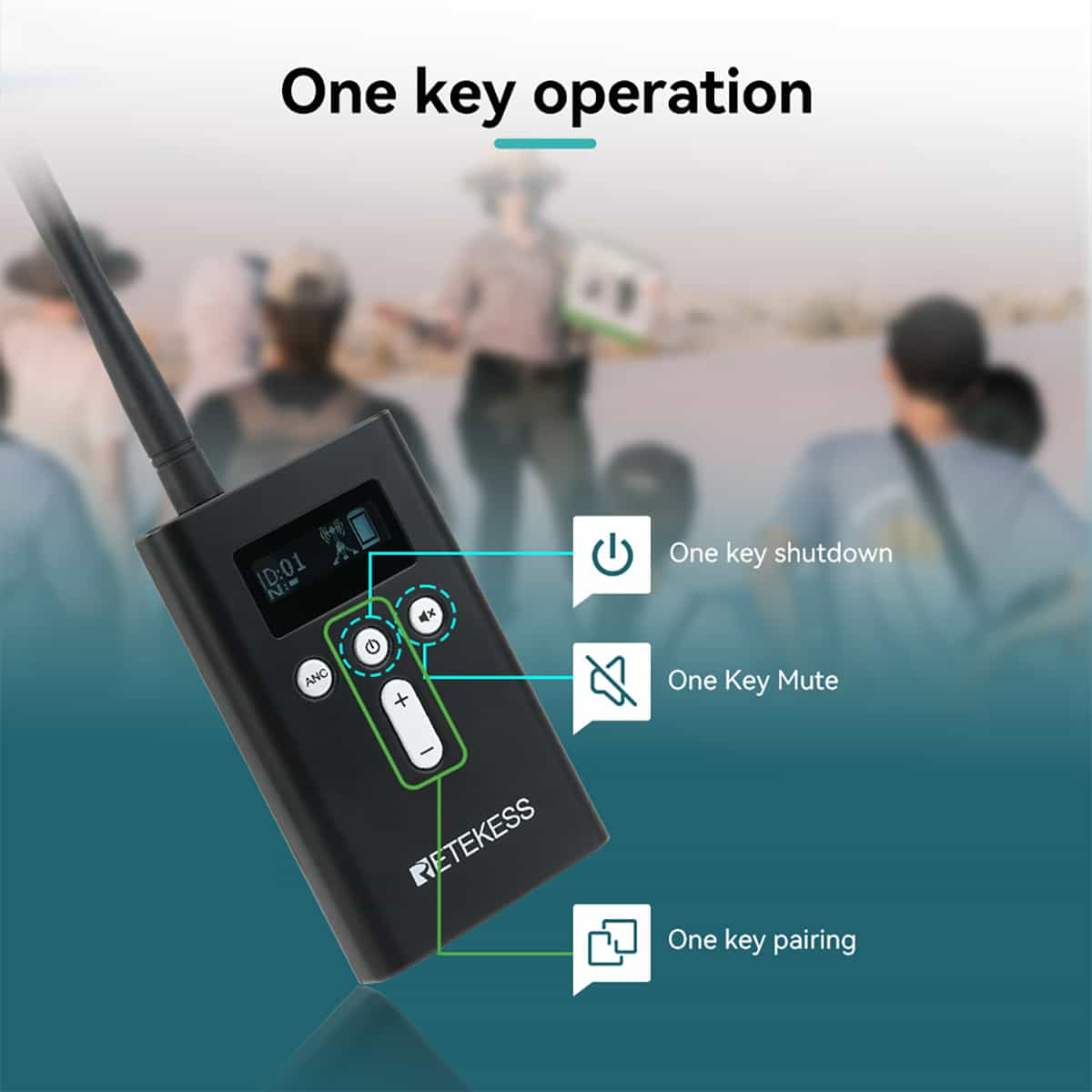
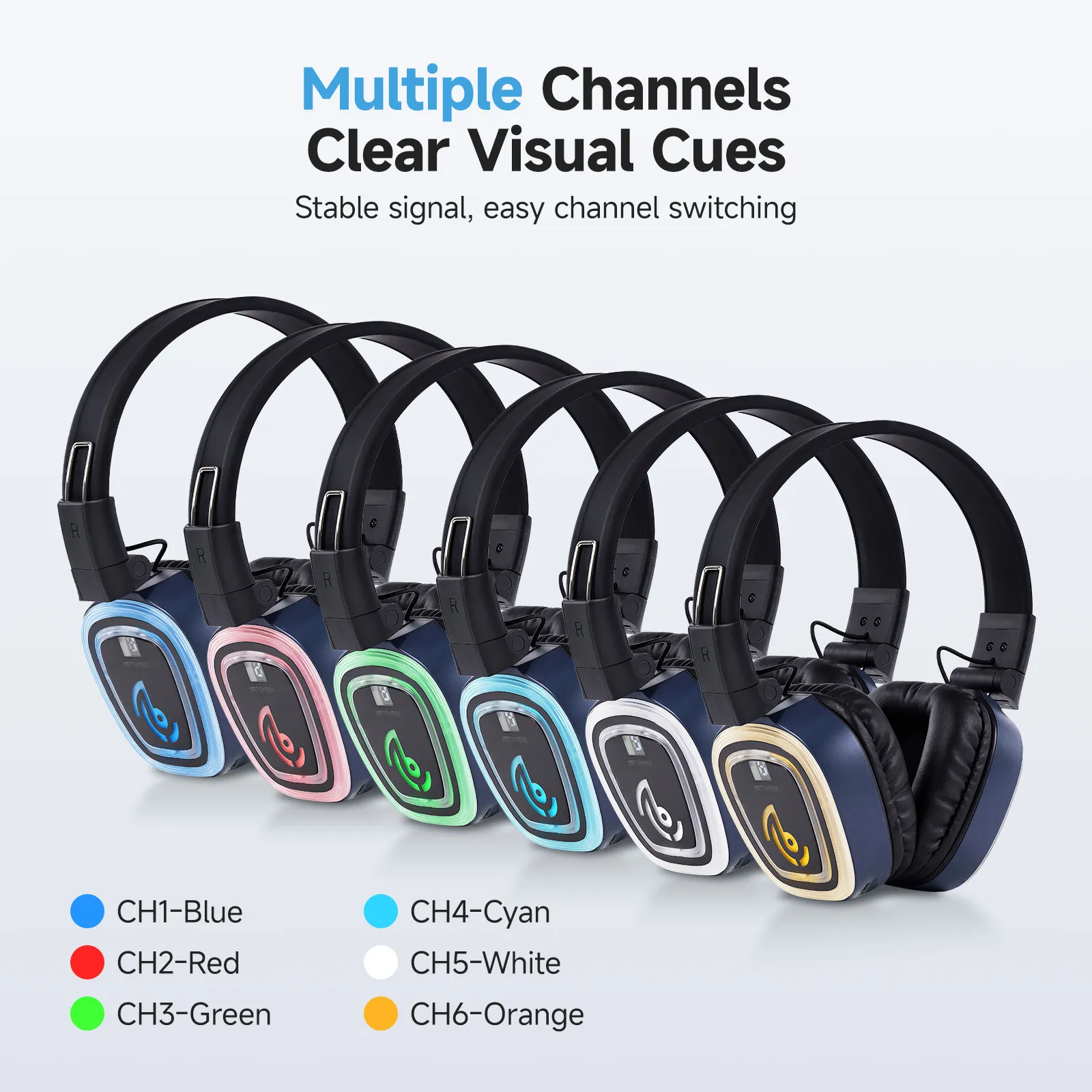
For structured settings, Retekess T130T and TT119 are professional examples of this kind of solution. They are more suited to structured environments where the translation needs to be delivered clearly to a group of listeners in a fixed setting.
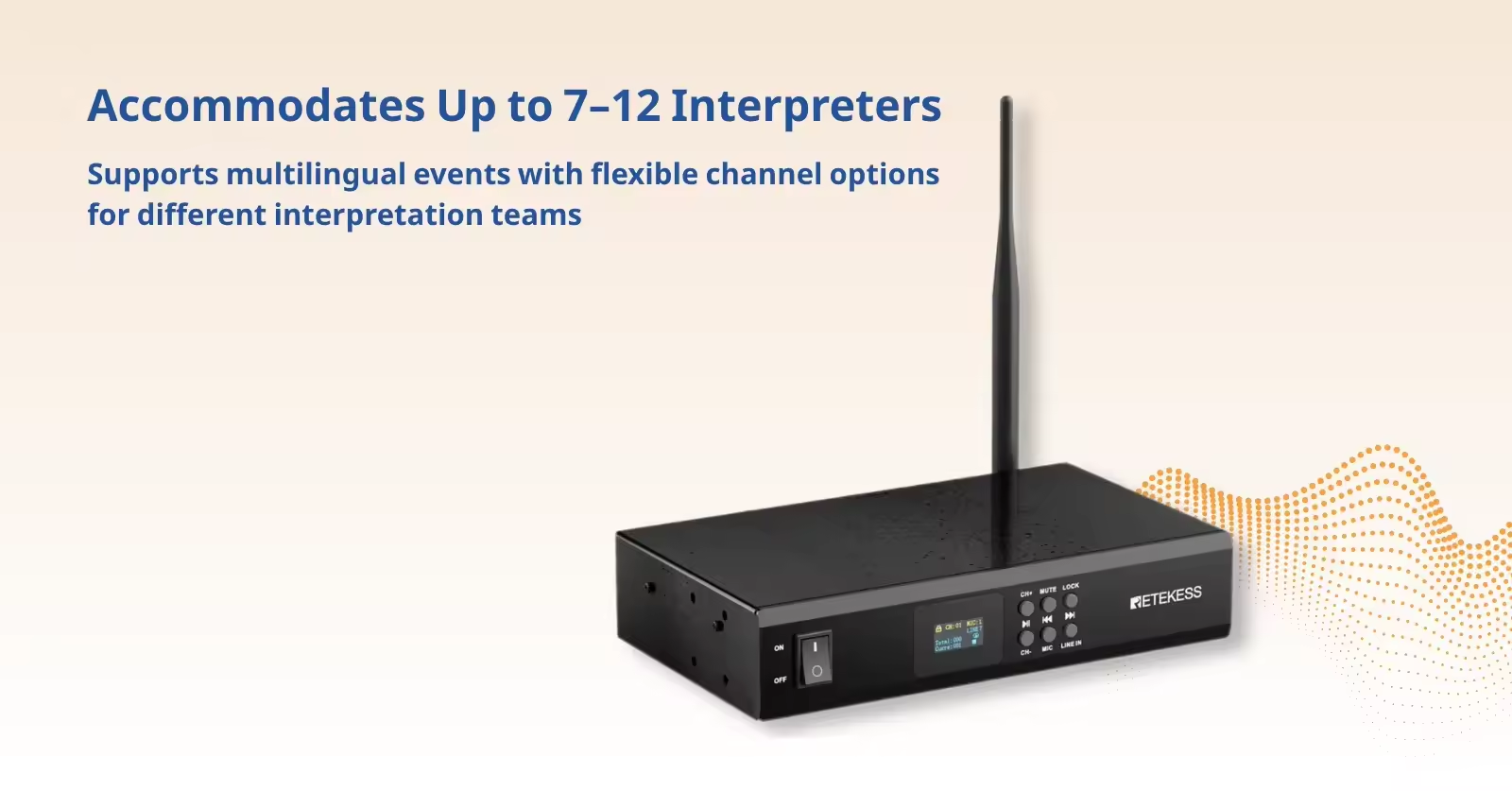
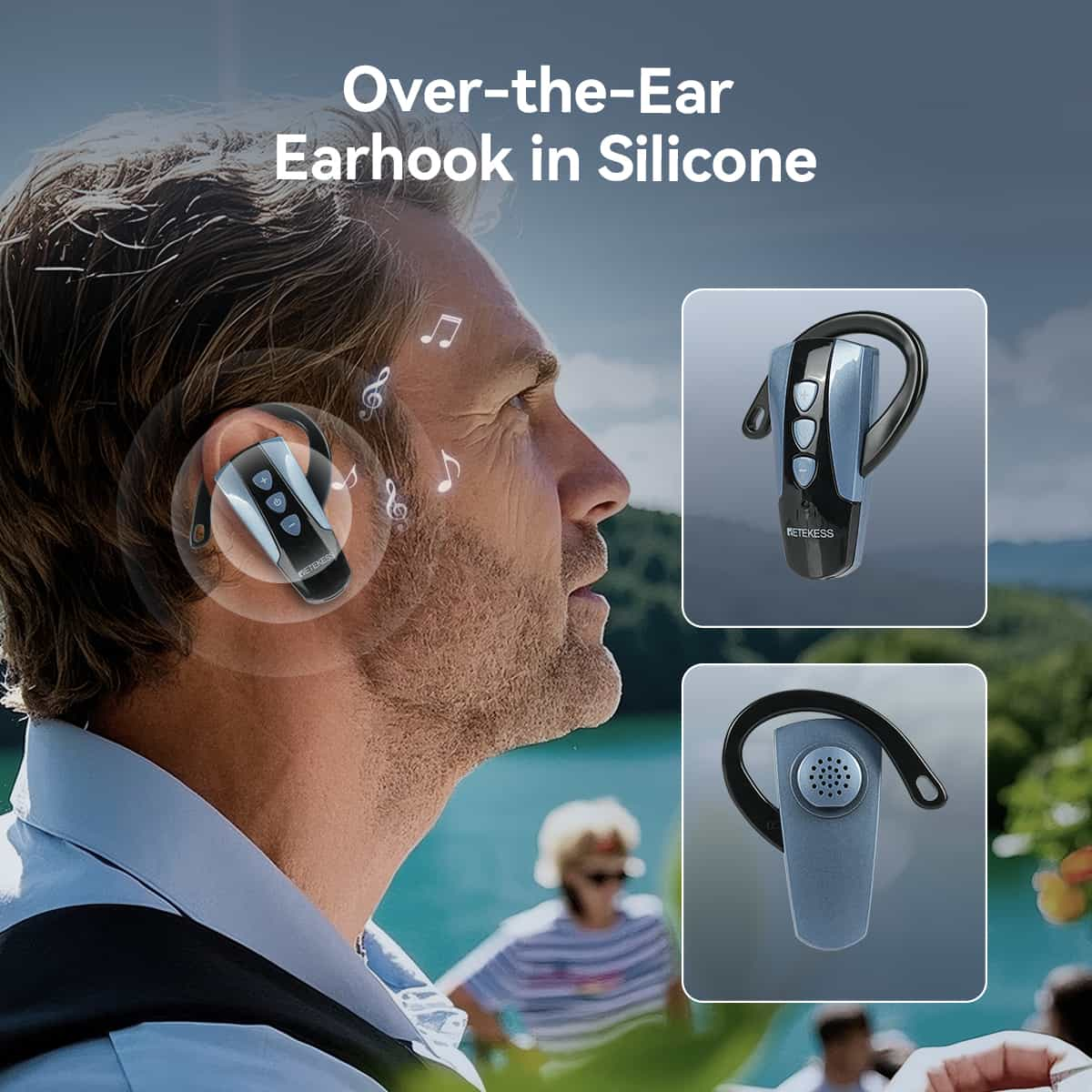
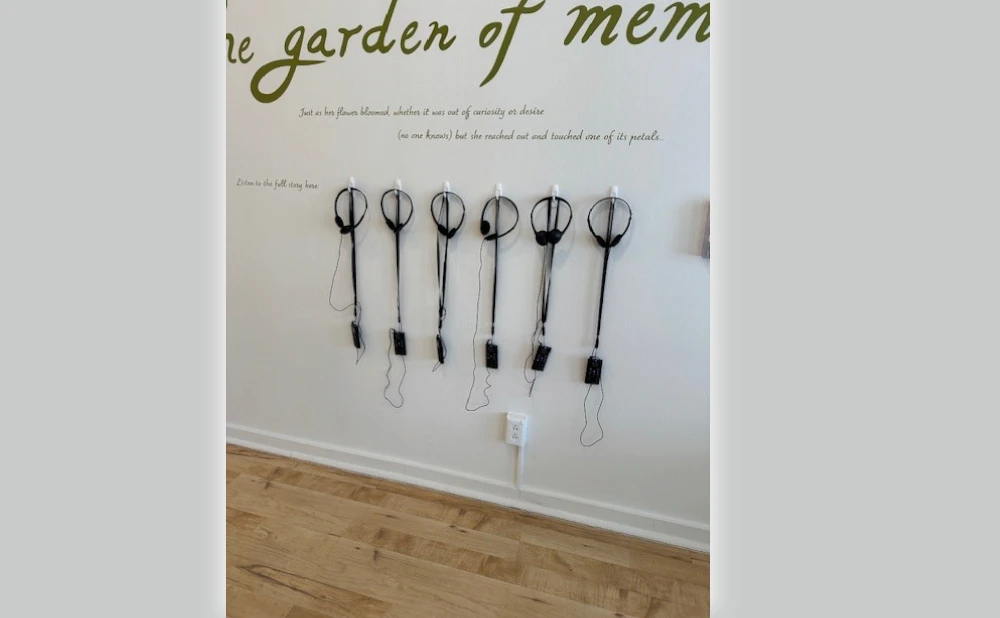
For mobile activities such as museum tours and public venue visits, the portable T130P provides greater flexibility, keeping participants connected as they move.
A pocket translator is designed for fast, portable translation. It is usually best suited for situations where people need quick language support without setting up a full interpretation system or scheduling a live interpreter.
One of the biggest strengths of a pocket translator is convenience. It is easy to carry, easy to deploy, and often useful in situations where communication needs are basic or time-sensitive. For travelers, small groups, or less formal exchanges, that can be very helpful.
A device like Retekess TT136 is a good example of this kind of solution. It offers AI automatic translation and requires an internet connection to function. That makes it a practical choice for connected environments where quick communication is more important than highly specialized interpretation.
In other words, a pocket translator can work well when the event needs:
It is especially useful when the conversation is straightforward and the setting is not highly formal.
Choosing between a pocket translator and a human interpreter is really about choosing the right equipment for simultaneous translation for your event. A pocket translator can be fast, portable, and convenient. A human interpreter can be more accurate, contextual, and reliable in formal or complex situations.
If your event needs quick translation and flexible deployment, a device like TT136 may be a good fit. If your event requires more precise interpretation, equipment for simultaneous translation and a human interpreter may be the better path. For more formal setups, T130T and TT119 can support synchronized group communication, while T130P offers a more portable option for guided or mobile settings.
In the end, the best choice is the one that helps your event run smoothly and lets participants understand each other clearly.




 Google
 Amazon