
Table of Contents
RIC Hearing Aids: Who Are They Suitable For and How to Protect Your Hearing Health Every Day?
- Judy
- Aug 11, 2026
Hearing plays an important role in how we communicate, stay connected with family, and enjoy everyday activities. However, many people gradually experience hearing difficulties as they age or due to long-term exposure to noise.
At the beginning, hearing loss may seem minor. You may still hear sounds, but conversations become harder to understand, especially in restaurants, family gatherings, outdoor environments, or places with background noise.
For people with mild to moderate hearing loss, RIC (Receiver-in-Canal) hearing aids have become a popular choice because they combine comfortable wearing, advanced sound processing, and a discreet design.
But choosing a hearing aid is only one part of maintaining better hearing health. Proper hearing protection, daily ear hygiene, and correct device care are equally important.
This guide explains:
- What RIC hearing aids are
- Who may benefit from RIC hearing aids
- How RIC technology improves daily listening
- How to protect your hearing health
- How to keep your ears and hearing aids clean and comfortable

What Is a RIC Hearing Aid?
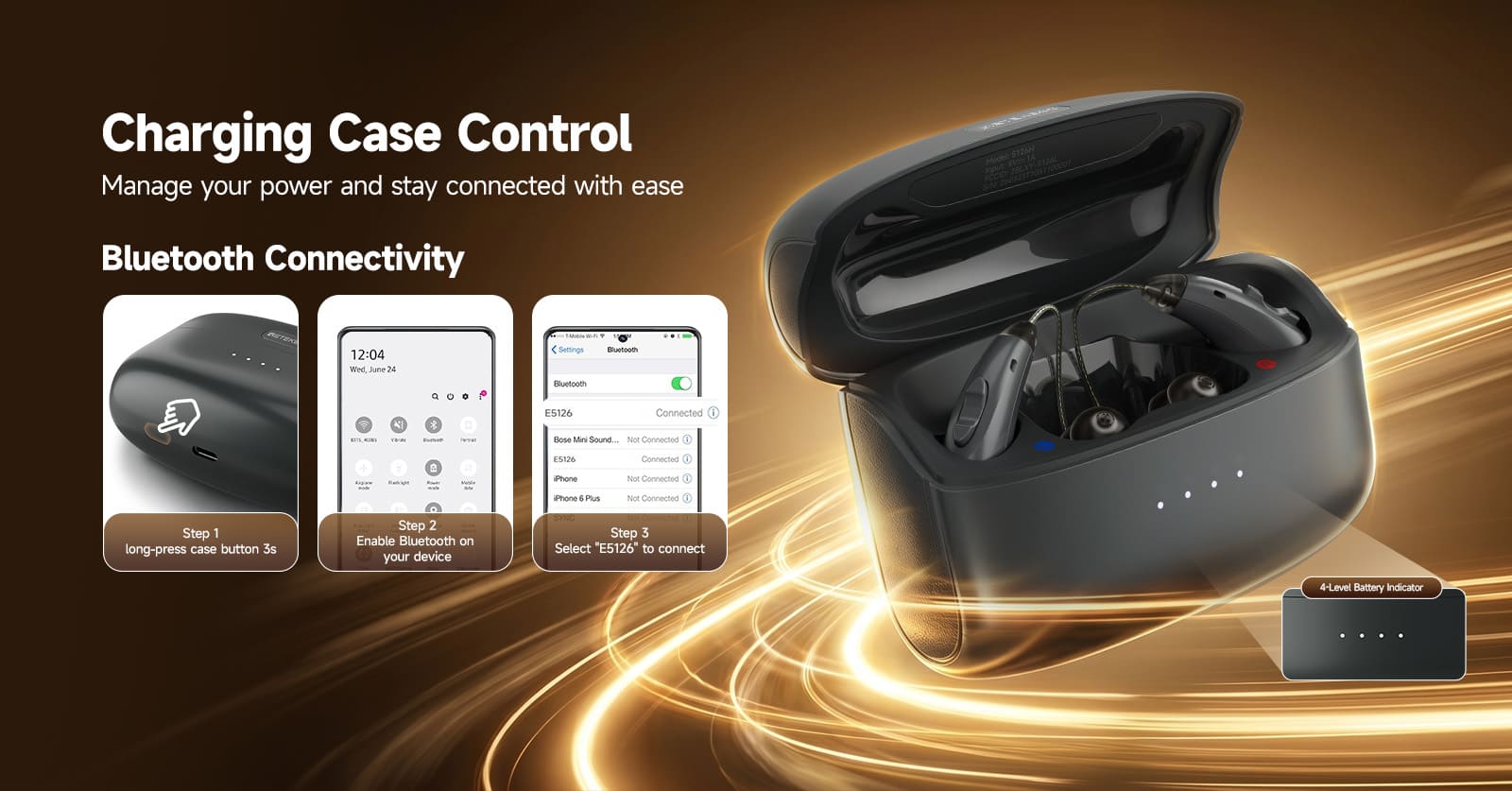
RIC stands for Receiver-in-Canal.
Unlike traditional behind-the-ear hearing aids where all components are located in one housing, RIC hearing aids separate the receiver from the main body.
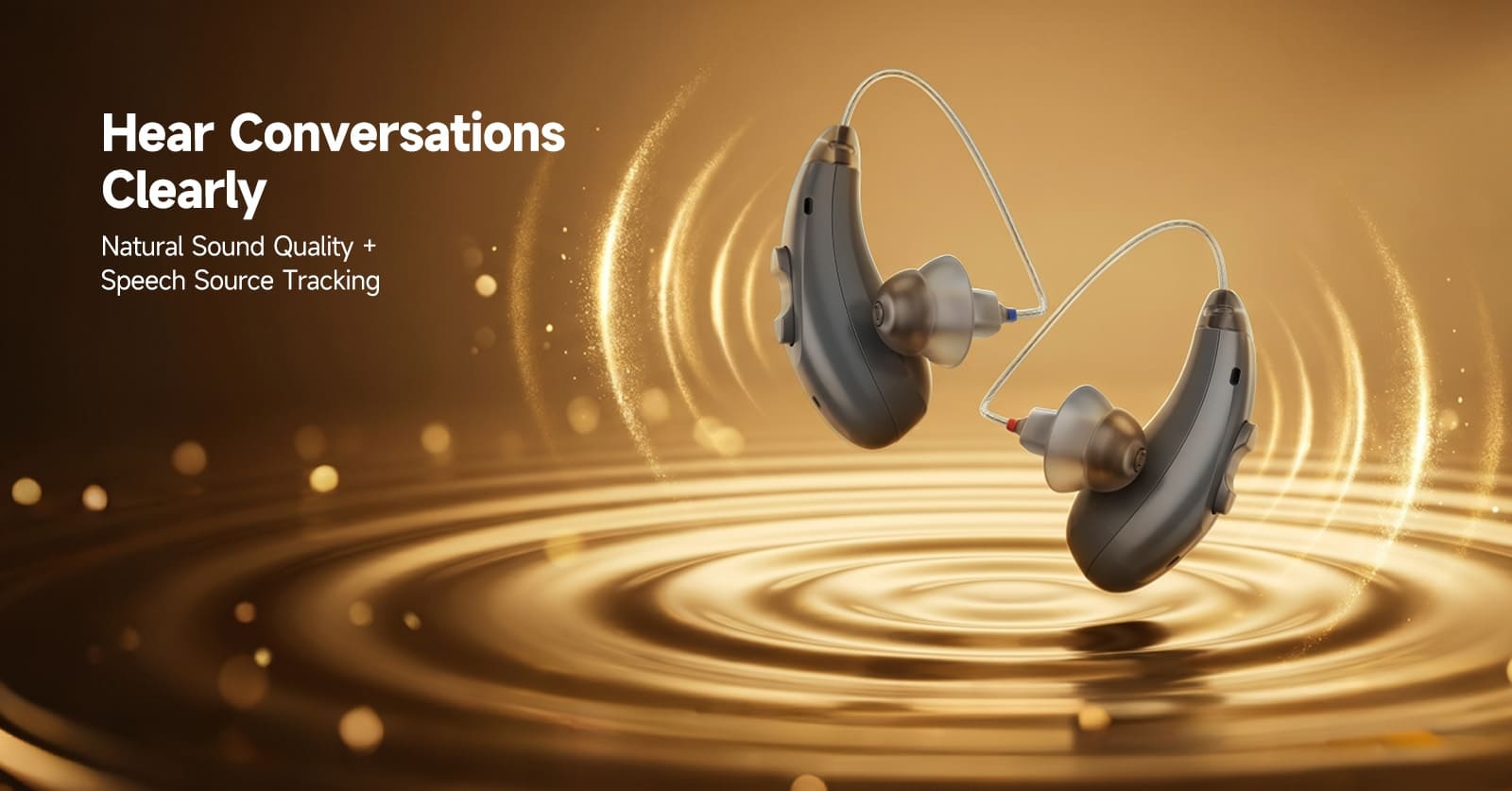
The main part sits discreetly behind the ear, while a small receiver connects through a thin wire and rests closer to the ear canal.
This design provides several advantages:
Smaller and More Comfortable Design
Because the receiver is placed near the ear canal, the main body can remain smaller and lighter.
Many users prefer RIC hearing aids because they feel less noticeable during daily wear.
More Natural Sound Experience
The open-fit design of many RIC hearing aids allows natural sounds to enter the ear while providing additional amplification where it is needed.
This can help create a more comfortable listening experience.
Suitable for Daily Communication
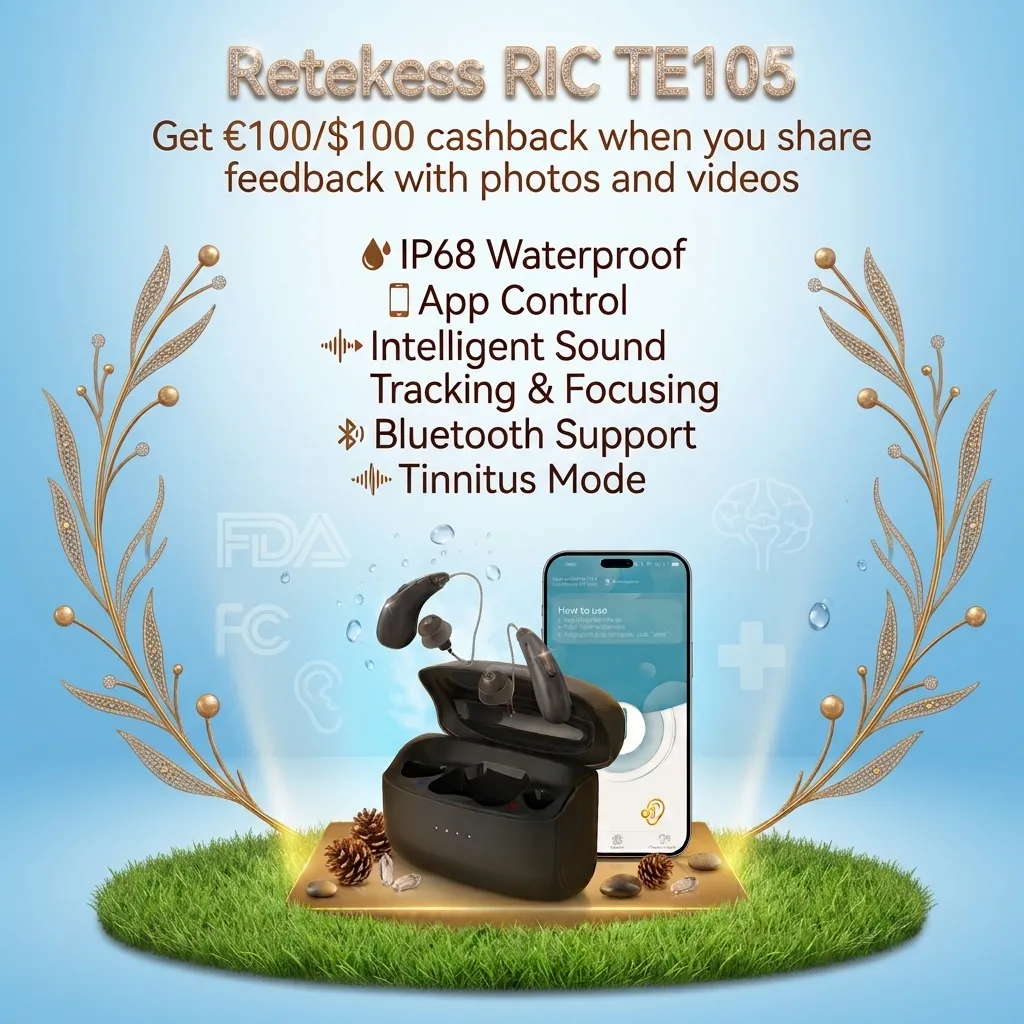
Modern RIC hearing aids often include technologies such as:
- Smart sound processing
- Speech enhancement
- Noise reduction
- Bluetooth connectivity
- Smartphone app control
- Rechargeable batteries
- Waterproof protection such as IP68 (depending on model)
These features are designed to help users adapt to different listening environments.
Who Are RIC Hearing Aids Suitable For?
RIC hearing aids are not designed for only one type of user. They are commonly considered by people who want a balance between comfort, sound quality, and everyday convenience.
1. People With Mild to Moderate Hearing Loss
RIC hearing aids are often suitable for people who experience:
- Difficulty understanding conversations
- Frequently asking others to repeat themselves
- Turning up TV volume higher than before
- Missing parts of conversations in noisy places
- Feeling tired after trying to listen carefully
Many people with hearing loss do not need louder sound everywhere. They need clearer and more balanced sound.
RIC hearing aids with intelligent sound processing can help improve speech clarity by analyzing different sound environments.
2. People Who Often Communicate in Noisy Environments
Daily conversations rarely happen in perfectly quiet rooms.
You may need to communicate in:
- Restaurants
- Cafés
- Shopping centers
- Family gatherings
- Community events
- Outdoor activities
In these situations, background noise can make speech difficult to follow.
A RIC hearing aid with smart sound tracking technology can help identify important speech signals and adjust sound processing according to the environment.
For example:
During dinner with family, the hearing aid can help focus on nearby voices instead of simply increasing all surrounding sounds.
During an outdoor walk, it can help manage changing environmental noise.
The goal is not just to hear more sounds, but to hear meaningful sounds more clearly.
3. Active Adults Who Spend Time Outdoors
Many people with hearing loss still enjoy an active lifestyle.
They may:
- Walk every day
- Travel
- Garden
- Exercise outdoors
- Meet friends regularly
For these users, durability becomes an important consideration.
A hearing aid with IP68 waterproof and dust-resistant protection can provide additional confidence during daily activities.
It can help protect against:
- Sweat during exercise
- Light rain
- Humidity
- Accidental moisture exposure
However, IP68 protection does not mean the device can be used for swimming or underwater activities. Users should always follow the manufacturer's instructions.
4. People Looking for a Comfortable Hearing Solution
Some users stop wearing hearing aids because they feel uncomfortable.
Common concerns include:
- The device feels too large
- The ear feels blocked
- The hearing aid is difficult to wear all day
- The device is too noticeable
The lightweight design of many RIC hearing aids can help improve wearing comfort.
A comfortable hearing aid is more likely to become part of your daily routine.
Hearing Health: Why Protecting Your Hearing Matters
Hearing is connected not only to communication but also to quality of life.
When hearing difficulties are ignored for a long time, people may gradually:
- Avoid social conversations
- Participate less in group activities
- Feel frustrated during communication
- Experience increased listening fatigue
Protecting hearing health should start before hearing problems become serious.
Everyday Tips to Protect Your Hearing
1. Avoid Long Exposure to Loud Sounds
Common sources of harmful noise include:
- Loud concerts
- Construction environments
- Power tools
- Very loud headphones
- Industrial equipment
If you are exposed to loud environments for extended periods:
- Take regular breaks
- Keep a safe distance from loud sound sources
- Use appropriate hearing protection when necessary
2. Keep Your Listening Volume at a Safe Level
Many people listen to music or videos with headphones at high volume for long periods.
A good habit is:
- Avoid maximum volume settings
- Take listening breaks
- Reduce volume in quiet environments
Your ears need recovery time just like other parts of your body.
3. Pay Attention to Early Hearing Changes
Hearing loss often develops gradually.
Some warning signs include:
- Asking people to repeat themselves frequently
- Difficulty hearing conversations in restaurants
- Feeling that people are speaking unclearly
- Increasing TV or phone volume
- Missing doorbells or alarms
Recognizing these changes early can help you take action sooner.
Ear Hygiene: How to Maintain Healthy Ears
Healthy ears are important for comfortable hearing.
However, many people clean their ears incorrectly.
Avoid Using Cotton Swabs Deep Inside the Ear
The ear naturally produces earwax to protect the ear canal.
Using cotton swabs deep inside the ear may:
- Push wax deeper
- Cause irritation
- Increase the risk of blockage
Clean only the outer ear area unless professional cleaning is recommended.
Keep Your Ears Dry
Moist environments can create discomfort.
After showering or exercising:
- Gently dry the outer ear
- Avoid leaving moisture around the hearing aid area
For hearing aid users, moisture management is especially important.
How to Keep Your RIC Hearing Aid Clean
Regular maintenance helps your hearing aid perform better and last longer.
1. Clean the Hearing Aid Daily
After removing your hearing aid:
- Wipe the surface with a soft, dry cloth
- Remove visible earwax or debris
- Check the receiver and ear dome area
Avoid using alcohol, water, or household cleaning products unless recommended.
2. Replace Ear Domes and Filters Regularly
Earwax and moisture can accumulate over time.
Regular replacement of:
- Ear domes
- Wax filters
- Other small components
helps maintain sound quality and comfort.
3. Store the Device Properly
When not wearing your hearing aid:
- Keep it in a dry place
- Protect it from extreme heat
- Avoid leaving it in direct sunlight
- Use a charging case or drying system if available
Why Waterproof Protection Is Valuable for Hearing Aid Users
Modern users expect their devices to keep up with daily life.
A hearing aid is worn during:
- Morning walks
- Outdoor activities
- Travel
- Social events
- Everyday communication
Waterproof protection helps provide additional reliability.
A RIC hearing aid with IP68 protection can give users more confidence when dealing with everyday moisture from sweat, humidity, or unexpected weather.
Choosing the Right RIC Hearing Aid for Your Lifestyle
Before choosing a hearing aid, consider:
Your Hearing Needs
Do you mainly struggle with:
- Conversations?
- TV listening?
- Noisy environments?
- Outdoor communication?
Your Daily Activities
Think about where you spend most of your time.
A person who enjoys outdoor activities may value waterproof protection.
Someone who attends many social events may benefit from smart sound tracking.
Your Comfort Requirements
The best hearing aid is one you are comfortable wearing every day.
Comfort, sound quality, durability, and easy operation all matter.
Final Thoughts: Better Hearing Starts With Daily Care
A hearing aid is more than a device that increases volume.
It is a tool that helps people stay connected with family, enjoy conversations, and continue participating in daily activities.
RIC hearing aids are especially suitable for people who want:
✔ Comfortable and discreet wearing
✔ Clearer conversations
✔ Smart sound adaptation
✔ Support for active lifestyles
✔ Reliable daily performance
At the same time, maintaining healthy hearing requires more than choosing the right device.
Protect your ears from excessive noise, maintain good hygiene habits, and care for your hearing aid regularly.
With the right technology and healthy habits, better hearing can become a natural part of everyday life.




![[18th Anniversary] 18 Years of Echoing Excellence: Making Communication Easier, Connecting Trust Beyond Borders](https://res.retekess.com/z_file/20260716/retekess-brand-story-making-communication-easier_20260716151044_7682.jpg)
![[18 Years in Wireless Communication] Silent Disco Systems Anniversary Celebration: Top-Selling Headphones & Event Mechanics Revealed!](https://res.retekess.com/z_file/20260713/18-years-in-wireless-communication-silent-disco-systems-anniversary-celebration_20260713175011_5749.webp)
![[Anniversary Carnival] Ding-dong! 18th Anniversary Mega Sale on Guest Paging & Calling Systems: Full Reveal of 12+ Products & Promo Rules!](https://res.retekess.com/z_file/20260713/18th-anniversary-mega-sale-on-guest-paging-calling-systems_20260713175257_0295.webp)
![[Retekess 18th Anniversary Teaser] Tour Guide System Exclusive Perks: Sneak Peek at Event Dates & Mechanics!](https://res.retekess.com/z_file/20260713/retekess-18th-anniversary-tour-guide-system-exclusive-perks--2-_20260713180135_6435.webp)
Follow Us
Pay With


 Google
 Amazon
Comments (0)