
Table of Contents
Industrial Safety Starts Here: How Wireless Audio Systems Boost Factory Onboarding and Training Efficiency
- Retekess
- Aug 11, 2026
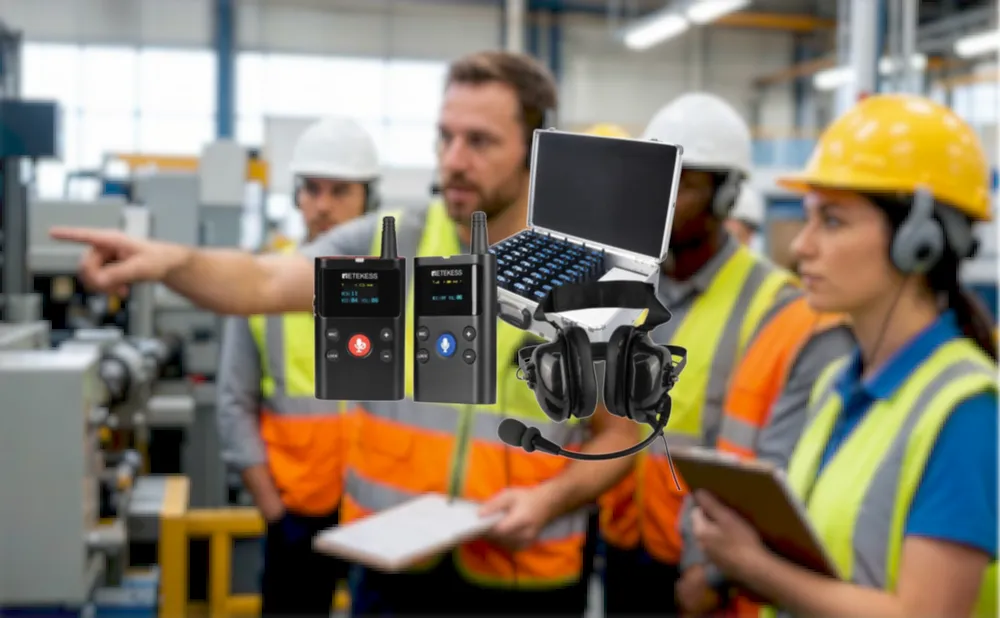
Onboarding new employees in a bustling manufacturing plant is a high-stakes challenge. Safety guidelines must be communicated clearly, complex machinery mechanics must be demonstrated precisely, and new hires need to absorb vital operational knowledge right on the loud, active production floor.
Yet, traditional plant training often hits a major roadblock: noise.
When trainers have to shout over the roar of heavy machinery, key safety instructions get lost, new hires miss crucial steps, and the overall onboarding process loses efficiency. Fortunately, manufacturing facilities are finding a powerful solution in wireless audio systems, such as tour guide headsets.
The Hidden Costs of Poor Communication During Factory Training
In an industrial environment, clear communication isn't just about convenience—it is a critical component of workplace safety. When training new staff using conventional methods, plants often face:
-
Acoustic Barriers: Heavy machinery, conveyor belts, and assembly lines create ambient noise levels that make normal speech inaudible beyond a few feet.
-
Group Fragmentation: As a trainer leads a group of new employees through different zones of a plant, people in the back drift away, miss demonstrations, or get distracted.
-
Compromised Safety Guidelines: If a new hire misses a crucial safety warning regarding hazardous zones or emergency protocols due to poor audio, the risk of workplace accidents spikes.
Transforming the Onboarding Process with Wireless Audio Systems
Integrating dedicated wireless communication systems into plant training bridges the gap between theoretical classroom learning and hands-on floor experience.
1. Crystal-Clear Audio in High-Noise Environments
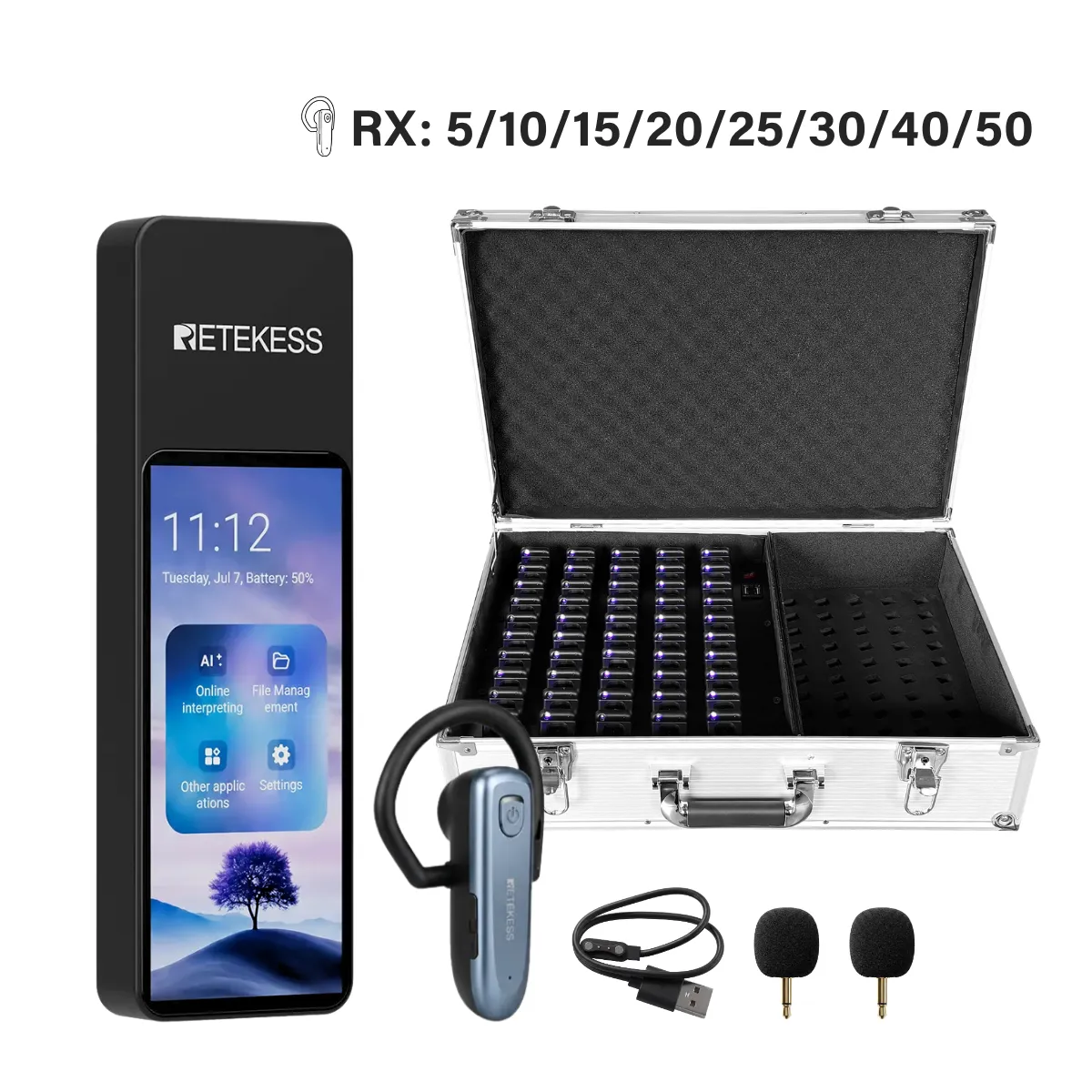
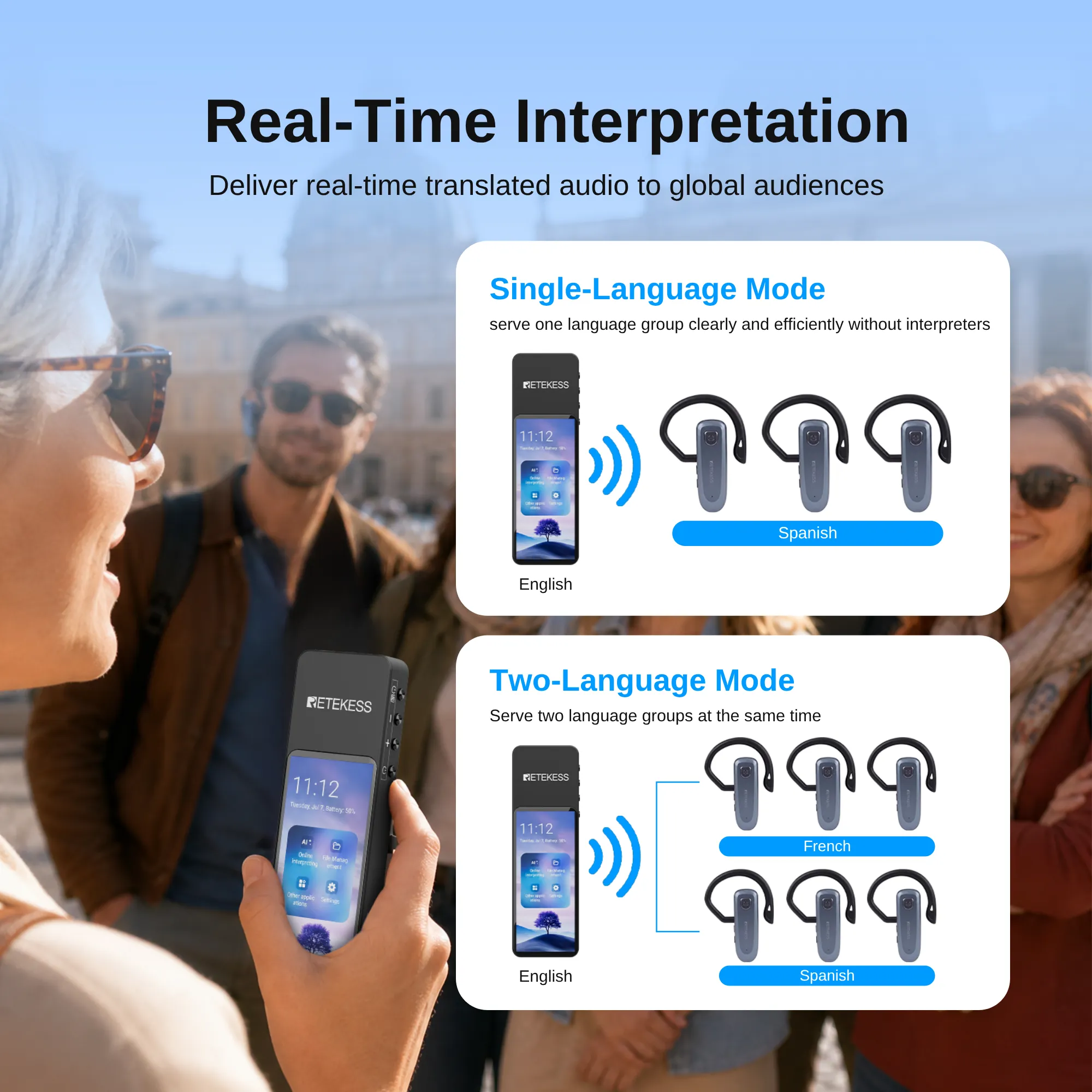
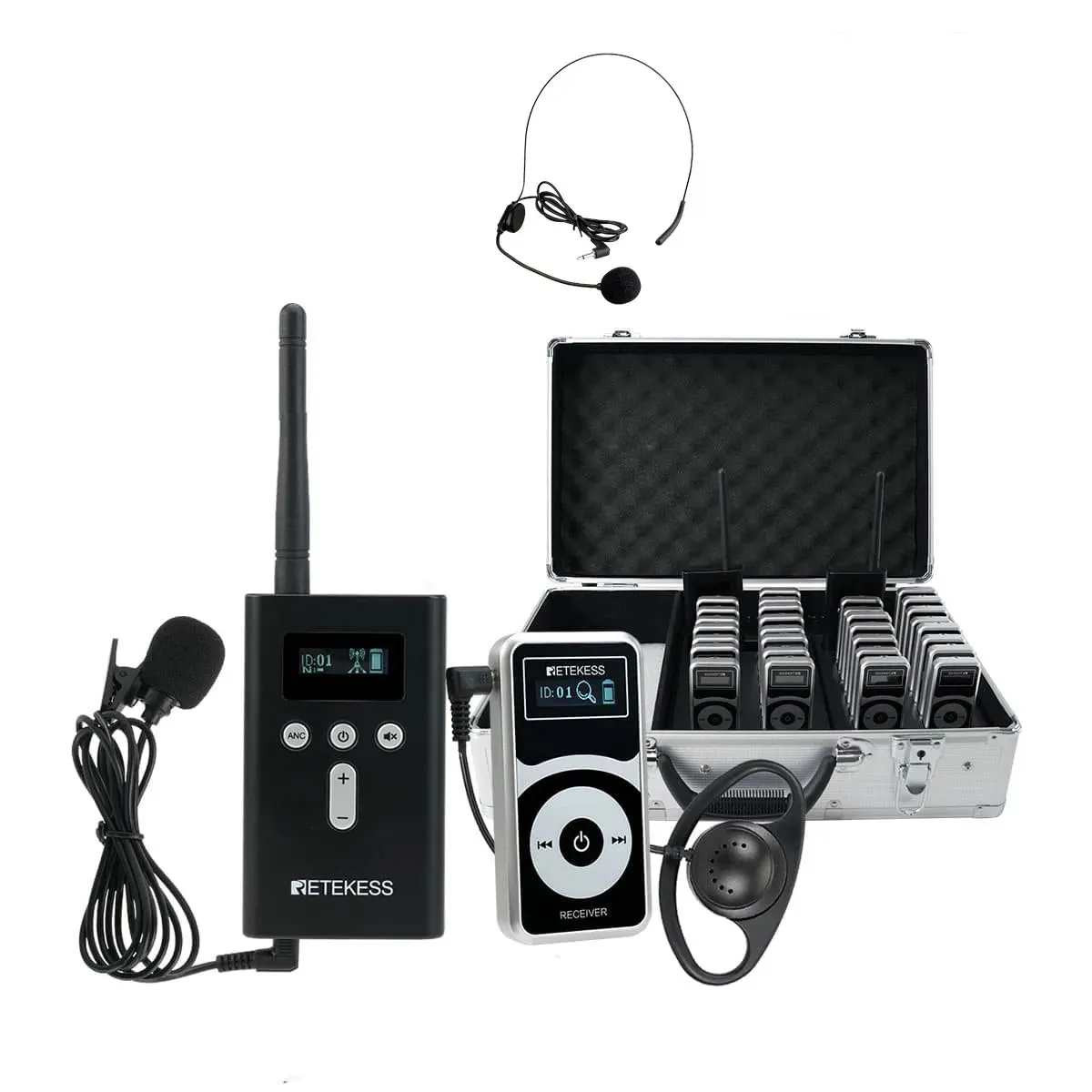
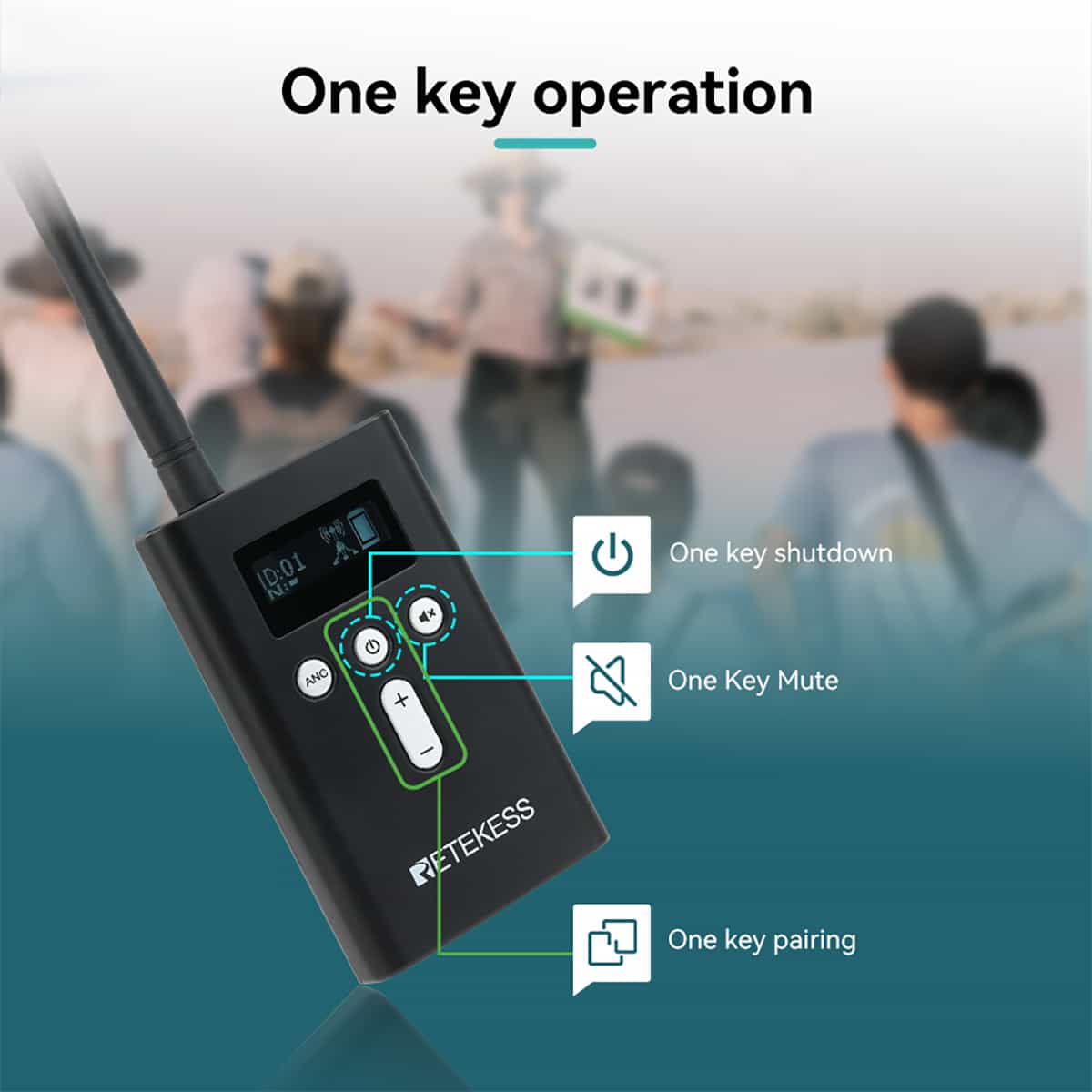
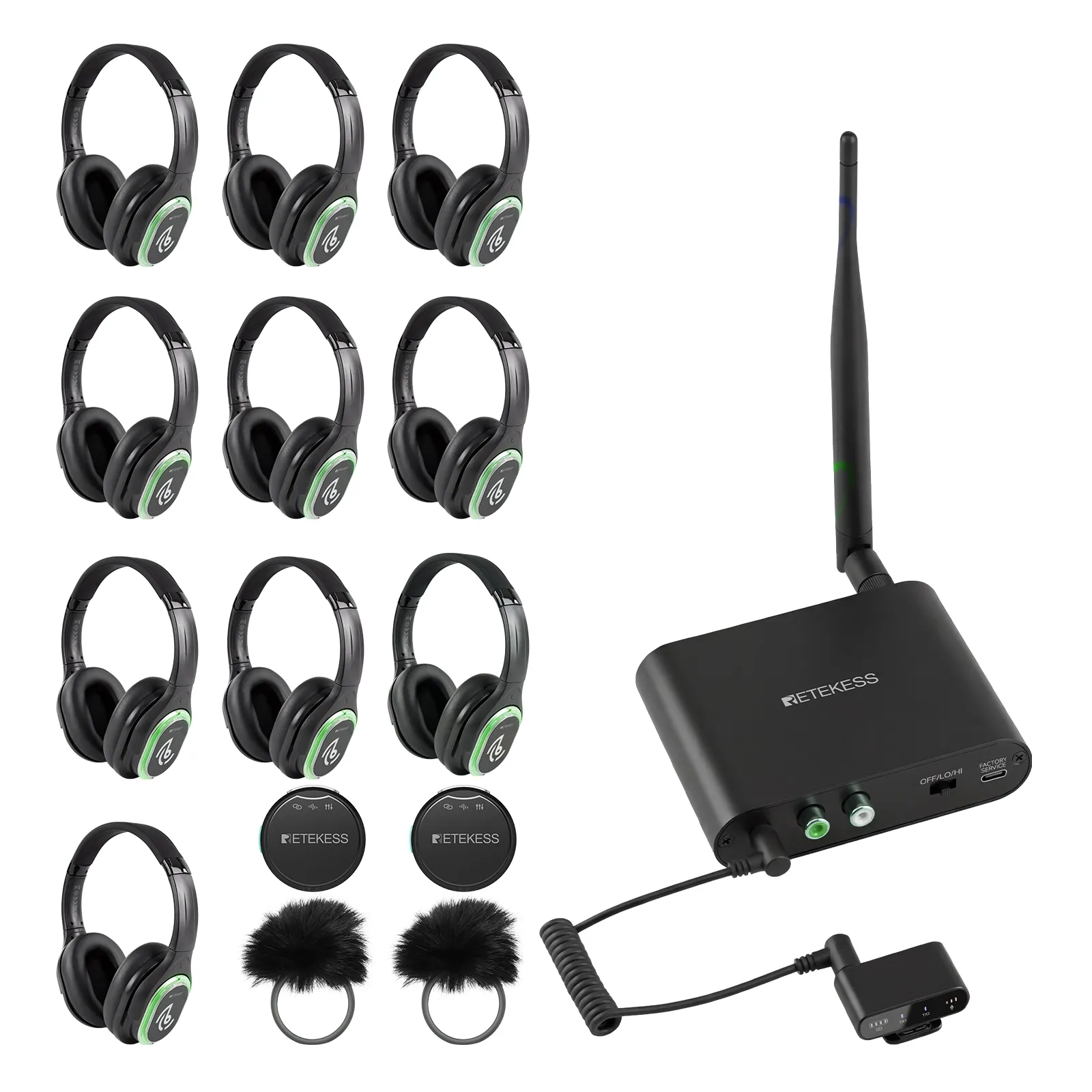
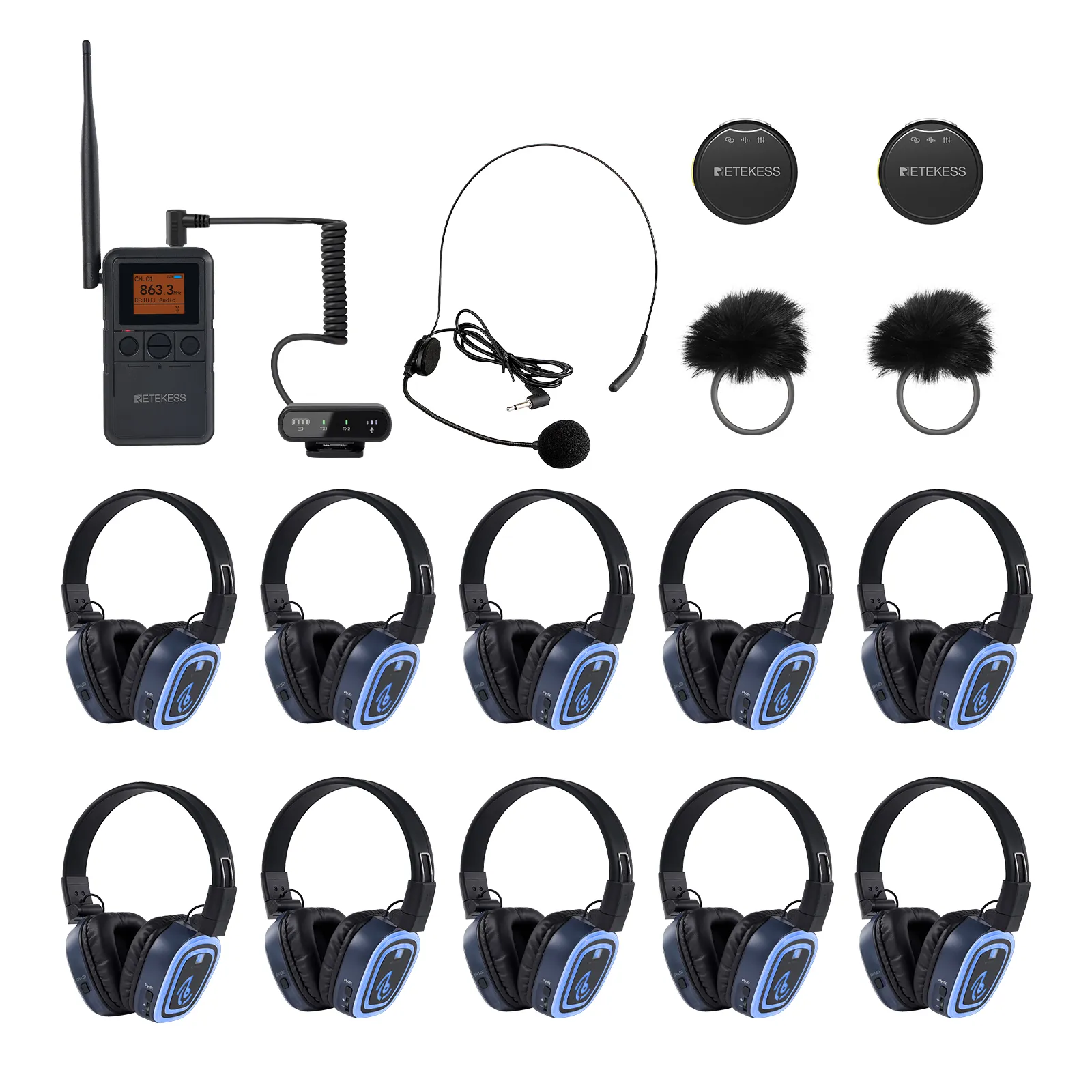
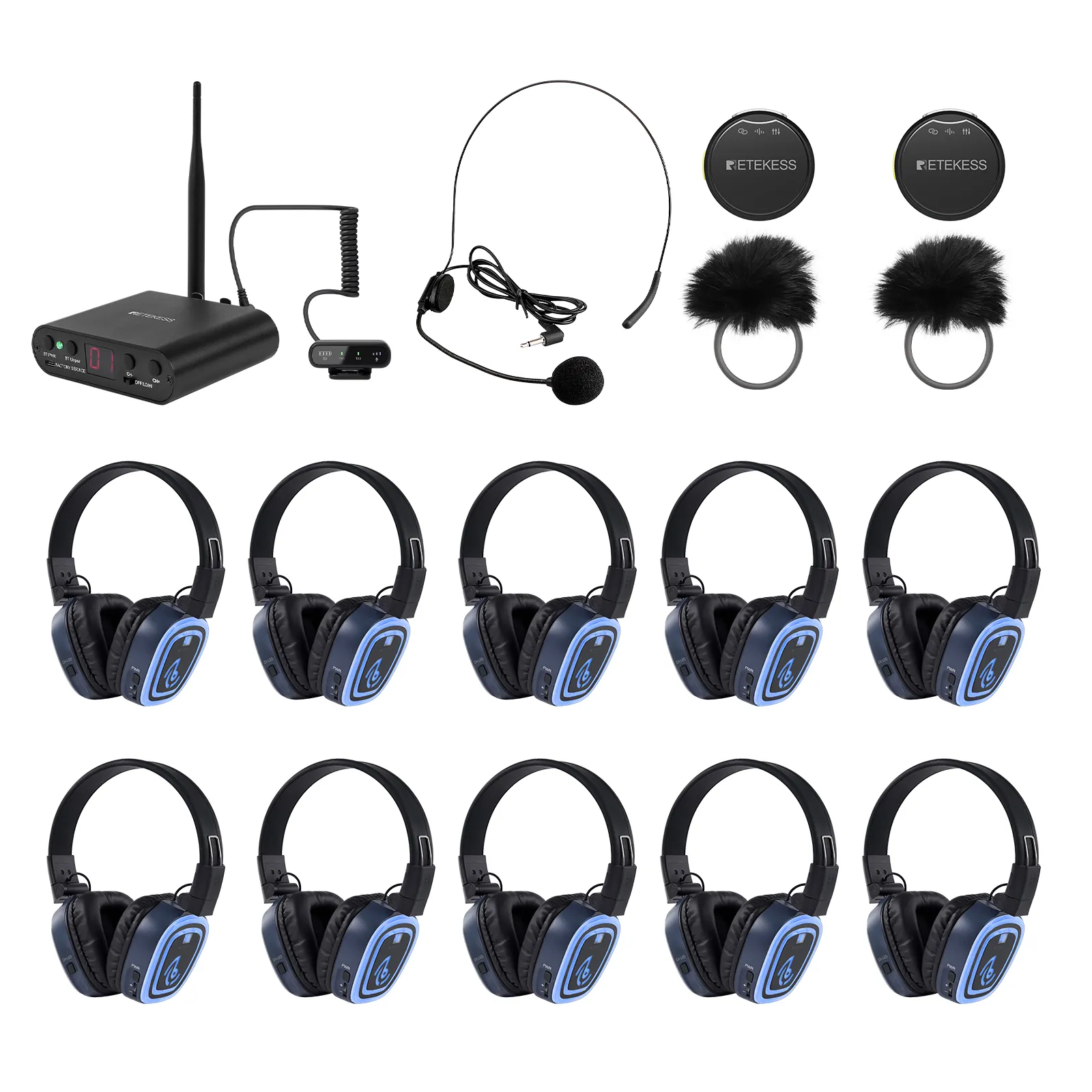
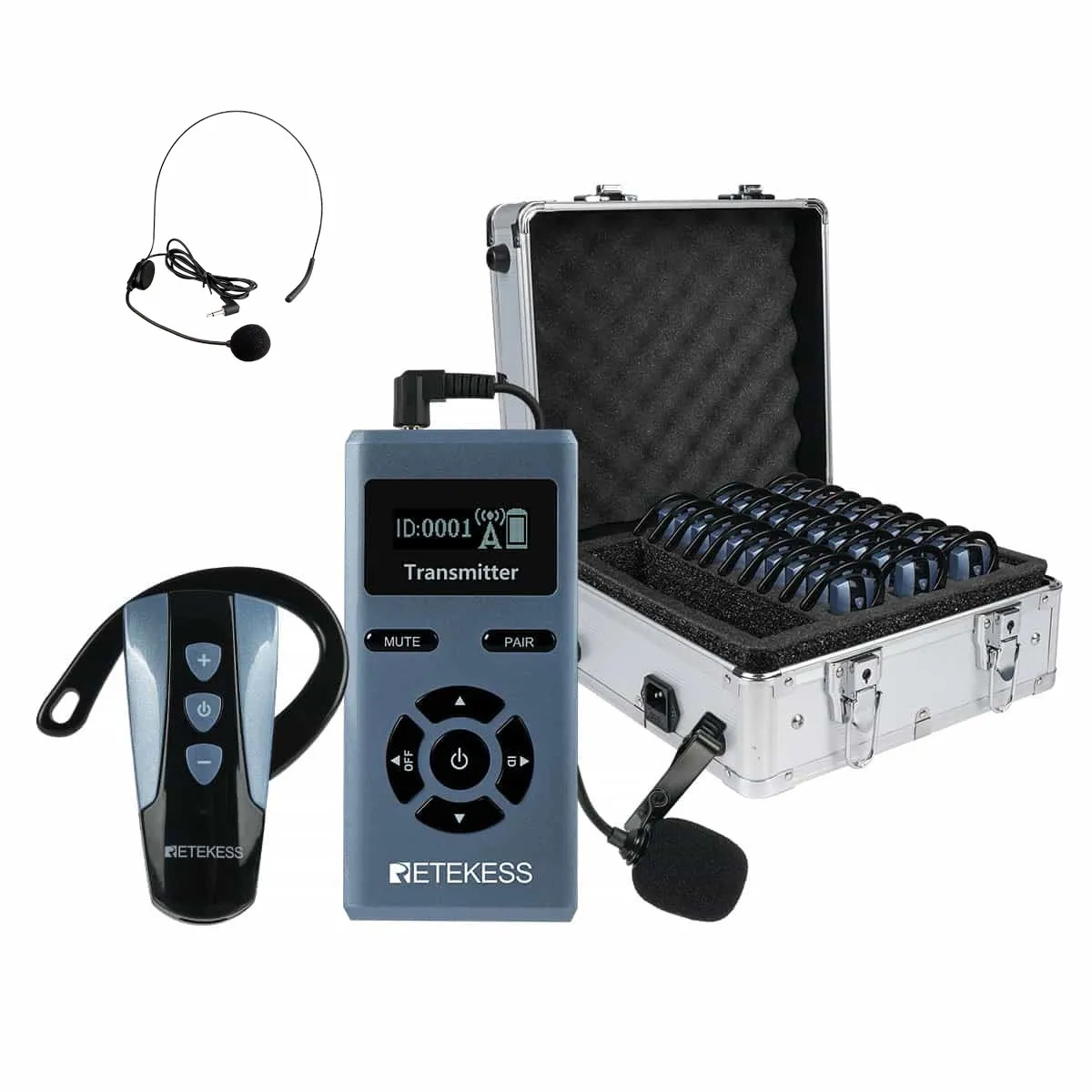
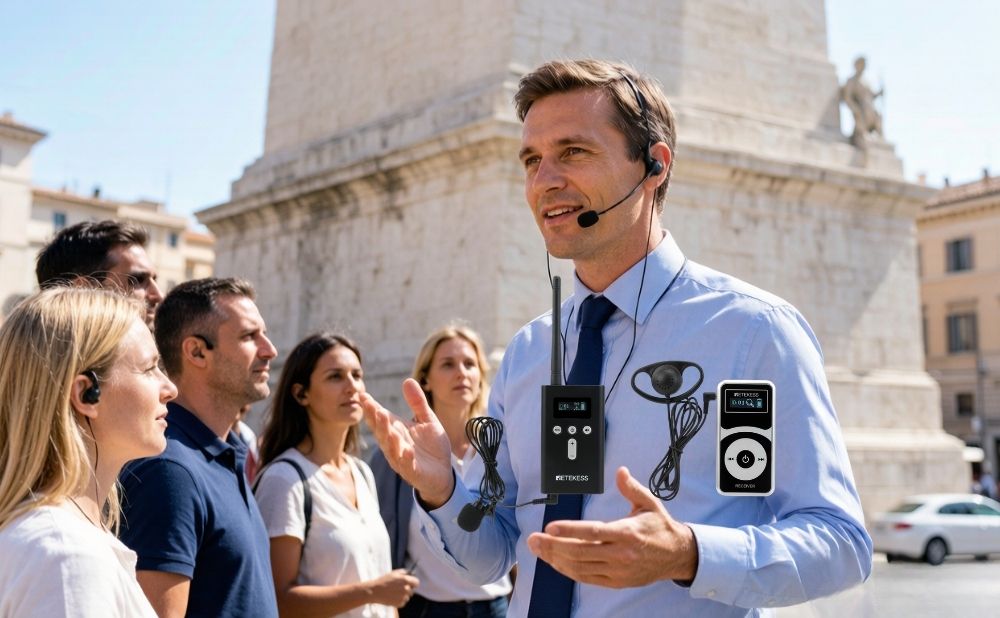
With lightweight transmitter and receiver headsets, trainers can speak at a normal, conversational volume while every trainee hears their voice with absolute clarity. Even in the loudest manufacturing bays, safety protocols and operational steps are transmitted directly to the listener's ears without distortion.
2. Keeping Large Training Groups Engaged and Together
New hire cohorts often consist of 10 to 30 people. Trying to gather a large group tightly around a machine is unsafe and impractical. Wireless systems allow trainees to spread out safely around a workstation while maintaining a direct audio connection to the instructor, ensuring everyone gets a front-row learning experience.
3. Boosting Retention and Safety Compliance
When trainees can actually hear the instructions the first time, comprehension and retention skyrocket. Clear transmission of safety guidelines ensures that compliance standards are deeply ingrained from day one, fostering a safety-first culture across the entire facility.
Best Practices for Implementing Audio Systems in Plant Training
To get the most out of your wireless communication setup during onboarding, consider the following strategies:
-
Pre-Shift Equipment Check: Ensure receivers and headsets are fully charged and sanitized before each training session.
-
Zone-Specific Modules: Pair specific segments of your training path with dedicated audio channels if your system supports multi-channel setups, allowing different training groups to operate without cross-talk interference.
-
Combine with Visuals: Use the mobility enabled by wireless headsets to point out specific safety labels, emergency shut-off switches, and quality control checkpoints in real-time.
Final Thoughts
An efficient onboarding process sets the tone for a worker's entire tenure at your facility. By investing in modern wireless audio solutions, manufacturing plants can eliminate the friction caused by industrial noise, protect new hires through crystal-clear safety guidelines, and streamline factory training from the ground up.
Equipping your trainers with the right communication tools isn't just an upgrade to your daily operations—it's a direct investment in a safer, smarter, and more efficient workforce.





![[18th Anniversary] 18 Years of Echoing Excellence: Making Communication Easier, Connecting Trust Beyond Borders](https://res.retekess.com/z_file/20260716/retekess-brand-story-making-communication-easier_20260716151044_7682.jpg)
![[18 Years in Wireless Communication] Silent Disco Systems Anniversary Celebration: Top-Selling Headphones & Event Mechanics Revealed!](https://res.retekess.com/z_file/20260713/18-years-in-wireless-communication-silent-disco-systems-anniversary-celebration_20260713175011_5749.webp)
![[Anniversary Carnival] Ding-dong! 18th Anniversary Mega Sale on Guest Paging & Calling Systems: Full Reveal of 12+ Products & Promo Rules!](https://res.retekess.com/z_file/20260713/18th-anniversary-mega-sale-on-guest-paging-calling-systems_20260713175257_0295.webp)
![[Retekess 18th Anniversary Teaser] Tour Guide System Exclusive Perks: Sneak Peek at Event Dates & Mechanics!](https://res.retekess.com/z_file/20260713/retekess-18th-anniversary-tour-guide-system-exclusive-perks--2-_20260713180135_6435.webp)
Follow Us
Pay With


 Google
 Amazon
Comments (0)