
Table of Contents
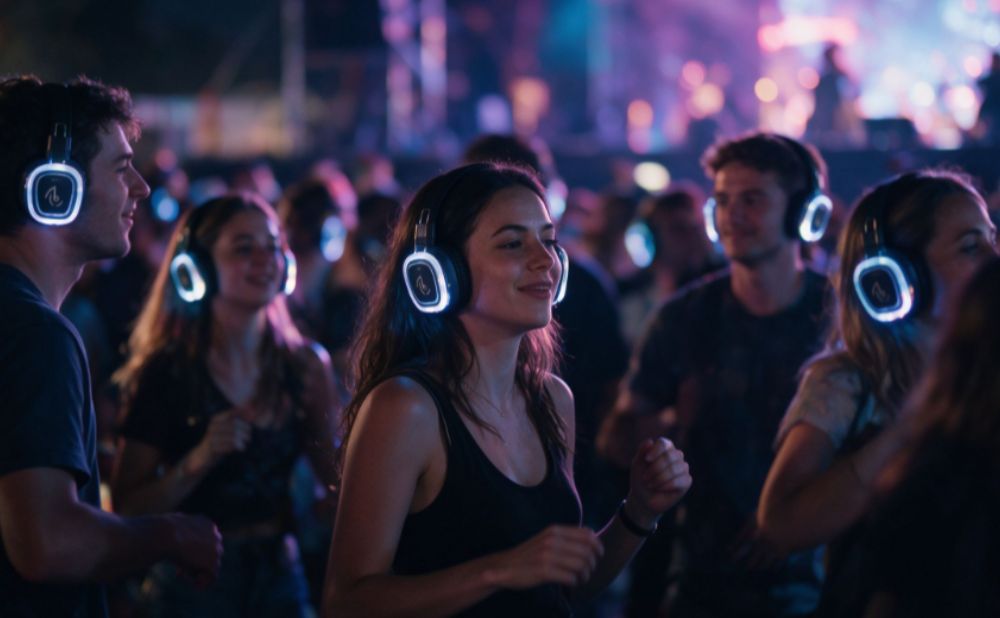
What Is a Silent Rave? The Festival Experience Without the Isolation
- Retekess
- Sep 11, 2026
Music festivals create unforgettable immersive music experiences, but they can also create a frustrating trade-off: powerful sound often comes at the cost of communication and personal space.
Loudspeakers can make phone notifications difficult to hear, while dense crowds can quickly separate friends. For years, festival-goers had to choose between getting fully lost in the music and staying connected with their group.
This is where the silent rave comes in. Also known as a quiet rave, silent disco, or quiet disco, this format replaces traditional speakers with wireless rave headphones, allowing attendees to enjoy immersive music while staying aware of the people around them.
What Is a Silent Rave?
So, what is a silent rave?
A silent rave is an event where music is delivered through wireless headphones instead of a conventional speaker system. Each attendee wears a pair of rave headphones and can listen to one or more dedicated audio channels.
This setup creates a unique rave with headphones experience. The dance floor may sound almost silent to someone standing nearby, while attendees hear synchronized music directly through their headsets.
A typical silent music festival or festival silent disco can support multiple music channels, allowing attendees to switch between different DJs, genres, or playlists. This creates a more personalized experience without requiring everyone to listen to the same audio feed.
The result is an immersive silent disco where the music feels personal, but the event remains socially accessible.
Why Are Silent Raves Becoming Popular?
Traditional festivals are designed around shared sound. Everyone in the venue hears the same speakers, the same volume, and usually the same music.
A silent rave changes that model.
Because the sound is delivered directly to each listener, attendees can adjust their own listening experience while remaining physically close to their friends. There is no need to leave the dance floor simply to have a conversation or check a message.
This makes the format especially appealing for modern festivals, silent fest events, private parties, and venues where sound levels need to be carefully managed.
For festival-goers, the biggest benefit is simple: you can stay immersed without becoming socially isolated.
Silent Festival vs. Traditional Music Festival
The difference becomes clearer when comparing a traditional festival with a silent festival experience.
|
Comparison Dimension |
Traditional Music Festival |
Silent Rave / Silent Disco |
|
Sound Experience |
Shared speaker system; sound can vary across the venue and may be affected by crowd noise |
Direct headphone audio with a more consistent listening experience |
|
Social Connectivity |
Loud music can make calls and conversations difficult |
Remove or lift one earcup to speak with friends |
|
Music Choice |
Usually one shared audio feed |
Multiple channels can offer different music or DJs |
|
Venue Flexibility |
Sound levels may affect where and when an event can take place |
Headphone-based audio creates more flexibility for indoor and outdoor events |
|
Personal Experience |
Everyone hears the same source |
Each attendee controls their listening experience |
|
Group Experience |
Friends may need to leave the dance floor to communicate |
Friends can stay together while listening individually |
A festival silent disco therefore solves more than a sound problem. It changes how people experience the relationship between music, space, and social interaction.
The Core Benefit: Immersive Music Without Losing Connection
The biggest appeal of a silent rave party is the balance between immersion and communication.
With traditional festival speakers, the louder the music becomes, the harder it is to hear a friend standing next to you. Phone alerts may also disappear beneath the sound of the crowd.
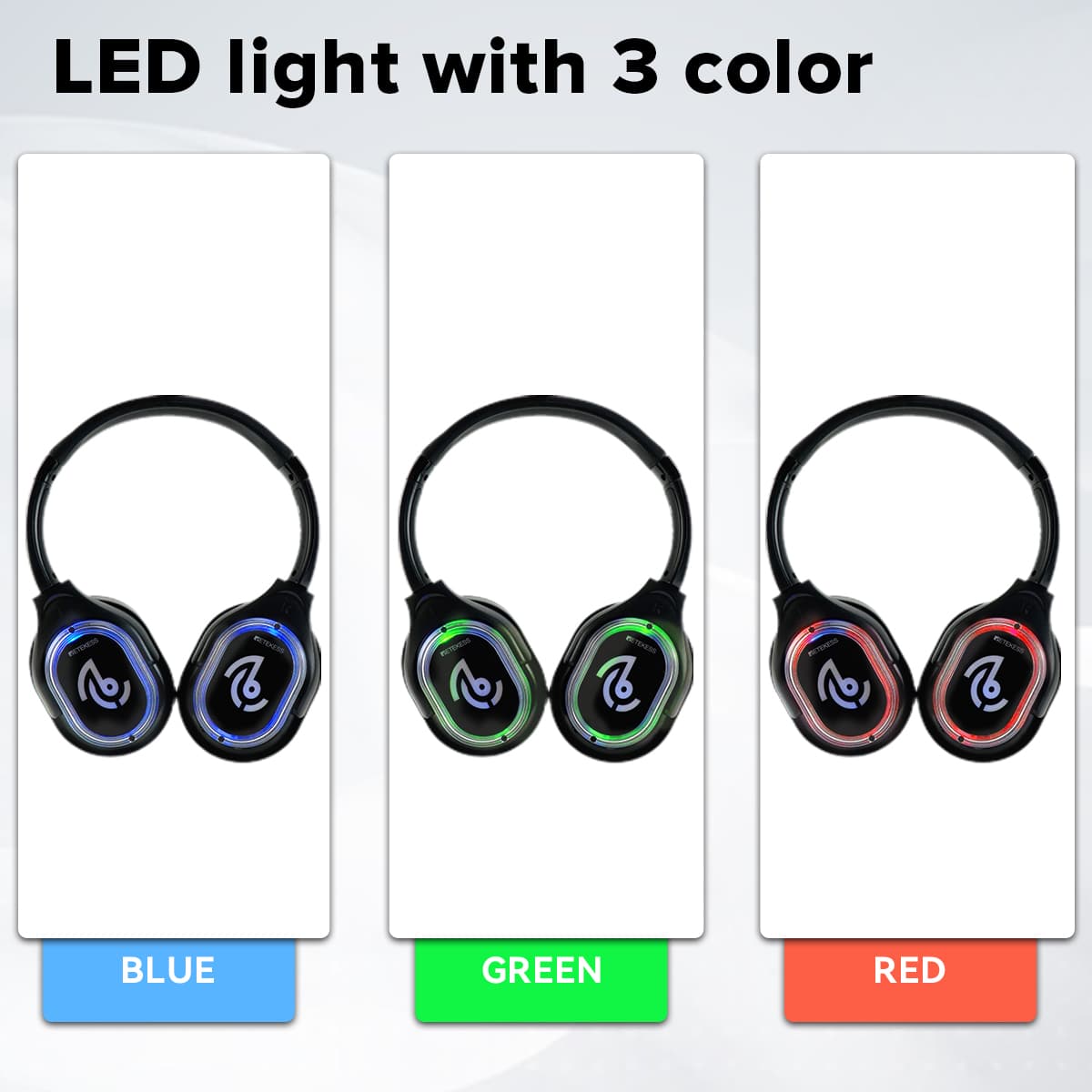
With rave headphones, the music is delivered directly to the listener. When you need to communicate, you can simply move one earcup away from your ear and speak normally.
This makes the format useful for groups who want to stay together without constantly interrupting their experience.
It also helps answer an increasingly common question: how to stay connected at festivals.
Instead of leaving the dance floor every few minutes to check your phone or find your friends, you can stay aware of messages, calls, and meetup plans while continuing to enjoy the music.
How Do Silent Raves Work?
The basic setup is straightforward.
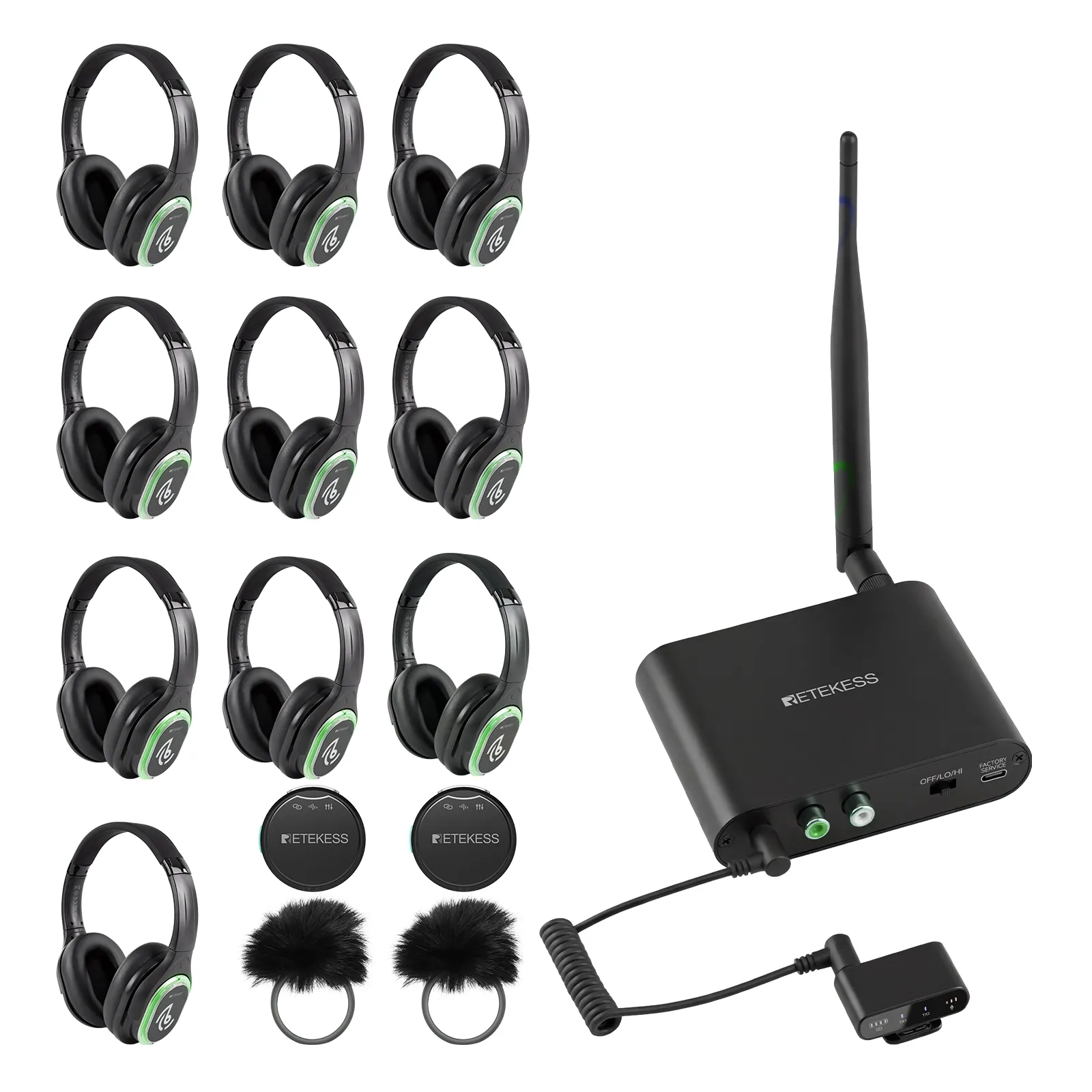
A wireless transmitter sends audio to compatible headphones. Event organizers can provide one audio channel or several independent channels, depending on the system.
Attendees then use the headphones to select their preferred channel and adjust their listening volume.
This setup works well for different types of events, including:
- Silent music festivals and outdoor festivals
- Private parties and afterparties
- Corporate and team events
- Camping and outdoor gatherings
- Indoor venues and nighttime events
- Small community events and pop-up parties
For organizers, quiet events headphones can make it easier to create a controlled audio environment without filling the entire venue with loudspeaker sound.
Choosing the Right Rave Headphones for a Silent Event
The quality of the headphones and wireless system directly affects the experience.
For event organizers, rental companies, and teams planning a private silent rave, several factors matter: wireless stability, operating range, battery life, comfort, and the number of available channels.
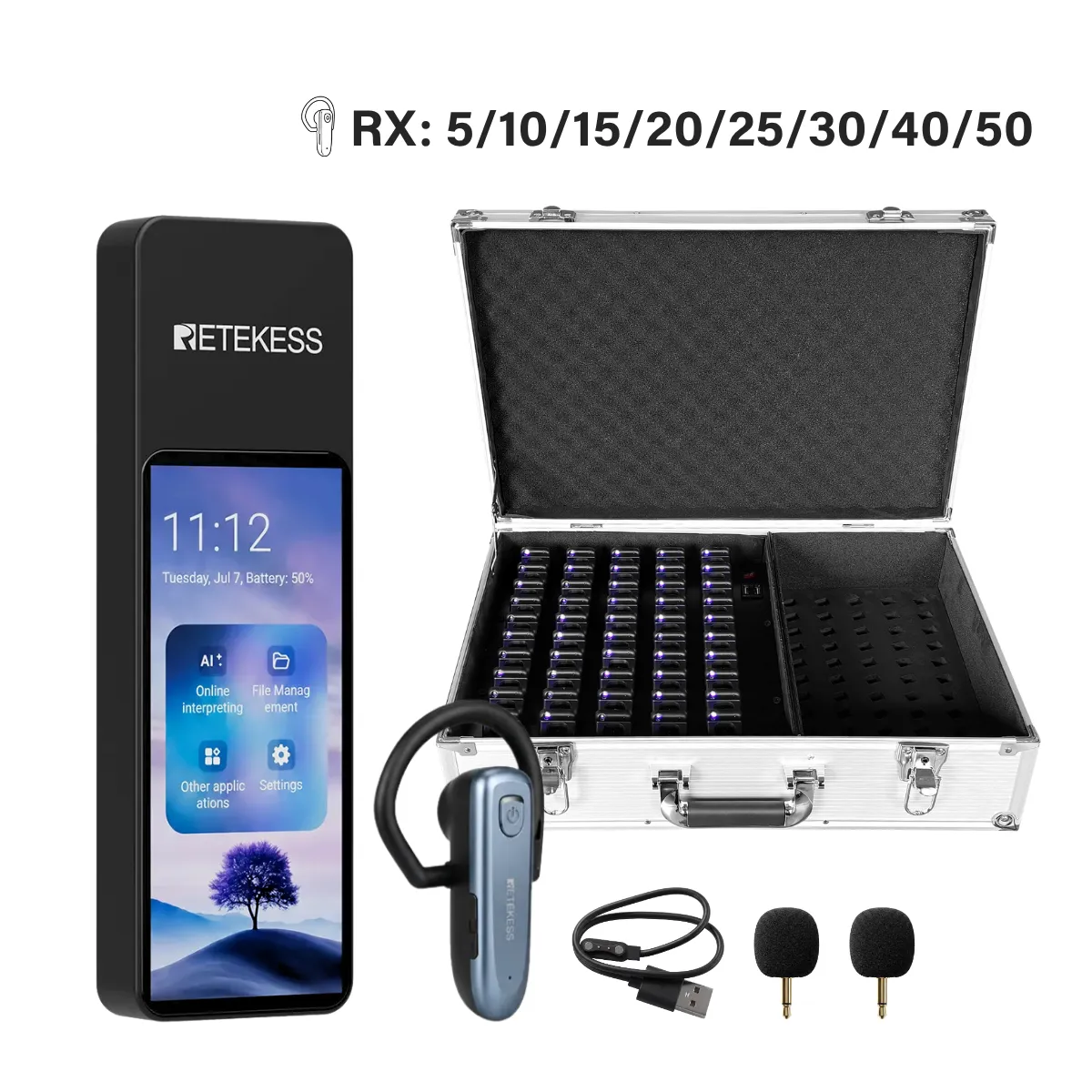
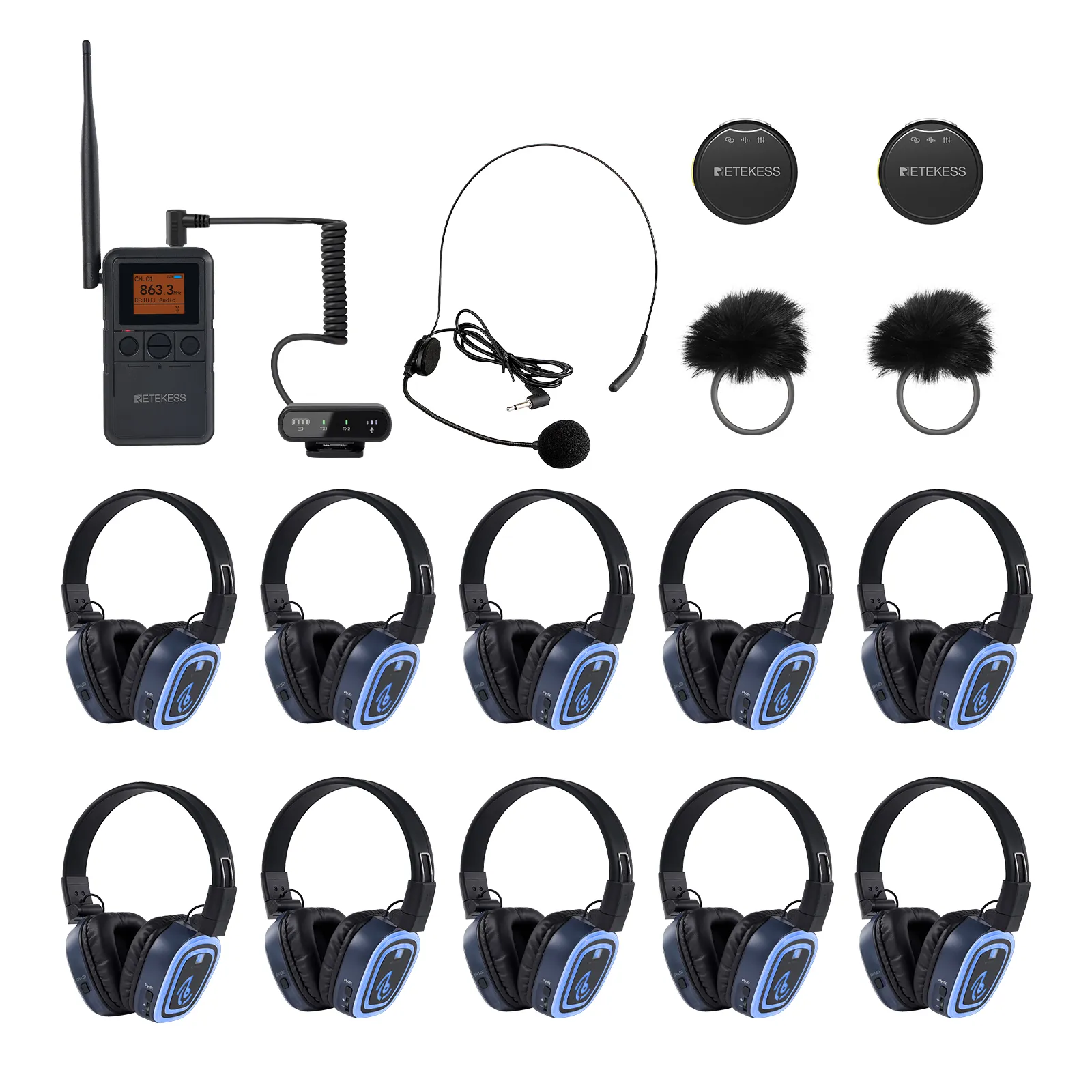
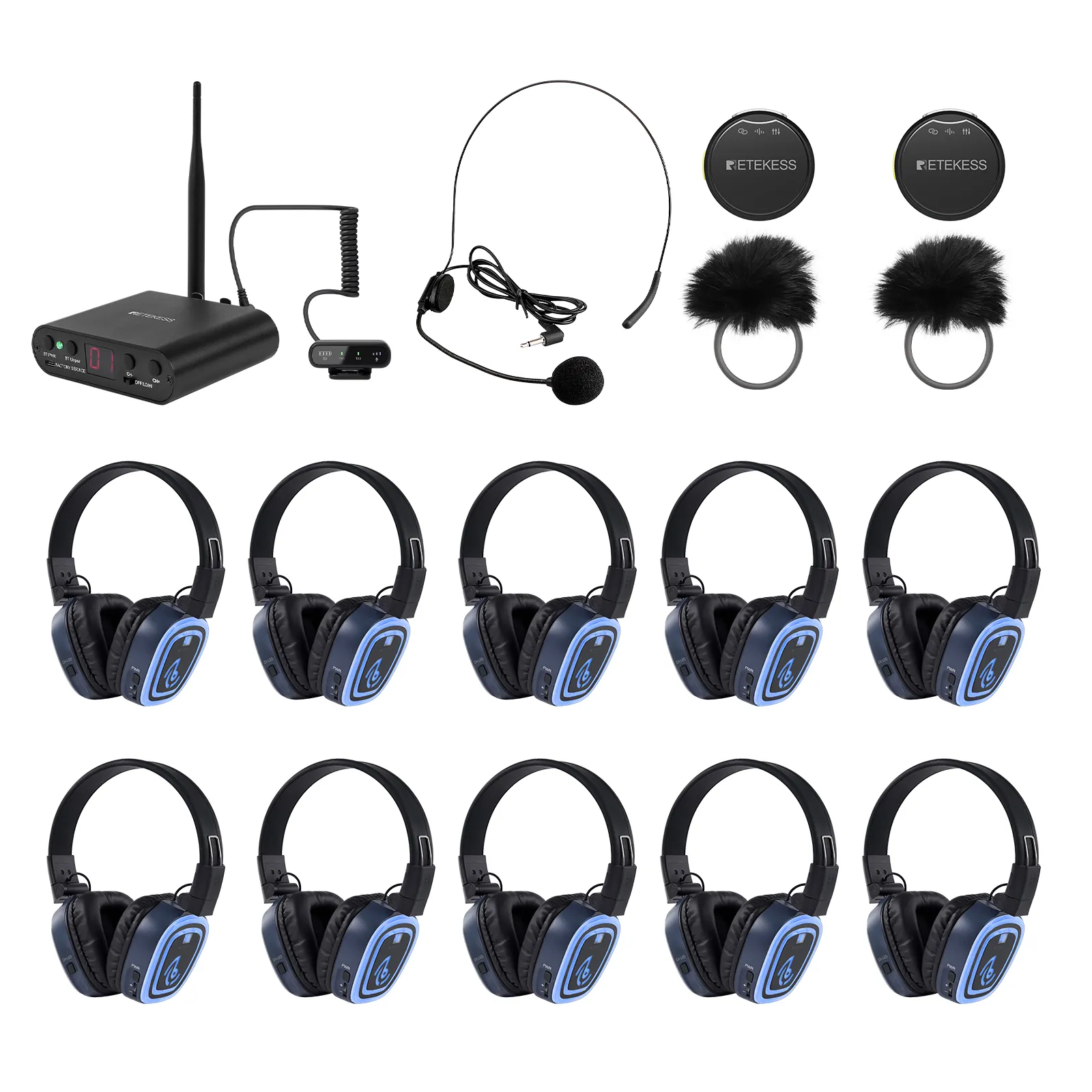
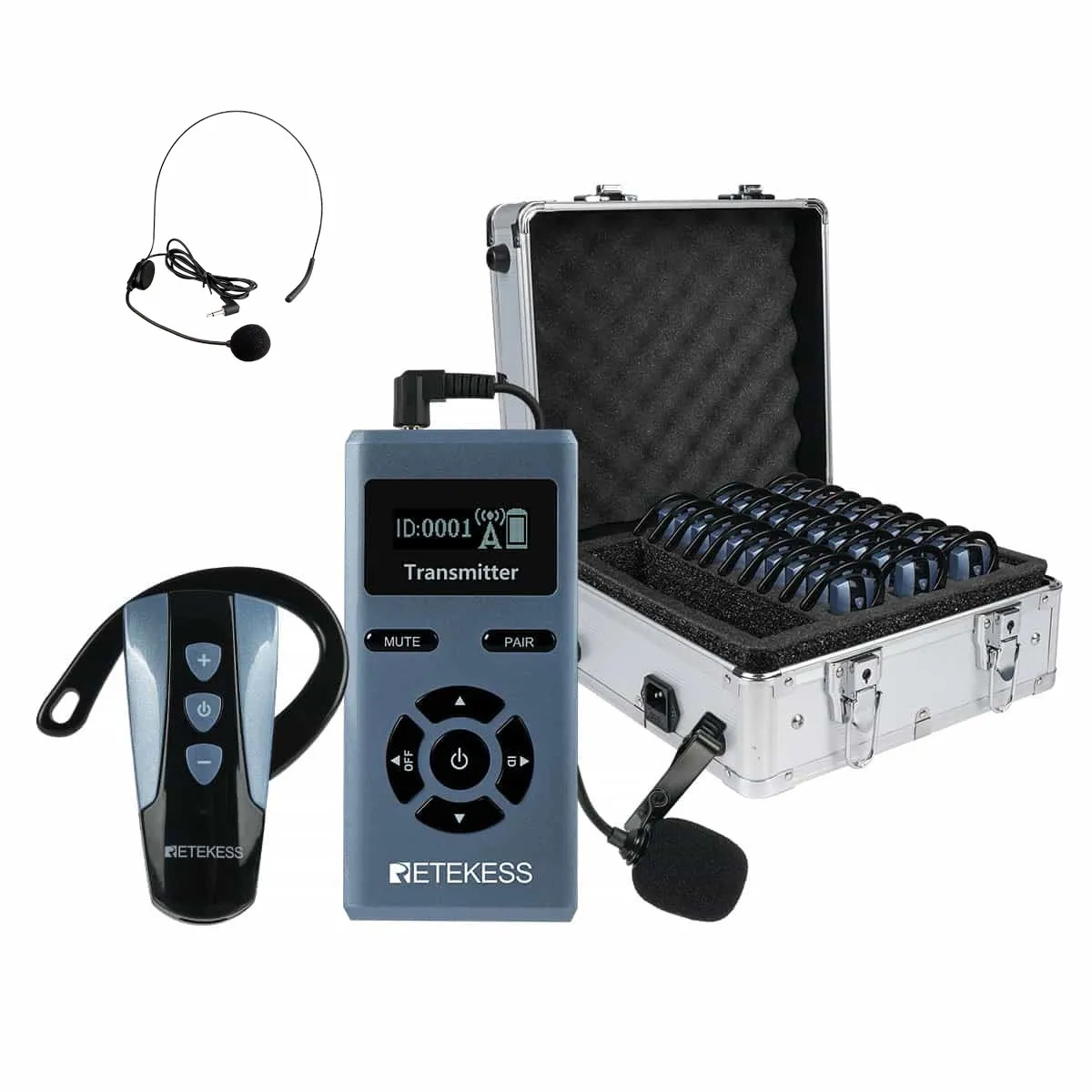
For small-to-medium events, the Retekess TA003S Wireless Desktop Transmitter & Headsets provides a practical setup for headphone-based events.
Its UHF wireless system is designed for stable audio transmission, helping maintain a consistent connection across indoor spaces and outdoor event areas. Multiple channels also allow organizers to provide different music streams during the same event.
The included headsets are designed for extended wear, with soft ear pads and an adjustable fit for greater comfort during long sessions.
USB-C charging and long battery life also help simplify event preparation, especially for full-day festivals, private parties, and nighttime gatherings.
For teams offering quiet events silent disco services, a system that is easy to set up, charge, store, and manage can make repeated events more practical.
Who Is a Silent Rave Best For?
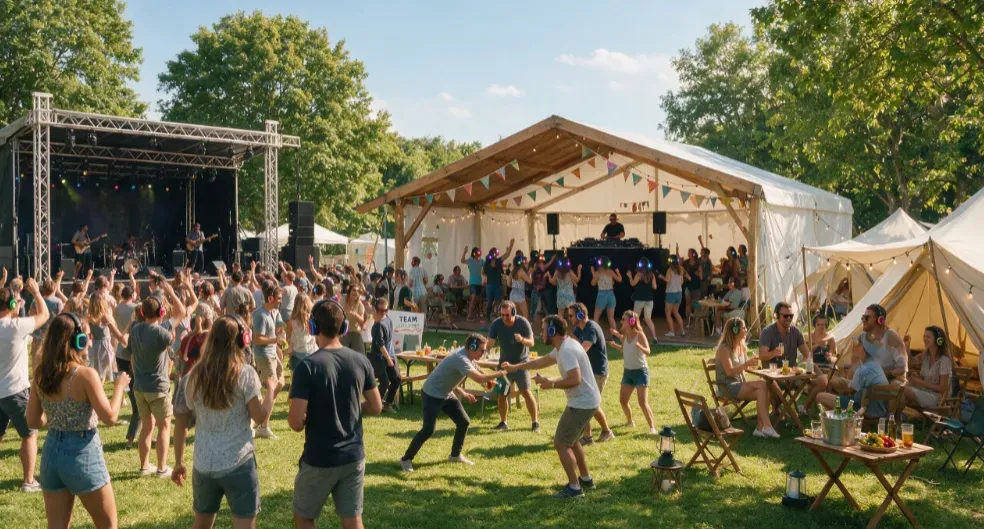
A quiet rave can work for almost any group that wants music without giving up easy communication.
It can be especially useful for:
Festival groups
Friends can stay together while listening to different music channels and communicating more easily.
Noise-sensitive attendees
Direct headphone audio can offer a more controlled listening experience than standing close to powerful speakers.
Private parties
Hosts can create a distinctive silent rave party experience without filling the entire property with amplified sound.
Corporate and team events
Multiple channels can support different activities or music preferences within one shared event space.
Outdoor and camping events
A headphone-based system can bring music to open-air gatherings while keeping the surrounding environment quieter.
Silent Rave FAQ
What is the difference between a silent disco and a silent rave?
They refer to the same format. “Silent disco” is the original term, while “silent rave” and “quiet rave” describe the same headphone-based party format popular at festivals and afterparties. Both use multi-channel wireless headphones instead of speaker systems.
Can you talk to people at a silent rave?
Yes. Because there are no loudspeakers, you can hold a normal conversation by simply sliding one earcup off. Many attendees keep one ear on the music and one ear free for talking, making communication much easier than at traditional raves.
How much does it cost to host a silent rave?
A professional silent disco system for small-to-medium events can start around $300–$500 to purchase, such as the Retekess TA003S system, while larger events can use rental headphone kits. Costs generally scale with the number of attendees and the equipment required for the event.
Final Thoughts
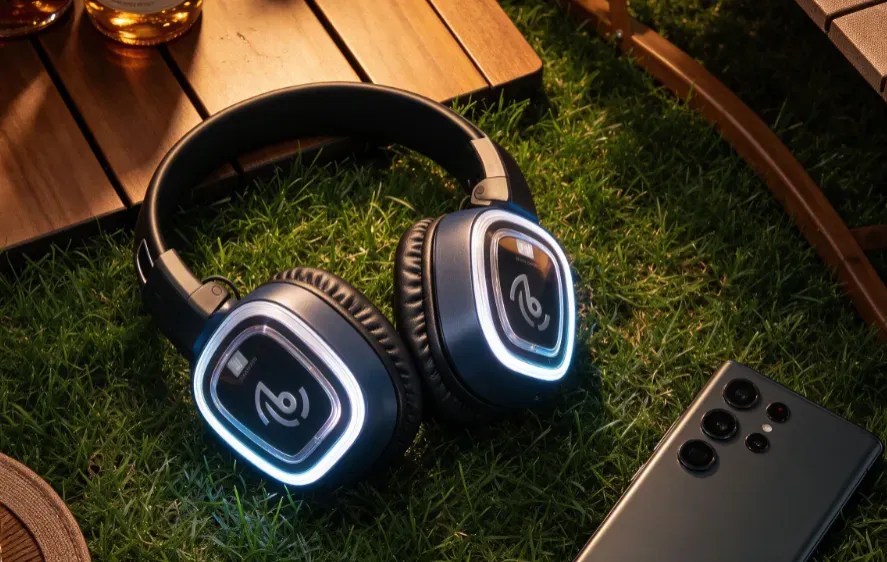
A traditional festival can deliver incredible music, but the experience does not have to come at the expense of communication.
A silent rave combines direct headphone audio with the social freedom of staying close to your friends. With rave headphones, attendees can switch between music channels, enjoy a more personalized listening experience, and communicate without shouting over powerful speakers.
That is why the format continues to attract attention as a flexible option for festivals, afterparties, private events, and other gatherings.
Whether you call it a silent rave, quiet rave, silent disco, silent festival, or silent fest, the idea remains the same: immersive music does not have to mean isolation.
Leave a Reply



![[18th Anniversary] 18 Years of Echoing Excellence: Making Communication Easier, Connecting Trust Beyond Borders](https://res.retekess.com/z_file/20260716/retekess-brand-story-making-communication-easier_20260716151044_7682.jpg)
![[18 Years in Wireless Communication] Silent Disco Systems Anniversary Celebration: Top-Selling Headphones & Event Mechanics Revealed!](https://res.retekess.com/z_file/20260713/18-years-in-wireless-communication-silent-disco-systems-anniversary-celebration_20260713175011_5749.webp)
![[Anniversary Carnival] Ding-dong! 18th Anniversary Mega Sale on Guest Paging & Calling Systems: Full Reveal of 12+ Products & Promo Rules!](https://res.retekess.com/z_file/20260713/18th-anniversary-mega-sale-on-guest-paging-calling-systems_20260713175257_0295.webp)
![[Retekess 18th Anniversary Teaser] Tour Guide System Exclusive Perks: Sneak Peek at Event Dates & Mechanics!](https://res.retekess.com/z_file/20260713/retekess-18th-anniversary-tour-guide-system-exclusive-perks--2-_20260713180135_6435.webp)
Follow Us
Pay With


 Google
 Amazon
Comments (0)