
Table of Contents

The Future of Exploration: Top Trends in Tour Guide Systems for 2026
- Retekess
- Jun 26, 2026
As we navigate through 2026, the travel industry is experiencing a digital shift that is fundamentally changing how we explore our world. Tour guide systems, once defined by simple, bulky radio receivers, have transformed into smart, connected ecosystems.
Today’s travelers no longer just want to be "told" about a destination—they want to be immersed in it. Here are the top trends defining tour guide systems this year.
1. AI-Powered Real-Time Translation
Language barriers are becoming a thing of the past. New hardware, such as the Retekess TT136 automatic translation device, now integrates AI to provide real-time translation for group tours.
The Benefit: A single tour guide can speak in their native language, and the system translates the commentary into over 120 languages simultaneously(with two selected languages available for the audience to switch between).
The Impact: This eliminates the need for multiple specialized guides and allows international groups to enjoy a unified experience without losing the nuances of the story.
2. From Dedicated Hardware to "Bring Your Own Device" (BYOD)
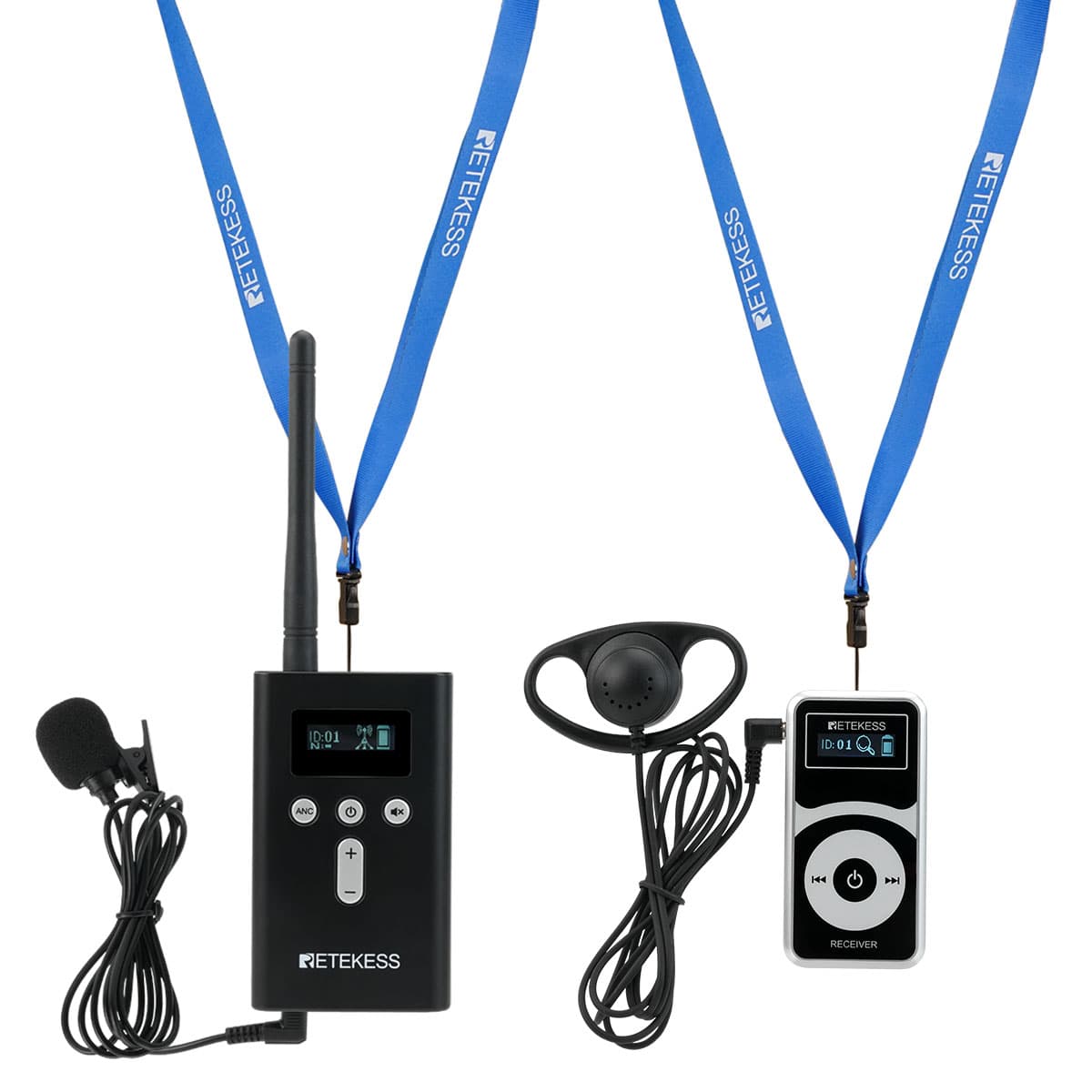
The industry is rapidly shifting toward App Integration. Instead of renting plastic receivers, tourists now sync their own smartphones via Bluetooth or secure web links to a local network.
The Benefit: It’s more hygienic, sustainable, and familiar for the user.
The Impact: Tour operators save on hardware maintenance costs, while guests enjoy a seamless, high-quality audio experience directly through their own headphones.
3. Two-Way Conversational Engagement
Traditional systems were strictly one-way broadcasts. Modern tour guide setups now prioritize interaction.
The Benefit: Many platforms now feature two-way audio channels, allowing participants to ask questions directly to the guide without disrupting the flow of the tour.
The Impact: This fosters a more intimate, conversational environment, making tours feel less like a lecture and more like a dialogue.
4. Geofencing and "Invisible" Guides
Through the use of IoT (Internet of Things) and GPS-based geofencing, tours are becoming increasingly automated.
The Benefit: As a traveler approaches a specific landmark, the app automatically triggers the relevant audio story, historical photo, or AR overlay.
The Impact: This creates the ultimate "self-guided" experience, giving travelers the freedom to move at their own pace without ever feeling lost or under-informed.
5. Cloud Management and Data Insights
For tour operators, the revolution is happening behind the scenes.
The Benefit: Cloud-based platforms allow managers to track everything in real-time: device battery levels, group location, and even audience engagement metrics.
The Impact: By analyzing this data, operators can identify which parts of a tour are most popular, which locations cause "bottlenecks," and how to optimize their routes to prevent overtourism.
6. The Rise of "Phygital" Tours (AR/VR)
Augmented Reality (AR) is bridging the gap between the physical and digital worlds.
The Benefit: Using their smartphones, travelers can point their cameras at a crumbling ruin and see an AR overlay of how that structure looked centuries ago.
The Impact: This adds a layer of depth that human storytelling alone cannot achieve, turning historical sites into interactive, 3D classrooms.
The Verdict: Tech as a Catalyst, Not a Replacement
In 2026, the goal of these systems is clear: to augment, not replace, the human guide. While AI handles the logistics—translation, navigation, and scheduling—the professional guide is empowered to focus on what humans do best: providing authentic, emotional, and soulful storytelling.
The most successful tour providers this year are those who view technology not as a gadget, but as a bridge that brings people closer to the culture they are visiting.
Are you ready to embrace the high-tech tour experience, or do you still prefer the traditional, unplugged way of exploring? Let us know in the comments!













 Google
 Amazon
Comments (0)