

Have you ever witnessed the scene? Amidst the cacophony of New York's Times Square, a group of people dances quietly with headphones on; on the viewing platform of San Francisco's Golden Gate Bridge, tourists move to a beat only they can hear—this is a "silent revelry" taking over urban public spaces.
In the early morning hours at New York's Central Park, as joggers and commuters begin their daily routines, another crowd is just winding down their unique nighttime gathering. They have just removed their headphones, the private soundtrack of their night still echoing in their ears.
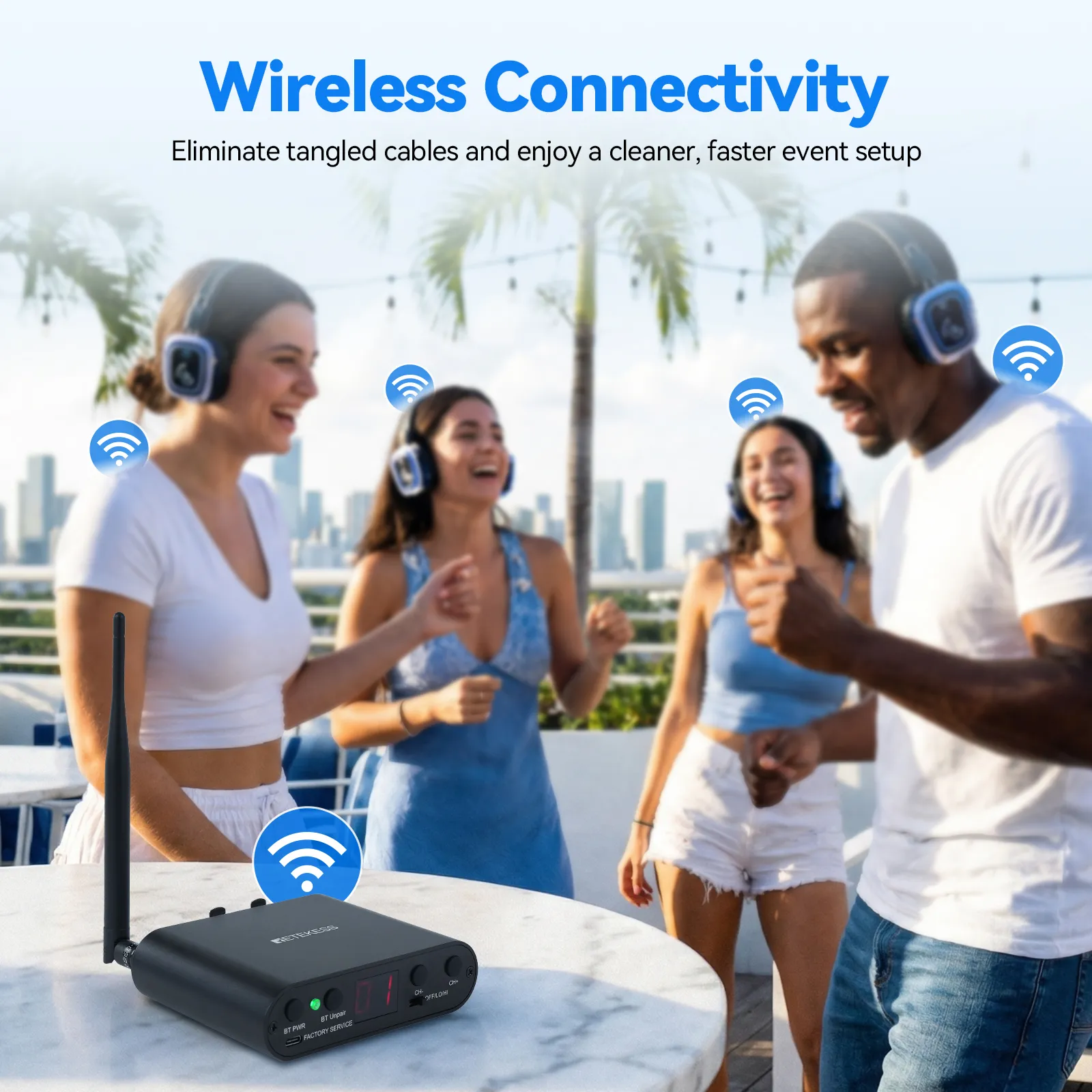
This is no private party. It is the Silent Disco phenomenon that has swept across major U.S. cities in recent years. From music festivals to museums, sports arenas to wedding receptions, this distinctive form of entertainment is redefining the American social and recreational landscape.
01 North American Evolution: From Music Festivals to City Streets
The rise of Silent Disco in the United States is deeply intertwined with its music culture. It first took root in the campgrounds of major festivals like Coachella and Lollapalooza, serving as a quiet alternative for nighttime entertainment.
New York City later pioneered the move into urban spaces. In recent years, organizations like the Times Square Alliance have hosted public Silent Disco events at "Broadway Plaza," allowing tourists and workers to merge private soundtracks with public dancing at the "Crossroads of the World."
The American iteration of Silent Disco emphasizes personal expression and the creative use of public space. In San Francisco, regular "Silent Yoga & Dance" sessions are held in Golden Gate Park, blending wellness with public art.
02 Multi-Scene Application: Beyond the Dance Floor
Silent Disco in the United States has expanded far beyond its origins. It now permeates diverse settings. For instance, sports venues like Los Angeles' SoFi Stadium host themed Silent Discos during game intervals, offering a clever solution where traditional PA systems fall short.
Museums and art institutions have also adopted the format. The Art Institute of Chicago's "After Dark" series lets visitors dance with headphones amidst masterpieces, creating a uniquely immersive art experience.
The wedding industry has embraced it as a premium service. Reports indicate that nearly 30% of Millennial couples now consider including a Silent Disco zone at their reception. This allows for energetic dancing without overwhelming conversation, satisfying all guests.
03 The Psychology of Experience: Private Rhythm, Public Performance
Research by American event experts reveals that the key to Silent Disco's success lies in resolving a modern social paradox: the simultaneous desire for shared experience and personal boundaries.
"When you dance with headphones in public, you are both performer and audience," analyzes Dr. Emily Sanders, a psychologist. "This dual role reduces social anxiety because you can retreat into your own musical world at any time."
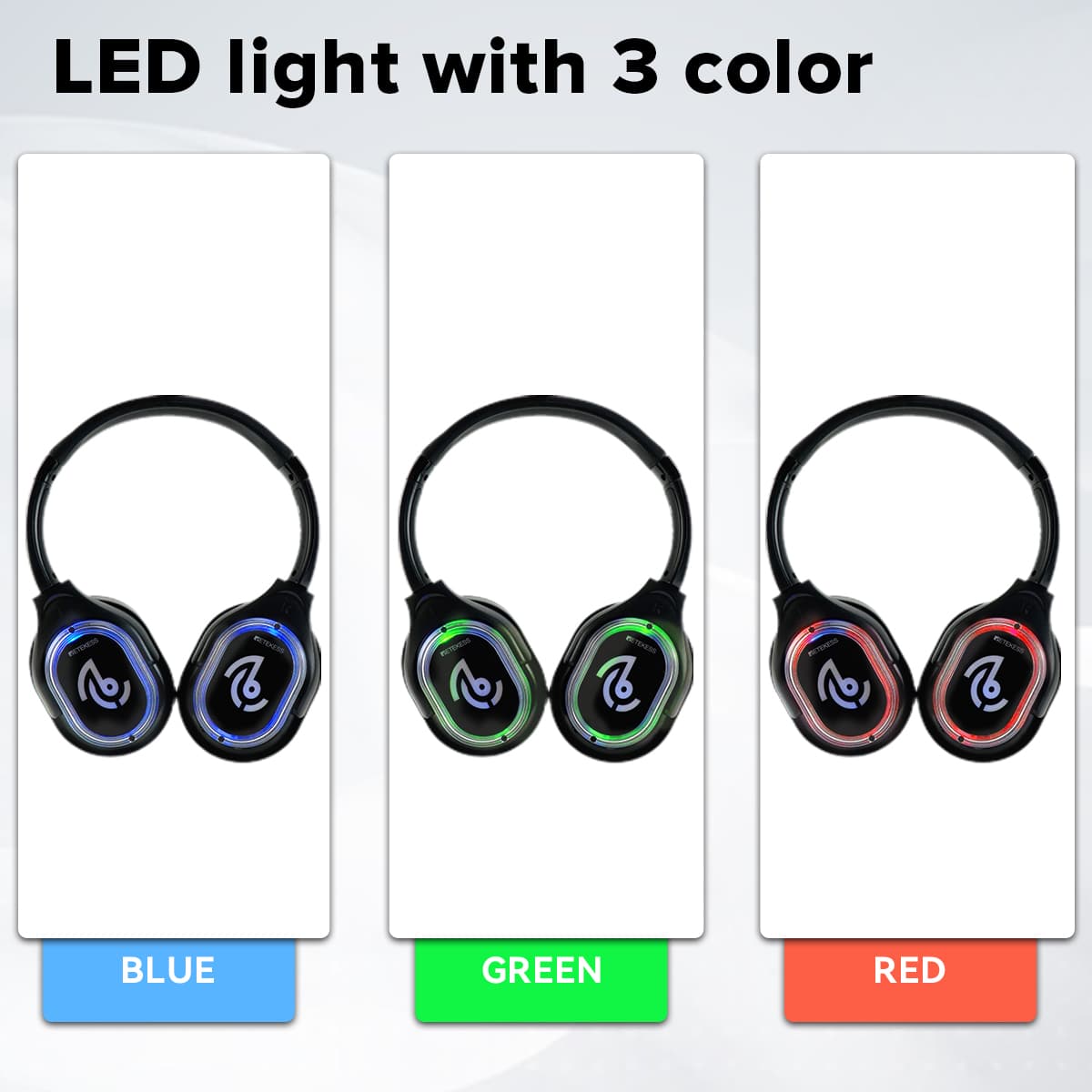
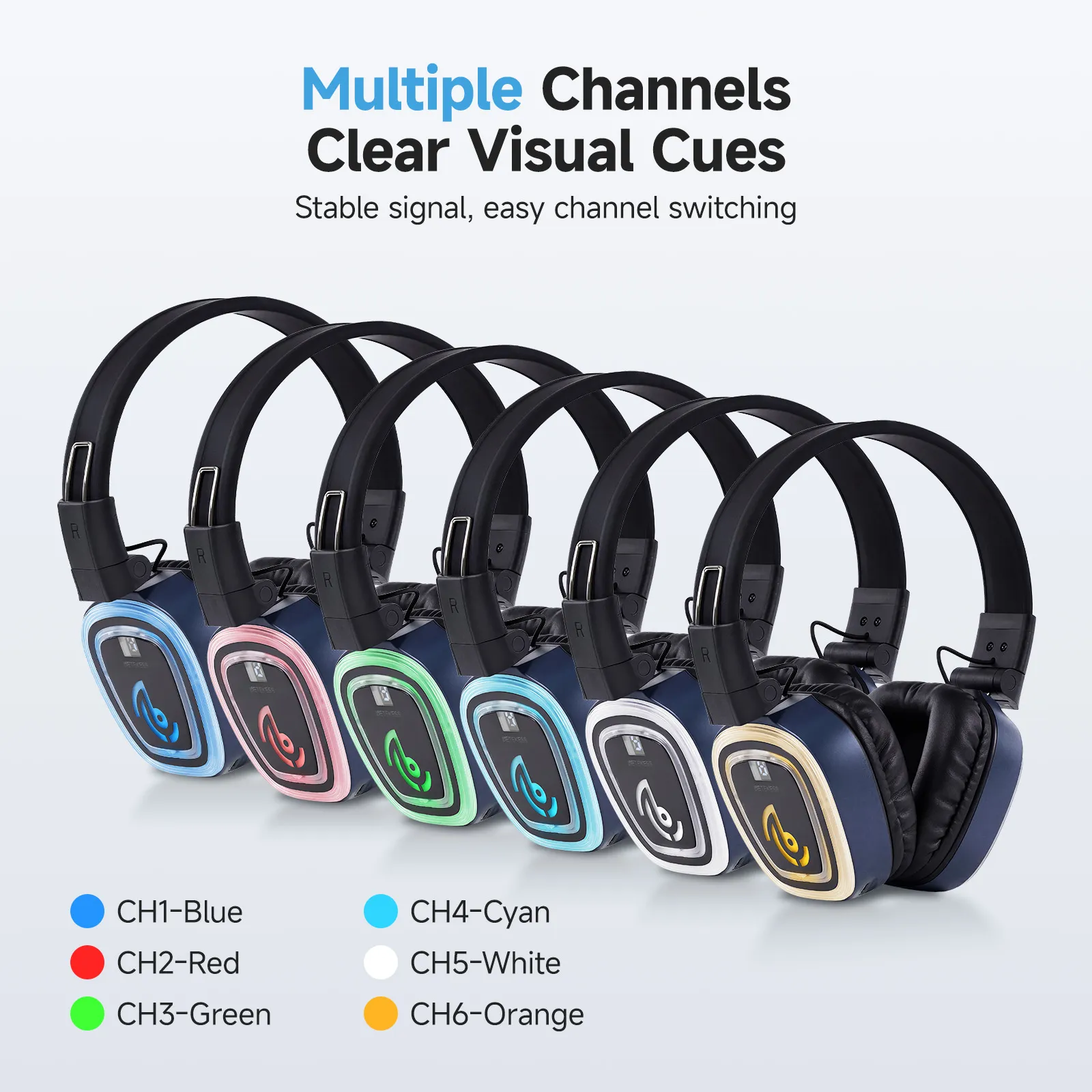
Unlike traditional loud parties, Silent Disco allows participants to control their sensory input. Multi-channel selection has become standard, typically offering pop, retro, and electronic options to cater to diverse ages and tastes.
04 City Soundscapes, Reimagined
Across the U.S., a quiet revolution is reshaping how we use our cities. Planners are tapping into Silent Disco not just for fun, but for function. Seattle’s “Sound Management Initiative” actively promotes it in public squares to keep the peace—literally.
The ecological circle is complete. It started with protecting forests; now in Miami, it safeguards sea turtles by silencing beach bars near their nests.
"This is the blueprint for the future of city life," observes Mark Thompson of San Francisco's Recreation Commission. "We're learning to add vibrancy without the volume, to enrich our culture without overloading our soundscape."
Today, from New York City subway stations to California wineries, from campus parties to corporate retreats, Silent Disco has become woven into the fabric of American culture. It is more than just an entertainment format; it represents a fundamental rethinking of how we use public spaces, interact socially, and manage our urban soundscapes.
When Americans put on their headphones and dance to their own rhythm in a shared space, they are participating in a continuous experiment in balancing personal expression with public life. This “quiet revolution” may be subtly reshaping how America entertains itself—one headphone, one dance move at a time.
![[18th Anniversary] 18 Years of Echoing Excellence: Making Communication Easier, Connecting Trust Beyond Borders](https://res.retekess.com/z_file/20260716/retekess-brand-story-making-communication-easier_20260716151044_7682.jpg)
![[18 Years in Wireless Communication] Silent Disco Systems Anniversary Celebration: Top-Selling Headphones & Event Mechanics Revealed!](https://res.retekess.com/z_file/20260713/18-years-in-wireless-communication-silent-disco-systems-anniversary-celebration_20260713175011_5749.webp)
![[Anniversary Carnival] Ding-dong! 18th Anniversary Mega Sale on Guest Paging & Calling Systems: Full Reveal of 12+ Products & Promo Rules!](https://res.retekess.com/z_file/20260713/18th-anniversary-mega-sale-on-guest-paging-calling-systems_20260713175257_0295.webp)
![[Retekess 18th Anniversary Teaser] Tour Guide System Exclusive Perks: Sneak Peek at Event Dates & Mechanics!](https://res.retekess.com/z_file/20260713/retekess-18th-anniversary-tour-guide-system-exclusive-perks--2-_20260713180135_6435.webp)


 Google
 Amazon
Comments (0)