
Table of Contents
Tour Guide Flag: Why It Matters, Types & How to Choose the Best One
- Retekess
- Aug 11, 2026
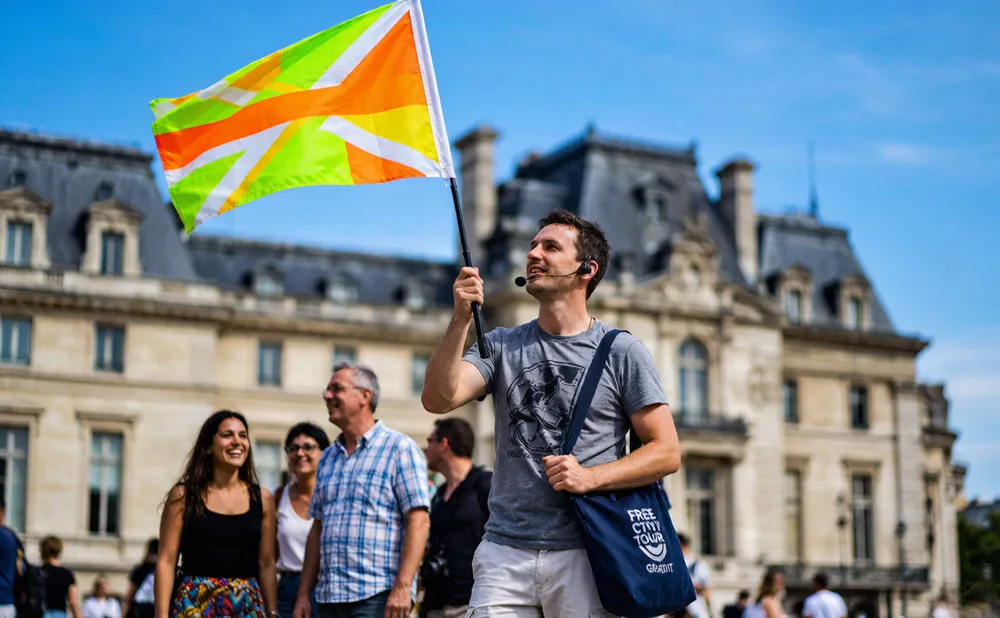
If you've ever been on a group tour, you've probably seen it — a guide holding a colorful flag high above the crowd, leading a group of travelers through a busy tourist destination. It might seem like a simple accessory, but the tour guide flag is one of the most powerful tools in a guide's arsenal. It's a beacon, a branding device, a communication tool, and a symbol of belonging all rolled into one.
In this guide, we'll explore why tour guide flags matter, the different types available, how to choose the right one for your tours, and best practices for using them effectively. Whether you're a tour guide, a tour company manager, or simply curious about this iconic piece of travel equipment, read on.
Why Tour Guide Flags Matter
Tour guide flags are far more than decorative accessories. They serve critical functions that can make or break a group tour experience:
1. Visibility and Identification
In crowded tourist destinations — think Times Square, the Trevi Fountain, or the entrance to the Colosseum — keeping track of a group can be a daunting task. A colorful flag serves as a beacon, making it easy for participants to spot their guide from a distance. This ensures that no one gets left behind or lost amidst the hustle and bustle. The flag becomes a symbol of safety and reassurance, allowing travelers to feel more connected and secure.
For guides, this means less time counting heads and more time sharing knowledge. For tourists, it means the peace of mind that comes from always knowing where to regroup.
2. Enhanced Communication
Tour guides often need to convey important information — historical context, interesting anecdotes, or safety instructions. A flag not only captures attention but can also serve as a visual signal for when the guide has something significant to share. When the flag goes up, everyone knows it's time to gather around.
This non-verbal communication system is especially valuable in noisy environments where shouting would be undignified and ineffective. A simple wave of the flag can signal "gather here," "move this way," or "stop and listen."
3. Creating a Sense of Belonging
Holding a flag can foster a sense of unity among tour participants. It symbolizes that they are part of a collective experience, working toward shared memories. This camaraderie can enhance the enjoyment of the tour, as tourists feel more connected — not just to the guide, but also to each other.
Psychologically, the flag creates a "tribe" identity. Travelers who might otherwise be strangers suddenly share a common reference point. This can encourage conversation, cooperation, and a more enjoyable group dynamic.
4. Branding and Promotion
Tour companies can leverage the flag as a powerful branding opportunity. Custom flags with the company's logo not only enhance visibility but also promote the brand in a subtle yet effective manner. When participants take photos with the guide and the flag in sight, it creates lasting visual memories that can also serve as marketing material when shared on social media.
In the age of Instagram and TripAdvisor, a distinctive flag can become part of a tour company's visual identity. Travelers photograph it, tag it, and share it — generating free, organic marketing every time a tour group poses for a group photo.
5. Cultural Significance
Flags often hold cultural meanings and can enhance the experience by educating tourists about local traditions. Guides can use the flag to introduce cultural symbols, tell stories, and explain the significance of specific colors or designs within the local context. A flag featuring a city's coat of arms or a region's traditional pattern becomes a conversation starter and a teaching tool.
6. Engaging Activities
A tour guide with a flag can incorporate interactive activities into the tour. Games or challenges can be tailored around the flag — for instance, tourists might answer questions related to the region or its history to "earn" the privilege of carrying the flag for a segment of the tour. This not only makes the tour engaging but keeps participants invested in what they're learning.
Types of Tour Guide Flags
Tour guide flags come in a variety of styles, each suited to different purposes:
| Type | Description | Best For |
|---|---|---|
| Standard Color Flags | Brightly colored flags (neon green, orange, pink) designed for maximum visibility from a distance | Large groups, crowded tourist sites, urban tours |
| Custom Logo Flags | Flags featuring a tour company's logo, brand colors, and contact information | Branding, corporate tours, company recognition |
| Country/National Flags | Flags representing a specific country or region, helping international groups identify their guide | International tours, multilingual groups, cruise excursions |
| Themed Flags | Flags designed to reflect the tour's theme — historical figures, cultural symbols, or tour-specific imagery | Themed tours, cultural tours, educational programs |
| LED/Lighted Flags | Flags with built-in LED lighting for visibility in low-light conditions or evening tours | Night tours, evening walking tours, winter tours |
| Telescopic Pole Flags | Flags mounted on telescopic poles that can extend to various heights and collapse for easy transport | Guides who travel between locations, versatile use |
How to Choose the Right Tour Guide Flag
Selecting the right flag depends on several factors:
Consider Your Tour Environment
If you predominantly guide in urban areas with dense crowds, bright colors such as neon green or orange are most effective — they cut through visual noise and are visible from far distances. Conversely, for nature tours in more subdued environments, a flag with earthy tones can be noticeable without clashing with the surroundings.
Think About Group Size
Larger groups need larger, higher flags. A small handheld flag might work for a group of 8, but a group of 40 needs a flag on a telescopic pole that can be raised well above head height. Consider the maximum group size you typically handle.
Prioritize Durability
Tour guide flags are subjected to wind, rain, sun, and constant handling. Look for flags made from durable, weather-resistant materials like polyester or nylon. The pole should be sturdy yet lightweight — carbon fiber or aluminum telescopic poles are ideal.
Custom vs. Off-the-Shelf
Custom flags with your company's logo reinforce brand identity and can be tailored to reflect the theme of specific tours. While they cost more upfront, the branding value and professional appearance often justify the investment. Off-the-shelf flags in bright colors are a cost-effective alternative for new guides or small operations.
Weight and Portability
Guides hold flags for hours at a time. A flag that's too heavy will cause fatigue and affect the guide's performance. Look for lightweight materials and consider telescopic poles that collapse to a manageable size for transport between tour locations.
Visibility Features
For guides who work in varying light conditions, consider flags with reflective elements or built-in LED lights. These ensure visibility during evening tours, overcast days, or in dimly lit venues.
Best Practices for Using Tour Guide Flags
- Hold the flag high: Always keep the flag raised above head height, especially in crowded places. This ensures maximum visibility for all group members, regardless of their height or position in the crowd.
- Introduce the flag at the start: Make the flag part of your opening briefing. Explain that it's the signal for participants to follow and regroup. Tell them: "If you can't see the flag, you've gone too far."
- Use consistent signals: Develop a system of flag signals that your group understands. For example: flag raised straight up means "gather here," flag pointing in a direction means "walk this way," flag lowered means "we're stopping."
- Maintain enthusiasm: A tired or unengaged guide waving a flag listlessly won't capture anyone's attention. Use the flag to create a dynamic visual presence — wave it, point with it, use it as a storytelling prop.
- Position yourself strategically: When stopping to talk, position yourself (and your flag) where the entire group can see you. In museums or galleries, stand near a wall so people can gather around without blocking walkways.
- Use the flag for photo ops: At scenic stops, incorporate the flag into group photos. It creates a visual memento that also serves as branded content when shared on social media.
- Keep a spare: Flags can get lost, damaged, or left behind. Always carry a backup, especially for multi-day tours.
Maintaining Your Tour Guide Flag
Proper maintenance can extend the lifespan of your tour guide flag significantly:
- Inspect before each tour: Check for wear and tear, frayed edges, or damaged poles. A tattered flag looks unprofessional and reflects poorly on your service.
- Clean regularly: Use soft cloths and gentle cleaning agents to remove dirt and grime. Hand wash fabric flags in cool water with mild detergent and air dry.
- Store properly: When not in use, store flags in a dry, cool place. Telescopic poles should be fully collapsed and protected to prevent bending.
- Replace when faded: Sun exposure fades flag colors over time. A faded flag is less visible and less professional. Replace it when colors start to wash out.
- Carry repair supplies: For multi-day tours, bring a small repair kit — duct tape for emergency pole fixes, safety pins for fabric tears.
The Flag as a Tour Guide's Signature
In many ways, the tour guide flag has become an iconic symbol of the profession itself. When travelers see a guide with a flag, they immediately understand: this person is leading a group, they know where they're going, and following them will lead to a richer experience.
Some guides have turned their flags into personal signatures — using the same distinctive flag for years, becoming known for it among repeat travelers and fellow guides. In tourist-heavy cities, local vendors and museum staff often recognize regular guides by their flags, leading to warmer welcomes and occasional perks for the group.
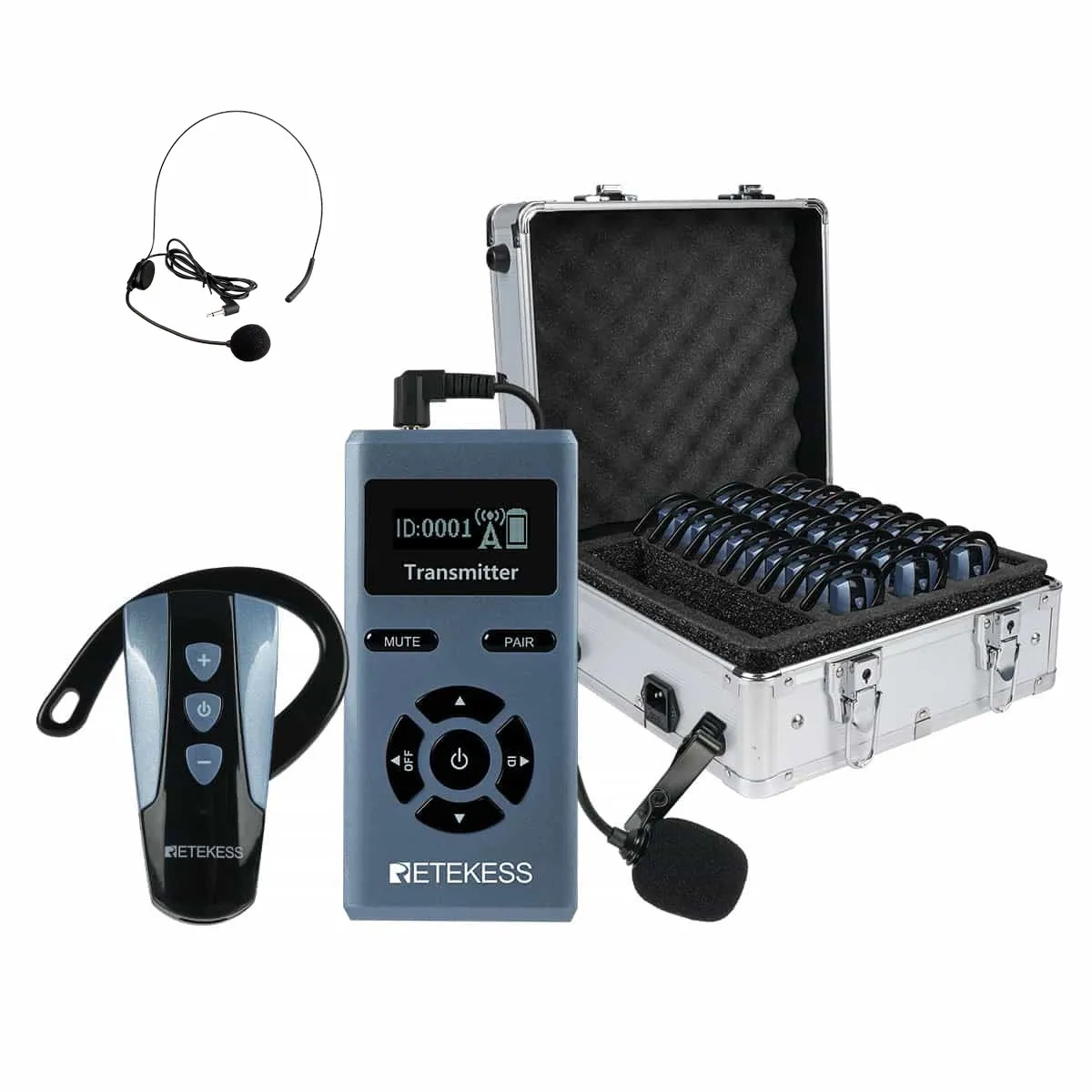
While technology like wireless tour guide systems and smartphone apps has transformed many aspects of tour guiding, the humble flag remains as relevant as ever. It's low-tech, reliable, universally understood, and requires no batteries or internet connection. In a world of increasingly complex tour technology, there's something refreshingly simple about a guide with a flag — and that simplicity is its greatest strength.
Conclusion
Utilizing a tour guide flag involves much more than just marking a point of reference — it's an essential element in crafting a memorable travel experience. From promoting safety and communication to fostering connection among participants, the flag proves to be a powerful tool in enhancing group tours.
Whether you're starting in the guiding business or looking to enhance your existing offerings, investing in a high-quality tour guide flag is certainly worthwhile. The right flag not only aids in navigation but also adds an element of professionalism and branding to your tours. It's a small investment that pays dividends in group cohesion, brand recognition, and overall tour quality.
In an age of smartphones and AI-powered tour guide apps, the simple flag remains the most reliable, universal, and human tool for keeping groups together and tours running smoothly. Sometimes, the best technology is no technology at all.


![[18th Anniversary] 18 Years of Echoing Excellence: Making Communication Easier, Connecting Trust Beyond Borders](https://res.retekess.com/z_file/20260716/retekess-brand-story-making-communication-easier_20260716151044_7682.jpg)
![[18 Years in Wireless Communication] Silent Disco Systems Anniversary Celebration: Top-Selling Headphones & Event Mechanics Revealed!](https://res.retekess.com/z_file/20260713/18-years-in-wireless-communication-silent-disco-systems-anniversary-celebration_20260713175011_5749.webp)
![[Anniversary Carnival] Ding-dong! 18th Anniversary Mega Sale on Guest Paging & Calling Systems: Full Reveal of 12+ Products & Promo Rules!](https://res.retekess.com/z_file/20260713/18th-anniversary-mega-sale-on-guest-paging-calling-systems_20260713175257_0295.webp)
![[Retekess 18th Anniversary Teaser] Tour Guide System Exclusive Perks: Sneak Peek at Event Dates & Mechanics!](https://res.retekess.com/z_file/20260713/retekess-18th-anniversary-tour-guide-system-exclusive-perks--2-_20260713180135_6435.webp)
Follow Us
Pay With


 Google
 Amazon
Comments (0)