
Table of Contents
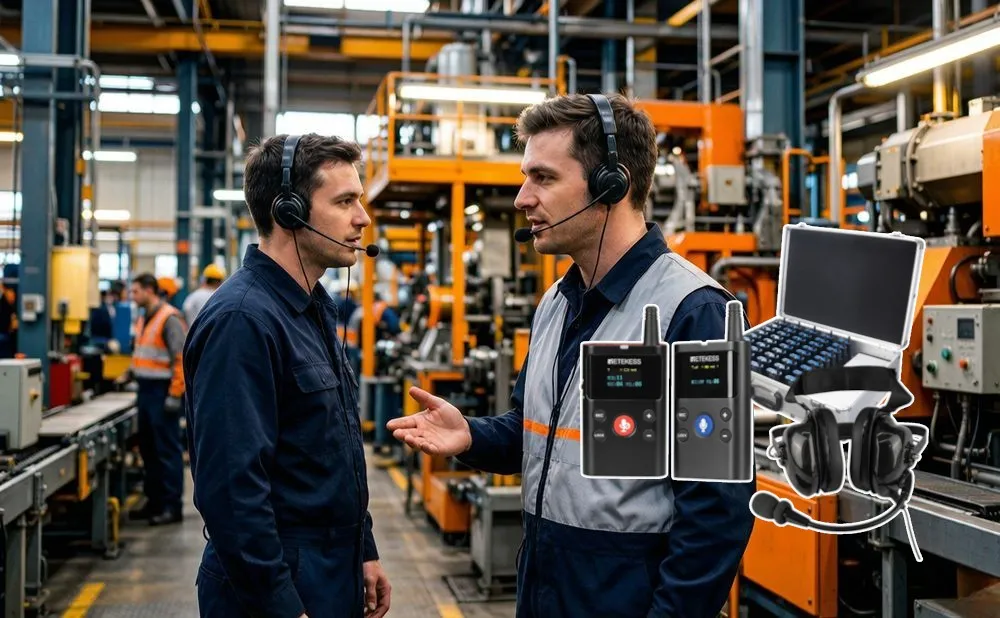
Overcoming Plant Noise and Distance: Real-Time Solutions for Factory Floor Communication
- Retekess
- Aug 11, 2026
In a manufacturing plant, efficiency is everything. From assembly lines moving at a rapid pace to quality control checks happening on the fly, keeping production operations synchronized is a daily challenge.
However, plant managers often run into a persistent roadblock: communication breakdowns caused by physical distance and extreme industrial noise.
When production lines are spread across massive square footage, and heavy machinery creates a constant roar, traditional communication methods fall short. Let's explore how modern wireless communication solutions are transforming day-to-day staff coordination on the factory floor.
The Hidden Cost of Communication Gaps on the Factory Floor
In an industrial environment, seconds matter. Whether it's reporting a sudden equipment malfunction, coordinating between the packaging zone and the primary assembly line, or getting supervisor approval on a quality issue, delays add up quickly.
Without reliable communication systems, plants frequently struggle with:
-
The "Distance Dilemma": Large-scale facilities and multi-building campuses make it difficult for supervisors and technicians to stay connected without constantly walking back and forth.
-
Noise Interference: Standard shouting or consumer-grade communication tools get easily drowned out by the ambient roar of heavy machinery, leading to misunderstood instructions and costly mistakes.
-
Siloed Production Lines: When different sections of a plant cannot communicate in real-time, minor bottlenecks in one zone can quietly cascade into a full-scale production halt.
Moving Beyond Traditional Radios and Shouting
For decades, facilities relied heavily on fixed intercoms, hand-held two-way radios, or simply shouting across the floor. While traditional walkie-talkies have their place, they often suffer from static interference in heavy industrial settings, require bulky equipment, and rarely allow for natural, hands-free, multi-person conversations.
To achieve true operational agility, manufacturing facilities are turning to advanced wireless communication systems and two-way headsets designed specifically for industrial environments.
How Real-Time Wireless Systems Transform Staff Coordination
Integrating dedicated wireless headsets into your daily plant operations provides immediate, tangible benefits for supervisors, engineers, and floor staff alike:
1. Crystal-Clear Audio in High-Noise Zones
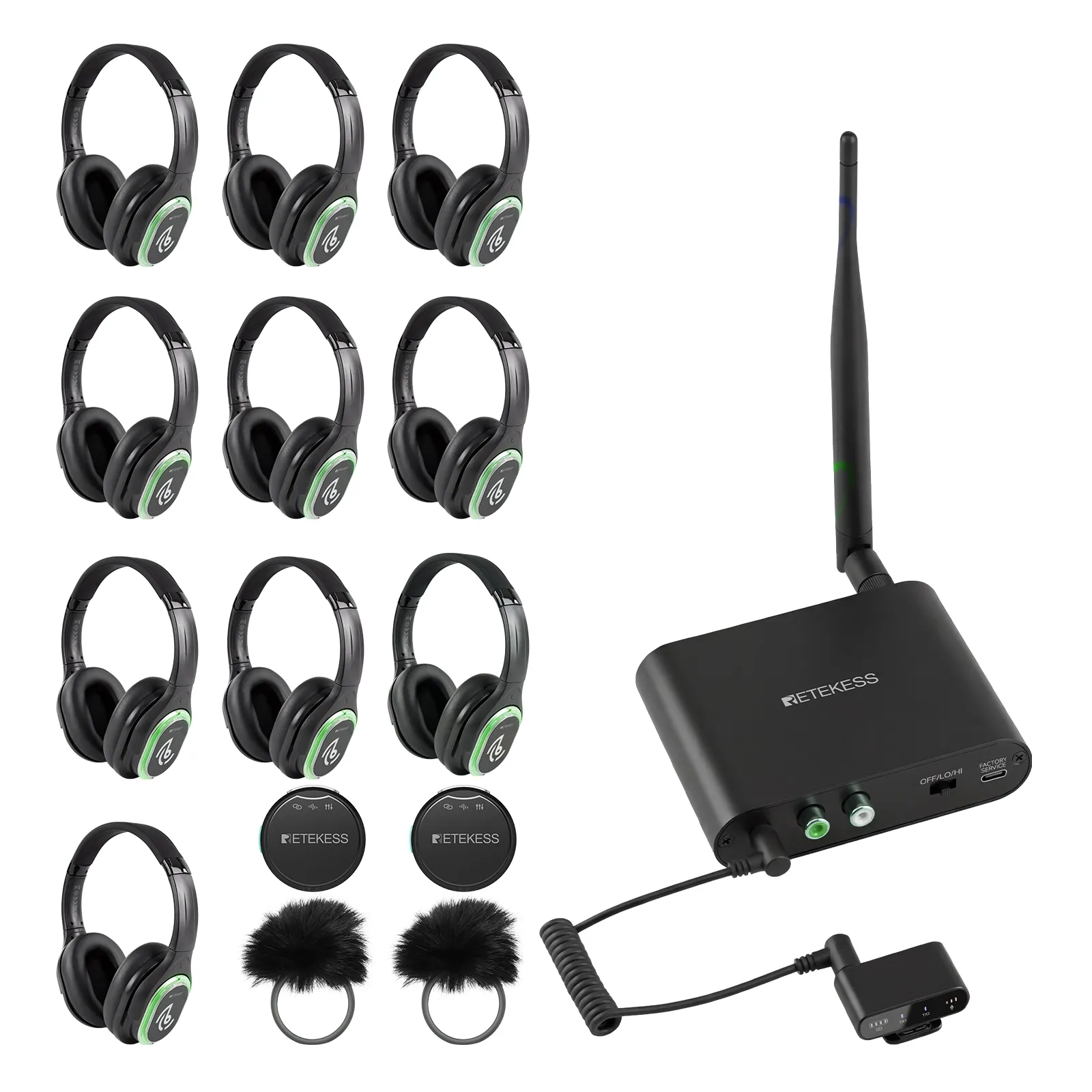
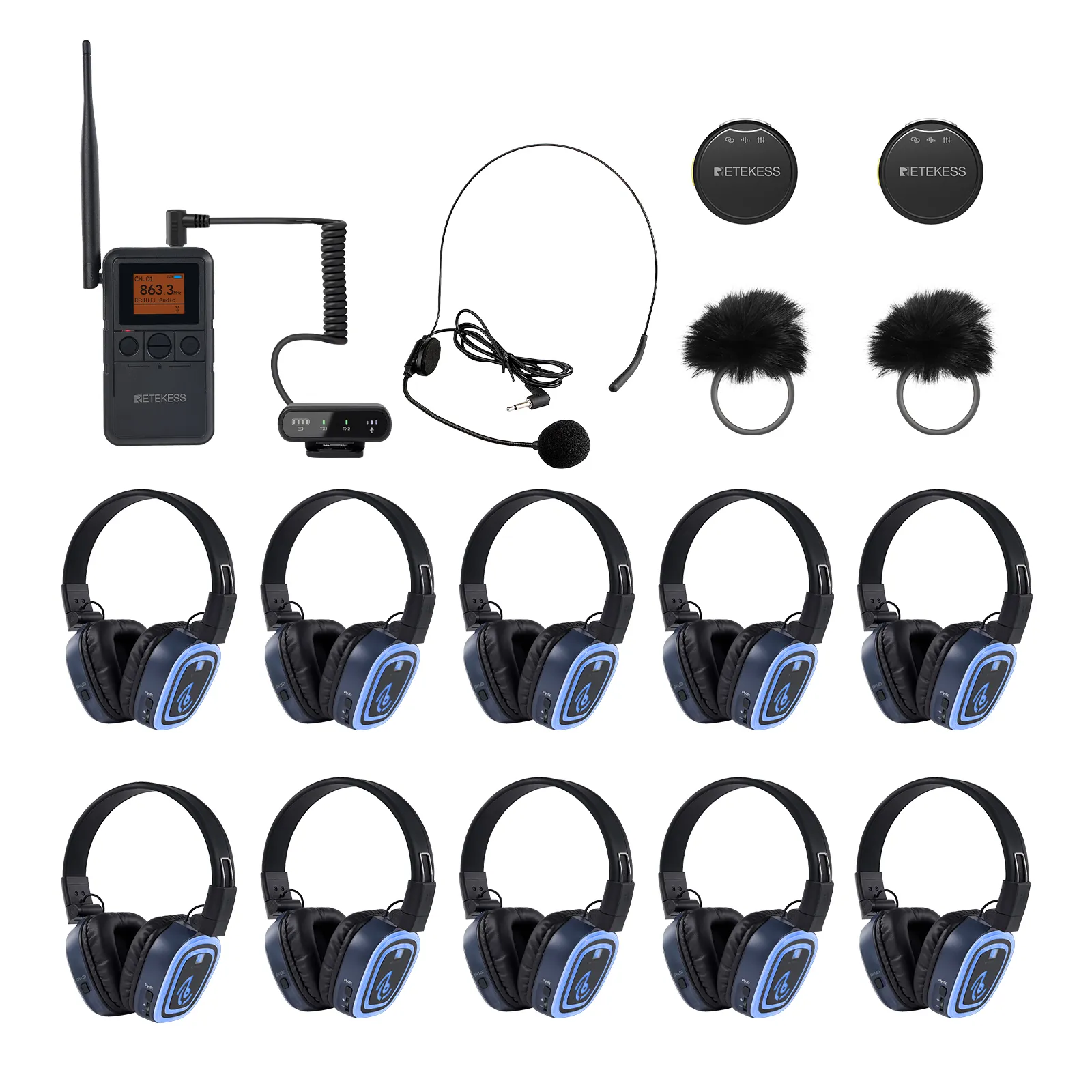
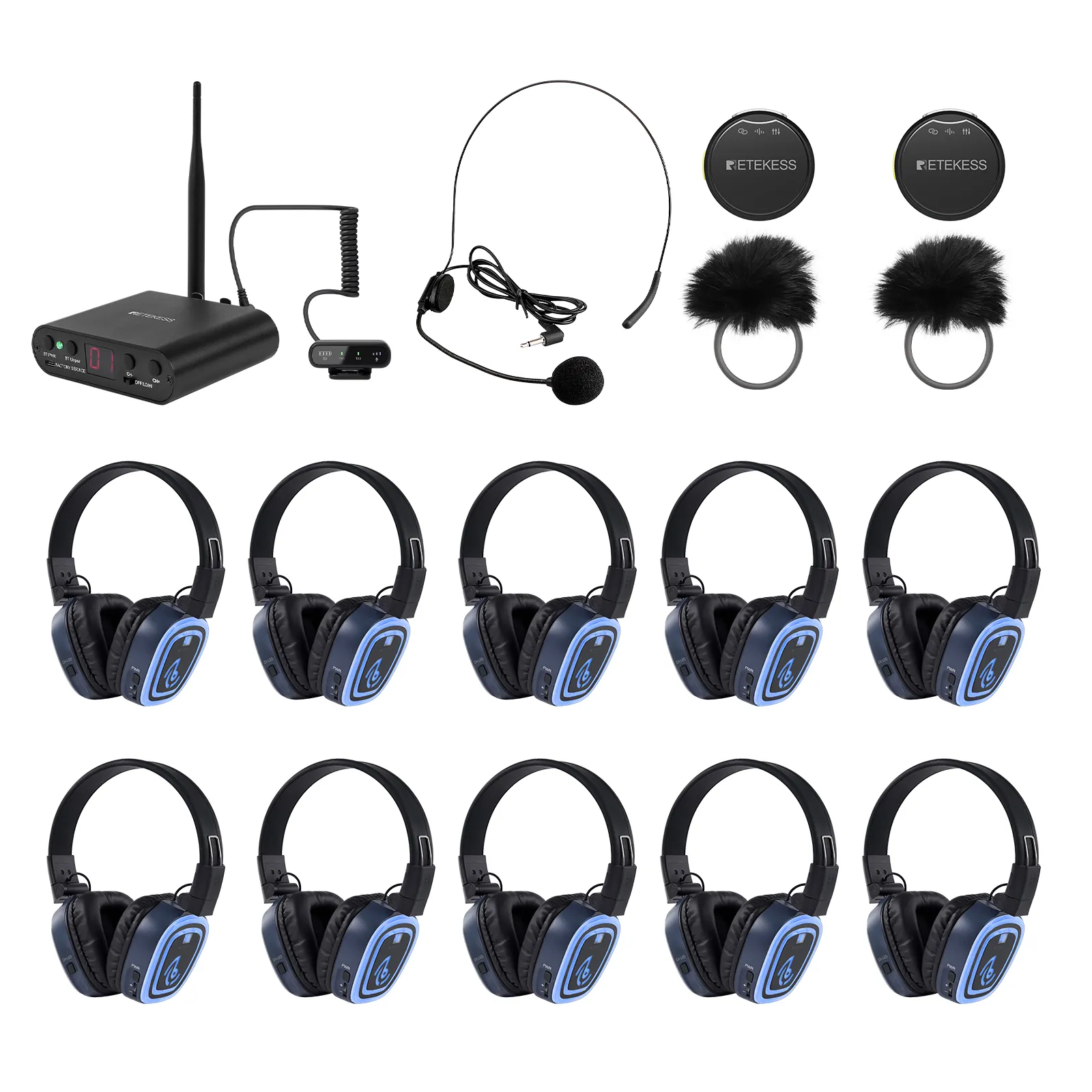
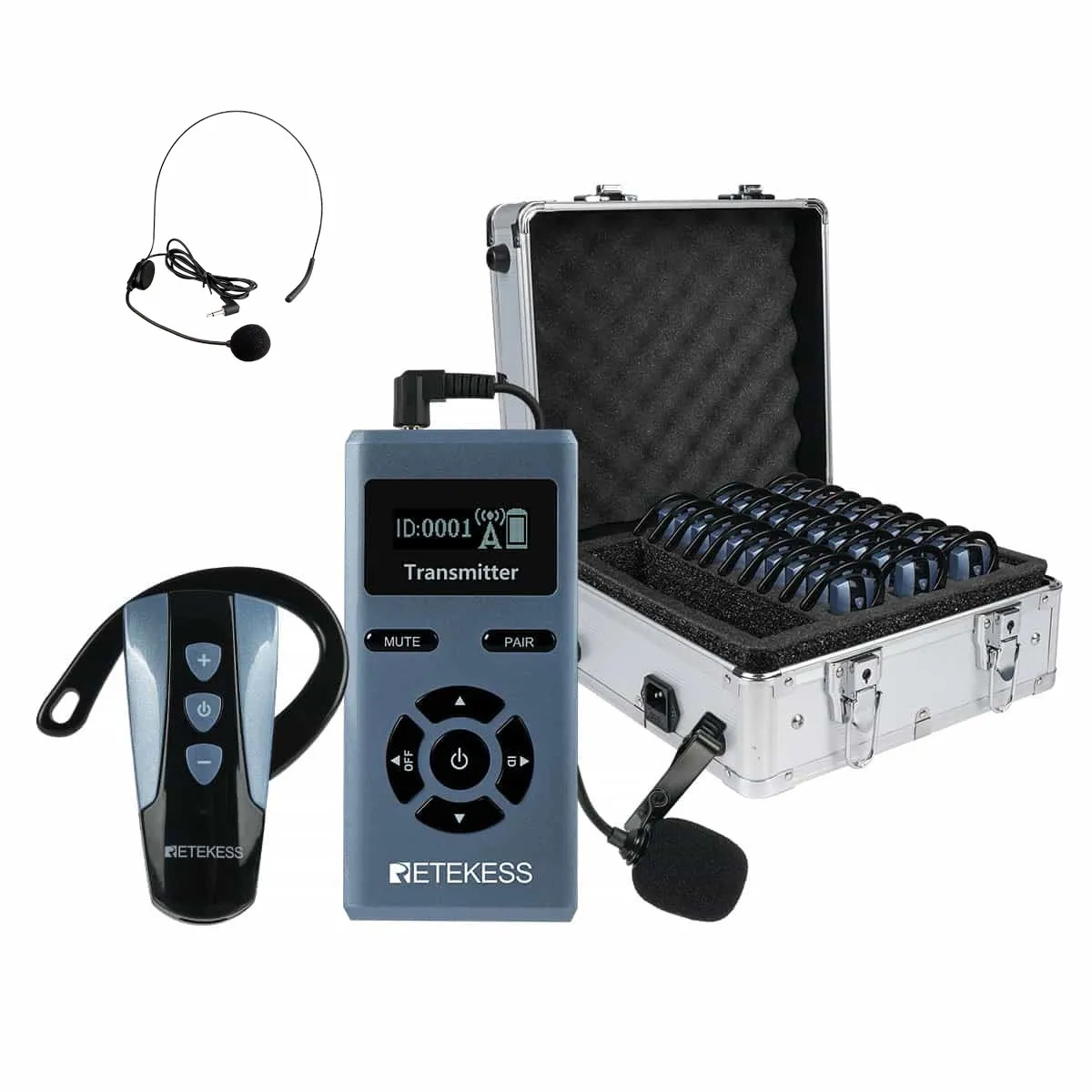
Modern industrial headsets feature advanced noise-reduction technology (tt126 factory noise reduction kit). Even when standing next to a loud stamping press or a high-speed conveyor belt, workers can converse at a normal, conversational volume and hear every word with absolute clarity.
2. Instant, Hands-Free Collaboration
Unlike traditional radios that require holding down a button while shouting into a mic, full-duplex wireless communication systems allow for natural, simultaneous conversation—just like a phone call. This hands-free capability lets technicians keep their hands on their tools while troubleshooting equipment across different zones.
3. Bridging Cross-Line Gaps
When supervisors and maintenance leads can instantly communicate across separate production lines, response times plummet. If a machine trips on Line A, the technician on duty can be notified and coordinated instantly, minimizing downtime and keeping the entire plant operating at peak efficiency.
Final Thoughts
Factory floor efficiency isn't just about faster machinery—it relies entirely on how well your team can talk, coordinate, and react together. By eliminating the barriers of plant noise and physical distance with robust wireless communication tools, manufacturing plants can streamline their daily workflows, cut down on costly downtime, and build a truly connected, responsive workforce.







![[18th Anniversary] 18 Years of Echoing Excellence: Making Communication Easier, Connecting Trust Beyond Borders](https://res.retekess.com/z_file/20260716/retekess-brand-story-making-communication-easier_20260716151044_7682.jpg)
![[18 Years in Wireless Communication] Silent Disco Systems Anniversary Celebration: Top-Selling Headphones & Event Mechanics Revealed!](https://res.retekess.com/z_file/20260713/18-years-in-wireless-communication-silent-disco-systems-anniversary-celebration_20260713175011_5749.webp)
![[Anniversary Carnival] Ding-dong! 18th Anniversary Mega Sale on Guest Paging & Calling Systems: Full Reveal of 12+ Products & Promo Rules!](https://res.retekess.com/z_file/20260713/18th-anniversary-mega-sale-on-guest-paging-calling-systems_20260713175257_0295.webp)
![[Retekess 18th Anniversary Teaser] Tour Guide System Exclusive Perks: Sneak Peek at Event Dates & Mechanics!](https://res.retekess.com/z_file/20260713/retekess-18th-anniversary-tour-guide-system-exclusive-perks--2-_20260713180135_6435.webp)
Follow Us
Pay With


 Google
 Amazon
Comments (0)