
Tour guide systems, loudspeakers, and portable amplifiers: which is best for walking tours?
While a loudspeaker might seem like the most straightforward solution, it quickly leads to complaints. Most historic city centers restrict the use of outdoor amplification; even where it is permitted, the sound can easily carry for fifty meters—reaching residents on their balconies, crowds walking behind you, or even a couple dining two tables away. Tour guide systems, which transmit audio via dedicated transmitters and receivers, are the most suitable equipment for walking tours.
A megaphone solves volume. It takes one voice and makes it louder, in every direction, for everyone. A portable PA does the same thing with better sound quality, a strap, and usually a Bluetooth input for music. Both are broadcast devices: the sound leaves the speaker and goes where physics takes it.
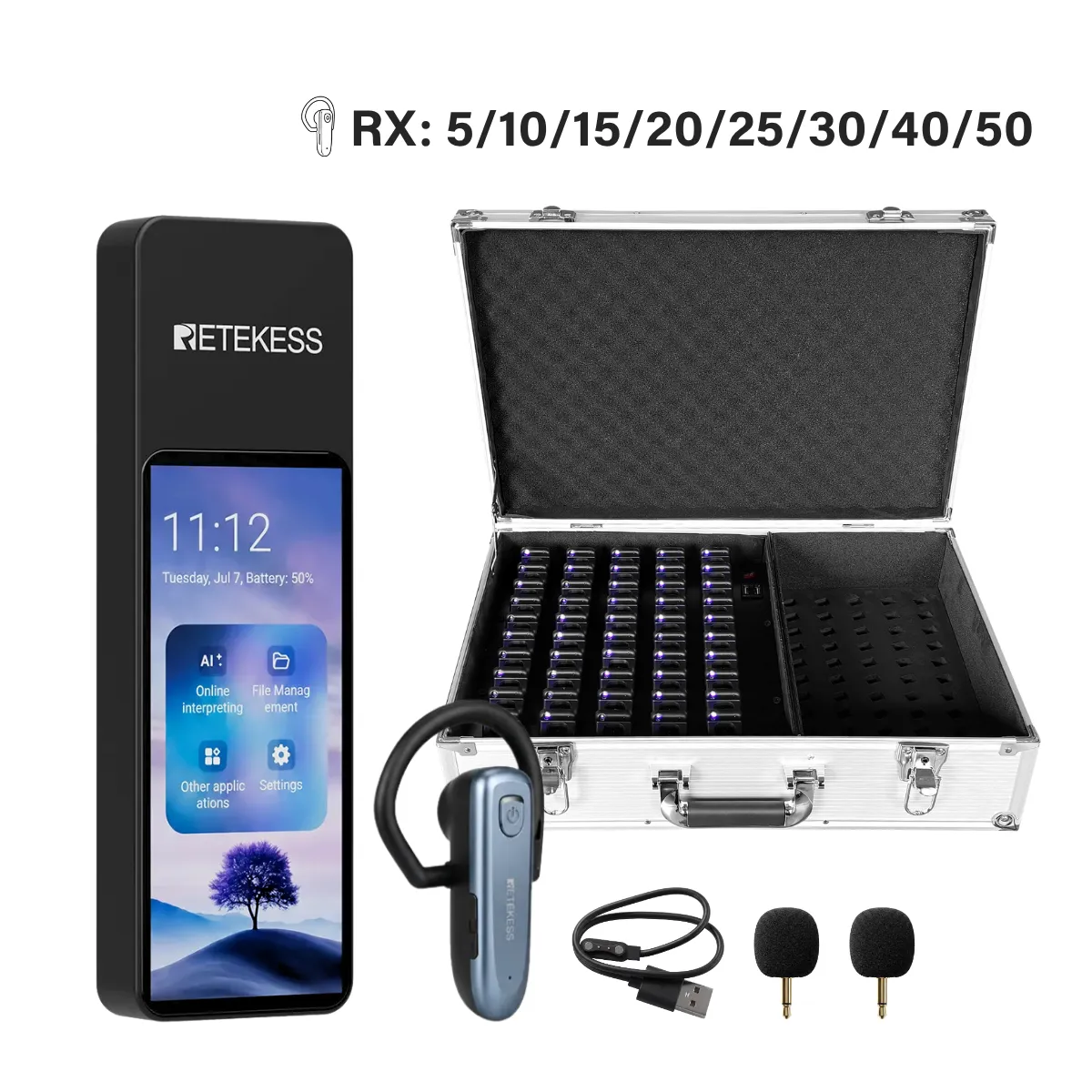
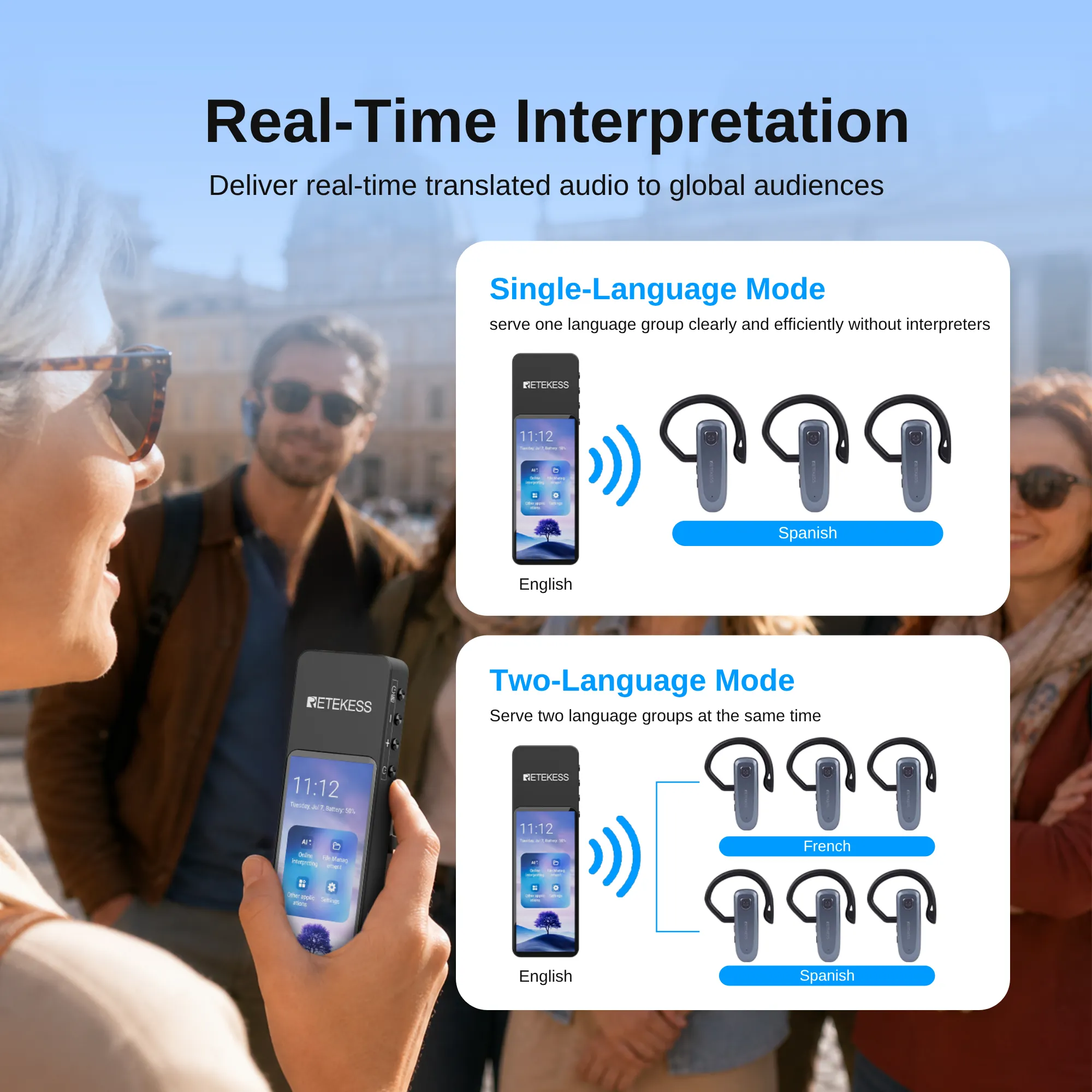
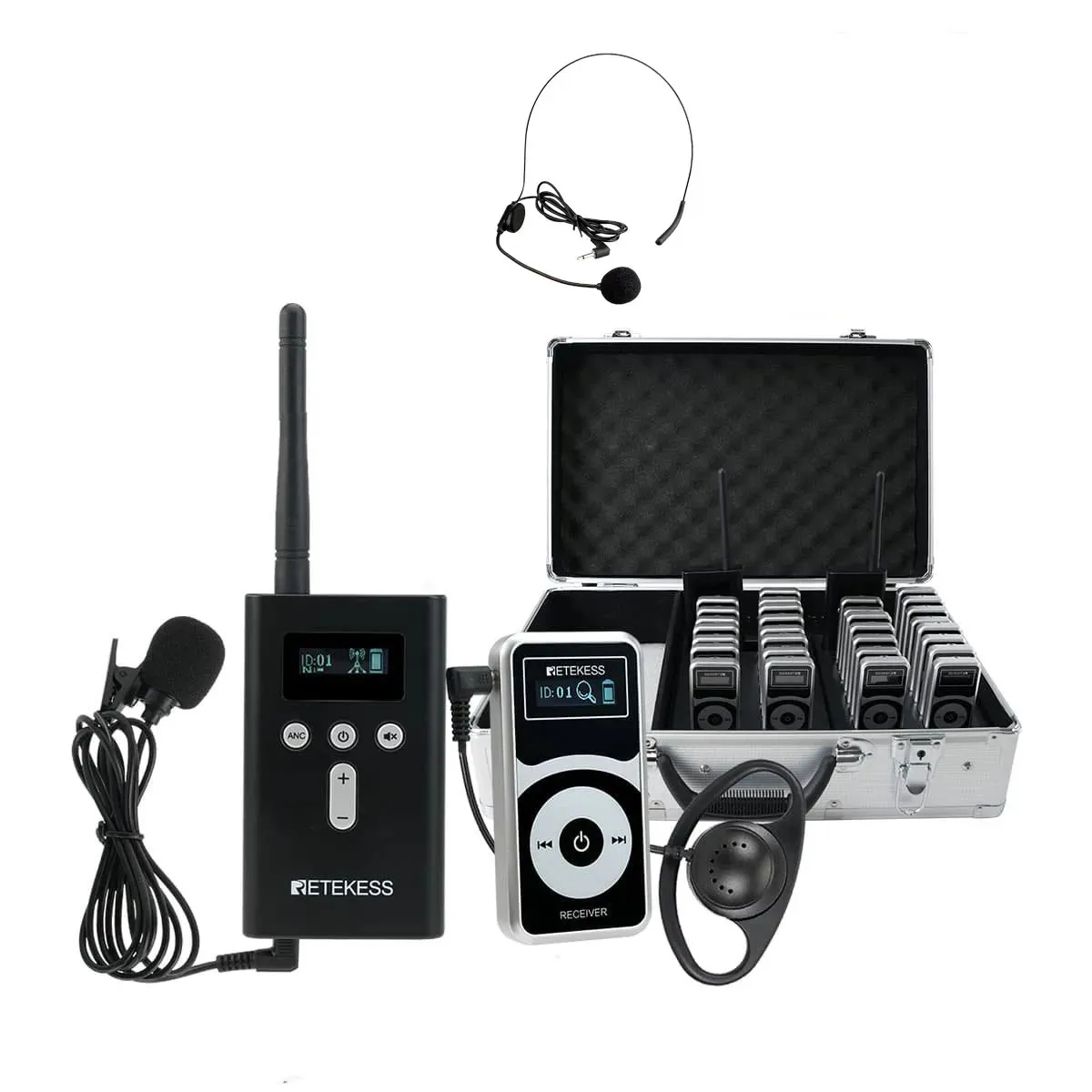
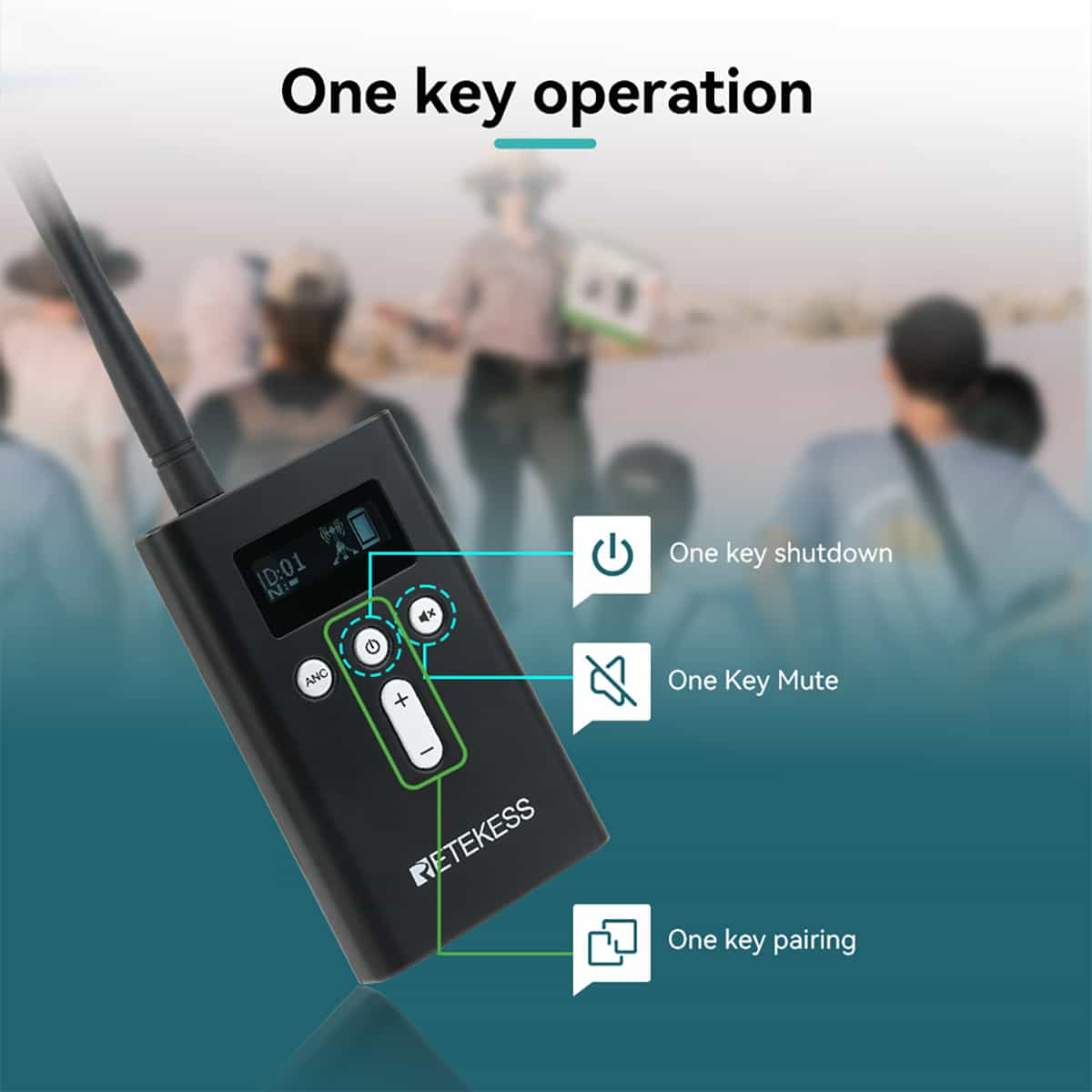
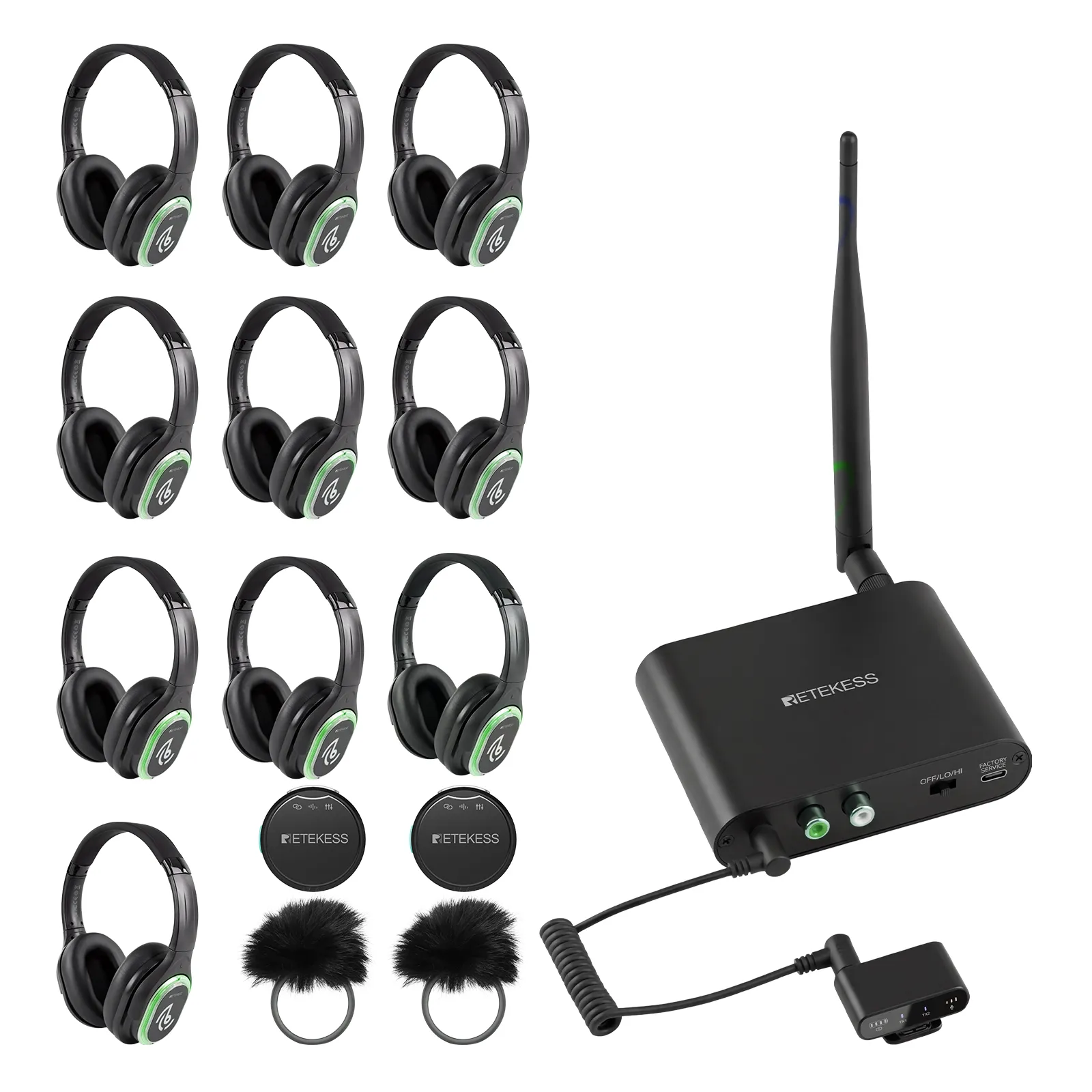
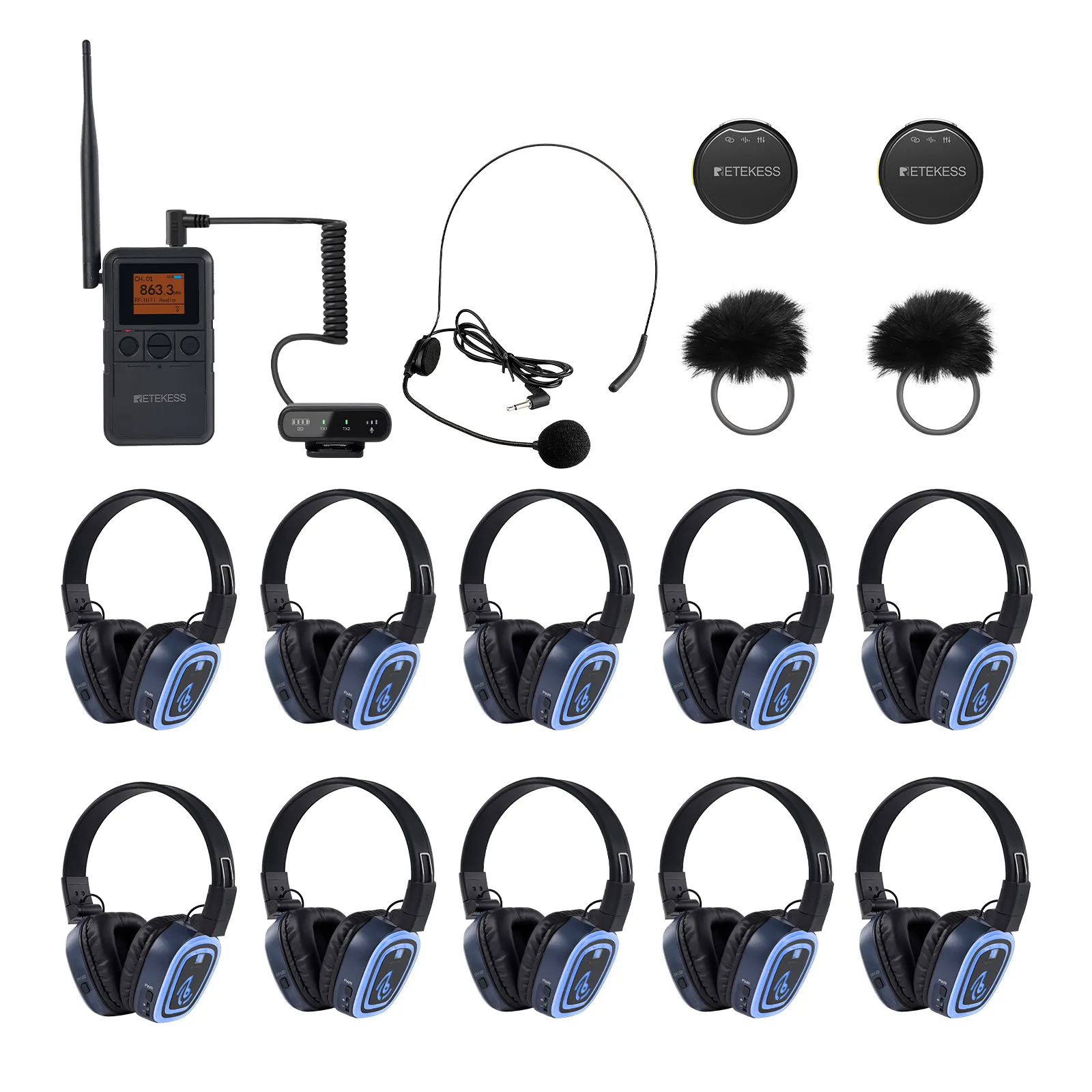
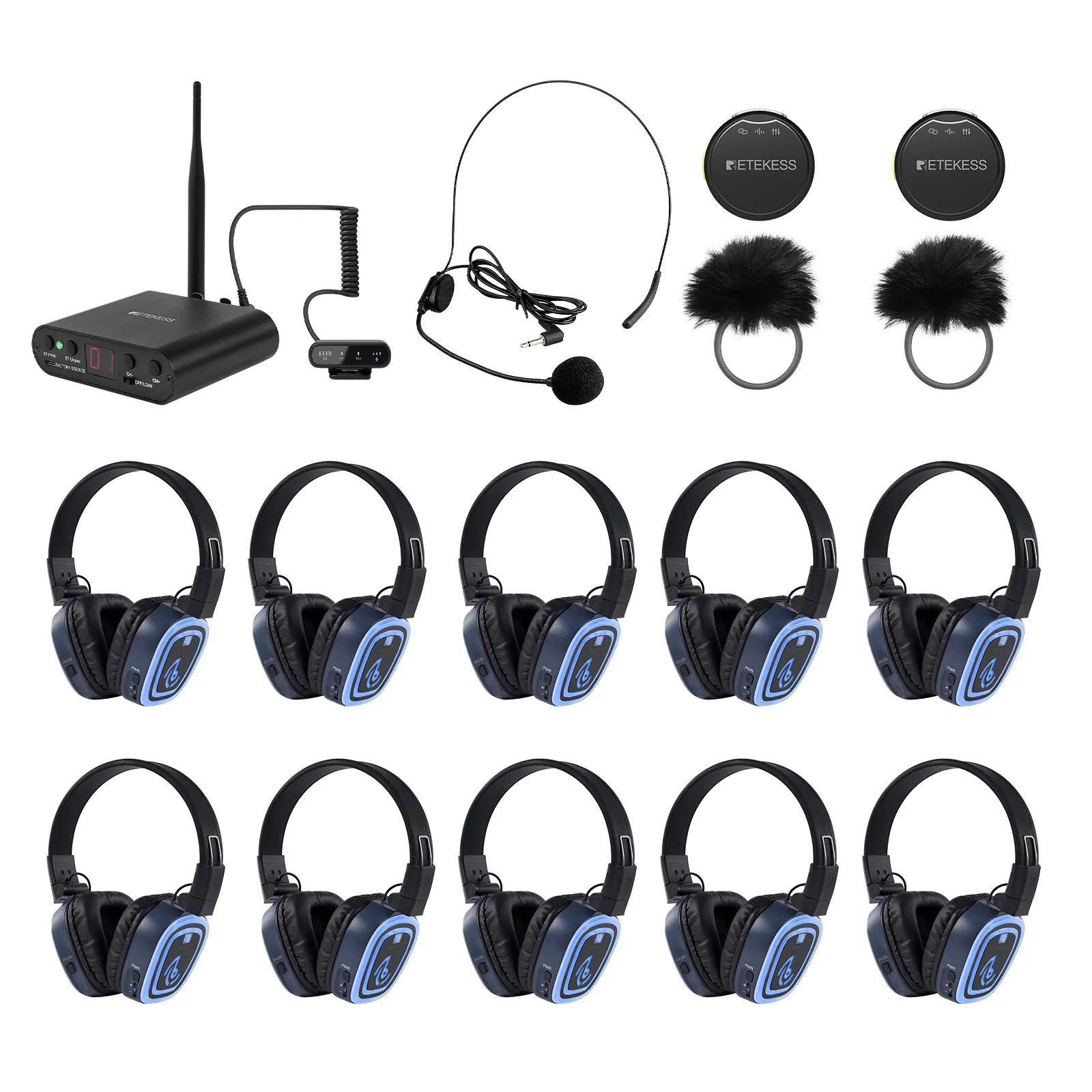
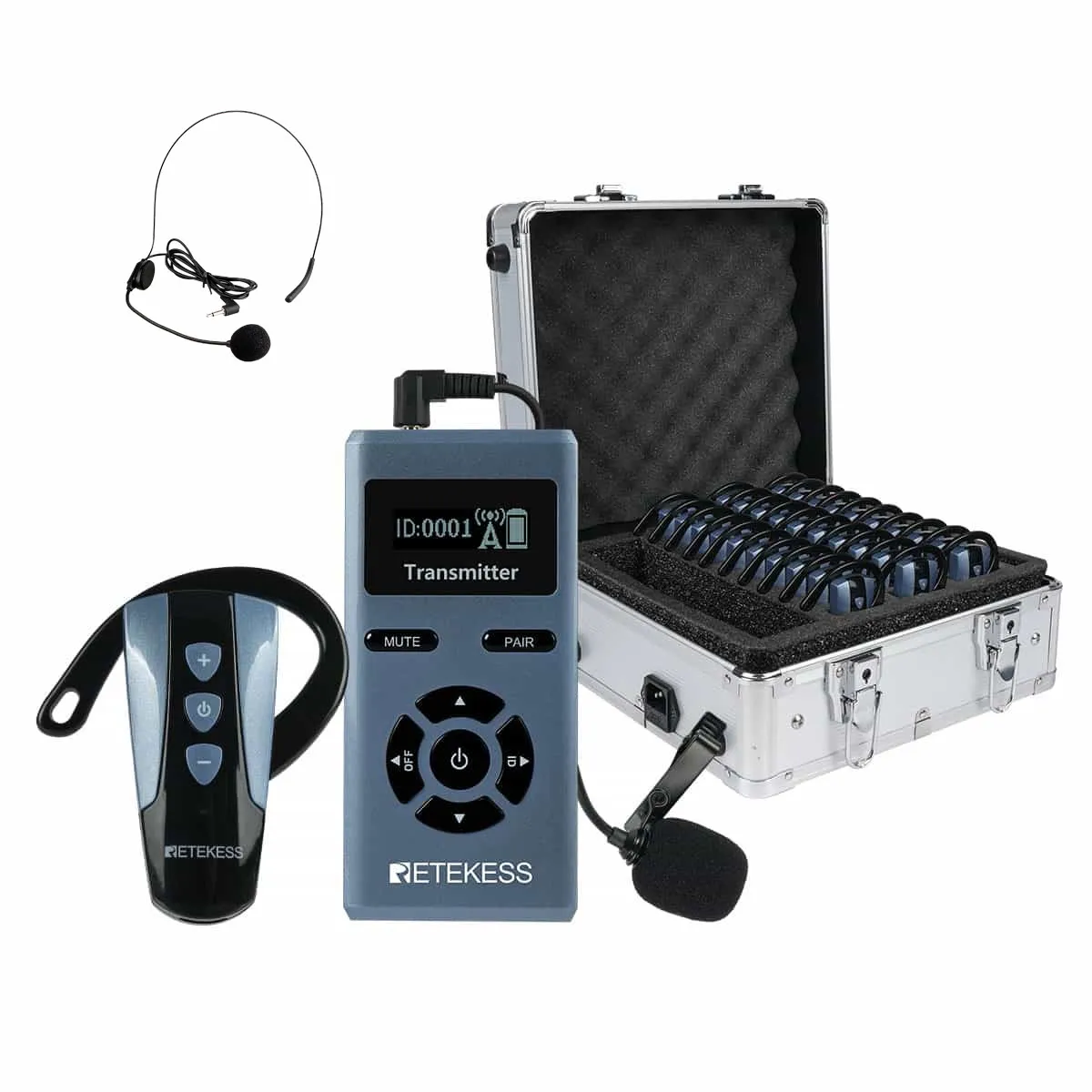
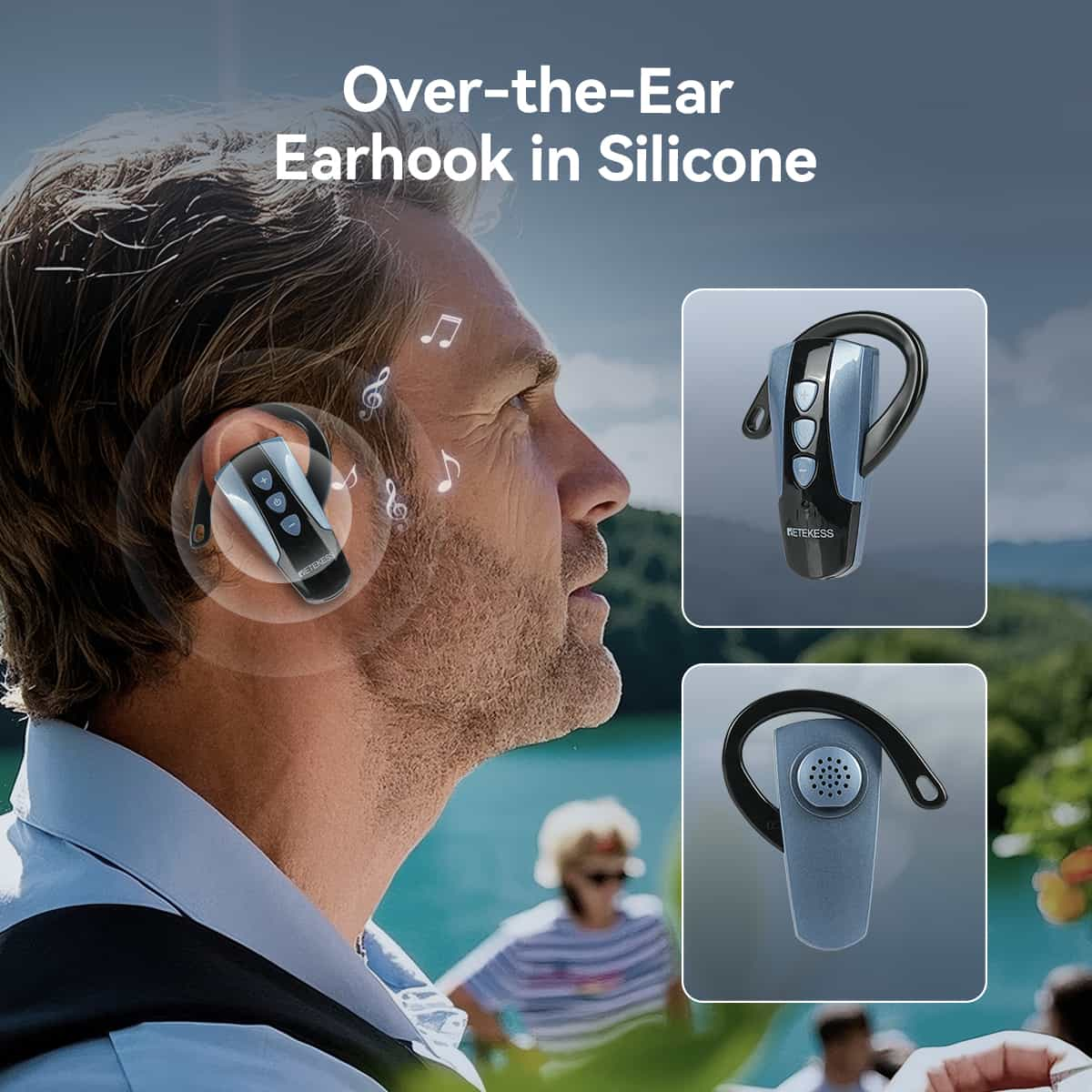
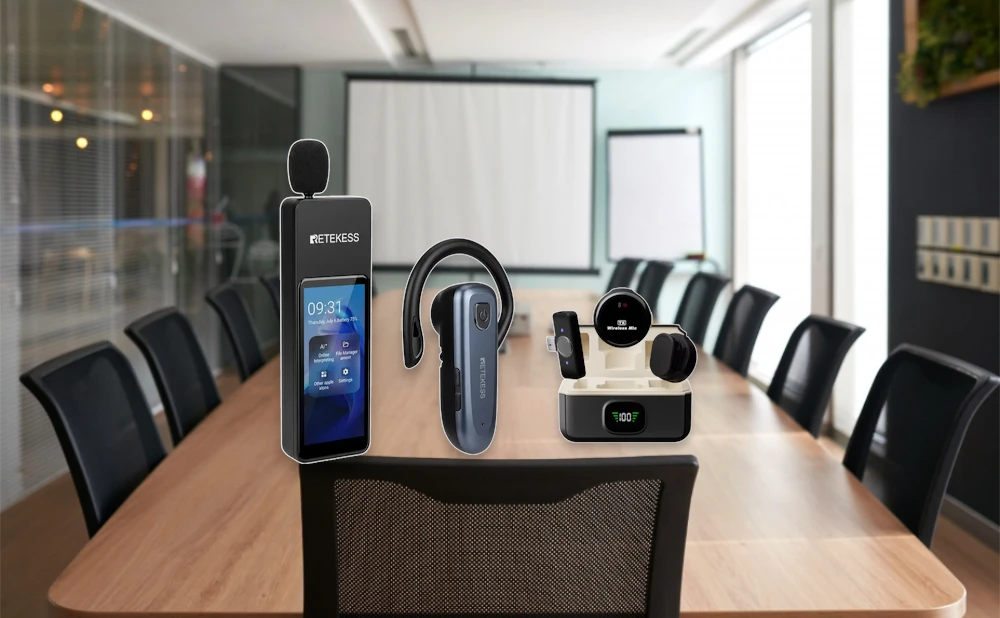
A tour guide system solves intelligibility at the ear. The guide's voice is transmitted to a small receiver that each guest wears, so what a guest hears does not depend on where they happen to be standing. The person at the back of the group hears the same level as the person beside you, and nobody outside the group hears anything at all.
With a megaphone, audibility depends on position. With a system, it depends on nothing.
Beneath the mechanical differences lies a fundamental truth about human hearing: increasing volume does not guarantee intelligibility.
In any reflective room, simply shouting louder amplifies the echo alongside the voice. Syllables overlap, consonants get lost in the reverberation, and the listener’s brain works harder for less reward. Tour guides using megaphones are often baffled when people in the back still look puzzled—they forget that volume is about power, while clarity is about signal-to-noise ratio.
A wireless receiver solves this by placing the sound source just twenty centimeters from the listener's ear, delivering crystal-clear audio before the room can ruin it.
1. Does your group spread out on the move?
A megaphone only works when a crowd is static and gathered right in front of you. On a walking tour, thirty guests walking two abreast stretch across 60 meters of pavement. Add a sharp street corner, passing traffic, or someone stopping at the back to take a photo, and the audio signal breaks down. This simple geometry explains why complaints almost always come from the rear of the group.
2. Does the route pass through quiet or sensitive areas?
Churches, museums, courtyards, residential alleys, and historic interiors all demand quiet respect. A megaphone exhausts that goodwill in seconds. A wireless guide system consumes none of it—because it makes zero noise in the room.
3. Does your content require discretion?
Factory walk-throughs, VIP visits, school tours, and healthcare facilities all involve sensitive details meant strictly for your group. A broadcast speaker simply cannot guarantee privacy.
The Bottom Line: If any of these three factors applies—a dispersed group, a quiet zone, or confidential content—a wireless tour guide system is essential. If none apply, a standard megaphone remains the simpler, more cost-effective choice.
|
Option |
Purchase price |
Cost per guest at 30 |
What the invoice leaves out |
|
Megaphone |
$40-150 |
$1-5 |
Complaints, permits, and everyone at the back |
|
Portable PA |
$150-600 |
$5-20 |
The same, plus the weight on your shoulder |
|
Tour guide system, 10 guests |
$300-800 |
$30-80 |
A nightly charging routine |
|
Tour guide system, 30 guests |
$900-2,000 |
$30-70 |
A charging case, and a place to store it |
The per-guest figure looks unkind to the system until you notice what it is dividing. A system is bought once and used for years: divide the same $1,500 by four seasons of thirty guests a week and the number per guest falls below the price of the printed map you hand out. A megaphone looks cheap because it is usually replaced, lent, lost or abandoned within a season or two, and because its real costs arrive as complaints rather than as invoices.
Most operators who buy both systems don't actually need both.
The pre-departure briefing, safety announcements, and ticket checks all happen while the group is standing still. For those moments, the guide’s natural voice is more than enough.
Save your budget and rely on the wireless system for the ninety minutes that follow—when the group is moving and spread out. You can skip the portable PA entirely.
The only second piece of equipment you truly need is a backup transmitter, and that belongs in the spare kit, not around your waist.
Choosing between a megaphone and a tour guide system isn't just an equipment purchase—it is a statement about how your tour respects the city and its guests. If your routes are stationary and short, keep it simple. But if your guests walk, spread out, and seek a premium experience, a wireless tour guide system isn't an upgrade; it is the fundamental tool for the job.









 Google
 Amazon