
Table of Contents
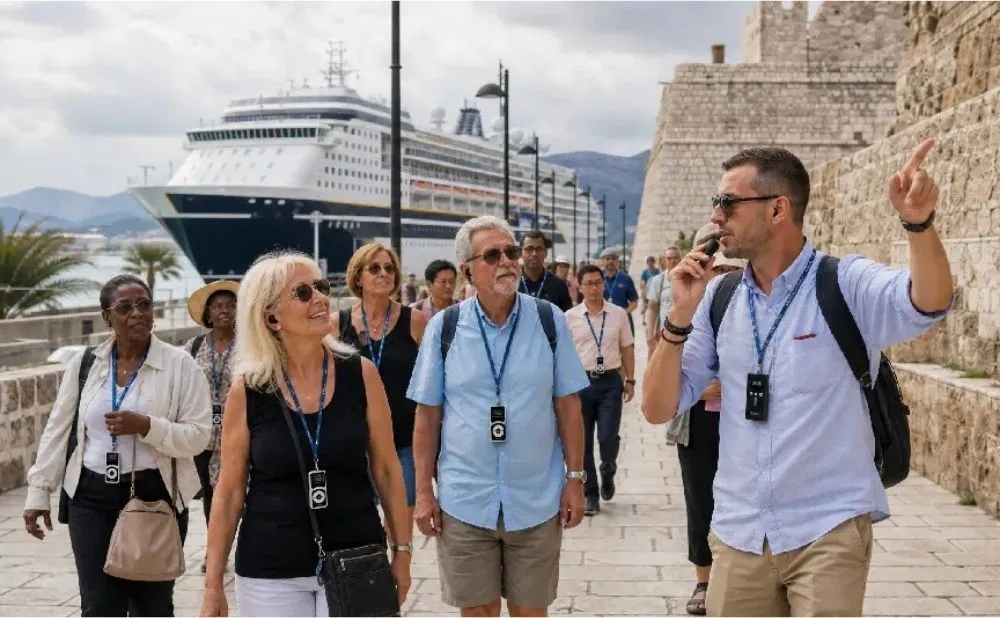
Why Shore Excursions Run Late: The Communication Gaps That Cause Missed Departures
- Retekess
- Aug 19, 2026
Small breakdowns at every step of a port day add up to lost sightseeing time, extra costs, and guest frustration
Every port day follows a set routine. Schedules are posted, announcements run on repeat, and guides stand by at meeting points. Even with all that preparation, some passengers miss their shuttle bus. Others show up late for re-boarding and hold up the whole group.
This rarely happens because of poor planning. Communication gaps pop up at every stage of a shore excursion, from the moment guests get ready on the ship to the minute they return. These gaps slow groups down, cut into sightseeing time, and create avoidable operational risk.
This post breaks down where those gaps happen, why common fixes don’t solve the root issue, and how one type of tool can smooth out communication across the entire visit.
Where Communication Breaks Down On Every Port Day
Shore excursions run on tight schedules. Small delays at one step throw off the timing for the rest of the day.
Onboard Pre-Departure: Broadcast Dead Zones Slow Disembarkation
Multi-deck ship layout creates spots where public announcements don’t come through clearly. Interior cabins, pool decks, dining rooms, and shopping areas all have uneven audio coverage.
Passengers spread out across the ship before going ashore. Important updates — gate changes, schedule shifts, weather notices — don’t reach everyone, even after repeated broadcasts.
As a result, disembarkation takes longer than planned. Sightseeing time gets cut to make up the delay. Rushed crowd management also leads to more mix-ups.
Port Assembly: Noise And Crowds Make Group Check-In Slow
Busy port terminals see heavy foot traffic from multiple ships at once. Shuttle areas are loud and packed with people.
Guides use flags and raised voices to round up their groups. It’s hard for people to spot their group in a crowd, and voices from different teams blend together.
Headcounts take longer than expected. Shuttle buses sit idle while groups assemble, and valuable sightseeing time is lost. Passengers can also board the wrong bus or get separated from their group in the chaos.
Sightseeing On Site: Spread-Out Groups And Language Gaps
Historic city centers and landmark sites involve long walking routes. Groups naturally spread out, and people at the back can’t hear live commentary.
Popular sites host multiple tour groups at the same time. Overlapping loudspeaker audio makes for a noisy, disjointed experience.
Guests speak a wide range of languages. Delivering commentary in multiple languages requires extra staff. Smaller language groups can’t support dedicated tours, so service stays limited.
Return To Ship: Last-Minute Searches Risk Delayed Departure
Return assembly is the highest-risk point for missed departures. Passengers spread out to shop or take photos, and updates to meeting points or timing can’t reach everyone quickly.
Counting everyone takes time. Just a few late passengers can delay the whole group’s return to the ship.
Late re-boarding leads to extra port fees and can disrupt the full sailing schedule. To avoid this risk, many teams set early assembly deadlines. This directly reduces sightseeing time and makes the excursion feel less valuable to guests.
Why Common Fixes Don’t Solve The Real Problem
Most operations rely on workarounds that add extra work, without fixing the core issue of reliable, targeted communication.
Adding more on-site staff raises labor costs, but still can’t cover every spot during peak hours. Earlier assembly deadlines lower the risk of missed departures, but they cut into actual sightseeing time and leave guests less satisfied.
Cabin phone calls and app alerts only reach passengers in their rooms or people who use the ship’s mobile app. Many guests — especially older travelers — don’t fall into either group.
All of these approaches add effort or reduce experience quality. None fix the communication gap at its source.
How A Wireless Tour Guide System Fixes Gaps At Every Step

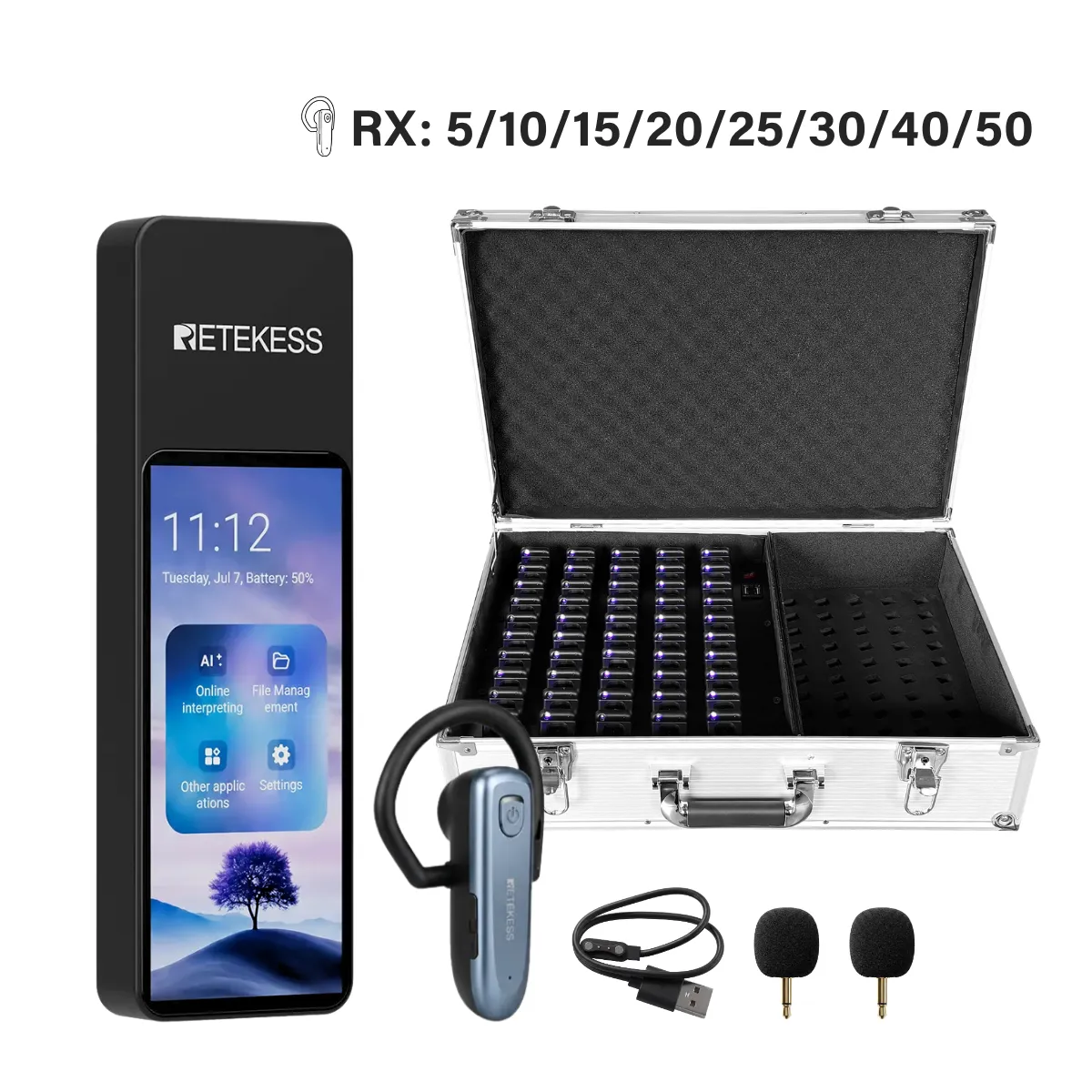
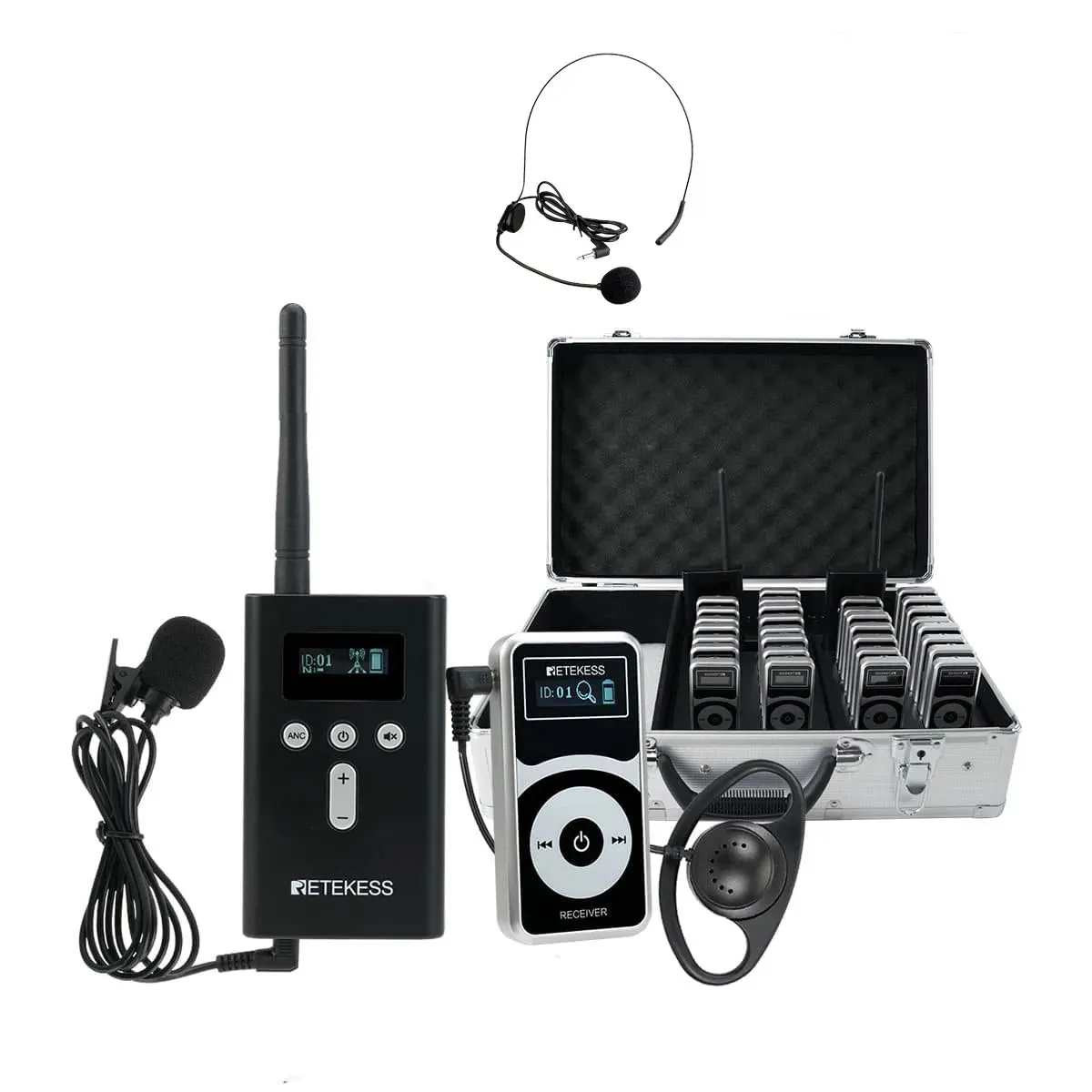
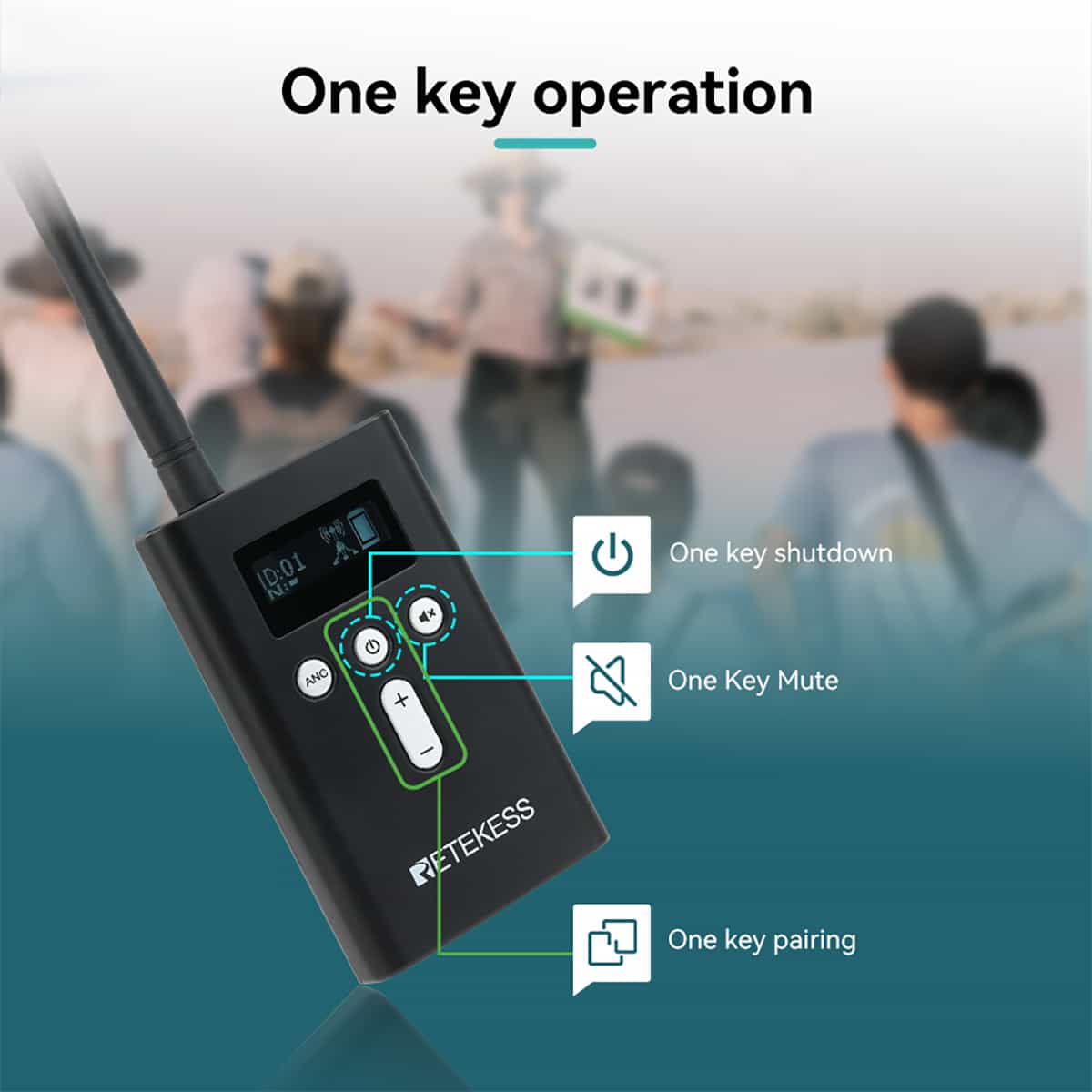
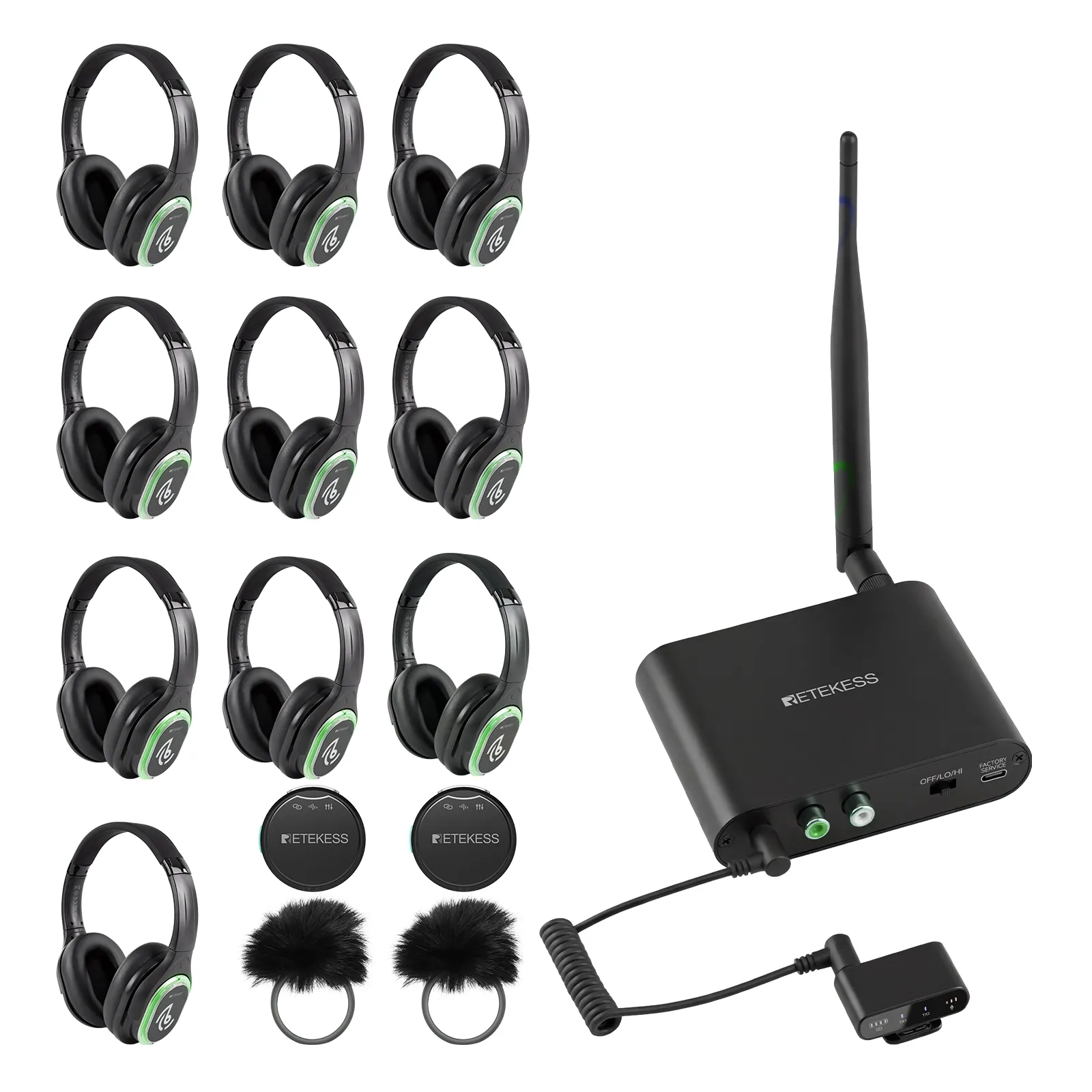
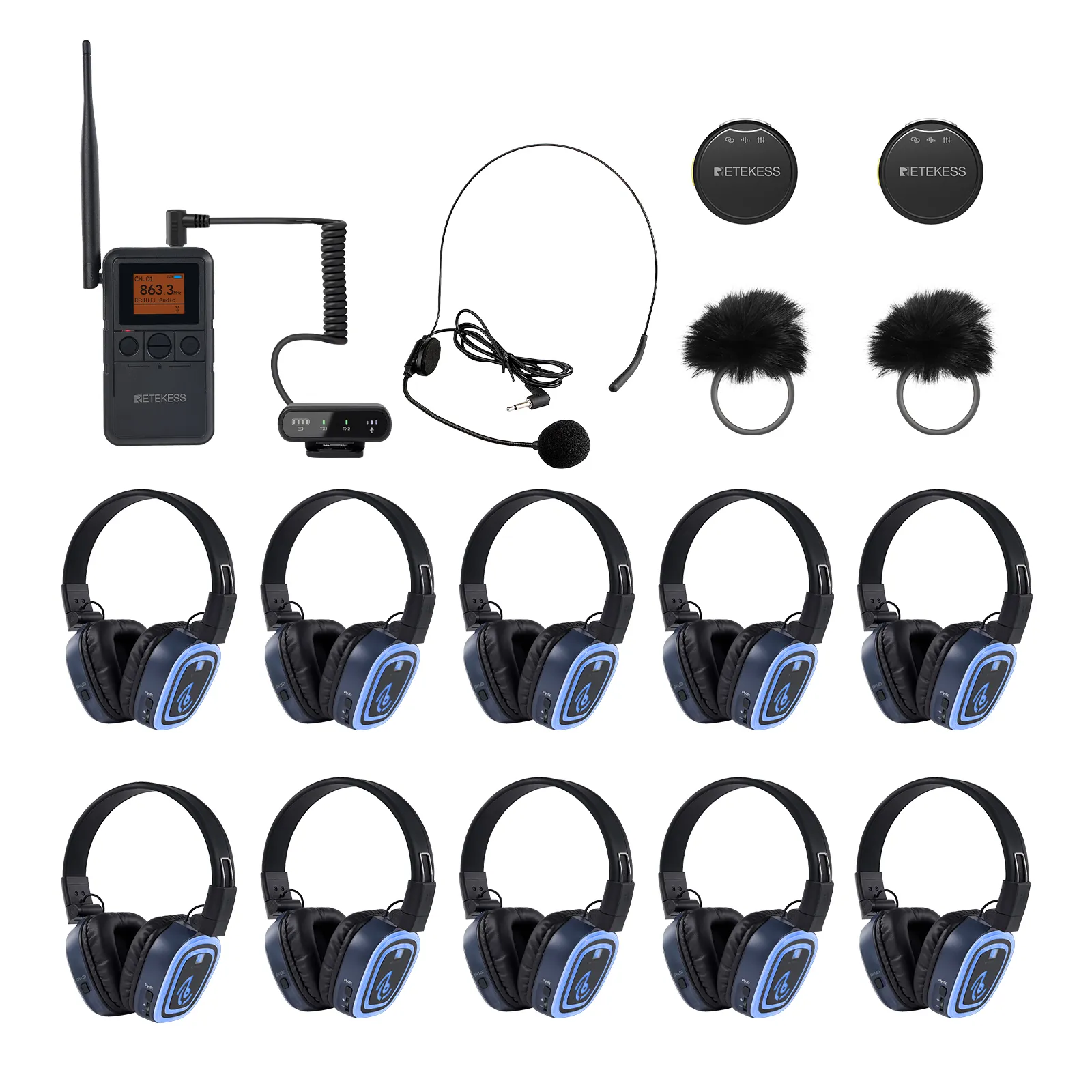
Wireless tour guide systems do more than deliver commentary at landmarks. Their stable multi-channel transmission smooths out communication at every stage of a shore visit.
Onboard Pre-Departure Updates
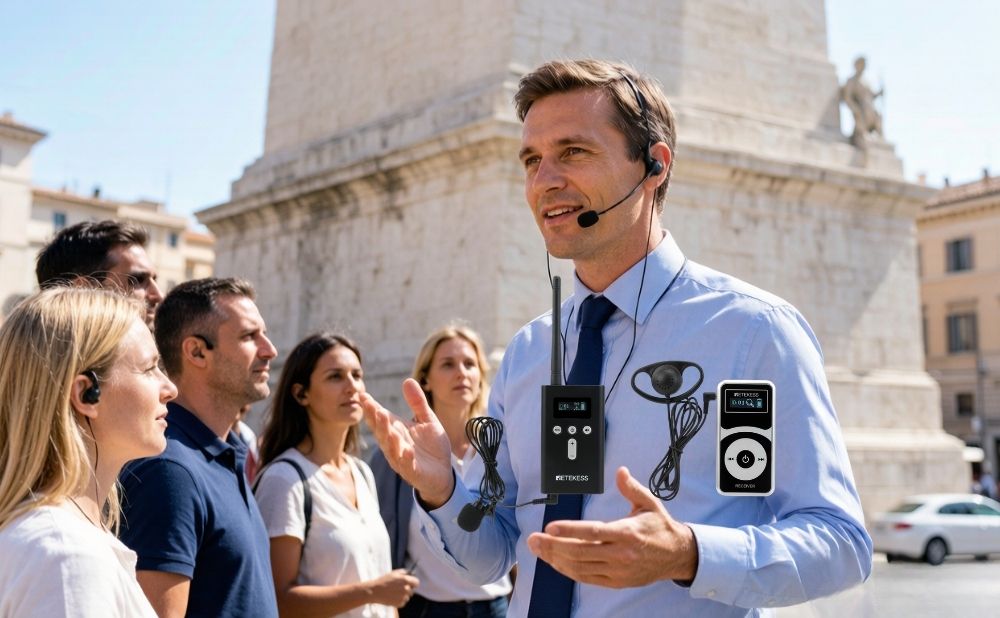
Passengers pick up their receiver before the excursion starts, and keep it with them all day.
Departure reminders, gate changes, and weather updates go directly to each guest on their group’s dedicated channel. The signal works across all deck areas, with no dead spots.
Disembarkation stays on schedule, and no sightseeing time gets wasted on repeated announcements or last-minute searches.
Faster Port Assembly
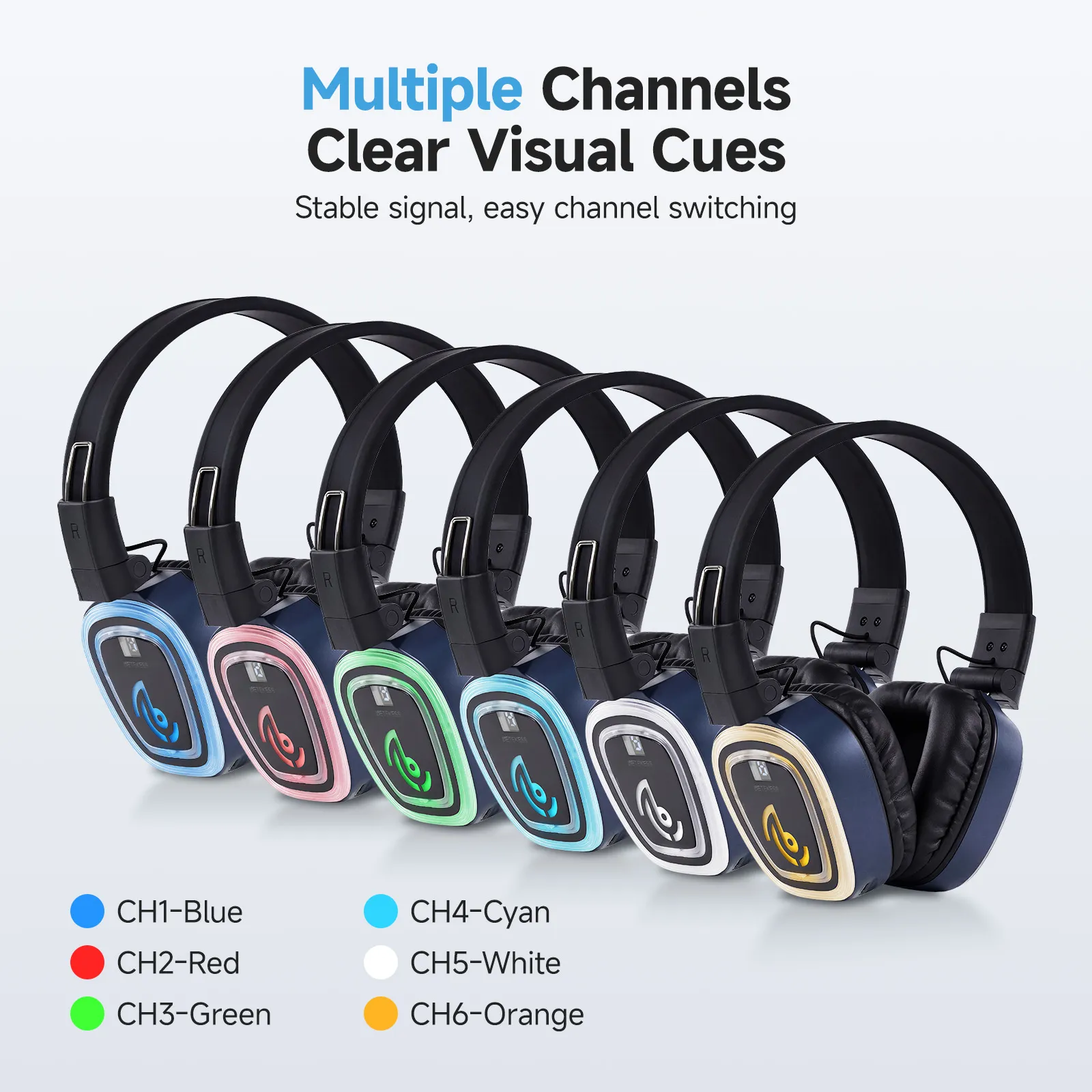
Each tour group runs on its own independent channel. Guides share assembly instructions, shuttle numbers, and boarding order directly through the system.
No one has to raise their voice. Background noise and crowd activity don’t interfere with reception. Multiple groups can operate in the same area with no audio cross-talk.
Headcounts move faster, and shuttle buses stay on schedule.
Consistent Sightseeing Commentary
Strong outdoor signal reaches every member of the group, even when walking routes spread people out over long distances. Every guest hears commentary at the same clear volume.
Multi-channel support lets teams deliver commentary in multiple languages at the same time. One guide can work with pre-recorded language tracks alongside live commentary. Fewer staff are needed, and smaller language groups get full service.
Reliable Return Reminders
Guides send return reminders, time updates, and meeting point changes to all group members instantly. No guest is left out of the loop.
Sightseeing time doesn’t need to be cut short for early assembly. The risk of missed re-boarding and delayed departure drops significantly.
What To Look For In A Shore Excursion Tour Guide System
Standard tour guide systems built for indoor museums don’t always hold up to the demands of cruise shore excursions. Four core features make a system fit for port-to-site use.
- Multi-channel, interference-resistant signal. Enough independent channels to support multiple groups and languages at once, with steady performance in crowded, high-device port environments.
- All-day battery life. Units need to run 8 to 10 hours on a single charge, to cover a full shore excursion from onboard pickup to re-boarding.
- Long-range outdoor transmission. Strong open-air signal covers large port areas and long walking routes through historic city centers, even with buildings in the way.
- Durable, easy to manage at scale. Lightweight for all-day wear, simple to hand out and collect, and built for bulk charging to support large passenger volumes.
Frequently Asked Questions
Q: Is a tour guide system only good for sightseeing commentary?
A: No. The same wireless transmission works for onboard notifications, port assembly instructions, return reminders, and real-time schedule updates. It works as a full-journey communication tool, not just a commentary device.
Q: Does the system work both on the ship and on shore?
A: Yes. The signal works across multiple deck levels and open outdoor areas on board, as well as through port terminals and city sightseeing routes.
Q: Is it hard to manage for large passenger groups?
A: No. Units come pre-programmed for group channels, get handed out at pickup, and get collected at re-boarding. Bulk charging stations support fast turnaround between port days. No specialized technical staff is needed for daily operation.
Conclusion
Communication gaps show up at every stage of a shore excursion. They cause assembly delays, shorter sightseeing time, inconsistent guest experiences, and higher risk of missed departures.
Common fixes add cost or lower experience quality, without addressing the root cause of unreliable information delivery.
A wireless tour guide system closes gaps across the full journey, from onboard preparation to final re-boarding. It improves operational efficiency, elevates the guest experience, and reduces departure risk — all with one simple, scalable tool.
Contact us to receive a custom system configuration tailored to your itineraries and passenger volumes.
Leave a Reply




![[18th Anniversary] 18 Years of Echoing Excellence: Making Communication Easier, Connecting Trust Beyond Borders](https://res.retekess.com/z_file/20260716/retekess-brand-story-making-communication-easier_20260716151044_7682.jpg)
![[18 Years in Wireless Communication] Silent Disco Systems Anniversary Celebration: Top-Selling Headphones & Event Mechanics Revealed!](https://res.retekess.com/z_file/20260713/18-years-in-wireless-communication-silent-disco-systems-anniversary-celebration_20260713175011_5749.webp)
![[Anniversary Carnival] Ding-dong! 18th Anniversary Mega Sale on Guest Paging & Calling Systems: Full Reveal of 12+ Products & Promo Rules!](https://res.retekess.com/z_file/20260713/18th-anniversary-mega-sale-on-guest-paging-calling-systems_20260713175257_0295.webp)
![[Retekess 18th Anniversary Teaser] Tour Guide System Exclusive Perks: Sneak Peek at Event Dates & Mechanics!](https://res.retekess.com/z_file/20260713/retekess-18th-anniversary-tour-guide-system-exclusive-perks--2-_20260713180135_6435.webp)
Follow Us
Pay With


 Google
 Amazon
Comments (0)