
Table of Contents
Large Student City Trips: Communication Problems That Put Safety at Risk
- Retekess
- Jul 29, 2026
Simple ways to keep groups connected, cut down on wasted time, and reduce everyday safety risks
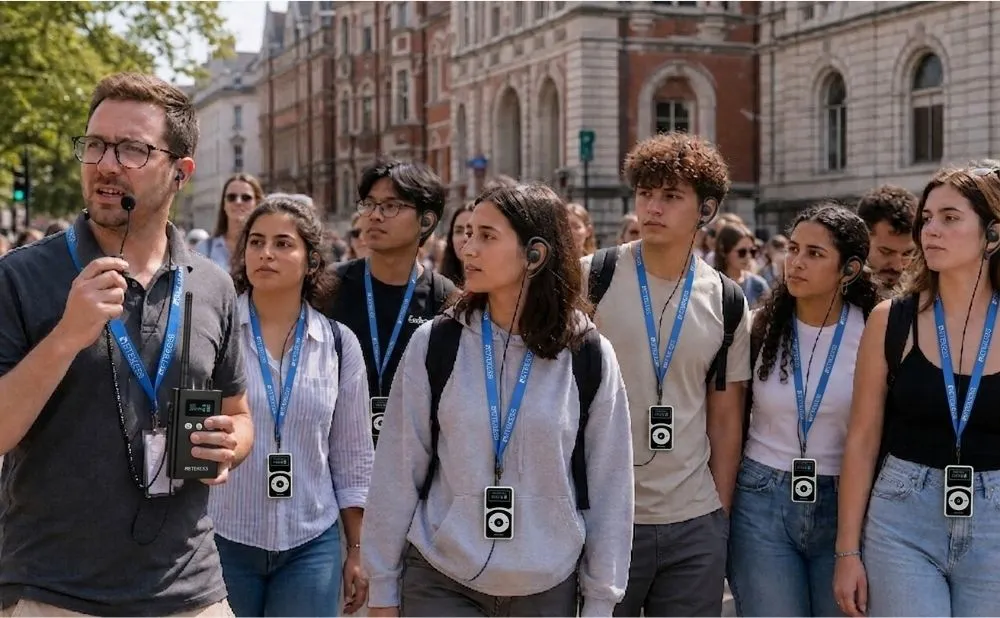
Large student groups visit city centers every day for educational trips. Metro stations, historic sites, and busy shopping streets create constant challenges for group management. Leaders call out directions, but only the front of the group hears them. Updates sent through mobile chats reach only the students who check their phones regularly. Full headcounts take ten minutes or more, every single time.
These issues are not caused by poor preparation. They come from a basic mismatch. Traditional ways of sharing instructions were not built for big groups in loud, crowded outdoor spaces. This article looks at the real communication barriers on student city trips, why common fixes do not solve the root problem, and how a wireless audio system makes groups easier to manage and safer to lead.
The Real Communication Barriers on City Field Trips
Most safety and scheduling problems do not start as one major incident. They build up from small, repeated breakdowns in information sharing throughout the day.
Crowded spaces make voice directions unreliable
Train stations, landmark entrances, and narrow pedestrian streets hold heavy foot traffic. Background noise covers up verbal guidance. The group naturally stretches out along walking routes, and students at the back miss turns, safety reminders, and schedule updates.
Students can drift away from the group without noticing. By the time someone notices a missing person, that student may already be several streets away. Repeated headcounts take up more and more of the day, and temporary changes to meeting points cannot reach everyone quickly.
Phone messages never reach everyone on time
Most groups use mobile chats to share updates. This approach has consistent limits.
Underground transit, old stone buildings, and crowded tourist zones often have weak or no mobile signal. Some students do not carry a phone at all. Others keep devices stored safely away to avoid theft in busy areas.
Important updates about meeting points, weather warnings, or site closures do not reach every student at the same time. Delayed information creates confusion and raises safety risk.
Emergency response depends on universal, instant communication
Nearly every group has written emergency plans. Those plans only work if every student receives instructions at the exact same time.
If a student goes missing, weather turns bad, a site closes without notice, or a local safety issue arises, leaders need to direct the whole group immediately. Calling out and moving between scattered students wastes critical time. It can also cause panic and split the group further, making the situation harder to control.
Why Common Fixes Don’t Solve the Real Problem
Most teams make small adjustments instead of fixing the core communication gap. None of these approaches create a direct, reliable link between leaders and every student.
Adding more adult supervisors raises labor costs significantly. Even with extra staff, students spread along a long walking route still fall outside earshot of any single person.
Earlier meeting times and slower pacing reduce some risk, but they cut directly into learning time. Less time at each site reduces the educational value of the whole trip.
Printed schedules and maps work as a reference, but they cannot deliver real-time updates when plans shift.
How a Wireless Tour Guide System Improves Safety at Every Step
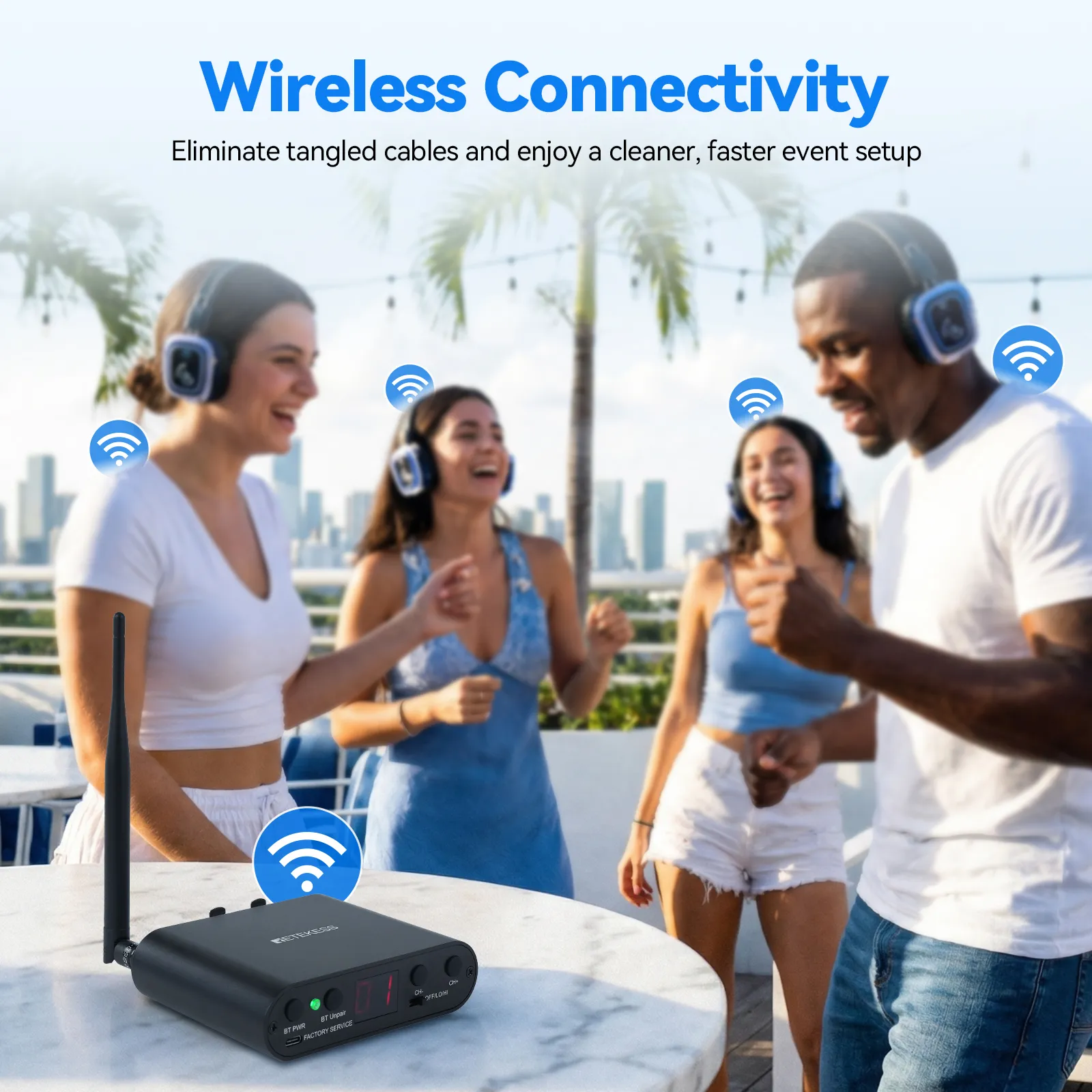
Wireless tour guide microphone systems do more than deliver commentary at museums and landmarks. They create a steady, direct audio link between leaders and every student, from the start of the day to the final return.
Clear directions for everyone, even in noisy crowds
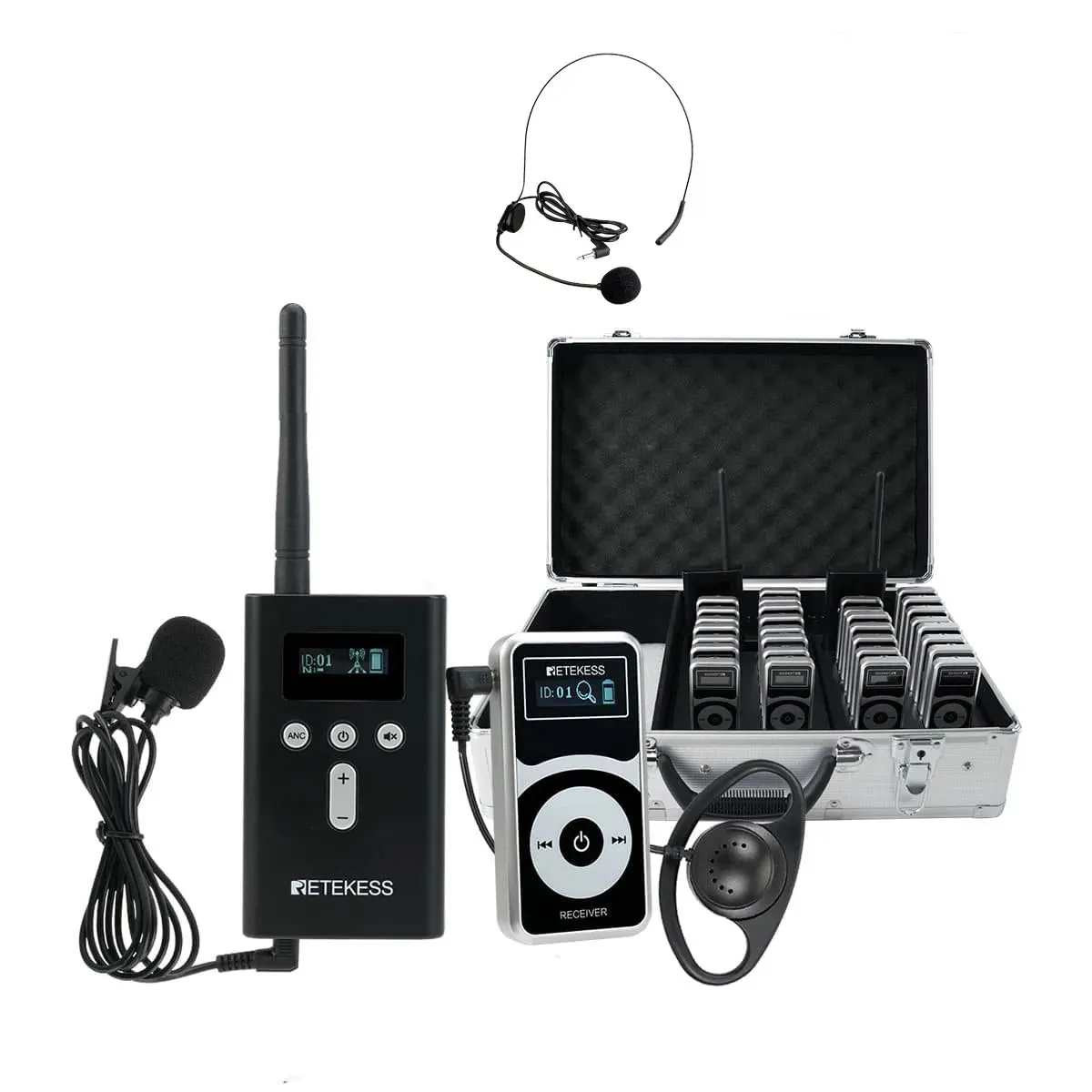
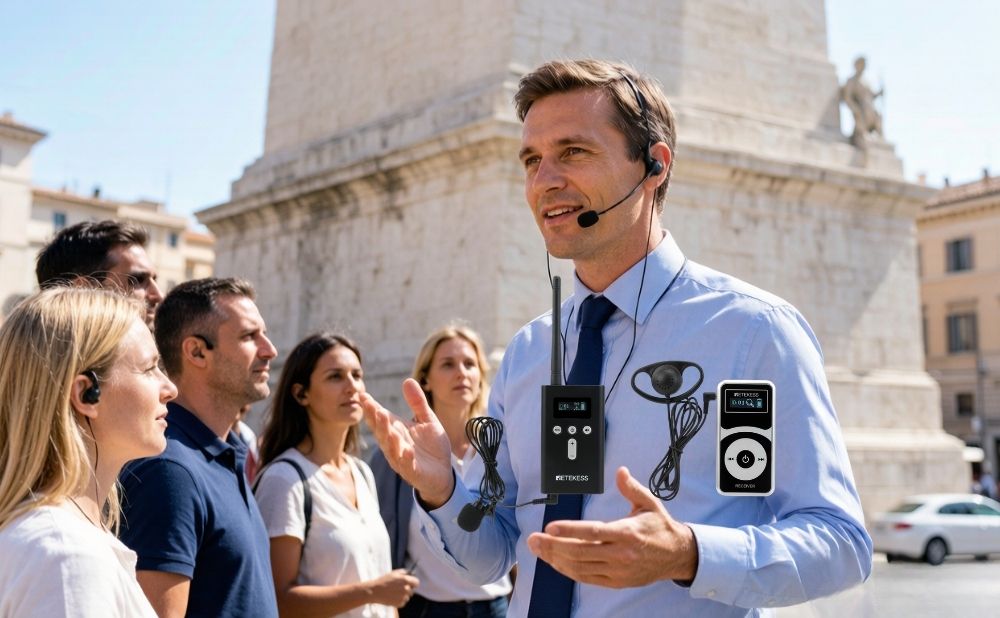
Leaders speak at a normal volume into a lightweight transmitter. Every student hears the message clearly through their individual receiver.
This works in crowded metro stations, busy city squares, and open-air landmark sites. Background noise makes no difference. Directions, crosswalk safety reminders, and schedule updates reach every person at the exact same time.
Students stay aligned with the group even when spread out along a walking route. No one misses a turn or a meeting point change. Headcounts move faster, and more of the day stays focused on learning activities.
Faster, calmer response when plans change
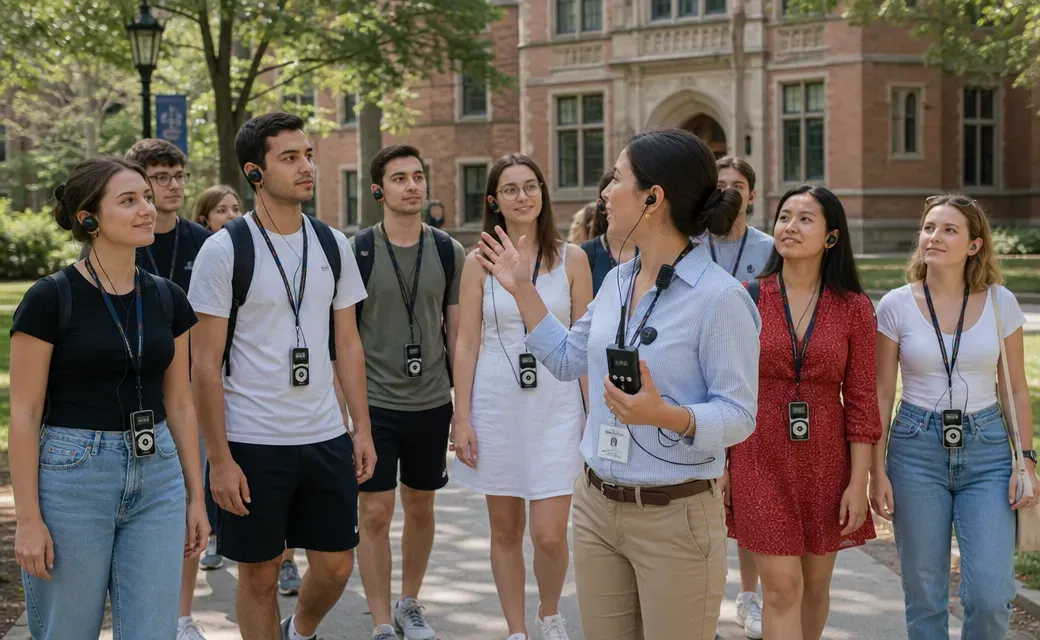
If a situation requires immediate action, leaders share one clear instruction with all students at once.
There is no need to raise voices, track people down individually, or wait for messages to be read. The whole group receives consistent direction right away. This reduces confusion and stops the group from splitting apart.
This speed matters most during lost student scenarios, weather disruptions, or unexpected site closures. A coordinated group responds faster and stays safer.
Less phone use, fewer distractions and theft risks
Students receive all updates through their receiver. They do not need to pull out phones repeatedly to check messages.
This lowers theft risk in busy tourist areas, where pickpocketing targets people distracted by devices. It also keeps students more aware of their surroundings during walking segments and street crossings.
A clear, visible approach to safety oversight
A dedicated group communication system shows proactive investment in safety management. It aligns with standard safety requirements for educational trips and demonstrates structured risk prevention practices.
For parents, a dedicated audio system feels more reliable than general statements about supervision. It gives clear, visible proof of structured group management.
What to Look For in a Field Trip-Ready Tour Guide System
Standard tour guide systems built for indoor museum use do not always hold up to all-day student city trips. Four core features make a system fit for regular educational field use.
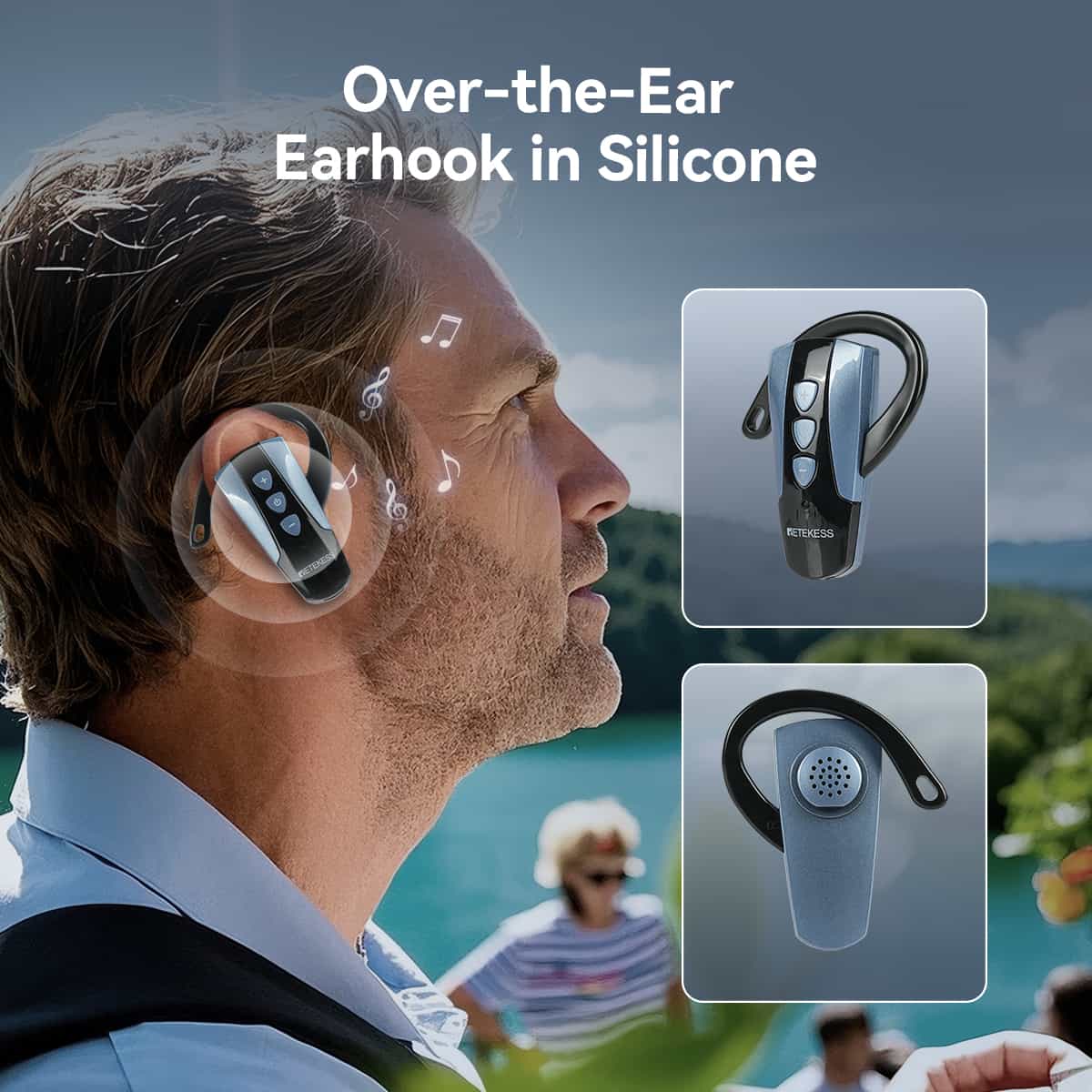
- Lightweight, comfortable design. Units must stay comfortable for students to wear through 6 to 8 hours of walking and sightseeing, without heavy pressure.
- Reliable outdoor signal. Steady transmission across long walking routes, crowded public spaces, and areas with building obstruction.
- All-day battery life. Single-charge runtime covers full itineraries, with no need for mid-day charging stops.
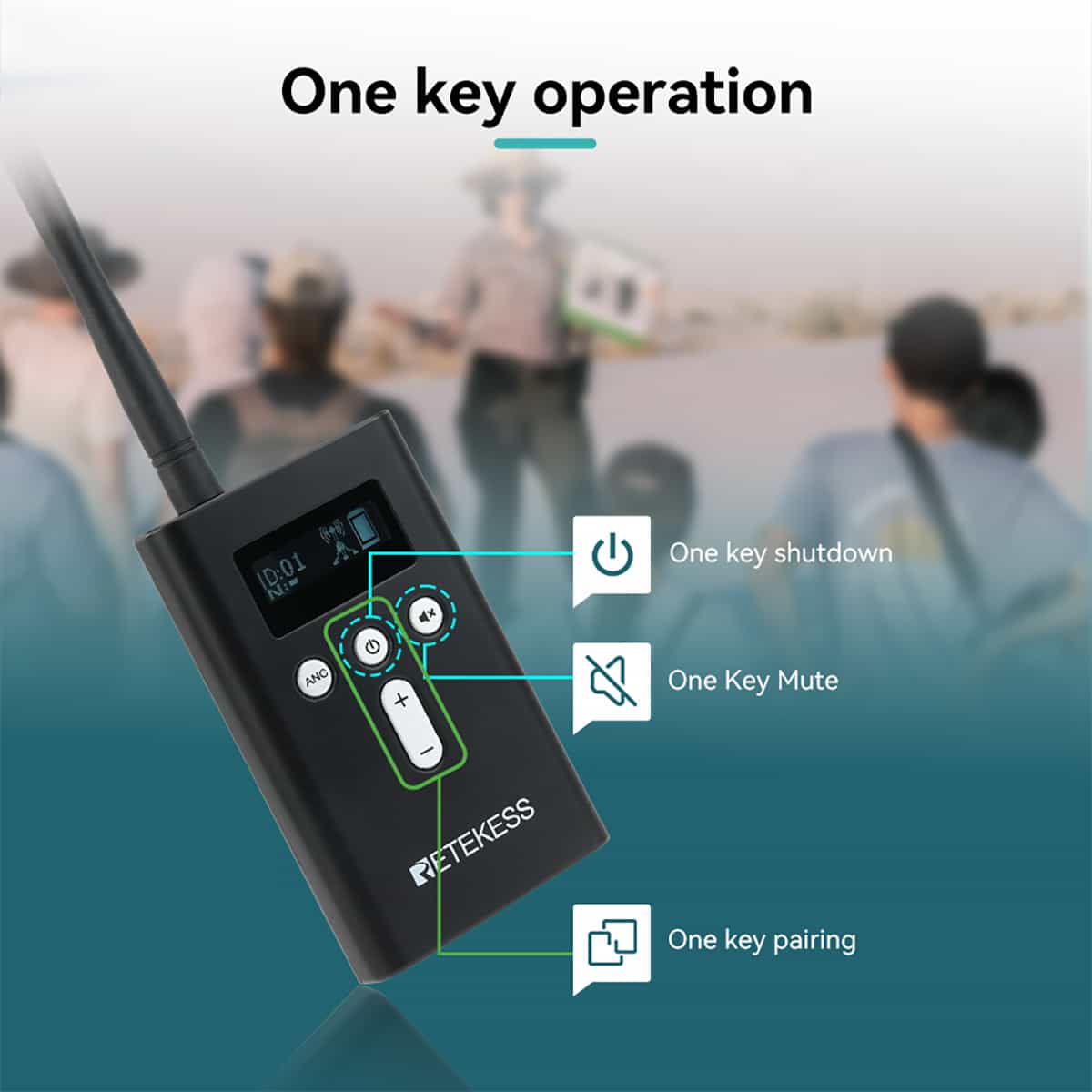
- Simple, durable build. Straightforward controls for students of all ages, and sturdy construction that stands up to regular daily use.
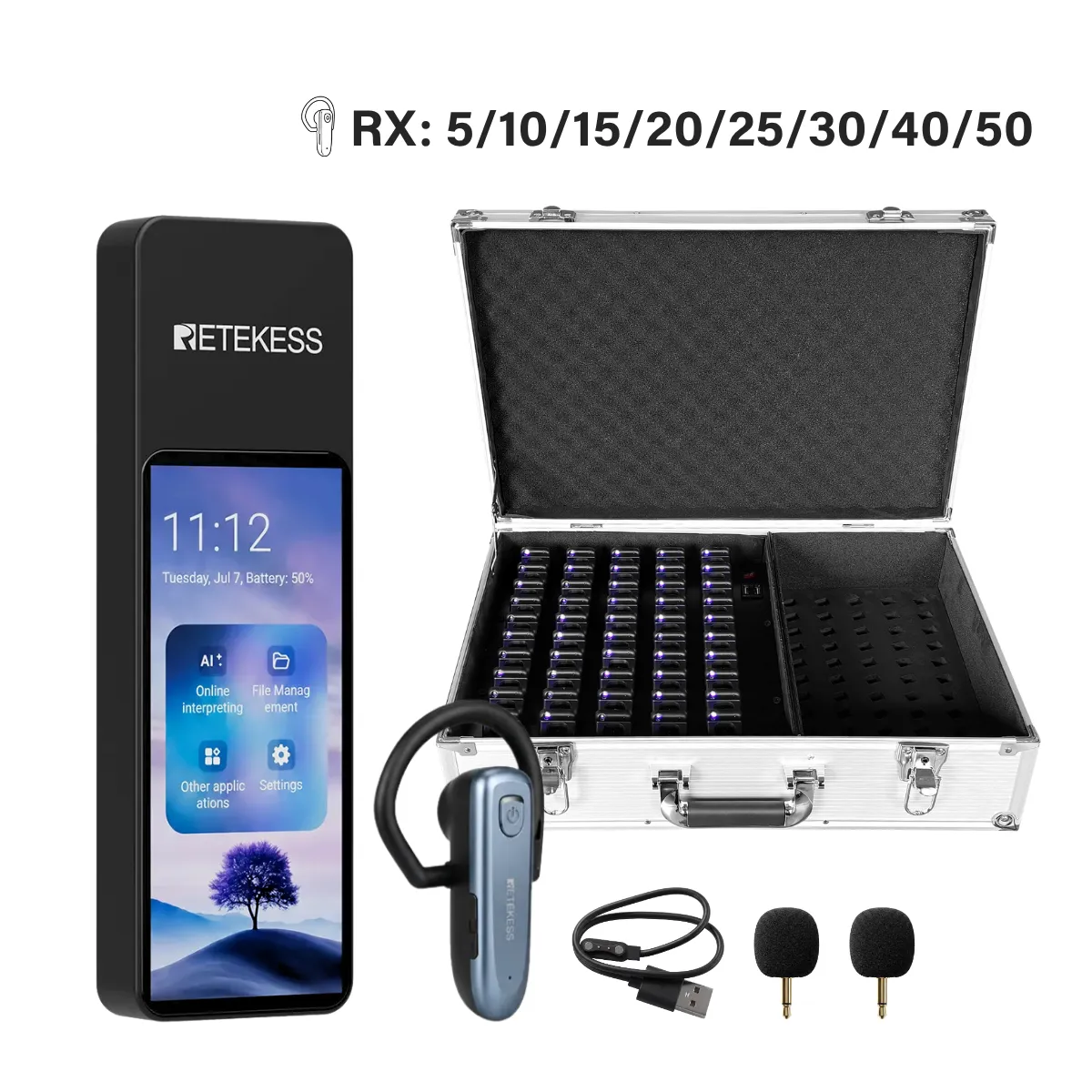
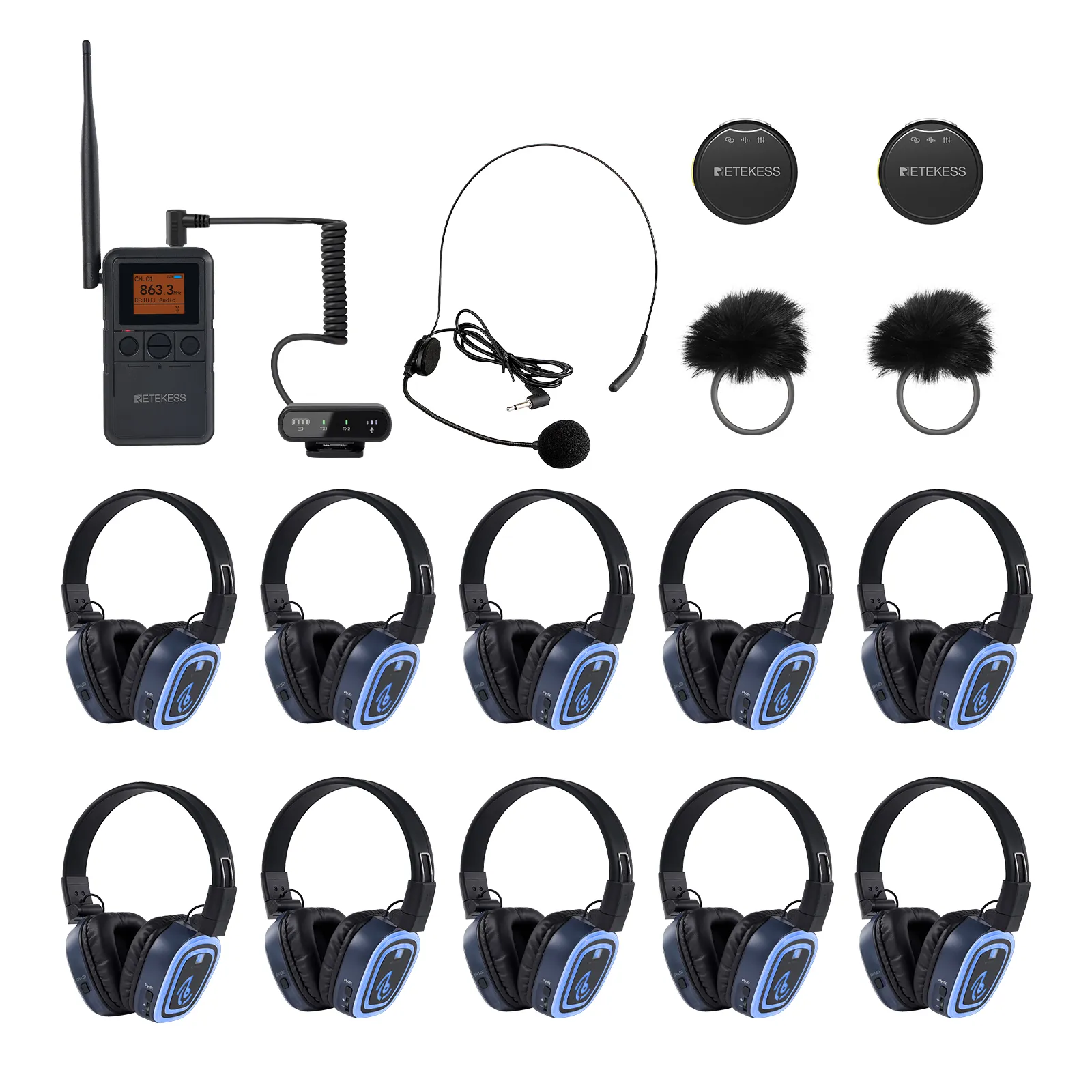
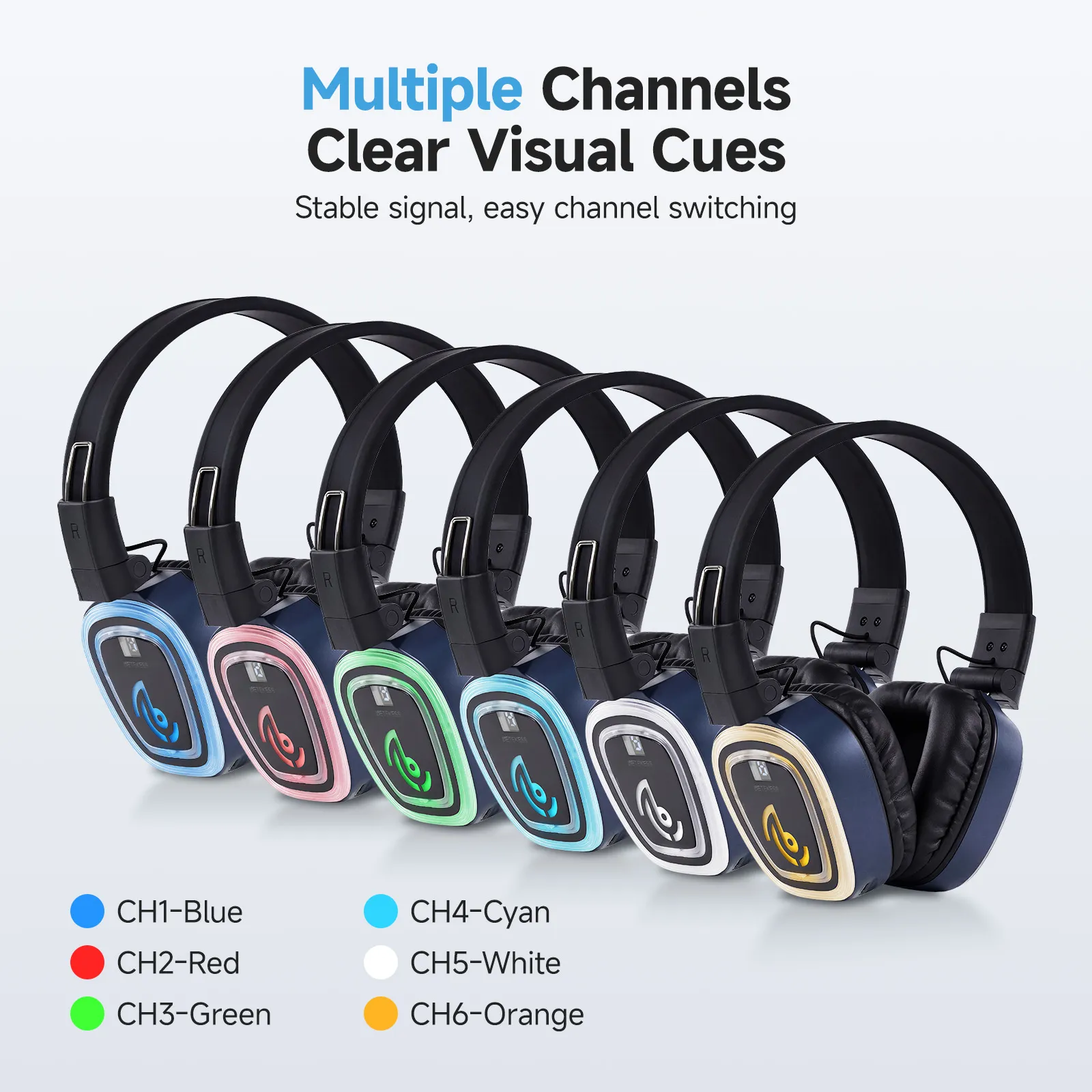
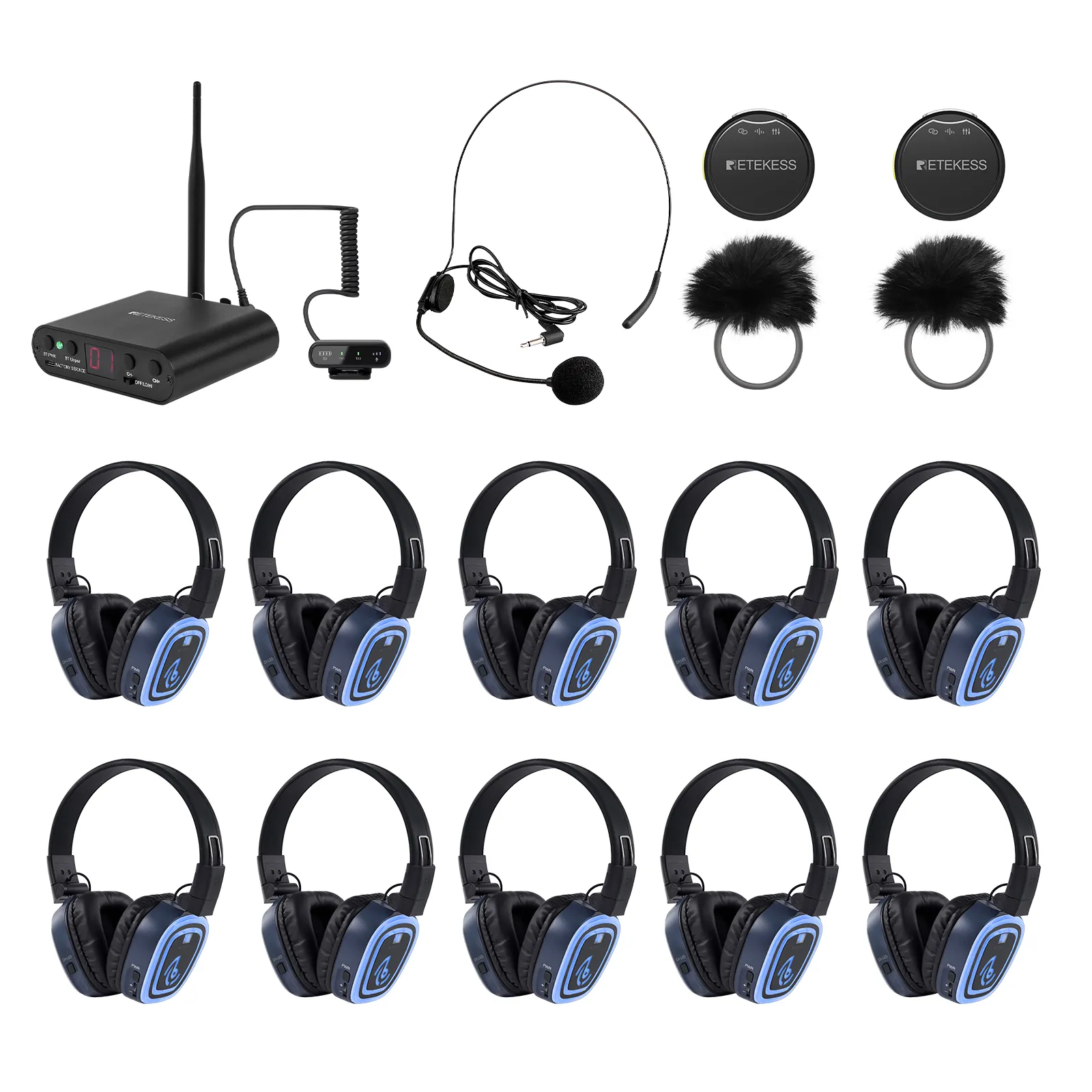
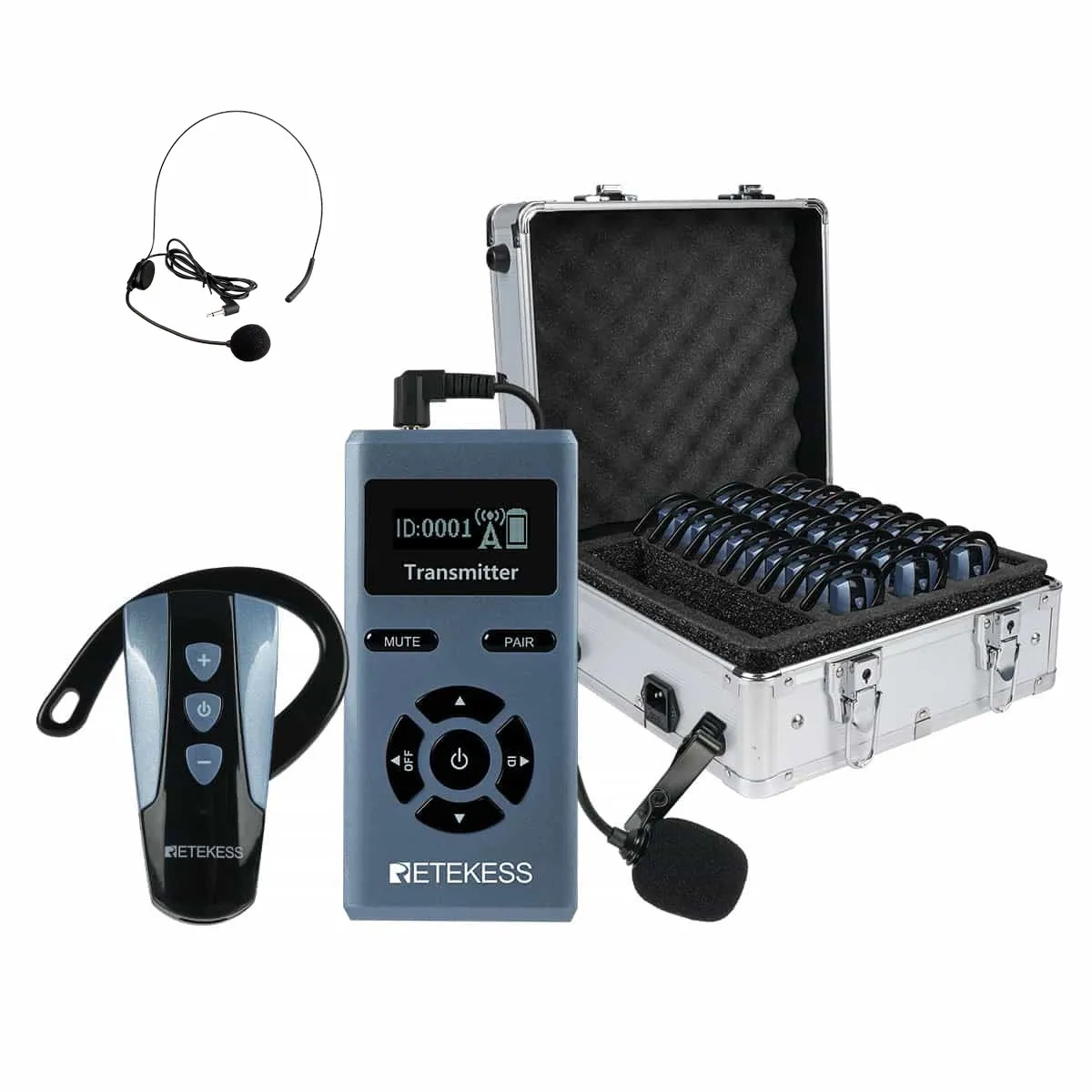
The Retekess T130P system aligns with these field trip requirements. It features lightweight wearable units, stable outdoor transmission for urban walking routes, and all-day battery life to cover full itineraries. Controls are simple for both group leaders and students, with no complex setup needed before each trip.
Frequently Asked Questions
Q: Can students talk back to the leader through the system?
A: The system is designed for clear one-way communication from leaders to the group. This keeps the channel focused on directions and safety updates. Leaders can still stop for in-person questions at designated points.
Q: Will headphones block out traffic and surrounding sounds?
A: No. The receivers deliver clear voice guidance without fully blocking ambient sound. Students remain aware of their surroundings, which supports overall safety during street crossings and busy public areas.
Q: Is the system easy for younger students to use?
A: Yes. Controls are simple and intuitive. Students only need to put on the unit and adjust volume. No technical skills are required, and units are built to withstand regular student handling.
Conclusion
Most safety and scheduling issues on large student city trips trace back to the same root cause: inconsistent communication. Common workarounds help a little, but they do not create reliable, instant connection between leaders and every member of the group.
A wireless tour guide microphone system closes that gap. It supports smoother daily group movement, faster response to unexpected changes, and clearer safety oversight — all with one simple, practical tool.
Contact us to receive a custom system configuration tailored to your group sizes and typical itineraries.
Leave a Reply

![[18th Anniversary] 18 Years of Echoing Excellence: Making Communication Easier, Connecting Trust Beyond Borders](https://res.retekess.com/z_file/20260716/retekess-brand-story-making-communication-easier_20260716151044_7682.jpg)
![[18 Years in Wireless Communication] Silent Disco Systems Anniversary Celebration: Top-Selling Headphones & Event Mechanics Revealed!](https://res.retekess.com/z_file/20260713/18-years-in-wireless-communication-silent-disco-systems-anniversary-celebration_20260713175011_5749.webp)
![[Anniversary Carnival] Ding-dong! 18th Anniversary Mega Sale on Guest Paging & Calling Systems: Full Reveal of 12+ Products & Promo Rules!](https://res.retekess.com/z_file/20260713/18th-anniversary-mega-sale-on-guest-paging-calling-systems_20260713175257_0295.webp)
![[Retekess 18th Anniversary Teaser] Tour Guide System Exclusive Perks: Sneak Peek at Event Dates & Mechanics!](https://res.retekess.com/z_file/20260713/retekess-18th-anniversary-tour-guide-system-exclusive-perks--2-_20260713180135_6435.webp)
Follow Us
Pay With


 Google
 Amazon
Comments (0)